Best Landscape Fabric: 7 Picks for Every Job
Compare the 7 best landscape fabrics for garden beds, vegetables, mulch, gravel, and driveways, with woven-versus-nonwoven advice and install tips.
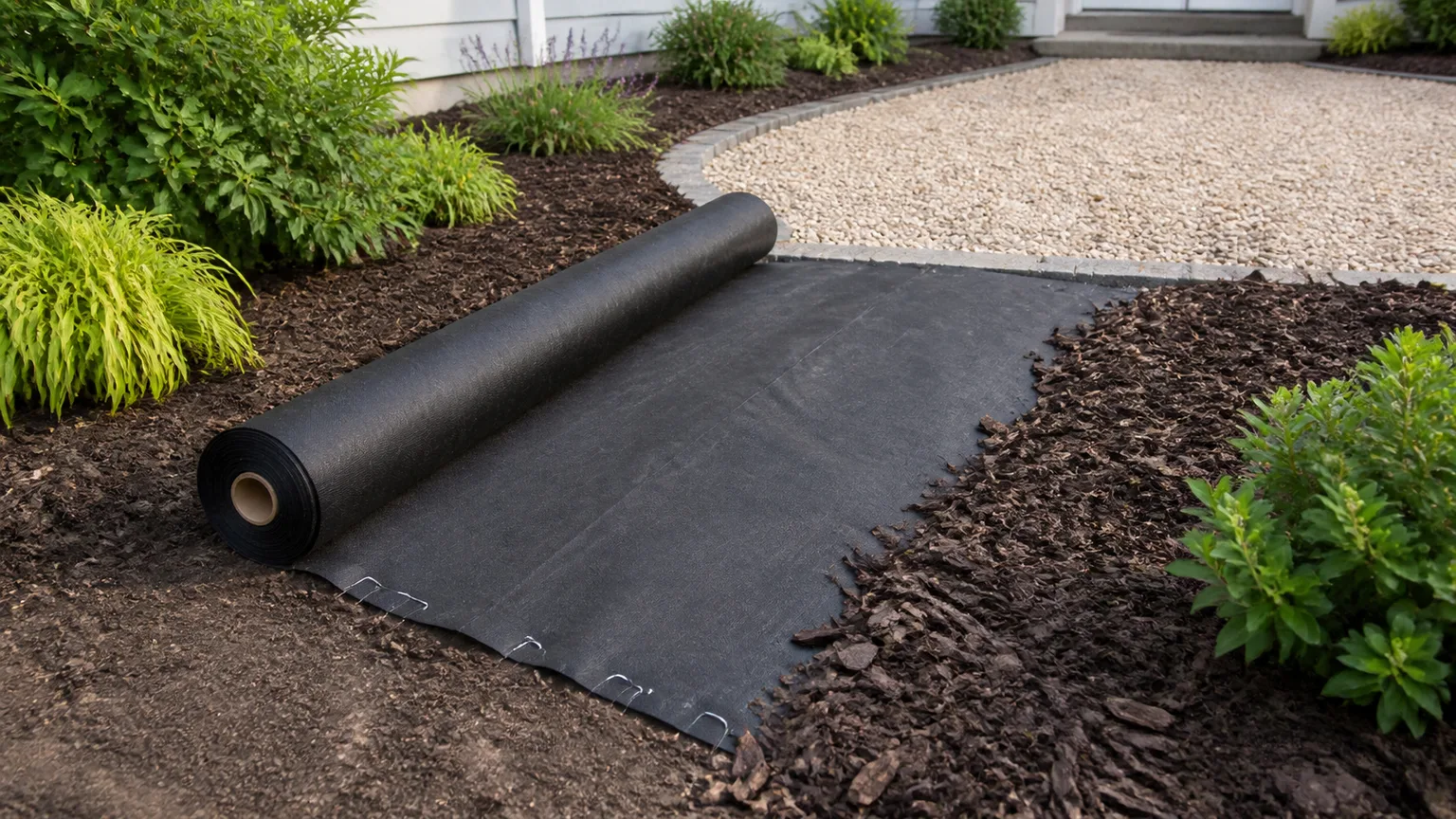
The best landscape fabric depends on what will sit above it. A breathable garden-bed fabric can be a sensible weed barrier around established shrubs, but it is a poor substitute for a structural geotextile under a driveway. A thick, slow-draining roll that survives gravel may also be frustrating in a vegetable bed where you need to water, amend, and replant the soil frequently.
This review narrows the choice to seven widely available products and assigns each one a job. The recommendations weigh construction, permeability, UV exposure, cutting and anchoring, roll practicality, and the field-test observations available for each product. Specifications can change by roll size or retailer, so verify the exact listing before buying; the category name matters less than the fabric you will actually receive.
Quick verdict: choose the fabric by what goes above it
For most established ornamental beds, the ECOgardener Premium Garden Weed Barrier is the most forgiving starting point because its layered construction aims to balance weed suppression, cutting, and water movement. For a permanent path, gravel patio, or driveway base, choose ArmorLay Commercial Grade Driveway Fabric instead; that is a separation and stability job, not a flower-bed job.
Use DeWitt 12-Year Landscape Fabric when long service and UV exposure matter, Amagabeli Heavy-Duty Landscape Fabric when a substantial mulch layer will protect an established bed, and Agfabric Landscape Fabric Weed Barrier when marked rows and a wide roll make layout easier. FLARMOR makes more sense as a seasonal, high-permeability row or between-row barrier than as a permanent floor for a frequently reworked food garden. VEVOR is a practical heavy-duty choice for fence lines and covered utility areas, but its slower water movement makes it less attractive around plants that need fast, even irrigation.
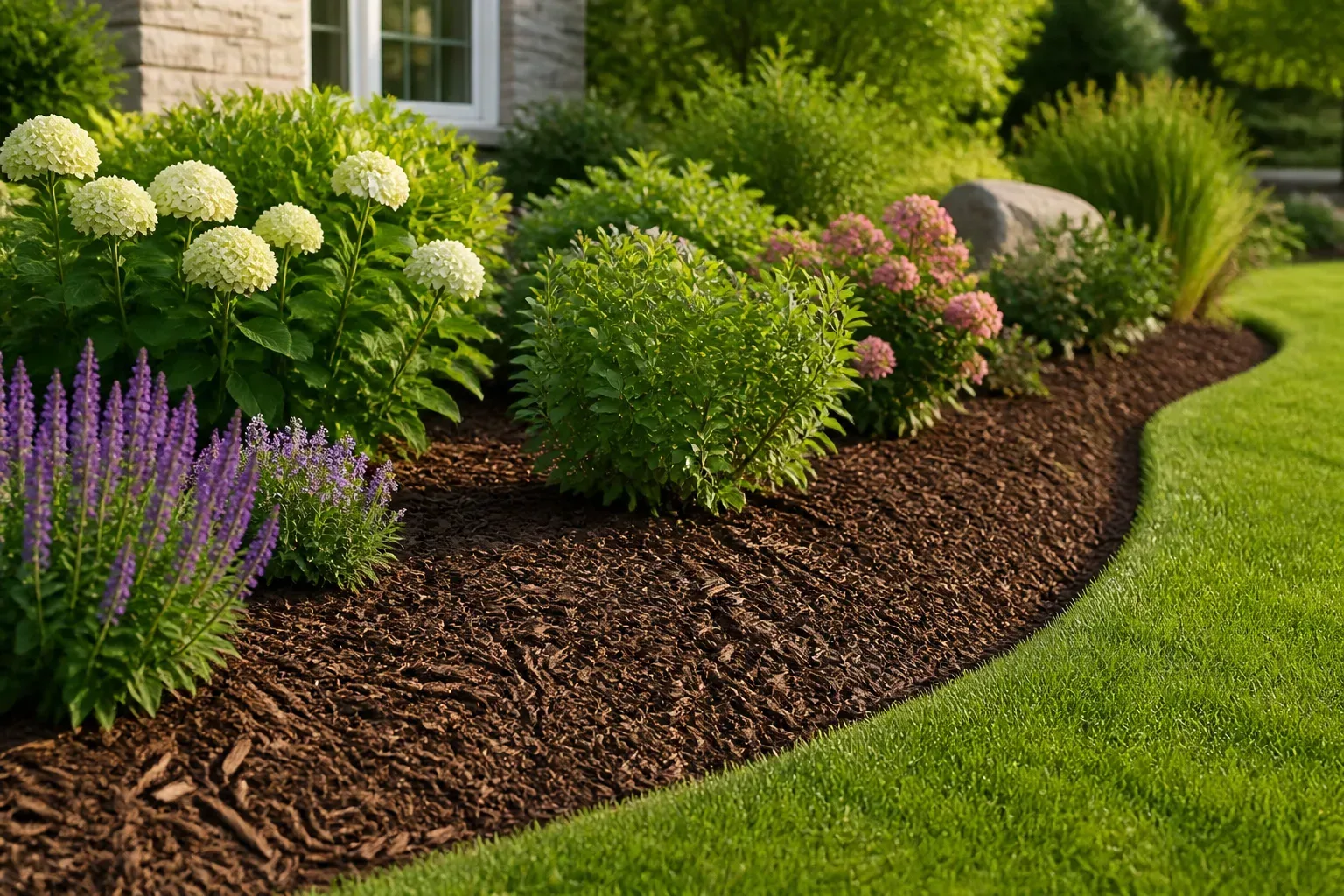
Landscape fabric is a light-blocking, permeable ground cover. It is not a chemical treatment and it does not sterilize the soil. It reduces the light available to weed seedlings and separates soil from mulch, gravel, or a hardscape base; the result is weed suppression, not a forever weed-free surface.
How we evaluated the seven picks
The useful question is not “Which fabric blocks the most weeds in a product photo?” It is “Which construction fits this site without creating a new problem?” We looked at five decision points: light exclusion, water movement, resistance to tearing and traffic, exposure to sunlight, and how much the soil will be disturbed after installation.
We also separated observation from promise. A six-month or one-year field result can show whether a product frays, puddles, shifts, or allows weeds at the seams during that window; it cannot prove a fabric will remain intact for the full number printed on its label. Likewise, a product’s ounces-per-square-yard figure is useful only alongside fiber construction, cover, UV exposure, and the job above it.
That distinction matters because weed control is a system. King County’s weed-control guidance recommends choosing methods for the site, target species, and season, then combining them with follow-up maintenance. Fabric can be one tool in that system, but it should not be asked to correct compacted soil, an established rhizome network, or a poorly prepared bed on its own.
The 7 best landscape fabrics
ECOgardener Premium Garden Weed Barrier: best overall
Best for: established flower beds, shrubs, small in-ground beds, and mixed projects where permeability and easy handling both matter.
The ECOgardener barrier is a two-layer polypropylene product combining a woven face with a needle-punched layer. That hybrid approach is its main advantage: it feels more substantial than a thin row cover while remaining easier to cut and position than many very heavy rolls. Green guide lines also help when you are spacing a straight run of plants.
The construction is described by the ECOgardener product information as a combination of durability and water and nutrient permeability. Independent product comparisons also place the common test roll at about 3 by 50 feet and 5 ounces per square yard, but sizes and descriptions vary, so check your chosen listing rather than treating those figures as universal.
The catch is UV exposure. This is not the fabric to leave uncovered in full sun while a project sits unfinished. Lay it flat, anchor it promptly, and cover it with mulch or another intended surface. It is also not a reason to blanket a vegetable bed that you will dig through every few weeks; its versatility makes it convenient, not automatically appropriate.
Why choose it: the best balance of handling, weed suppression, and general garden-bed use.
Skip it when: the fabric will carry hardscape loads, remain exposed for long periods, or cover soil you need to amend constantly.
DeWitt 12-Year Landscape Fabric: best for long-term beds
Best for: permanent or semi-permanent plantings, sunny borders, tree and shrub zones, and projects where replacing the barrier soon would be difficult.
The DeWitt 12-Year line is the long-service choice in this group. Its bonded, nonwoven construction is designed to reduce light penetration while a UV treatment helps the material tolerate outdoor exposure. In a test-informed review, that combination matters more than the headline lifespan: the practical benefit is less fraying and fewer replacements when the bed will stay in the same layout for years.
The product name can refer to different roll sizes and listings, and another DeWitt line may have a different weight or construction. Confirm the exact product code, width, and whether the listing says woven or nonwoven before checkout. Do not compare the “12-year” label directly with an unprotected fabric that will be left uncovered; cover, sunlight, foot traffic, and edge damage change the result.
This fabric is a strong fit around established shrubs, but its firmness can make small planting cuts less forgiving. Cut the opening only as large as the root ball requires, and plan the layout before rolling it over plants. If your border is full of annuals that will be pulled and replanted, a thinner seasonal barrier or organic mulch will be easier to live with.
Why choose it: long-term protection and UV-conscious construction for a stable planting plan.
Skip it when: you need to turn the soil often, plant densely through small openings, or prioritize the lowest-cost seasonal solution.
VEVOR Weed Barrier Landscape Fabric: best heavy-duty value
Best for: fence lines, utility strips, covered ornamental areas, and large runs where puncture and tear resistance matter more than the fastest water movement.
The VEVOR weed barrier is a woven polypropylene fabric commonly sold in long rolls with green guide lines. It is useful when the site is rougher than a freshly prepared flower bed: wind, equipment edges, a dog crossing the border, or a sharp mulch can punish a lightweight material. The field report used for this comparison found strong weed suppression and good resistance to incidental edge damage.
Its compromise is permeability. Water eventually moved through in testing, but more slowly than through the higher-permeability picks, with occasional small puddles reported. That is a meaningful warning for heavy clay, low spots, and plants watered by drip emitters: a barrier can slow surface infiltration even when its label says “water permeable.” Check the soil and drainage before covering a large area.
Use this roll under a protective mulch or straw layer and keep it away from mower blades and exposed edges. If you are installing a path, choose a fabric designed for separation and the expected load rather than assuming any thick weed barrier is a construction geotextile.
Why choose it: tough, long-roll coverage for covered utility or landscape zones at a practical price.
Skip it when: the bed is poorly drained, plants are sensitive to wet-dry swings, or irrigation needs to infiltrate quickly.
FLARMOR Non-Woven Landscape Fabric: best for seasonal vegetable rows
Best for: long vegetable rows, between-row weed suppression, sloping garden sections, and seasonal layouts where high permeability is more important than a permanent soil cover.
FLARMOR’s nonwoven polypropylene fabric is light enough to cut around crops and is sold in long rolls suited to large beds. In the supplied test report, it handled substantial rainfall without standing puddles and performed well around tomatoes and other vegetables. That makes it attractive when you want a barrier between rows or around a crop that will stay in place for one growing season.
The important qualifier is that a vegetable garden is not just a place that needs fewer weeds. It is also a place where you add compost, pull finished plants, rotate crops, dig roots, and observe soil structure. A high-permeability fabric reduces some of the problem but does not remove the access problem. Use narrow strips or between-row runs when possible instead of sealing the whole bed beneath a permanent grid of planting holes.
This fabric is not generally sold as UV protected. Cover it soon after installation, especially at the edges and around exposed planting cuts. A large roll can be economical for a market-style row layout and wasteful for a few containers or a small mixed bed.
Why choose it: lightweight, high-permeability coverage for a seasonal crop plan.
Skip it when: you need a permanent, exposed ground cover or want to keep the entire bed open for soil amendments.
ArmorLay Commercial Grade Driveway Fabric: best under gravel and hardscape
Best for: gravel drives, walkways, brick edging, patios, and other hardscape systems where soil separation and ground stability are the main jobs.
ArmorLay is the clearest specialist pick in this list because it is intended for hard surfaces, not for planting through dozens of small holes. Its broad roll format and tough polypropylene construction help separate native soil from gravel or base material. That separation limits fine soil from migrating upward into the aggregate, where it can contribute to ruts, soft spots, and weed-friendly pockets.
For a driveway or frequently walked path, the material above the fabric provides much of the restraint, so careful ground preparation is still essential. Remove roots, level the route, address drainage, and compact the base as the project design requires. Fabric cannot turn unstable subgrade into a finished drive.
Do not confuse a hardscape separation layer with a planted gravel garden. BBC Gardeners’ World Magazine notes that a gravel garden can be created directly on soil, and that avoiding fabric allows plants to spread and self-seed. Under a path, separation is helpful; under a living, self-seeding gravel border, it can work against the design.
Why choose it: the right job-specific construction for gravel and hardscape stability.
Skip it when: you are trying to improve living soil or create a planted gravel border that depends on natural spread.
Amagabeli Heavy-Duty Landscape Fabric: best under mulch
Best for: established hosta, shrub, and perennial beds that will receive a protective mulch layer and do not need frequent replanting.
Amagabeli’s heavier dual-layer fabric is appealing when you want a substantial barrier below wood mulch, pine straw, or bark. The extra body resists routine wear and gives the top layer a clean separation from the soil. In field use, it held up well after installation and kept weeds from emerging through correctly sized planting openings.
The cutting experience is part of the buying decision. Dull scissors can pull at the layers and leave a ragged edge, while sharp shears make cleaner planting cuts. Plan the bed before laying the roll; fitting heavy fabric around many small, established plants is slow, and every extra slit is another place for the material to shift or for weeds to find light.
This fabric is not a UV-treated product, so do not leave it exposed as a finished surface. Keep mulch from burying shrub crowns or tree trunks, and inspect after storms or pets move the covering. The mulch is not decoration only: it protects the fabric from sunlight, holds it down, and hides the seams.
Why choose it: a durable, mulch-ready layer for stable ornamental plantings.
Skip it when: the site is a frequently replanted annual bed or the soil already has drainage problems.
Agfabric Landscape Fabric Weed Barrier: best for marked straight rows
Best for: broad, orderly beds, row crops, long borders, and gardeners who benefit from guide lines when measuring cuts and spacing.
Agfabric earns its place for layout rather than for a magic weed-blocking property. The marked grid or lines help you establish straight runs, align planting openings, and reduce the waste that comes from repeatedly unrolling a long strip to check spacing. The common reviewed configuration is a UV-resistant polypropylene fabric with medium permeability, but the brand sells multiple products, so verify width, weight, and the exact model.
The medium permeability is a reminder to test the site before covering it. After a rain, check whether water infiltrates evenly or sits in low areas. If a hose or drip line delivers water in a narrow stream, do not assume the fabric will spread it laterally through compacted soil. Pre-water and observe the bed, improve grading where needed, and use a lighter or more open material if the crop requires rapid infiltration.
Agfabric is still plastic, even when a product listing uses “eco” language to describe the absence of added chemical treatments. That may be a useful material detail, but it does not make the product biodegradable. Choose it for the layout and service life you need, then keep it covered and in place for as long as it remains useful.
Why choose it: marked lines and wide-format options make a straight, repeatable layout easier.
Skip it when: you are building a naturalistic, self-seeding border or need a highly filtered drainage fabric for a hardscape system.
Woven, nonwoven, hybrid, and geotextile: what changes in use
Woven fabric is made from interlaced strips, usually polypropylene. The visible grid or small openings allow water and some air through while the interlacing gives the sheet good tensile strength and handling. It is often the practical choice around permanent shrubs, between crop rows, and under a protective layer where you need to cut and pin a broad sheet without it collapsing.
Nonwoven fabric is made by bonding fibers, often through needle punching. Its three-dimensional structure can conform to uneven ground and provide useful filtration and separation, which is why nonwoven geotextiles are common behind retaining walls, around drainage systems, and beneath some aggregate installations. In garden beds, however, a dense nonwoven sheet may move water differently from a light woven fabric; “nonwoven” alone is not a guarantee of fast drainage.
Hybrid or two-layer fabric tries to combine the handling and strength of a woven face with the permeability of a needle-punched layer. It is the reason the ECOgardener pick is a good generalist. It is still a compromise, though: no layer can compensate for standing water, poor grading, invasive roots, or a bed that will be dug up every month.
Geotextile is a broad project term, not a single performance grade. A geotextile may be woven or nonwoven and may be engineered for separation, filtration, reinforcement, or erosion control. For driveways, retaining walls, and drainage, follow the project specification or manufacturer’s technical data; do not substitute a retail weed barrier simply because both products are sold as black rolls.
Install landscape fabric so it lasts
The product matters less than the first hour of installation. A good roll installed over living perennial weeds, left with open seams, or exposed to the sun for weeks can fail faster than a cheaper fabric that is prepared, anchored, and covered correctly.
Prepare the soil before the fabric arrives
Start with the future bed, not the roll. Mark the edges, remove existing weeds, dig out obvious roots and rhizomes, level hollows, and add compost or other soil amendments before the barrier goes down. If an aggressive perennial weed is present, identify it and remove as much of the root system as practical; smothering a vigorous rhizome without a follow-up plan usually postpones the problem.
Rake away sharp stones, sticks, and woody debris that could puncture the material. Check the grade with a long board or straightedge, then run water over the surface. If puddles form now, they will still be a problem after the fabric and mulch are installed. A barrier can slow infiltration, but it cannot repair a low spot or compacted subgrade.
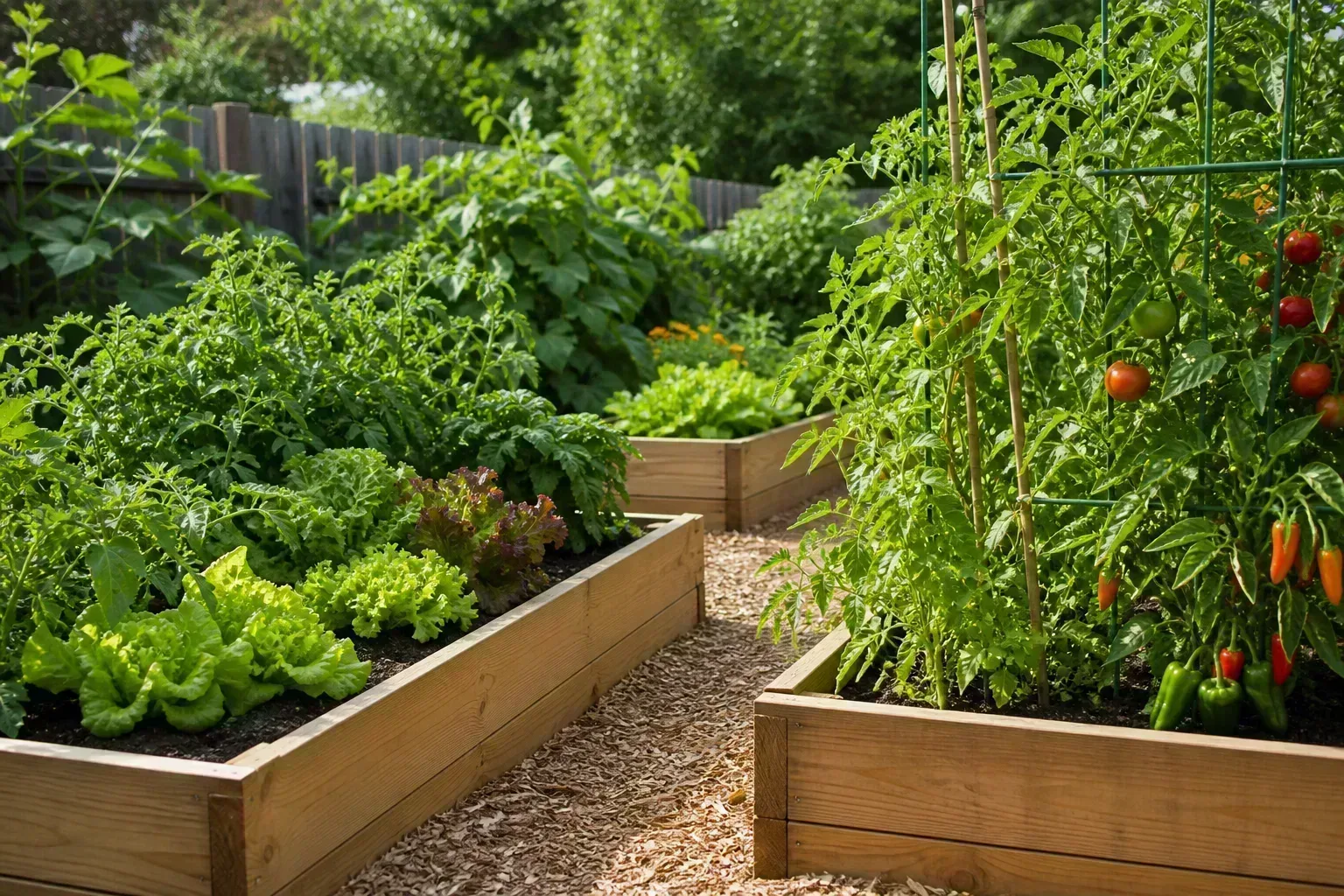
For a vegetable bed, decide whether the entire surface truly needs covering. Narrow strips between rows preserve more soil access than a full sheet with dozens of cuts. Savvy Gardening’s long-term weed-control guidance makes the same practical distinction: fabric can help in paths and patios, but it can cause problems in planted beds when water runs off, mulch decomposes on top, or persistent perennials push through.
Lay, overlap, anchor, cut, and cover
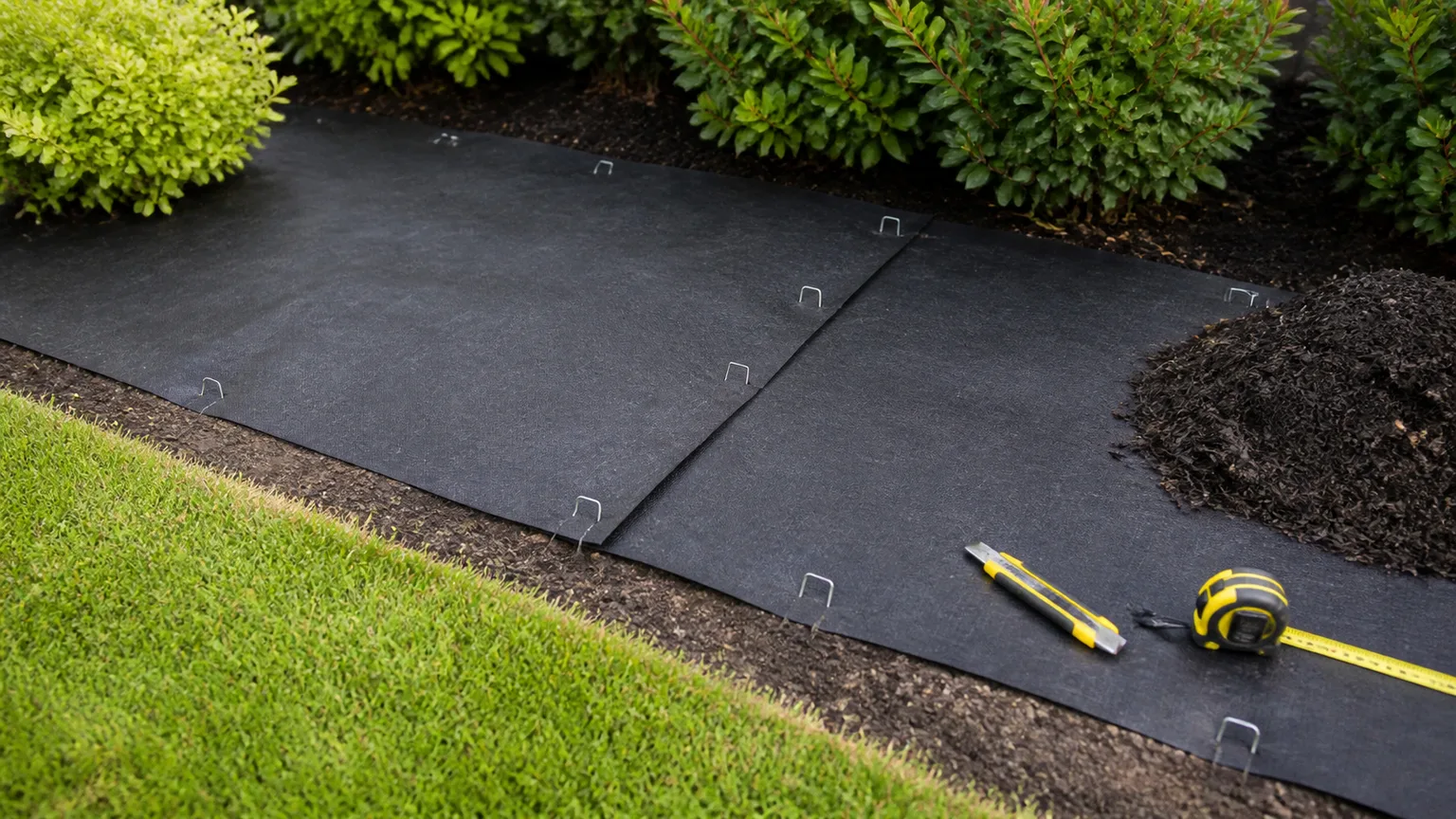
- Roll the fabric in the direction that creates the fewest seams. Keep the sheet flat but do not stretch it drum-tight; soil movement and temperature changes need a little tolerance.
- Overlap adjoining pieces generously. Use the manufacturer’s seam guidance; for ordinary beds, a 6- to 12-inch overlap is a useful practical range when the ground is uneven or likely to shift. A seam that barely meets is an invitation to light, dust, and weed seedlings.
- Pin the perimeter and seams. Use landscape staples or pins suited to the soil. Place anchors close enough that wind cannot lift the edge, then add more at seams, corners, around curves, and wherever a top layer will not immediately hold the sheet down.
- Cut planting openings only after the layout is confirmed. A small X-shaped cut is easier to enlarge than an oversized circular hole is to repair. Fold the flaps under or overlap them around the stem so the opening does not expose a broad patch of soil.
- Cover the fabric promptly. Use the intended mulch, straw, gravel, or other finish to block UV, add weight, and reduce damage from foot traffic. In established ornamental beds, maintain a sensible mulch layer without burying crowns or tree trunks. In paths, use enough aggregate for the design and expected traffic rather than assuming more weight fixes poor drainage.
- Water and inspect before you leave. Check that water reaches the soil at planting openings and does not sheet off the fabric into the edge. Re-pin lifting areas immediately; a small exposed flap can become a large tear after wind or mowing.
Mulch is part of the system, but it can create a second weed layer. Organic material slowly breaks down into a fine, damp seedbed on top of the fabric, and windblown soil can accumulate there. Pull those seedlings while they are small instead of allowing roots to anchor through the mulch and into an opening.
Why good landscape fabric still fails
The first failure is often weeds growing above the fabric, not below it. Seeds arrive in mulch, compost, dust, bird droppings, or windblown soil. Once the organic layer becomes deep enough, the weed no longer needs to pass through the fabric. Refreshing mulch without removing that seed-bearing layer can make the problem worse.
The second failure is a perennial weed using a weak point. Bindweed, goutweed, grasses, and other persistent plants can exploit a seam, a large planting cut, a damaged edge, or a thin spot. The RHS advises choosing non-chemical control methods according to the weed and notes that annual weeds are generally easier to remove than established perennials. That is why fabric belongs after site preparation, not before it.
The third is water behaving differently than expected. A label can say permeable while a tightly woven or dense sheet sheds a hard stream from a hose, especially when the soil beneath is compacted or clay-heavy. Watch the bed after real rain, not just after sprinkling a cup of water on a sample. If puddles remain, address grade and soil structure rather than adding a thicker barrier.
The fourth is UV and edge damage. An uncovered edge next to a lawn mower, a dog path, a shovel, or a sunny wall can deteriorate even while the covered center looks new. Cut cleanly, pin edges well, cover promptly, and avoid driving stakes through the middle of a sheet unless the product and design require it.
Finally, fabric can fail as a garden strategy even when it remains intact. If you need to add compost, divide perennials, relocate shrubs, or let bulbs and groundcovers spread, the barrier is now working against the way you garden. A durable material is not automatically a durable decision.
Landscape fabric alternatives and when to skip it
Use fabric selectively. In a permanent gravel path, it can separate layers and make future maintenance easier. Around established shrubs in a low-disturbance border, it can reduce the frequency of hand weeding when covered and monitored. In a frequently planted vegetable bed, the same sheet can become an obstacle that prevents the soil care the crops need.
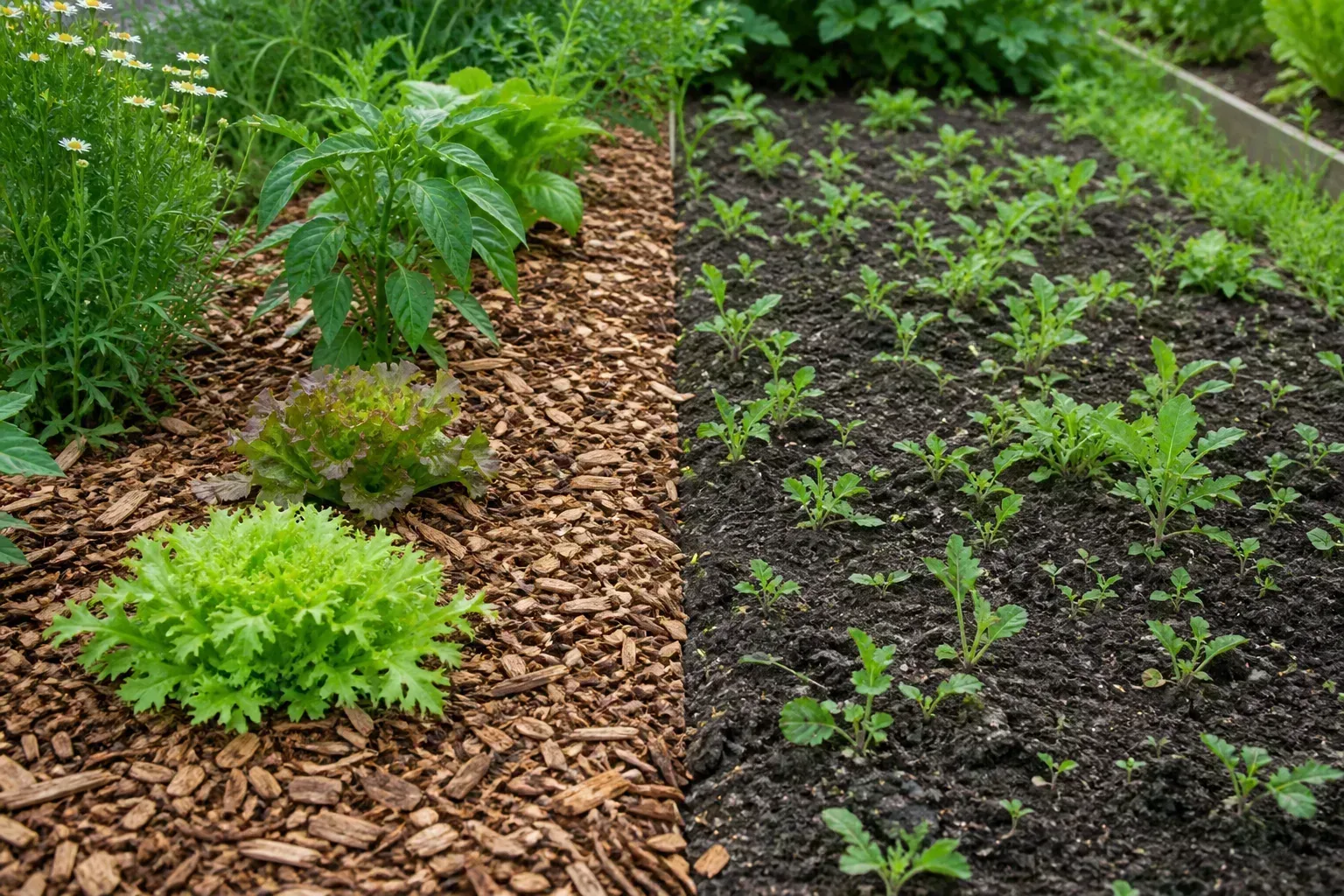
Organic mulch is usually the better first choice for living ornamental soil. Wood chips, bark, shredded leaves, straw, and similar materials block light, reduce evaporation, and decompose into organic matter. Epic Gardening’s mulch guidance treats landscape fabric as especially useful for pathways, while noting that thick organic mulch may be enough around existing plants. Apply a sensible layer for the material and plant, keep it off stems and trunks, and top it up when it thins rather than burying the bed under repeated layers.
Cardboard or newspaper beneath mulch can make sense when converting a weedy patch. King County recommends a sheet-mulching approach using a paper layer and a substantial mulch layer after the existing vegetation has been controlled. This is a temporary soil-building strategy, not a permanent path base. Let it break down before planting where possible, and do not use glossy, plastic-coated, or contaminated paper.
Bare or lightly mulched gravel is a better fit for a planted gravel garden that depends on self-seeding and natural spread. You will likely pull more seedlings at first, but you keep the surface connected to the soil. In a true walking path or driveway, that trade-off changes: separation, edge restraint, and base preparation matter more than preserving every possible soil interaction.
Dense planting and routine hand weeding are also legitimate tools. The RHS encourages barriers, smothering, hoeing, and other non-chemical controls, while Savvy Gardening recommends preventing weeds from setting seed and keeping bare soil covered. A five-minute inspection each week can outperform an expensive fabric that is installed once and forgotten.
Skip landscape fabric entirely when you need a self-seeding meadow effect, plant bulbs or groundcovers that should spread, amend soil frequently, or manage a persistent invasive weed whose roots have not been removed. It is also the wrong first response to a drainage problem. Fix the site, then decide whether a barrier supports the design you actually want.
Conclusion: buy for the surface above the fabric
For a versatile established bed, start with ECOgardener Premium Garden Weed Barrier. Choose DeWitt 12-Year for a stable long-term bed, VEVOR for a covered heavy-duty run, FLARMOR for seasonal vegetable rows, ArmorLay beneath gravel and hardscape, Amagabeli under protective mulch, and Agfabric when marked lines simplify a wide, orderly layout.
The bigger decision is whether the fabric belongs there at all. Match construction to water movement and load, remove existing weeds before covering, overlap and anchor every seam, cover exposed material promptly, and plan for follow-up. If the garden depends on living soil, frequent planting changes, or natural spread, a well-maintained mulch or sheet-mulch system may be the more durable choice.