The 8 Best Insecticides for Lawn and Garden
Compare eight lawn and garden insecticides by pest, plant type, and safety. Spinosad, neem, soap, pyrethroids, and when broad-spectrum spray is the wrong call.
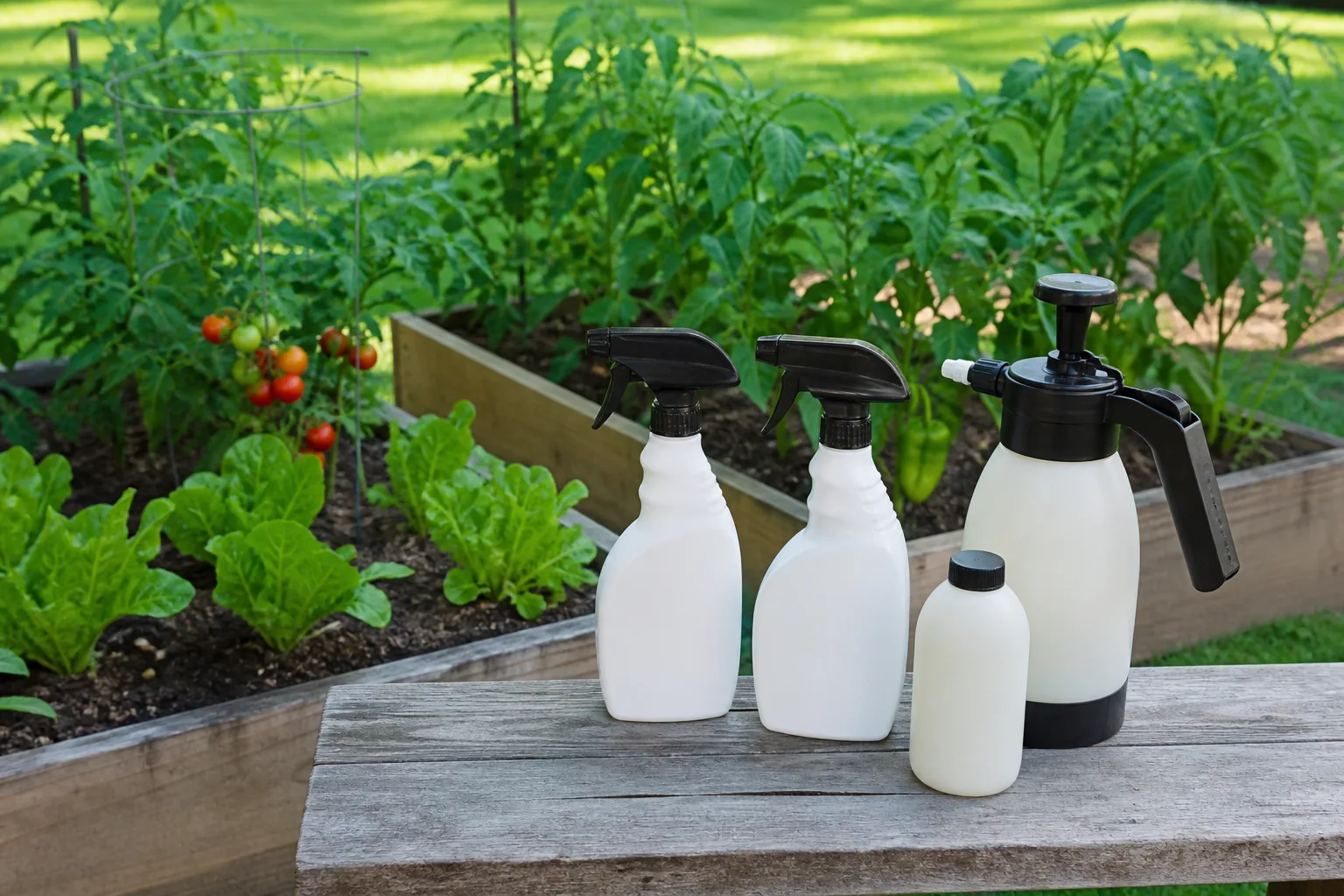
The best insecticide is not the bottle with the longest pest list on the front. It is the product whose active ingredient, formulation, and labeled use site match the pest you actually have, the plants you are trying to protect, and the safety constraints in your yard. A spinosad spray that works beautifully on tomato hornworms is the wrong tool for a carpet of lawn grubs. A bifenthrin concentrate that clears a perimeter ant trail should never touch your salad greens.
Before you compare brands, sort three variables: where the problem is (foliage, soil, lawn, or inside the foundation), what is being eaten (edible leaves vs ornamental bark), and who shares the space (kids, pets, pollinators, fish ponds). Get those right and the “best insecticides” list becomes a short list. Get them wrong and you waste money, kill beneficial insects, or create a residue problem on food crops.
Quick Verdict: Match the Insecticide to the Job
| Your situation | Start with | Why | Main limit |
|---|---|---|---|
| Mixed chewing pests on vegetables and ornamentals outdoors | Bonide Captain Jack’s Dead Bug Brew (spinosad) | OMRI-listed option; strong label for many plant feeders | Very toxic to bees while wet; short residual |
| Large lawn or landscape needing months of coverage | Spectracide Triazicide concentrate | Dilutes for thousands of square feet; broad lawn pest list | Not for edible parts; pyrethroid bee/fish cautions |
| Severe outdoor infestation on non-edible plants or structures | Quali-Pro Bifenthrin I/T | Long residual pyrethroid; professional-grade yield | Never on food crops; highly toxic to bees and fish |
| Crawling pests along foundations, dry indoor cracks | Food-grade diatomaceous earth (pesticide-labeled DE) | Mechanical kill; low toxicity when used as directed | Useless when wet; dust inhalation risk |
| Soft-bodied aphids, mealybugs, mites on edibles | Garden Safe Insecticidal Soap | Contact kill; labeled through harvest on many crops | No rain resistance; can stress plants in hot sun |
| Aphids, mites, plus mild fungal issues on edibles | Natria Neem Oil Spray | Dual pest and disease suppression | Strong odor; frequent reapplication |
| Indoor ants, roaches, spiders along baseboards | Ortho Home Defense perimeter spray | Long indoor residual on non-porous surfaces | Not for plants or food prep surfaces |
| Fleas, ticks, mosquitoes in kid/pet play areas | Wondercide cedar-oil hose-end spray | Plant-based yard treatment; hose-end ease | Short residual after rain; rinse produce |
If you are trying to keep mosquitoes off your skin at a barbecue, stop here and read our guide to best bug repellents instead. Yard insecticides kill pests on treated surfaces. They are not substitutes for EPA-registered skin repellents.
Start With IPM Before You Reach for a Bottle
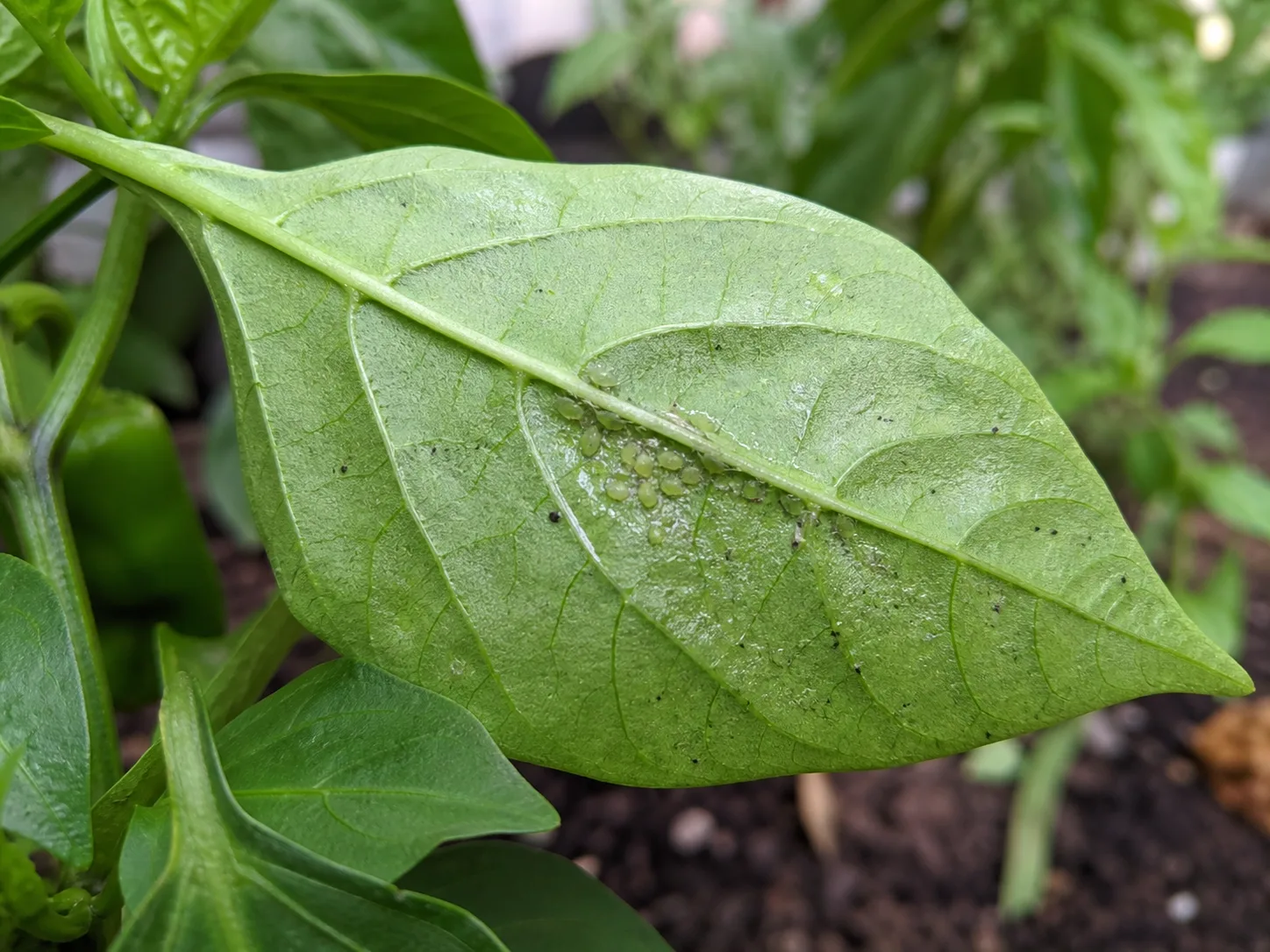
Integrated pest management sounds academic until you realize it saves plants. The goal is to reduce pest pressure with the least toxic effective step, not to spray on a calendar because last August was buggy. Our common garden pests and protection guide walks through inspection habits; the sequence below is the decision frame to use before any product in this list.
Identify the Pest and the Plant First
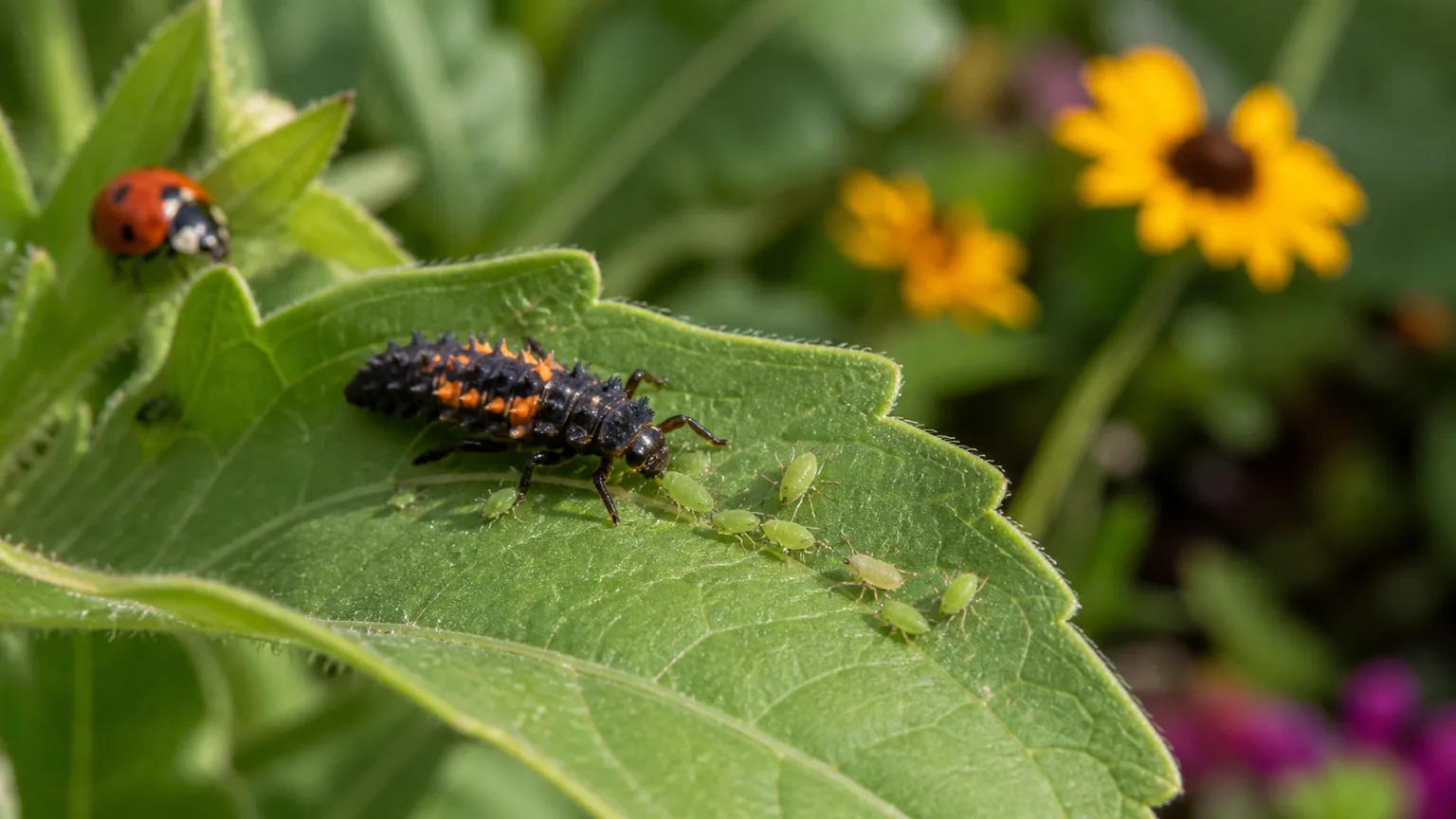
Blind broad-spectrum spraying is how gardeners kill lady beetles, parasitic wasps, and bees while missing the actual culprit. Turn over leaves, check new growth, and note whether damage is chewing holes, stippling, honeydew, or root-zone wilting. Caterpillars need different chemistry than spider mites. Grubs live in soil, not on rose petals.
If you are unsure, your local cooperative extension office can help with identification from clear photos. Many pests also have dedicated LeafyPixels guides—tomato pests is a useful example when fruiting crops are involved.
When Spraying Is the Wrong Move
Do not reach for insecticide when plants are heat-stressed, newly transplanted, or covered in open flowers and bees are actively foraging. Do not treat a single aphid on a strong plant if ladybugs are already working the patch. Skip foliar sprays during midday sun on tender crops—soaps and oils can burn leaves when temperatures spike.
Sometimes the fix is cultural: removing weeds that harbor pests, adjusting irrigation, or using row cover for a week. Insecticide is the escalation step, not the opening move.
How to Choose a Garden Insecticide by Active Ingredient
Active ingredient matters more than brand color on the bottle. The classes below cover every pick on this list.
Spinosad for Chewing and Sucking Pests on Edibles
Spinosad is derived from a soil bacterium and affects insect nervous systems on contact or ingestion. The NPIC spinosad fact sheet notes it is low in mammalian toxicity and appears in many organic-approved products, but it is very highly toxic to bees while sprays are wet. Schedule applications for late evening when bees are not foraging, avoid spraying open blossoms when possible, and let foliage dry before bees return.
Spinosad breaks down in sunlight within days on leaf surfaces—great for food gardens that need a short residue window, less ideal when you want month-long lawn protection.
Pyrethroids for Lawn and Perimeter Power
Bifenthrin and gamma-cyhalothrin (in Spectracide Triazicide) are synthetic pyrethroids. They disrupt insect nervous systems and bind to soil and surfaces for longer residual control. NPIC reports bifenthrin is very highly toxic to bees and fish, and runoff from treated lawns can reach waterways. Use them on lawns, ornamentals, and building perimeters where labels allow—not on leafy greens you will eat this week.
Pyrethroids can still be the right call for grubs, chinch bugs, or heavy ant trails when applied early in the season and kept away from ponds, storm drains, and blooming pollinator strips.
Soaps, Oils, and DE for Lower-Residual Control
Insecticidal soap (potassium salts of fatty acids) strips protective waxes from soft-bodied insects and kills on contact. It has minimal residual activity, which is why it fits frequent vegetable-garden use when labels permit harvest intervals.
Neem oil adds repellent and anti-feedant effects and can suppress some fungal diseases, but it needs repeat applications and careful timing on heat-sensitive plants. Our neem oil vs insecticidal soap comparison explains when to pick each.
Diatomaceous earth is not a poison—it abrades exoskeletons and absorbs oils. The NPIC diatomaceous earth fact sheet emphasizes it stays effective only while dry and undisturbed. Food-grade DE marketed for consumption is not automatically labeled for pest use; buy products registered as pesticides for crawl spaces and foundations.
Application Methods: Spray, Concentrate, Powder, and Perimeter Barriers
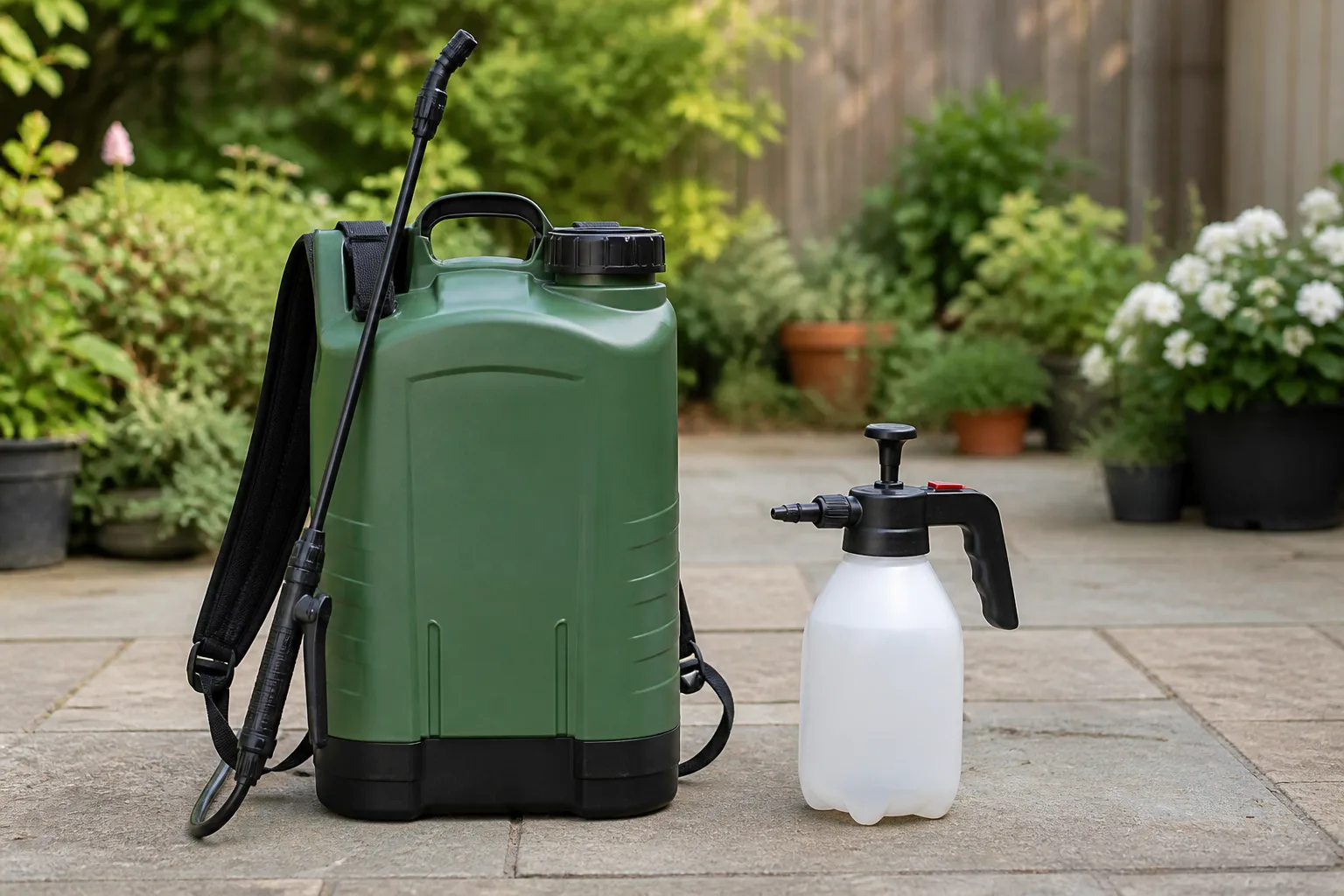
Ready-to-use sprays trade cost per ounce for convenience. They suit houseplant rescues, small vegetable beds, and spot treatments. Concentrates require mixing and a quality garden sprayer but cost far less per 1,000 square feet of lawn or hedge row.
Powders excel in wall voids, dry crawl spaces, and along foundations where crawling insects cross. Wear a dust mask—inhaling fine silica dust irritates lungs regardless of “natural” marketing.
Hose-end bottles meter concentrate as water flows, useful for evenly treating 5,000-square-foot yards without math errors. Perimeter barrier sprays like Ortho Home Defense are engineered for non-porous indoor surfaces and exterior foundations, not tomato leaves.
Granular lawn insecticides exist but are absent from this list because they require watering-in, are generally not labeled for edible crops, and are easy to misapply on slopes where runoff carries actives toward storm drains.
Safety, Pollinators, and Re-Entry Rules That Actually Matter
Every product here is a pesticide when used against pests, including organic-approved spinosad and neem. That means EPA registration, label law, and real biological effects on non-target organisms.
Read the label first—it overrides anything in a blog post. Wear gloves, long sleeves, and eye protection when labels require them. Keep kids and pets off treated lawns until sprays dry and until the label’s re-entry interval passes. Store concentrates locked away from children; bifenthrin exposures in pets can cause tremors and vomiting per NPIC.
Protect pollinators by spraying in early morning or late evening, avoiding open flowers, and choosing the least persistent effective option for the job. Spinosad and pyrethroids both carry bee warnings; soaps and oils are less persistent but can still hit foragers on contact during application.
Protect water by never spraying pyrethroids before heavy rain, keeping overspray away from ponds and streams, and rinsing equipment on lawn—not over pavement that drains to creeks. The EPA’s safe pest control guidance stresses minimizing environmental exposure through careful product choice and application technique.
If exposure occurs, follow first-aid directions on the label and contact Poison Control at 800-222-1222. For pesticide questions, NPIC at 800-858-7378 is an excellent free resource.
Best Overall: Bonide Captain Jack’s Dead Bug Brew (Spinosad)
Best for: Outdoor vegetables, fruits, ornamentals, and lawns where you need broad pest control with organic-garden approval and a ready-to-use bottle.
Captain Jack’s Dead Bug Brew is the consumer face of spinosad—effective against beetles, caterpillars, thrips, leafminers, and several mites when you coat upper and lower leaf surfaces. Many formulations carry OMRI listing for organic production and allow use on edibles up to the day of harvest on specific crops—verify your crop is on the label.
What we like: Simple trigger-spray application; kills many common chewers and suckers; relatively low mammalian toxicity; no heavy odor.
Trade-offs: Outdoor foliar use only on most labels; very toxic to bees while wet; residual protection measured in days, not months; heavy infestations may need repeat applications or a stronger tool.
Application snapshot: Spray until foliage glistens, including leaf undersides. Reapply per label interval (often 7–14 days) while pests are active. Spray in late evening to protect bees.
Best Concentrate for Large Lawns: Spectracide Triazicide
Best for: Large lawns and landscapes needing broad-spectrum control of surface and soil-dwelling insects such as grubs, ants, fleas, and Japanese beetles.
This gamma-cyhalothrin concentrate mixes with water and applies through a tank or hose-end sprayer. One bottle treats thousands of square feet with residual control up to roughly three months on lawn labels—exact duration depends on rainfall, mowing, and pest pressure.
What we like: High coverage per bottle; kills a long list of lawn pests; strong choice when spinosad’s short residual cannot keep up on turf.
Trade-offs: Pyrethroid environmental cautions; not for edible plant parts on typical labels; must mix accurately; keep people and pets off until dry.
Application snapshot: Treat early in the season before pest populations peak. Our how to get rid of lawn grubs fast guide pairs timing context with turf-specific tactics. Avoid blooming clover and wildflowers in the spray zone.
Best for Heavy Outdoor Infestations: Quali-Pro Bifenthrin I/T
Best for: Serious infestations on non-edible ornamentals, turf, and exterior structures where long residual pyrethroid control is needed.
Bifenthrin is a professional-grade active found in Talstar-class products. Quali-Pro’s 7.9% emulsifiable concentrate dilutes to spray large areas economically. It tackles ants, termites, fleas, ticks, mites, and many perimeter invaders with weeks-to-months residual in dry conditions.
What we like: Extremely cost-effective yield per gallon; reliable knockdown on tough outdoor pests; versatile indoor/outdoor structural uses on many labels.
Trade-offs: Never apply to food crops; very highly toxic to bees and fish; possible human carcinogen classification per NPIC; requires calibrated sprayer and careful mixing (often around 1 oz per gallon for general rates—confirm on your label).
Application snapshot: Spot-treat ant mounds and perimeter bands rather than blanketing entire ecosystems. Keep away from vegetable gardens, bee hives, and water features.
Best Powder Barrier: Food-Grade Diatomaceous Earth
Best for: Dry perimeter defense against crawling insects—roaches, ants, silverfish, fleas, and beetles crossing foundations, crawl spaces, and wall voids.
Choose pesticide-labeled diatomaceous earth, not pool-filter grade. The mechanical mode of action—abrasion plus lipid absorption—works without neurotoxic chemistry, but only while the layer stays powdery.
What we like: Useful indoors along baseboards and behind appliances; low acute toxicity; complements sticky traps and sanitation.
Trade-offs: Ineffective when wet; must reapply after rain or mopping; inhaling dust irritates airways—wear a mask during application; slow kill compared with sprays.
Application snapshot: Apply a thin, visible dust line where insects travel. Do not broadcast heavily on garden foliage expecting fast knockdown—DE on wet leaves does nothing.
Best Insecticidal Soap: Garden Safe Ready-to-Use
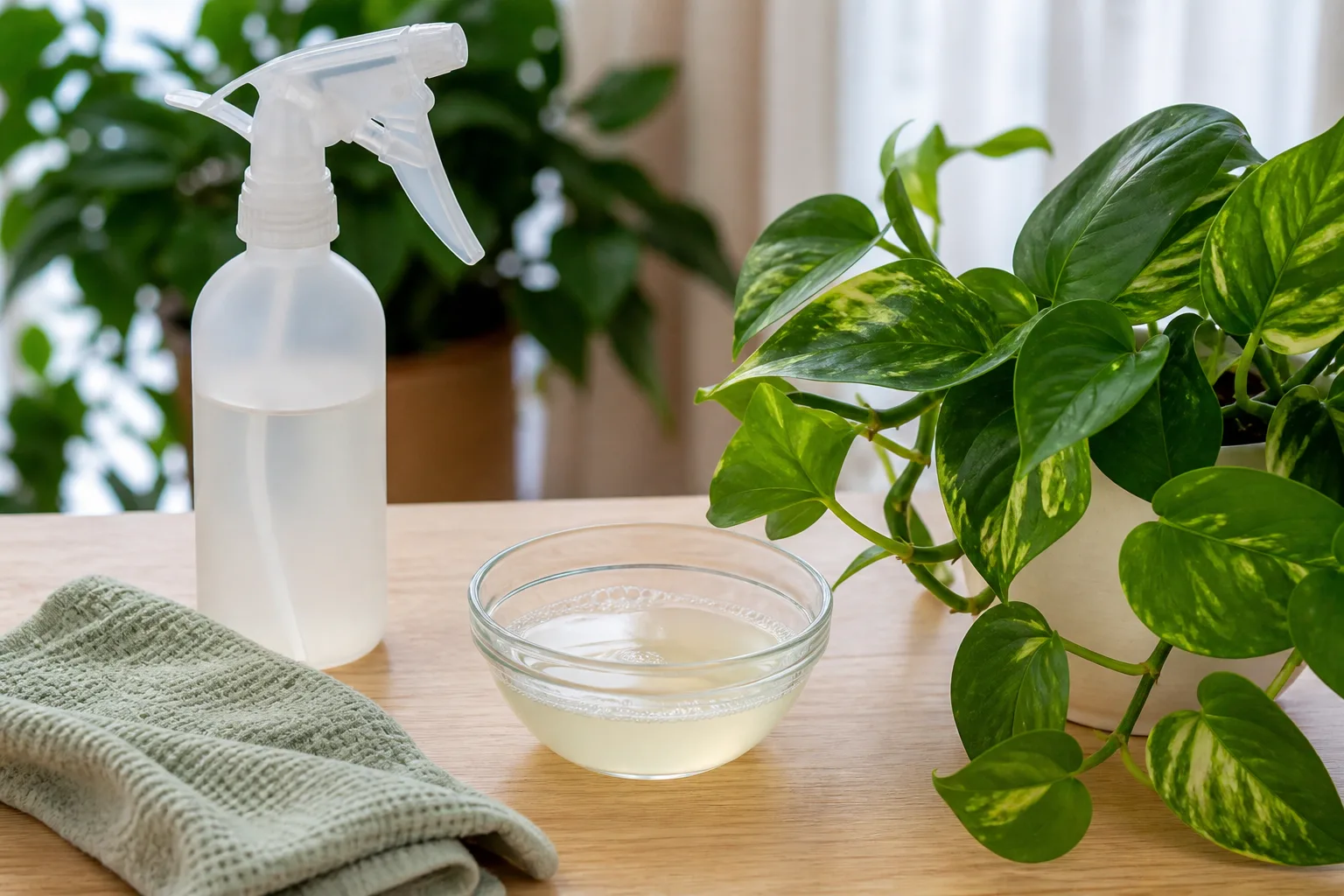
Best for: Aphids, mealybugs, whiteflies, spider mites, and other soft-bodied pests on indoor and outdoor plants, including many vegetables.
Potassium salts of fatty acids strip waxes from soft insect bodies, causing dehydration within minutes on good contact. Extension services including Penn State’s insecticidal soap overview note soaps work best on small, immature stages and require complete coverage.
What we like: Fast contact kill; many labels allow use on edibles through harvest; no long-lived residue; ideal first escalation in integrated pest management indoors.
Trade-offs: No residual protection; rain and irrigation wash it away; repeated use on constantly wet soil can encourage mold on potting mix; can burn leaves if applied in strong midday sun.
Application snapshot: Spray tops and undersides until runoff. Test a small leaf section first on sensitive plants. Reapply every 5–7 days while insects persist.
Best Natural Foliar Spray: Natria Neem Oil
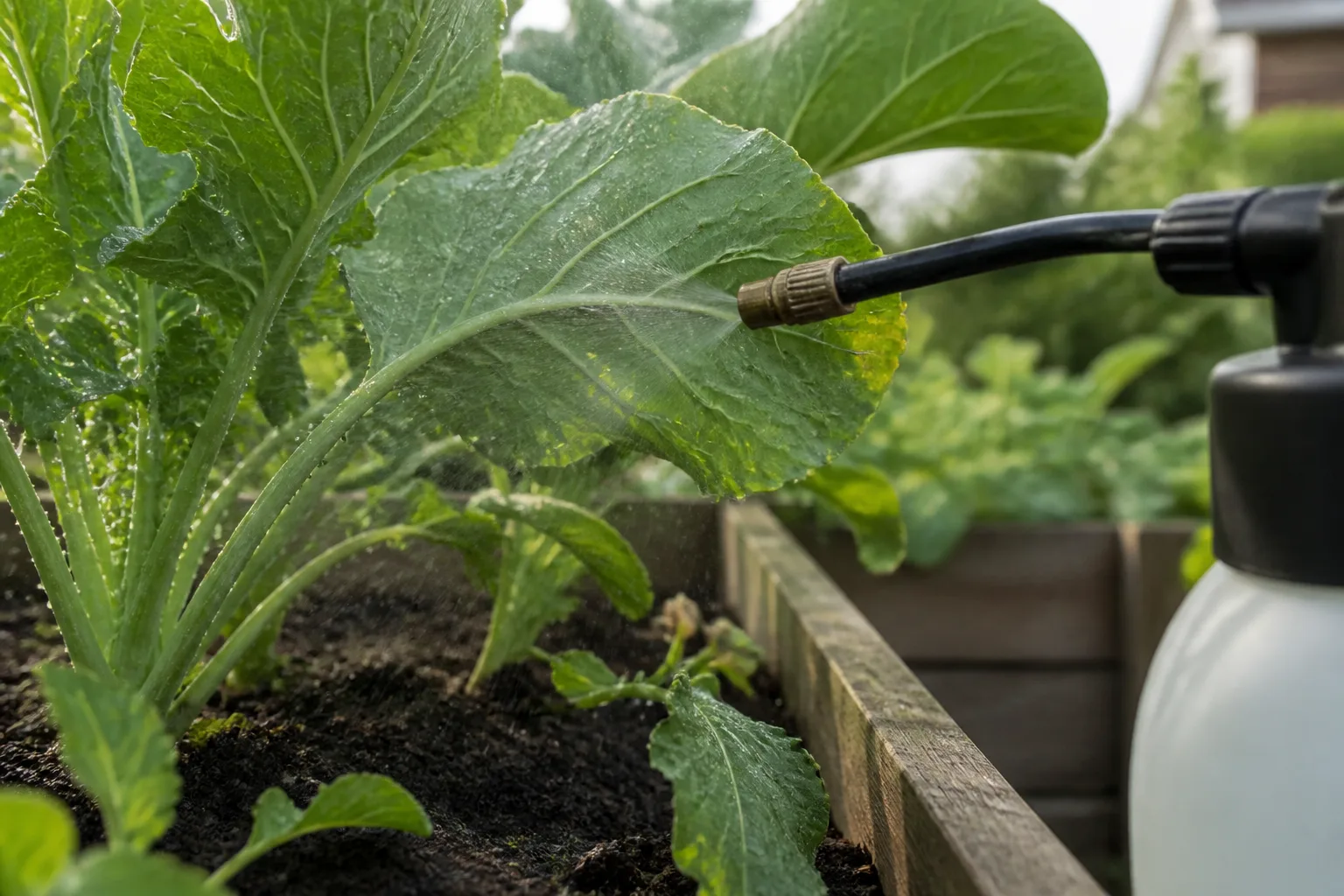
Best for: Aphids, mites, whiteflies, and early fungal issues on roses, vegetables, and houseplants when you want a plant-derived foliar option.
Neem’s azadirachtin disrupts feeding and development; the oil also smothers small pests. Natria’s ready-to-spray bottle simplifies dilution math for gardeners who find pure neem concentrate intimidating.
What we like: Handles pests plus powdery mildew and rust on some labels; suitable for many edibles with pre-harvest intervals; breaks down faster than synthetic turf chemicals.
Trade-offs: Distinct odor; needs 7–14 day reapplication; can phytotox sensitive plants in heat; still toxic to bees during wet spray—same timing rules as spinosad.
Application snapshot: Treat at first sign of damage, not after defoliation. See our neem oil for indoor plants guide for mixing, drench vs foliar choices, and species sensitivities.
Best Indoor Perimeter Spray: Ortho Home Defense
Best for: Creating long-lasting barriers against indoor crawling insects—ants, roaches, spiders, and silverfish—along baseboards, sills, and entry points.
This is a structural perimeter product, not a houseplant foliar spray. Lambda-cyhalothrin and related actives in the Home Defense line cling to non-porous surfaces and can protect for months indoors, though exterior bands need refresh after heavy rain.
What we like: Wand applicator reaches under cabinets without crawling; low-odor indoor formulas; covers large square footage per jug.
Trade-offs: Not for edible plants or kitchen food-prep surfaces; pyrethroid toxicity to cats and fish if misapplied; does not replace sanitation (sealing crumbs, fixing leaks).
Application snapshot: Apply a continuous 4-inch indoor band along baseboards and a 12-inch exterior foundation band where labels allow. Keep pets away until dry.
Best for Fleas, Ticks, and Mosquitoes in the Yard: Wondercide
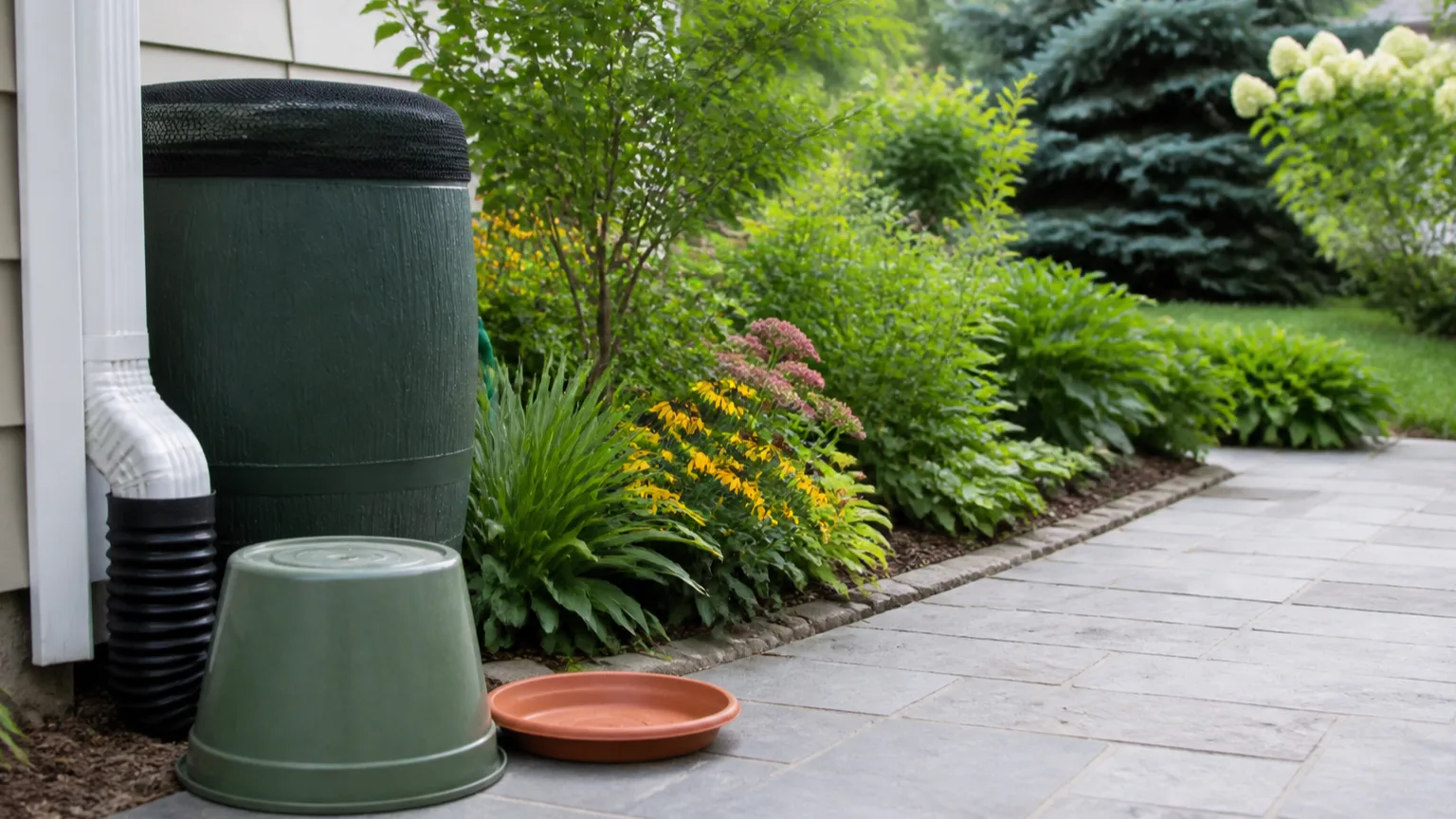
Best for: Yard and garden areas where fleas, ticks, and mosquitoes breed in shade and leaf litter—especially kid and pet play zones adjacent to wooded edges.
Wondercide’s cedar-oil hose-end formula targets external parasites without lambda-cyhalothrin residues. Cedar oil interferes with pest physiology and repels through scent—pleasant to some humans, overwhelming to others.
What we like: Hose-end simplicity for 5,000-square-foot treatments; plant-based marketing backed by EPA registration on labeled products; can be used near many vegetable gardens with rinse-before-eat practices.
Trade-offs: Short residual after rain; apply below 90°F to avoid leaf stress; not a substitute for tick-repellent landscaping or personal repellents in deep woods.
Application snapshot: Treat shaded, moist zones where ticks quest on vegetation. Pair with lawn mowing, leaf cleanup, and mosquito source reduction for best results.
What to Look for on the Label Before You Buy
EPA registration number confirms the product was evaluated for labeled uses—not every “natural” bottle has one, and unregistered mixes skip federal safety review.
Target pest list must include your insect. “Kills 200+ insects” still excludes many specialists.
Use site lines matter: lawn, ornamental, indoor, greenhouse, and edible crop permissions are separate checkboxes.
Pre-harvest interval on vegetables tells you how many days to wait before picking after spray.
Environmental hazards box flags bee, fish, and groundwater risks—take it literally.
Signal words (Caution, Warning, Danger) communicate acute toxicity, not long-term eco impact.
If two products solve the same problem, choose the narrowest-spectrum, shortest-residual option that fits your site. Broad-spectrum pyrethroids are lawn sledgehammers; soaps and spinosad are precision tools when used with timing discipline.
Conclusion
The eight insecticides above cover the real-world jobs gardeners actually face: spinosad for edible-garden chewers, Triazicide for large lawns, bifenthrin for severe non-edible infestations, DE for dry crawl-space barriers, soap and neem for soft-bodied foliar pests, Ortho Home Defense for indoor perimeters, and Wondercide for yard fleas, ticks, and mosquitoes. None of them replaces pest identification, pollinator-aware timing, or the distinction between killing bugs on your tomatoes and repelling mosquitoes on your skin.
Start with the smallest effective tool, read the label like a contract, and escalate only when monitoring proves you need longer residual or broader knockdown. Used that way, insecticides protect harvests instead of undermining the beneficial insects that do half the work for free.