The 8 Best Bug Repellents for Outdoors
Compare eight bug repellents for skin, patios, and yards. DEET vs picaridin, EPA registration, child safety, and when yard spray is not skin spray.

The best bug repellent is not one bottle for every situation. It is the product whose active ingredient, concentration, and format match how you will actually use it: on skin during a hike, around a patio table without coating your arms, or across shrubs where mosquitoes breed. A near-100-percent DEET pump can be the right call in deep woods at dusk. The same formula is overkill for a backyard barbecue when 20 percent picaridin would feel better and still repel mosquitoes and ticks for most of a day.
Before you compare brands, sort the job. Skin-applied repellents deter insects from landing and biting. Spatial repellents create a local zone, often for mosquitoes. Yard treatments are insecticides applied to vegetation and exterior surfaces—they are not substitutes for personal repellent. Mixing those categories is how people end up with the wrong product, the wrong expectations, or an avoidable safety mistake.
Quick Verdict: Match the Repellent to the Job
| Your situation | Start with | Why | Main limit |
|---|---|---|---|
| Heavy mosquito and tick pressure in woods or travel | Ben’s 100 Max DEET or Repel 100 | Maximum labeled DEET protection for long outings | Strong odor, greasy feel, can damage synthetics |
| Everyday parks, gardening, and family outings | Sawyer Picaridin 20% or OFF! Clean Feel | Effective picaridin with less residue than high-DEET formulas | Shorter labeled time against some biting flies |
| Sensitive noses or kids who resist spray | OFF! Clean Feel or Grand Tongo Picaridin | Lower-residue feel; scent options on Grand Tongo | Still a pesticide—follow child label rules |
| Want plant-based but need EPA-reviewed protection | Repel Lemon Eucalyptus (30% OLE) | CDC-listed OLE ingredient with EPA registration | Shorter duration; not for children under 3 |
| Patio dinner without reapplying skin spray | Thermacell E55 Rechargeable | Odorless spatial zone for seated areas | Mosquito-focused; cartridges add ongoing cost |
| Fleas and mosquitoes in the lawn perimeter | Cutter Backyard Bug Control concentrate | Hose-end yard treatment with residual action | Not for skin; re-entry and pet timing matter |
If mosquitoes are the main driver, pair any skin or spatial product with source reduction—emptying standing water weekly—because repellents only address the insects already looking for you. Our guide to natural outdoor mosquito deterrents walks through water removal, fans, and how mosquito-repelling plants fit as supporting layers, not replacements for labeled repellents.
Skin Repellents vs Spatial Repellents vs Yard Treatments

Most “best bug repellent” lists blur three different tools. Keeping them separate saves money and prevents misuse.
What goes on your skin
EPA-registered skin repellents use actives such as DEET, picaridin, IR3535, oil of lemon eucalyptus (OLE), or 2-undecanone. The CDC recommends EPA-registered products with those ingredients when used as directed, including for pregnant and breastfeeding women. Look for an EPA registration number on the label—that means EPA reviewed safety and efficacy data for that product.
Skin repellents do not kill insects. They make you less attractive to land on. Duration depends on concentration, sweating, rubbing, and insect pressure, which is why the label’s hours are estimates, not guarantees.
What protects a seating area without spraying yourself
Spatial repellents—including Thermacell devices, some lanterns, and citronella candles—release active ingredients into the air around a defined area. They can reduce mosquito landings where airflow is calm, but they do not replace skin protection when you leave the zone or when wind disperses the plume. Penn State Extension notes that fans can also disrupt mosquito flight at outdoor events; a fan plus a spatial repeller often works better than either alone.
What treats the lawn and shrubs
Hose-end concentrates such as Cutter Backyard Bug Control contain insecticides like lambda-cyhalothrin. They are applied to lawns, ornamentals, and building perimeters to kill and repel pests on treated surfaces. They are not formulated or labeled for human skin. Labels specify how long people and pets should stay off treated areas after application. Treat yard products as perimeter management, then still use skin repellent when you are in untreated zones or during the waiting period.

Active Ingredients That Actually Repel Biting Insects
Choosing an active matters more than choosing a scent. The CDC lists DEET, picaridin, IR3535, OLE/PMD, and 2-undecanone as proven options in EPA-registered products. Pure essential oils and “natural” mixes without EPA registration have not been evaluated the same way; the CDC advises using EPA-registered repellents when disease prevention is the goal.
DEET concentrations and when more is worth it
DEET remains the most widely used repellent active after decades of use. Penn State Extension explains that for most adults, 10 to 35 percent DEET provides adequate protection under typical conditions, while higher concentrations mainly extend duration—not dramatically improve knockdown per landing attempt. Efficacy plateaus around 50 percent; products above that add hours more than extra bite prevention.
High-DEET formulas such as Ben’s 100 and Repel 100 make sense when you need many hours of protection, will sweat heavily, or are in intense biting pressure—wooded campsites, wetland edges, or travel to regions with mosquito-borne illness. Trade-offs are real: odor, oily skin feel, and potential damage to plastics, synthetic fabrics, leather, and some finishes if spilled. Wash hands after applying and keep DEET off gear you care about.
Picaridin for everyday use
Picaridin (also called KBR 3023 or icaridin) repels mosquitoes, ticks, and several biting flies at concentrations up to about 20 percent. Evidence cited by Penn State Extension often shows picaridin comparable to DEET at similar concentrations, with less odor and less greasiness. For daily gardening, trail walks, and patio time, 20 percent picaridin is the sweet spot most households should try before jumping to maximum DEET.
Oil of lemon eucalyptus, IR3535, and what “natural” means
Oil of lemon eucalyptus in EPA-registered products is a refined OLE/PMD formulation—not the same as bottled lemon eucalyptus essential oil. CDC guidance allows OLE/PMD in registered products but not on children under 3. Duration is typically shorter than mid-range DEET or picaridin; plan to reapply sooner.
IR3535 is another DEET alternative found in some U.S. products and combination sunscreens. Penn State’s repellent guide lists roughly 4–6 hours of effectiveness at recommended concentrations. 2-undecanone appears in fewer products but is another CDC-listed option.
Thousands of plant oils show brief repellency in lab screens, yet Penn State Extension notes most last less than two hours on skin—fine for a quick dog walk, not for tick woods at dusk.
The 8 Best Bug Repellents Worth Buying
These eight cover the main jobs: maximum skin protection, everyday picaridin, plant-based skin options, patio zones, and yard perimeter treatment. Prices change; check current labels before buying.
Ben’s 100 Max DEET — best maximum protection
Ben’s Tick & Insect Repellent (100 Max DEET) is the pick when you refuse to gamble on bite protection. The near-100-percent DEET formula is labeled for long-duration defense against mosquitoes, ticks, and other biting insects in high-pressure settings—backcountry camping, swamp-edge fishing, or international travel where vector diseases are a concern.
The 3.4-ounce pump bottle is TSA-friendly. Application is easiest when you spray into palms and spread, because pump streams can be uneven. Expect the classic DEET downsides: smell, slipperiness, and caution around sunglasses, watch bands, and synthetic clothing. Not for infants; follow all child label restrictions.
Active ingredient: DEET (~98%) | Best for: Maximum-duration skin protection | Watch for: Gear and plastic damage
Sawyer Picaridin 20% — best everyday skin repellent
Sawyer Products Picaridin Insect Repellent (20%) is the default recommendation for most outdoor days. It delivers strong mosquito and tick protection with comparatively low odor and grease, and Sawyer labels up to 12 hours against mosquitoes and ticks (somewhat less for some gnats and flies). The formula absorbs quickly enough for morning garden sessions and afternoon hikes alike.
The pump bottle can sputter; some users prefer Sawyer’s lotion version for neater coverage on kids. If you want one skin spray for the household, start here before escalating to DEET.
Active ingredient: Picaridin 20% | Best for: General outdoor use | Watch for: Pump spray mess; flies may need reapplication sooner
OFF! Clean Feel — best low-residue picaridin
OFF! Clean Feel Insect Repellent uses 20 percent picaridin in an aerosol that feels lighter on skin than many DEET sprays. Families with spray-averse kids often tolerate it better, though it is not truly invisible—there can still be a faint chemical note if you apply heavily.
Labeled protection is around eight hours, which suits barbecues, sports practices, and evening walks. The line also includes mist, spritz, and gel formats if aerosol is not your preference. It will not damage gear the way high-DEET products can.
Active ingredient: Picaridin 20% | Best for: Low-residue daily spray | Watch for: Shorter labeled duration than Sawyer for some users
Repel 100 — best high-strength mosquito coverage
Repel 100 Insect Repellent mirrors the maximum-DEET strategy in a 4-ounce pump: very high DEET for situations where mosquito-borne illness is top of mind. It repels mosquitoes, ticks, gnats, biting flies, and fleas per label claims, with about 10 hours of protection in favorable conditions.
Choose this when mosquito density is extreme and you accept DEET’s feel. For routine suburb use, 20 percent picaridin is usually enough. Pair with standing-water control at home so you are not relying on chemistry alone.
Active ingredient: DEET (~98%) | Best for: Heavy mosquito exposure | Watch for: Grease, odor, child and gear cautions
Repel Lemon Eucalyptus — best EPA-registered plant-based option
Repel Plant-Based Lemon Eucalyptus Insect Repellent uses 30 percent OLE—the EPA-registered plant-derived active, not generic essential oil. It smells more botanical than DEET and feels less oily on skin for many people.
Expect roughly six hours of protection: fine for an afternoon, but plan a reapplication on long evenings. Do not use on children under 3, and patch-test if you have fragrance sensitivities. OLE is a severe eye irritant; keep it off hands that will rub eyes.
Active ingredient: Oil of lemon eucalyptus 30% | Best for: Plant-based preference with EPA review | Watch for: Shorter duration; age limit under 3
Grand Tongo Picaridin — best scent-forward spray
Grand Tongo DEET-Free Insect Repellent with Picaridin targets people who want picaridin performance without the “bug spray smell.” Scent options such as citrus-sandalwood or green tea-mint fade quickly after application, and a fragrance-free version exists. The water-based aerosol feels light on skin.
At 20 percent picaridin, protection aligns with other premium picaridin sprays—about 12 hours against mosquitoes, ticks, and gnats on label. Aerosol output can be strong; spray outdoors and downwind.
Active ingredient: Picaridin 20% | Best for: Scent-sensitive users wanting picaridin | Watch for: Strong aerosol stream
Thermacell E55 Rechargeable — best patio spatial repellent
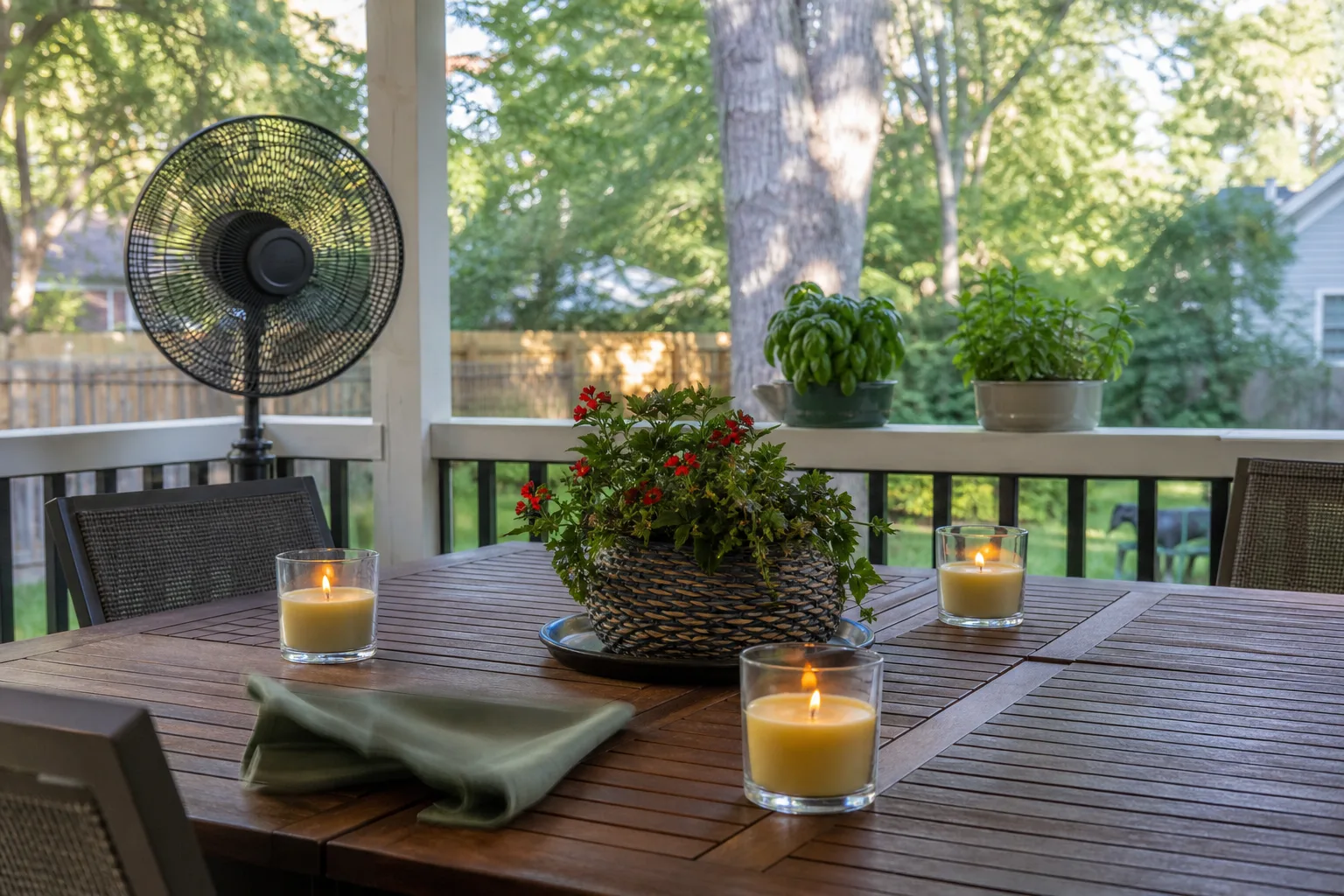
Thermacell E55 Rechargeable Mosquito Repeller (and the larger E90) heat a metofluthrin cartridge to create a roughly 15–20-foot zone of mosquito relief without applying anything to skin. Rechargeable battery models run many hours per charge; cartridges last about 12 hours of use.
This is mosquito-focused spatial protection, not tick insurance on a hike. Cartridge cost adds up for nightly use all summer. Still, for deck dinners where kids crawl on grass, a spatial repeller plus light clothing beats reapplying skin spray every hour.
Active ingredient: Metofluthrin (device) | Best for: Patio and deck seating | Watch for: Ongoing cartridge expense; wind reduces effect
Cutter Backyard Bug Control — best hose-end yard treatment
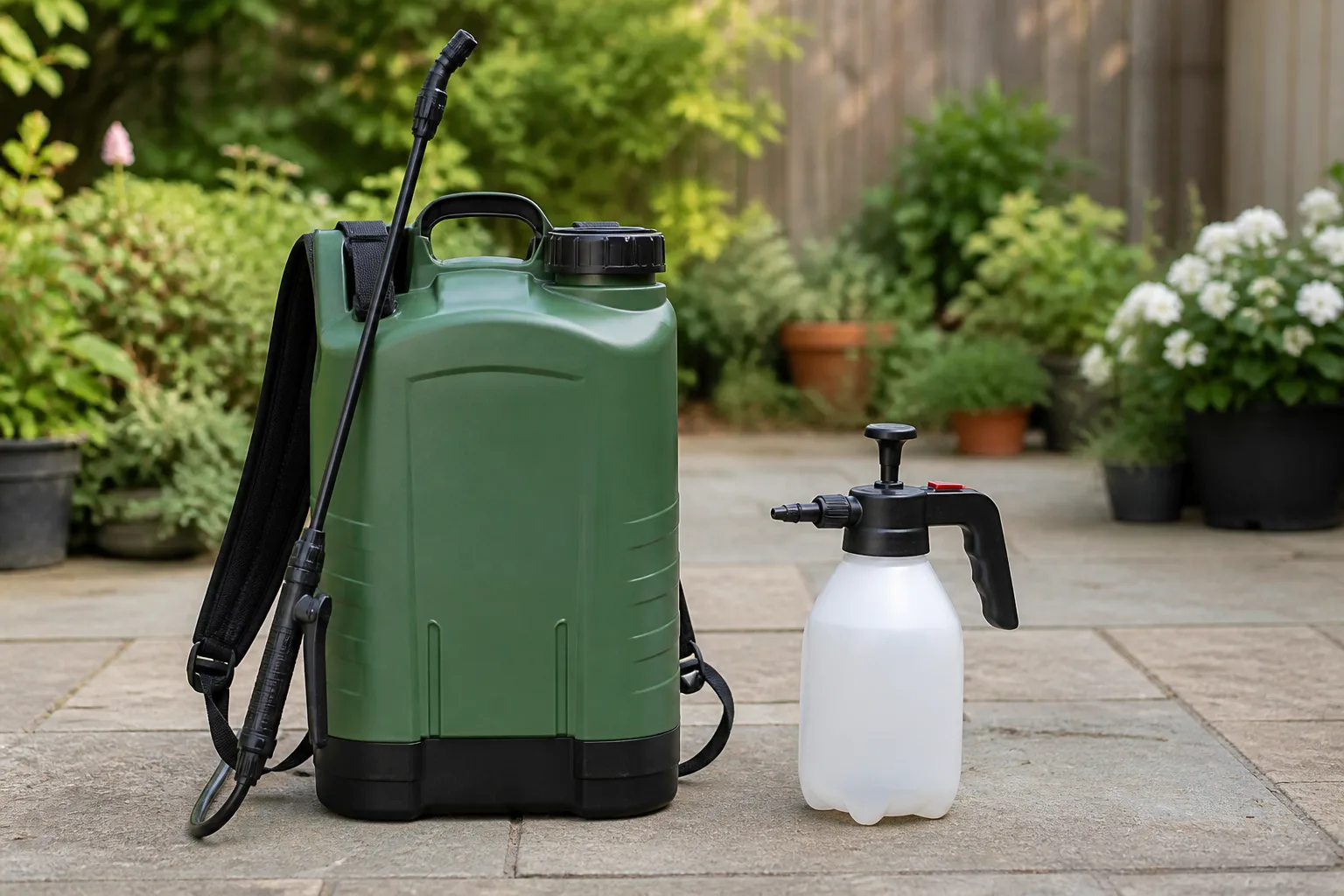
Cutter Backyard Bug Control Spray Concentrate attaches to a hose and treats lawns, landscape beds, and exterior surfaces with lambda-cyhalothrin. It kills fleas, mosquitoes, and other listed pests on contact and provides residual control for weeks per label—not hours like skin repellents.
Coverage claims assume ideal application; many households use more product than the label’s square-footage estimate on dense shrub borders. Keep children and pets off treated areas until dry—often 24 hours or more if you want extra caution with toddlers and dogs. This product belongs in yard management, not in a beach bag.
Active ingredient: Lambda-cyhalothrin | Best for: Perimeter yard and shrub treatment | Watch for: Not for skin; re-entry timing
How to Apply Skin Repellent Correctly
Label directions beat internet shortcuts. Penn State Extension’s safe-use guidelines and the CDC align on several habits that prevent most problems.
Apply only to exposed skin and the outside of clothing when the label allows—never under clothes, on cuts, or near eyes and mouth. Use just enough to cover; saturation does not improve safety. For faces, spray into palms and pat on sparingly. Wash treated skin with soap and water when you go indoors.
If you need sunscreen, apply sunscreen first, let it absorb, then apply repellent. The CDC does not recommend combination sunscreen-repellent products because sunscreen often needs more frequent reapplication than repellent.
Reapply when biting resumes or when the label’s interval passes—sooner if you swim, sweat heavily, or towel off. Wipe repellent from hands after applying to reduce contact with eyes, food, and mouthpieces.
Children, Pregnancy, and Repellent Safety
The American Academy of Pediatrics and CDC guidance referenced by Penn State Extension generally support DEET and picaridin on children 2 months and older when used according to labels—using the lowest effective concentration you have found works for your child. Do not apply repellent to infants under two months; use netting, clothing, and avoidance instead.
Never let children apply repellent themselves. Apply to your hands first, then to the child’s exposed skin—not hands, which go straight to eyes and mouth. Avoid OLE/PMD products on children under 3.
EPA-registered repellents used as directed are considered acceptable during pregnancy and breastfeeding by CDC guidance, but many parents still prefer picaridin or lower DEET concentrations for everyday use. If someone reacts—rash, irritation, headache—stop use, wash skin, and contact the National Poison Control Center at 1-800-222-1222 or NPIC for pesticide questions.
Permethrin on Clothing for Tick Country
Skin repellent alone is a weak plan for tick-heavy brush if your pants and socks are untreated. Permethrin is an insecticide applied to clothing and gear, not skin. It kills or disables ticks that contact treated fabric and lasts through multiple washes when applied correctly or bought as factory-treated clothing.
Penn State Extension recommends treating outer clothing only outdoors, letting it dry fully, and laundering treated items separately. Combine permethrin-treated boots, pants, and socks with a skin repellent on exposed areas for the most complete tick strategy during spring and fall hikes.
Conclusion
The eight products above are not interchangeable. Ben’s 100 and Repel 100 answer maximum bite pressure on skin. Sawyer, OFF! Clean Feel, and Grand Tongo cover everyday picaridin needs with different feel and scent. Repel Lemon Eucalyptus fits plant-based preferences that still meet EPA registration. Thermacell handles patio zones; Cutter Backyard Bug Control handles the yard perimeter—never your arms.
Start with the job, confirm an EPA registration number, match concentration to duration, and layer permethrin clothing when ticks are the bigger worry than mosquitoes. Remove standing water, add a fan on the deck, and keep a labeled skin repellent in the bag you actually take outside. That combination beats any single “best spray” headline—and keeps you protected without buying the wrong product twice.