23 Mosquito-Repelling Plants for Your Backyard
Discover 23 mosquito-repelling plants for patios and borders, which scents matter most, how to place them, and what they cannot replace.
Mosquitoes can turn a summer evening on the patio into a retreat indoors. Mosquito-repelling plants are one of the most searched backyard fixes for good reason: many carry strong-scented oils that insects avoid in lab tests and in concentrated products. The catch is that a quiet lavender bush at the far end of the yard is not the same thing as a tested skin repellent, and no living plant creates a bite-proof bubble around your entire property.
This guide covers 23 plants that may help reduce mosquito pressure near where you actually sit, eat, and walk. You will learn which scents matter, where to place pots and borders, which plants are worth growing for food or flowers even when the repellent effect is modest, and which species need extra caution around pets, children, or pregnant people. Think of plants as one layer in a backyard plan — not the only layer.
How Mosquito-Repelling Plants Actually Work
Mosquitoes locate hosts using multiple cues: carbon dioxide, body heat, movement, and scent. Many aromatic garden plants release volatile compounds into the air — citronellal in lemongrass, linalool in lavender, nepetalactone in catnip, thymol in thyme — that can interfere with feeding behavior when concentrations are high enough and close enough.
Volatile oils, live plants, and store-bought repellents
There is an important ladder of effectiveness. Crushed or bruised leaves release far more oil than intact foliage sitting in a breeze. Essential oils and formulated repellents concentrate those compounds and are tested for how long they last on skin or fabric. Live plants in the ground or in pots sit at the bottom of that ladder for personal protection, but they can still make a small zone near the foliage less attractive, especially on a still evening when scent hangs in the air.
Mississippi State Department of Health notes that plant-derived repellents such as citronella, geranium, basil, garlic, and peppermint provide only limited protection compared with proven synthetic options, and mixed plant-oil products often last roughly two hours or less. Read MSDH guidance on mosquito repellent types before treating a scented garden as full protection.
What research supports — and what it does not
Some plants have stronger lab evidence than others. Catnip (Nepeta cataria) contains nepetalactone, which has shown strong repellent activity against Aedes mosquitoes in controlled studies. See the Scientific Reports catnip-oil assessment. Lantana flower extract in carrier oil has also been studied for repellency duration. Field results in your backyard still depend on plant size, wind, mosquito species, and how close you are to breeding water.
What research does not support is the idea that a few decorative pots scattered around a large yard will repel mosquitoes property-wide. Extension educators routinely note that it is unclear how many plants, or how densely spaced, would be needed for reliable repellency — which is why the best strategy is to choose plants you genuinely want to grow and place them where people gather.
What to Expect From Repellent Plants in a Real Backyard
Set expectations before you buy six flats of marigolds. Repellent plants work best as a local comfort strategy within a few feet of healthy, aromatic foliage — not as whole-yard extermination. A stressed, dry, or shaded plant produces less scent and adds little value.
Wind is the silent killer of scent-based repellency. A steady breeze disperses volatile oils away from your chair just as easily as it blows mosquitoes off course. That is why pairing plants with airflow from fans often does more for bite reduction than adding another herb across the lawn. Similarly, if mosquitoes are breeding in a clogged gutter, birdbath, or pot saucer, no amount of lavender will fix the source.
If bites, disease risk, or heavy infestations are the real problem, use EPA-registered repellents, screens, permethrin-treated clothing where appropriate, and local mosquito-control guidance. CDC mosquito-bite prevention basics remain the dependable baseline; plants are optional landscaping on top of that foundation.
Best Mosquito-Repelling Plants for Patios and Decks
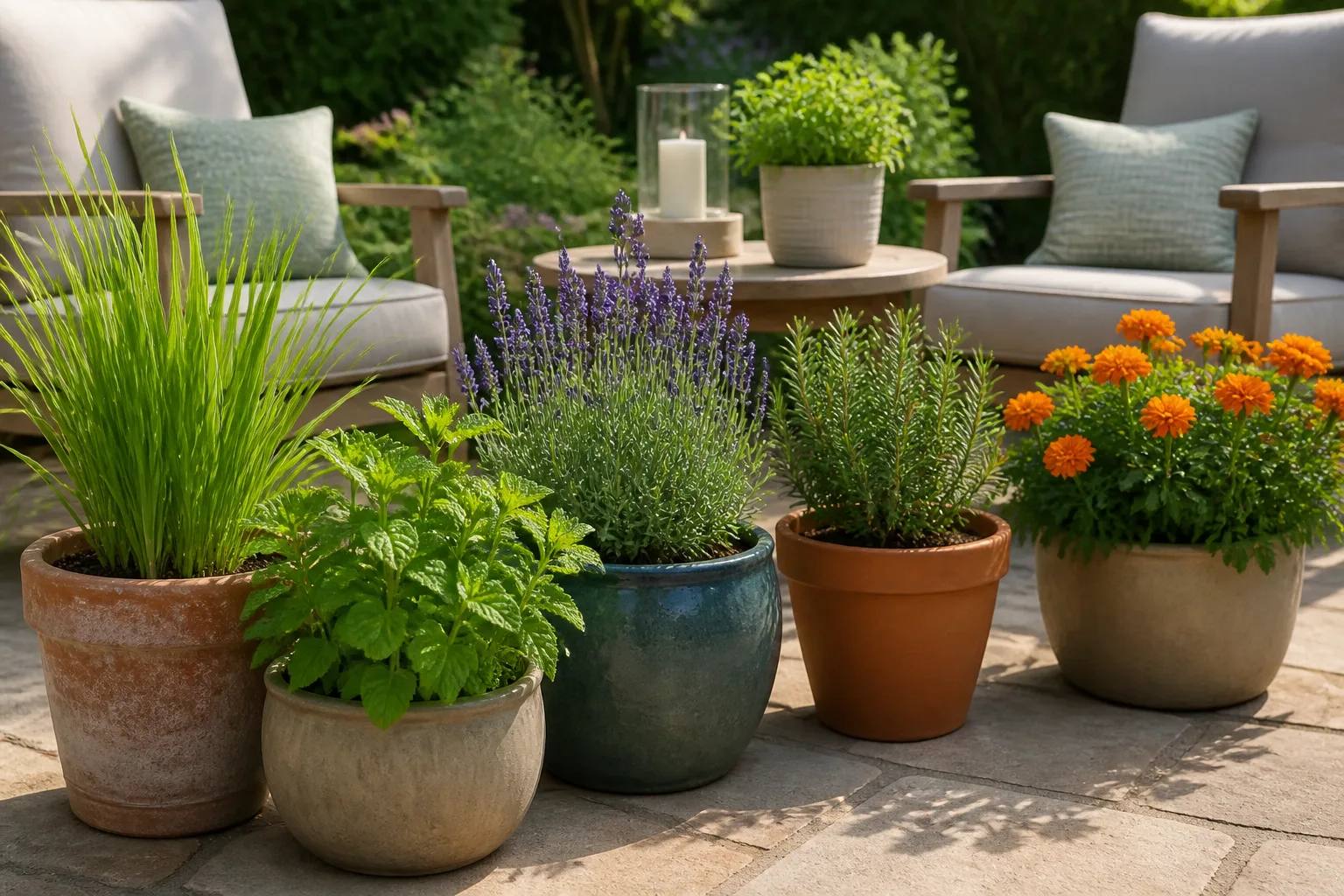
Start with the seating zone, not the back fence. For patios and decks, prioritize compact, fragrant, container-friendly plants you can group beside chairs, railings, and doorways. Two or three healthy pots beat a dozen lonely specimens lost in a border.
Lemongrass, lavender, and the mint family
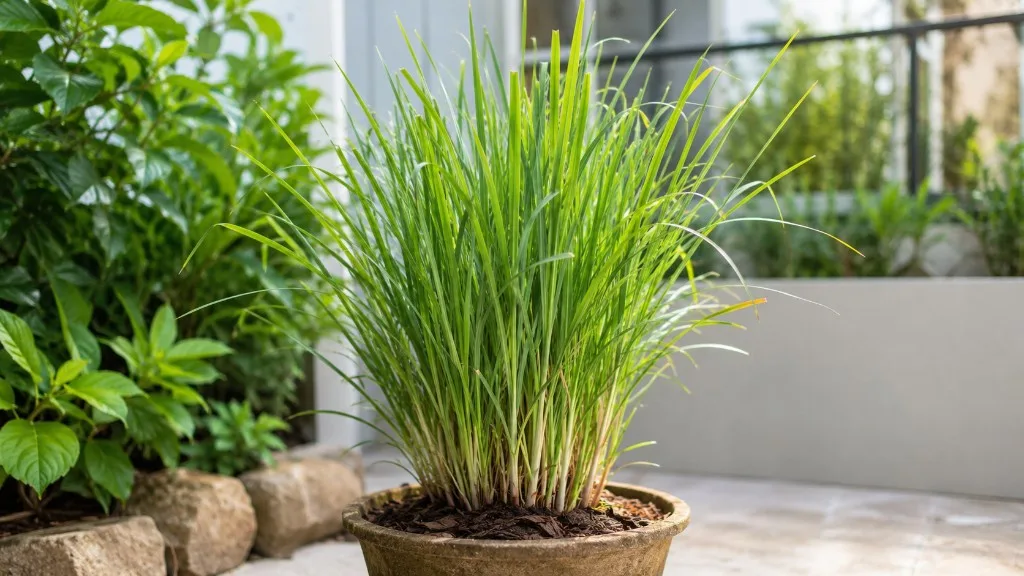
Lemongrass (Cymbopogon citratus) is the plant most closely tied to citronella-type scent in the garden. It wants full sun, rich soil, and warm temperatures; in zones below 10–11, grow it in large pots and overwinter indoors or treat it as a seasonal annual. Cut or bruise outer leaves before guests arrive to release citronellal. Note ASPCA lists lemongrass as toxic to dogs and cats if ingested. ASPCA lemongrass profile.
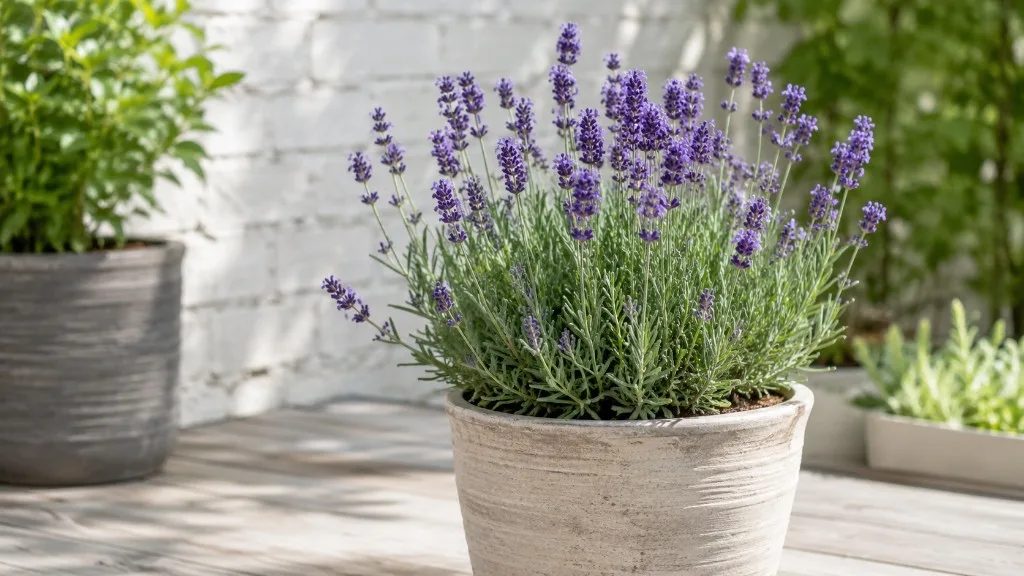
Lavender (Lavandula spp.) thrives in full sun and sharp drainage; wet winter soil kills more lavender than mosquitoes ever will. Zones 5–9 for many English and hybrid types. The foliage scent may mask host odors locally. Lavender is also toxic to dogs and cats. ASPCA lavender guidance.
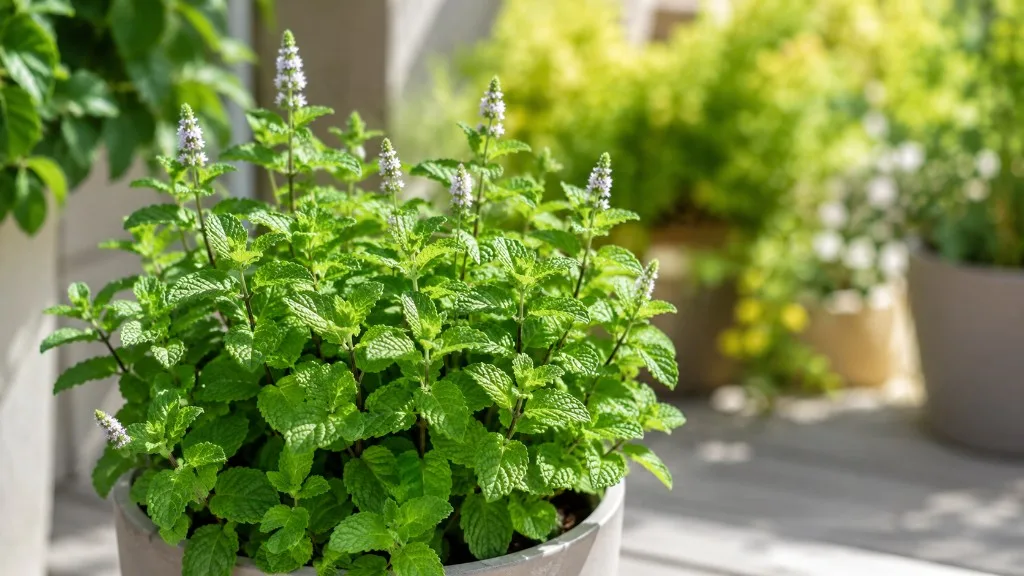
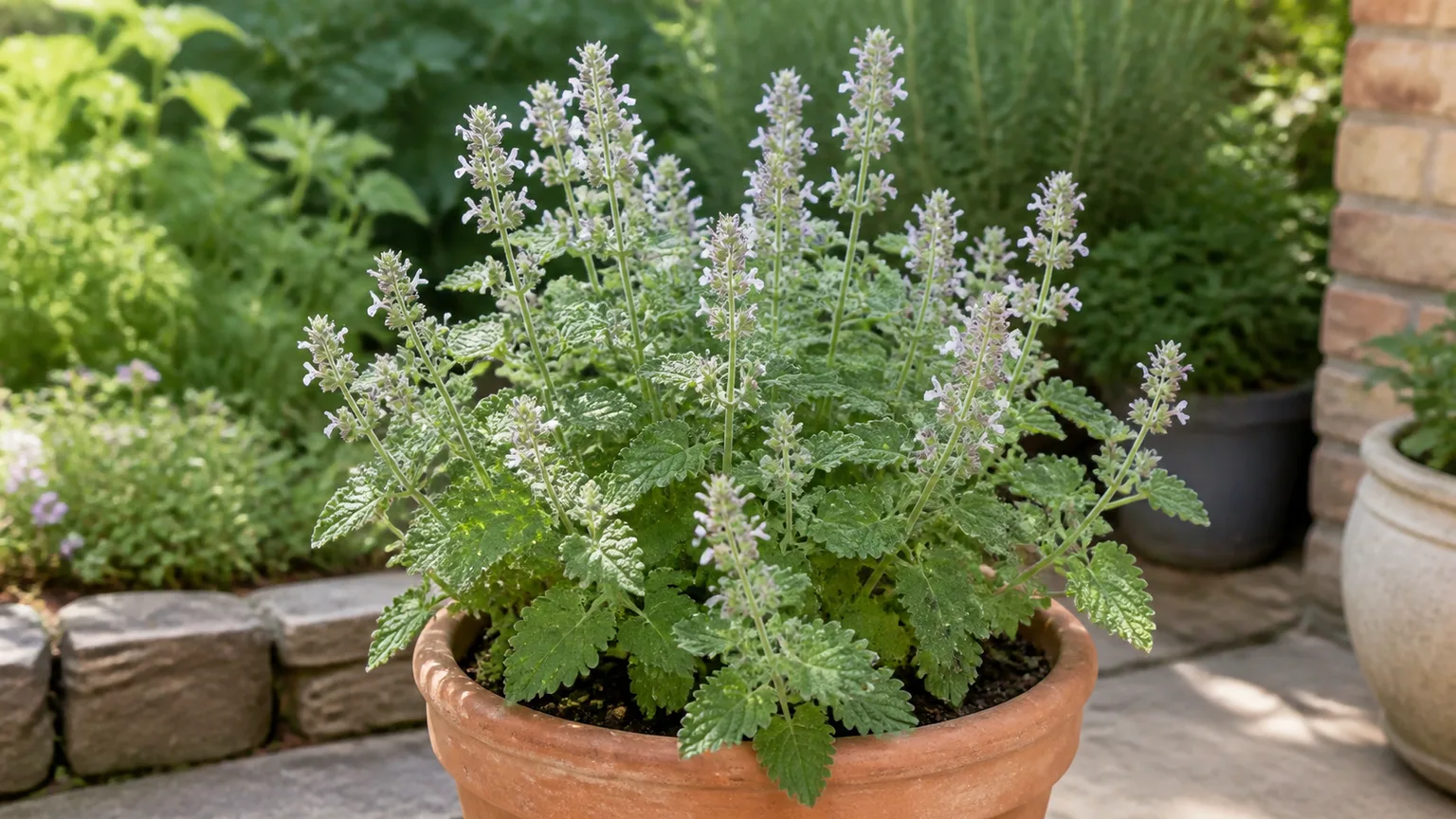
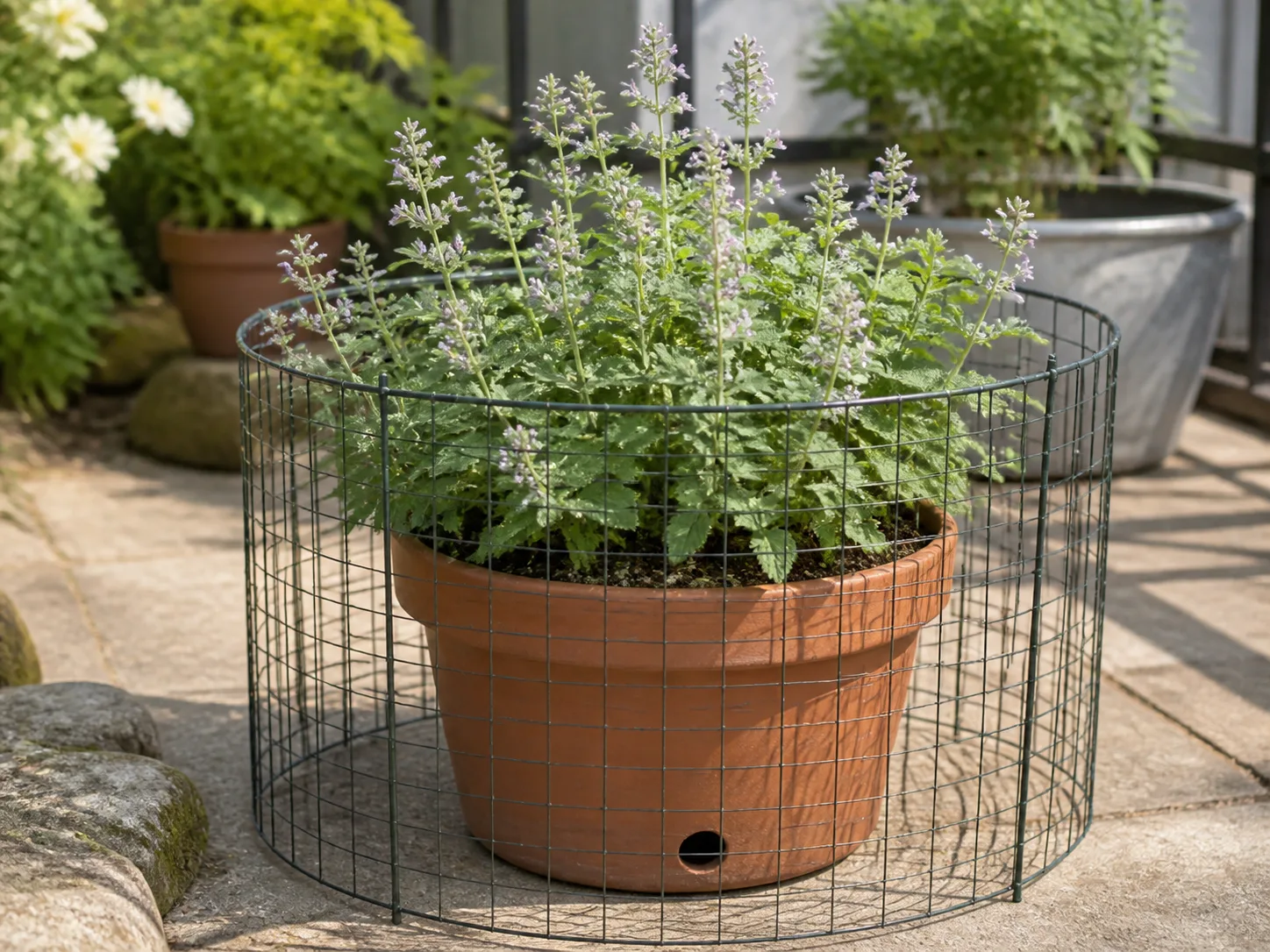
Mint (Mentha spp.), catnip (Nepeta cataria), and related catmint cultivars (Nepeta × faassenii and hybrids) share a mint-family aromatic profile. Any mint deters some insects, but mints are aggressive spreaders — use containers with solid bases or buried root barriers. Catnip has the strongest research story for repellent compounds; catmint is usually the better ornamental perennial for borders. Both can upset pets if eaten in quantity. ASPCA catnip information.
Kitchen Herbs That Pull Double Duty
Culinary herbs earn their patio space because you will actually harvest and bruise them. That harvesting is part of the repellent mechanism.
Basil, rosemary, thyme, sage, garlic, and fennel
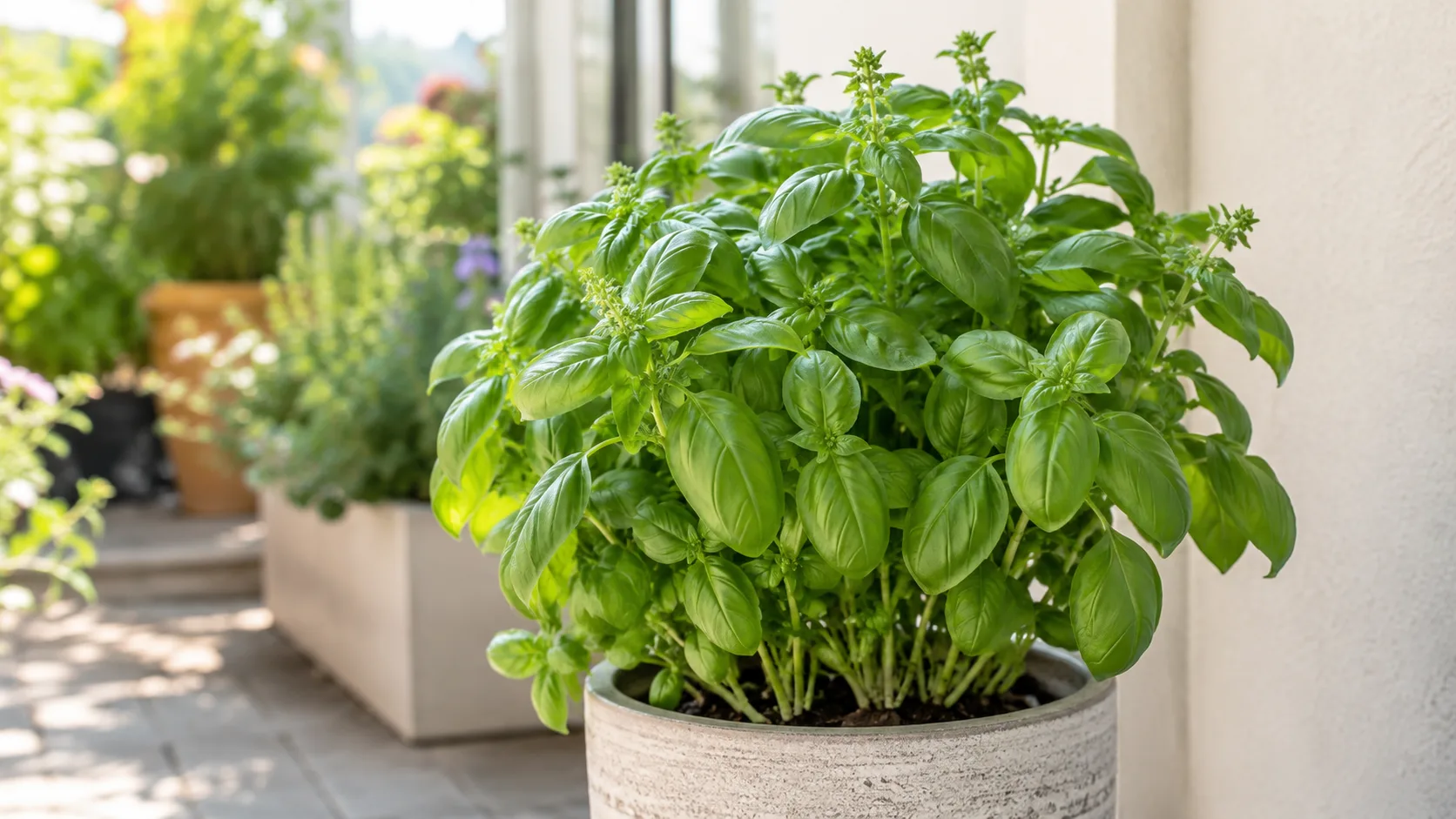
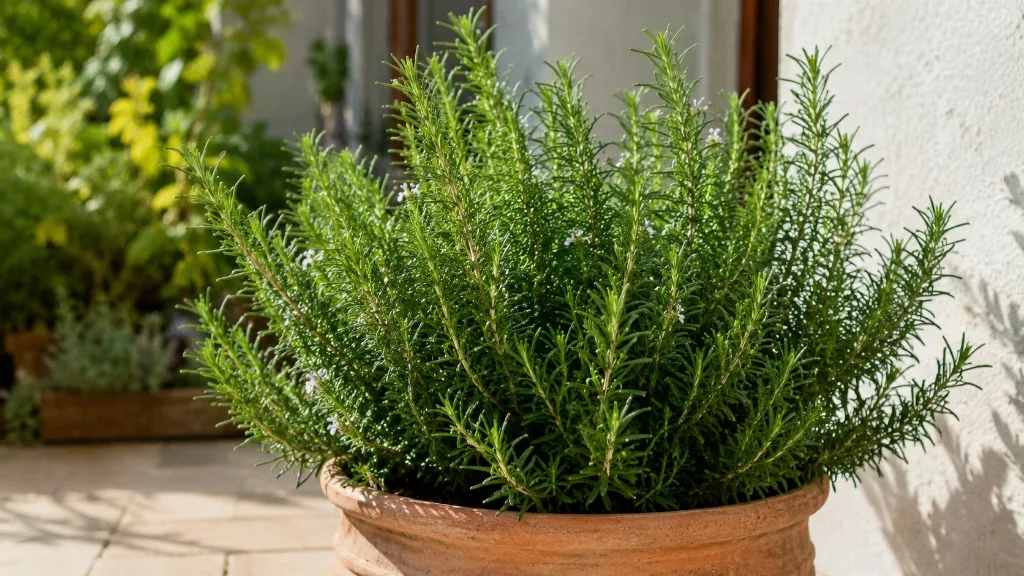
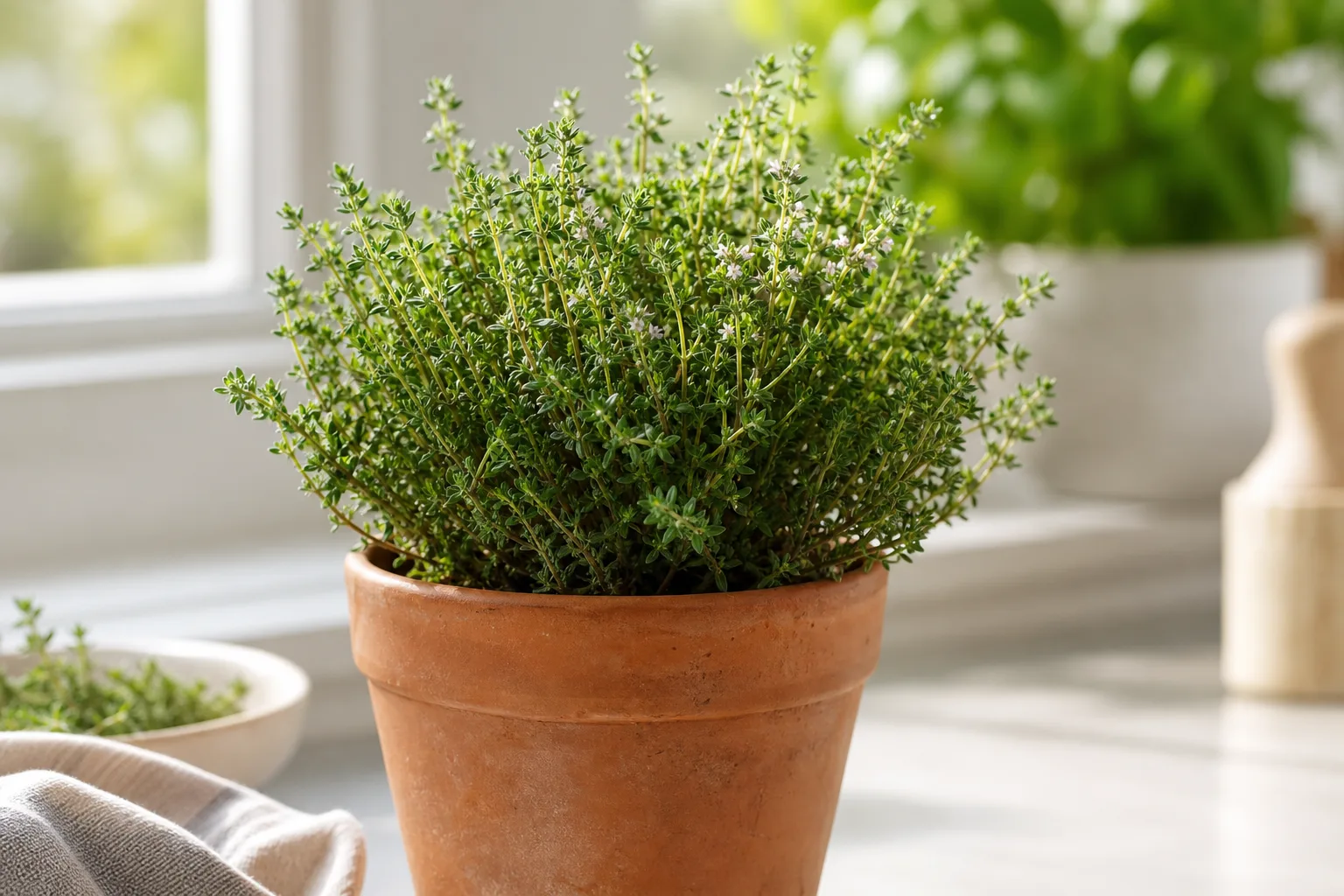
Basil (Ocimum basilicum) — especially lemon, cinnamon, Thai, and Peruvian types with stronger scent — suits warm, sunny pots. Treat as an annual in cold climates. Rosemary (Salvia rosmarinus) is a woody, drought-tolerant shrub in zones 8–10; pot it and bring it indoors where winters are harsh. Thyme (Thymus spp.), particularly creeping thyme between pavers, releases oils when stepped on — useful along paths if traffic is moderate.
Garden sage (Salvia officinalis) has a resinous scent mosquitoes tend to avoid; tossing a few fresh leaves into a fire pit can create a short-lived aromatic screen on still nights. Garlic (Allium sativum) in the vegetable bed does not repel mosquitoes from across the yard, but crushed cloves are the starting point for DIY sprays some gardeners experiment with — never assume homemade mixes are safe on skin without proper dilution and allergy testing.
Fennel (Foeniculum vulgare) adds feathery, anise-scented foliage and feeds swallowtail caterpillars. It can self-sow freely; deadhead if you do not want volunteers. Grow bulb fennel for the kitchen or bronze fennel for pollinators — both carry the same aromatic profile.
Flowering Annuals and Ornamentals Worth Planting
Flowers bring color and pollinators while contributing secondary scent or known insecticidal compounds in their tissues.
Marigolds, ageratum, lantana, scented geraniums, and mums
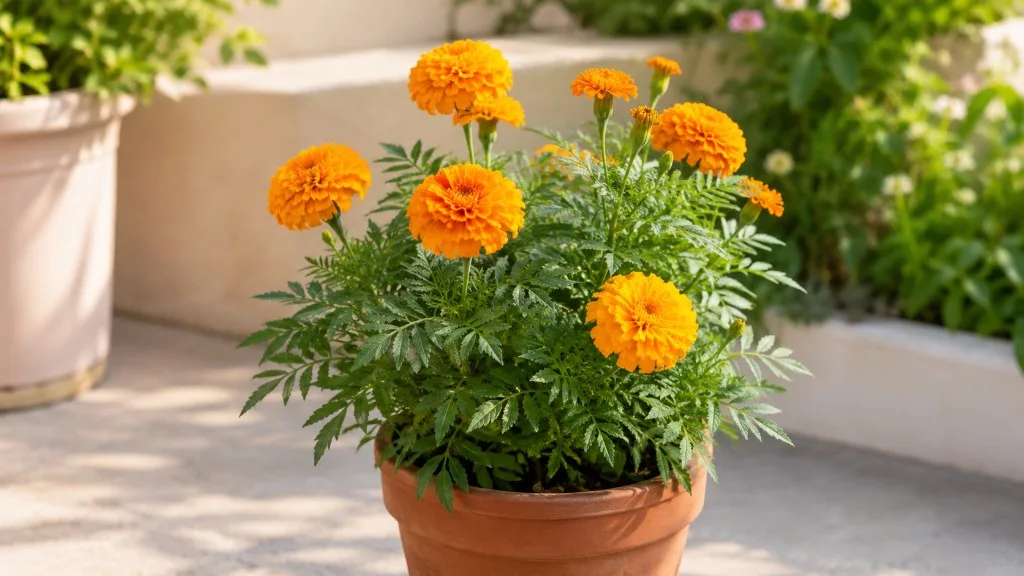
Marigolds (Tagetes spp.) contain pyrethrum-related compounds used in some organic insecticides. Live plants may help with aphids, thrips, and some flying insects nearby, but do not expect marigold borders to sterilize a mosquito-heavy yard. Full sun and even moisture keep them blooming.
Ageratum or floss flower (Ageratum houstonianum) contains coumarin, a compound mosquitoes dislike. Use it in deck pots and bed edges; taller cultivars like ‘Blue Horizon’ add height at the back of containers.
Lantana (Lantana camara) is profuse, heat-loving, and studied for extract-based repellency. It can be invasive in frost-free regions and is toxic to people and pets if berries are eaten. NC State lantana profile. Treat it as an ornamental for sunny, well-drained spots — not a pet-safe patio plant.
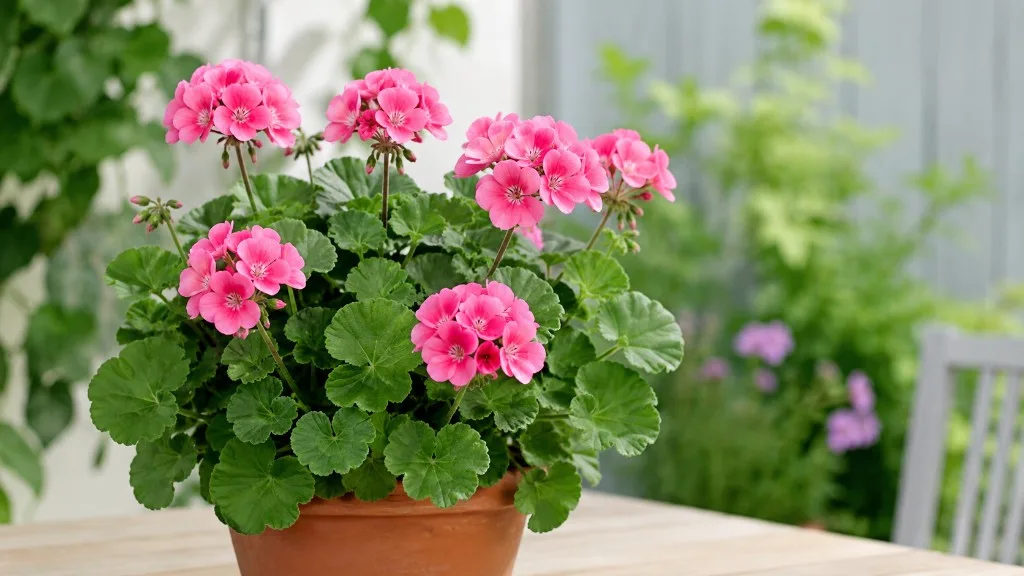
Scented geraniums (Pelargonium spp.), especially lemon-scented types, are the plants often sold as “citronella plants” at garden centers. They smell pleasant to people but are not a substitute for true citronella grass or tested repellents. NC State Pelargonium notes. Toxic to dogs and cats. ASPCA geranium listing.
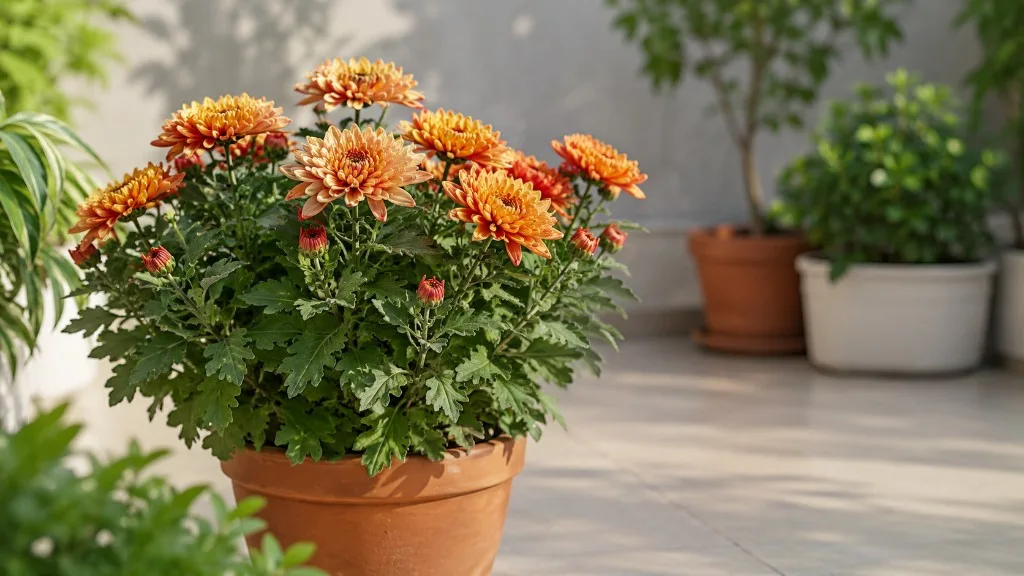
Garden mums (Chrysanthemum × morifolium) contain pyrethrin-related chemistry and fit fall containers by the door. They need consistent water and good air circulation to avoid mildew in humid climates.
Shrubs, Perennials, and Border Plants for Long-Term Coverage
These plants anchor a landscape while adding seasonal structure and occasional harvestable scent.
Bee balm, beautyberry, alliums, eucalyptus, and lemon verbena
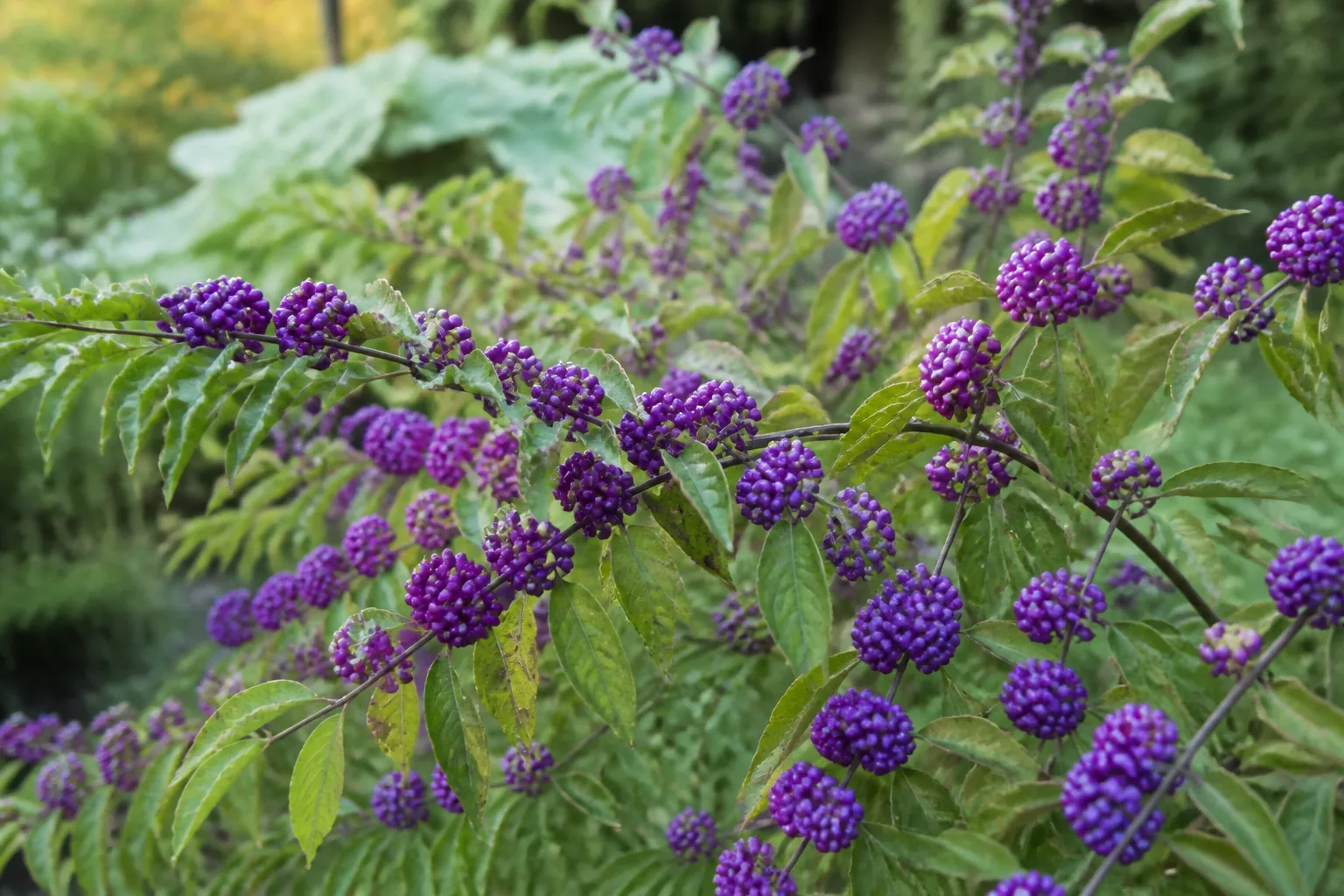
Bee balm (Monarda spp.) offers mint-family scent plus hummingbird and bee traffic. Crush leaves for a stronger release; it prefers moist, rich soil and good airflow to limit powdery mildew. American beautyberry (Callicarpa americana) carries fragrant oils in leaves that repel some insects when crushed; the magenta fall berries feed birds. Zones 6–10; native to southeastern woodlands.
Ornamental alliums (Allium spp.) emit a faint sulfur-onion odor mosquitoes avoid. Stagger bloom times from late spring through early summer for season-long globes. Many alliums are toxic to pets if eaten in large amounts. NC State Allium guidance.
Eucalyptus (Eucalyptus spp.) is a warm-climate tree or large container specimen; compact ‘Baby Blue’ types fit pots on sunny patios. Oil of lemon eucalyptus (PMD) is a tested repellent ingredient, but that is not the same as raw garden eucalyptus leaves — and natural lemon eucalyptus oil has not been validated the way the synthesized PMD product has. MSDH distinction on oil of lemon eucalyptus.
Lemon verbena (Aloysia citriodora) delivers one of the cleanest lemon scents in the herb garden. Perennial in zones 8–10; elsewhere grow in a pot and winter indoors. Leaves make excellent tea; handle with care around sensitive skin.
Plants That Work Best When You Crush or Heat the Leaves
Some of the strongest backyard effects come from mechanical release of oils, not passive planting.
Bee balm, beautyberry, mint, catnip, lemongrass, basil, and scented geraniums all respond well to bruising a few leaves before an outdoor meal. Coarsely chop lemongrass fronds and scatter them on a table edge — refreshing for you, mildly repellent nearby. Sage leaves in a fire pit or portable smoke bowl create aromatic smoke; use ventilation and keep smoke away from guests with asthma.
This is also where garlic fits practically: the garden row itself is not the repellent — the allicin released when cloves are crushed is. If you experiment with sprays, label bottles, keep them away from children and pets, and never copy essential-oil recipes from social media without checking skin-safety guidance.
Pet-Safe Choices vs Plants to Use With Caution
Many mosquito-repellent lists mix edible herbs with ornamentals that are hazardous if chewed. If dogs, cats, or toddlers share the space, plan containers up high and read toxicity profiles before planting.
| Plant | Pet / human caution |
|---|---|
| Basil, thyme, rosemary (in moderation) | Generally safer culinary herbs; still avoid essential-oil concentrates near pets |
| Marigold, ageratum, bee balm | Usually low risk but not pet foods; supervise curious chewers |
| Lavender, mint, catnip, lemongrass, garlic, onion family | ASPCA lists toxicity or GI upset risk for dogs/cats |
| Lantana, scented geranium, mums, alliums | Higher toxicity; avoid pet-accessible planters |
| Pennyroyal, wormwood | Serious human and pet toxicity — see below |
When in doubt, check ASPCA toxic and non-toxic plant lists before placing pots at nose height.
Pennyroyal, wormwood, lantana, and other high-risk picks
Pennyroyal (Mentha pulegium) is sometimes called “mosquito plant” because of its intense mint scent. It is also dangerous when mishandled: pennyroyal oil has caused serious poisoning in people and pets. MedlinePlus pennyroyal overview. Do not use it as a ground cover where children or pets walk barefoot, and never ingest it or apply undiluted oil to skin.
Wormwood (Artemisia absinthium), not ragweed, is the traditional bitter aromatic sometimes listed for insect repelling. It tolerates poor, dry soil and emits a sharp scent humans find harsh. It is toxic to people and pets in quantity. UC ANR Artemisia safety notes. Use only if you understand the odor trade-off and keep it out of reach.
Lantana, scented geraniums, and ornamental alliums belong in ornamental beds, not pet play zones. If your priority is a dog-friendly patio, favor basil, thyme, and contained mint over showy but toxic bloomers.
Why the “Citronella Plant” Is Not on This List
Garden centers often sell a lemon-scented Pelargonium labeled citronella plant. It smells nice on a porch, but health departments and extension services consistently rank plant-based citronella products as only modestly effective, and the potted “citronella plant” is not the same as citronella grass (Cymbopogon nardus or related species) or formulated citronella oil.
Mississippi State Department of Health specifically notes that citronella candles have little effectiveness, and skin products with oil of citronella offer only mild protection. MSDH plant-based repellent summary. If you want the citronella scent profile in a plant, grow lemongrass or true citronella grass in sun, not the mislabeled geranium alone.
How to Place Plants So the Scent Reaches People, Not Just the Border
Layout matters more than plant count. Use these rules on a typical backyard patio:
Ring the seating edge, not the property line. Place containers within arm’s reach of chairs and dining tables. Three focused pots beat twelve scattered beds.
Match the plant to the microclimate. Lavender and rosemary want sun and drainage; mint and lemon balm tolerate partial shade; lemongrass wants heat. A plant in the wrong spot grows weakly and produces little scent.
Use paths as scent triggers. Creeping thyme between stepping stones, pennyroyal-free mint paths, or brushing past rosemary hedges releases oils when people move through the space.
Refresh before guests arrive. Water in the morning, then bruise a few leaves an hour before you sit outside. Replace chopped scatter herbs after rain.
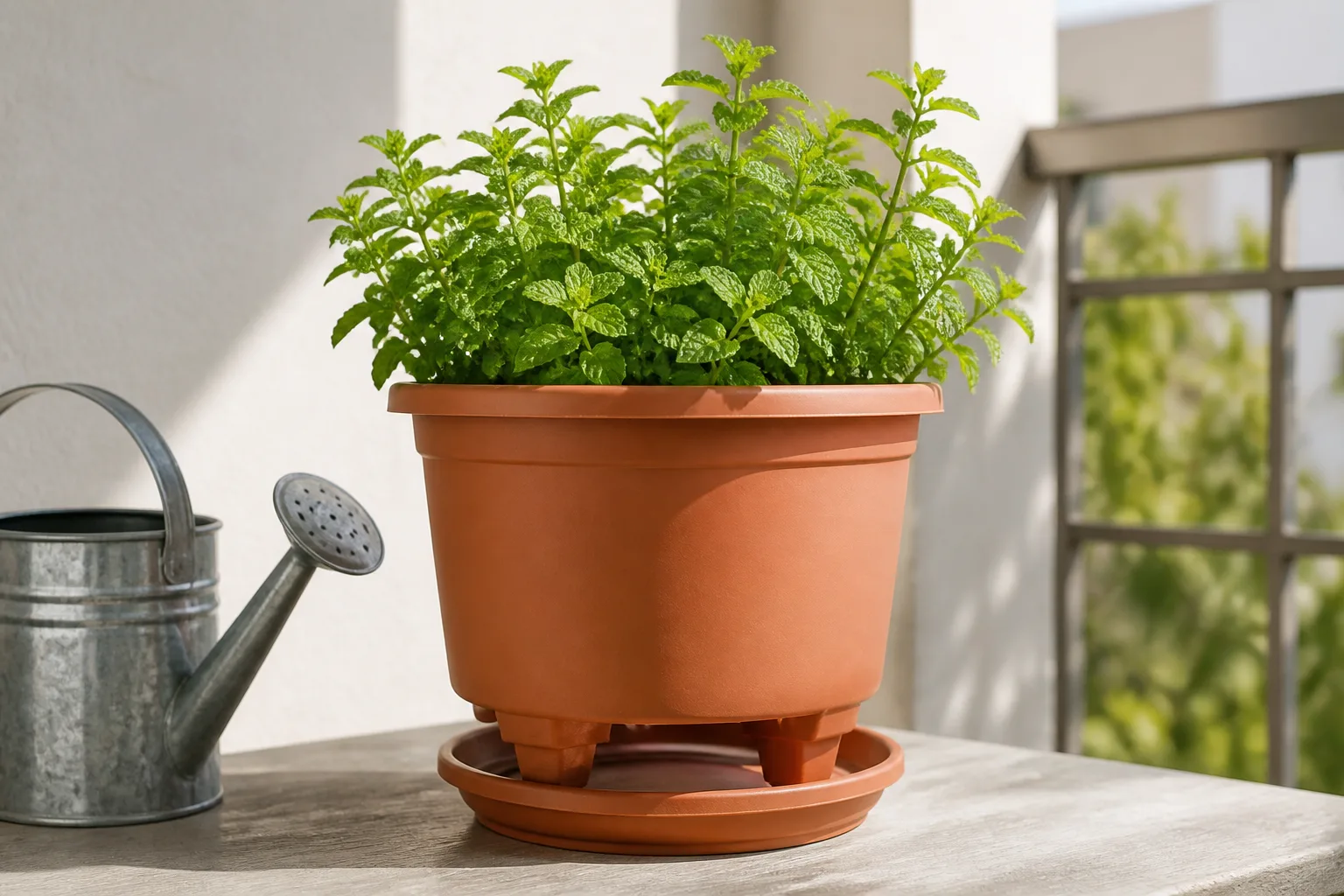
Keep invasive species contained. Mint, catnip, lemon balm, and fennel need pots or buried barriers. Mint container setup that stops spread is the model: solid saucers, wide rims, and no bed planting unless you want a takeover.
Pair These Plants With Proven Backyard Mosquito Controls
Plants are the pleasant layer. The effective layer is source control plus airflow plus personal protection.
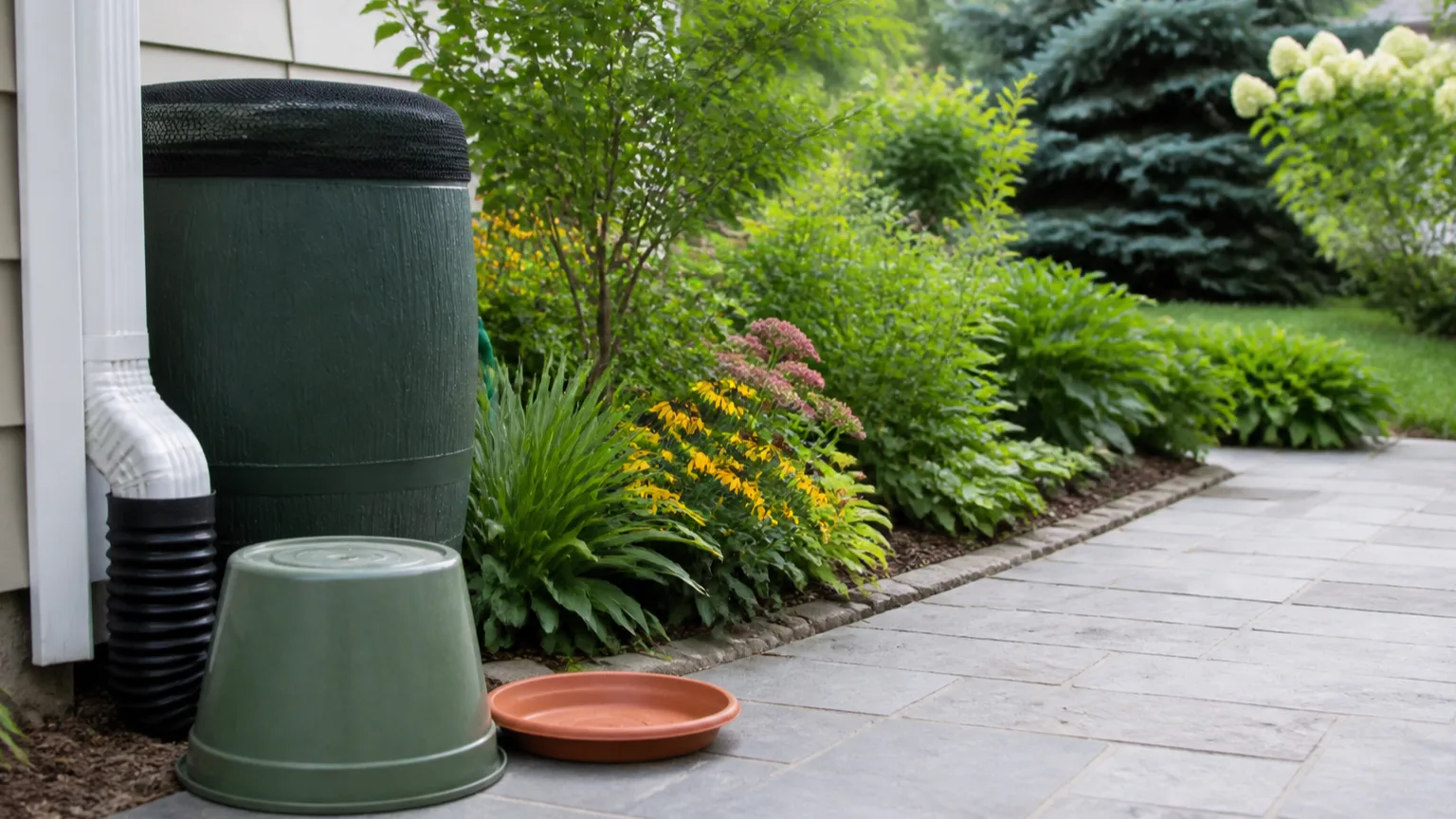
Eliminate standing water weekly. Scrub birdbaths, empty saucers, unclog gutters, drill drainage in tire swings, and refresh pet water daily. Mosquitoes can breed in tiny pools. Standing water is the primary backyard breeding site.
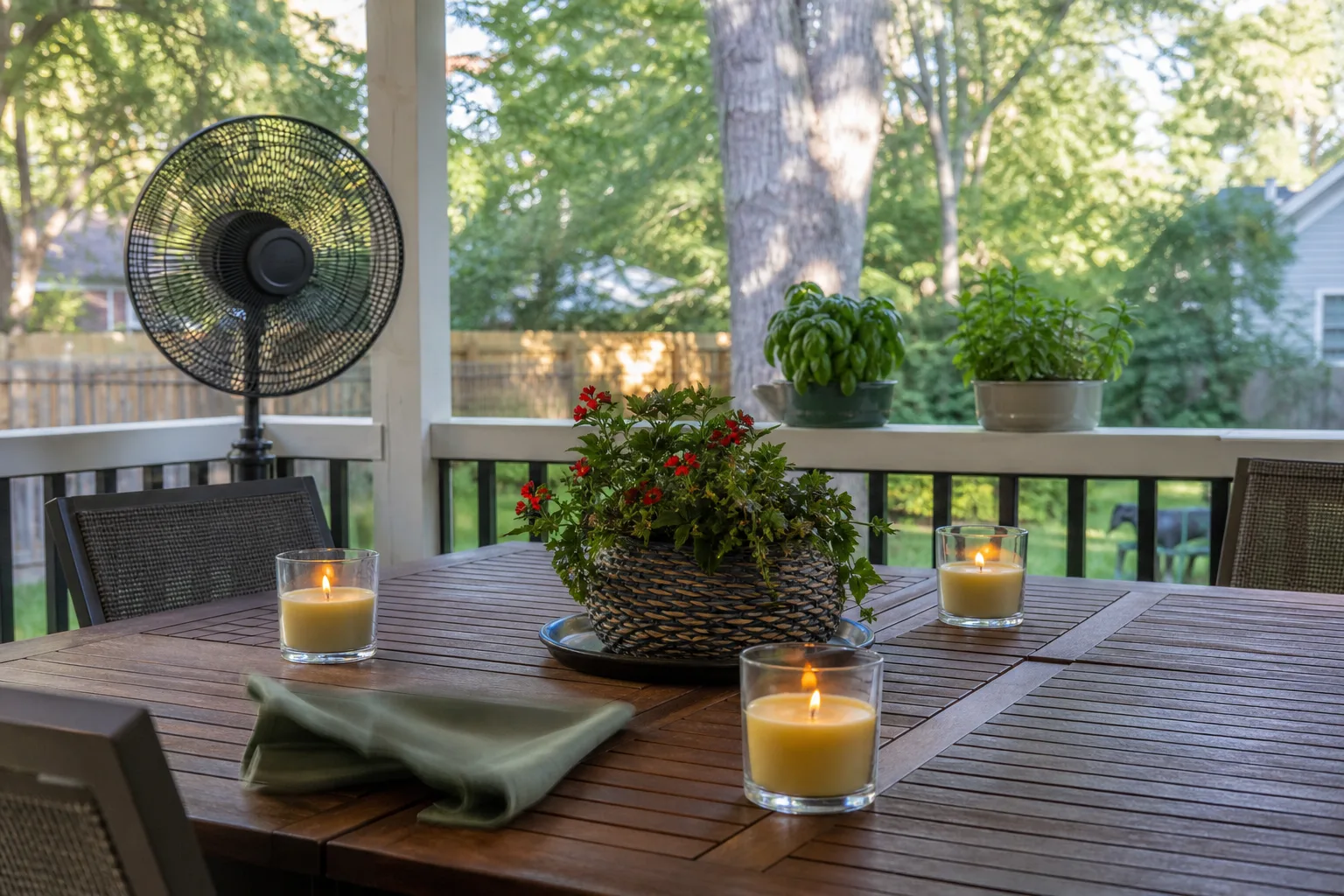
Add fans to seating areas. Mosquitoes are weak fliers; a ceiling fan on the porch or an oscillating fan at ground level disrupts flight paths and disperses scent toward guests.
Repair screens and wear repellent when needed. For dusk events, picnics near wetlands, or travel in disease-risk regions, use EPA-registered repellents per label directions. Penn State safe repellent use guidance.
Use permethrin on gear, not skin. Treated clothing and camp nets give long-lasting protection in heavy bug pressure — complementary to, not replaced by, fragrant pots.
Quick Guide to All 23 Mosquito-Repelling Plants
Use this table to shortlist plants for your zone and layout. “Repellent strength” reflects typical backyard usefulness of live plants, not lab extracts.
| Plant | Zones / habit | Light | Repellent strength | Notes |
|---|---|---|---|---|
| Lavender | Perennial 5–9 | Full sun | Moderate | Needs drainage; toxic to pets |
| Mint | Perennial 3–11 | Sun–part shade | Moderate | Container only; toxic to pets |
| Rosemary | Shrub 8–10 | Full sun | Moderate | Pot in cold climates |
| Bee balm | Perennial 3–9 | Sun–part shade | Moderate | Crush leaves; mildew in humidity |
| Allium | Bulb 4–10 | Full sun | Low–moderate | Toxic to pets |
| Beautyberry | Shrub 6–10 | Sun–part shade | Moderate when crushed | Native bird food |
| Catnip | Perennial 3–7 | Full sun | High in research | Contain spread; pet sensitivity |
| Lemongrass | Tender 10–11 | Full sun | Moderate–high | Best warm-season pot plant |
| Marigold | Annual | Full sun | Low–moderate | Pyrethrum chemistry |
| Lantana | Perennial 7–11 | Full sun | Moderate in studies | Toxic; invasive risk in South |
| Fennel | Perennial 4–9 | Full sun | Low–moderate | Self-sows; host for swallowtails |
| Eucalyptus | Tree 8–11 | Full sun | Low live / oil separate | PMD product ≠ raw leaves |
| Basil | Annual | Sun–part shade | Moderate | Harvest often; lemon types strongest |
| Thyme | Perennial 5–9 | Full sun | Moderate on paths | Foot traffic releases oils |
| Scented geranium | Tender 10–11 | Sun–part shade | Low–moderate | ”Citronella plant” label |
| Ageratum | Annual | Sun–part shade | Low–moderate | Coumarin content |
| Sage | Perennial 4–10 | Full sun | Moderate in smoke | Fire-pit herb |
| Garlic | Bulb 4–9 | Full sun | Low in ground | Crush for sprays |
| Pennyroyal | Perennial 6–9 | Sun–part shade | High scent / high risk | Toxic — avoid pet areas |
| Catmint | Perennial 3–9 | Sun–part shade | Moderate ornamental | Not the same as catnip |
| Mums | Perennial 3–9 | Sun–part shade | Low–moderate | Fall porch pots |
| Wormwood | Perennial 3–8 | Full sun | Moderate scent | Harsh odor; toxic |
| Lemon verbena | Tender 8–10 | Full sun | Moderate | Best lemon scent; pot in North |
Conclusion
The smartest mosquito backyard is not a monoculture of one magic plant. It is a seating-zone garden of fragrant herbs and flowers you will actually touch, harvest, and replace — lemongrass, lavender, mint, catnip, basil, rosemary, thyme, marigolds, bee balm, and beautyberry among the most useful — combined with weekly standing-water checks, fans, screens, and labeled repellents when bites matter.
Choose plants that fit your climate, containers, and pet situation first. Bruise leaves where people sit, keep invasive mints contained, and skip high-risk species like pennyroyal unless you fully understand the toxicity trade-offs. Done this way, mosquito-repelling plants make evenings outside more pleasant even when they cannot replace real mosquito control on their own.