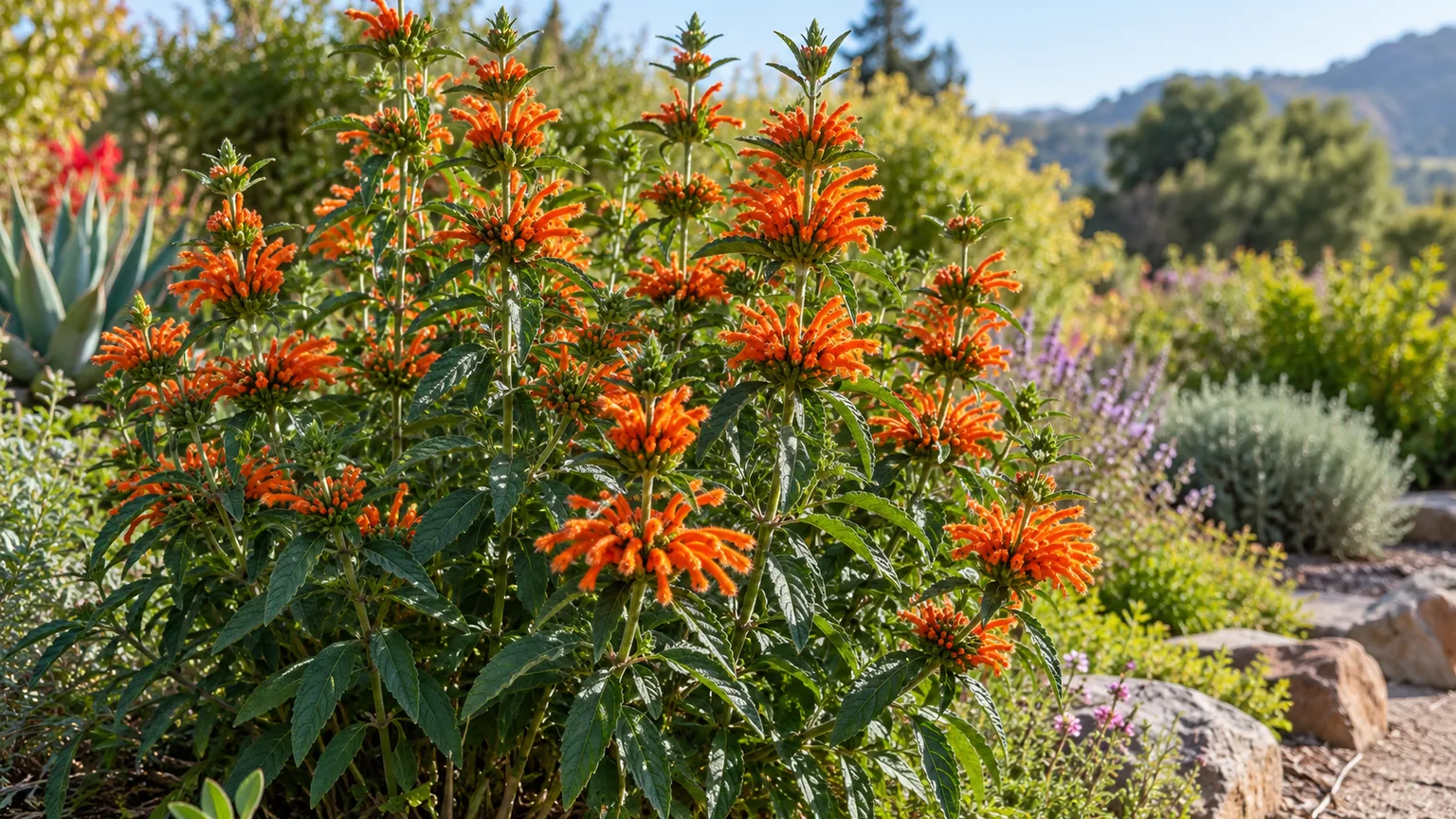
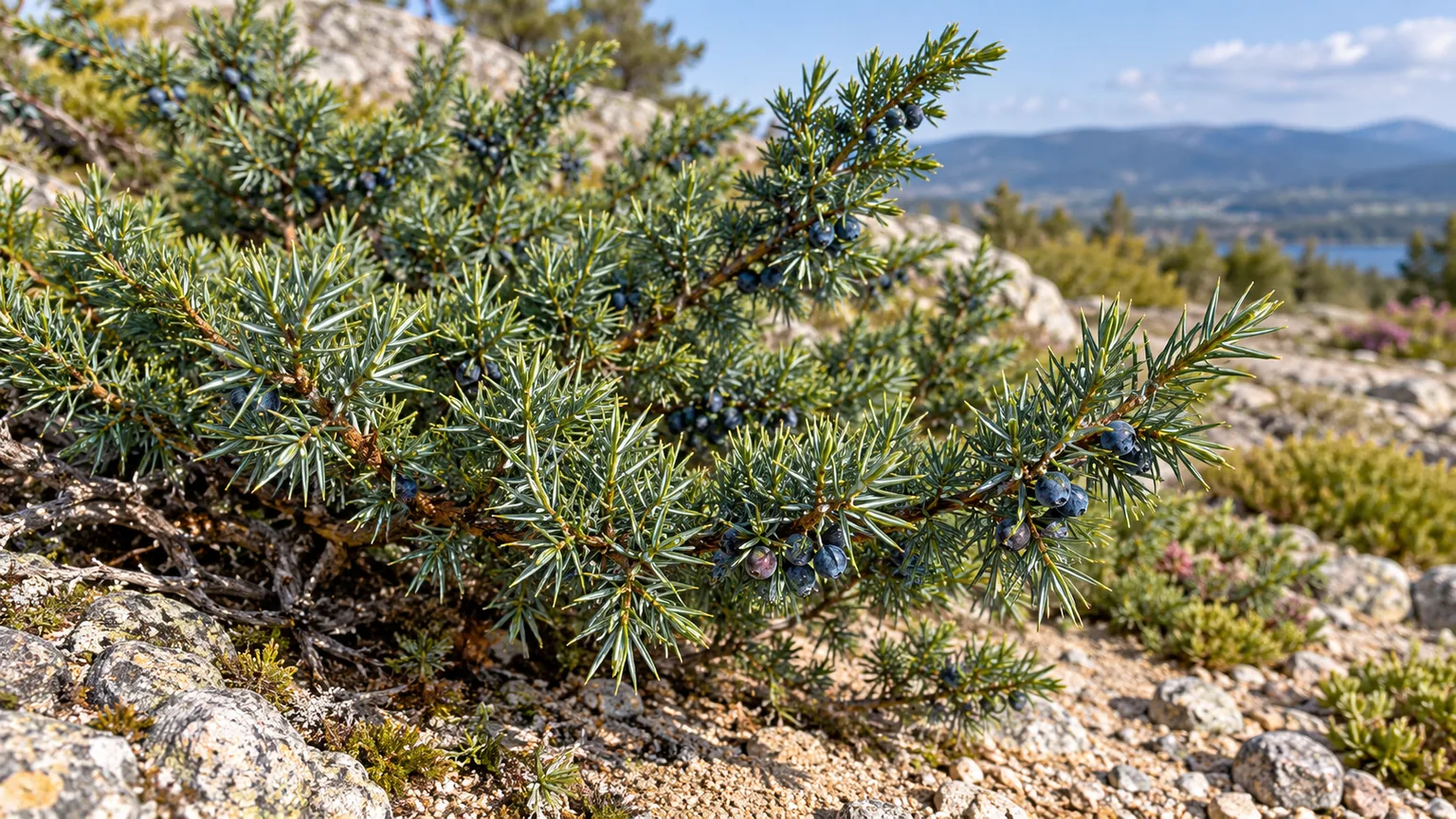
15 Plants That May Help Repel Ticks in Your Yard
Learn which 15 plants may help make a yard less inviting to ticks, what the oil studies actually show, and which landscape changes matter more.

Plants can make a yard more enjoyable, fragrant, and useful to pollinators. They should not be sold as a force field against ticks, though. Most research behind “tick-repelling plants” tests a distilled essential oil, extract, or treated fabric in a laboratory or field trial—not a living plant rooted in a garden bed.
That distinction is the key to using this list well. The 15 plants below are reasonable choices when they also fit your climate, sun, cooking habits, or wildlife strategy. Pair them with a drier, better-managed yard and personal tick protection, and they can be part of an integrated approach. Planting them alone will not make a yard tick-free.
Why plant claims need a reality check
Ticks do not feed on leaves. They wait on low vegetation or in leaf litter for a passing host, then grab onto shoes, clothing, fur, or skin. That means a fragrant plant does not work like a plug-in repellent, and a plant with a promising oil does not automatically protect the gardener standing beside it.
The strongest evidence in this topic is about chemistry, not garden design. A 2017 laboratory study tested 11 essential oils against adult Dermacentor reticulatus ticks: clove bud, creeping thyme, and red thyme oils were among the strongest at the tested 3% concentration, while a thyme-and-citronella mixture performed better than either oil alone. A separate study of plant materials against Ixodes ricinus found pronounced activity from citronella, clove, and lily-of-the-valley oils. Those results are useful clues, but they do not measure a bed of thyme or a potted citronella grass. (PubMed: essential oils against Dermacentor reticulatus; PubMed: plant materials against Ixodes ricinus)
Catnip has one of the more interesting research leads. In vitro tests of extracts from two Nepeta cataria cultivars found 100% repellency at a 20% concentration against the two tick species studied, with activity lasting at least eight hours. The researchers described the extracts as promising candidates for further development—not as proof that planting ordinary catnip around a patio will repel ticks. (PubMed: catnip cultivar extracts)
The same caution applies to oregano, spearmint, rosemary, and thyme. A field study treated cotton blankets and trousers with 5% oils, then compared tick acquisition with untreated controls and 20% DEET. Spearmint and oregano showed potential on the treated fabric, but that is a very different use from growing mint in soil. (PubMed: essential oils on clothing)
Pick plants by the yard condition you can actually change
Start with the site, not the promise on a plant label. If the only sunny, dry strip you have is beside a walkway, choose Mediterranean herbs that will stay compact and easy to inspect. If you garden in a humid climate or have a shaded woodland edge, do not pack that boundary with dense, moisture-holding growth simply because the foliage is aromatic.
Sun-and-dry plants for open edges
Lavender, rosemary, thyme, oregano, geraniums, and garlic are the most practical choices for a sunny bed or container. They tolerate the conditions that also make a site less comfortable for ticks: good airflow, fast drainage, and limited leaf-litter accumulation. Their value is partly horticultural and partly strategic; a clean, accessible border is easier to mow, prune, inspect, and keep separate from a wooded edge.
Container plants for paths and patios
Peppermint, catnip, citronella grass, lemongrass, and verbena are easier to manage in containers when you need fragrance close to a door or seating area. Containers also prevent vigorous plants from turning a narrow path into a damp, tangled strip. Keep saucers from holding standing water, elevate pots enough to inspect underneath, and leave space to walk without brushing against foliage.
Plants that may help by changing wildlife pressure
The most important “plant effect” may be indirect. Ticks depend on host animals, and West Virginia University Extension notes a positive relationship between blacklegged tick abundance and white-tailed deer populations. Deer-resistant plantings, fencing, closed trash, and tidy wood storage can make a yard less attractive to the animals that carry ticks into it. That is habitat management, not a scent barrier, but it is a more realistic role for landscaping. (West Virginia University Extension: ticks)
15 plants worth considering
1. Catnip (Nepeta cataria) is a hardy, sun-loving perennial that can tolerate dry soil once established. Its essential-oil chemistry is supported by promising laboratory work, but the living plant has not been shown to repel ticks across a yard. The practical reason to grow it is that it is attractive, easy to divide, and useful in a sunny herb or pollinator bed. Choose a pot or a bottomless-in-ground container if cats, vigorous growth, or self-seeding would be a problem.
2. Citronella grass (Cymbopogon winterianus) is the species associated with citronella oil research, not every “citronella plant” sold at a garden center. Many scented geraniums are marketed with citronella language but are not the same grass. Grow true citronella grass as a warm-season container or tropical perennial in a sunny, well-drained spot, and treat its fragrance as an amenity rather than a tested yard treatment. The 2017 oil study found citronella useful in a mixture with thyme, but it did not test a living clump. (PubMed: essential oils against Dermacentor reticulatus)
3. Clove tree (Syzygium aromaticum) is a tropical tree for frost-free climates, not a realistic tick plant for most temperate yards. Clove bud oil has repeatedly appeared in laboratory repellent research, including a study where it was one of the most active oils tested. If you live in a warm climate and have room for a slow-growing tree, grow it for its ornamental and culinary value; do not buy one expecting a small, portable tick barrier.
4. Garlic (Allium sativum) earns its place as a cool-season edible crop that is easy to tuck into sunny beds. Garlic juice and extracts have shown activity in older plant-material research, but bulbs underground cannot perfume an entire yard at a reliable repellent dose. Plant cloves in loose soil with good drainage, keep the bed free of thick wet debris, and harvest rather than letting the planting become a crowded, mold-prone patch.
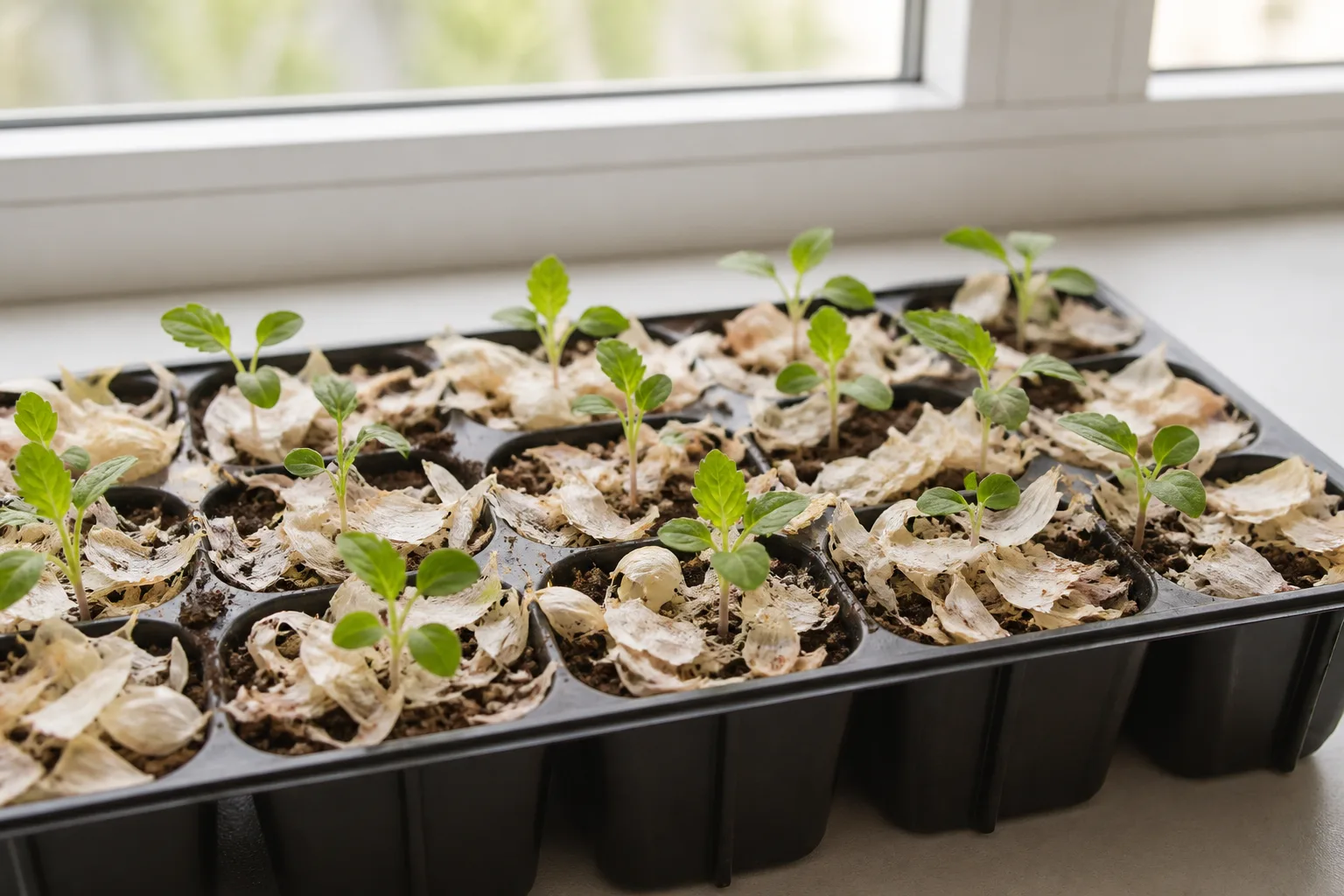
5. Geranium (Pelargonium spp.) is a useful container plant for a sunny porch, deck, or path. Geranium oil has appeared in tick-repellent testing, while the plant itself is better understood as a fragrant ornamental that lets you place scent and color where people spend time. Avoid confusing tender florist geraniums with hardy cranesbills, and remove dead leaves so pots stay airy and easy to check.
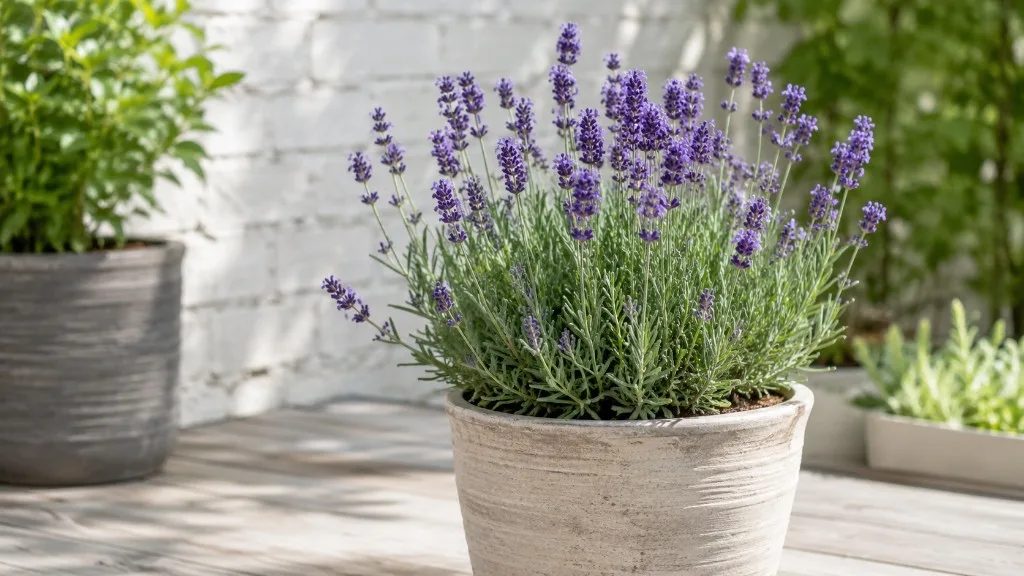
6. Lavender (Lavandula angustifolia) is one of the best practical choices when you want a fragrant, low-water border. Essential-oil studies have found activity against some tick species, but a lavender hedge is not equivalent to a measured oil formulation. Give it full sun, sharply draining soil, and enough space for air movement; a crowded lavender plant in wet mulch can create the kind of humid, difficult-to-inspect edge you were trying to avoid. (Gardening Know How: preventing ticks in the landscape)
7. Lemon-scented gum (Corymbia citriodora) is a large tree whose leaves contain lemon-eucalyptus-related aromatic compounds. The name is often pulled into repellent conversations because oil of lemon eucalyptus is used in registered personal-repellent products, but a tree in the landscape is not the same product, dose, or application. Check mature height, wind exposure, frost tolerance, and local restrictions before planting; for many gardens, a smaller lemon-scented container plant is the more sensible fragrance choice.
8. Lemongrass (Cymbopogon citratus) is a productive culinary grass for warm weather and a good container candidate in cooler regions. Its citrus scent makes it pleasant near a seating area, but it should be kept clipped and open enough to inspect at the base. Distinguish it from citronella grass: they are related, but they are not interchangeable names or identical research subjects.
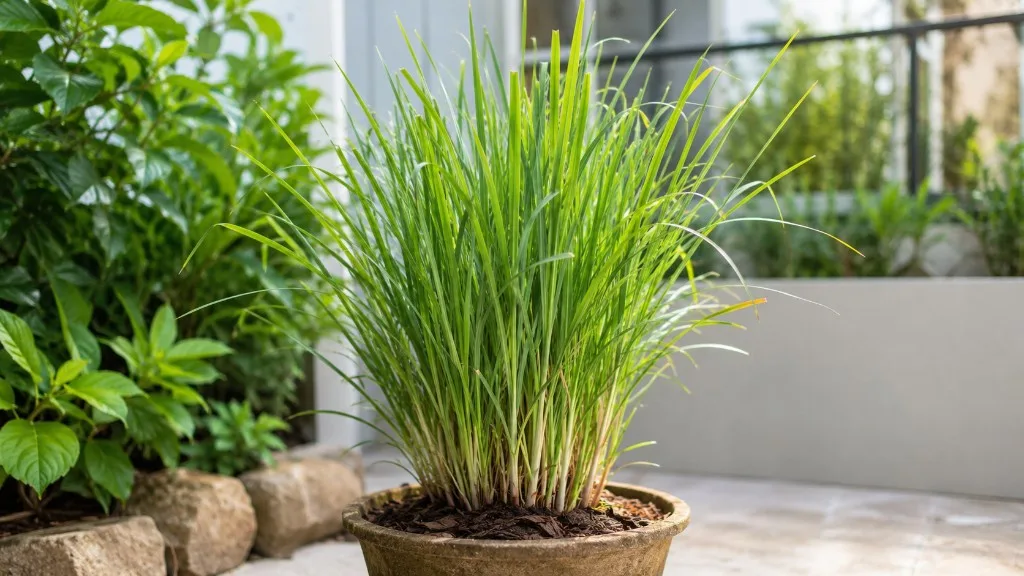
9. Oregano (Origanum vulgare) is a tough perennial herb for a sunny, relatively dry bed. A field study found potential for 5% oregano oil on treated fabric, especially on blankets, which is more useful evidence for product development than for planting claims. Grow oregano where you will harvest it, keep it from sprawling into a wet walkway edge, and cut it back after flowering to maintain a compact, inspectable plant. (PubMed: essential oils on clothing)
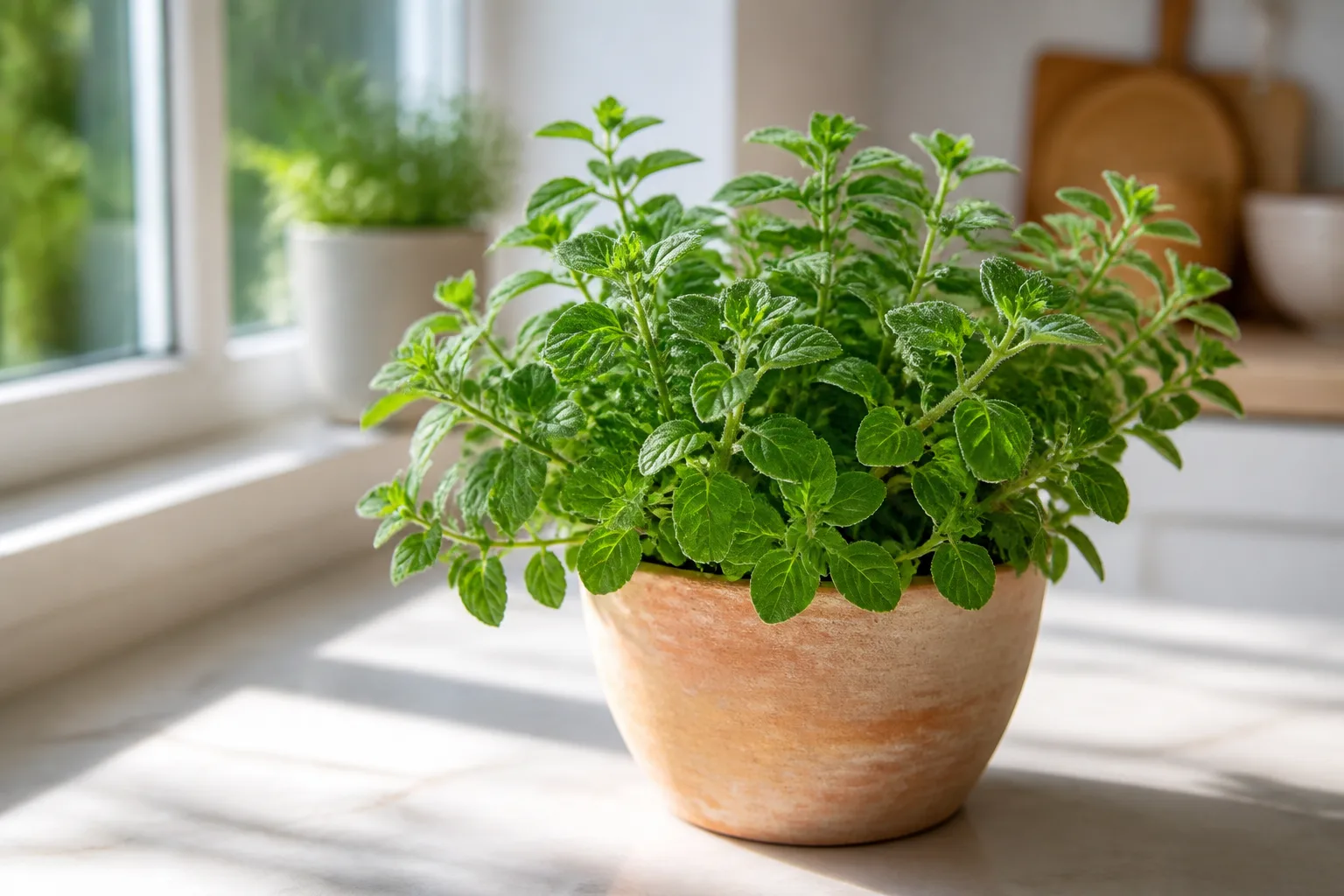
10. Peppermint (Mentha × piperita) is vigorous, shade-tolerant, and easy to harvest, but it is a poor choice for an uncontained border. Peppermint oil has shown tick-repellent potential in laboratory or treated-material research, yet a mint patch can spread into dense, damp growth that is harder to manage. Use a container, harvest often, and keep it close enough to enjoy but far enough from play areas that a spillover patch will not become a hidden edge.
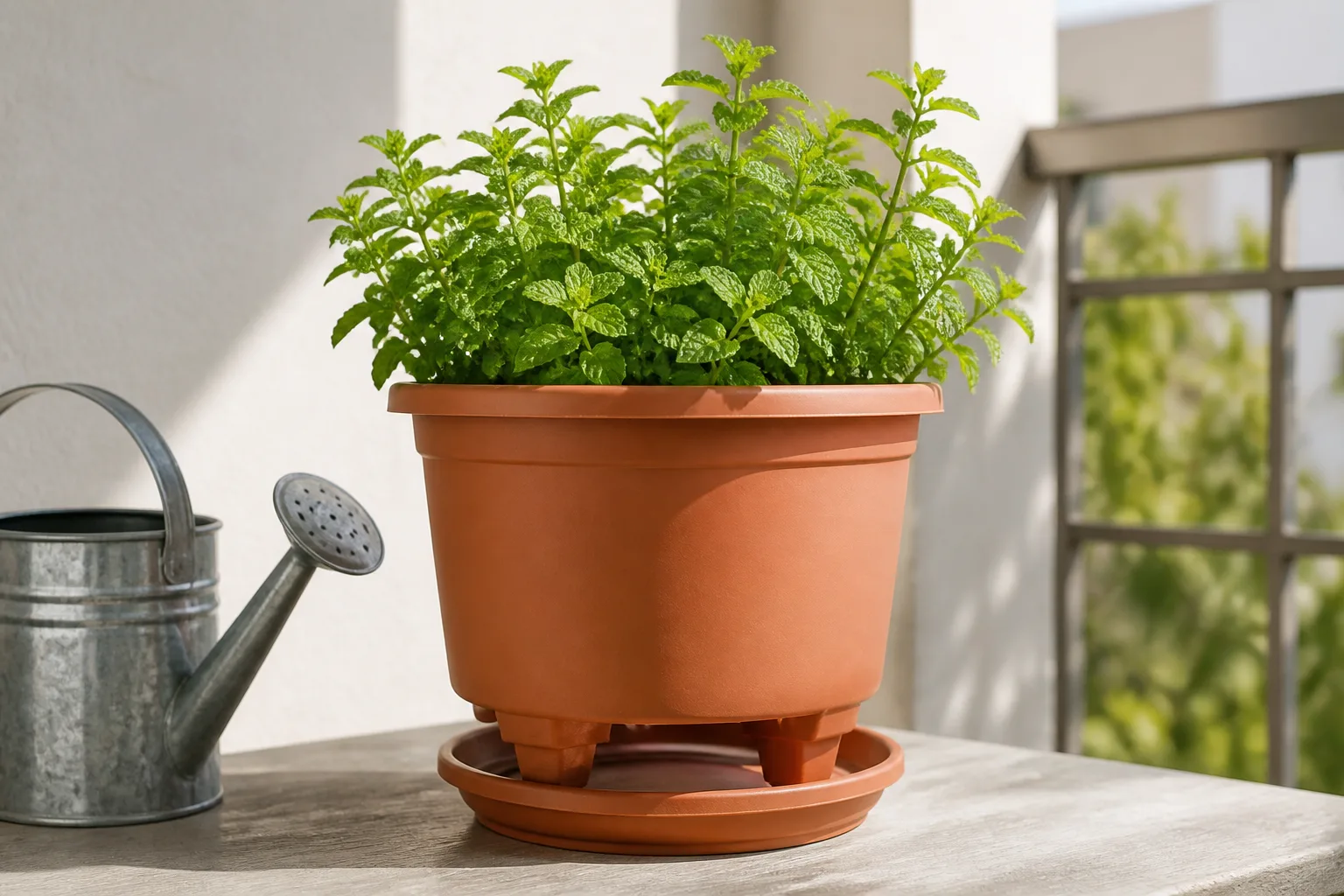
11. Rosemary (Salvia rosmarinus) is a strong choice for sunny containers, raised beds, and dry borders in mild climates. Its oil has been included in tick-repellent research, but the plant’s reliable benefits are culinary fragrance, drought tolerance, and a woody shape that does not form a low, damp mat. In cold regions, grow it in a pot that can move indoors; a winter-killed plant is not a long-term landscape strategy.
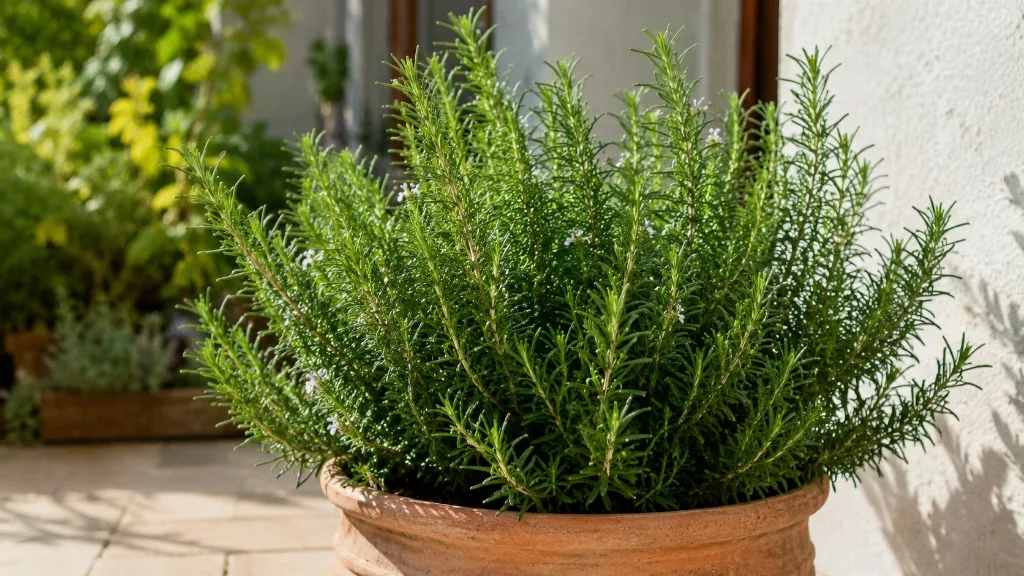
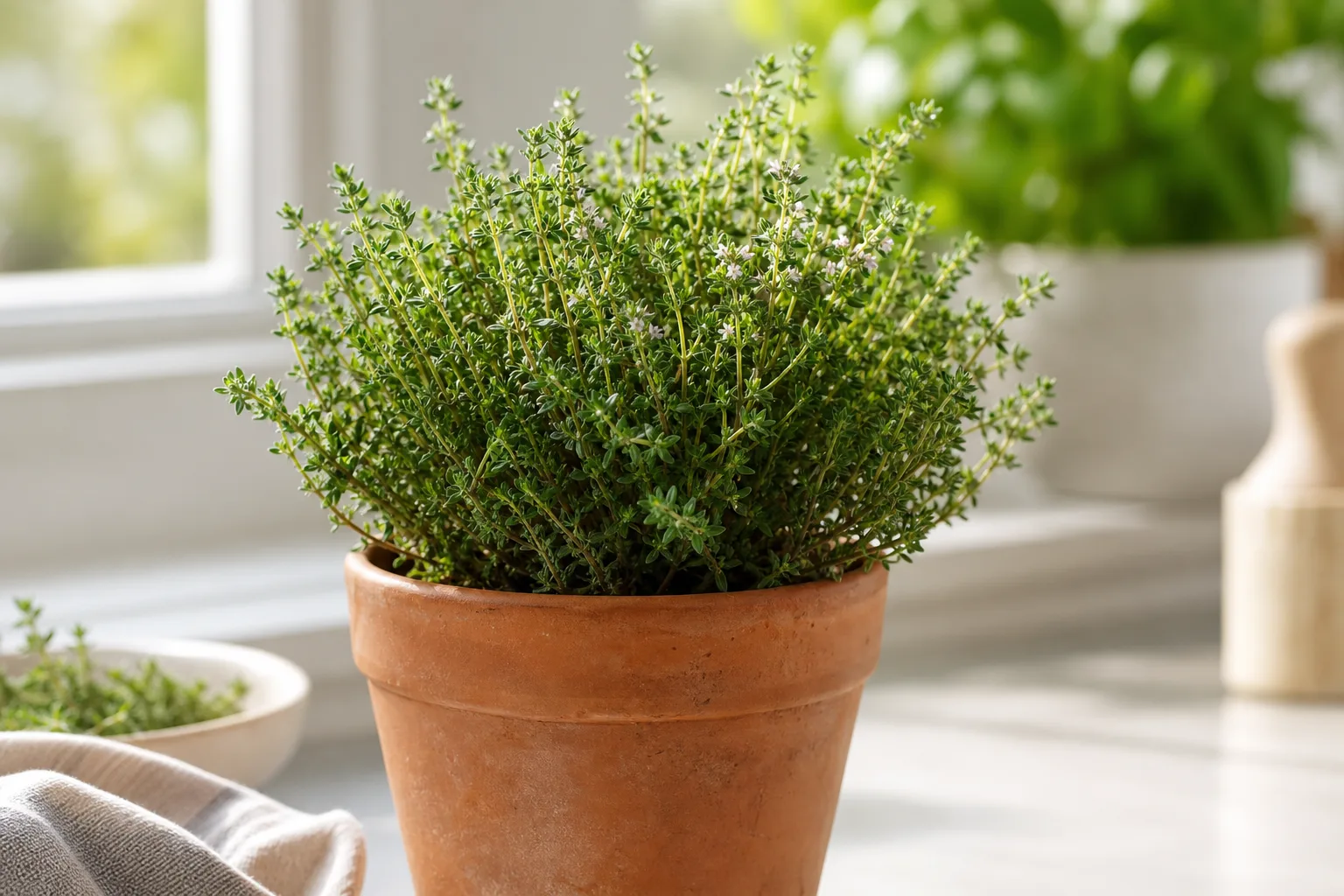
12. Thyme (Thymus vulgaris) is compact, fragrant, and useful along a path where its low growth can be kept visible. Red and creeping thyme oils performed especially well in one laboratory study, and thyme also appeared in a field clothing study. That evidence still applies to oil on a test surface, not to an unmeasured thyme carpet. Keep the planting thin enough for airflow and avoid the common mistake of burying the crown under wet mulch. (PubMed: essential oils against Dermacentor reticulatus; PubMed: essential oils on clothing)
13. Verbena (Verbena hybrids) brings long-lasting flowers and a lemony scent to sunny beds and containers. The oil has appeared in botanical-repellent discussions, but evidence for the living ornamental is limited. Choose it for color and pollinator value, deadhead or shear it to prevent a congested center, and keep the pot or bed away from the leaf-litter boundary where tick exposure is highest.
14. Vetiver (Chrysopogon zizanioides) is a tall, deep-rooted bunch grass used in warm climates for erosion control and landscape structure. It can help stabilize a slope without forming the kind of low, tangled groundcover that is difficult to inspect, but its height makes it a poor choice beside a children’s play area or narrow path. Grow it where you can see the base and maintain a clear walking route; do not treat vetiver roots or fragrance as proven tick control.
15. Wormwood (Artemisia absinthium) is a silvery, drought-tolerant perennial with a strong aroma and a history of botanical-repellent research. It is best treated as an ornamental foliage plant for a dry, sunny position, not as a casual addition to a pet-accessible garden or herb bed. Check local guidance before planting because some Artemisia species can spread, and keep the area open enough to remove leaf litter rather than letting fallen foliage collect beneath it.
How to use the plant list without making tick habitat worse
Put fragrant pots where people pass
Place lavender, rosemary, thyme, geranium, lemongrass, or citronella grass beside a sunny patio, gate, or frequently used path—places where the plants can be seen, harvested, watered correctly, and kept clear of leaf litter. A row of containers can also mark the edge of a recreation zone without adding a dense shrub layer right against the lawn.
Spacing matters more than scent. Leave enough room to walk without brushing the leaves, and keep the base of each plant visible. A fragrant plant that arches into ankle height over a narrow path can increase contact with foliage even if its oil is interesting in a laboratory.
Keep dense growth away from play spaces
Do not build a thick aromatic hedge around a swing set, sandbox, or deck just because a list calls the plants “repellent.” Dense, shaded growth retains moisture and gives ticks more protected low vegetation. Gardening Know How recommends focusing on the three- to four-foot perimeter around the yard, clearing brush and debris there, and keeping woodpiles neat rather than allowing hiding places for rodents. (Gardening Know How: tick control for yards)
For a wildlife-friendly yard, use zones. Keep the main path, patio, and play area open and easy to mow; place dense native habitat farther from those areas; and use a transition strip that is visible, dry, and maintained. That approach protects pollinator habitat without asking a mint patch or a shrub border to do a job it cannot do.

Four yard changes that matter more than the plant list
1. Remove the places ticks use for moisture and cover. Rake or blow leaf litter away from the house, lawn edge, paths, decks, and play spaces. Trim back brush and tall grass where people and pets pass, but do not spread every leaf into a thick wet layer beneath a border plant.
2. Keep a buffer at the woodland edge. The CDC’s yard guidance recommends a three-foot-wide strip of wood chips or gravel between lawn and wooded areas, along with frequent mowing and cleared brush. The strip is a transition zone, not a magic chemical barrier: keep it continuous, visible, and free of leaf piles. (CDC: preventing ticks in the yard)
3. Reduce host traffic. Repair gaps in fencing, avoid feeding wildlife, close trash securely, and keep firewood neatly stacked in a dry area away from the house. Deer, rodents, raccoons, and stray animals can carry ticks into an otherwise tidy yard. WVU Extension specifically connects deer management and deer-resistant landscape planning with tick reduction, while noting that landscape management works as part of a broader program rather than as a guarantee. (West Virginia University Extension: ticks)
4. Mow and prune for visibility. A frequently mowed lawn is generally easier to use and exposes more ground to drying than a tall, unmanaged edge. Prune shrubs so lower branches do not form a dark tunnel beside a walkway, and move seating or play equipment away from the tree line. You are trying to reduce brush contact and humidity where people spend time, not sterilize every square foot of habitat.
What not to spray or assume
Do not mix undiluted essential oils into a homemade yard spray and assume “natural” means harmless. Concentration, formulation, weather, plant sensitivity, pets, pollinators, and human exposure all change the risk. The studies cited above used measured oils or extracts on defined surfaces, and they did not establish a safe, effective recipe for spraying a home landscape.
Do not apply a skin or clothing repellent to plants, and do not treat a plant’s fragrance as protection for bare legs. The CDC recommends proven personal protection, including EPA-registered repellents used according to their labels and permethrin-treated clothing or gear where appropriate. Product labels are the source of truth for age limits, reapplication, pets, and surfaces. (CDC: preventing tick bites)
Finally, do not remove all wildlife habitat on the theory that a sterile yard is automatically safer. A clean recreation zone and a well-managed transition area are sensible; broad-spectrum spraying and indiscriminate habitat destruction can harm pollinators and beneficial predators. Tick management is a balance of reducing exposure, improving the immediate yard, and keeping the measures proportional to the actual risk.
A simple weekend plan for a lower-risk yard
On the first pass, walk the property at ankle height. Mark every place where a person or dog must brush against tall grass, low branches, brush, or a damp leaf layer to reach the patio, shed, garden, or play area. Those contact points deserve attention before you buy any new plant.
On the second pass, create a clean route. Mow or trim the access strip, clear leaf litter from the house and lawn edge, prune branches that touch the path, and relocate play equipment away from the tree line. If a wooded edge borders the lawn, install or refresh a continuous gravel or wood-chip buffer about three feet wide.
On the third pass, choose one or two plants that fit the improved site. Use lavender or thyme for a dry sunny edge, rosemary or oregano for an edible container, geranium or verbena for color beside a patio, or peppermint in a contained pot. Add catnip, lemongrass, citronella grass, garlic, vetiver, wormwood, clove tree, or lemon-scented gum only when their growing requirements and mature size make sense.
After that, inspect monthly during tick season. Look beneath pots, around woodpiles, along the fence, and at the transition between lawn and naturalized areas. A plant that looked airy in spring may become a low, humid tangle by midsummer; thin it, move it, or change the border before it becomes a contact zone.
Personal protection still matters
Even a well-maintained yard can receive a tick from wildlife, pets, clothing, or a neighboring wooded area. The CDC notes that tick exposure can occur in a yard and recommends checking clothing, gear, pets, and body after outdoor time. Wear shoes and long pants for brush work, tuck clothing when practical, and use a repellent registered for the intended skin or clothing use.
Make tick checks routine rather than dramatic. Brush or inspect pets after they have been in tall grass, look around ankles and behind knees, and check warm, hidden areas of the body after gardening. If a tick is attached, remove it promptly with fine-tipped tweezers by pulling upward with steady pressure; do not burn it, coat it with petroleum jelly, or crush it against the skin. Seek medical guidance if symptoms develop after a bite.
Conclusion
Catnip, citronella grass, clove, garlic, geranium, lavender, lemon-scented gum, lemongrass, oregano, peppermint, rosemary, thyme, verbena, vetiver, and wormwood are all reasonable plants to consider—but for different gardening reasons and with different levels of repellent evidence. The studies support further investigation of certain oils and extracts; they do not prove that a living plant will clear ticks from a yard.
The dependable strategy is to use plants where they improve the space, then do the unglamorous work that changes tick habitat: clear damp leaf litter from living areas, mow and prune for visibility, maintain a three-foot edge buffer, discourage deer and rodents, and protect people and pets with proven repellents and tick checks. That combination can make your yard less inviting to ticks without asking one fragrant herb to do the work of an entire prevention plan.