When Is the Best Time to Buy Gardening Supplies?
A practical gardening-supply buying calendar: when to order seeds and bulbs, when to buy plants and soil, and which purchases can wait for a sale.
The best time to buy gardening supplies depends on what you’re buying. Order unusual seeds and bulbs early if a specific variety matters; buy ordinary seeds and live plants close enough to planting that you can use them promptly; wait on soil amendments until you know what the bed needs; and look for tool discounts when stores clear seasonal stock. There is no single month that is best for every item or every climate.
The reliable way to shop is to plan backward from the date you can plant, then weigh selection, price, storage, and delivery. That keeps a tempting sale from becoming a shelf of stale seed packets, a pile of compost you cannot spread, or bulbs that arrive after the planting window.
Start With the Planting Window, Not the Sale Calendar
Write down the jobs you actually expect to do: sowing indoors, direct-sowing vegetables, planting spring bulbs, refreshing containers, or replacing a worn tool. Then put each job on a local growing calendar. For many U.S. gardeners, the average last frost date helps estimate when tender plants can go outside, but it is only a planning reference; crop instructions, soil temperature, and local forecasts still matter. Gardeners in tropical or subtropical climates should use local wet-and-dry seasons or crop calendars, and Southern Hemisphere gardeners should shift the seasonal labels by six months.
Next, decide what “best” means for each purchase. If you need a rare tomato variety, choice may matter more than a small price difference. If you need a bag of common potting mix, convenience and product condition may matter more than buying months ahead. If you want to save money, compare actual prices and the cost of storing an item; seasonal timing alone cannot guarantee a bargain.
For seed starting, Colorado State University Extension gives a useful example of planning backward: many annuals and vegetables are started indoors several weeks before the local frost-free date, with the precise lead time varying by crop. The point is not to buy everything on the same date. It is to have the right seed and equipment ready before that crop’s own sowing window begins.
A Quick Buying Calendar by Supply
| Supply | Practical time to shop | Why that timing helps | Check before paying |
|---|---|---|---|
| Rare or new seed varieties | During winter planning or as soon as catalogs open | More time to find a specific variety before the sowing window | Crop fit, packet year, quantity, and storage space |
| Common seeds and seed-starting supplies | A few weeks before the planned sowing date | Avoids rushed shopping while keeping the plan tied to local conditions | Indoor versus direct sowing, light, trays, and reuse inventory |
| Spring-flowering bulbs | Before the local fall planting window | Gives you time to source varieties and plant while conditions are suitable | Firm, sound bulbs; delivery date; planting instructions |
| Trees, shrubs, and perennials | Near the species’ recommended planting season | Plants can be selected and planted promptly | Planting method, root condition, weather, and aftercare |
| Soil, compost, and mulch | After measuring the area and setting an application date | Prevents over-ordering and long storage | Volume, product type, delivery access, and test results |
| Fertilizer or pH amendments | After identifying a need, often near the time of use | The product and amount can match the soil or crop | Test recommendation, label, and application timing |
| Tools and durable supplies | Whenever a known need is clear; compare clearance later | A sale can help if the item fits and can wait | Condition, ergonomics, warranty, and whether you need it |
Use this as a sequence, not a fixed month-by-month promise. Retail seasons differ by region, weather, supplier, and store, while planting dates differ even between nearby gardens. For a month-based reference, Gardeners’ World’s seed-sowing calendar is organized around the UK growing year; U.S. gardeners should translate the same planning idea through a local extension calendar rather than copy its dates.
Seeds: Buy Scarce Varieties Early, Standard Seeds to Plan
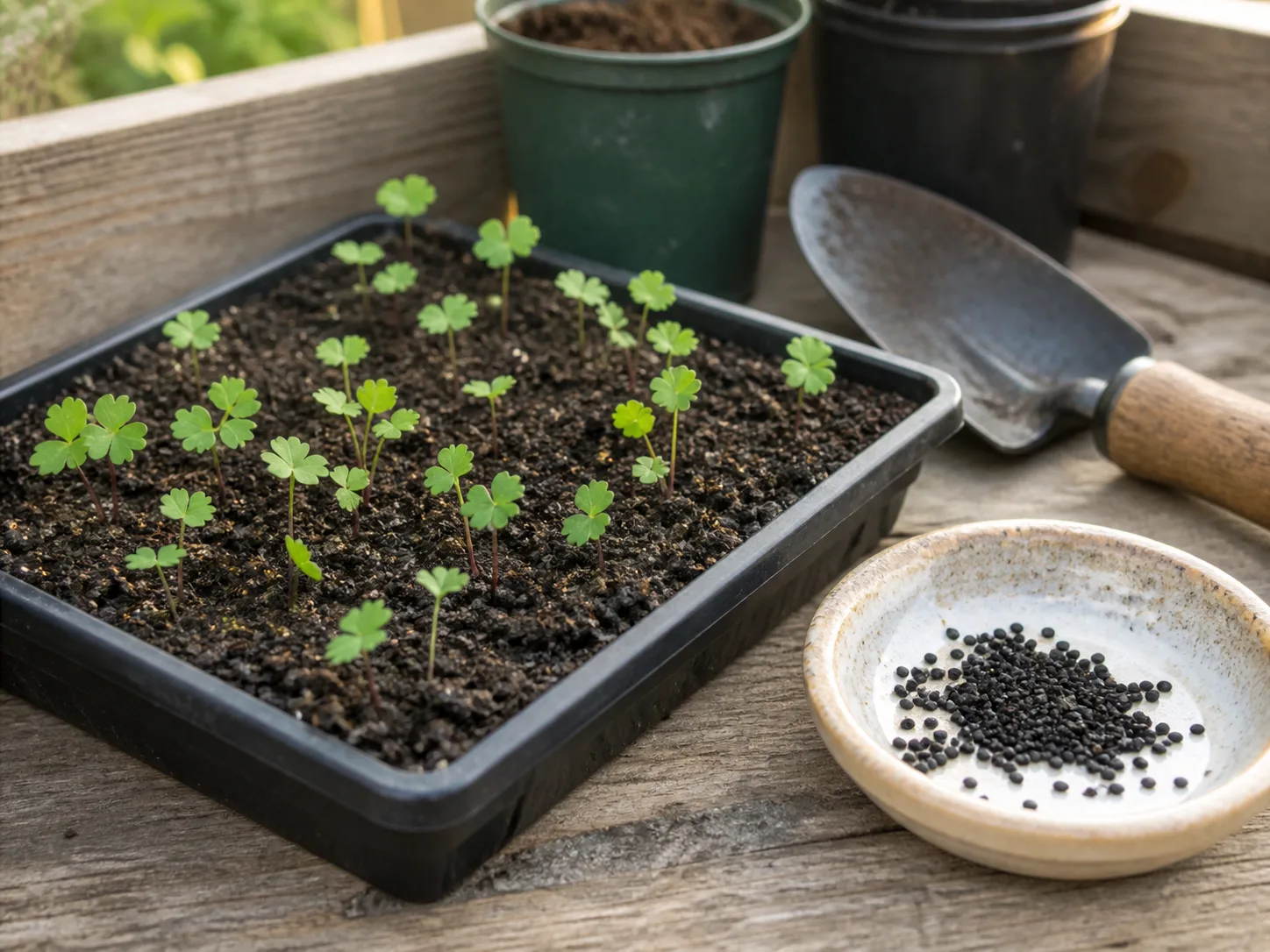
Order early when a particular cultivar, organic certification, seed size, or supplier is important to you. Rare heirlooms and varieties you rely on for a specific harvest window are reasonable winter-planning purchases because an early order gives you time to compare sources and receive the packet before sowing. Treat early shopping as insurance against limited selection, not proof that the price is lower.
For widely available varieties, buy when your planting plan is firm and the sowing date is approaching. Colorado State University Extension notes that old seed can germinate poorly if it has not been stored carefully and that packets commonly show the year for which the seed was packed. A packet date is a useful freshness clue, but species, storage conditions, and the seller’s labeling practices matter too. Don’t buy several years’ worth just because packets are on promotion if you lack cool, dry storage or a plan to use them.
Think through indoor starts separately from direct sowing. A packet may be on sale well before you have adequate light, trays, or room for seedlings; buying it early does not make an early sowing appropriate. Grow Organic’s practical seed-planning guide recommends turning the garden layout into a dated plan, calculating indoor starts from local freeze conditions, allowing for repeated sowings, and buying quantities that fit the beds. That is a better basis for your order than a colorful packet display.
Read the Packet, Then Size the Order
Before adding a seed packet to your cart, check the variety’s days to maturity, sowing depth, spacing, indoor-start instructions, and whether it needs light or a particular temperature to germinate. Compare those instructions with the space and season you have. A long-season crop may need an indoor start in a short-summer region, while a crop that dislikes transplanting may be better sown directly.
Estimate the number of plants you can use, then add only a modest allowance for germination variation or succession sowing. If you already have a packet, check its label and storage history before replacing it; a small germination test can be more informative than assuming every older seed is dead. Store opened packets sealed and labeled in a cool, dry place, and keep them away from humid sheds or hot windowsills.
Bulbs: Order Ahead, Plant in the Right Season
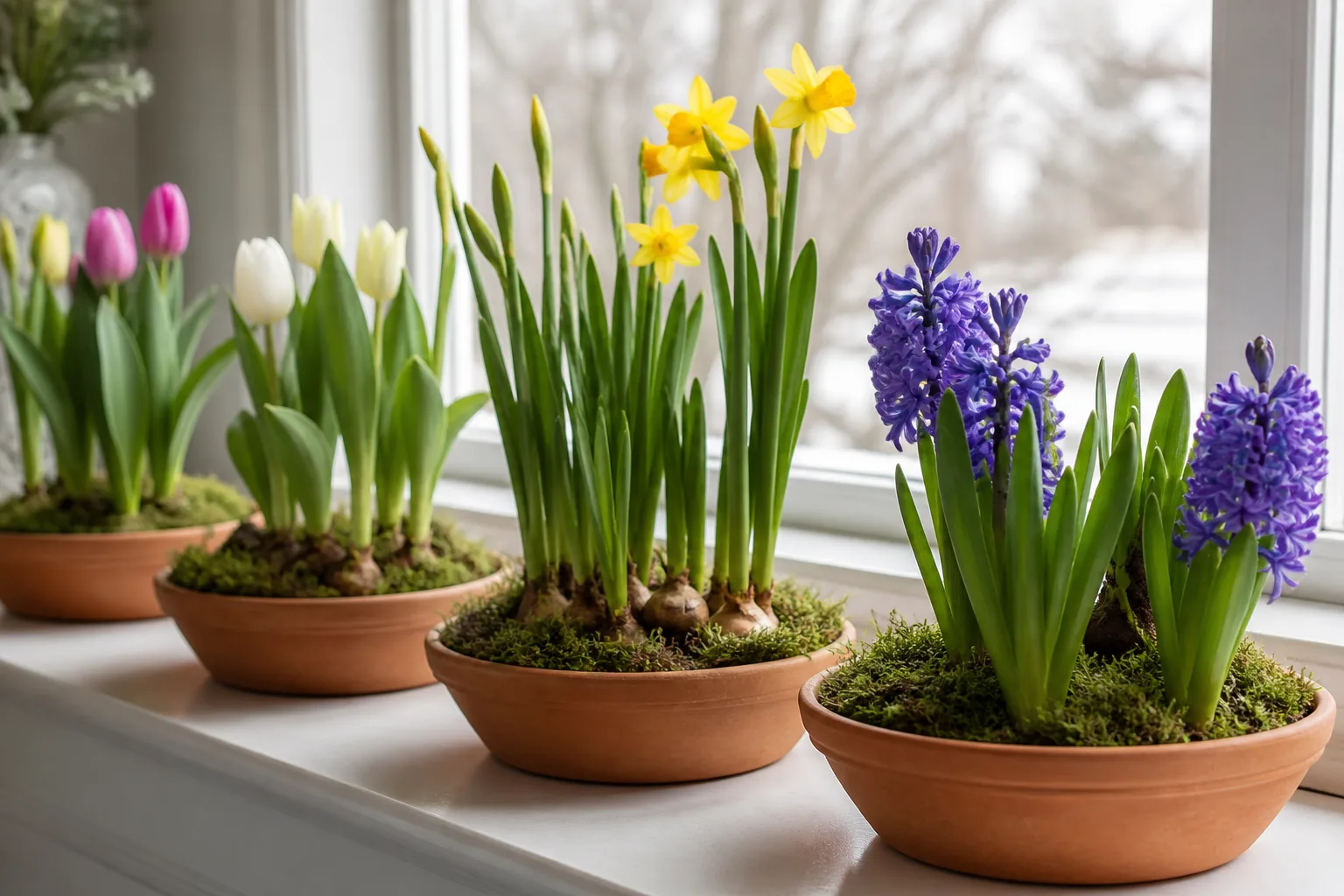
Spring-flowering bulbs are usually sold ahead of their fall planting window. Shopping early makes sense when you want a named cultivar, a particular bloom color, or enough bulbs to fill a planned bed; it also gives you time to coordinate delivery with soil preparation. But ordering early is useful only if you can store the bulbs as the supplier directs and plant them at the right time for your area.
For common varieties, local shops may have suitable stock closer to planting time, so you can inspect bulbs and avoid storing them. Choose bulbs that are firm and free of soft, moldy, or badly damaged areas. Don’t plant simply because the package arrived: follow the species’ directions and local planting guidance, and avoid leaving bulbs warm or damp while waiting for a sale or a free weekend.
The same calendar logic applies to spring-planted bulbs and summer-flowering types, but the season differs. Check the planting instructions for the specific bulb and your winter conditions instead of treating “bulbs” as one category. Buying within a useful lead time is the goal; buying months early without a storage plan adds risk without improving the garden.
Live Plants: Shop Close to the Planting Window
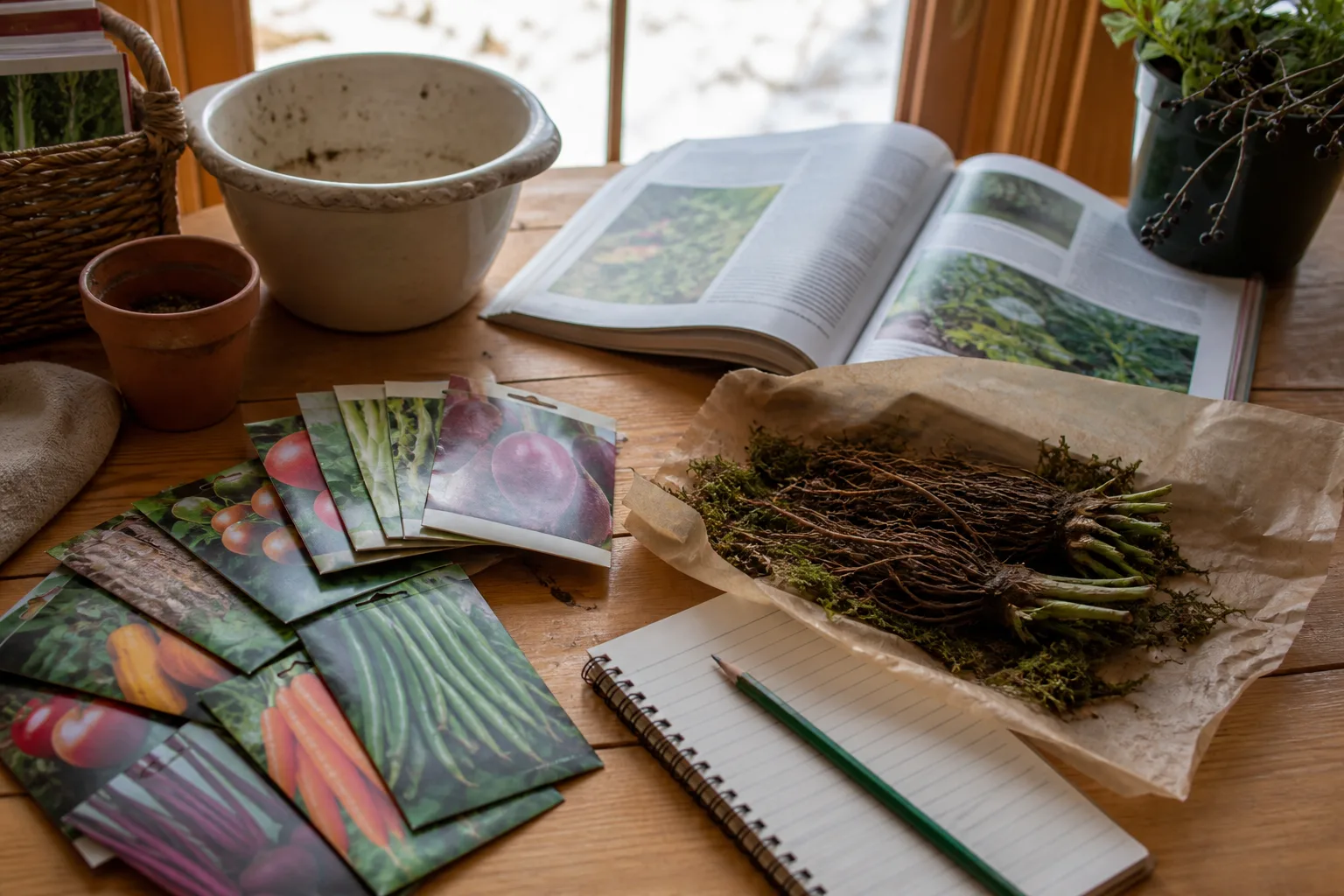
For annuals, vegetables, trees, shrubs, and perennials, choose a nursery purchase date that leaves enough time to plant and care for the plant under suitable conditions. Buying close to planting lets you judge the actual stock, and it reduces the time a plant spends waiting in a pot at home. The best month depends on the species, whether it is sold bare-root or container-grown, and your climate—not simply on when a garden center starts advertising spring.
Some gardeners find good value in late-season plants, especially hardy perennials and woody plants that can still be planted safely in their region. That can work when the species is suited to the site, the roots are healthy, and there is enough time for establishment or the plant is entering a recommended dormant planting period. A low price does not compensate for a plant that is root-bound, dried out, diseased, or sold too late for your local conditions.
Mail-order plants need a little more lead time than local stock because shipping dates, weather holds, and delivery condition all affect when you can plant. Read the seller’s shipping window before ordering, clear the planting site, and be ready to water or pot the plant temporarily if conditions delay planting. If you cannot provide the needed aftercare, wait until your schedule and weather align.
What to Check Before You Buy a Sale Plant
Look at the whole plant, not just the flower or discount tag. Foliage should be reasonably vigorous for the season, stems should not be badly broken, and the root ball should hold together without being a dense mass of circling roots. A plant may naturally look dormant or be past bloom, so judge it by the species and season rather than expecting every perennial to look lush in autumn.
Check the label for mature size, light and moisture needs, hardiness, and planting instructions. If the plant’s name is missing or its requirements do not fit your site, pass even if the price is attractive. Before buying several, confirm that the spacing and mature footprint work in the bed; multiplying a poor choice only makes the mistake more expensive.
Soil, Compost, and Mulch: Calculate Before Delivery
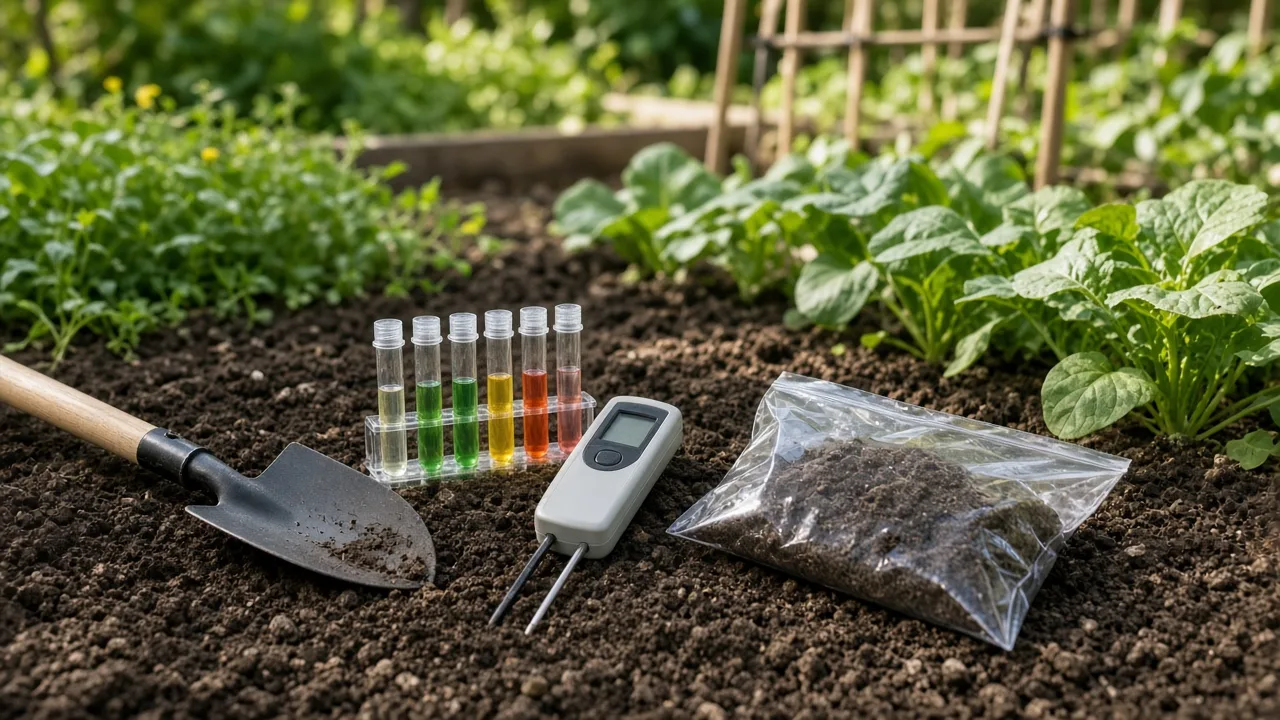
These materials are bulky, and the right amount depends on area and application depth. Measure the bed or container first, decide where the material will go, and calculate volume before ordering a pallet or bulk delivery. Buying at the moment you are ready to use it also reduces the need to find dry, accessible storage and keeps bags from blocking a garage or walkway for months.
For an established garden bed, distinguish compost used as organic matter from potting mix intended for containers. They are not interchangeable products. Check the label for ingredients and intended use, and compare the delivered volume with what your garden can use. If you are filling raised beds, account for settling and the bed’s depth rather than ordering by appearance alone.
A soil test can prevent a purchase that solves the wrong problem. University of Minnesota Extension explains that soil tests can guide selected nutrient and pH decisions, and that high phosphorus is a reason to limit additional compost inputs or choose lower-phosphorus nutrient sources in the systems it discusses. Those recommendations are region- and crop-specific, but the larger shopping lesson travels well: test first when the purchase is meant to correct soil, then buy the amendment the result calls for.
Fertilizer and pH Amendments: Test Before Buying
Do not buy fertilizer just because a spring display says plants need feeding. Gardens vary in nutrient levels, and more product is not automatically better. For an in-ground bed, start with a soil test from a reliable local laboratory or extension service and follow its crop-specific recommendation. For containers, use a potting mix and fertilizer labeled for the crop and follow the stated rate rather than improvising.
Corrective products such as lime or sulfur deserve particular care because they change soil conditions over time. University of Minnesota Extension notes that soil-test results help determine lime needs and that sulfur amendments take time to affect soil pH; its guidance recommends applying sulfur in fall for the systems discussed so microbial activity can work before the next season. That timing is not universal advice for every soil or plant, but it shows why a test and local recommendation should come before the purchase.
Buy only the quantity you can use within the product’s labeled storage period, keep it in its original container, and follow storage and safety directions. If you are unsure whether a plant needs fertilizer, do not use a sale as the deciding evidence. Identify the crop, growth stage, and likely cause of poor growth first; symptoms can come from water, light, roots, or pests rather than a nutrient shortage.
Tools: Replace Known Needs and Compare End-of-Season Prices
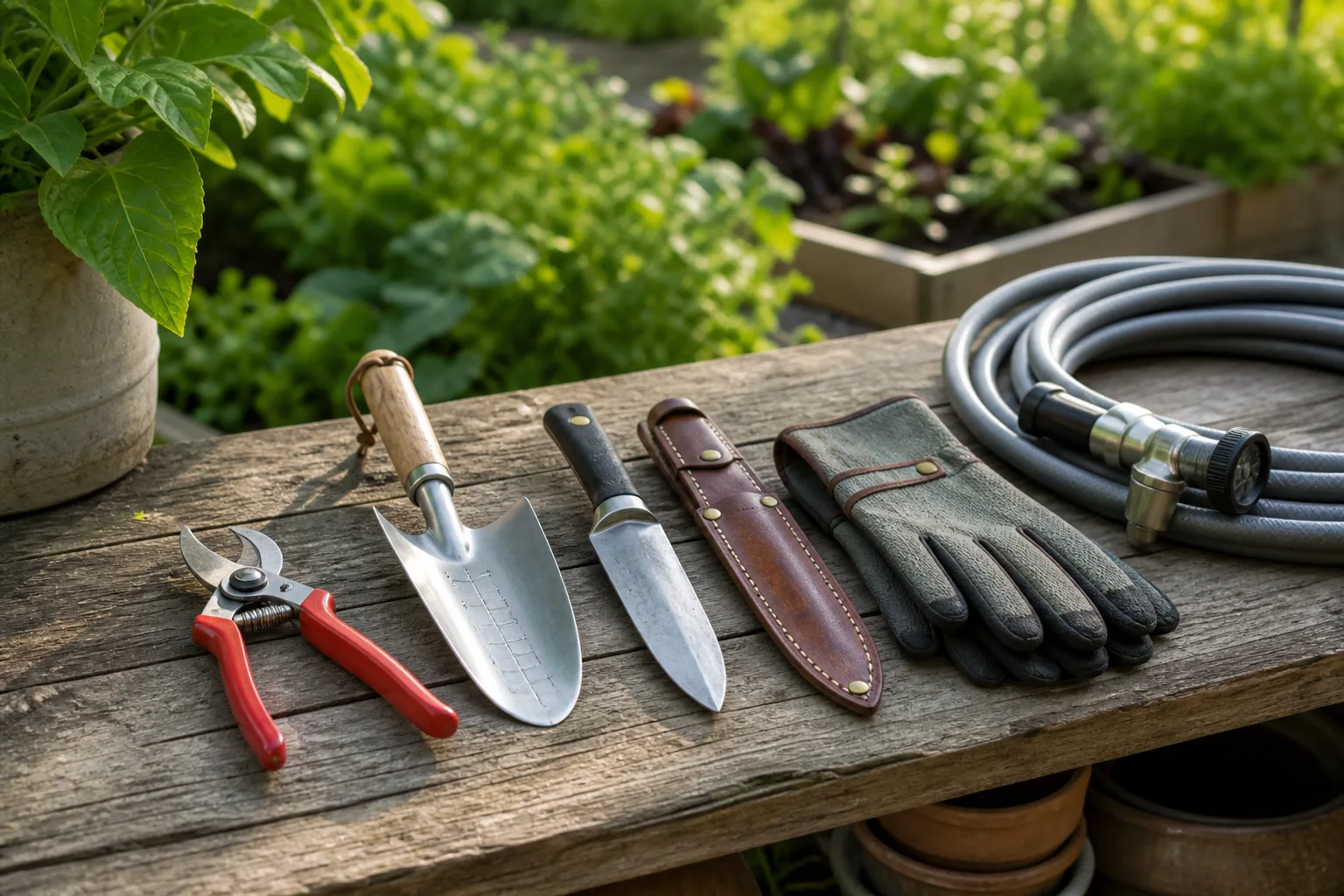
Durable tools are the easiest category to buy ahead because they usually do not have a planting window. If a pruner is loose, a hose leaks, or a trowel no longer suits the job, note the replacement before the season starts and compare models when you have time. Buying in the off-season can expose you to clearance offers, but there is no dependable date when every store marks tools down or keeps the size and quality you want.
Choose a tool by the work, your grip, storage space, and repairability. Try the handle if you can, inspect the joint and blade, check whether spare parts are available, and compare warranty terms. A discount on a tool that feels uncomfortable or duplicates one you already own is not savings. For powered equipment, check battery compatibility, service access, and the manufacturer’s storage instructions before buying an older model.
If you are starting a garden, buy a short list of versatile essentials rather than a large kit. Grow Organic’s beginner guide highlights a shovel, rake, water source, and hoe or hand-weeding tool as a practical starting set. Add specialty tools after you learn which tasks recur in your own beds; the right list for containers or a balcony will be different from a large vegetable plot.
Pots, Supports, Irrigation, and Frost Protection: Buy After Measuring
For equipment that must fit a particular space, measure first and buy second. Check pot diameter and drainage, trellis height and attachment points, hose reach, connector size, row-cover width, and the dimensions of a shelf or cold frame. A few minutes with a tape measure can prevent buying a product that is technically useful but impossible to install where you garden.
Buy these items early only when setup needs lead time. A drip line, timer, or large support structure may take planning and installation before planting, so ordering in advance is sensible once the layout is fixed. Small pots, labels, and trays can often wait until the sowing plan is settled, especially if you can clean and reuse safe containers with drainage.
Frost cloth and row cover are worth having before a forecast cold snap if you grow tender plants, but select the product for the crop and expected conditions. Do not wait for an emergency to discover the cover is too small or the fasteners are missing. At the same time, avoid buying duplicates every spring; label and store reusable covers, stakes, and trays after cleaning them.
Online or Local Nursery? Choose by the Product and Its Risk
Online ordering is useful for unusual seed varieties, specialized bulbs, or a particular cultivar that local stores do not reliably carry. It gives you a wider search area and lets you compare specifications, but delivery charges and timing can erase a small price advantage. Read the shipment window, return policy, and storage directions, and order early enough that a delay will not push the product past its planting window.
Local garden centers are often better for live plants, heavy materials, and common supplies you need soon. You can inspect a plant before paying, compare pot sizes in person, and avoid shipping stress. For compost, mulch, and soil, local delivery may also be more practical, but ask what the product contains and how much a load covers rather than choosing only by the advertised price.
For either channel, compare like with like: price per seed or bulb, usable volume, shipping, tax, delivery, and any minimum order. A low sticker price may conceal a small packet, a cultivar that does not suit your climate, or a product that requires storage you cannot provide. Keep the confirmation and product label until you know the item arrived as described.
How to Tell Whether a Gardening Sale Is Actually a Deal
Start with a need you already identified. Write the item, quantity, acceptable specifications, and latest useful delivery date before browsing. Then compare the sale price with at least one equivalent option and include shipping or delivery. Prices and promotions change by retailer and region, so a seasonal label such as “spring sale” or “clearance” does not by itself show that the offer is unusually good.
Ask what waiting would cost you. If a rare seed variety may sell out, paying a little more for early availability may be worthwhile. If a common tool is not needed until next year and you have storage space, waiting for a clearance price may make sense. For live plants, a markdown can reflect the end of flowering or ordinary seasonal dormancy—or it can accompany poor condition—so inspect the plant and its planting window rather than assuming either.
Finally, calculate the cost per usable item. A multi-pack is only a deal if you have space and a plan for every plant; bulk compost is only a bargain if the volume fits the bed; and a second hose is wasted money if the first can be repaired. If a purchase would not make your list at full price, pause before letting a discount decide for you.
A Four-Season Buying Plan
Winter: Review last year’s notes, sketch bed changes, check stored seeds and tools, and place orders for rare seeds or bulbs with a defined planting date. Buy seed-starting equipment only after deciding which crops you will start indoors and how much light and space you can provide. Use supplier lead times to plan, not to justify stockpiling.
Early spring: Recheck your local planting calendar and weather. Buy common seeds, labels, trays, and frost protection before the relevant sowing or transplant date, then purchase live plants when conditions suit those species. If soil improvement is planned, get a test early enough to receive results before buying the amendment.
Growing season: Purchase compost, mulch, potting mix, and irrigation parts as the project becomes measurable and ready to install. Replace tools that fail during use, but take the time to compare fit and warranty if the job can wait. Keep a list of supplies you actually used; it is more useful for next year than a memory of what seemed essential in a store aisle.
Late summer and fall: Order or buy fall-planted bulbs in time to plant them properly, and shop for suitable trees or perennials according to local planting guidance. Compare end-of-season prices on durable tools and unopened supplies you already know you need. Before storing anything, read its label and move it to a location that protects it from moisture, heat, and freezing when relevant.
Mistakes That Make Garden Supplies Go to Waste
The most common mistake is buying by calendar month alone. A warm spell does not make it safe to plant tender crops, and a national sale date cannot account for local frost, soil, or shipping conditions. Use crop and supplier instructions as the final check, with a local extension calendar for regional details.
Another is buying soil amendments before testing, or seeds before deciding where they will grow. Those purchases feel productive because they fill a cart, but they can add nutrients the bed does not need or varieties that do not fit its light, space, or season. Make the site and crop plan first, then buy the smallest quantity that supports it.
Buying too early without storage is also a false economy. Seed packets, bulbs, bagged products, and chemical garden inputs may have different storage needs; follow the label or supplier instructions rather than treating a garage shelf as suitable for everything. Keep products identifiable, dry when directed, and safely out of reach of children and pets.
Finally, do not let “last chance” language replace a condition check. Inspect live plants, read the packet or product label, calculate the amount needed, and verify that the item can arrive or be planted on time. If one of those checks fails, the right purchase date may be later—or the right purchase may be none at all.
Conclusion
The best time to buy gardening supplies is the point when the product is available, your plan is specific, and you can store or use it correctly. Shop early for limited varieties and orders that need lead time; buy seeds and live plants against their actual planting windows; wait to size soil and amendments until you know the site’s needs; and compare tool sales only for replacements you already expect to make.
Before you check out, match the item to a date, confirm quantity and condition, include delivery and storage in the price, and make sure it suits your local growing conditions. That simple routine saves money more reliably than trying to guess the one perfect month to shop.