9 Best Tree Loppers for Every Pruning Job
Compare the best tree loppers for live wood, dead branches, tight shrubs, overhead reach, and thick limbs, with capacity limits and safety advice.
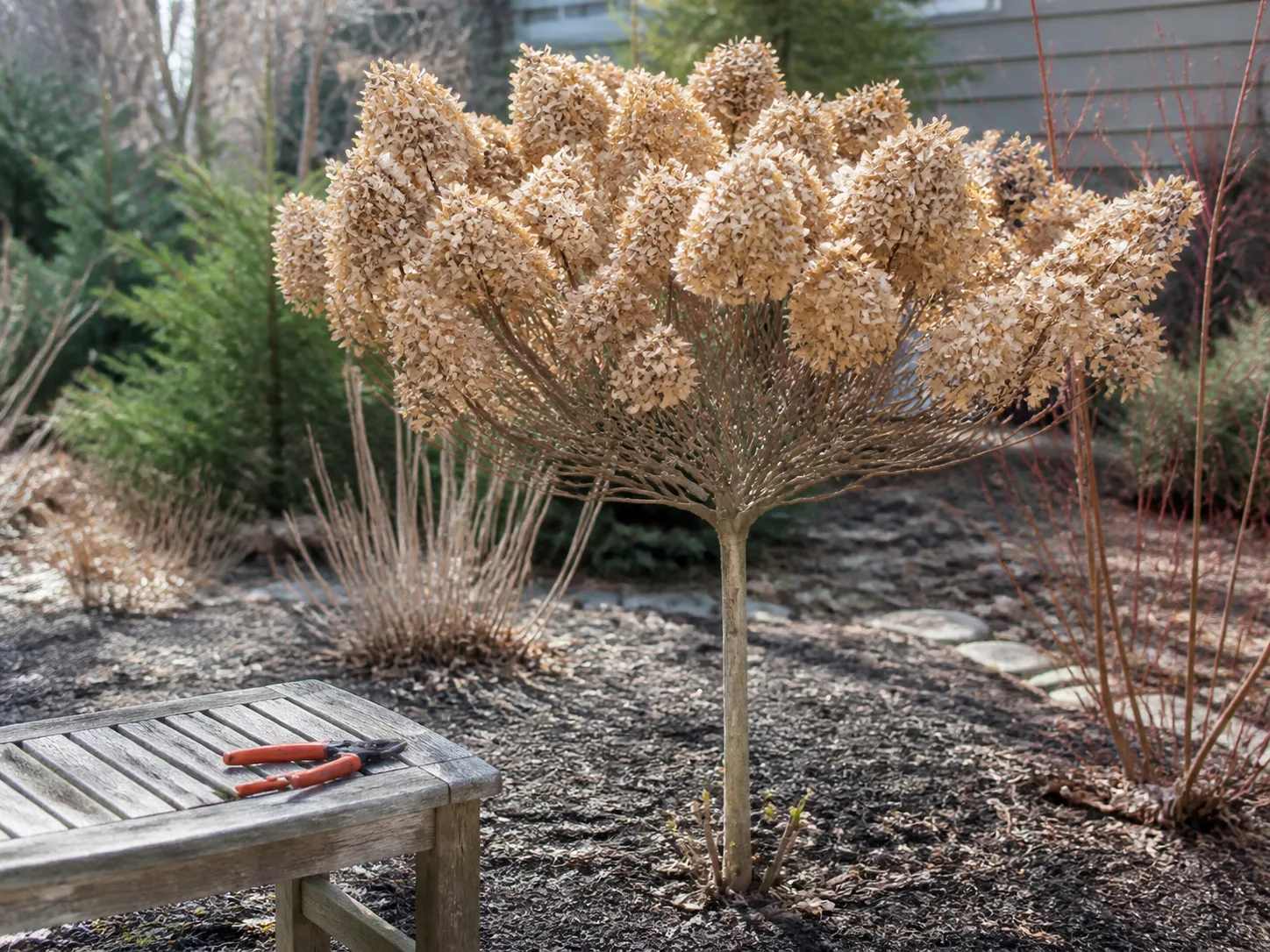
The best tree loppers are not automatically the longest, strongest, or most expensive pair. They are the tool whose blade style, leverage, reach, weight, and real cutting limit match the branches you will actually remove. A bypass lopper is usually the cleanest choice for live wood, while an anvil or ratcheting model can make dead, dry branches less tiring to cut.
This guide compares nine useful options for different pruning jobs, from close-in shrub work to low tree limbs and thick branches that need powered help. The model specifications are drawn from current manufacturer or retailer information where available; the pruning recommendations are grounded in guidance from the University of New Hampshire Extension, the Royal Horticultural Society, Fine Gardening, and BBC Gardeners’ World Magazine. Treat every advertised capacity as an upper limit to verify against the manual, not as a branch size you should force through every afternoon.
Quick Picks by Branch and Yard
If you want a short list, start with the kind of wood and access problem you have:
| Pruning job | Best fit | Why it makes sense | Main compromise |
|---|---|---|---|
| One dependable manual tool for live branches | Fiskars PowerGear2 32-inch | Bypass blades, long handles, and a geared head combine clean cuts with leverage | Heavier and wider to open than a basic lopper |
| Dead wood and stubborn mature branches | Tabor Tools GG12A | Compound-action anvil design adds force without a powered motor | Anvil cuts are not the first choice for delicate live wood |
| Lower-cost everyday pruning | Fiskars 28-inch bypass | Light, simple, sharp, and easy to maneuver | No geared or compound assistance |
| One manual tool for changing reach | Wolf-Garten RR900T | Telescoping handles and bypass cutting cover shrubs and low limbs | Cutting head can feel heavy overhead |
| Tight shrubs and small hands | Fiskars PowerGear 15-inch anvil | Compact format and geared leverage fit narrow spaces | Not a tool for thick branches or tall reach |
| Reach plus ratcheting force | Spear & Jackson 8290RS | Telescoping handles and ratchet action reduce squeeze effort | Weight becomes noticeable above shoulder height |
| Branches too large for manual loppers | BLACK+DECKER LLP120 | A guarded chain and clamping jaws handle much thicker wood | Heavy, noisy, and leaves a less refined cut than bypass blades |
| Low branches without repeated hand squeezes | Ryobi ONE+ P4363 | Battery-powered bypass cutting is quick and easy at ground level | Heavy for sustained overhead use and limited to its rated diameter |
| Light detail work in dense shrubs | Woodland Tools DuraLight | Compact, low-weight body and geared anvil action | Best kept to smaller branches |
How to Choose Tree Loppers
Start by measuring or estimating the largest branch you routinely prune, then identify whether it is live and flexible, dead and dry, or thick enough to require a saw. The tool’s label can say “2-inch capacity,” but that figure does not tell you how much hand strength the cut will take, whether the wood is green or seasoned, or whether the lopper can reach the branch without twisting.
Bypass or Anvil: Match the Blade to the Wood
Bypass loppers work like scissors: one sharpened blade passes the other. That action is usually the better choice for live branches, young shoots, and pruning cuts where you want the least crushing. The blades must stay sharp and closely aligned; if they spread apart, the tool can pinch, tear, or leave a ragged stub instead of slicing through it.
Anvil loppers drive one sharpened blade against a flat or slightly shaped surface. They are useful for dead, dry, or very tough wood because the branch is supported while the blade concentrates force. The trade-off is that anvil action can crush live tissue, especially when the blade is dull or the branch is too large. Use anvil loppers where their leverage solves a real problem, not simply because the capacity number looks bigger.
Compound, Ratcheting, Geared, or Battery-Powered Cutting
A basic lopper has a single pivot and is often the lightest, simplest option. A compound-action head adds pivots that multiply force through part of the closing motion. A geared head uses a gear to improve leverage, while a ratcheting head lets you close partway, reopen the handles, and apply another bite without holding the full load in one squeeze.
The extra mechanisms help when grip strength, branch hardness, or repeated cuts are the limiting factor. They also add weight, width, moving parts, and more places for sap or dirt to interfere. A powered lopper removes much of the hand force, but the motor, battery, chain, and safety controls make it heavier and less forgiving if you position it poorly.
Reach, Weight, and Cutting Capacity
Long handles increase leverage and can help you reach low branches without bending. Telescoping handles add flexibility, but they can shift the balance toward the cutting head and make the tool tiring above shoulder height. The RHS pruning guide lists loppers among the tools for smaller branches and reserves long-handled saws and more substantial equipment for larger work; reach is not a substitute for stable footing.
Choose the lightest tool that has enough leverage for your normal branch size. If you routinely work overhead, a lighter fixed-length lopper may be safer and more controllable than a heavier telescoping or battery model. If the handles cannot open fully around the branch, or the cut requires twisting your wrists, stop and reassess instead of forcing the tool.
Best Tree Loppers at a Glance
| Model | Cutting style | Listed or published capacity | Reach or weight note | Best use |
|---|---|---|---|---|
| Fiskars PowerGear2 32-inch | Bypass, geared | Up to 2 inches | About 32 inches, roughly 4 pounds | Live branches and mixed shrub work |
| Tabor Tools GG12A | Anvil, compound | Up to 2 inches | 30 inches, about 3.75 pounds | Tough mature or dead wood |
| Fiskars 28-inch bypass | Bypass, basic | Up to 1.5 inches | About 28 inches, roughly 2.9 pounds | Budget live-branch pruning |
| Wolf-Garten RR900T | Bypass, dual-pivot | Up to 1.97 inches | 26.5 to 35.5 inches, about 3.86 pounds | Variable reach without a motor |
| Fiskars PowerGear 15-inch | Anvil, geared | Up to 1.25 inches | 15 inches, about 13 ounces | Compact shrub work |
| Spear & Jackson 8290RS | Anvil, ratcheting | Up to 2 inches | 15.75 to 31.5 inches, about 4.2 pounds | Reach plus repeated leverage |
| BLACK+DECKER LLP120 | Guarded chain and jaws | Up to 4 inches | About 24.4 inches, about 6.8 pounds | Thick branches and logs within its manual limits |
| Ryobi ONE+ P4363 | Bypass, battery-powered | Up to 1.25 inches | About 30 inches, heavy for overhead use | Fast low-branch cleanup |
| Woodland Tools DuraLight | Anvil, geared | Up to 1.25 inches | About 16 inches, roughly 1.38 pounds | Small jobs and dense shrubs |
These figures are comparison points, not a promise that every model will make an effortless cut at its maximum. Moisture, species, grain, blade condition, angle, and your ability to keep the loppers straight can change the result more than a half-inch difference on a product page.
Best Overall: Fiskars PowerGear2 32-Inch Bypass Lopper
The Fiskars PowerGear2 32-inch bypass lopper is the most balanced choice when you want one manual tool for live shrubs, young tree limbs, and occasional mature branches that remain within the tool’s limit. Its bypass blades favor a clean slice, while the geared head adds leverage when a basic lopper would demand more hand force. The product is commonly listed with a 2-inch cutting capacity and a 32-inch overall length; check the current PowerGear2 listing for the exact model and current specifications.
The limitation is not cutting ability so much as tool position. Geared loppers often need the handles opened wide to reach their strongest part of the cycle, which is awkward inside a dense shrub or when you are standing close to a trunk. The long handles also add fatigue during extended overhead work. Use it for controlled cuts you can see clearly, keep the blades aligned, and switch to a pruning saw when the branch fills the jaws or the handles begin to flex.
Best for: homeowners who want one strong, clean-cutting manual lopper for live wood.
Watch out for: overhead fatigue, wide handle spread, and the temptation to treat the 2-inch capacity as a routine target.
Best Anvil for Tough Wood: Tabor Tools GG12A
The Tabor Tools GG12A Professional 30-inch compound-action anvil lopper is a better fit when dead branches, dry stems, and stubborn mature wood make a bypass blade stall or jam. Its compound mechanism multiplies force through the cut, and the 30-inch handles provide useful leverage without the complexity of a battery or chain. The manufacturer lists a 2-inch capacity and sells the tool with a replacement cutting blade option on its GG12A product page, which is a practical durability advantage.
Anvil does not mean “best for every branch.” On live wood, use the sharpest, most carefully aligned tool that will finish the cut cleanly; crushing the sides of a green branch can leave a larger damaged surface than a bypass cut. The GG12A makes the most sense for removal cuts on tough or dead material, especially when you want manual force but do not want to carry a powered tool.
Best for: dead wood, mature branches, and gardeners who need compound leverage.
Watch out for: rougher cuts on live wood, a lack of telescoping reach, and forcing branches beyond its manual limit.
Best Budget Bypass: Fiskars 28-Inch Bypass Lopper
The Fiskars 28-inch bypass lopper is the straightforward pick for routine pruning of green branches up to about 1.5 inches. It has fewer mechanisms to adjust or clog, weighs less than many geared models, and gives you the clean-cut behavior that makes bypass loppers useful for live shrubs and young trees. The current product is listed through retailers such as Home Depot; verify the handle, blade coating, and capacity for the exact package you see.
The simple head is also the boundary of the bargain. You supply more of the cutting force than you would with a compound or geared model, and hard dry branches can make a basic bypass lopper feel underpowered even when they technically fit. Keep the blades clean and sharp, place the branch deep in the throat, and use a saw for large dead limbs rather than turning a low-cost lopper into a pry bar.
Best for: an affordable, light manual lopper for live wood and seasonal shrub cleanup.
Watch out for: no mechanical assistance and a practical limit below the label’s maximum when wood is hard or awkwardly positioned.
Best Telescoping Bypass: Wolf-Garten RR900T
The Wolf-Garten RR900T telescoping bypass lopper suits a yard where the same tool must move from tight shrub work to low branches that are just out of normal reach. Its handles adjust from about 26.5 to 35.5 inches, and published specifications put its cutting capacity near 1.97 inches. The bypass head keeps it appropriate for live branches, while the adjustable length lets you shorten the tool when maneuverability matters.
The balance is the important test. The cutting head can feel heavy compared with the handles, and a telescoping lopper that is comfortable at ground level may feel tiring when held above your chest. Some users also find that tightly spaced bypass blades can hold onto a severed branch. Release the cut without twisting, inspect the branch for tearing, and adjust the tool only when you are standing securely. Do not extend the handles to reach a branch that would require a ladder or unstable lean.
Best for: variable reach on shrubs and low tree limbs without adding a motor.
Watch out for: a nose-heavy feel, blade release after a cut, and unsafe overhead improvisation.
Best Compact Anvil: Fiskars PowerGear 15-Inch
The Fiskars PowerGear 15-inch anvil lopper is the compact option for tight shrub interiors, vines, and branches that are too thick for hand pruners but do not justify a long-handled tool. Its geared head adds useful leverage to a short body, and the manufacturer’s PowerGear Super Pruner/Lopper listing lists a 1.25-inch cutting capacity.
Short handles make the tool easier to control in crowded growth and easier to store, but they cannot give you the reach or leverage of a 28- to 32-inch pair. The anvil head is most convincing on dead or dry wood; on green branches, make sure the blade is sharp and do not leave crushed stubs where a clean bypass cut is practical. This is a good tool for many small cuts, not a substitute for a full-size lopper or saw.
Best for: small hands, dense shrubs, and short pruning sessions close to the ground.
Watch out for: limited reach, limited capacity, and crushed live wood if used carelessly.
Best Telescoping Anvil: Spear & Jackson 8290RS
The Spear & Jackson 8290RS Razorsharp Advance telescoping ratchet anvil lopper combines two forms of help: adjustable handles and a ratcheting head. The handles extend from roughly 15.75 to 31.5 inches, and the tool is commonly listed with a 2-inch capacity. The manufacturer page is the best place to confirm the current version because model names and regional packages can vary.
Ratcheting action is useful when one squeeze is not enough: close the handles until the mechanism catches, reopen without losing the cut, and repeat. That can reduce peak hand force, but it also makes the cut slower and the head heavier. Use the shortest setting that gives you a stable position, and reserve the longest setting for low branches you can reach from the ground. The tool’s weight becomes a real disadvantage if you hold it overhead for a long series of cuts.
Best for: tough low branches where adjustable reach and incremental leverage matter.
Watch out for: heavy overhead handling, slow cuts on many small branches, and anvil crushing on live wood.
Best Powered Option for Thick Branches: BLACK+DECKER LLP120
The BLACK+DECKER 20V MAX Alligator Lopper LLP120 is not a conventional lopper. It uses clamping jaws and a guarded chain to cut branches and logs, and the manufacturer says it can handle wood up to 4 inches thick, with dual-hand switches to reduce accidental activation. See the current LLP120 product page for the safety controls, battery information, and manual link.
This is the option for a branch that is beyond comfortable manual-lopper territory but still within the tool’s instructions and a stable, ground-level position. The jaws help hold the branch, and the chain reduces hand effort, but the cut is not as refined as a sharp bypass blade. It is also heavy, noisy, bulkier to store, and more consequential if you position the jaws poorly. For structural pruning, limbs over your head, branches near utilities, or any tree that could damage people or property if it falls, hire a qualified arborist instead.
Best for: thick, accessible branches and cleanup where speed matters more than a fine bypass finish.
Watch out for: weight, chain safety, rougher cuts, falling wood, and work that should be handled professionally.
Best Battery-Powered Option for Low Branches: Ryobi ONE+ P4363
The Ryobi ONE+ P4363 cordless lopper is useful when repeated manual squeezes are the main source of fatigue. Its pole-like 30-inch design makes it easy to select branches inside a shrub or low canopy, and the listed cutting capacity is about 1.25 inches. The battery format also removes a cord from the work area; the Ryobi ONE+ product information is a helpful reference for the regional kit and battery details.
The power advantage comes with a weight penalty. A battery-powered lopper can feel effortless at waist height and exhausting when held overhead, especially after the battery and a long session are added. It is best for clearing lower branches, suckers, and dense growth from a standing position. Respect the 1.25-inch limit, keep the cutting head away from your body, and never assume a powered tool is safer merely because it requires less squeezing.
Best for: fast ground-level pruning when hand strength or repetition is the bottleneck.
Watch out for: battery weight, overhead fatigue, charging logistics, and the narrow capacity range.
Best Lightweight Choice for Small Jobs: Woodland Tools DuraLight
The Woodland Tools DuraLight compact lopper is a sensible choice for detail work, narrow spaces, and homeowners who would rather make several controlled cuts than carry a heavy tool. It uses an anvil head with gear assistance, is about 16 inches long, and is commonly listed with a 1.25-inch capacity and a weight near 1.38 pounds.
Its low weight is the reason to buy it, not a promise that it can replace a full-size lopper. The short handles reduce reach, and anvil action is better suited to smaller mature or dead branches than to delicate live stems. Use it around shrubs, remove one branch at a time, and stop if the handles need excessive force. A lightweight tool you can control is more useful than a heavier tool that makes you twist or brace against the plant.
Best for: small yards, dense shrubs, and short, close-in pruning jobs.
Watch out for: reduced reach, small capacity, and crushed green wood when a bypass cut would be better.
How to Make Clean Cuts With Loppers
Clean tool selection only helps if the cut is placed and made correctly. The RHS recommends starting with dead, diseased, and damaged branches, then moving to weak or rubbing growth, and advises against removing more than one-fifth of a tree’s canopy in a year. That is a useful restraint for homeowners: do not turn a tool review into an excuse for a major crown reduction.
Before cutting, inspect the branch from more than one angle and identify the branch collar, the slight swelling where it joins the trunk or a larger limb. For a small branch, aim just outside the collar or above a healthy outward-facing bud or side shoot. Do not cut flush against the trunk; leaving the collar intact gives the tree a better-defined area to seal the wound.
For a branch too heavy to support safely in one cut, use a pruning saw and a three-cut method: make a shallow undercut on the underside, make a top cut farther out to remove the weight, then make the final cut just outside the branch collar. Loppers are for branches they can close around cleanly without crushing, bending, or forcing. Fine Gardening’s pruning guidance also emphasizes that sharp tools and cut placement affect how efficiently a wound heals.
Keep the lopper straight through the cut. Twisting a bypass head can pry the blades apart and leave a torn surface; squeezing harder is not a correction for a dull or misaligned blade. If a branch will not fit fully in the jaws, the handles flex, the tool jams, or you need a running start, stop and use a saw or seek professional help.
Safety, Maintenance, and Knowing When to Stop

Wear eye protection, gloves, and sturdy footwear. Branches can spring back, bark can split, and dry wood can drop in an unexpected direction. Keep both feet on stable ground, never cut while reaching sideways, and do not use a ladder as a way to turn ordinary hand loppers into a pole tool. The RHS specifically advises an honest appraisal of your capabilities and professional help for large-tree work; that boundary matters more than a product’s advertised reach.
Before pruning a tree, look for nests, wildlife, overhead wires, structures, and branches under tension. Timing is species-specific: many deciduous trees are pruned during dormancy, but birch, maple, grapevine, cherry, plum, magnolia, and walnut can have special timing because of sap flow or disease risk. Use the Gardeners’ World year-round pruning guide as a practical reminder to check the plant rather than assuming every tree should be cut in late winter.
Clean sap and debris from the blades after every session, then dry the tool and apply the light lubricant recommended by the manufacturer. If you cut diseased wood, disinfect the blades between cuts as advised by the RHS tool-cleaning guidance. Check the pivot bolt, blade alignment, bumpers, telescoping locks, battery housing, and chain guard before the next use. Replace a damaged blade or part when the manufacturer offers one; sharpening a blade with a chip or bent edge is not a safe repair.
Stop pruning and change tools when the branch is larger than the manual’s safe capacity, when you cannot see the final cut, or when the tree’s height and fall zone exceed your experience. A pruning saw gives you more control over a larger branch, and a qualified arborist is the right tool for limbs near power lines, large elevated branches, storm-damaged trees, or structural defects.
Conclusion
For most homeowners, the Fiskars PowerGear2 32-inch bypass lopper is the best all-around starting point because it combines a clean-cutting blade style with enough leverage for common live-branch work. Choose the Tabor Tools GG12A when dead or tough wood is the real problem, the Fiskars 28-inch bypass when you want a simple budget tool, and the Wolf-Garten RR900T when adjustable reach is worth the extra head weight.
The rest of the list solves narrower problems: compact Fiskars or Woodland Tools loppers for close shrub work, Spear & Jackson for ratcheting reach, Ryobi for low branches with less hand effort, and BLACK+DECKER’s guarded chain design for thick accessible wood. Whichever you buy, measure the branch, match the blade to the wood, make a controlled cut just outside the collar, and switch to a saw or a professional before the job becomes a leverage or safety problem.



