Can You Leave Annuals in the Ground Over Winter?
Can you leave annuals in the ground over winter? Use this risk-based guide to decide what to leave, remove, mulch, save, or bring indoors before frost.
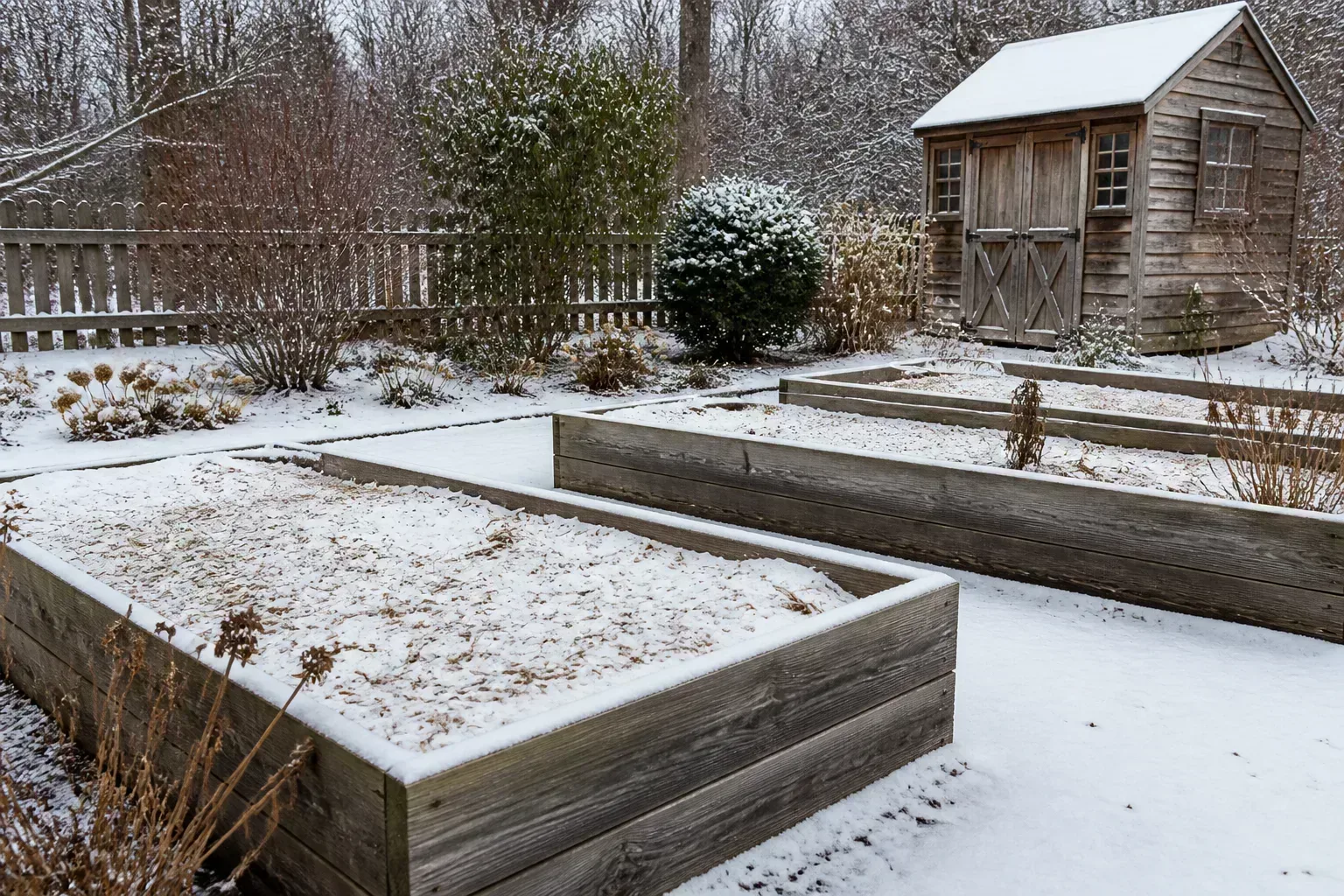
Yes, you can leave many healthy annual flowers in the ground over winter—but that does not mean the same plants will return in spring. A true annual finishes its life cycle in one growing season. Once frost or old age kills it, leaving the roots in place can protect the soil and add organic matter, and leaving seed heads may give you volunteer seedlings. It does not turn the original plant into a perennial.
The better question is not “Should I pull every annual?” It is “What risk or benefit does this particular plant create between now and spring?” Healthy plants can often wait. Diseased or pest-ridden plants should be removed. Plants grown as annuals but actually tender perennials may be worth moving indoors, taking cuttings from, or digging up before a hard freeze.
The short answer: yes for cleanup, no for true winter survival
If a bed contains healthy marigolds, zinnias, cosmos, calendula, or other true annuals, you have three reasonable choices: leave them standing, cut them at the soil line and leave the roots, or remove the whole plant and compost the clean material. The choice depends on whether you want winter structure, bird food, self-sown seedlings, or a completely open bed for fall planting.
Leaving an annual in the ground is therefore a garden-management decision, not an overwintering method. The foliage will eventually collapse, and the roots will decompose. If the plant produced viable seed, some seedlings may appear later, but germination depends on the species, weather, seed-eating wildlife, and whether the young plants survive spring competition.
In a cold climate, the first frost is a useful planning signal, not a universal cleanup deadline. Tender plants in pots are exposed above ground and may need protection before the first frost, while healthy, frost-killed annual debris in a quiet bed can often remain until late winter or spring.
First identify what “annual” means in your bed
The word annual describes a life cycle: germination, growth, flowering, seed production, and death occur within one season. It does not tell you whether the plant is currently alive, whether its seeds will sprout next year, or whether it can survive a freeze.
True annuals versus tender perennials sold as annuals
Zinnia, marigold, cosmos, sunflower, and many bedding flowers are commonly grown as true annuals. A cold winter ends the plant, but its roots can stay in the soil as organic matter. If you want the exact cultivar again, save seed or buy new plants; do not wait for a dead root crown to resprout.
Other plants are called annuals because gardeners in cold regions grow them for one season, even though they are tender perennials in warmer climates. Coleus, fuchsia, geraniums, some begonias, hibiscus, and many tropical foliage plants fit this category. Fine Gardening’s winter-garden guidance notes that warm-climate plants often sold as annuals can live for multiple seasons with the right conditions, while nonhardy bulbs such as dahlias need to be dug and stored in cold regions. That is a very different job from leaving a spent zinnia in a flower bed.
The label, cultivar, and local winter matter. A plant that survives outdoors in a mild coastal garden may fail in a colder inland garden, and a container plant is more vulnerable than the same species planted in the ground because its roots are surrounded by a smaller volume of soil.
Use this three-question decision rule
Before you reach for a shovel, ask three questions: Is the plant healthy? Do I want its seed or winter habitat? Does the site have a specific reason it must be cleared? The answers usually produce a more useful plan than a blanket fall cleanup.
| What you see | Best default action | Why |
|---|---|---|
| Healthy true annual in an ornamental bed | Leave it, or cut it at the soil line | Soil cover, seed, winter texture, and organic matter may outweigh tidiness |
| Plant with obvious disease or heavy pest pressure | Remove promptly and keep it out of ordinary compost | Infected debris and pest habitat can increase problems next season |
| Healthy plant with seed you do not want | Deadhead or remove seed heads before they scatter | Prevents unwanted volunteers and keeps nearby beds manageable |
| Favorite annual in a container | Move, take cuttings, or let it go based on its hardiness | Containers freeze faster and are easier to protect than in-ground plants |
| Dahlia, canna, gladiolus, or tuberous begonia in a cold region | Dig and store the underground structure | The top may be frost-killed while the tuber, corm, or rhizome is worth saving |
Remove diseased or pest-ridden plants now
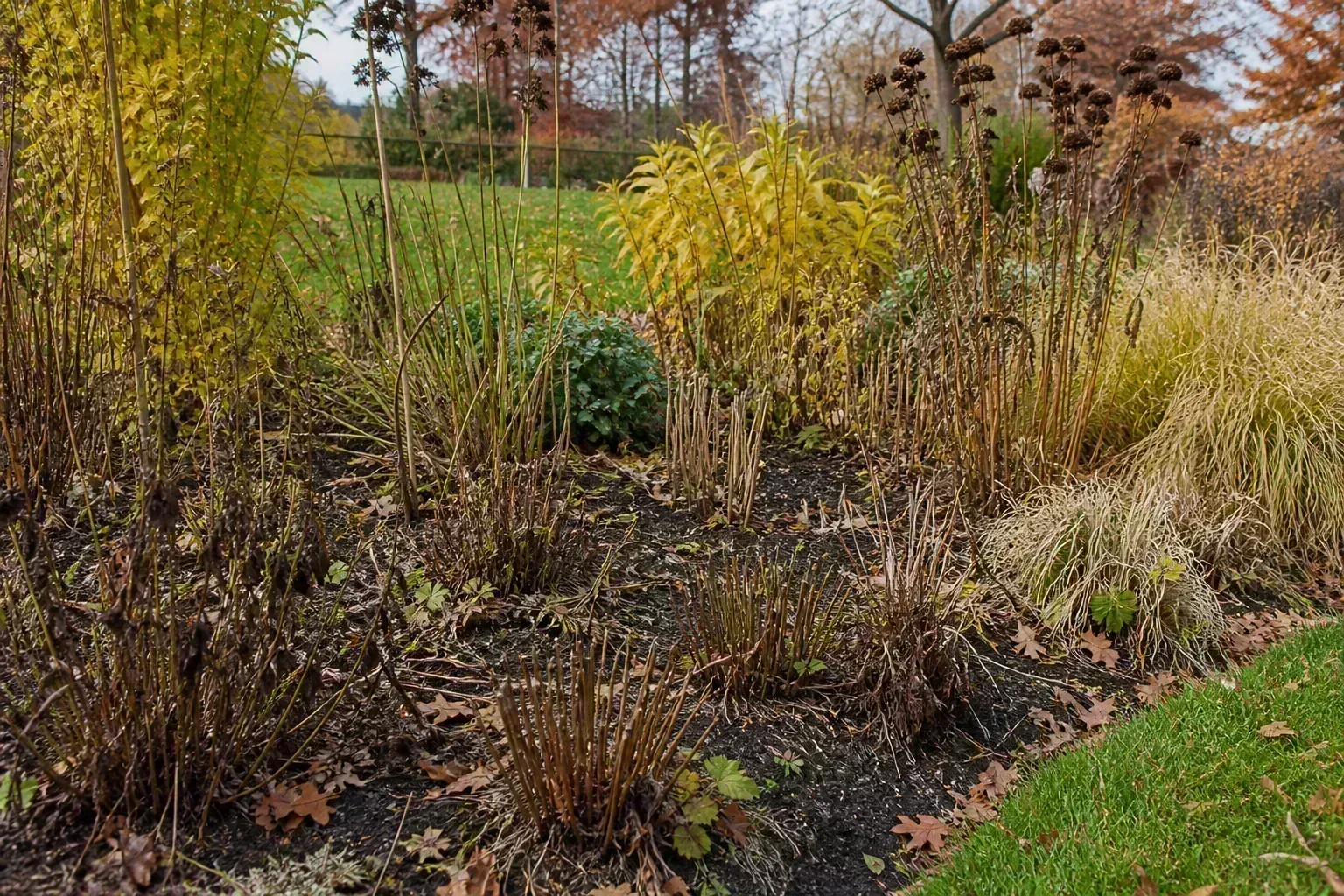
Do not leave a plant in place merely because its foliage is already dying. If you saw repeated leaf spots, powdery mildew, gray mold, a serious infestation, rotting stems, or insect damage during the season, remove the affected material as part of fall sanitation. Utah State University Extension’s winter garden guidance recommends clearing plant litter from garden areas to reduce hiding places for pests and limit the buildup of diseases such as powdery mildew.
Cutting a diseased plant down and scattering the pieces over the bed is not a cleanup. Bag the material or use the disposal route recommended by your local waste service. Garden Gate’s fall-cleanup guidance also warns against composting suspicious or infected leaves, stems, and flowers. A typical backyard compost pile should not be treated as a guaranteed pathogen-killing system.
Clean pruners between visibly diseased plants, especially when you are moving from one bed to another. You do not need to sterilize every tool after cutting a healthy annual, but a quick wipe or wash is a sensible habit after handling symptomatic foliage.
Leave healthy stems when soil cover or seed matters
Healthy annual stems can be useful after flowering. They slow rain impact on bare soil, hold a little structure through winter, and can leave behind seed for birds or future volunteer plants. Let’s Go Compost’s fall-garden checklist recommends leaving some healthy stems and seed heads where practical, while Garden Gate notes that standing seed heads can provide winter interest and bird food.
This is especially useful in a bed that would otherwise be bare. A bare surface is more exposed to erosion, temperature swings, and weed invasion. You can still make the garden look intentional by cutting a clean edge along the bed, removing material from paths, and leaving a selected patch rather than every spent plant.
If you prefer a tidy garden, cut healthy annuals at the soil line and leave the roots to decompose. That removes the floppy top growth without disturbing the soil or carrying away every bit of organic matter. Pull the roots only when they are interfering with a fall planting, obstructing access, or part of a problem plant.
Move potted favorites before frost
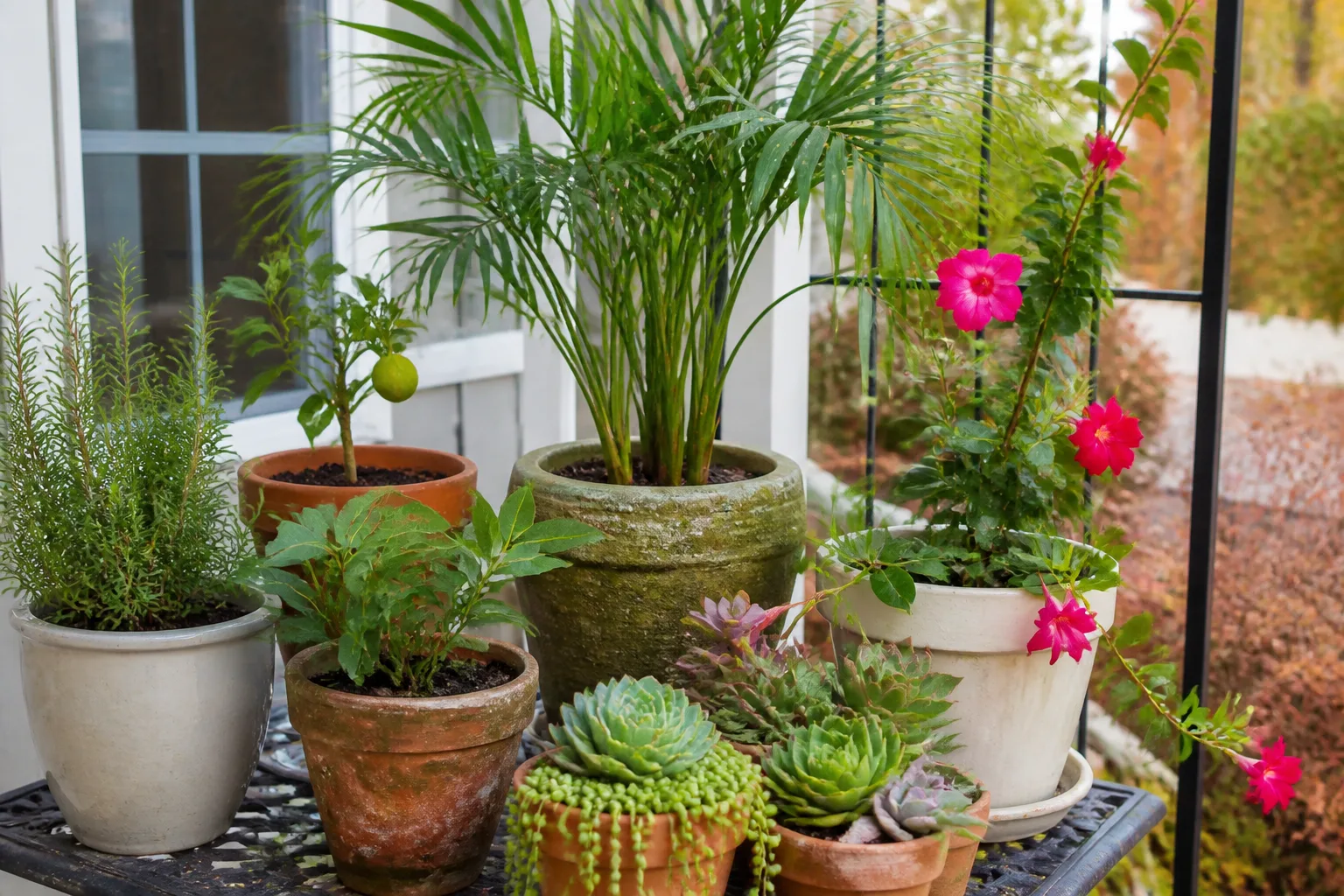
Containers deserve earlier attention than in-ground annuals. Above-ground potting mix loses heat quickly, and a root ball can freeze more severely than the surrounding garden soil. If you want to preserve a tender plant, move it before a forecast frost rather than waiting to see whether a single cold night will be harmless.
Inspect the plant for insects and disease before bringing it indoors. Remove dead leaves, check stems and leaf undersides, and keep the newcomer separate from established houseplants for a short observation period. A bright window, greenhouse, or frost-free porch may work better than a warm, dim room, depending on the plant.
Do not assume that an indoor plant must keep growing vigorously all winter. Light levels are lower, air is often drier, and watering needs change. A plant that enters a slower resting phase may need less water and no heavy feeding until growth resumes.
What leaving annuals in place can do for your garden
Leaving healthy annuals is not automatically better or worse than removing them. It shifts the work from fall to spring and changes what happens to the seed, soil surface, and overwintering habitat.
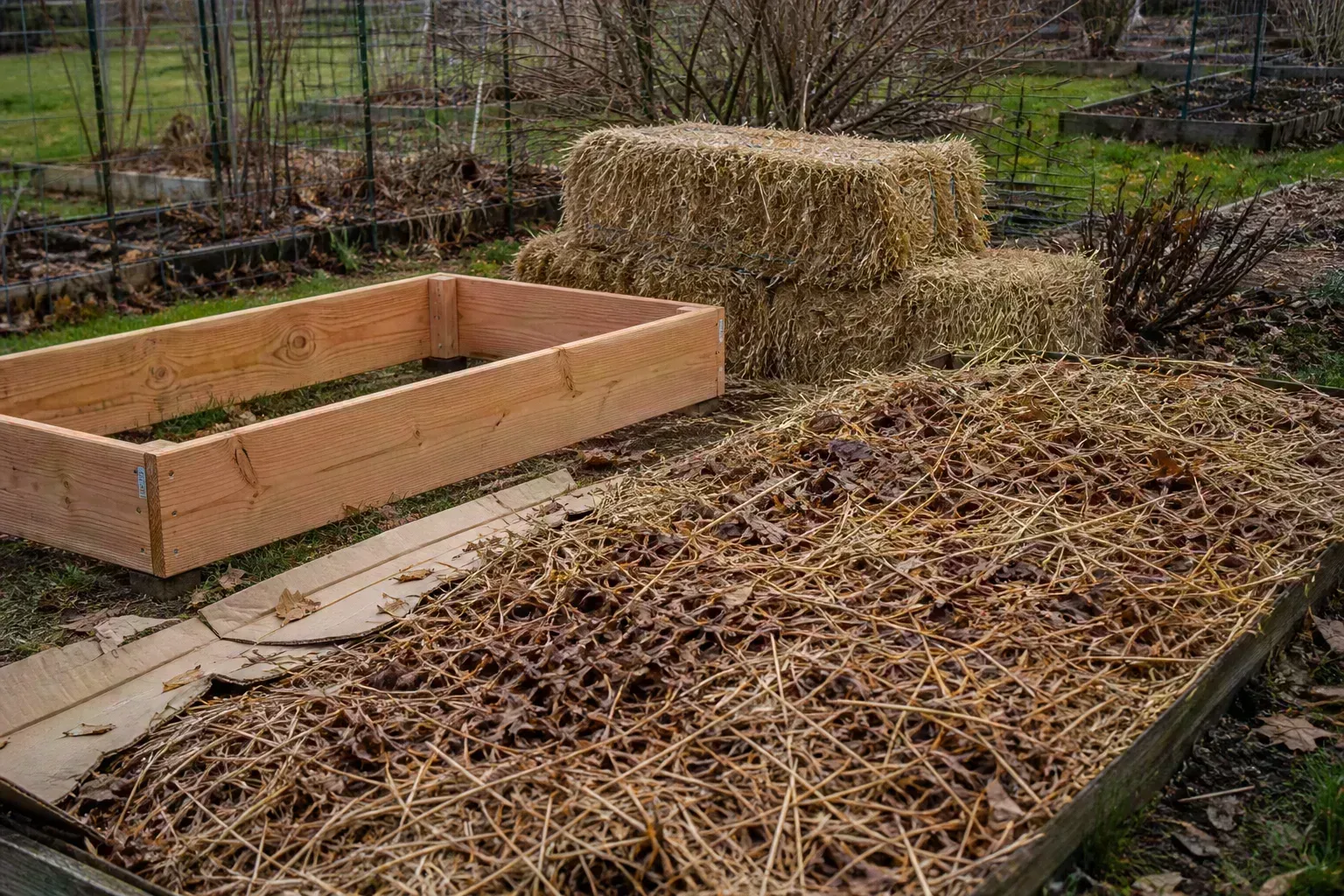
Healthy roots can remain in the soil while they break down. That keeps you from disturbing the bed just to remove material that will decompose naturally. Above-ground stems can also intercept wind and rain until they collapse, although a thick, wet mat can create its own problems in poorly drained sites.
For additional protection, add a separate layer of finished compost or suitable mulch rather than relying on a dense pile of wet annual foliage. University of Maine Cooperative Extension’s leaf-mulch advice recommends about 3 to 4 inches of shredded leaves as mulch; shredding helps leaves break down, stay put, and avoid matting. Let’s Go Compost suggests 1 to 2 inches of finished compost to cover soil and support gradual organic-matter improvement.
Keep mulch around, not pressed against, the crown of any perennial or woody plant sharing the bed. Annuals do not have a crown that needs to survive next year, but neighboring plants do. Also keep thick mulch off crowns and stems that are still green and actively growing.
Seeds, birds, and self-sowing
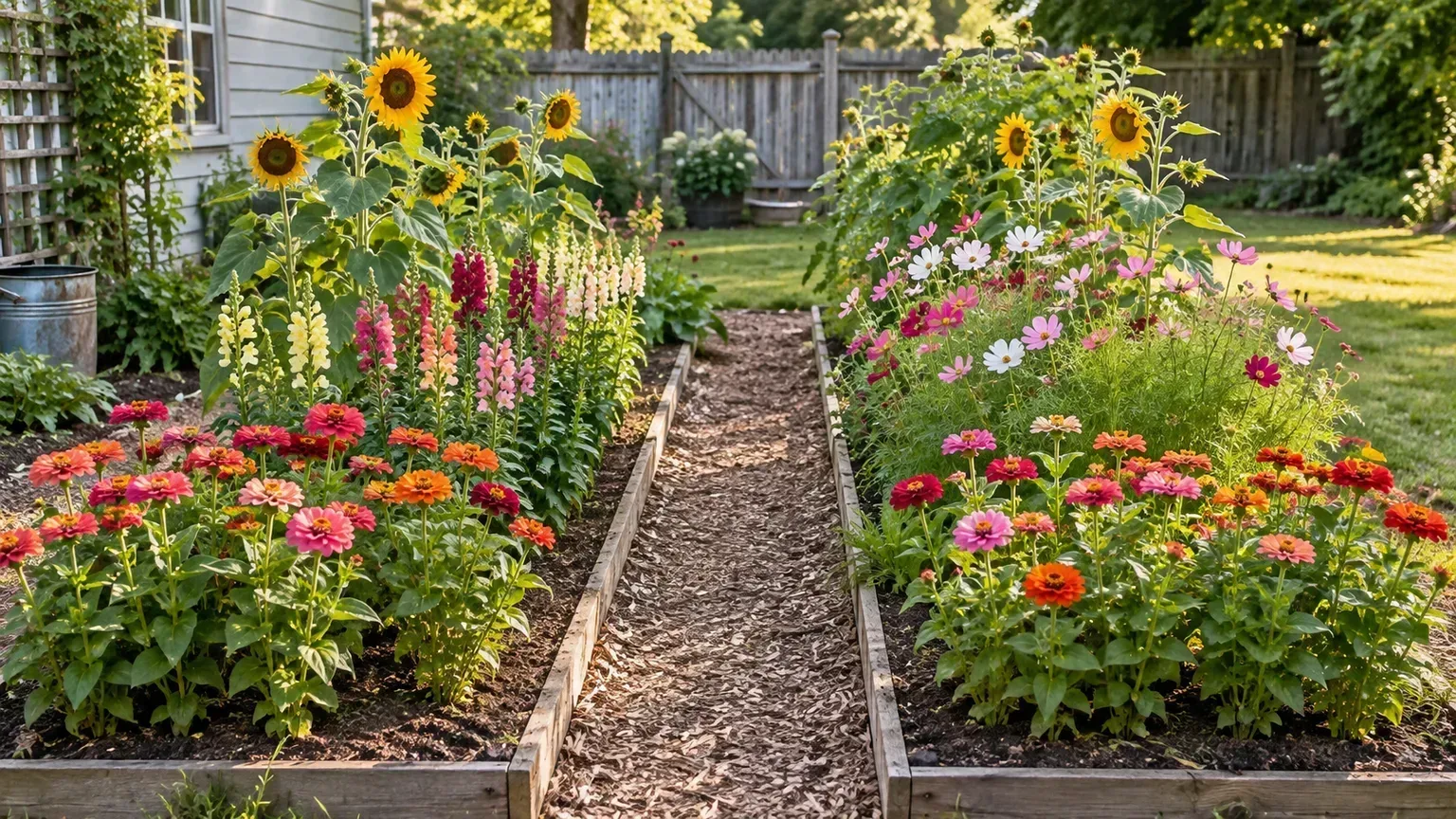
Seed heads turn a spent annual into a small seasonal food source and a possible seed bank. Sunflowers, cosmos, zinnias, calendula, cleome, and other flowers may attract birds or drop seed that germinates in spring. The result can be charming in an informal bed and inconvenient in a carefully spaced border.
Self-sowing is not the same as reliable seed saving. Hybrid cultivars may not come true from seed, damp weather can ruin seed heads, and seedlings may emerge where you do not want them. If the color, height, or bloom form matters, collect seed from healthy, fully mature heads and label the envelope with the plant and year.
Leave only the amount of seed-bearing material your garden can absorb. You might keep a few stems at the back of the border for birds, cut the rest before seed dispersal, and mark the patch so spring volunteers are not mistaken for weeds.
When leaving annuals is the wrong choice
The benefits of low-disturbance cleanup disappear when the plant carries a problem, the site cannot handle wet debris, or the bed has a specific job to do before spring.
Disease, insects, and unwanted reseeding
Remove any plant that was clearly diseased, heavily infested, or rotting. Symptoms can fade after frost, but the dead tissue does not become clean simply because it is brown. Diseased leaves and stems can remain a source of inoculum, and dense debris can give pests shelter.
Remove seed heads when a flower is invasive in your bed, crosses with a prized strain, or is likely to crowd out slower spring seedlings. A gardener who wants a controlled color scheme may gain more from cutting spent flowers than from preserving every possible volunteer.
There is also a difference between a disease-free annual and a plant that merely looks tired. Yellowing from normal age, frost-killed leaves, and dry stems are not automatically evidence of infection. Use the season’s history: if the plant was healthy and simply finished flowering, it is a candidate to leave or compost; if it had a spreading pattern of spots or decay, treat it as suspect.
Wet sites, pathways, and next-season planting plans
Dense annual foliage can hold moisture against soil and nearby plants. In a heavy or poorly drained bed, remove collapsed material from the crown area and keep paths clear so leaves and stems do not become slippery or hide edging, irrigation, or tripping hazards.
Clear beds that need fall-planted spring bulbs, garlic, cover crops, or cool-season flowers. A bed scheduled for immediate replanting benefits from access and a readable soil surface. Do not confuse annuals with spring bulbs: tulips, daffodils, and crocuses are hardy bulbs in many regions and are normally planted in fall, not dug up as if they were tender annuals.
A neat bed is also a reasonable goal when it makes spring work easier. The point is to remove deliberately, not reflexively. Keep healthy roots or clean chopped material where it helps, and take away whatever blocks the next task.
A practical fall cleanup sequence
Start with the plants that can be lost to weather or that can spread problems. Then handle the clean, optional material.
- Mark favorites and take a quick inventory. Note which plants are true annuals, which are tender perennials, and which underground structures need lifting. Photograph a plant’s label if you are unsure of its name.
- Remove disease and heavy pest pressure first. Cut or pull affected material, bag it or use approved green-waste disposal, and clean tools before moving to healthy plants.
- Harvest what you still want. Cut flowers for a vase, collect mature seed from healthy plants, and take cuttings from plants that root readily.
- Choose what stays. Leave a selected patch for seed and wildlife, or cut healthy plants at the soil line and leave the roots. Pull clean roots only when the bed needs clearing or the plant is difficult to remove later.
- Move containers before frost. Group tender potted plants in a bright, frost-free place after checking them for pests.
- Dig tender storage organs after foliage is hit or growth has finished. Let the plant’s leaves decline naturally when possible, then lift, cure, and store the roots according to the plant’s needs.
- Cover bare soil. Add shredded leaves, finished compost, or another suitable mulch. Keep the layer loose enough that it does not form a saturated blanket.
This sequence lets you make the high-consequence decisions first. If cold weather arrives early, you have already protected the plants that cannot wait, even if a few clean annual stems remain in the bed.
What to do before and after the first frost
Use local forecasts and the plant’s biology rather than a calendar date alone. Frost dates are averages, and Fine Gardening points out that early or late frosts can damage vulnerable plants even when established hardy plants recover. A frost-sensitive container, a tender perennial, and a frost-killed true annual need three different responses.
Harvest flowers and save seed from healthy plants
Cut flowers while stems are still firm and blooms are fresh. For seed, wait until the flower head has matured and dried on a healthy plant, then snip it into a paper bag or envelope. Let the material finish drying in a dry, airy place before storing seed; moisture trapped in a sealed container can lead to mold.
Label the plant name, flower color, and collection year. Save more than you need because not every seed will be viable, especially when the season ended with prolonged rain or an early freeze. Do not save seed from a diseased plant, even if the seed head looks dry.
Take cuttings or bring containers inside
Cuttings are most useful for tender perennials and plants that root readily from healthy, nonflowering shoots. Coleus, fuchsia, geraniums, and some begonias are common candidates. Use clean snips, remove lower leaves, and root the cutting in a clean medium or water according to the plant’s needs.
True annuals can sometimes be propagated, but saving a cutting is not the same as making the plant winter-hardy. If the plant is inexpensive, difficult to root, or likely to struggle in weak indoor light, seed saving may be the simpler option.
For containers, move the entire plant before frost if you want a larger specimen next year. Reduce the transition shock by checking for pests, pruning only damaged or excessive growth, and giving the plant adequate light. Avoid placing a newly moved plant beside a heat vent or against cold glass.
Dig tender bulbs, corms, or tubers
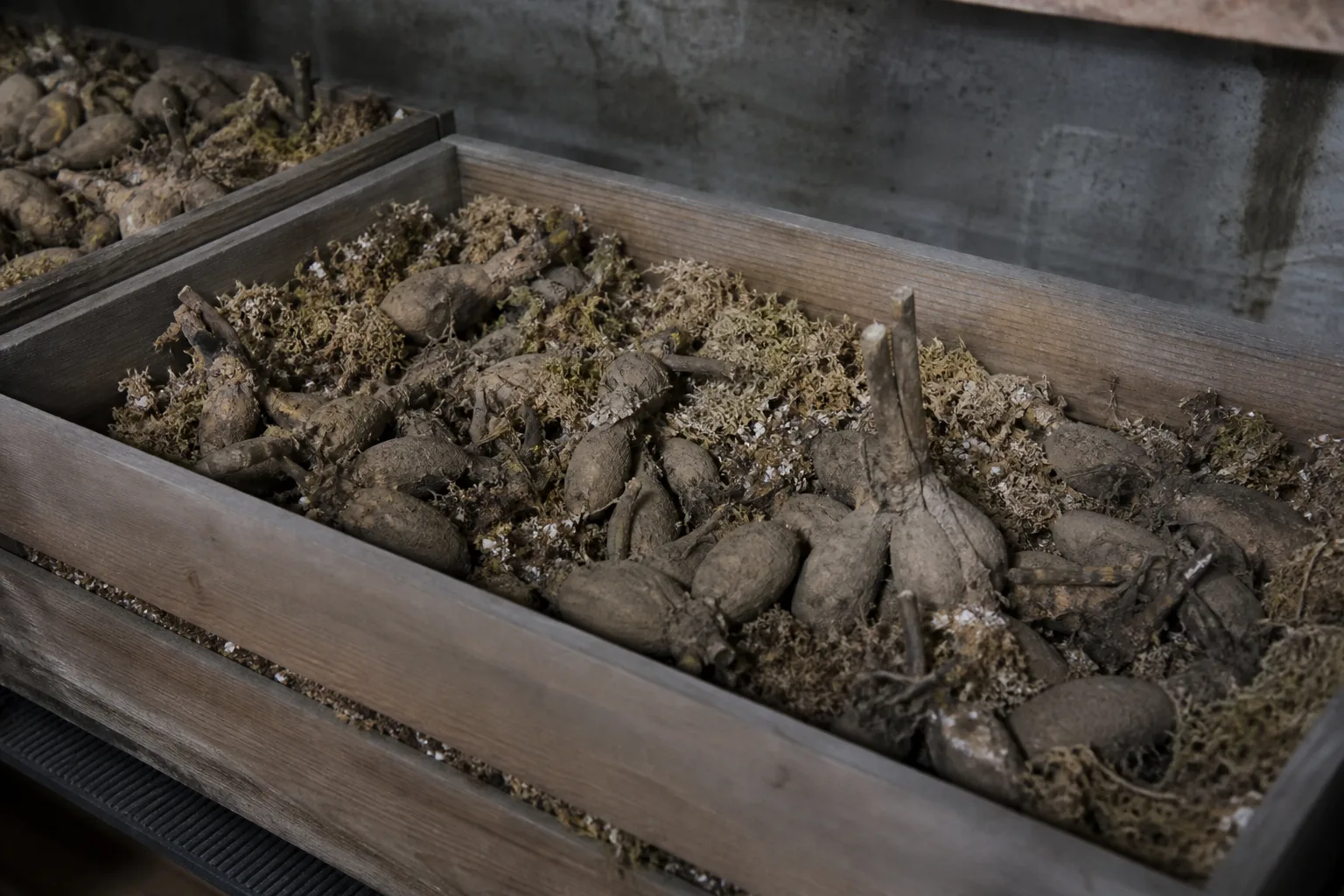
Some plants grown as summer annuals have an underground structure worth saving. Dahlias and tuberous begonias produce tubers; gladiolus produces corms; cannas grow from rhizomes. These are not all botanically bulbs, but the practical winter rule is similar in a cold climate: lift and store them rather than leaving them to freeze in the ground.
Utah State University Extension advises allowing foliage to die back, cutting it down, curing lifted tender perennials in a warm area for one to two weeks, and then storing them in a cool, dry place with an airy packing material. Inspect stored roots monthly and discard soft or rotting pieces. Exact temperature and moisture needs vary, so use the cultivar’s instructions when they differ.
Spring-flowering bulbs such as tulips, daffodils, and crocuses are a different category. In regions where they are hardy, fall is the time to plant them in the ground before it freezes—not to dig them up because their summer foliage has died. If you are unsure whether a plant is a tender dahlia-type crop or a hardy spring bulb, identify it before cutting or storing it.
Protect the bed after annuals die back
Once annuals have collapsed, look at the ground rather than only the stems. Remove thick wet mats from crowns, drainage points, and paths. Leave clean roots or light chopped debris in place when it will not smother neighboring plants, and add a separate protective layer where the soil would otherwise be bare.
Shred fallen leaves if you can. Maine Extension explains that shredded leaves break down faster, are less likely to blow away, and are less likely to mat. A 3- to 4-inch layer can protect soil from erosion and nutrient loss, while the leaves gradually feed soil organisms. In spring, you can rake some aside, leave a thin layer for moisture control, or work suitable material into the bed according to its condition.
Finished compost is useful when a bed needs organic matter, but it is not a substitute for disease sanitation. Use clean plant material in the compost pile. Let’s Go Compost recommends keeping severely diseased material out unless the compost system consistently reaches temperatures capable of destroying pathogens; for many home piles, the safer choice is disposal through the local green-waste or trash system.
Plan the spring cleanup before you walk away from the bed. Mark where you left seed heads, note any volunteer-prone plants, and leave enough access to see new growth. In late winter or early spring, remove the remaining stems before new seedlings become tangled with them, and pull only the volunteers you do not want.
Conclusion: make the risk-based choice
Healthy annuals do not need to be pulled simply because winter is coming. Leave them when their roots, stems, or seed heads provide useful soil cover, wildlife food, winter interest, or a chance of welcome volunteers. Cut them at the soil line when you want a tidier bed without unnecessary digging.
Remove plants that carried disease or heavy pests, clear debris that creates a wet or unsafe mat, and open beds that need fall planting. Protect favorites in pots before frost, save seed from clean plants, take cuttings from suitable tender perennials, and dig dahlias, cannas, gladiolus, or other tender underground structures before the ground freezes. That small amount of sorting gives you the benefits of a low-waste garden without carrying avoidable problems into spring.