DIY Mosquito Traps With Yeast, Dry Ice, or Buckets
Compare yeast, dry ice, bucket, and fan mosquito traps, with step-by-step setup, dry-ice safety, maintenance, and the standing-water fixes that matter most.
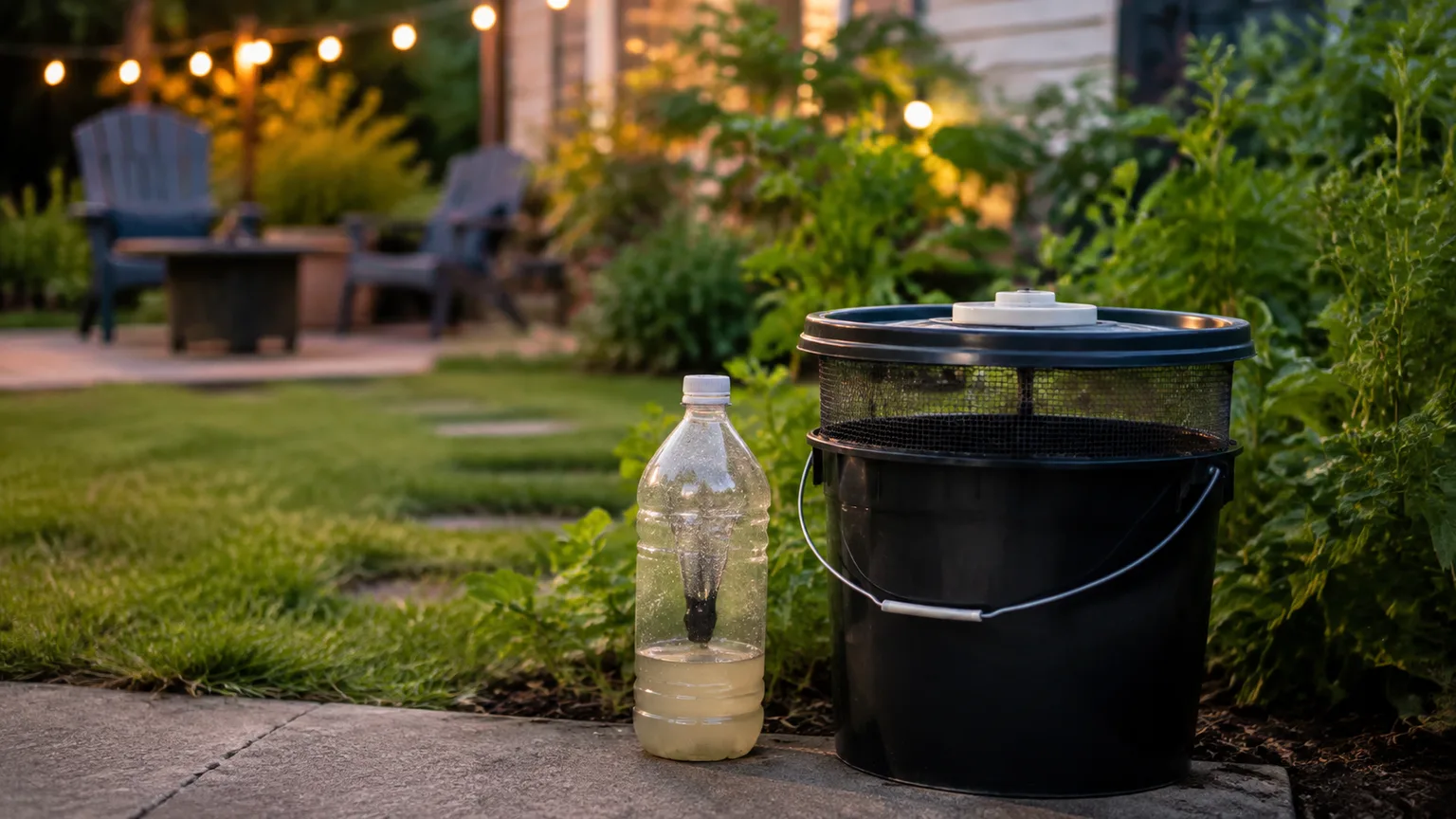
A DIY mosquito trap can be useful for testing what is active in one corner of a yard, reducing a few mosquitoes around a porch, or giving host-seeking mosquitoes an alternative target. It is not a magic barrier, and a trap that catches insects does not automatically lower the number of mosquitoes hatching nearby. For most homes, the best order is to remove breeding water, add a fan or repellent where people gather, and use a trap as a supplemental tool.
The method you choose should match the job. A yeast bottle is inexpensive and easy to observe, a dry-ice setup produces a strong carbon-dioxide lure but needs careful outdoor handling, a managed bucket can target egg-laying mosquitoes, and a fan works by moving air and capturing or diverting mosquitoes rather than by baiting them. Use the guide below to choose one approach, maintain it, and recognize when it is not doing enough.
Decide Which Trap Fits the Problem
Start by deciding whether you want information, short-term relief, or a sustained reduction in the next generation. That distinction prevents a common mistake: placing a water-filled trap beside a seating area and assuming that any captured adults compensate for the breeding habitat around the rest of the property.
| Goal | Best first move | Role of a DIY trap |
|---|---|---|
| Fewer bites while sitting outside | Fan, screens, long sleeves, and a labeled repellent | Optional nearby capture or lure |
| Find out whether mosquitoes are active | Yeast bottle or a purpose-built trap | A simple monitoring experiment |
| Reduce small-container mosquitoes | Remove competing containers, then use a managed bucket | Possible neighborhood or yard supplement |
| Attract host-seeking females for a short observation period | Professionally designed dry-ice or CO2-capable trap | Short outdoor lure, not a permanent fixture |
| Reduce mosquitoes over the next few weeks | Weekly water inspection and treatment of water that cannot be removed | Secondary tool after habitat control |
When the goal is fewer bites tonight
Use airflow and personal protection first. A box fan on a covered porch can make it harder for mosquitoes to orient in the moving air, while window screens, closed doors, long sleeves, and a repellent used according to its label protect the people rather than trying to treat the whole yard. A trap placed several feet away may pull some insects away from a chair, but wind, body heat, clothing, and the number of mosquitoes nearby all change the result.
If a family is being bitten indoors, inspect screens and door gaps before building an outdoor trap. Mosquitoes rest in dark, humid places, so trim dense vegetation near entrances and remove clutter that stays damp. A smoky candle, fragrant plant, or “natural” scent should not be treated as a reliable invisible wall around a patio.
When the goal is fewer mosquitoes later
Look for water before you add bait. Mosquitoes can complete their life cycle in surprisingly small amounts of stagnant water, including saucers, toys, clogged gutters, tarps, buckets, watering cans, wheelbarrows, and the folds of outdoor covers. The Centers for Disease Control and Prevention recommends emptying and scrubbing water-holding items at least once a week, turning them over, covering them, or discarding them when possible.
A trap becomes more worthwhile after that sweep. If there are still bites, use one trap as a controlled trial: place it where you can inspect it, keep the location consistent, and record whether it catches mosquitoes over two or three nights. A no-catch result may mean the bait is weak, the location is windy, the trap is competing with a wetter or more attractive site, or mosquitoes are not using that corner—not that the entire yard is mosquito-free.
How a Mosquito Trap Actually Attracts Mosquitoes
Mosquito traps work by exploiting a cue that a mosquito already uses to find a host or a place to lay eggs. Carbon dioxide is one important host-finding cue, but mosquitoes also respond to heat, body odors, moisture, movement, light conditions, and airflow. A homemade device usually reproduces only one or two of those signals, so its catch can vary substantially by species and weather.
The mosquitoes most relevant to biting are female mosquitoes. They need a blood meal for egg production, while males feed on plant sugars. A carbon-dioxide lure is therefore aimed mainly at host-seeking females, not every mosquito in the garden.
Carbon dioxide explains the yeast and dry-ice options
Yeast releases carbon dioxide as it consumes sugar and ferments. In a bottle trap, that gas rises through an inverted funnel along with the smell of the bait, creating a modest lure. The reaction is short-lived and sensitive to temperature, yeast freshness, and the size of the opening, so treat the bottle as an experiment rather than a calibrated control device.
Dry ice is solid carbon dioxide. As it warms, it changes directly into gas and can create a much stronger plume than a small yeast mixture. The CDC describes dry ice as a lure used with mosquito surveillance traps, often alongside a light trap that collects adult mosquitoes overnight. That professional use is a useful clue about the mechanism, but it does not turn an improvised dry-ice rig into a guaranteed backyard solution.
Wind matters more than many instructions acknowledge. A plume that blows directly away from the seating area may never reach mosquitoes, while a sheltered corner may let odor and gas collect unpredictably. Never place a CO2-producing lure beside a door, under a low enclosed roof, or where children and pets can reach it.
Still water can attract egg-laying females—and create more mosquitoes
A dark container with water and organic material can resemble a small breeding site. That may attract females looking for a place to lay eggs, which is why bucket traps are sometimes used as “trap-and-kill” or oviposition traps. But water without a reliable larval-control step can become a nursery: eggs hatch, larvae develop, and new adults emerge.
That is the central rule for every water-based trap: manage the larvae on schedule or do not leave the water in place. For water that cannot be dumped, covered, or removed, a product containing Bti may be an option when its label allows that use. Follow the product label, do not assume one treatment lasts forever, and keep the water away from drinking sources and places where wildlife or pets may contact it.
Make a Yeast-and-Sugar Bottle Trap
A yeast bottle is the simplest way to test a CO2 lure with common materials. It is cheap, visible, and easy to discard, but it catches only a fraction of the mosquitoes in an outdoor space. Build one where a spill will not damage a surface, and never seal the bottle because fermentation produces gas.
Materials
Gather a clean two-liter plastic bottle, scissors or a craft knife, tape, one-quarter cup of sugar, one cup of lukewarm water, and about one-quarter teaspoon of active dry yeast. You can use a shallow dish or tray underneath the bottle to catch drips, but the tray should not be left with rainwater afterward.
The water should feel warm rather than hot. Very hot water can weaken or kill the yeast, while cool water starts the reaction slowly. Use a bottle with enough height for the liquid to stay below the inverted top and leave room for gas to escape around the funnel.
Assemble and bait the bottle
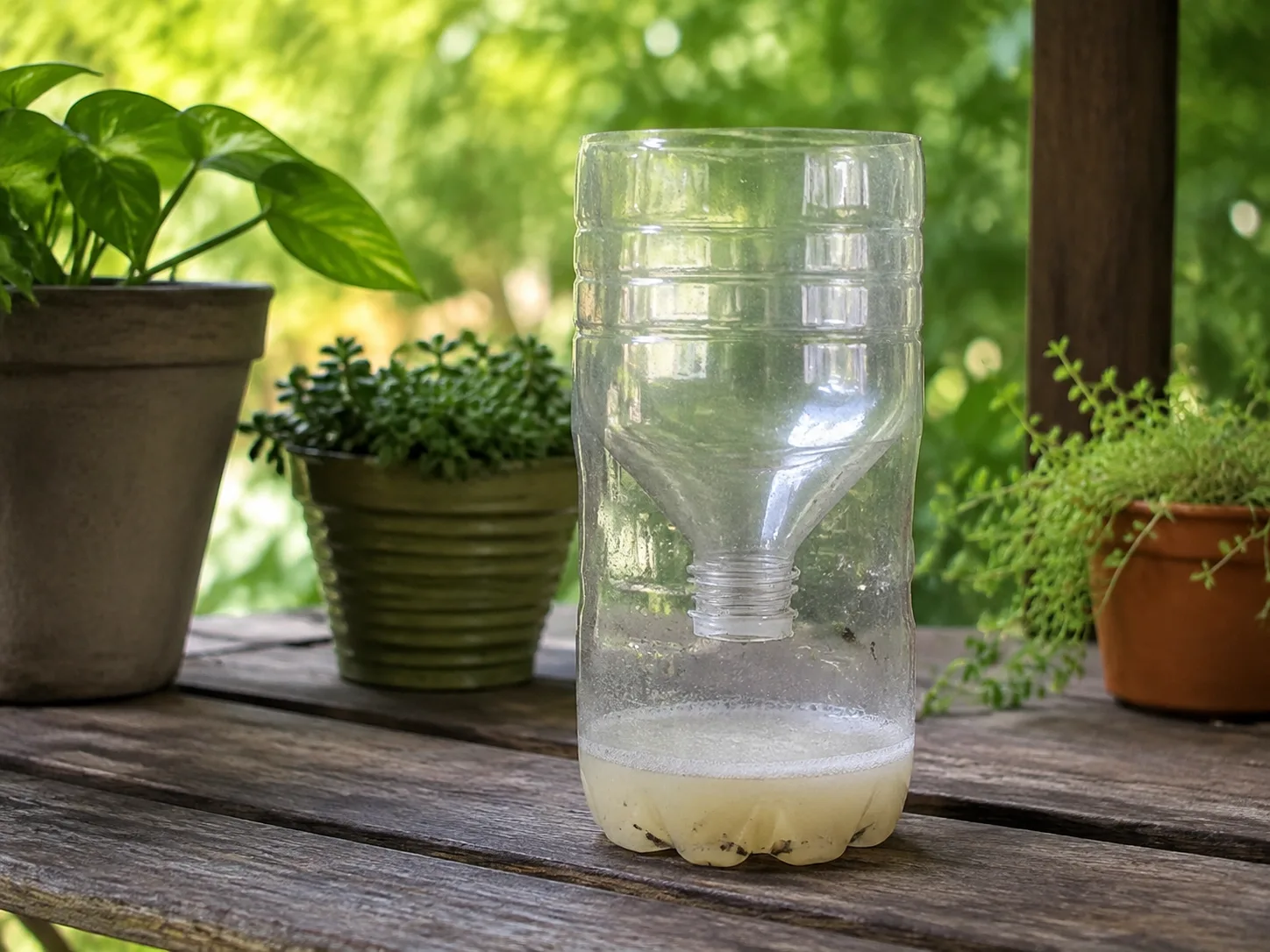
- Cut the bottle across its upper third. Keep the lower section as the reservoir and remove any sharp plastic edges that could cut someone handling it.
- Stir the sugar into the lukewarm water in the lower section until most of it dissolves. Let the mixture cool to lukewarm if it feels hot.
- Sprinkle the yeast over the surface. Do not stir aggressively; a light sprinkle helps the mixture begin releasing gas without making a foamy overflow.
- Turn the bottle top upside down so its neck points toward the liquid, like a funnel. Fit it into the lower section and tape the seam securely enough to keep the funnel stable while leaving the top open to the air.
- Place the finished trap in a shaded, sheltered location. Keep it away from children, pets, food, doorways, and the people you are trying to protect.
The opening needs to be large enough for a mosquito to enter and the reservoir needs to stay stable. If the mixture climbs into the funnel, discard it and make a smaller batch. Do not add bleach, insecticide, or an unlisted chemical to the bottle; mixtures that release gas or create toxic vapors are not an improvement.
Place it, observe it, and reset it
Set the bottle near the edge of the mosquito activity rather than beside a chair. Good trial locations include a shaded wall, a sheltered garden boundary, or a place where people have noticed mosquitoes but cannot safely place an electrical device. Avoid full sun because heat changes the fermentation rate and can deform the plastic.
Check the bottle after the first evening and again the next day. Look for mosquitoes in the funnel or dead insects in the reservoir, but also look for leakage, ants, mold, and overflowing foam. A weak or absent catch is useful information: move the trap once, keep the next location consistent, and compare results instead of continually moving it and guessing.
The bait is not permanent. Replace it when the bubbling and sweet-fermented smell fade, when the liquid becomes heavily contaminated, or at least every couple of days during warm weather. Pour it into a drain or compost system that will not leave an outdoor puddle, rinse the bottle, and keep the discarded liquid away from pets. A baking-soda-and-vinegar mixture can create a quick burst of carbon dioxide, but it is less controllable and shorter-lived than yeast; it is not a reason to keep a bottle overflowing or to mix household cleaners with it.
Use Dry Ice Only as a Short Outdoor Lure
Dry ice is the most powerful lure in this comparison and the one that deserves the most caution. Cornell Environmental Health and Safety notes that dry ice is about -109°F (-78.5°C), and that sublimating carbon dioxide can accumulate in enclosed or low areas. High concentrations can cause headache, dizziness, confusion, shortness of breath, loss of consciousness, and death.
For a home garden, use dry ice only for a brief, supervised experiment with a purpose-built, outdoor-rated mosquito trap that is designed to accept a CO2 source. A light trap or fan-assisted collector may catch adults, but an exposed pile of dry ice beside an electric bug zapper is not a safe substitute for equipment designed for the combination. The CDC’s surveillance guidance describes traps as monitoring equipment, not as a promise that a homeowner can remove every biting mosquito.
Safer setup and handling
Follow these rules every time:
- Work outdoors or in an area with genuinely adequate ventilation. Never use dry ice in a room, shed, greenhouse, vehicle, basement, pit, or other low or enclosed place.
- Wear closed shoes, long pants, safety glasses, and dry insulated gloves. Never touch dry ice with bare skin, and do not use ordinary thin disposable gloves as your only protection.
- Keep it in a compatible insulated container that can vent gas. Never put dry ice in a sealed bottle, jar, cooler that cannot vent, or any container that can build pressure.
- Keep the lure away from people, pets, food, water features, doorways, and electrical connections. A stable trap around five feet above ground is easier to keep out of reach and aligns with the general height used for some surveillance traps, but the equipment instructions take priority.
- Do not store it in a household refrigerator or freezer, and never carry it in a passenger compartment. Let unused pieces sublimate in a ventilated, secure container; do not put them in a sink, trash can, or closed receptacle.
- Use the smallest amount needed for the planned session, follow the supplier’s handling instructions, and stay nearby. If anyone develops a headache, dizziness, confusion, or breathing trouble, leave the area immediately and contact emergency services.
Run a dry-ice lure only for the period you can monitor it, commonly from dusk into the first part of the night if the trap’s instructions call for that schedule. Bring the equipment in, remove the lure safely, and inspect the collector outdoors. Do not leave a temporary CO2 setup running overnight while everyone is asleep, and do not place it where wind can drive gas toward a low window or enclosed porch.
Make a Bucket Trap With a Larval-Control Plan
A bucket trap uses the mosquito’s search for stagnant, shaded water. It can be more relevant to egg-laying mosquitoes than a yeast bottle, but it also carries the greatest risk of creating a breeding site. Gardening Know How’s bucket-trap guidance makes the same basic point: the container is a managed oviposition trap, not a bucket of water you can forget.
Build and place the trap
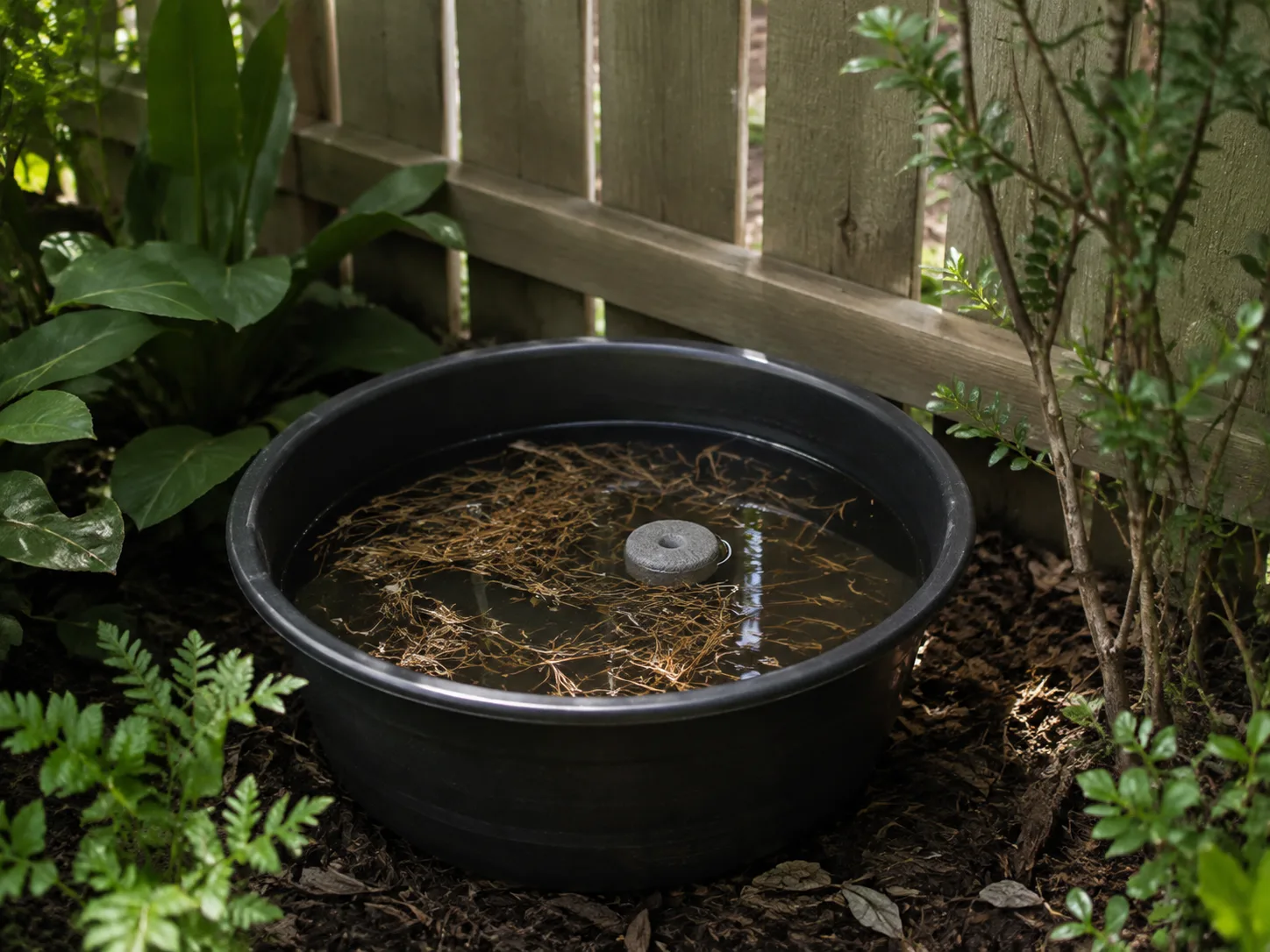
Choose a dark, sturdy bucket or shallow tub that will not tip easily. Add enough water to create a stable pool, then add a small amount of dry grass, straw, or leaf litter if you are intentionally trying to make the water resemble an organic container habitat. Place it in shade, away from play areas, food preparation, pets, and useful ponds or birdbaths.
Before adding water, decide exactly how you will control larvae and when you will inspect it. A labeled Bti product may be appropriate for some non-drinking standing-water uses; read the label for the water body, dose, interval, storage, and wildlife precautions. Do not add dish soap as a casual shortcut. Surfactants can affect aquatic organisms and do not replace a predictable larval-control plan.
If you are testing whether a bucket attracts egg-laying mosquitoes, use one or two containers and mark the setup date. More containers do not automatically mean better control. They can increase the number of unmanaged places where larvae develop, especially after rain.
Check it every week
Inspect the bucket at least weekly and after heavy rain. Look for larvae wriggling near the surface, algae, an absent or degraded larval-control product, overflow, and signs that a child, pet, or wild animal has disturbed the container. If you cannot keep the inspection schedule, empty and scrub the bucket, turn it upside down, and do not restart the trap.
When you service it, prevent the water from running into another container or storm drain. Tip it onto a dry, permeable area where it will not pool, scrub the sides to remove eggs, and refill only after confirming that the control product and interval are suitable. Mosquito eggs can stick to container walls above the water line, so simply topping off an old bucket is not maintenance.
Source reduction still comes first. Penn State Extension notes that water traps may have their greatest value for some small-container mosquitoes and may require broad participation to change neighborhood pressure. A single bucket in one yard is unlikely to overcome breeding sites in neighboring yards, clogged gutters, rain barrels, or objects that collect water after each storm.
Set Up a Fan Trap on a Porch
A fan trap is useful when the immediate problem is people being bitten on a porch. It does not attract mosquitoes with bait; it changes the airflow and can pull insects toward a fine-mesh screen where they are held. A fan also makes it harder for mosquitoes to fly steadily near the seating area, so the same setup can provide relief even when the catch is modest.
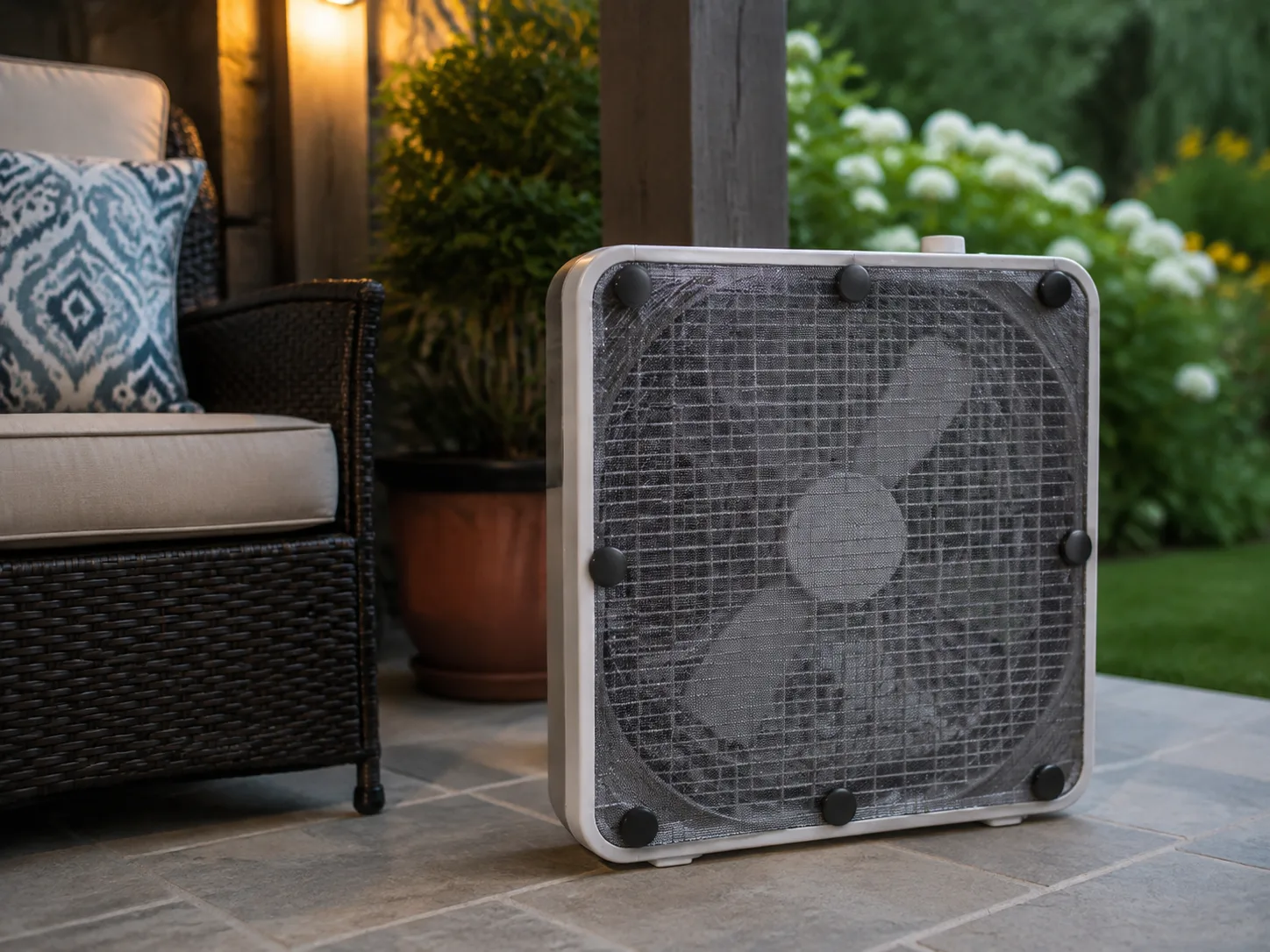
Use a box fan that is rated for the location, keep it under a dry roof, and connect it to a properly protected outdoor outlet. Fasten fine mesh over the intake side—the rear side on most box fans—using magnets, clips, or a removable frame that does not obstruct the blades. Leave the exhaust side clear so the fan can move air, and make sure the mesh cannot contact the blades.
Place the screened intake where it can sample the air at the edge of the porch, not where a child can pull the fan down. Turn the fan off and unplug it before removing the mesh or cleaning insects. Never spray rubbing alcohol, insecticide, water, or an oil-based product into the motor or housing; if the mesh needs cleaning, remove it and clean it separately according to the fan’s instructions.
The fan’s benefit is often better judged by comfort than by a dramatic pile of insects. Try it for the same evening period on two comparable nights, then combine it with screens, closed doors, long sleeves, and a labeled repellent if needed. Keep cords dry and protected, and stop using the fan if the housing, plug, or outlet becomes wet.
Pair Traps With Source Reduction
The most reliable mosquito improvement usually comes from removing places where larvae can grow. Once a week, walk the property after watering or rain and empty, scrub, cover, screen, or discard anything that holds water. Check plant saucers, toys, buckets, watering cans, wheelbarrows, pet bowls, grill covers, tarps, recycling, clogged gutters, low spots, and the folds of outdoor furniture covers. The practical checklists from Penn State Extension and Horticulture magazine are useful reminders to look beyond obvious ponds and birdbaths.
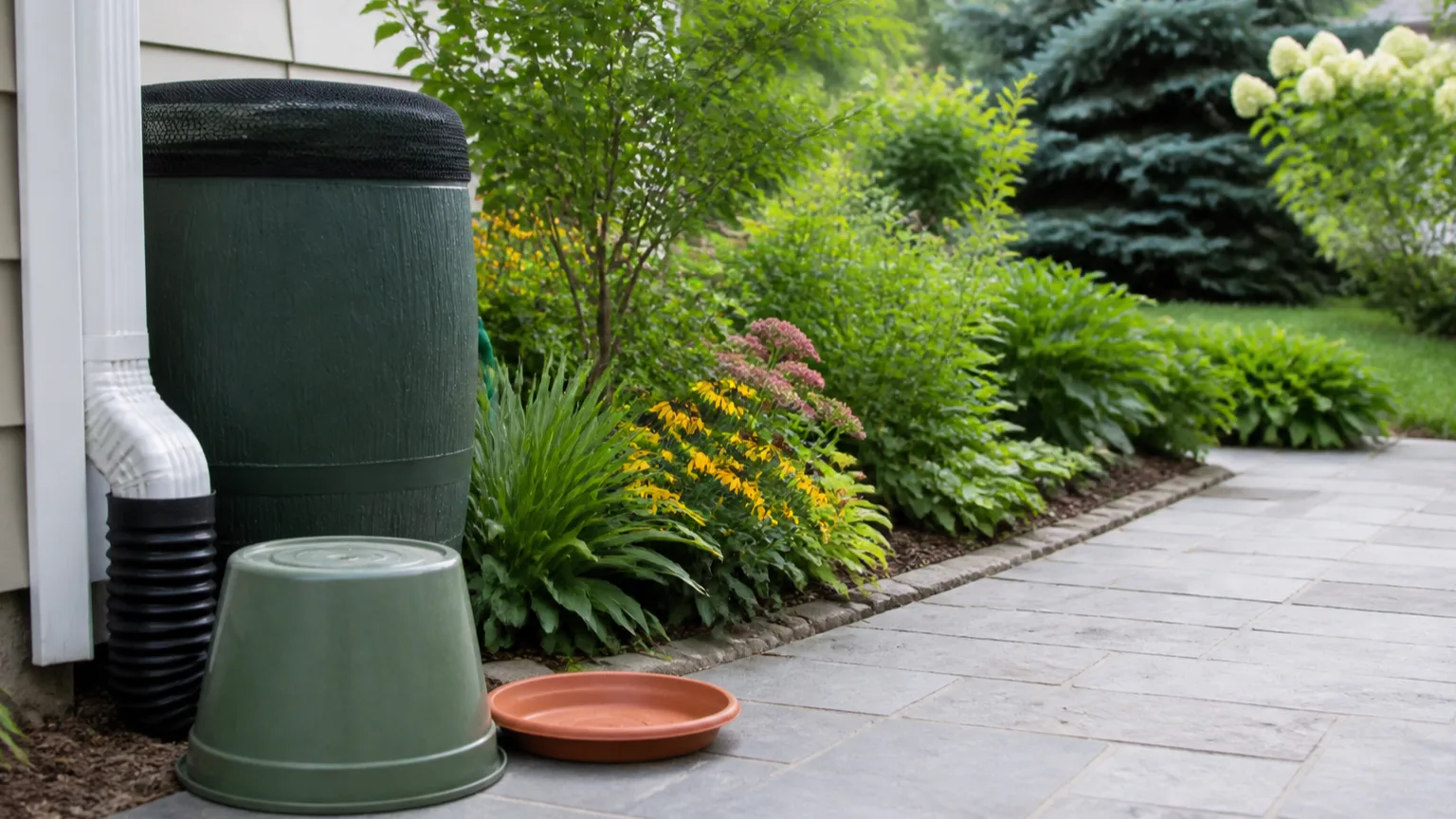
Give special attention to items that seem too small to matter. A bottle cap, blocked drain, leaf-filled gutter, or crease in a tarp can hold enough water for eggs and larvae. Turn buckets and toys upside down, store watering equipment under cover, repair leaking taps and hoses, and keep rain barrels tightly covered or screened with mesh that prevents adult mosquitoes from entering.
Refresh birdbaths every two or three days and scrub the basin rather than repeatedly adding water. For ponds, rain barrels, gutters, or other water that cannot be drained, use a labeled larvicide such as Bti only where the label allows it and according to the stated interval. Penn State Extension’s watershed-friendly guidance discusses this kind of targeted approach and its limits. Do not assume that a product is safe for every pond, pet, fish, bird, or beneficial insect simply because it is marketed as biological.
Reduce resting places near doors and seating by trimming dense, damp vegetation and clearing accumulated leaves. Keep screens intact and doors closed, and use repellents, clothing, and fans when mosquitoes are active. Penn State Extension cautions that broad, routine insecticide spraying can harm non-target organisms and often affects only mobile adult mosquitoes, so a targeted, label-directed approach is preferable around pollinator plants and waterways.
Treat a trap as one small part of this weekly routine. Gardening Know How’s overview of natural mosquito control also puts standing-water removal ahead of scent-based fixes. If a bottle, bucket, or dry-ice lure catches mosquitoes while the yard still contains several open breeding sites, the catch is evidence that the trap is working—not evidence that the underlying problem has been solved.
Know When a DIY Trap Is Not Enough
Stop relying on a homemade trap alone when people continue to receive frequent bites after water removal, when mosquitoes are entering the house, or when an inaccessible water source keeps producing larvae. Also broaden the response if local health officials report mosquito-borne disease activity or if a person in the household has a medical concern that makes repeated bites especially important to avoid.
At that point, contact the local health department or a qualified pest professional for an inspection and a plan based on the mosquito species, breeding habitat, and product labels in your area. Ask what will be treated, how non-target insects and aquatic life will be protected, how long the treatment is expected to last, and what source reduction the homeowner must continue.
Do not put a dry-ice lure in an enclosed space, leave a bucket trap unattended, or place a capture device where it draws mosquitoes directly through a doorway. Do not use a household chemical, bleach, detergent, or improvised electrical arrangement as a substitute for a product label or equipment instructions. A trap that is difficult to inspect, easy to tip, or likely to expose children, pets, wildlife, or neighbors is not a useful trap.
Finally, judge success by the outcome you actually want. Fewer bites in a chair may call for a fan and repellent. Fewer larvae may call for a drain-and-scrub routine. Better information about activity may call for a monitored bottle or purpose-built trap. If you define that target before building anything, you are less likely to keep tinkering with bait while the real breeding sites remain.
Conclusion
Yeast bottles are low-cost experiments, dry ice is a strong but hazardous outdoor CO2 lure, bucket traps require scheduled larval control, and fan traps are often the most practical choice for a porch. None should replace the weekly removal, covering, or treatment of standing water.
Use one method at a time, keep the setup away from people and animals, record what you catch, and reset or remove it on schedule. The combination of source reduction, airflow, screens, personal protection, and carefully managed traps is more realistic—and safer—than expecting one homemade device to make an entire yard mosquito-free. For a broader garden perspective on combining habitat control with bite reduction, see Joe Gardener’s mosquito-control discussion.



