Epsom Salt on Tomato Plants: Good or Bad?
Epsom salt on tomato plants is not always bad, but it is often unnecessary. Learn when magnesium sulfate helps, when it worsens blossom end rot, and how to test first.
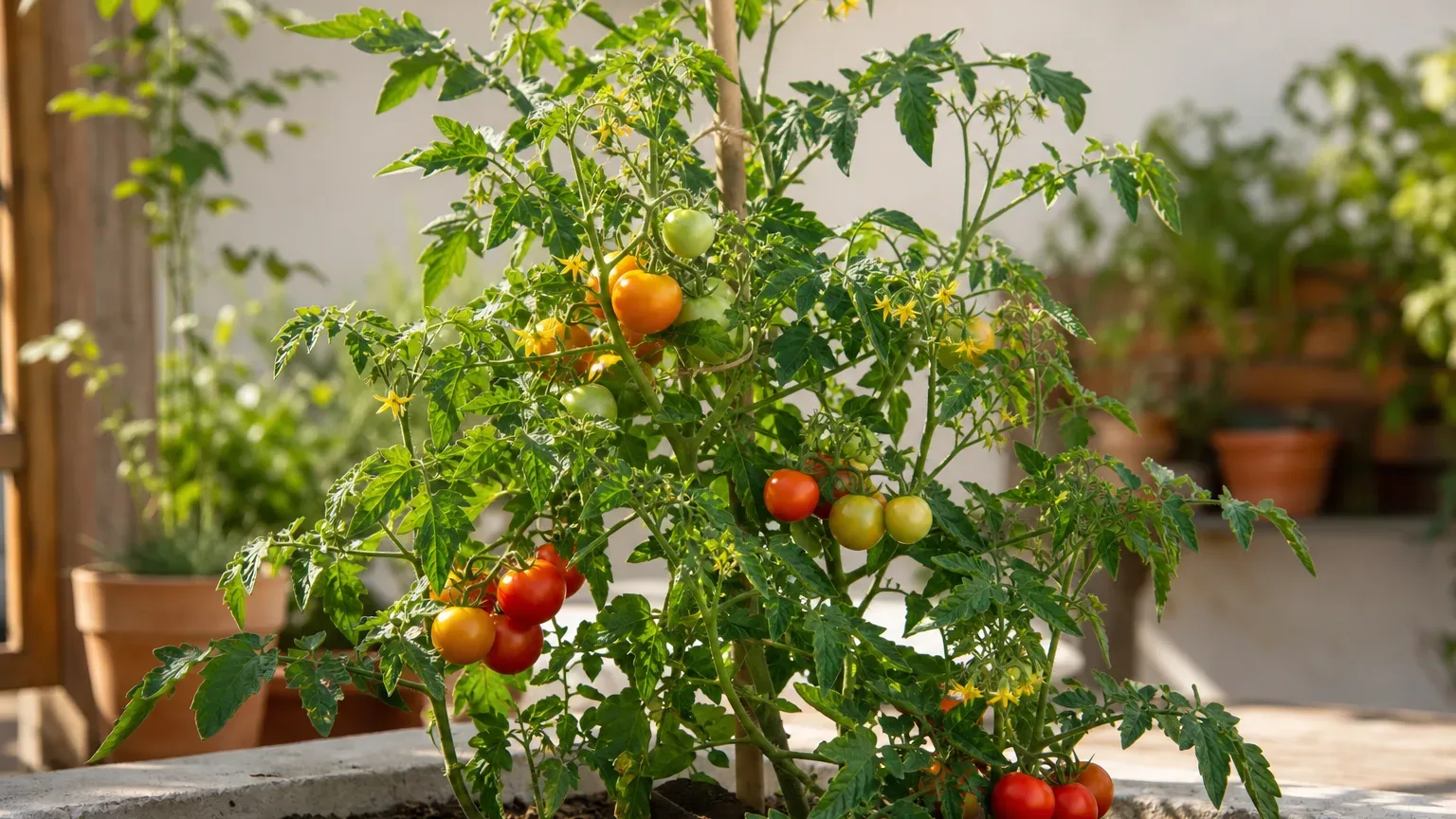
Epsom salt is not automatically bad for tomato plants — but using it without evidence usually is. Magnesium sulfate can correct a real magnesium shortage, yet most home gardens already have enough magnesium, and random applications can interfere with calcium uptake, worsen blossom end rot, and distract you from the actual problem. The smart move is to read the leaves, test the soil when symptoms persist, and treat only when magnesium — not nitrogen, iron, water, or calcium transport — is the limiting factor.
The Short Answer: Test Before You Treat
If your tomatoes look healthy and your soil has not been tested, skip the Epsom salt. It is a targeted supplement, not a tomato fertilizer, and it does not replace balanced nutrition, steady watering, or good root care. Use it when a soil test or clear deficiency symptoms show that magnesium is low and other causes have been ruled out.
When magnesium truly is short, a diluted drench or foliar spray can green up older leaves and support normal chlorophyll production. When magnesium is adequate, extra applications add soluble salts without improving fruit set, and the magnesium can compete with calcium at the root surface — a serious issue if your plants are already developing blossom end rot. Extension guidance consistently ranks soil testing ahead of any Epsom salt recipe copied from a social post (Gardening Know How).
What Epsom Salt Actually Is
Epsom salt is magnesium sulfate — a simple mineral salt made of magnesium, sulfur, and oxygen. The name comes from a bitter spring in Epsom, England, but the product sold in drugstores and garden centers is the same compound gardeners dissolve in water for plants. It is highly soluble, which is why it moves quickly in soil and why overuse can leach through sandy beds or container mixes.
Do not confuse it with table salt (sodium chloride) or with lime (calcium carbonate). Epsom salt supplies no nitrogen, phosphorus, potassium, or calcium. That single fact explains why it cannot fix most tomato problems gardeners hope it will.
Magnesium and Sulfur in Plant Nutrition
Magnesium sits at the center of the chlorophyll molecule, so it is essential for photosynthesis and overall leaf color. Sulfur supports protein formation and enzyme function. Both are secondary nutrients — required in smaller amounts than nitrogen, phosphorus, and potassium, but still necessary.
Tomatoes are moderate feeders, not magnesium gluttons. In many regions, native soil, compost, and routine tomato fertilizer already deliver enough magnesium for normal growth (UF/IFAS Gardening Solutions). Deficiency is more common on very sandy, heavily leached, or long-neglected soils, and in containers that have been flushed by daily watering.
What Magnesium Does for Tomato Plants
When magnesium is available, tomato leaves can produce chlorophyll efficiently, convert sunlight into sugars, and support steady vegetative growth before and during fruit set. That is the legitimate benefit behind the Epsom salt hype: greener leaves on plants that were actually magnesium-starved.
Magnesium is also mobile inside the plant. When supplies run low, the plant remobilizes magnesium from older leaves to support new growth. That mobility is why deficiency symptoms show up on lower, older foliage first — a pattern you can use to separate magnesium trouble from many other yellow-leaf causes.
Epsom salt does not magically improve pollination, prevent disease, or substitute for calcium. Claims that it “boosts nutrient uptake” are only true in the narrow sense that correcting a deficiency lets normal metabolism resume. It is not a universal absorption enhancer on healthy soil.
How Low Magnesium Shows Up in the Foliage
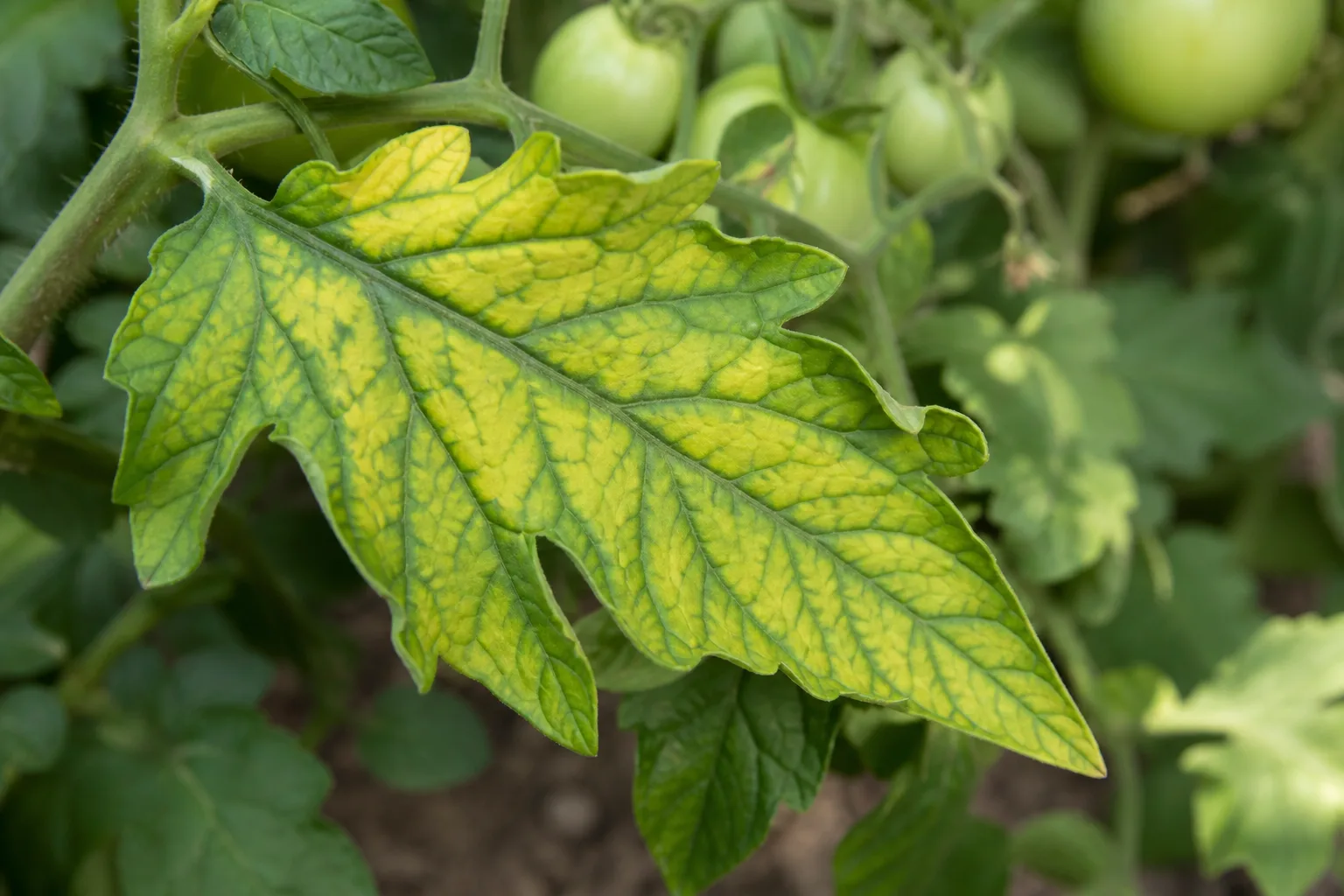
Look for interveinal chlorosis on older leaves: the tissue between the veins turns yellow, pale green, or sometimes reddish, while the veins themselves stay darker green. Affected leaves may feel thinner or look slightly cupped. Growth can slow, and fruit load may drop because the plant cannot photosynthesize efficiently.
This pattern is diagnostic, not definitive. Nitrogen deficiency often yellows whole leaves starting at the bottom. Iron deficiency usually hits young leaves at the top first. Overwatering, compaction, and root damage can yellow leaves without a neat interveinal pattern. Early blight and other diseases add spots, halos, or spreading lesions that magnesium deficiency does not.
If only the oldest leaf yellows and the plant is otherwise vigorous, natural senescence may be the cause. If yellowing climbs the plant quickly, check moisture and roots before reaching for Epsom salt.
When Epsom Salt Can Help Tomatoes
Epsom salt helps tomatoes only when magnesium deficiency is the confirmed problem. That confirmation can come from a soil test showing low exchangeable magnesium, from a tissue test if you use one, or from consistent interveinal chlorosis on older leaves combined with a soil history that supports deficiency — very sandy soil, years of heavy irrigation without organic matter, or a container mix that has been watered to runoff for months.
In those cases, supplying magnesium sulfate can:
- Restore green color between the veins on older leaves
- Support normal photosynthesis while new growth continues
- Supply sulfur where that nutrient is also marginal
Sandy soils and raised beds with fast drainage lose magnesium more readily than clay-heavy gardens. Container tomatoes are another common exception: frequent watering washes soluble nutrients through the pot, and a complete feed schedule still may not match what an individual plant shows you in late summer.
Even then, treat Epsom salt as a short corrective course, not a season-long crutch. Fix the soil biology and fertility plan that allowed magnesium to slip in the first place.
Confirmed Magnesium Deficiency in Soil or Tissue
Laboratory soil tests report magnesium in parts per million or as a percent of base saturation, depending on the lab. Local extension offices interpret results for your region; do not compare numbers across unrelated labs without their guidance. If magnesium reads low and calcium and pH are in a reasonable range, a measured Epsom salt application makes sense.
If magnesium reads adequate or high, more Epsom salt will not help and may hurt. High magnesium relative to calcium is exactly the scenario extension specialists warn about when blossom end rot appears on otherwise cared-for plants (NC State Extension).
When Epsom Salt Is a Bad Idea
Using Epsom salt on tomatoes is a bad idea when you are guessing, when the soil already tests adequate for magnesium, when blossom end rot is present, or when you have not stabilized watering. It is also a bad idea as a substitute for a complete fertilizer, as a weekly tonic on healthy plants, or as a cure for pests, poor pollination, or heat stress.
Garden folklore treats Epsom salt like a harmless multivitamin. Horticulturally, it is closer to a prescription drug: useful in the right dose for the right diagnosis, pointless or harmful otherwise. North Dakota State University Extension puts it bluntly: Epsom salt is not a cure-all, and adding it when calcium uptake is the real issue can make fruit disorders worse.
Blossom End Rot and the Calcium-Magnesium Trade-Off
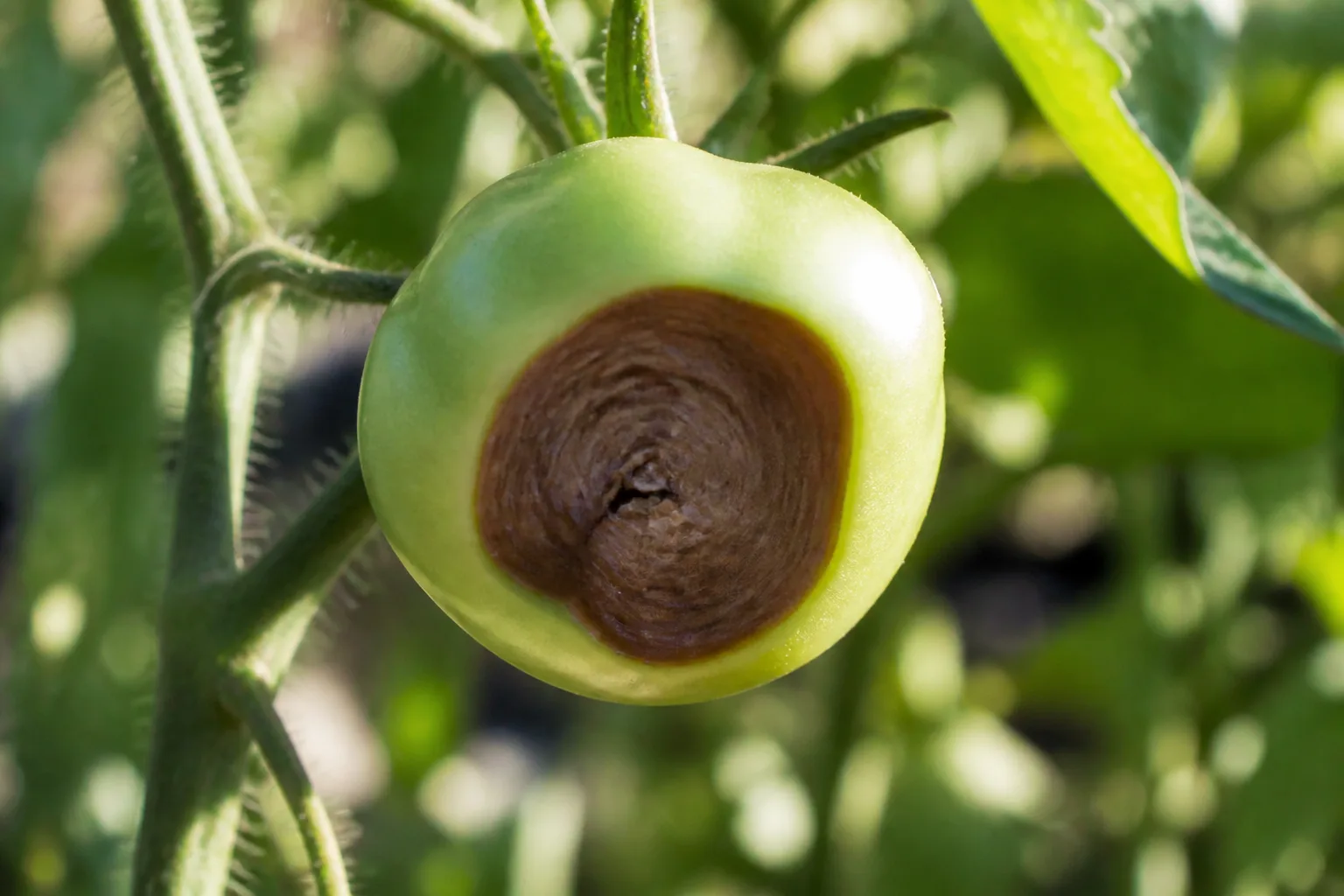
Epsom salt does not prevent or fix blossom end rot. Blossom end rot is a calcium-uptake failure in developing fruit, usually triggered by uneven moisture, root damage, excess nitrogen, or salt stress — not by a lack of magnesium in the bag you forgot to buy.
Worse, magnesium and calcium ions compete for uptake at the root surface. Adding magnesium sulfate to soil that already has enough magnesium can reduce calcium movement into the plant just when fruit are demanding it (Gardening Know How). That is why the black, sunken blossom-end lesion often expands after gardeners “try Epsom salt for BER” and see no improvement.
If you see blossom end rot, put down the Epsom salt and read our full guide on tomatoes turning black on the bottoms. Stabilize moisture, protect roots, mulch, and let a soil test decide whether lime or another calcium source is appropriate. Magnesium correction comes later, if at all.
Yellow Leaves That Are Not a Magnesium Problem
Yellow tomato leaves send everyone running for a miracle cure. Before you dissolve Epsom salt, ask which leaves are yellow and what changed recently.
Nitrogen shortage often produces overall pale green or yellow older leaves without strong vein contrast. Iron chlorosis on alkaline soil hits young leaves first. Waterlogging yellows leaves while the soil smells sour or stays wet for days. Tomato leaf curl from heat, herbicide drift, or viral issues looks different from interveinal chlorosis — see our curling tomato leaves guide if the foliage is rolling rather than simply fading.
Epsom salt will not fix any of those. At best it does nothing; at worst it throws off the nutrient balance you are trying to diagnose.
How to Test Before Applying Epsom Salt
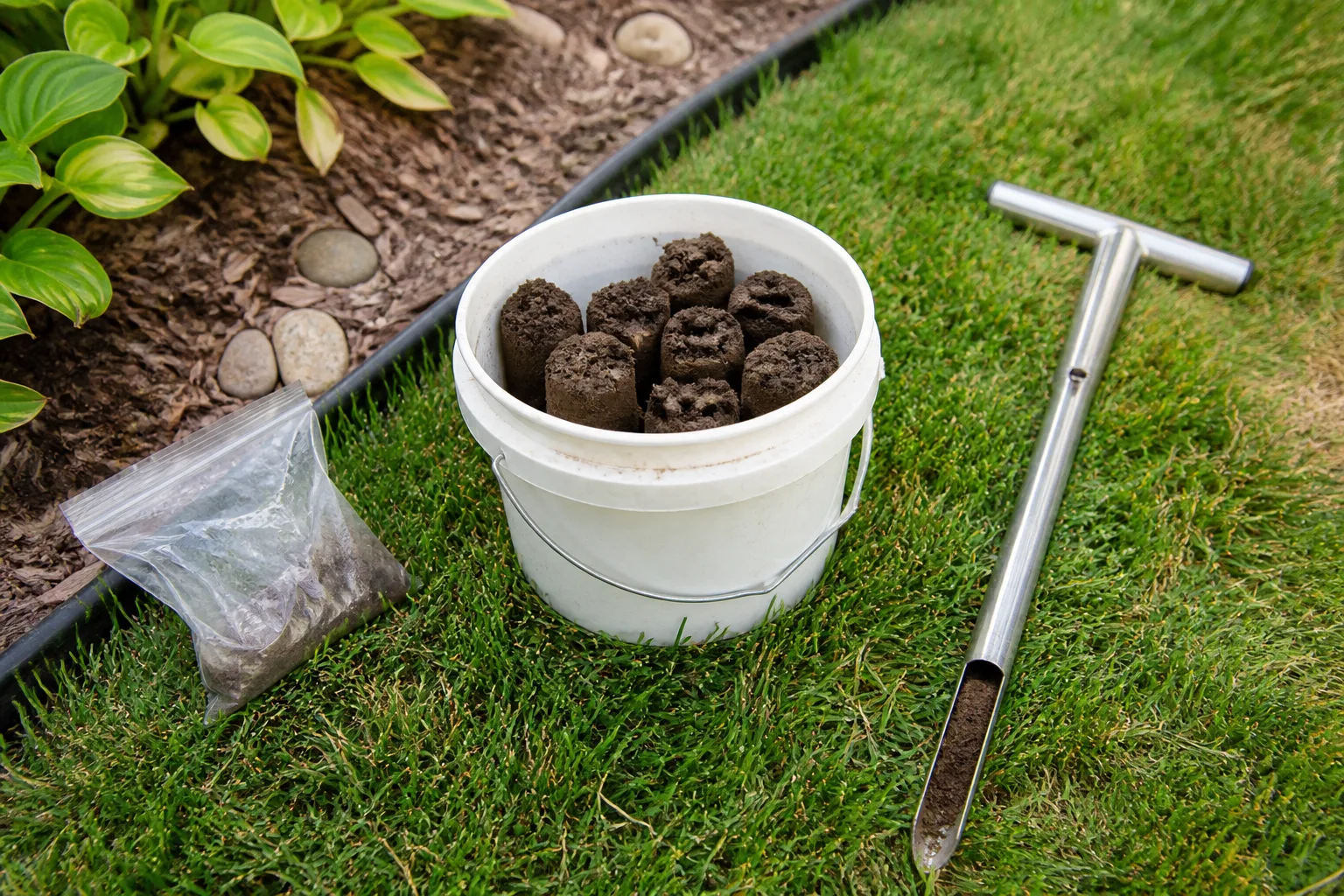
A soil test is the most reliable way to decide whether Epsom salt belongs in your tomato program. Collect a composite sample from the root zone — not one shovelful from the surface — mix it clean, and send it to your state or regional lab with the crop code for vegetables or tomatoes (Penn State Extension soil testing).
While you wait for results, track symptoms. Photograph older leaves weekly. Note irrigation frequency, mulch depth, and any fertilizer you already applied. If interveinal chlorosis is clear and the plant is in a high-risk site (sand, fresh container mix, extreme leaching), a single cautious trial application is reasonable; repeat only if leaves improve and no other stressors are present.
Do not stack Epsom salt on the same week you apply a strong synthetic feed, lime, or foliar calcium spray. Give each change time to show an effect so you know what actually worked.
How to Apply Epsom Salt on Tomatoes (When a Test Supports It)
If magnesium deficiency is confirmed or strongly indicated, use diluted solutions, not dry crystals scattered around the stem. Dry salt must dissolve before roots can absorb it, and undissolved granules can concentrate near the surface and increase salt stress.
The most common home-garden rate cited in extension-adjacent guidance is 1 tablespoon of Epsom salt per 1 gallon of water for a soil drench or foliar spray. Some sources allow 2 tablespoons per gallon for a one-time correction on large plants; treat that as an upper limit, not a default (Gardening Know How). Always fully dissolve the crystals before applying.
Soil Drench at the Root Zone
Pour the solution slowly at the base of the plant, wetting the root ball rather than the leaves. Apply in the morning or evening on a day when the soil is already moist but not waterlogged. One thorough drench is preferable to dribbling small amounts daily, which can accumulate salts in containers.
For in-ground plants, one drench followed by observation for two to three weeks is enough before reconsidering. For containers, you may need a second application if leaching is aggressive, but only if symptoms persist and watering practices are otherwise sound.
Foliar Spray for Faster Leaf Response
A foliar spray can green up magnesium-starved leaves more quickly than a drench because magnesium enters through leaf tissue. Use the same 1 tablespoon per gallon concentration, spray early morning or late evening, and coat both leaf surfaces lightly. Avoid spraying in hot midday sun, which can scorch wet foliage.
Foliar magnesium is a rescue tool, not a maintenance plan. Roots remain the long-term delivery system you want healthy. If foliar sprays help but symptoms return, the soil or potting mix still needs a structural fix.
At Planting: Hole Mix vs Dry Sprinkle
Some gardeners mix 1 to 2 tablespoons of Epsom salt into the bottom of the planting hole at transplant time, especially on sandy sites with a history of magnesium issues. That can give young roots immediate access, but it is unnecessary on tested, balanced soil.
Dry sprinkle around established plants is the least effective method. If you use it, keep the dose tiny, keep crystals off leaves, and water thoroughly to dissolve and move magnesium into the root zone. Never pile salt against the stem; concentrated salts burn roots and bark.
Containers vs In-Ground Beds
Container tomatoes lose magnesium faster because each watering carries soluble nutrients out the drainage hole. If you grow in pots, lean on a complete container fertilizer first, then consider Epsom salt only when older leaves show interveinal chlorosis despite consistent feeding.
In-ground beds hold magnesium longer, especially with clay or organic matter. A one-time drench may be all you need for the season. Raised beds filled with purchased blends vary: test the mix if yellowing appears in year two or three, because repeated compost and fertilizer without testing can skew any single nutrient.
The same warning applies everywhere: do not double up Epsom salt and high-potassium feeds during fruit set unless a lab result says magnesium is still low. Potassium and magnesium also compete for uptake, and fruiting plants are sensitive to imbalance.
Common Epsom Salt Mistakes on Tomatoes
The most common mistake is treating Epsom salt as tomato fertilizer. It is not. Tomatoes need nitrogen for leaf and vine growth, phosphorus and potassium for flowering and fruit, and calcium for cell walls. Epsom salt supplies none of those macronutrients.
Other frequent errors:
- Applying every two weeks “just because.” Healthy plants do not need recurring magnesium sulfate. Monthly is already aggressive for a corrective dose; many gardens need zero applications per year.
- Using Epsom salt for blossom end rot. It addresses the wrong nutrient and can block calcium.
- Ignoring watering. No magnesium supplement fixes drought stress or alternating wet and dry cycles.
- Spraying concentrated mixes in full sun. Undissolved crystals and hot leaf surfaces cause burn.
- Skipping soil tests after a “successful” year. Coincidence is not confirmation; retest before making Epsom salt part of your permanent routine.
If you would not take an iron supplement without a blood test, do not mainline Epsom salt without checking the soil.
Better Fixes Than Epsom Salt for Common Tomato Problems
Match the tool to the symptom.
Pale, floppy, hungry-looking plants: Use a balanced or stage-appropriate tomato fertilizer at label rates. Our best tomato fertilizer guide walks through NPK choices for pots and beds.
Black leathery blossom end: Fix moisture and root care first; see blossom end rot prevention. Epsom salt is not on that list.
Lots of leaves, few flowers: Check shade, excess nitrogen, overcrowding, and pruning on indeterminate varieties. Pruning tomatoes correctly directs energy to fruit without stripping the photosynthetic factory.
Yellow leaves with spots or curling: Diagnose disease, herbicide injury, or environmental stress before assuming magnesium.
Overall weak plants in poor soil: Build organic matter with compost, maintain mulch, and rotate crops. Magnesium sulfate does not replace soil structure.
For general tomato culture — watering, support, and variety choice — start at our tomato plant hub and adjust from there.
Conclusion
Epsom salt on tomato plants is not inherently bad, but it is badly overused. Treat magnesium sulfate as a correction for confirmed deficiency, not as a seasonal booster for every vine in the garden. Test your soil, read the leaf pattern on older foliage, and keep calcium uptake and steady moisture in mind — especially during fruit set.
When magnesium truly is low, a diluted drench or foliar spray at about 1 tablespoon per gallon can help. When magnesium is adequate, the same treatment wastes money, adds salts, and can make blossom end rot and other uptake problems worse. That is the difference between using Epsom salt wisely and using it because the internet said so.