Can Baking Soda Kill Maggots? What Works Better
Find out whether baking soda kills maggots, what works faster, how to clean the breeding site, and how to prevent another infestation.
Baking soda is not a dependable way to kill maggots. If the powder sits directly on larvae in a dry, enclosed spot, it may dehydrate some of them over time, but it is not an instant contact treatment and it does not remove the eggs, pupae, food waste, or moisture that caused the problem. For a small indoor cluster, physical removal followed by thorough cleaning and source control is usually the more reliable plan.
The word “maggot” describes the larval stage of a fly. That means the white, tapered larvae you see are only one part of a short life cycle. A fly may have laid eggs in a leaking garbage bag, a forgotten piece of food, pet waste, compost, a dead rodent, or drain slime. Killing the visible larvae while leaving that material in place can produce another wave within days.
The short answer: baking soda is unreliable
Baking soda, or sodium bicarbonate, is a mild alkaline household powder. It is useful for odor control and some cleaning tasks, but there is no universal household concentration or contact-time rule that makes it a reliable maggot pesticide. A light sprinkle may touch only the top of a cluster while larvae remain protected in wet organic material underneath.
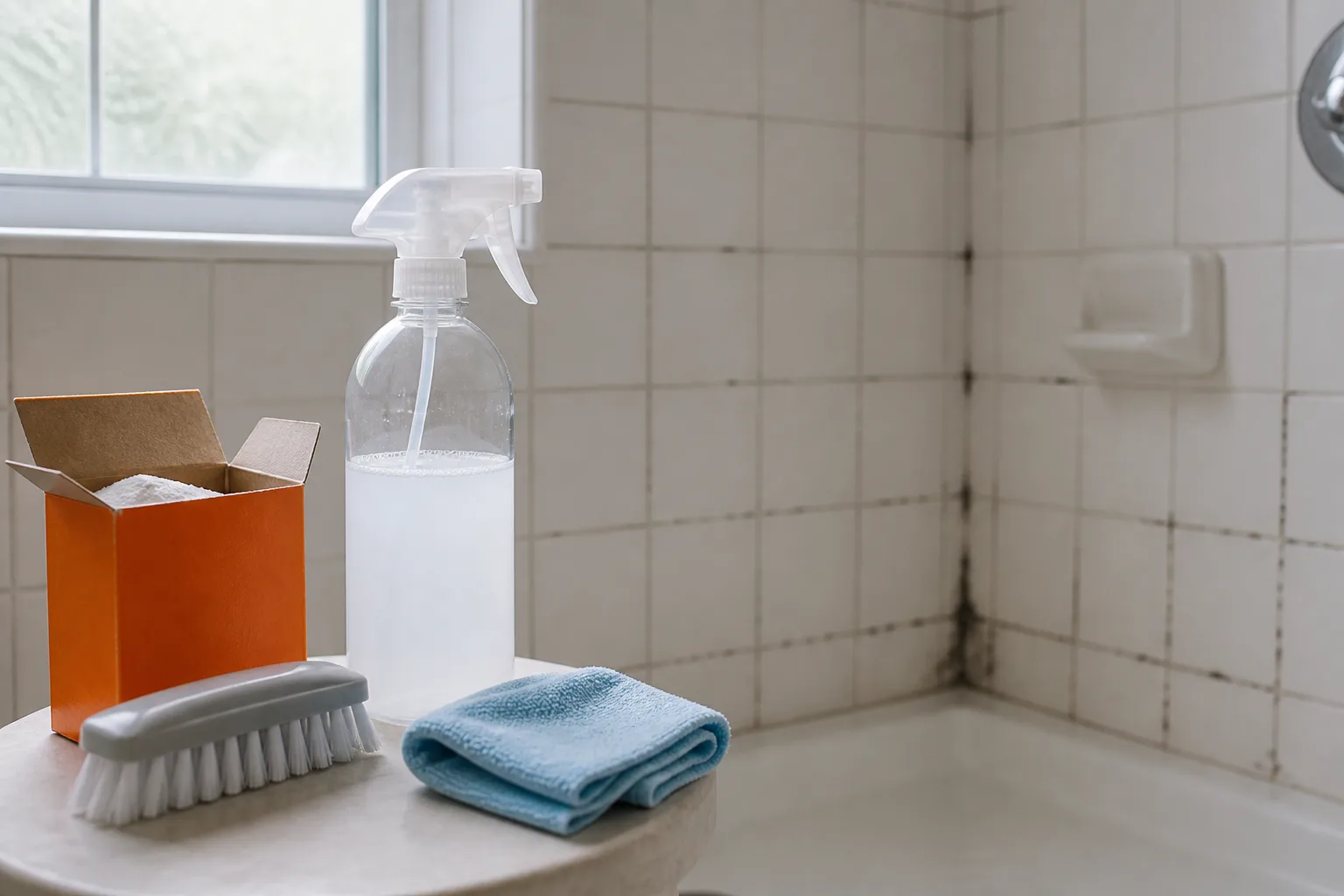
If you already poured baking soda over a few larvae, do not panic and do not keep adding powder for hours. Treat the soda as incidental, gather the material, seal it, and clean the surface. If the larvae are in a drain, baking soda may fizz with vinegar and loosen some residue, but fizzing is not the same as disinfecting the pipe or killing every life stage.
What maggots are and why they appear
Maggots are fly larvae, not worms and not a special kind of household insect. They need a moist food source, so their presence is a clue: somewhere nearby, adult flies found organic material suitable for feeding or egg-laying. That source may be obvious, such as a bin, or hidden under an appliance, inside a wall void, beneath a liner, or in a slow drain.
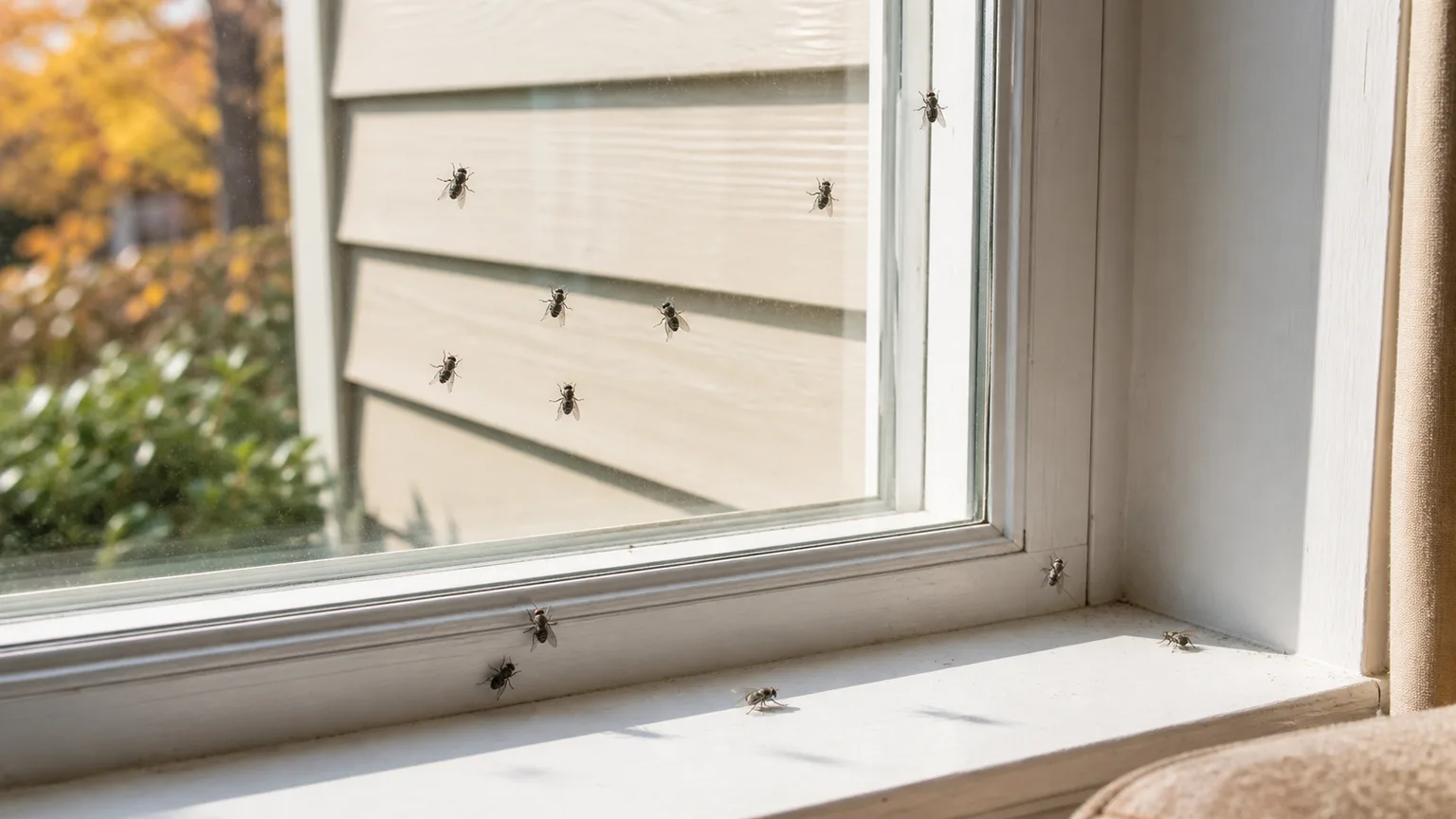
Eggs, larvae, pupae, and adult flies
House flies complete a full metamorphosis: egg, larva, pupa, and adult. University of Nebraska–Lincoln Extension notes that, in warm weather, the house-fly cycle from egg to adult can be completed in about two weeks, and that breeding material includes garbage, food waste, sewage, manure, lawn clippings, and other organic matter (UNL Extension). The exact timing varies with species, temperature, moisture, and food quality.
The larvae are the stage people notice because they crawl out of a bin or gather on a floor. Mature larvae may leave the food source to pupate in a drier crack or edge. That is why finding a trail of maggots several feet from the trash does not necessarily mean the floor is the source; it may be the place they went to transform.
Why baking soda is a poor first-line treatment
The practical problem with soda is not that it can never harm a larva. The problem is that you cannot easily deliver a consistent lethal dose to every larva, egg, and pupa. A damp mass of waste also buffers and dilutes the powder. Some larvae may be covered while others are inside a protected pocket.
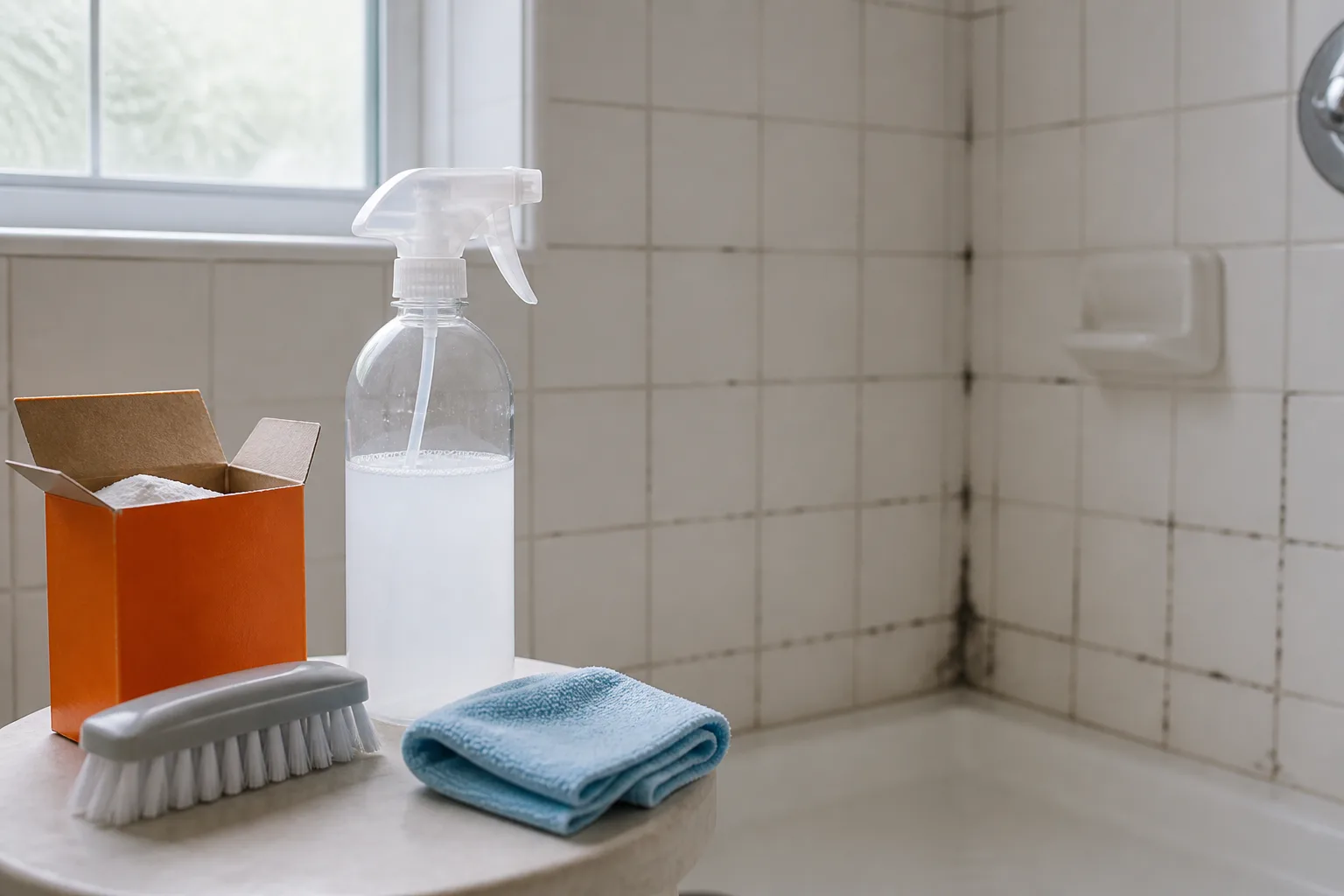
Soda also creates a false finish. The surface may look dry and clean while a wet liner fold, food scrap, or drain biofilm continues supporting development. University extension guidance places sanitation at the center of house-fly control: finding and eliminating breeding places comes before relying on sprays, baits, or other knockdown measures (UNL Extension).
Baking soda versus direct-contact methods
For a visible cluster on a hard, nonporous surface, removal is more predictable than waiting for a household powder to work. Use paper towels, a disposable scoop, or a stiff brush to gather larvae without scattering them. Put the material in a small bag, close it inside a second bag, and move it to an outdoor lidded container.
Hot water can kill exposed larvae quickly, but it is not suitable for every surface or pipe. Salt can dry insects when applied heavily, yet it is messy and can corrode some metals or damage soil and plants. Vinegar can help with odor and residue, but its household use should not be described as a measured insecticide. Choose the method based on the location, then make source removal the non-negotiable step.
The first-hour cleanup sequence
Protect food, skin, and pets
Move uncovered food, dishes, cutting boards, pet bowls, and children away from the work area. Wear gloves; use eye protection if you expect splashing; and wash your hands after removing the gloves. Do not vacuum loose larvae with a household vacuum unless you can safely empty and clean it immediately, because the vacuum can become a temporary container for living insects and contaminated debris.
Food that maggots have touched, or food contaminated by leaking waste, should be discarded rather than rinsed and served. Keep pets out of the room until the waste is sealed and the surface has been cleaned. If larvae are on an animal, in a wound, or around a pet’s eyes, ears, or mouth, this is not a kitchen-cleaning problem: contact a veterinarian promptly.
Remove larvae and seal the waste
Work from the outside edge inward so you do not push larvae into cracks. Gather the visible group, wipe the remaining residue, and inspect beneath the object that held the material. Tie the garbage bag tightly and place it in a secure outdoor bin. If the bin itself contains larvae, take it outside before washing it; do not drag a leaking liner through the kitchen.
Once the visible insects are gone, search for what attracted the flies. Check the bottom rim and lid of the bin, the space under the liner, compost scraps, recycling residue, pet waste, forgotten produce, mop buckets, and damp rags. A second inspection matters because adult flies often lay eggs in the least visible wet pocket.
When hot water is appropriate
Boiling or very hot water is often effective against exposed larvae because heat acts immediately. Use it on a heat-safe, nonporous outdoor surface or a compatible drain only after considering splash risk, pipe materials, seals, and nearby people or pets. Pour slowly, keep your face and hands clear, and never carry an uncovered pot across a crowded room.
Do not pour boiling water onto vinyl flooring, painted surfaces, delicate plastics, plants, skin, or an unknown pipe assembly. Hot water also will not solve a hidden carcass, food scrap, or drain film. It kills what it contacts; it does not make the breeding source disappear.
How to handle maggots in a trash can
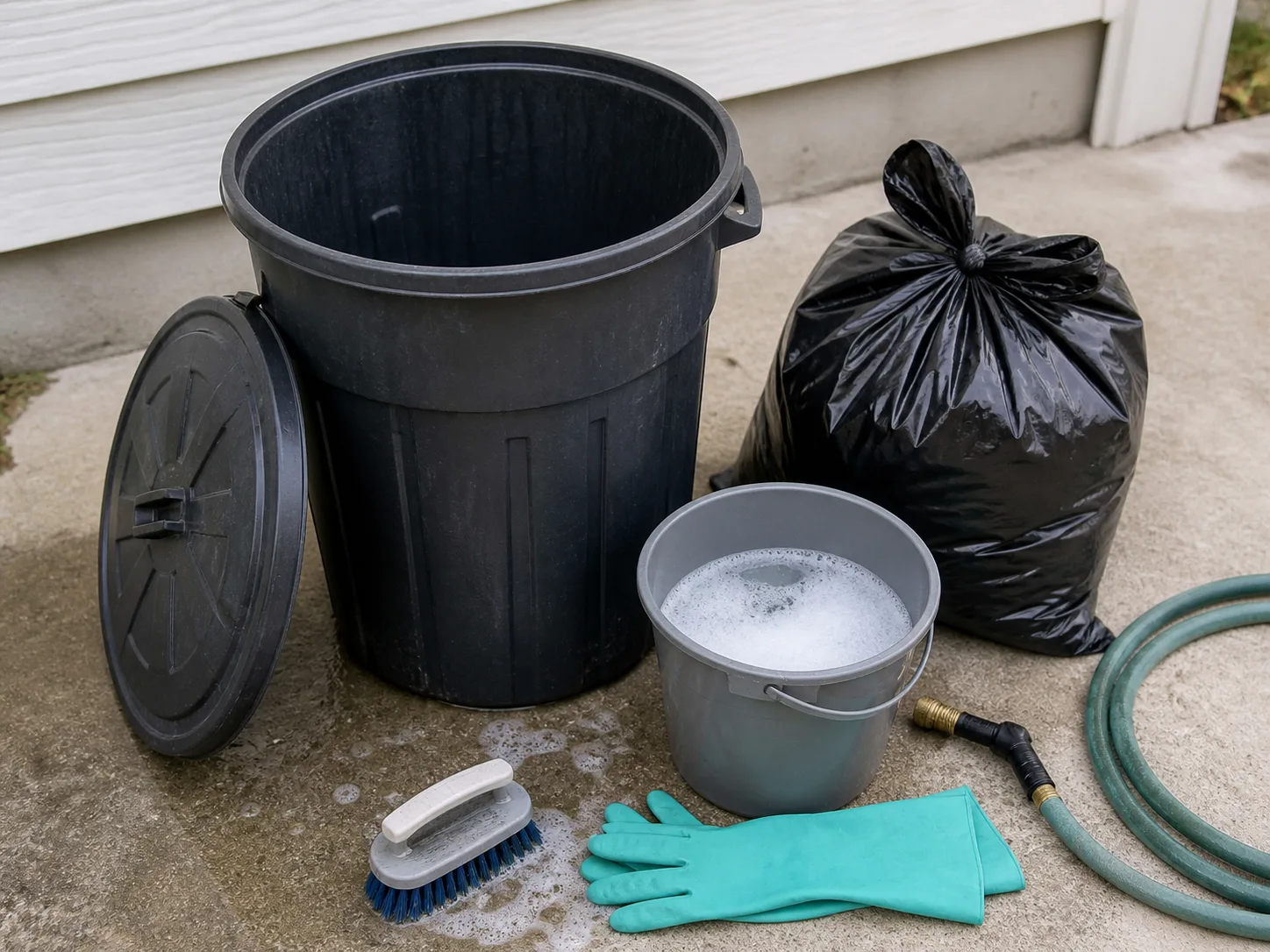
Take the bin outdoors, remove and double-bag the liner, and scrape or wipe out any residue. Wash the inside with hot water and detergent, paying attention to the underside of the rim, lid hinges, wheels, and seams. Rinse, then allow the can to dry completely before adding a new bag. Moisture trapped beneath a liner is an invitation to repeat the cycle.
For future protection, freeze especially wet food scraps until collection day, drain liquids before bagging, and use a tightly closed lid. A thin layer of newspaper or a sealed compostable liner can reduce leakage, but it cannot replace taking the bag out promptly. In warm weather, shorten the interval between kitchen-waste removal and bin washing.
How to tell whether maggots are coming from a drain
Drain-fly larvae live in wet organic film rather than in a normal dry floor area. The adults are small, weak-flying, and fuzzy or moth-like; they usually rest near sinks, tubs, floor drains, and other damp plumbing fixtures. They are different from house-fly larvae in a garbage can and from fungus gnats emerging from potting soil.
Test the drain before treating it
Cover each suspect drain overnight with clear tape, sticky side down, leaving enough opening for emerging adults to contact it. Test the kitchen sink, bathroom sink, shower, floor drain, laundry drain, and any rarely used fixture in the affected room. A positive trap tells you where to inspect; it does not prove that every drain in the house is involved.
If a drain is positive, remove hair and debris and scrub the inside of the drain and overflow with a long-handled stiff brush. Family Handyman’s entomology-informed drain-fly guidance emphasizes removing the organic film where larvae feed and cautions that ordinary cleaners may not reach the breeding layer (Family Handyman). Follow the plumbing fixture manufacturer’s instructions for any enzymatic drain product, and never mix bleach, vinegar, ammonia, or other cleaners.
Does vinegar or salt work?
Vinegar may kill or disable some exposed larvae when poured directly over them, and it can help loosen or deodorize certain residues. A mixture often recommended online is one part vinegar to three parts water, but that ratio should be treated as a cleaning suggestion, not a guaranteed maggot-control formula. Vinegar will not penetrate every fold of a garbage bag or remove a drain’s entire biofilm.
Salt can draw water from exposed soft-bodied insects, but a large amount is needed and the result is slow compared with removal or heat. Do not pour salt into garden soil, compost you plan to use, or a drain connected to plants or sensitive plumbing. In all cases, clean the breeding material after the visible insects are gone.
Why bleach is not a complete solution
Bleach may disinfect a cleaned, compatible hard surface when used according to its label, but it is not a substitute for removing garbage, larvae, eggs, or drain slime. Pouring bleach into an active drain can also create a dangerous mixing risk if vinegar, ammonia, or another cleaner is already present. Never combine cleaning products.
For a bin, physical washing with detergent first is more important than trying to “sterilize” a layer of rotting food. For a drain, mechanical scrubbing and correcting a leak or clog address the habitat. Use disinfectant only where it is appropriate for the surface and label, with ventilation and protective equipment.
Find the hidden breeding source
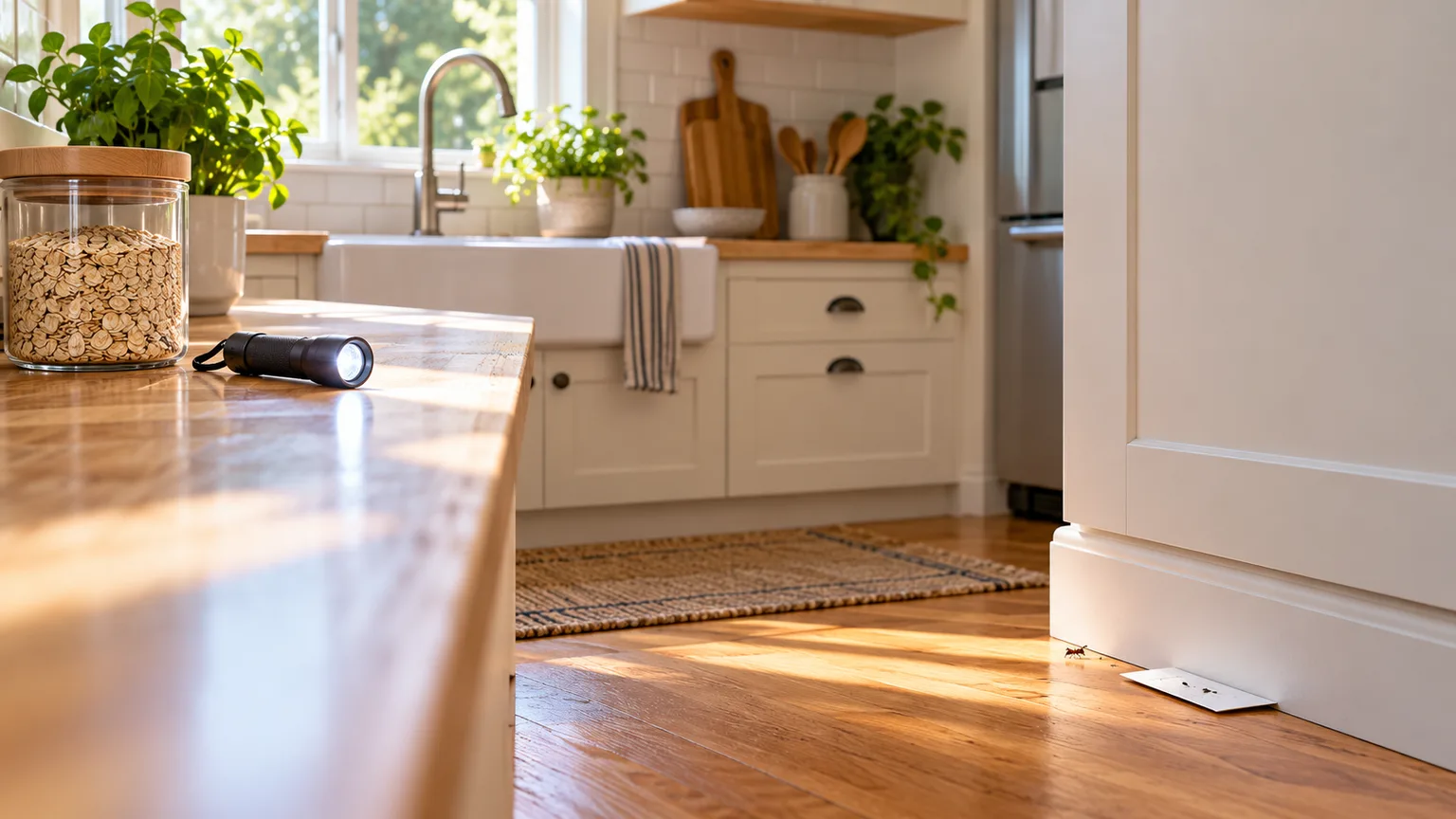
If maggots return after the bin is empty, widen the search. Inspect under the refrigerator and dishwasher, behind an appliance, beneath a pet-food mat, inside a compost caddy, around a floor drain, and in a garage or utility-room bin. Check for a dead mouse or bird in an attic, crawl space, chimney, wall void, or outdoor enclosure if flies appear without an obvious food source.
The pattern gives useful clues. Maggots in a wet garbage bag point to waste handling. Small fuzzy flies near a sink point toward drain biofilm. Larvae in damp potting mix point toward fungus gnats, which need a plant-soil treatment plan rather than a trash-can cleanup. Maggots around an animal wound require veterinary care, not household powder.
Clean and dry the contaminated area
After removal, wash the surface with detergent and water, rinse where appropriate, and dry it. Pay attention to cracks, grout, bin wheels, cabinet bottoms, and the underside of lids. Launder or discard cloths that contacted leaking waste. If the area is porous and remains odorous or damp after cleaning, replace the contaminated absorbent material or have the space assessed.
Do not hide the smell with fragrance. Odor returning within a day or two is evidence that organic matter or moisture remains. A dry, clean surface removes the condition flies need for egg-laying much more effectively than a pile of baking soda left nearby.
Prevent maggots in warm weather
House-fly control starts with sanitation and exclusion. Nebraska Extension identifies sanitation as the mainstay of control, while screening windows and doors and using traps at entry points can reduce the number of flies entering a building (UNL Extension). Virginia Cooperative Extension likewise frames fly management around removing breeding sites and improving waste handling (Virginia Cooperative Extension).
Use this routine:
- Empty wet kitchen waste before it leaks, especially during hot weather.
- Rinse food residue from recycling and let containers dry.
- Keep bin lids closed and wash the can before odor or residue builds up.
- Pick up pet waste promptly and keep outdoor animal areas dry where possible.
- Cover compost, balance wet scraps with dry carbon material, and turn or manage the pile according to its system.
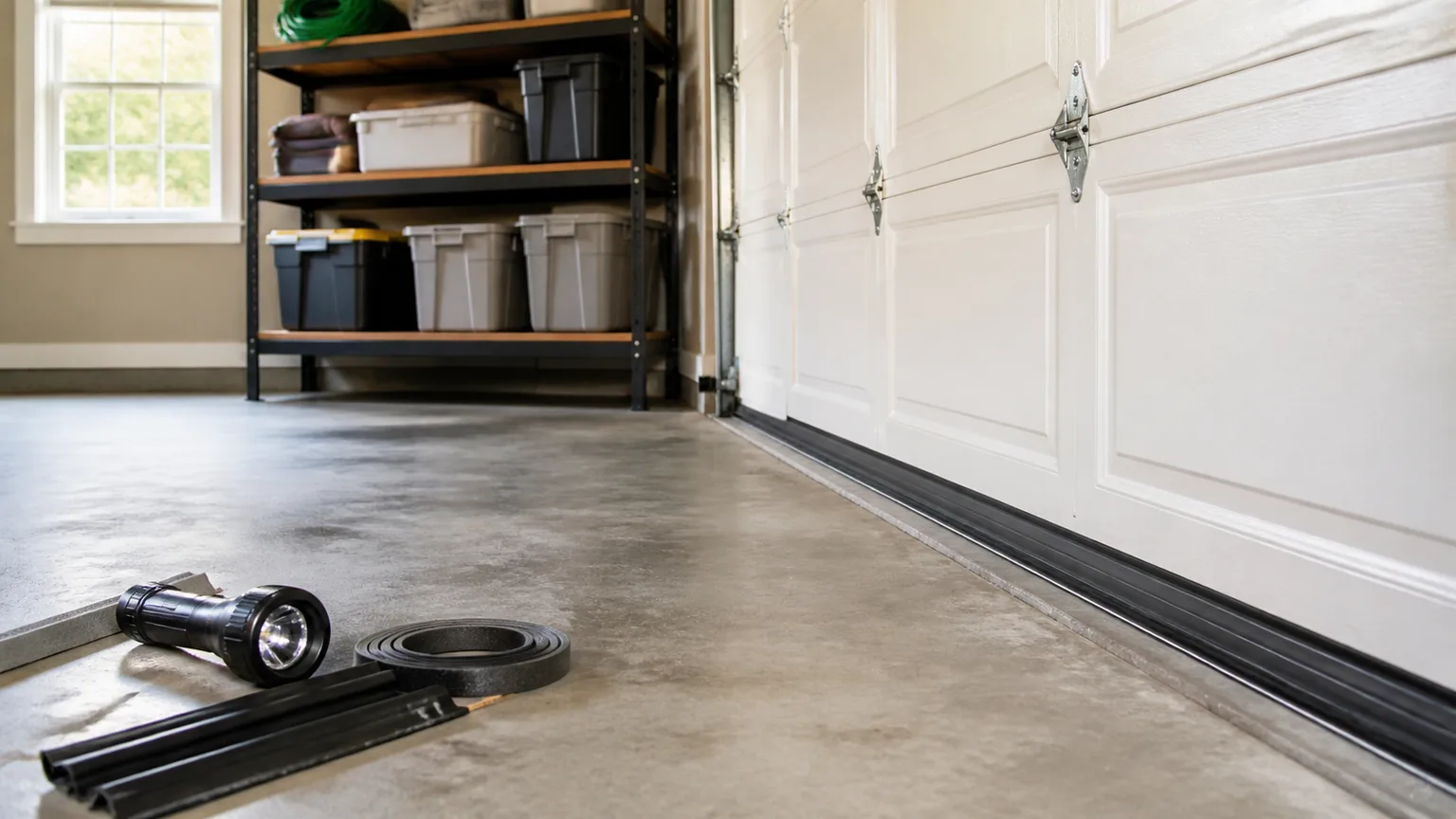
- Repair screens, seal obvious gaps, and keep doors closed near waste or livestock areas.
- Run water through rarely used drains and clean them before a slime layer develops.
When maggots signal a health or pet emergency
Ordinary household maggots in a trash bag are not the same scenario as fly larvae in living tissue. The CDC describes myiasis as infection with fly larvae and notes that some species can invade wounds or other body tissues (CDC). If larvae are in a person’s wound, nose, ear, eye, or mouth, seek medical care rather than applying baking soda, vinegar, or insecticide.
For pets, any larvae in a wound, under matted fur, or near a body opening warrant a veterinarian’s advice. Keep children and animals away from contaminated waste, and contact a clinician if someone has had a significant exposure and develops persistent vomiting, diarrhea, eye irritation, breathing trouble, or a wound that is worsening.
When to call pest control
Call a licensed pest professional when maggots keep returning after the waste source has been removed and the area cleaned, when flies are emerging from a wall or ceiling, or when you suspect a dead animal, sewer problem, or inaccessible void. Food-service businesses, multi-unit buildings, livestock areas, and large infestations also deserve professional assessment because the source may extend beyond one bin or room.
Before the visit, note where you saw larvae, where adult flies gather, what you cleaned, and whether the problem returns on a predictable schedule. Do not spray a mystery insect with several products before the inspection; residues can create safety problems and make the source harder to identify. A professional should explain the target pest, breeding site, treatment, re-entry instructions, and prevention steps.
Conclusion: remove the source, not just the larvae
Baking soda is not the answer most maggot infestations need. It may dry a few exposed larvae, but it is slow, inconsistent, and powerless against the damp organic source that supports the next generation. Gather the visible larvae, seal the waste, wash and dry the area, then identify whether the source is a trash can, drain, pet-waste area, compost pile, dead animal, or something else.
Use hot water only on compatible surfaces and with burn precautions. Treat vinegar and salt as limited household aids, never mix cleaners, and get medical or veterinary help for larvae in living tissue. The lasting fix is simple but not glamorous: remove what flies can breed in, keep waste and plumbing areas dry, and block adult flies from getting back inside.