Does Bleach Kill Bed Bugs? What Actually Works
Bleach may kill an exposed bed bug, but it will not clear hidden eggs or a colony. See the risks, better DIY steps, and when to call a pro.
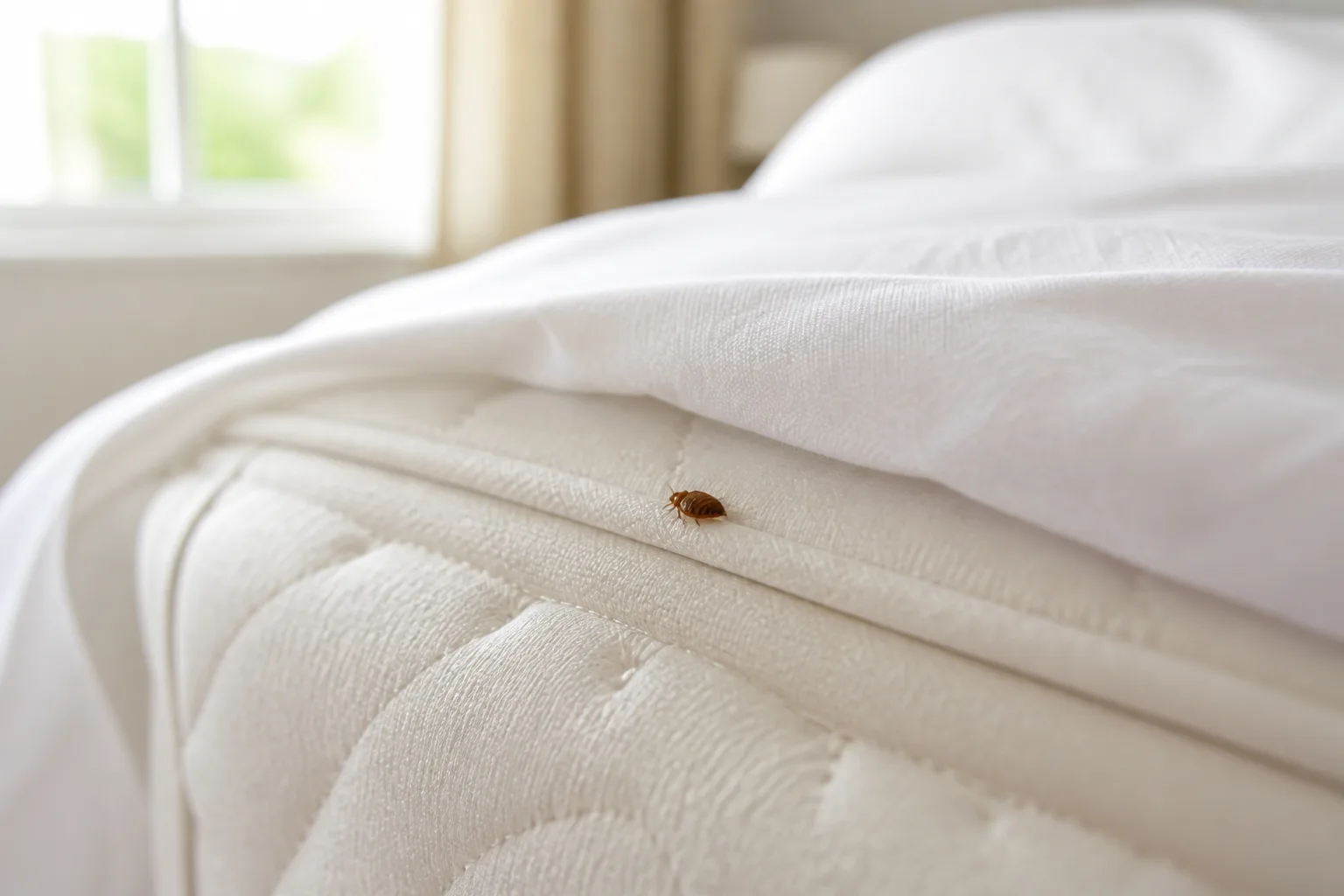
Yes—wet bleach can kill an individual bed bug when sodium hypochlorite thoroughly coats that insect. No—spraying bleach around a bedroom will not reliably eliminate a bed bug infestation. Most bugs and eggs sit in mattress seams, box-spring folds, screw holes, and wall gaps where liquid cannot reach, and dried bleach leaves no dependable residual barrier. Bleach is a household cleaner and disinfectant, not a registered bed bug treatment—and treating it like one creates false confidence while you still have a hidden population feeding at night.
The useful question is not whether a harsh liquid can kill one visible insect. It is whether your method reaches every life stage in every harborage without damaging the mattress you sleep on or mixing dangerous fumes in a closed room. On that test, bleach fails. The pathway that works stacks containment, high-heat drying for safe textiles, inspection, monitoring, and—when needed—labeled products or professional integrated pest management (IPM) aligned with EPA DIY bed bug control guidance.
The Short Answer: Contact Kill, Not Infestation Control
Bleach’s active ingredient, sodium hypochlorite, is a strong oxidizer. When concentrated liquid stays on a bed bug long enough, it can damage the insect’s cuticle and tissues—similar to how it breaks down organic stains on hard surfaces. That is the entire truth behind “bleach kills bed bugs on contact.” It is also the limit of the claim.
A dried bleach residue on a baseboard does not behave like a labeled residual insecticide. Bed bugs crossing that streak hours later are unlikely to die. Meanwhile, the population you did not wet—adults behind the headboard, nymphs in a nightstand joint, eggs cemented inside a box-spring staple line—continues developing. Purdue University Extension describes bed bug control as combining inspection, nonchemical measures, and carefully chosen pesticides when appropriate because no single spray reaches every stage in every crack (Purdue bed bug control).
What Happens When Bleach Touches a Bed Bug
Direct exposure requires three conditions: the bug must be visible or in a reachable crevice, the liquid must coat the body (not the wall beside it), and the surface must tolerate bleach without ruining fabric, finish, or metal. A 50/50 bleach-and-water mist that evaporates before full contact may annoy but not kill.
Even a successful knockdown is not control. The CDC notes bed bugs are primarily a nuisance pest controlled through inspection and coordinated treatment—not by assuming a household cleaner reached the source (CDC bed bug overview). One dead insect on a sheet is data, not a clearance certificate.
Why One Dead Bug Does Not Clear the Room
Bed bugs are flat, nocturnal, and harbor within a few feet of where people sleep. Females lay eggs in scattered protected spots; eggs hatch in roughly six to ten days under favorable conditions, and nymphs need blood meals to molt through five immature stages before adulthood (NPIC bed bug biology). Killing the one bug you saw leaves that timeline running everywhere you did not look.
Editorial observation (LeafyPixels field note, 2024): A reader described spraying a visible bug on white bedding, feeling relieved, then finding fresh fecal spotting along the box-spring edge two weeks later. The visible kill had bought emotional relief—not population interruption. That pattern is common enough to treat any single dead bug as a prompt to inspect seams and start containment, not to declare victory.
Confirm Bed Bugs Before You Reach for Bleach
Do not spray bleach—or any pesticide—until you have reasonable evidence of Cimex lectularius (the common bed bug). Bites alone are unreliable because skin reactions vary and can mimic other insects, dermatitis, or fabric irritation. Several insects are regularly mistaken for bed bugs, including carpet beetles, bat bugs, swallow bugs, fleas, and small cockroach nymphs.
ID Clues Beyond Bites
Look for a combination of physical evidence: a flat, reddish-brown adult about apple-seed size; pale nymphs; pearly eggs or empty shells; shed skins; and black or rust-colored fecal spotting along mattress piping, headboards, and furniture joints. Capture a specimen in clear tape or a sealed container when possible, and photograph it beside a ruler in good light.
If identification is uncertain, compare your specimen against our guide to bugs that look like bed bugs before committing to chemical treatment. Misidentification wastes time and can mean spraying the wrong surfaces while the real pest goes untreated.
Do not relocate to another bedroom out of panic. Sleeping elsewhere can spread bugs along luggage routes or establish a second harborage. Keep the bed in place while you build a plan unless a qualified professional directs otherwise. In rental or multi-unit housing, notify the landlord or property manager promptly—bed bugs move through wall voids and shared utilities (NPIC bed bug control).
Why Bleach Sprays Fail Even When You See Dead Bugs
The failure modes are predictable. Understanding them prevents the two most expensive DIY mistakes: soaking a mattress and interpreting knockdown as eradication.
Harborages, Eggs, and Zero Residual
Bed bugs hide in seams, folds, outlet plates, picture frames, and clutter within the “bed bug triangle” near the sleeping host. A surface spray wets the open side of a mattress or the face of a baseboard; it rarely penetrates behind staples, inside hollow bed frames, or through intact upholstery. Flooding those areas creates a corrosive, difficult-to-rinse mess without proving insects inside were exposed.
Eggs are glued to rough surfaces and are harder to dislodge than adults. Direct bleach contact may damage an egg that is thoroughly coated, but homeowners cannot see or reach every egg in a room. NPIC emphasizes that many insecticides struggle with eggs and that repeat monitoring is essential because a second treatment window is often needed (NPIC bed bug control).
Once bleach dries, it does not provide the labeled residual barrier professional programs rely on. Purdue cautions that bed bug populations can be resistant to multiple insecticide classes, which is why chemical-only strategies often fail even when products are legal and correctly applied (Purdue bed bug control). Bleach, which is not formulated or registered for this pest, performs worse on every axis except visible knockdown of soaked insects.
Scatter Risk and False Confidence
Strong odors, moisture, and disturbing harborages can change where bed bugs spend the day—even when you are not using a registered pesticide. NPIC notes that pesticides can make bed bugs scatter deeper into wall voids and neighboring rooms, complicating later inspection (NPIC bed bug control). Repeated bleach spraying along baseboards and furniture can produce a similar displacement: bugs retreat from treated surfaces into outlets, curtain rods, or adjacent units while you interpret a few dead insects as progress.
False confidence is the psychological trap. You see corpses; you assume the room is safe; you unbag laundry or skip monitoring. Two to three weeks later, nymphs from untouched eggs begin feeding. The EPA’s DIY bed bug guidance stresses inspection, monitoring, and follow-up rather than one-pass spraying (EPA DIY bed bug control).
| Failure mode | What it looks like | Why bleach does not fix it |
|---|---|---|
| Hidden harborages | Spotting along seams you cannot soak | Liquid does not penetrate voids |
| Egg restart | Activity returns after 10–21 days | Unreached eggs hatch on schedule |
| No residual | Bugs cross dried bleach safely | Oxidizer breaks down after drying |
| Scatter | Activity shifts to outlets or couch | Disturbance pushes bugs deeper |
| False confidence | You stop bagging and monitoring | Knockdown ≠ population elimination |
Bleach Safety Indoors: Mixing, Fumes, Mattresses, Poison Control
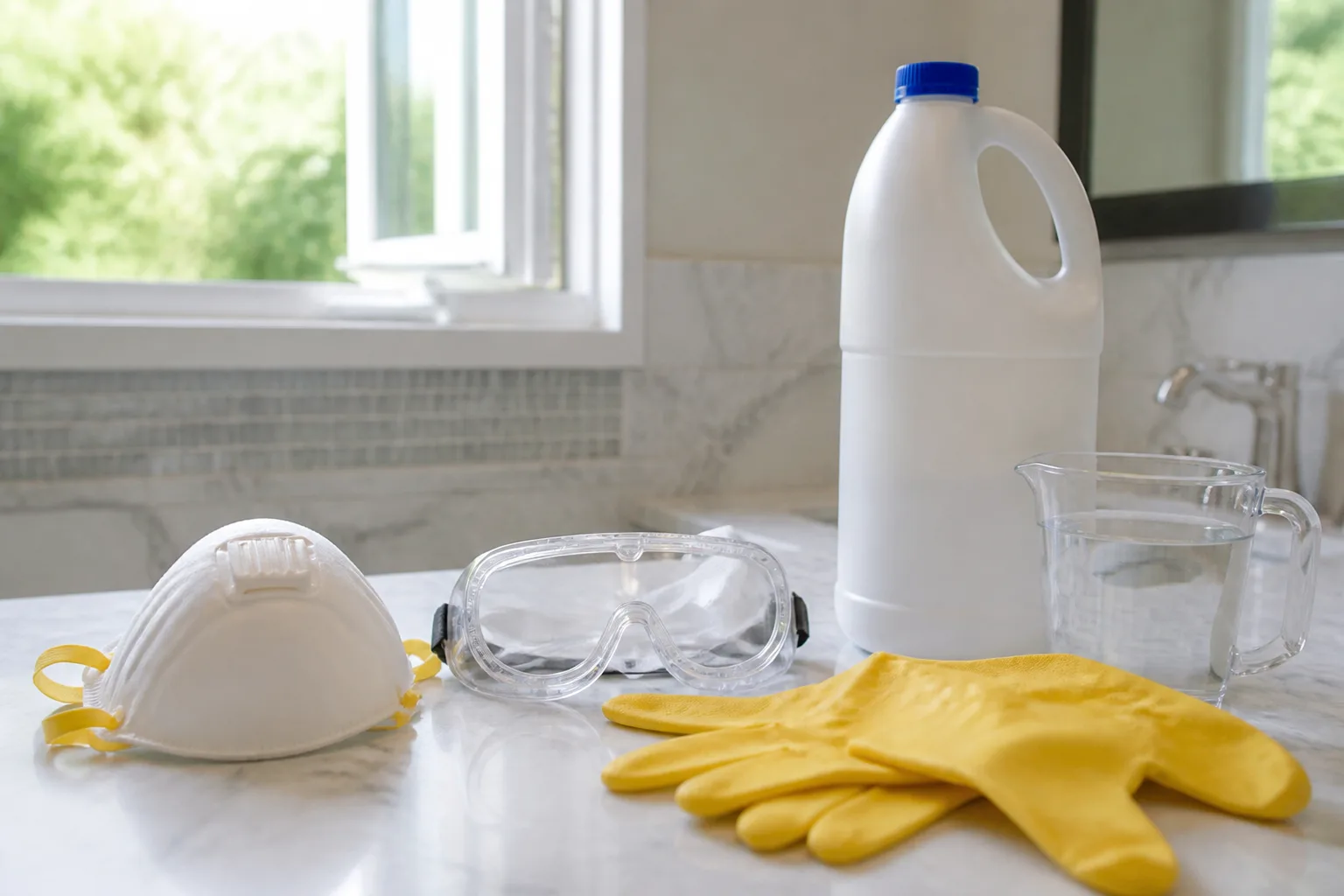
Bleach is familiar, which makes it easy to underestimate. Indoors, the risks are inhalation, skin and eye irritation, surface damage, and catastrophic chemical mixing—especially when panic leads people to combine “one more product” in the same room.
Never mix bleach with ammonia, vinegar, toilet-bowl cleaners, acids, or other cleaners. Chlorine gas and other toxic fumes can form rapidly. If you already mixed products and fumes are strong, leave the area immediately, get fresh air, keep others away, and call Poison Control at 1-800-222-1222 (U.S.) or use the NPIC exposure guidance for situation-specific steps. Ventilation does not make an unsafe mixture safe.
Chlorine bleach discolors fabric, weakens fibers, corrodes some metals, and damages wood finishes. A mattress is the worst target: porous, hard to rinse, and pressed against skin and airways for hours each night. Outdoor bleach formulations and high-concentration pool products are especially inappropriate indoors. Wear gloves and eye protection only for label-approved cleaning tasks—they do not make mattress spraying sensible.
A Disinfectant Label Is Not a Bed Bug Treatment
A product registered as a disinfectant is not automatically a legal or effective bed bug insecticide. EPA regulates pesticides by intended use; applying a cleaner outside its label is illegal, can increase exposure, and still will not reach hidden populations (EPA regulation of bed bug pesticides). If you need chemical control, choose an EPA-registered product whose current label lists bed bugs and the exact site you plan to treat—our best bed bug sprays guide walks through label-first selection.
For comparison, rubbing alcohol also kills on contact but adds flammability risk when misted on bedding. Neither alcohol nor bleach replaces heat, encasements, or professional IPM for established infestations.
If You Already Used Bleach: Stop, Ventilate, Recover
Stop applying product. Open windows or doors if you can do so without staying in irritating fumes, keep children and pets away from wet surfaces, and do not layer insecticides, ammonia cleaners, acids, or fragrance products over bleach residue.
Assess exposure and damage separately. Breathing difficulty, persistent eye pain, vomiting, or suspected ingestion warrants medical care and a Poison Control call (1-800-222-1222). For textiles or a mattress that absorbed bleach, follow manufacturer care instructions; additional bleach will not retrieve the fabric and may worsen off-gassing in foam layers.
Editorial observation (LeafyPixels field note, 2025): After a light bleach mist on mattress ticking left a stiff, discolored patch and a chemical smell that lingered two days, the household abandoned further spraying, bagged bedding at the bed, and ran a high-heat dryer cycle before installing encasements. Activity declined over follow-up weeks—not because bleach “worked,” but because containment and heat replaced a damaging false start. Your timeline will vary; the principle is to switch methods, not double down.
Then return to evidence: capture a specimen if possible, flashlight-inspect seams and the box spring, and begin the containment sequence below. If you mixed bleach with vinegar or another acid, treat that as an emergency ventilation event first—chlorine gas exposure is not a wait-and-see situation.
Do This Instead Today: Bag, Dry, Inspect, Monitor
The first day is about preventing spread and collecting information, not emptying bleach into every crack. Full IPM sequences for steam, encasements, and labeled products are covered in our cluster guides; here is the bleach-stopgap replacement.
Bag where items are found. Do not carry loose laundry through the house. Place clothing, sheets, and dryer-safe items directly into sealed bags. Sort at the bed, not on a hallway floor.
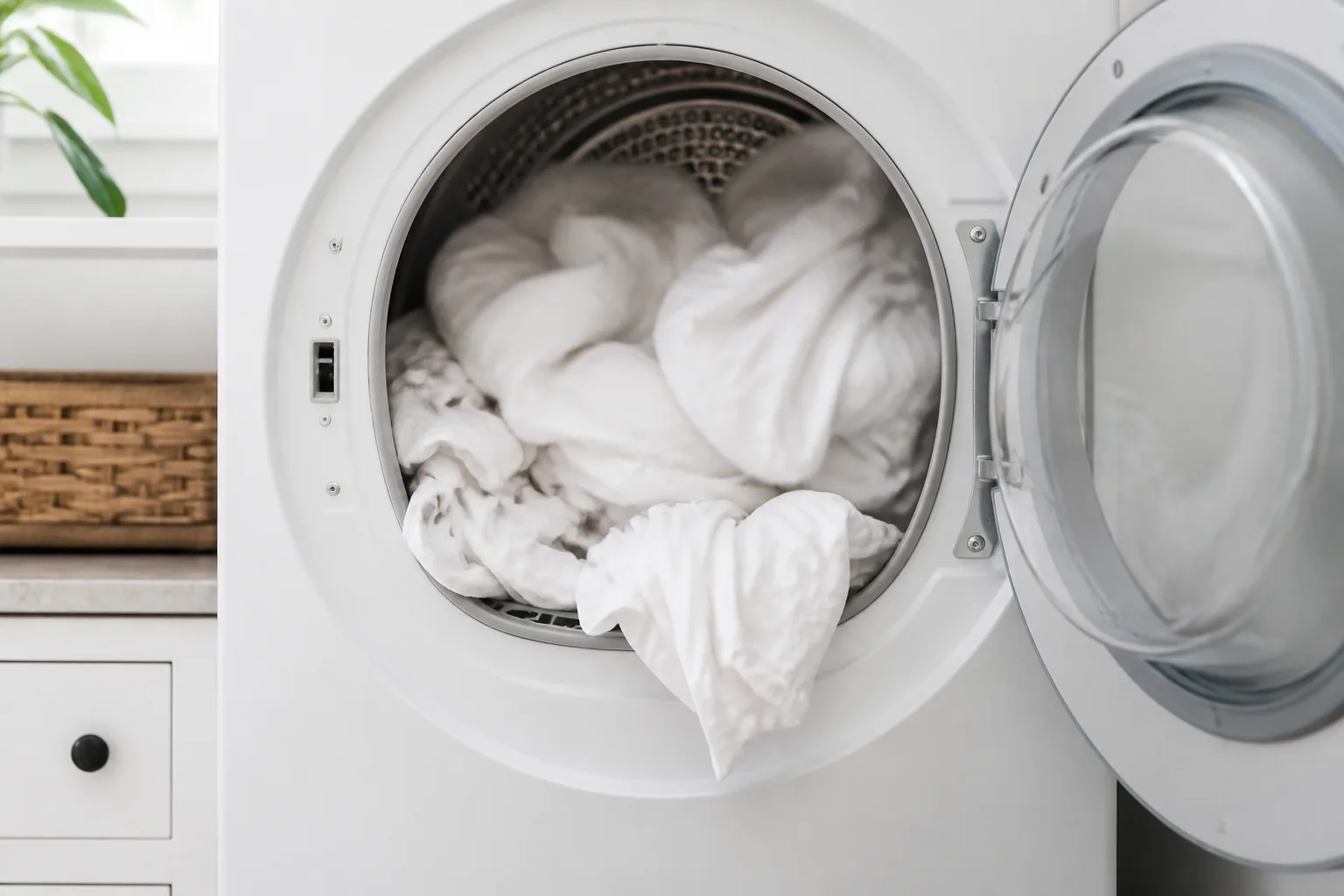
Dryer-first for safe textiles. Washing helps, but high heat in the dryer is the dependable kill step for dryer-safe fabrics. Purdue advises hot wash water when practical, then high heat for at least 20 to 45 minutes depending on load and appliance, followed by sealed storage until the problem is controlled (Purdue treatment preparation). NPIC recommends 30 minutes on high heat for bedding and clothing (NPIC bed bug control). Do not overfill the drum—heat must reach the center.
Inspect and vacuum seams with a crevice tool along mattress piping, bed-frame joints, and baseboards. Vacuuming removes some bugs but is not proof of eradication; seal and discard vacuum contents outside the living area.
Monitor, do not relocate sleeping. Pull the bed slightly from the wall, keep bedding off the floor, install bed-leg interceptors when compatible, and log what you find weekly. Interceptors are monitors, not cures—they show whether activity is declining or shifting.
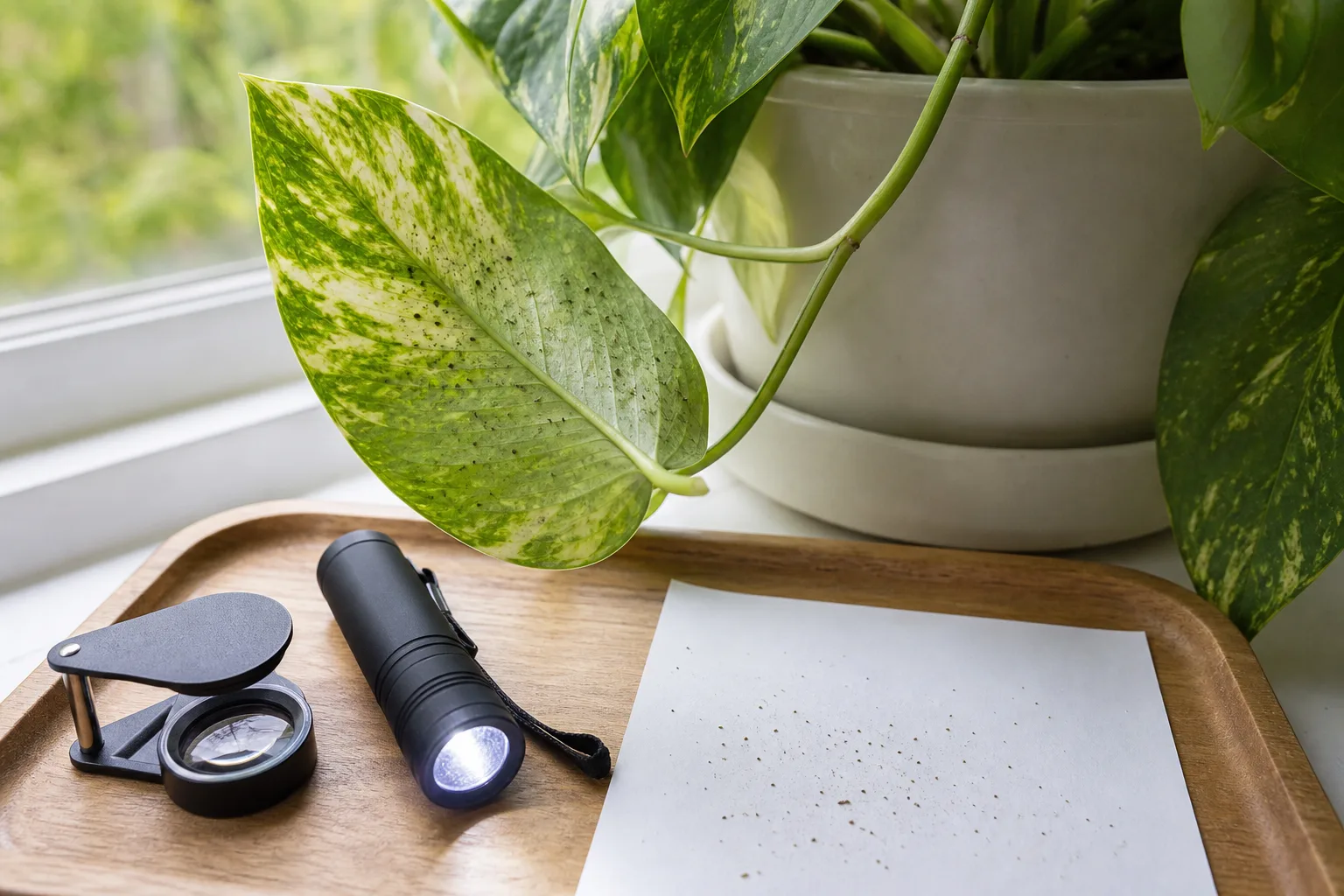
For deeper nonchemical steps—encasement duration, steam temperature thresholds, diatomaceous earth in dry cracks—see does diatomaceous earth kill bed bugs and does baking soda kill bed bugs for what those products can and cannot do. Avoid repeating long generic IPM blocks on every page; pick the tool that matches your situation.
Bleach vs Heat vs Labeled Spray vs Professional IPM
| Method | Reaches hidden bugs? | Kills eggs reliably? | Residual control? | Safety / practicality |
|---|---|---|---|---|
| Bleach spray | No—surface and visible cracks only | No—eggs in voids remain | None after drying | Fumes, mixing risk, mattress damage, false confidence |
| High-heat dryer | Only for dryer-safe textiles | Yes when heat penetrates load | None—reinfestation possible | Among safest DIY steps for clothing and bedding |
| EPA-labeled spray | Targeted cracks if label allows | Partial—often needs follow-up | Some products offer residual | Must follow label; resistance common; foggers discouraged |
| Professional IPM | Yes—multi-method inspection and treatment | Yes when program includes heat, steam, or repeat chemical passes | Varies by plan | Best for multi-room, multi-unit, or repeat failure |
Heat treating whole rooms requires trained operators; laundering and drying are the homeowner-accessible slice of heat control. Purdue notes professional whole-room heat must hold lethal temperatures long enough in cracks—roughly 49–52°C (120–125°F) with low humidity for 20–30 minutes in treated zones (Purdue bed bug control). Retail steamers often fail to deliver that consistently on mattress tufts.
The EPA’s top ten tips to prevent or control bed bugs emphasize cleaning, clutter reduction, encasements, and careful pesticide use—not household bleach. When chemicals are part of your plan, read the label, avoid foggers that scatter bugs, and schedule follow-up inspection 10–21 days after treatment to catch eggs that survived the first pass (Purdue bed bug control).
When DIY Containment Works—and When to Call a Pro
DIY containment is reasonable after one credible sighting when you can bag laundry, heat-treat textiles, inspect the bed, and monitor interceptors without improvising more chemicals. It is also reasonable while arranging professional inspection if you live alone, the problem appears localized, and you can follow preparation instructions.
Call a qualified pest management professional promptly when you find bugs in more than one room, see repeat activity after bagging and drying, live in multi-unit housing, cannot safely heat belongings, or have occupants with respiratory disease, infants, or chemical sensitivities. Escalate sooner if identification is uncertain or bites are causing skin complications—a clinician can treat the skin; entomology or a pro can treat the pest.
Ask what preparation is required, which methods (heat, steam, residual, dust) are planned, and how follow-up success will be measured. Credible programs inspect and monitor; they do not promise one spray fixes everything. Compare DIY contact killers with professional IPM before pouring more bleach—rubbing alcohol shares the same contact-kill ceiling with added fire risk, and neither substitutes for a coordinated plan.
Conclusion
Bleach can kill a bed bug it directly wets, but that fact is dangerously easy to misread. It does not reach hidden populations or eggs, leaves no useful residual, can scatter activity while you feel falsely safe, and poses serious mixing and inhalation risks—especially on mattresses. If exposure occurred, ventilate and contact Poison Control (1-800-222-1222) when symptoms or mixed products are involved.
Skip the bleach bottle as an infestation strategy. Confirm the insect—using our lookalike guide if needed—keep the bed in place, bag textiles at the source, run high-heat drying for safe items, inspect seams, add interceptors, and choose labeled products or professional IPM when the evidence warrants it. That pathway is less dramatic than a bleach spray and far more likely to break the egg-to-adult cycle for good.



