The 8 Best Bed Bug Sprays for Home Use
The best bed bug spray depends on your infestation. See eight tested formulas, label-first safety, resistance limits, and when to call a pro.
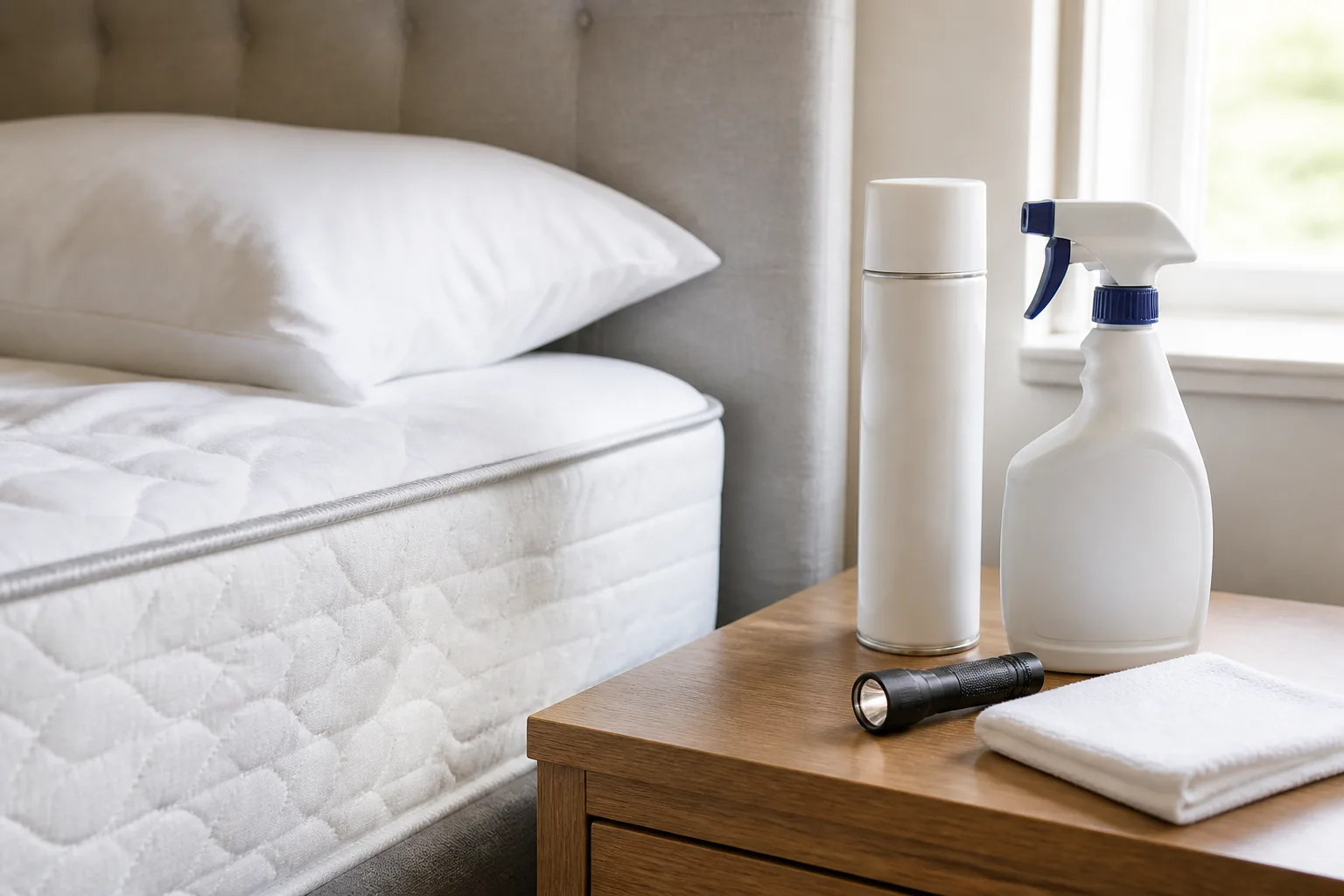
The best bed bug spray is not a single bottle on a shelf. It is the formula whose contact or residual action, surface approval, and resistance profile fit the infestation you can actually reach. A fast knockdown aerosol helps when you are killing visible bugs on a mattress seam today. A gallon wand sprayer helps when you need labeled coverage along baseboards in several rooms. A travel-size natural spray helps when you want a precautionary barrier on luggage—not when you are fighting a pyrethroid-resistant colony at home.
Sprays fail when they are treated as the whole plan. UC IPM’s bed bug guidance is clear that confirmed infestations are difficult even for professionals and that management should combine nonchemical tactics—vacuuming, heat or steam, encasements, and monitoring—with insecticides only where labels allow. NPIC adds that many populations are resistant to common pesticides, that bug bombs do not work for bed bugs, and that daily spot spraying can grow resistant populations. Read those limits first, then choose a product.
Quick Verdict: Match the Spray to the Job
| Your situation | Start with | Why | Main limit |
|---|---|---|---|
| A few live bugs on a mattress seam or headboard | Contact or dual-action aerosol (Bedlam Plus, Harris) | Fast knockdown on visible insects | Does not reach hidden harborages alone |
| Baseboards and cracks across multiple rooms | Residual or dual-action with wand/gallon format (Ortho Home Defense Max) | Efficient perimeter and crevice coverage | Shorter residual than some aerosols; label sites only |
| Tight cracks and crevices | Foaming spray (Raid Bed Bug Foaming) | Foam expands into gaps | Often not pet-safe until dry; not a room fogger |
| Upholstered sofa or chair | Water-based, odorless trigger spray (Hot Shot) | Non-staining on many water-safe fabrics | Limited listed residual; avoid saturation |
| Low odor, long residual on frames and floors | Harris Toughest or similar labeled residual aerosol | Weeks of surface activity when bugs cross treated areas | Aerosol volume may be small for whole home |
| Natural ingredients, sheets, or frequent reapplication | Premo Guard or EcoLogic | Plant-based contact knockdown | Weaker or unlisted residual; scent on some formulas |
| Hotel or luggage precaution | Eco Defense travel size | Portable, often labeled for luggage and fabric | Not positioned for resistant strains at home |
If you are unsure whether you have bed bugs, confirm identification before buying pesticide. Bites alone are not diagnostic; stains, shed skins, and live insects in seams matter. Our guide to bugs that look like bed bugs walks through common misidentifications.
Contact vs Residual Bed Bug Sprays
Contact sprays are designed to kill bed bugs on direct hit. They disrupt the nervous system quickly and are useful when you see live insects, fresh fecal spots, or eggs in an accessible seam. Residual sprays leave an active film on treated surfaces so bugs that walk across the residue later can die. Some products combine both modes; that is why dual-action formulas dominate serious DIY shortlists.
When Contact Sprays Help
Contact sprays fit active, visible infestations and spot treatment of harborages you can aim at: mattress tufts, box-spring corners, headboard joints, and the first inch of baseboard beside the bed. They are also the right tool when you need to kill an insect you are watching rather than hoping it crosses a treated zone overnight.
The trade-off is reach. Bed bugs hide in screw heads, electrical faceplates, picture frames, and clutter edges. A contact spray only affects bugs and eggs it actually touches. NPIC notes that insecticides often do not kill all eggs, so a second treatment after nymphs hatch is commonly necessary. Contact work alone rarely ends an established infestation.
When Residual Sprays Help
Residual sprays are applied to surfaces bugs are likely to cross: baseboard cracks, bed frame joints, the underside of nightstands, and labeled portions of box springs—not the open sleeping surface unless the label explicitly allows it. They work slowly compared with contact sprays; chlorfenapyr-class residuals may take days to kill, which can feel unsatisfying if you expect instant results.
Residual fields also fail when sprayed broadly on open floors where bugs do not walk, or when surfaces get wet, dusty, or vacuumed away. UC IPM cautions that oils may have little residual action and that pyrethroid resistance is increasingly common. Treat residuals as one layer in a plan that still includes vacuuming, steam, encasements, and follow-up monitoring.
What Bed Bug Sprays Cannot Fix Alone
Total-release foggers and “bug bombs” are not a bed bug strategy. UC IPM states that over-the-counter aerosol foggers have been shown to be ineffective for bed bug control and potentially harmful. They do not penetrate the cracks where bed bugs hide and can push insects into adjacent rooms.
Sprays also cannot replace physical removal and heat. Vacuuming with a crevice tool along seams and baseboards removes bugs and eggs you can reach; the bag or canister contents should be sealed and discarded outside. Steam or heat treatment kills bed bugs and eggs when the temperature penetrates the harborage. Mattress and box-spring encasements trap missed bugs and make future inspection easier. Rubbing alcohol can kill on contact but is not a substitute for a labeled, tested bed bug product on a full infestation.
Finally, sprays cannot overcome resistance and reinfestation. If bugs return after a careful labeled treatment, you may be dealing with resistant insects, missed harborages, adjoining units, or used furniture reintroducing bugs—not the wrong brand name on the bottle.
The 8 Best Bed Bug Sprays
The picks below mirror common retail availability and distinct jobs. Prices change; treat label language, active ingredients, and site approvals as the authority. “Best” means best fit for a defined task, not guaranteed elimination.
Best Overall — MGK Bedlam Plus
MGK Bedlam Plus Fast-Acting Bed Bug Spray is a dual-action aerosol that kills on contact and leaves a water-based residual on labeled sites. It is widely used for mattress seams, box springs, and water-safe carpets because the formula is marketed as non-staining when used as directed. The combination of knockdown plus roughly two weeks of residual activity on treated surfaces addresses both the bug you see and the one that emerges from a seam later.
Bedlam Plus is also positioned against pyrethroid-resistant bed bug strains, which matters because resistance is common in many U.S. populations. The foaming aerosol pattern helps cover cracks and crevices compared with a flat mist. It is not a natural formula; keep children and pets out until surfaces dry and ventilation completes, per the label.
Application type: aerosol | Typical size: 17 oz | Listed residual: up to about two weeks on labeled surfaces
Best for: localized active infestations on beds and frames where you want contact plus short residual in one can.
Skip if: you need odorless whole-home volume, a strictly plant-based formula, or gallon-scale perimeter treatment.
Best Budget — EcoLogic Safe Aerosol Bed Bug Killer
EcoLogic Safe Aerosol Bed Bug Killer targets shoppers who want a lower-cost contact spray with plant-derived actives such as lemongrass and cornmint oil. It kills on contact, including some marketing claims around pyrethroid-resistant insects and eggs, and is positioned as safer around kids and pets when used as directed.
The honest limit is duration. This is primarily a knockdown product without a strong listed residual window, so reapplication is likely during an active infestation. The scent is lemon-forward and noticeable; it is not the pick for odor-sensitive bedrooms. Pair it with vacuuming, encasements, and—if needed—a separate residual or dust for voids rather than expecting one $11 can to end a widespread problem.
Application type: aerosol | Typical size: 14 oz | Listed residual: not emphasized
Best for: spot contact treatment and budget-conscious first response in a small area.
Skip if: you need weeks of residual protection or cannot tolerate fragrance.
Best Odorless — Harris Toughest Bed Bug Killer
Harris Toughest Bed Bug Killer (aerosol) combines contact kill with one of the longest marketed residual periods among consumer aerosols—often cited around 16 weeks on labeled surfaces. It is odorless and non-staining on many sites, which makes it easier to treat bed frames, floorboards, and luggage areas without leaving a perfume cloud in a bedroom.
Harris markets EPA registration and efficacy against eggs and pyrethroid-resistant bugs on the current label. Practical downsides include a relatively small can for whole-home work and occasional complaints about nozzle leakage. For large perimeter jobs, a gallon product may be more economical even if residual duration differs.
Application type: aerosol | Typical size: 16 oz | Listed residual: up to about 16 weeks
Best for: odor-sensitive users who want long residual on frames, floors, and travel gear.
Skip if: you need maximum volume per dollar for multi-room baseboards.
Best Whole-House — Ortho Home Defense Max Bed Bug Killer
Ortho Home Defense Max Bed Bug Killer with Comfort Wand is the gallon-format answer when you need labeled indoor coverage across baseboards, carpet edges, furniture voids, and multiple rooms. The comfort wand offers adjustable spray patterns, which helps direct product along a baseboard crack versus a broad floor fan.
Ortho positions the formula as safe for people and pets after it fully dries, odorless, and effective against multiple life stages. Marketing often suggests reapplication about every two weeks, implying shorter residual than Harris but far more coverage per bottle. It is a synthetic insecticide product—not a botanical—and should be kept off open sleeping surfaces unless the label permits.
Application type: wand sprayer | Typical size: 1 gallon | Listed residual: often about two weeks between applications
Best for: perimeter and multi-room treatment with one purchase.
Skip if: you only need a mattress seam touch-up or want a compact travel bottle.
Best Eco-Friendly — Premo Guard Bed Bug Killer Spray
Premo Guard Bed Bug Killer Spray is a plant-enzyme and citric-acid trigger spray marketed as scent-free, non-staining on water-safe surfaces, and safe around kids and pets when dry. It fits shoppers who want to treat mattresses, sofas, and bedding areas without conventional pyrethroid odor.
Premo Guard is strongest as a contact treatment for small to medium outbreaks or as a preventive wipe-down during cleaning. It does not emphasize a long residual field, so do not treat it like a months-long barrier product. For entrenched resistant populations, combine with monitoring, encasements, and possibly a labeled residual or diatomaceous earth in voids where the label allows dusts.
Application type: trigger spray | Typical size: 16 oz | Listed residual: not listed
Best for: natural-contact treatment on mattresses and upholstery during an active cleanup.
Skip if: you need proven long residual or documented resistant-strain performance.
Best Foam — Raid Bed Bug Foaming Spray
Raid Bed Bug Foaming Spray expands into tight gaps—baseboard edges, floorboard seams, and narrow headboard joints—where a flat spray mist might not coat the hiding surface. It kills on contact, targets eggs on labeled sites, and advertises continued activity for about four weeks on treated areas.
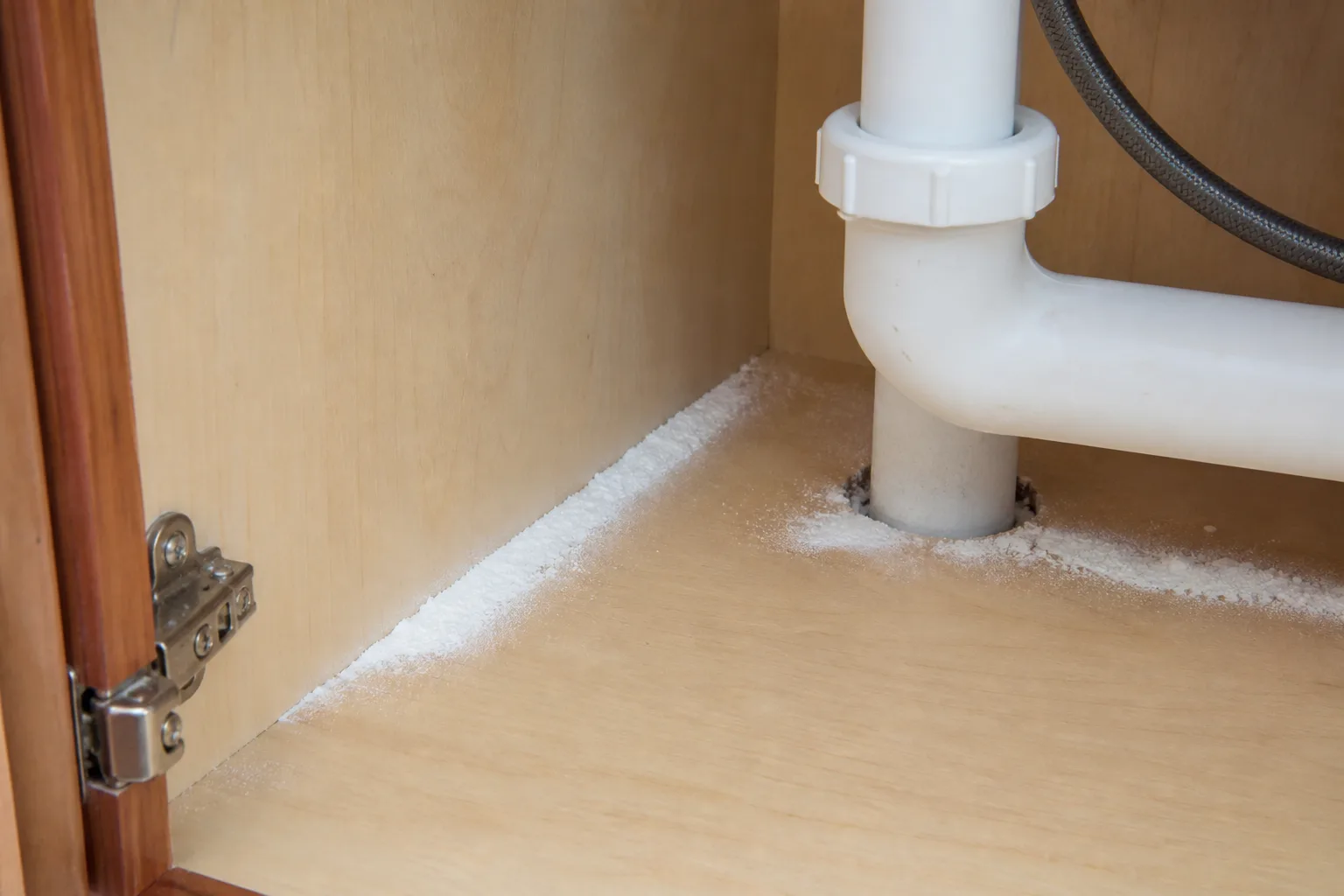
Foam also shows you where product landed, which reduces accidental double-spraying on open carpet. Raid’s formula is not marketed as natural, and labels typically require keeping pets and children away until dry. Use it as a crevice tool, not as room fogger, and avoid electrical outlets except as the label allows around edges.
Application type: foaming aerosol | Typical size: 16.5 oz | Listed residual: about four weeks
Best for: crack-and-crevice coverage along baseboards and bed frames.
Skip if: pet-safe natural contact is required or you need maximum residual length.
Best for Upholstery — Hot Shot Ready-to-Use Bed Bug Killer Spray
Hot Shot Ready-to-Use Bed Bug Killer Spray is a water-based, odorless trigger formula aimed at sofas, mattress seams, and other water-safe upholstery. It kills multiple life stages on contact and also lists fleas and dust mites on some labels, which can matter in multi-pest clutter zones.
The critical application rule is damp, not soaked. Saturating cushions drives residue deep where drying is slow and may damage foam. Hot Shot does not emphasize long residual, so think contact-plus follow-up. Keep pets and kids off treated upholstery until fully dry; the product is not positioned as pet-safe on all labels.
Application type: trigger spray | Typical size: 32 oz | Listed residual: not emphasized
Best for: water-safe upholstered furniture and large trigger-bottle volume.
Skip if: you need child-and-pet-safe marketing claims or months of residual activity.
Best for Travel — Eco Defense Bed Bug Spray Travel Size
Eco Defense Bed Bug Spray Travel Size is a 3 oz portable pump for luggage seams, hotel headboards, and fabric surfaces when you want a plant-based contact spray on the go. It is marketed as non-staining and safe around kids and pets when used as directed, with biobased ingredient positioning.
Treat travel sprays as prevention and peace of mind, not as proof against every resistant strain. Many travel formulas emphasize contact kill without residual claims or pyrethroid-resistant coverage. Spray luggage zippers and exterior panels before travel and inspect rooms before unpacking; do not substitute a travel bottle for home treatment of an established infestation.
Application type: press pump | Typical size: 3 oz | Listed residual: not listed
Best for: luggage and hotel precaution when you want a small natural-contact spray.
Skip if: you are treating a home infestation, especially one that may be insecticide-resistant.
How to Apply Bed Bug Spray in the Right Order
Step 1 — Confirm and isolate. Verify bed bugs or hire an inspector if stains and bites are ambiguous. Reduce clutter within about ten feet of the bed so harborages are visible. Penn State Extension emphasizes cooperation with landlords in rentals and careful planning before pesticides.
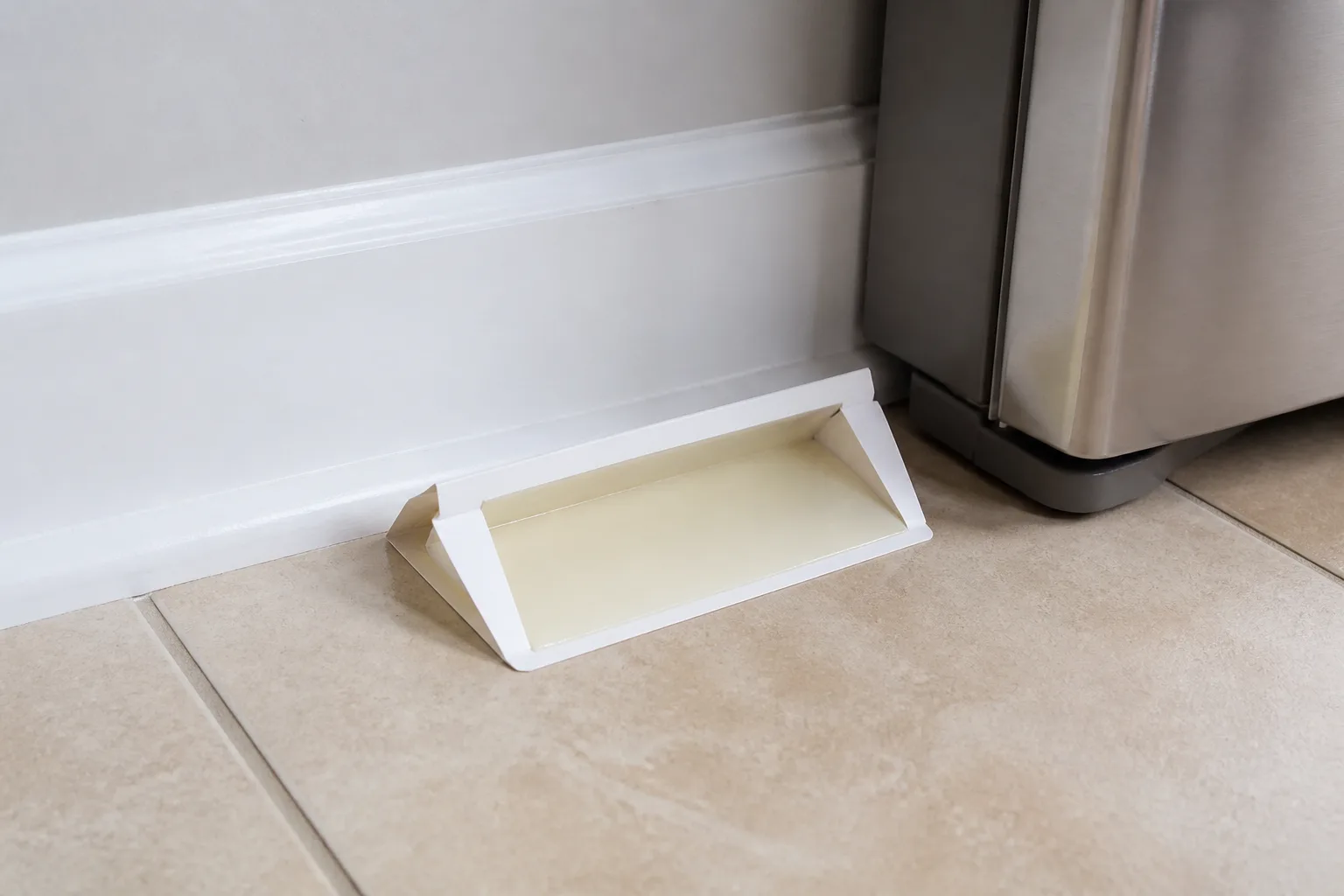
Step 2 — Monitor. Place interceptors or glue monitors under bed legs and along suspected routes before and after treatment so you can tell whether activity is dropping. Monitors do not eliminate infestations, but they show whether your plan is working.
Step 3 — Nonchemical first. Vacuum seams, baseboards, and furniture edges; seal and discard contents outside. Steam labeled sites where heat can penetrate. Install encasements on mattresses and box springs. Wash and dry bedding and clothing on a hot cycle.
Step 4 — Read the label before you buy. NPIC advises reading the label before purchase. Confirm the product is registered for bed bugs, for your intended site (mattress seam versus carpet versus luggage), and for indoor use. Use EPA’s bed bug product search when you need to verify registration.
Step 5 — Apply precisely, not generously. Target cracks, seams, joints, and labeled furniture areas. Do not spray open sleeping surfaces unless the label allows. Do not spray into outlets. Avoid daily random spot treatments; NPIC warns this can worsen resistance and dispersal.
Step 6 — Repeat and evaluate. Plan for a second treatment window to address eggs that hatch after the first pass. Continue monitoring for at least two weeks after activity appears to stop.
Ingredients, Resistance, and What Actually Kills Eggs
Pyrethrins and pyrethroids (permethrin, bifenthrin, deltamethrin, cyhalothrin) remain common in consumer sprays because they knock down quickly. UC IPM notes that some bed bug populations are resistant, so a pyrethroid-only strategy may fail even when the marketing copy sounds confident.
Chlorfenapyr (Phantom-class products) works as a slower residual that bugs do not detect immediately; professionals and advanced DIY kits often pair knockdown sprays with this type of residual. Insect growth regulators such as hydroprene affect reproduction and development but do not replace contact work on adults.
Botanical oils (lemongrass, cornmint, citric acid blends) can kill on contact and appeal to sensitive households. UC IPM cautions that oils often have limited residual activity compared with synthetics. Verify resistant-strain claims on the specific label; travel naturals may not list resistant coverage.
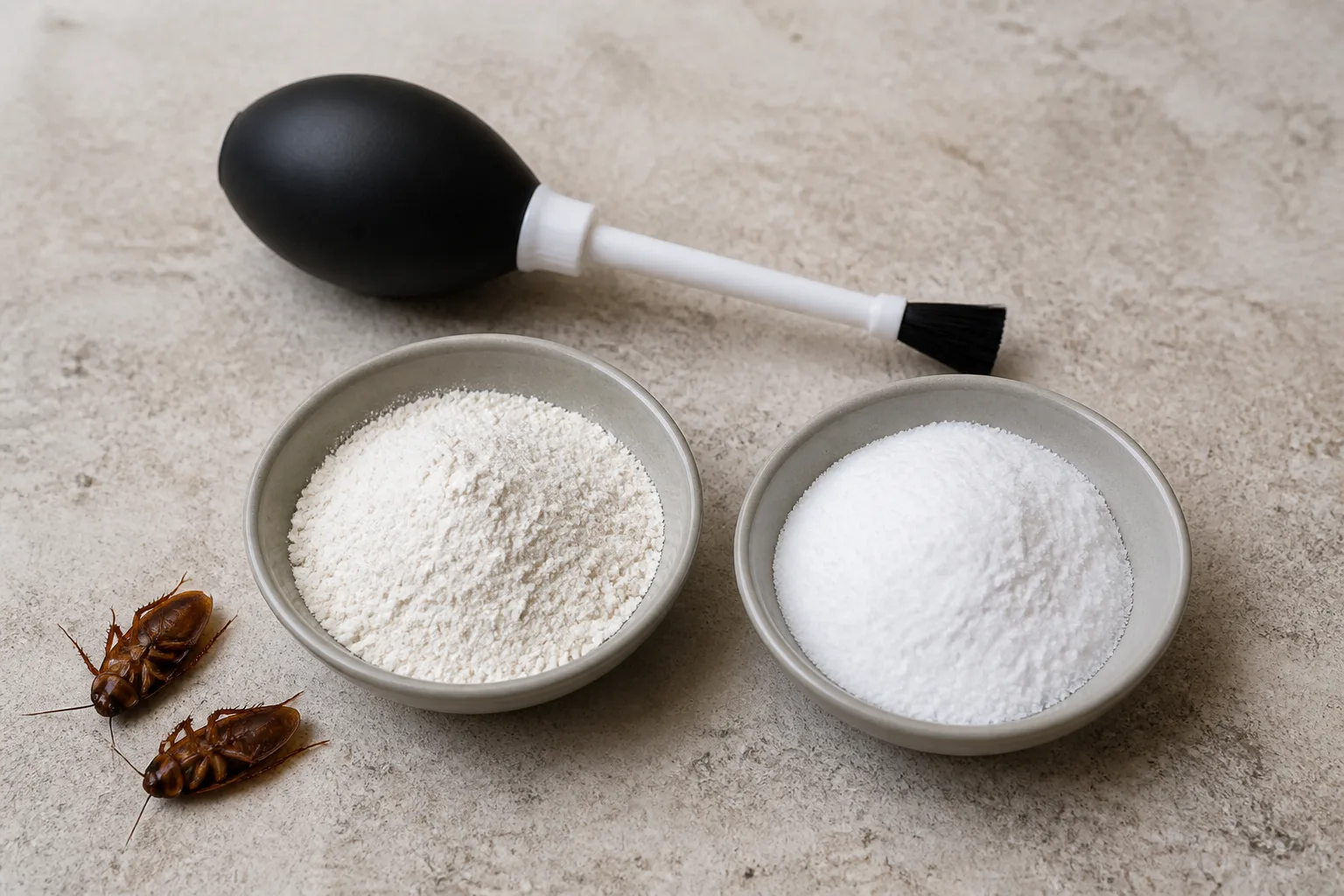
Dusts—diatomaceous earth or silica gel in labeled formulations—complement sprays in dry voids under baseboards or in wall gaps where liquids are inappropriate. Diatomaceous earth abrades the cuticle but requires bugs to crawl through a dry layer; it is not a mattress surface treatment.
Egg kill is label-specific. Even when a product lists ovicidal activity, NPIC and UC IPM both stress that a second treatment is commonly required because sprays miss glued eggs in deep harborages.
Safety Around Kids, Pets, and Bedding
Pesticide safety is label-specific, not vibe-specific. “Natural,” “eco,” or “safe” on the front of a can does not mean unrestricted use on pillows while children sleep. Remove people and pets from the treatment area, ventilate as directed, and keep them out until surfaces are dry and the label’s re-entry interval passes.
On mattresses, use only products explicitly labeled mattress-safe, typically along seams, tufts, and edges—not the open sheet surface unless permitted. Test an inconspicuous upholstery spot when staining is a concern. Store pesticides in original containers away from food and pet areas.
Never use more product than the label allows. NPIC warns that over-application can disperse bed bugs and increase health risk. Talk to your pest professional or landlord before layering multiple products you are not trained to combine.
When Professional Treatment Makes Sense
Call a licensed pest management professional when activity spans multiple rooms, returns after two careful labeled cycles, involves adjoining apartments, or includes clutter you cannot move. UC IPM notes that the most effective bed bug pesticides and application tools are often available to commercial applicators, and that trained professionals can combine chemical and nonchemical tactics with monitoring.
Renters should notify landlords promptly; Pennsylvania and many other states expect property managers to coordinate treatment. Document dates, products used, and monitor results. If a professional recommends heat, steam, or fumigation, sprays alone were never the right entire answer.
Conclusion
The eight sprays above cover the real jobs homeowners ask about: fast knockdown, long odorless residual, gallon perimeter work, foam for cracks, upholstery-safe triggers, botanical contact formulas, and travel-size prevention. MGK Bedlam Plus remains the strongest dual-action overall pick when you need contact plus short residual on bed harborages. Harris Toughest fits odor-sensitive rooms that need long surface activity. Ortho Home Defense Max scales to whole-house baseboards. Raid’s foam, Hot Shot’s upholstery trigger, Premo Guard, EcoLogic, and Eco Defense travel size fill narrower roles—with limits you should respect.
None of them replaces vacuuming, heat, encasements, monitoring, or a second treatment pass. Read the label, match the spray type to the harborage, and escalate when resistance or spread outpaces retail tools. That sequence is slower than a fogger, but it is the approach aligned with extension guidance—and the one that actually gives you a chance to sleep without buying the same can again next month.