11 Annuals to Plant in August for Late Color
Plant 11 heat-tolerant annuals in August with a frost-clock plan, sun-and-shade matches, transplant-versus-seed rules, and care through first frost.
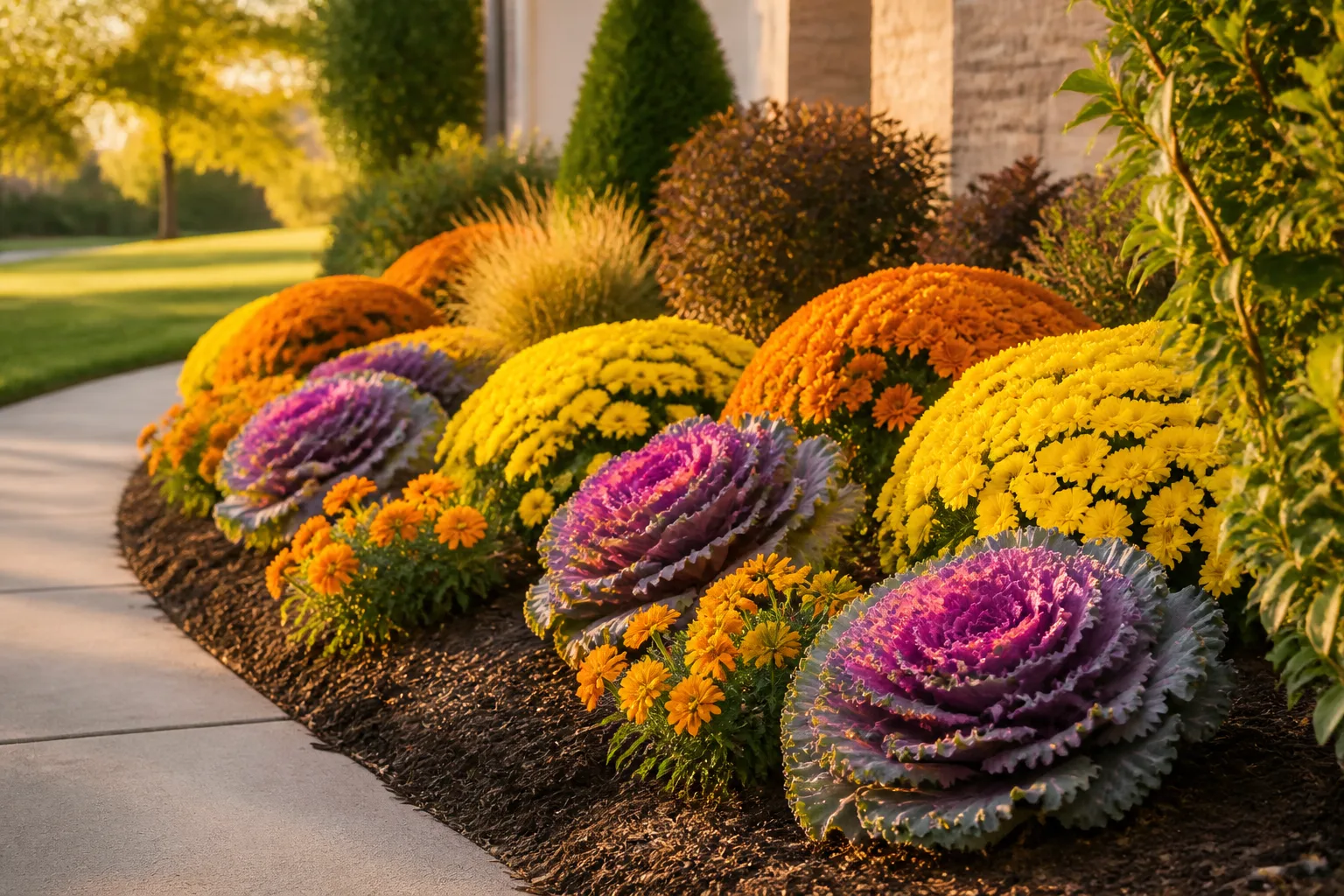
A tired August garden is not proof that the season is over. It usually means spring annuals have finished their run, empty spots opened after vegetables came out, or a heat wave made earlier plantings look worse than they are. Annual flowers planted while the soil is still warm can still deliver color until your first frost—if you match the plant to your remaining frost-free weeks and buy the right form at the nursery.
The mistake is treating every annual on a late-summer list the same way. A flat of budded marigolds and a packet of zinnia seed both count as “August annuals,” but only one is a fair bet for color this month. The 11 choices below cover fast transplants, shade fillers, container stars, and a few seed-sown options that still have time if your frost clock allows.
Why August Still Works for Annual Color
Annuals complete their life cycle in one growing season, which is exactly why they fit a late planting window. You are not asking them to survive multiple winters; you are asking them to root quickly, flower steadily, and finish when frost arrives. Warm August soil helps roots expand faster than the same plant might in cold spring mud, while cooler nights in many regions reduce the water stress that makes fresh transplants wilt.
That does not mean every August day is equal. A plant set out during a brutal heat dome needs more aftercare than the same plant installed after a mild spell. And an annual installed with only three frost-free weeks left may never reach the show you see on the nursery bench. The calendar matters less than how much time remains before frost and whether you start from a rooted transplant or from seed.
If you are also refreshing shrubs, bulbs, or vegetables this month, see our broader August planting guide for perennials and other seasonal jobs that follow different rules.
Count Frost-Free Weeks Before You Buy
Use your local average first frost date as the anchor. Iowa State University Extension treats late August through mid-September as an excellent planting window when roots can grow while air temperatures moderate—a principle that applies to annual transplants as well, provided frost is still far enough away.
Work through this table before you load the cart:
| Time before average first frost | What August annual planting can realistically do |
|---|---|
| Ten weeks or more | Plant most transplants; sow fast annuals such as nasturtiums or marigolds if soil stays warm |
| Six to ten weeks | Favor budded flats and small containers; skip slow seed starts unless you want foliage only |
| Four to six weeks | Choose compact, already-flowering transplants; containers may outperform in-ground beds |
| Fewer than four weeks | Buy only for short-term porch color unless your climate stays mild well past average frost |
Add a 7–14 day buffer beyond the average frost date. Early cold snaps end annual displays abruptly, and shorter days slow new bud formation even when temperatures feel pleasant.
Transplants Beat Seeds for Late Color
For August color you can see from the driveway, buy rooted transplants rather than betting on seed. Most of the 11 annuals below are sold as six-packs, four-inch pots, or hanging baskets that are already budded. Seed is still useful for nasturtiums and, in warm regions, for marigolds, zinnias, or cosmos when you have eight or more frost-free weeks and warm soil above roughly 60°F (16°C).
The Old Farmer’s Almanac marigold profile notes that marigolds germinate in about five to 14 days and bloom roughly eight weeks from seed—math that gets tight when frost is close. The same source lists zinnias as heat lovers that bloom about 60 to 70 days from seed. Transplants shrink that wait to days or weeks.
Do not confuse “annual” with “instant.” A heavily blooming but rootbound flat can look perfect at checkout and collapse after planting. Choose moist—not waterlogged—soil, firm foliage, and visible buds rather than the tallest plant with exhausted roots.
11 Annuals to Plant in August, Matched to Site and Speed
The list is grouped by light, speed, and use rather than ranked as if every plant belongs in every bed. A sun-loving zinnia will sulk in deep shade, while impatiens will fry on a west-facing brick wall. Match the plant to the microclimate first; color second.
Full-Sun Fast Bloomers
These are the safest August purchases for open beds, parking-strip islands, and sunny containers. They want bright light, good air movement, and soil that drains after rain. All still need consistent water while roots establish in heat.
Marigolds, Zinnias, and Cosmos
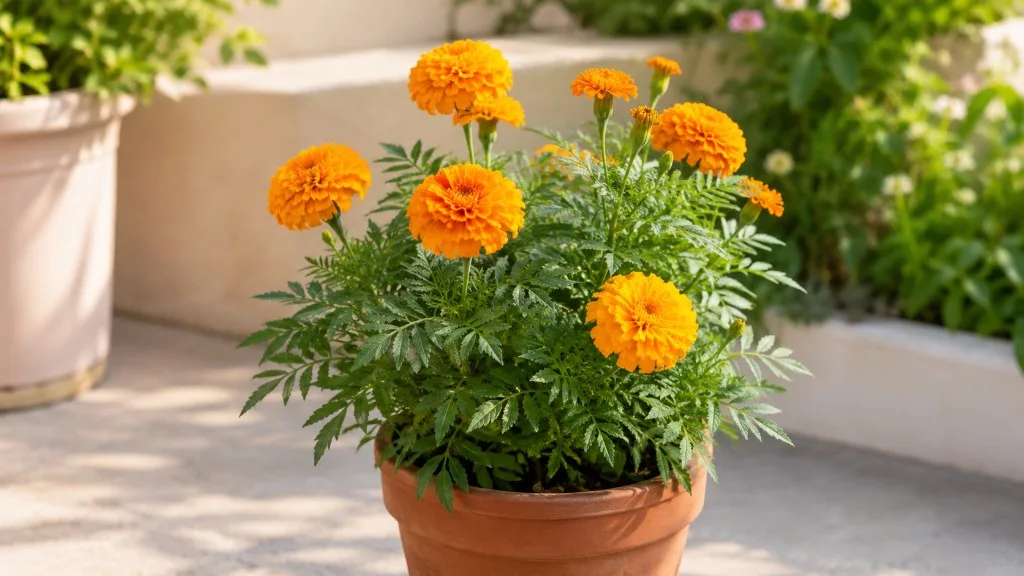
Marigolds (Tagetes spp.) are the most forgiving late-summer transplant on this list. French and African types come in heights from six inches to three feet, so read the label before you mass them at a bed edge. The Almanac describes marigolds as heat-tolerant workhorses that bloom from late spring until frost, and the NC State Plant Toolbox profile for French marigold highlights their full-sun preference and long bloom period. Deadheading spent blooms keeps plants compact and encourages more flowers, though many modern strains continue blooming even if you miss a week.
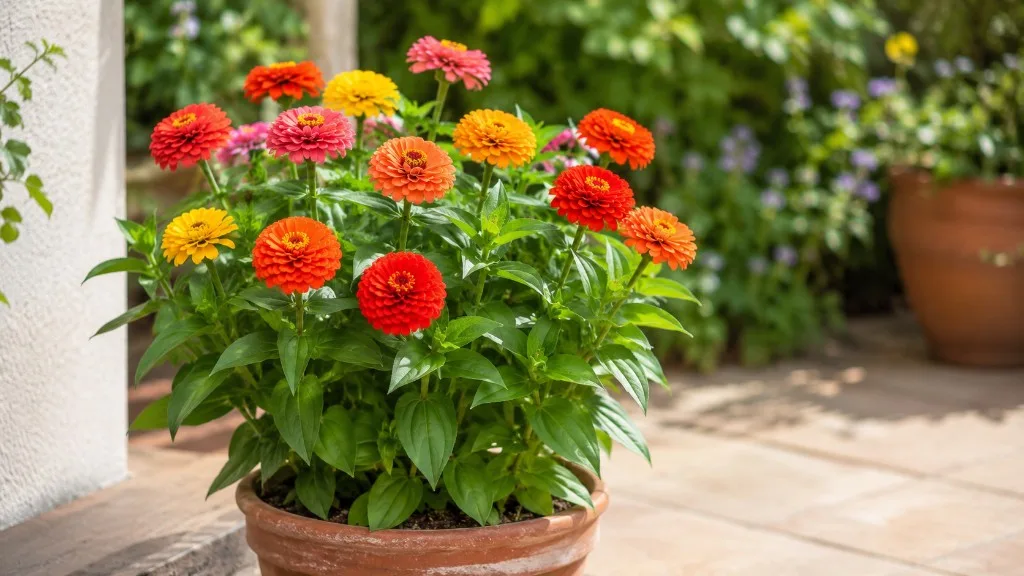
Zinnias (Zinnia elegans and hybrids) love the heat of late summer and attract butterflies when you give them open, sunny sites with good drainage. The Almanac’s zinnia page recommends full sun and notes their long bloom season until frost. Remove spent flowers to prevent leggy stems and mildew in crowded plantings. In August, buy short, stocky transplants with buds rather than tall, floppy ones that were held too long in a shaded retail row.
Cosmos (Cosmos bipinnatus) adds airy movement with ferny foliage and plentiful daisy-like blooms. The Almanac lists cosmos as drought-tolerant once established and valuable to pollinators. August transplants fill gaps between taller perennials beautifully; direct-sown seed can still work if your frost window is long and soil is warm. Taller varieties may need staking in windy sites, so match height to the bed edge you are refreshing.
Petunias, Celosia, and Globe Amaranth
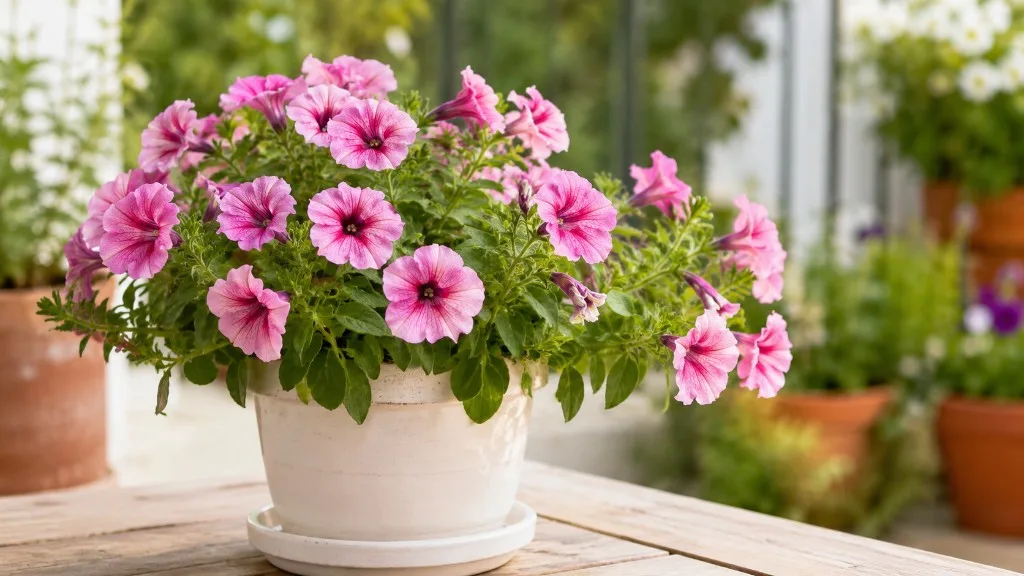
Petunias (Petunia × atkinsiana) are built for containers and front-of-bed color. Spreading and trailing types such as Wave and Supertunia series cover ground quickly, while grandiflora types give larger flowers on mounding plants. The Almanac petunia profile emphasizes full sun and regular feeding for continuous bloom. Older varieties need deadheading; many newer series are self-cleaning but still benefit from a light trim if they become leggy in late summer. August-planted petunias can bloom until frost if you keep them watered and lightly fed.
Celosia (Celosia argentea and C. cristata) delivers plumed or cockscomb heads that hold color for weeks and dry well for fall arrangements. The NC State profile for cockscomb celosia notes its heat tolerance and use in cut and dried flowers. Choose transplants with visible texture on the flower head rather than tiny starts that may not size up before frost. Celosia wants full sun and does not enjoy wet feet.
Globe amaranth (Gomphrena globosa) produces clover-like papery spheres that age gracefully on the plant and in vases. The NC State globe amaranth profile describes its mounding habit, heat tolerance, and long-lasting inflorescences. It is an excellent August plug for hot, sunny beds where you want low-maintenance color through fall; cut stems for drying just before frost if you want indoor arrangements.
Shade, Edge, and Container Stars
These annuals solve the parts of the yard where blazing sun would bleach petals or wilt leaves by noon. They still need bright indirect light or morning sun—true deep shade limits bloom on all but the most shade-forgiving impatiens.
Wax Begonias and Impatiens
Wax begonias (Begonia × semperflorens-cultorum) carry glossy foliage and steady clusters of red, pink, or white blooms. They tolerate full sun in cooler climates but excel in part shade and heat in many summer gardens. Plant them at bed edges, under open-branched trees, or in window boxes where afternoon sun is filtered. Keep soil evenly moist during establishment; wax begonias recover from brief dryness better than impatiens but not as well as marigolds.
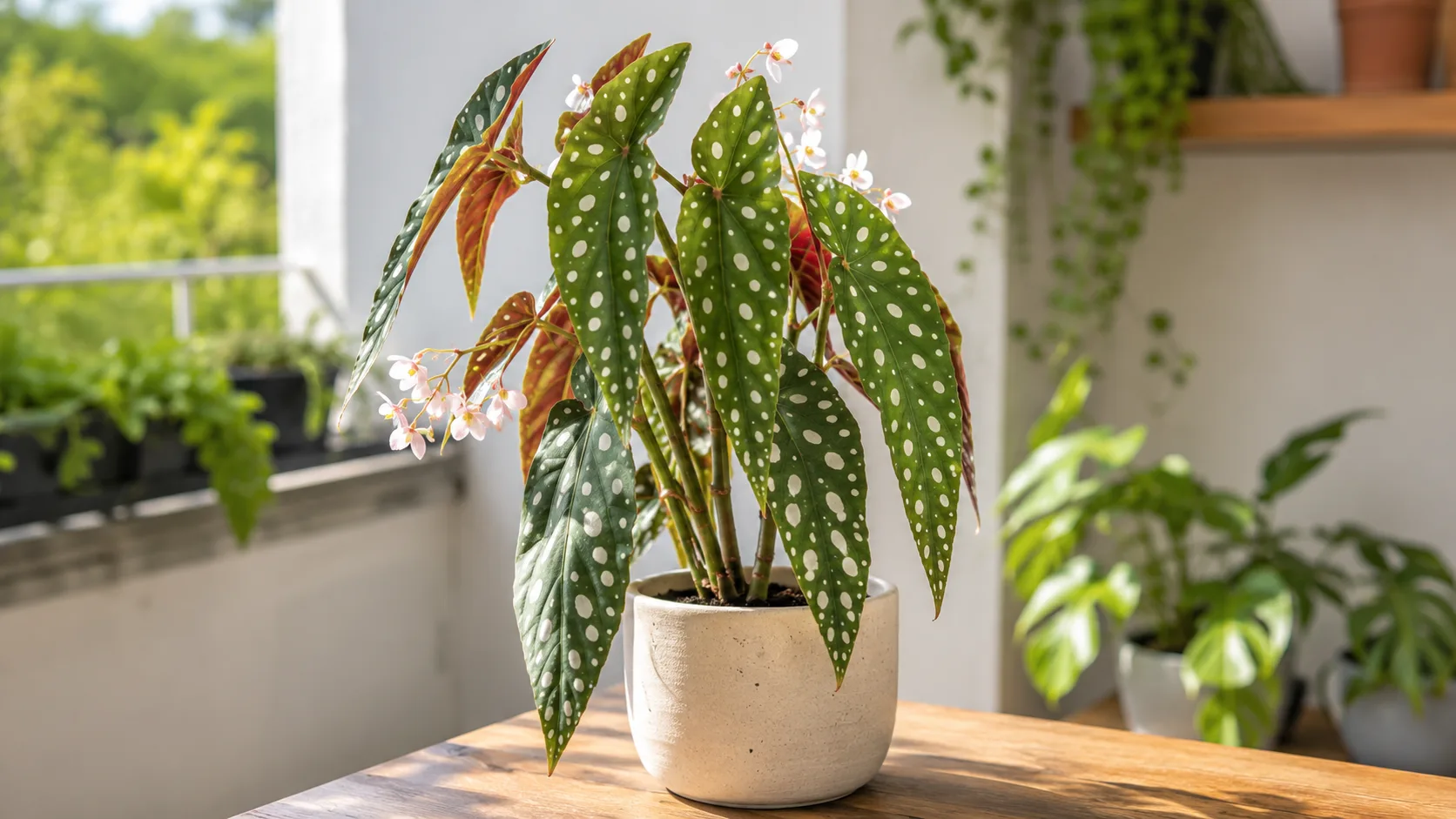
Impatiens (Impatiens walleriana and New Guinea types) are classic shade bedding plants with mounding habits that need little pruning to stay in flower. Standard bedding impatiens prefer bright shade and consistent moisture; avoid overhead watering late in the day in humid regions where foliar diseases spread easily. New Guinea impatiens tolerate more sun and have larger flowers but still want protection from hot afternoon rays. August transplants can bloom until frost if you prevent repeated wilting during the first two weeks.
Zonal Geraniums and Angelonia
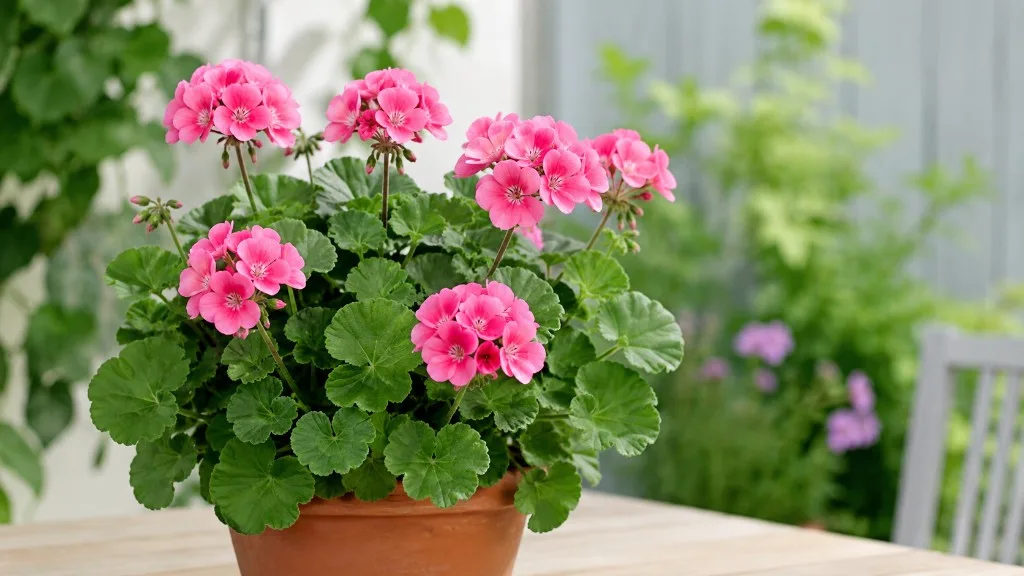
Zonal geraniums (Pelargonium × hortorum) are tender plants sold as annuals in cold climates. Do not confuse them with hardy cranesbill geraniums (Geranium spp.), which are perennials with a different bloom rhythm. Zonal geraniums shine in pots, window boxes, and raised beds where drainage is excellent. Remove spent flower clusters to redirect energy into new buds. University of Minnesota Extension notes that geraniums need full sun for best bloom and should be watered when the top inch of soil dries. An August container planting can look polished through fall if you rescue rootbound stock into a slightly larger pot with fresh mix.
Angelonia (Angelonia angustifolia), sometimes called summer snapdragon, sends up spikes of orchid-like flowers on heat-tolerant stems. It tolerates full sun and brief dryness better than impatiens, and many cultivars are fragrant on warm evenings. Use it along paths, in mixed containers, or behind lower wax begonias. Deadheading is optional on many modern series, but trimming spent spikes keeps the plant tidy into fall.
Seed-Friendly and Dual-Purpose Choices
Nasturtiums
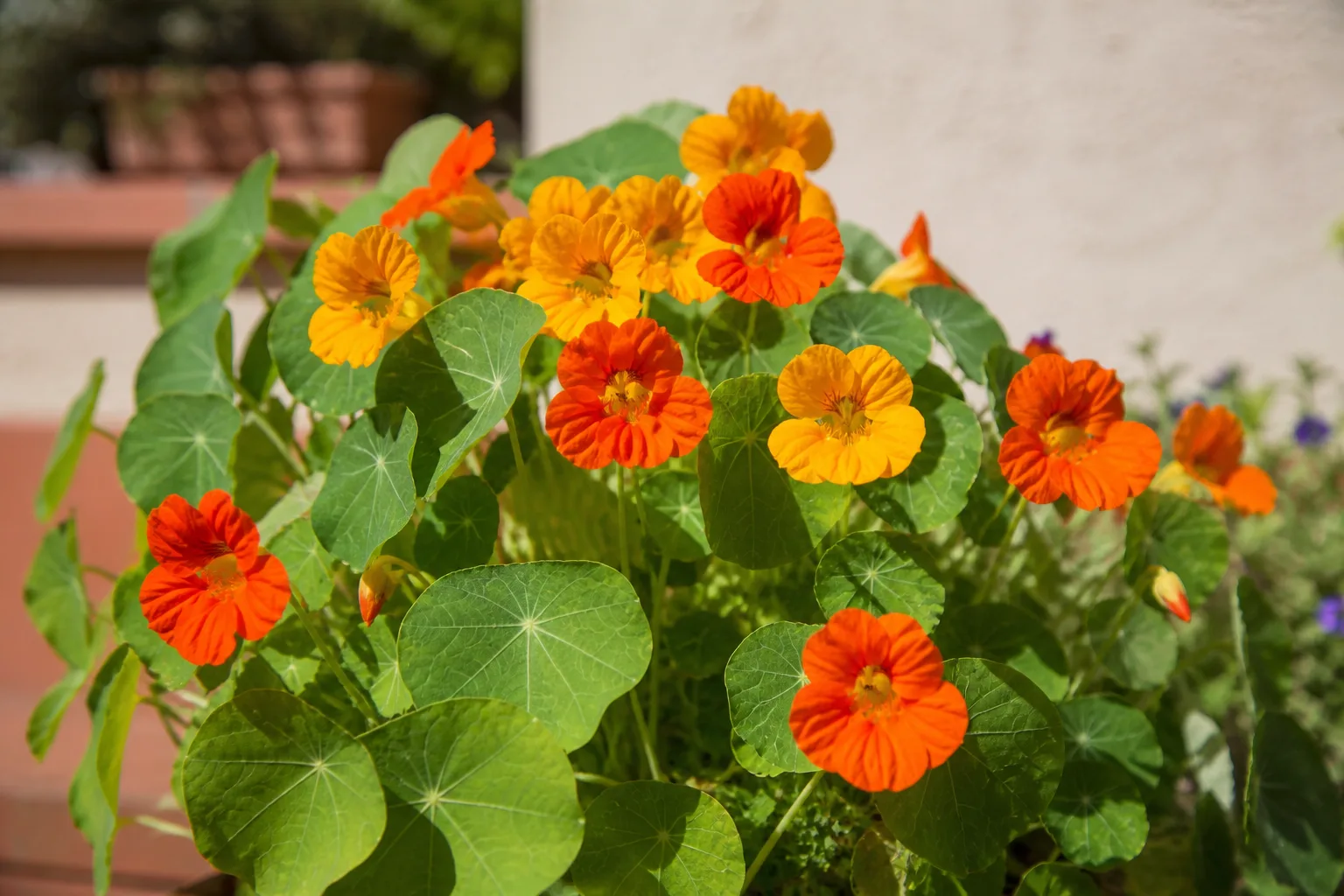
Nasturtiums (Tropaeolum majus) are the list’s best true seed option for late summer because they germinate quickly and bloom in roughly four to six weeks when soil is warm. The Almanac nasturtium page describes bushy, trailing, and climbing forms with edible peppery leaves and flowers—provided you did not treat plants with systemic pesticides. Sow directly where they will grow, since nasturtiums dislike root disturbance. They prefer full sun to light shade and lean soil; too much fertilizer produces leaves at the expense of flowers. If nursery seedlings are scarce in August, a seed packet is often the smarter purchase.
How to Plant and Keep August Annuals Blooming
Late-season success is decided in the first ten days after planting. The hole is easy; heat management and watering rhythm are not.
Bed Prep, Depth, and Heat-Week Watering
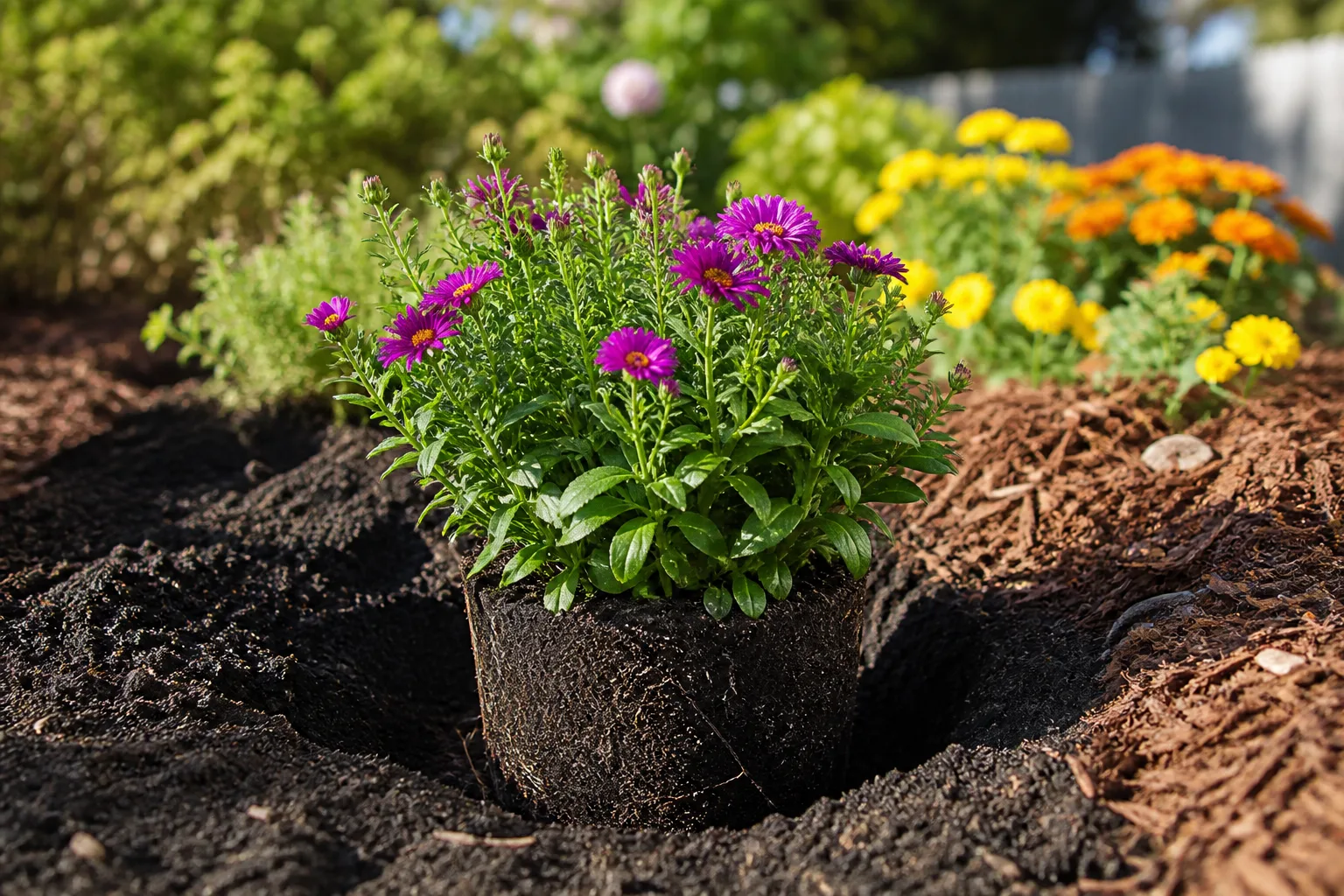
Clear weeds and loosen soil across an area at least twice the width of the root ball. In heavy clay, improve drainage on the whole bed rather than creating a soft pocket that holds water. Mix in compost only if the native soil is very poor; most annuals bloom better in moderately fertile soil than in heavily enriched mud.
Set transplants at the same depth they grew in the pot. Press soil gently to remove air gaps, then water slowly until the root ball and surrounding soil are both wet. Mulch one to two inches deep to reduce evaporation, keeping mulch away from stems. In a heat wave, plant in the evening and shade sensitive transplants for two or three days if they wilt repeatedly.
For the first week, check soil moisture daily. Water deeply when the top inch dries, adjusting for rain, wind, and container size. Epic Gardening’s late-summer planting guidance recommends deep watering every two to three days during establishment in hot weather, but the soil—not the calendar—should make the final call. Containers dry faster than in-ground beds and may need water twice daily on windy patios.
Group plants by water need so one hose schedule does not drown celosia while impatiens bake dry. Sunny marigolds, zinnias, and cosmos tolerate brief dryness once rooted; impatiens, wax begonias, and petunias in full sun need more even moisture.
Deadheading, Light Feeding, and Frost Endgame
Deadheading extends bloom on marigolds, zinnias, cosmos, celosia, and many geraniums. Snap off spent zinnia heads above the next set of leaves; pinch marigold blooms back to the nearest bud. Self-cleaning petunias drop faded flowers, but trim straggly stems if plants open up in the center. Globe amaranth and angelonia need little grooming beyond removing browned spikes for appearance.
Feed lightly if plants pale or stall. A balanced slow-release fertilizer at planting or a half-strength liquid feed every two to three weeks is enough for most August plantings. Avoid heavy nitrogen that pushes leaves when you want buds; Savvy Gardening’s container annual advice recommends feeding container annuals regularly because potting mix nutrients leach faster than in-ground soil.
When nights drop into the 40s°F (4–9°C), growth slows even before the first hard frost. Protect containers by moving them to a sheltered wall, and cover in-ground beds with sheet fabric only during surprise early cold if plants are still performing. Frost ends the annual display—harvest nasturtium flowers, cut celosia and globe amaranth for drying, and pull plants after hard freeze to reduce pest and disease carryover.
Use this quick expectation guide when you shop:
| What you plant in August | Likely first color | Bloom through frost if cared for |
|---|---|---|
| Budded marigold, celosia, or wax begonia flat | Within days to two weeks | Yes, until hard frost |
| Zinnia or petunia transplant with buds | One to three weeks | Yes, often heavy until frost |
| Cosmos or angelonia plug | Two to four weeks | Yes, if frost window is long enough |
| Nasturtium from seed in warm soil | Four to six weeks | Yes, if sown early in the window |
| Rootbound, fully bloomed clearance flat | Immediate, then possible crash | Uncertain—repot or trim first |
Mistakes That Waste a Late-Summer Annual Purchase
Ignoring the frost clock. August works because weeks remain before cold—not because every annual magically accelerates. If frost is near, buy porch containers for short-term joy instead of filling a large bed.
Choosing bloom over roots. The tallest, most colorful six-pack is often the most rootbound. Tease circling roots gently, trim the top by one-third if wilt persists, and water consistently until new white roots appear at the soil edge.
Planting sun and shade annuals in the wrong microclimate. Zinnias in deep shade and impatiens on a blazing wall both fail for predictable reasons. Walk the bed at noon before you buy.
Watering on autopilot. Daily sprinkles wet leaves without reaching roots. Deep, less frequent watering builds the root system that survives August heat.
Overfeeding for instant size. Late nitrogen produces soft growth that attracts aphids and adds little frost resistance. Establish roots first; feed lightly only if growth stalls.
Expecting seed and transplant to behave the same. A zinnia seed sown with five weeks before frost will not deliver the same show as a budded transplant. Match form to calendar.
Forgetting container drainage. August rainstorms plus tight pot rims rot geranium and petunia roots quickly. Confirm holes, use quality mix, and elevate pots on feet if saucers hold water.
Conclusion
The best annuals to plant in August are not simply the brightest flats on the nursery table. They are the plants that match your frost-free weeks, your bed’s light, and the amount of watering you can keep up while roots settle in heat.
For a reliable short list, choose one full-sun workhorse such as marigold or zinnia, one shade or edge plant such as wax begonia or impatiens, and one container star such as petunia or zonal geranium if you need instant porch color. Buy budded transplants when time is short, sow nasturtiums only when you still have a month or more of warm soil, water deeply through the first hot spell, and deadhead where it extends the show. Done well, these eleven annuals can carry your garden from a tired late-summer slump to the first frost without a second shopping trip.



