How to Get Rid of Dust Mites in Your Home
Wondering how to get rid of dust mites? Get a priority plan for hot-wash bedding, mattress covers, HEPA vacuuming, and humidity control backed by lung and allergy guidance.
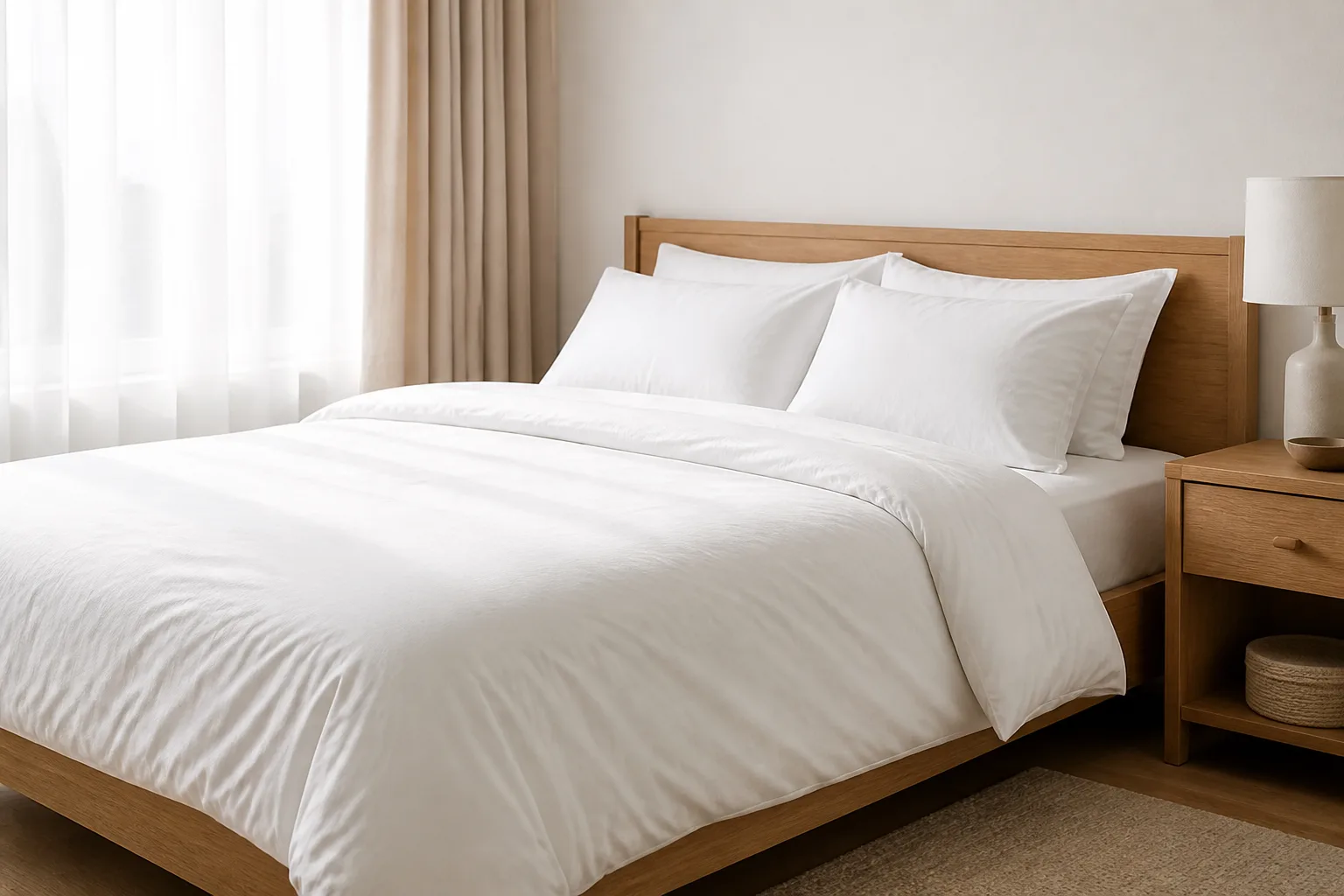
You will never spot them with the naked eye, yet dust mites may be the reason you wake up congested, rub itchy eyes at the kitchen table, or feel your asthma tighten the moment you lie down. These microscopic arachnids do not bite, sting, or spread disease — but proteins in their feces, urine, and decaying bodies can trigger allergic rhinitis and asthma in sensitive people. The American Lung Association notes that roughly four out of five U.S. homes have dust mite allergens in at least one bed. You cannot evict every mite, but you can cut their numbers sharply and, more importantly, remove the allergens that make you miserable. The plan below ranks what works by impact, not by how many products you can buy.
What Dust Mites Actually Are (and What They Are Not)
Dust mites (Dermatophagoides species) are eight-legged relatives of spiders, roughly 0.2–0.3 millimeters long — far too small to see without magnification. They feed on dead human skin cells that collect in bedding, upholstered furniture, carpets, and dust. They are not parasites: they do not burrow into skin or draw blood the way bed bugs or fleas do. If you have visible bites or blood spots on sheets, look elsewhere. Dust mite reactions come from inhaling or contacting settled allergen particles, not from being bitten.
Why You Cannot See Them but Still React
Because mites stay embedded in fabrics rather than flying around the room, many people assume the problem is “just dust.” In reality, most exposure happens in bed. The Lung Association explains that dust mite allergens settle quickly into mattresses, pillows, and blankets rather than staying airborne for long periods. That is why symptoms often peak overnight and on waking, then improve when you leave the house. A bedroom that looks clean can still harbor millions of mites in the mattress alone.
How Dust Mites Trigger Allergies and Asthma
For people with dust mite sensitivity, the immune system treats mite proteins as threats. Inflammation in the nasal passages — what clinicians call allergic rhinitis — can produce sneezing, runny nose, itchy eyes, and facial pressure. In asthma, the same exposure can cause coughing, chest tightness, wheezing, and attacks. Dust mites are among the major indoor asthma triggers cited by the Lung Association, and ongoing bedroom exposure keeps airways primed for flares even when outdoor pollen is low.
Symptoms That Point to Dust — Not Bed Bugs or Mold
Dust mite clues include year-round symptoms that worsen in humid months, improvement on vacation (especially in dry climates), and a pattern tied to lying on fabric surfaces. Bed bug infestations usually add itchy welts in lines, visible bugs or stains, and odor in severe cases. Mold allergy often tracks musty smell, visible growth, or water damage. If symptoms persist after a thorough bedding and humidity overhaul, ask an allergist about skin-prick or blood testing rather than buying more cleaning products.
Where Dust Mites Hide in Your Home
Mites need warmth, food (skin flakes), and humidity. They absorb water from the air rather than drinking it, which is why humid homes support far larger populations than dry ones. Priority zones include mattresses and box springs, pillows, duvets, sheets, upholstered sofas and chairs, wall-to-wall carpet, area rugs, curtains, and stuffed toys. MedlinePlus adds that house dust itself can carry pollen, mold spores, and fabric fibers — so “dust allergy” is often a bundle of triggers, with mites as the dominant one in bedrooms.
Closets with hanging clothes, furnace return grilles, and pet beds can also accumulate allergen-laden dust. Basements with moisture above 50% relative humidity can sustain mites in carpet or stored textiles even when upstairs feels fine. Map your home by time spent breathing near fabric — that is where control efforts pay off first.
Your Dust Mite Control Plan: What to Do First
Trying to scrub every room on day one leads to burnout. A staged plan works better:
Week 1 — Bedroom lockdown: hot-wash all bedding, install encasements, set humidity targets, HEPA-vacuum the floor and mattress surface.
Week 2 — Whole-home moisture and floors: address basement dampness, swap dry-dusting for damp methods, steam or vacuum upholstered furniture.
Ongoing — Weekly bedding wash, monthly filter checks, seasonal carpet steam. Allergen levels drop gradually; give the routine three to four weeks before judging results.
Priority 1: Bedroom and Bedding
You spend roughly one-third of your life in bed — and the Lung Association states that most dust mite allergen exposure occurs while sleeping. Start here even if living-room carpet looks worse. Strip the bed, wash everything washable, encase mattress and pillows, and keep stuffed animals off the bed or launder them weekly.
Priority 2: Humidity and Temperature
Humidity is the single biggest environmental lever. The Lung Association advises keeping indoor humidity below 50%. Mites thrive around 68–77°F (20–25°C) with moisture available; cooler, drier air slows reproduction. This does not mean living in a cold house — it means measuring RH and using AC, exhaust fans, or dehumidifiers where needed.
Priority 3: Floors, Upholstery, and Clutter
After the bedroom, tackle carpet, rugs, and fabric furniture that hold skin flakes. Hard flooring with washable rugs is easier to maintain than wall-to-wall pile. Reduce knickknacks and fabric-heavy decor that collect dust you cannot easily wash.
Wash Bedding the Right Way
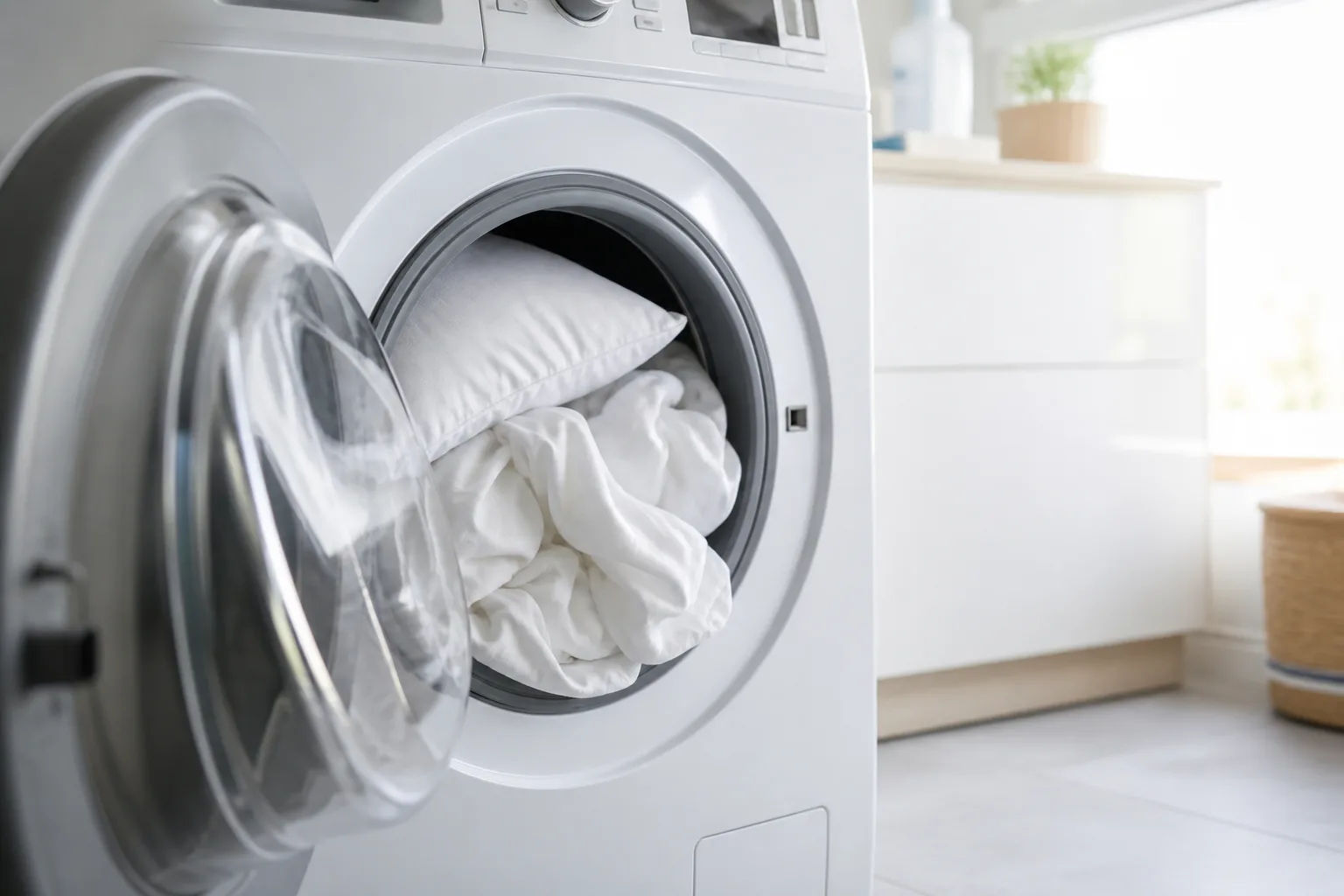
Heat kills dust mites quickly — but washing also flushes allergens down the drain, which freezing alone does not accomplish. MedlinePlus recommends washing bedding and pillows once a week in hot water between 130°F and 140°F (54–60°C). The Lung Association cites at least 120°F (49°C). If your water heater is set lower for scalding safety, use the sanitize or extra-hot cycle on the washer, or run items through a dryer on high heat for at least 15 minutes after a warm wash.
Wash sheets, pillowcases, mattress pads, and duvet covers weekly. Down comforters that cannot fit in home machines may need commercial laundry or seasonal replacement with washable alternatives. For items that cannot be washed, a 24-hour freezer cycle in a sealed bag kills live mites, but allergen proteins remain until you vacuum or wash the fabric — treat freezing as a supplement, not a complete fix.
Pillows themselves should be washed or replaced on schedule. Synthetic washable pillows outperform non-washable feather types for allergy households unless you commit to professional cleaning. Pull covers back each morning to air the bed briefly; this lowers surface moisture that mites prefer.
Mattress and Pillow Encasements That Work
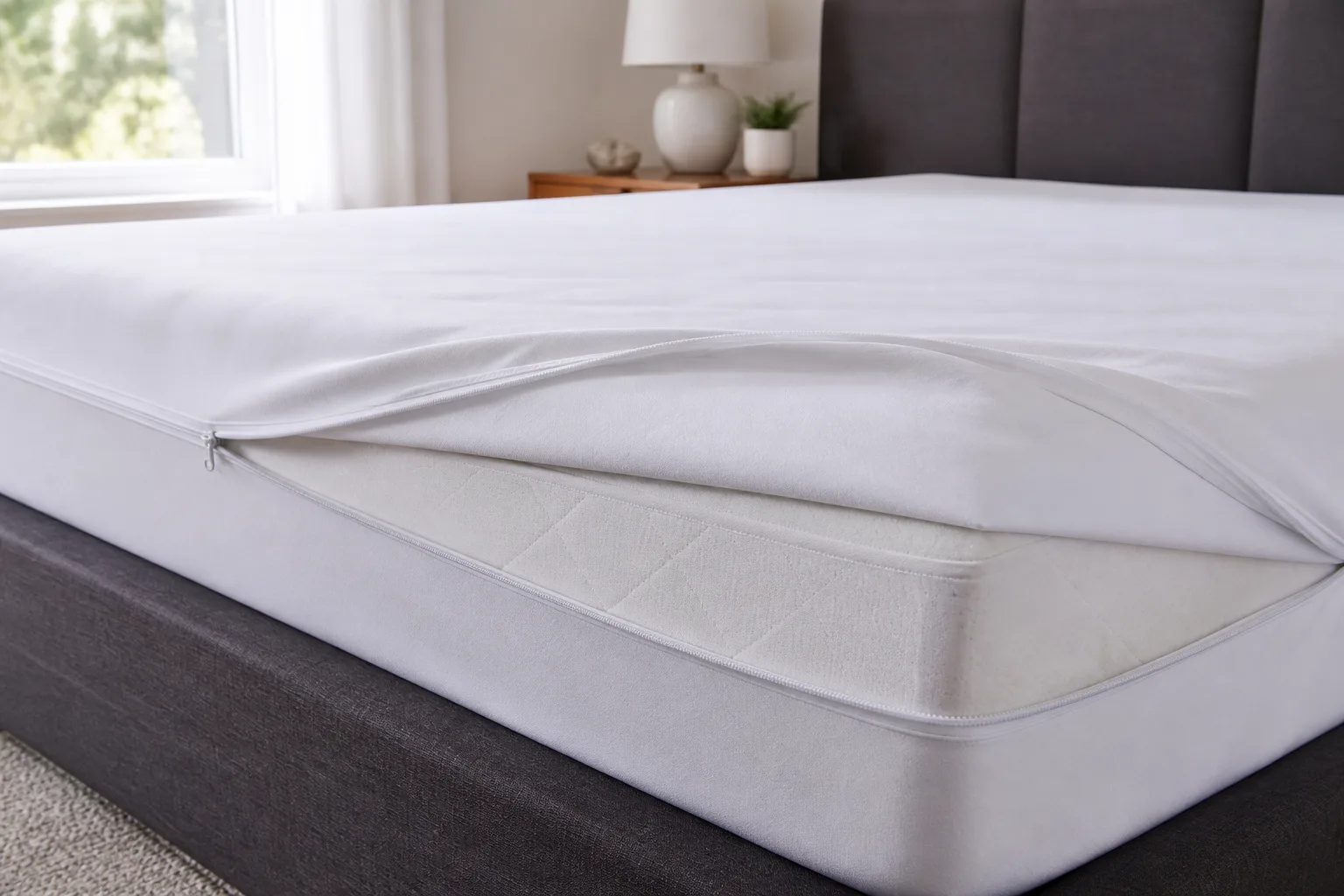
Encasements are the highest-return purchase for many allergy sufferers. Look for zippered, allergen-proof covers labeled for dust mites — woven tightly enough to block mite passage and allergen escape. Install them on mattress, box spring, and every pillow you sleep on. Existing mites trapped inside die over weeks as food supply is cut off, but dead mites still release allergen, which is why encasements pair with regular hot washing of outer bedding.
Wash encasement surfaces on the same weekly schedule as sheets, following manufacturer instructions. Cheap vinyl covers that tear or unzip at the corner defeat the purpose. If your mattress is old and heavily colonized, encasements plus aggressive washing may still leave high allergen load — replacing the mattress after encasing a new one is sometimes the pragmatic choice for severe allergy.
Choose smooth, tightly woven duvet covers over ruffled or tufted styles that trap lint. Limit decorative throw pillows on the bed; each one is another mite reservoir.
Vacuuming, Steam Cleaning, and HEPA Filters
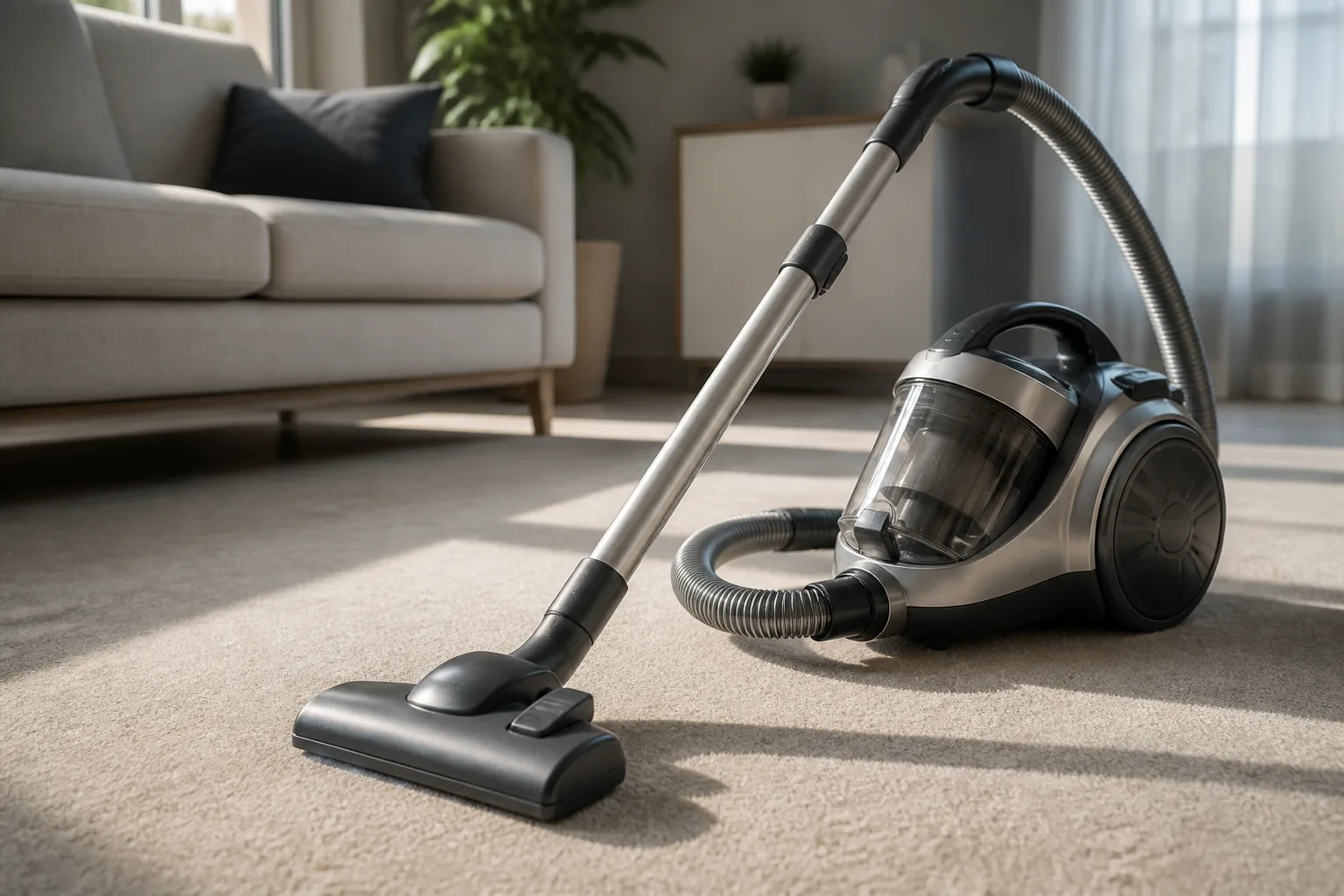
Vacuuming removes mites, feces, and skin flakes from carpet and upholstery — but a standard vacuum can blow fine particles back into the room. MedlinePlus and the Lung Association both recommend vacuums with HEPA (high-efficiency particulate air) filtration or double-layer microfilter bags. Vacuum carpet and fabric furniture weekly at minimum; high-traffic allergy homes may need more.
Steam cleaning kills mites when surface temperatures reach roughly 200°F (93°C) or higher — typical of commercial carpet steamers on a slow pass. Test upholstery in a hidden spot first; excess heat damages some fabrics. Steam complements but does not replace hot laundering of bedding.
When you dust hard furniture, use a damp microfiber cloth rather than a dry feather duster that launches allergens airborne. Work top to bottom, rinse or launder cloths after use, and wear a mask if you are the allergic person doing the cleaning — or leave the house during someone else’s deep clean.
Reduce Indoor Humidity Below 50 Percent
Because mites drink from humid air, dropping relative humidity is one of the few strategies that attacks population growth house-wide. The Lung Association’s threshold is below 50% RH; MedlinePlus suggests 30–50% for broader mold and allergen control. Buy a hygrometer for the bedroom and basement — guessing fails.
Run bathroom exhaust fans during and after showers, fix leaky windows and crawl-space moisture, and empty dehumidifier tanks daily (clean with vinegar regularly to prevent mold in the unit). In humid climates, air conditioning is often the most effective dehumidifier you already own. Avoid over-humidifying with vaporizers in bedrooms; mite counts rise when RH climbs above 55–60%.
Cooler bedroom temperatures (around 65–68°F) slow mite reproduction modestly, but moisture control matters more than turning the thermostat down alone.
Hard Floors, Curtains, and Clutter Control
Wall-to-wall carpet is the hardest surface to keep mite-poor: fibers bind skin cells and hold moisture. The Lung Association recommends hard flooring — wood, tile, laminate, or vinyl — especially when occupants are allergic, with washable area rugs for comfort. If carpet must stay, commit to HEPA vacuuming plus periodic steam and keep pets off bedroom carpet when possible.
Replace heavy drapes with machine-washable curtains or wipeable blinds. Launder curtains seasonally at minimum. Store off-season clothing in closed bins rather than open closet shelves that collect dust.
Clutter is mite habitat in disguise. Books, fabric baskets, and open shelving display dust collectors. Glass-front cabinets, closed storage, and rotating displays make damp-dusting realistic. In kids’ rooms, limit plush toys on the bed; weekly hot washes or freezer cycles for favorites, and store extras outside the bedroom.
HVAC Filters and Portable Air Purifiers
Central HVAC systems circulate dust through every room. Use high-quality pleated filters rated for your system (MERV per manufacturer limits — overly dense filters can restrict airflow). Change filters on schedule, often every one to three months in allergy homes. Clean return grilles and consider professional duct cleaning only if you see visible contamination — routine duct cleaning alone has not proven to lower mite allergens significantly.
Portable HEPA air purifiers help capture airborne particles stirred up during cleaning, but they are secondary to source control in bedding and carpet. Size the unit to room volume, run it on the bedroom during sleep if symptoms are worst at night, and replace prefilters and HEPA cartridges per label. Do not forget window AC filters, dryer lint paths, and range hood grease screens — they are not mite-specific but reduce overall dust load.
Natural Options: Essential Oils and the Evidence
Laboratory work has shown that clove oil and, in some studies, eucalyptus and rosemary compounds can kill or repel mites in controlled conditions — but concentration, contact time, and surface type determine real-world effect. A 2014 study in the Asian Pacific Journal of Allergy and Immunology found clove oil (Eugenia caryophyllus) acaricidal at tested concentrations; home use with a few drops in water may not replicate lab kill rates.
If you try oils, patch-test fabrics for staining, avoid heavy saturation on mattresses you breathe against for hours, and never assume scent equals safety. VCA Animal Hospitals warns that many essential oils are toxic to dogs and cats (tea tree, pennyroyal, citrus, pine, and others). Diffusing oils with pets in closed bedrooms is risky. For most households, hot wash plus encasements outperform oil sprays with fewer side effects.
Commercial Dust Mite Sprays: When They Help (and When They Do Not)
Store shelves offer acaricide sprays, tannic acid treatments, and “natural” fabric mists. Some pesticide-based products kill on contact but may leave residues you do not want on pillows. Tannic acid denatures allergens on carpet but can discolor fabric and requires repeat application. Read labels for EPA registration, child and pet re-entry intervals, and whether the product kills mites, neutralizes allergen, or only masks odor.
Test in an inconspicuous area, vacuum after drying as directed, and weigh cost against encasements and laundry, which address the primary reservoir. Sprays make sense as short-term bridge after moving into a carpeted rental or when you cannot replace a sofa immediately — not as a substitute for weekly hot washing.
Mistakes That Waste Time or Worsen Symptoms
Cold or lukewarm washes leave mites alive in sheets. Dry dusting resuspends allergen. Unzipped or torn encasements leak allergens for years. Freezing stuffed toys without washing kills mites but leaves protein behind. Relying on air purifiers alone while sleeping on an unprotected decade-old mattress rarely works.
UV wands and gimmick “mite vacuums” without HEPA capture lack strong evidence for home use. Lowering humidity with unvented gas heaters or chronic overcooling creates other health risks. Essential oil overload can irritate airways — the opposite of your goal. Finally, confusing bed bugs with mites delays the right treatment; bites and visible insects mean a pest inspection, not more hot water.
If you implement the bedroom and humidity plan faithfully for a month and asthma or rhinitis remains disabling, see an allergist about immunotherapy, medication, and environmental testing rather than escalating harsh chemicals.
Conclusion
Getting rid of dust mites in the absolute sense is not realistic — they are nearly universal in humid homes — but getting rid of the problem they cause is. Anchor your routine on weekly hot-water bedding washes, zippered mattress and pillow encasements, humidity below 50%, and HEPA vacuuming of carpets and upholstery. Add steam, hard flooring, and careful clutter reduction where your home layout allows. Treat heat as your fastest kill tool, laundering as your best allergen removal tool, and moisture control as your long-term population brake.
Start in the bedroom this week, measure humidity before buying gadgets, and judge results over a few wash cycles — not a single deep clean. Your goal is fewer mites, far less allergen where you breathe eight hours a night, and symptoms that finally match the effort you put in.