27 Best Edging Plants for Garden Borders and Paths
Compare 27 edging plants by light, moisture, and growth habit, then learn how to space them so paths stay clear and borders stay defined from the start.
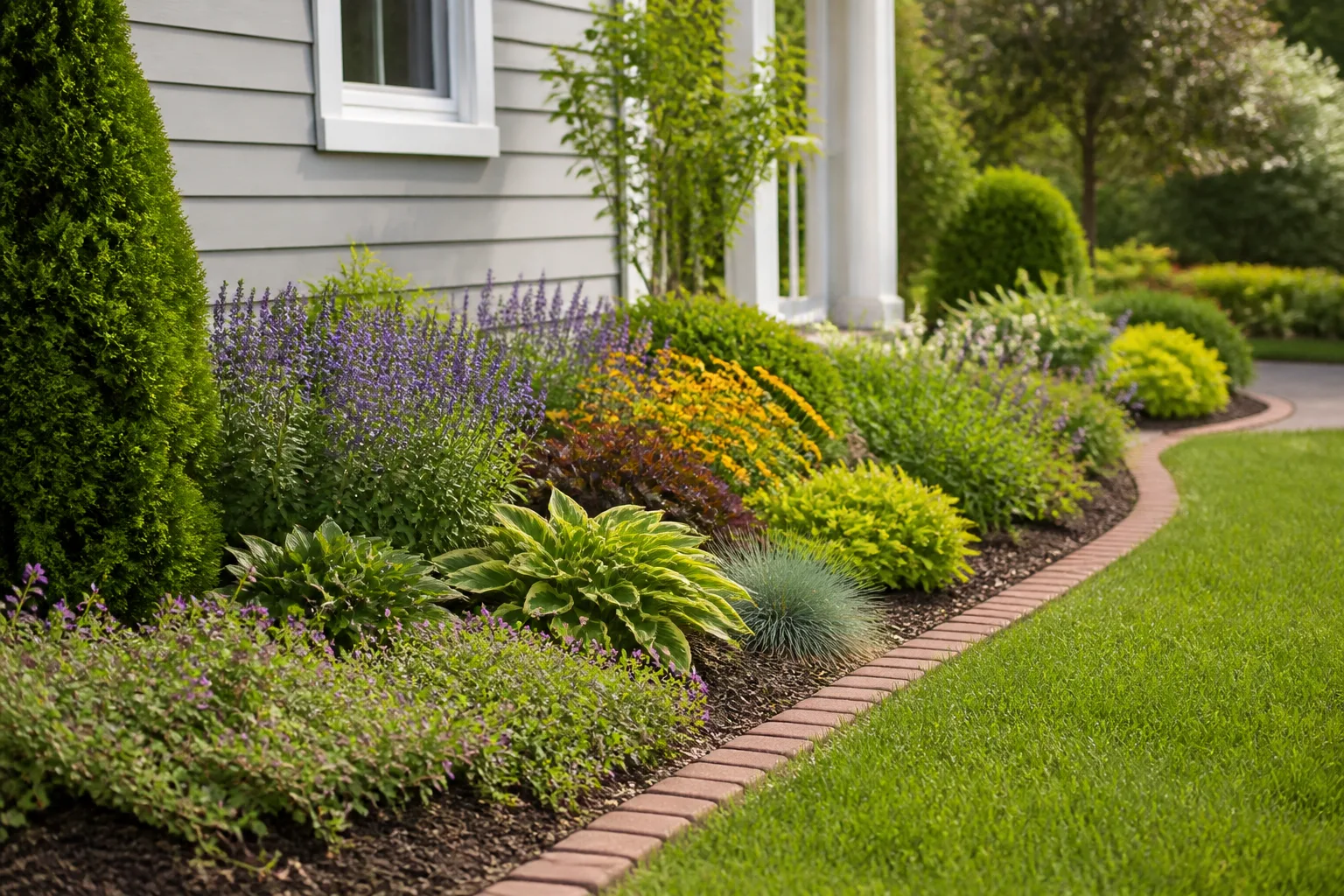
Edging plants make the boundary between a bed, lawn, walkway, or driveway feel intentional. The best choice depends less on whether a plant is short than on what the edge needs to do: frame a path without snagging ankles, cover a hot strip of soil, soften a wall, or give a shady bed a visible front line.
The picks below include evergreen structure, groundcovers, foliage plants, and annuals. Each has a specific fit and a limit. Check the mature spread on the plant label, then compare it with your usable border width; a plant that looks perfectly small in a nursery pot can swallow a narrow path in two seasons. Better Homes & Gardens makes the same practical point in its edging-plant guidance: plan for mature size, not the plant’s shopping-cart size.
Start with the job and the site
An edging plant is any plant used to make a visual or physical transition at the front of a bed. It can create a crisp repeated line, a loose flowering ribbon, or a low mat that hides bare soil. It does not have to be clipped into a hedge, and it does not have to be evergreen; the right habit depends on the border’s job and the time of year you want it to look finished.
Read the light, heat, and moisture at the edge
Measure direct sun at the actual planting strip, not several feet into the garden. A narrow path beside a south-facing wall can run hotter and drier than the bed behind it, while a strip under tree branches may receive bright light but compete with thirsty roots. Note the conditions during a typical day and after rain: hours of sun, reflected heat, wind, whether water drains or pools, and how often you can irrigate while plants establish.
Match the root zone as carefully as the foliage. Lavender, thyme, thrift, and many sedums need drainage and resent a persistently wet edge; hostas, ferns, and astilbe look better where moisture is more reliable. If you do not know whether a site is acidic, alkaline, compacted, or simply dry, do not add lime or fertilizer based on a plant list—test the soil or choose a plant adapted to what is already there.
Leave room for mature spread and people
The plant’s mature width is often more important than its height. A 12-inch-wide path edge can take a compact tuft such as blue fescue; it cannot comfortably hold a sprawling juniper or a lavender mound that leans into the paving. Leave a usable, clear strip next to walks and doors, and consider the width of flower stalks or seasonal foliage as well as the evergreen mound.
Spacing depends on mature spread and how quickly you want plants to meet. Closer planting closes soil sooner but costs more and may create crowding; wider spacing takes longer to knit together but gives each crown room to mature. Penn State Extension advises spacing groundcovers with their growth habit and tendency to spread in mind, and allowing faster spreaders more room in its native groundcover guidance. Use the label’s mature width as a starting point rather than copying a universal inches-apart formula.
Treat road edges and salt as a special case
A sidewalk strip beside traffic is exposed to more than sun. Compaction, reflected heat, snow piles, deicing salts, dog urine, utility work, and people stepping off the path can all shorten a plant’s life. The public right-of-way may also have rules for height, visibility, and underground utilities, so check with the municipality before turning the strip into a dense planting.
Salt tolerance is a relative trait, not a guarantee: salt type, amount, drainage, and whether spray lands on foliage all matter. Penn State Extension’s hellstrip guidance recommends designing around those constraints and checking local requirements; for an edge that receives heavy salt or plowed snow, ask a local extension office for region-tested options instead of assuming that a plant described as “tough” will tolerate the exposure.
27 edging plants for different borders
Use the categories to narrow the choice, then check the plant’s cultivar, mature dimensions, and local hardiness. A border usually looks more coherent when it repeats a few plants in short drifts than when it displays a different species every foot. You can still mix textures, but use them in groups so the edge reads as a line.
Evergreen and textural plants for a steady line
These plants bring structure when flowers are out of season. They differ in how tight that structure stays: some form tidy clumps, while others spread or need clipping.
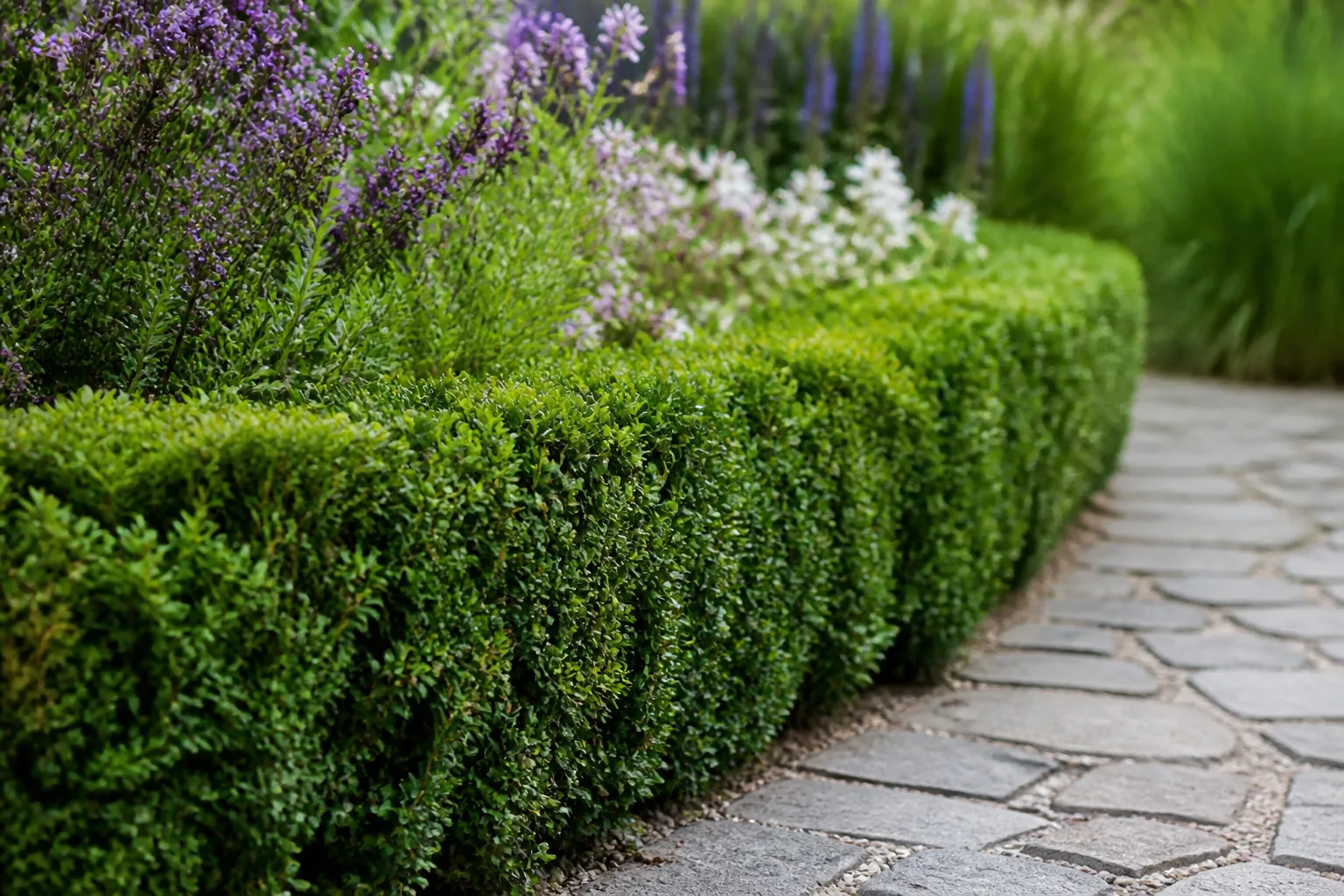
1. Dwarf boxwood. A compact boxwood cultivar gives a formal, year-round outline along a path or symmetrical bed. Cultivars vary widely in mature height, so select by the eventual dimensions and expect to shear or selectively prune it to hold a crisp line; boxwood is a poor fit if “low maintenance” means no trimming or if local boxwood diseases are a concern.
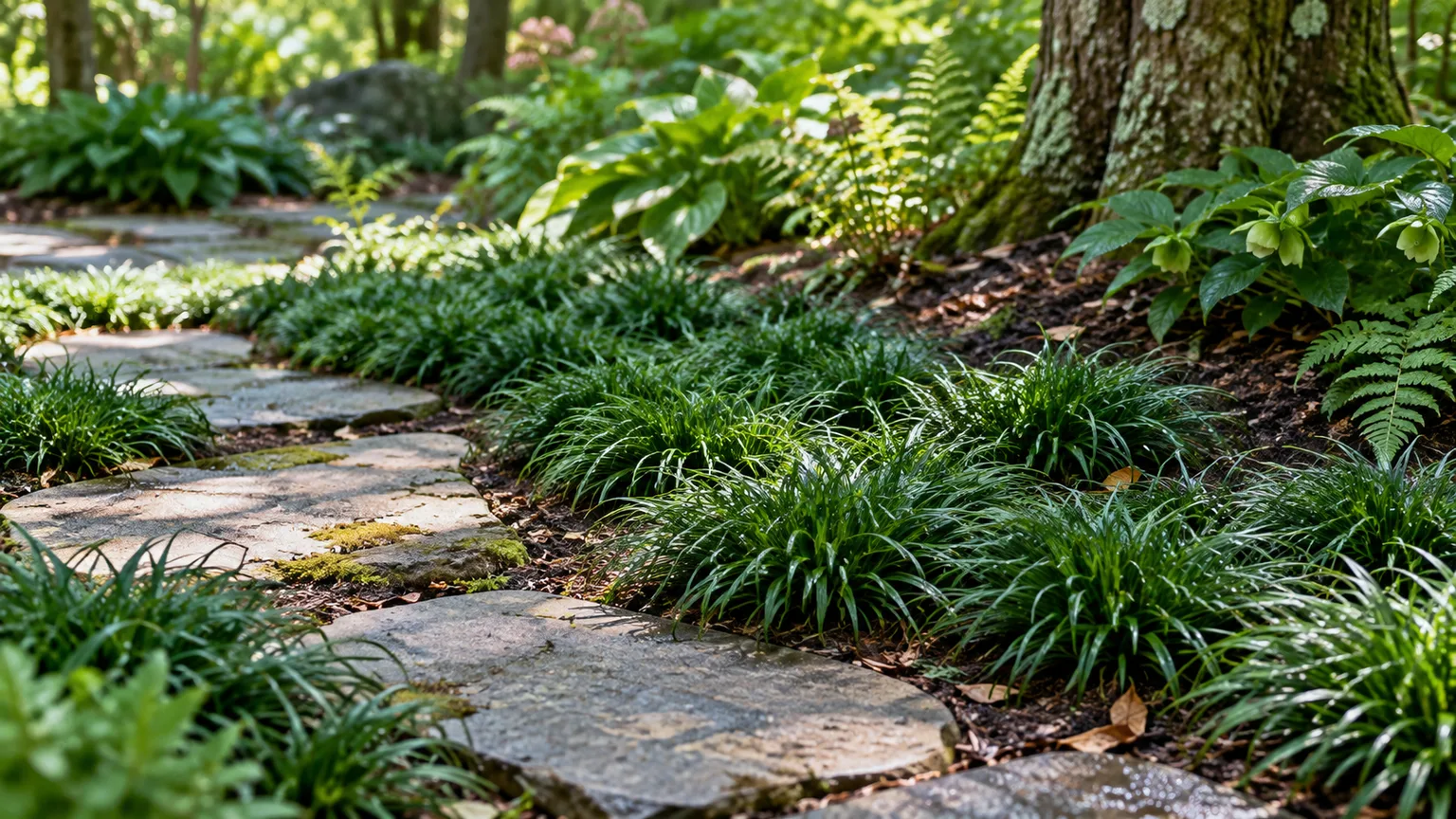
2. Dwarf mondo grass. This low, dark-leaved groundcover makes a neat ribbon along a shaded path or between larger clumps where winters are mild enough for the selected cultivar. It fills slowly and can suffer in cold, wet sites, so avoid buying it as an instant border and do not treat it as a durable walking surface.
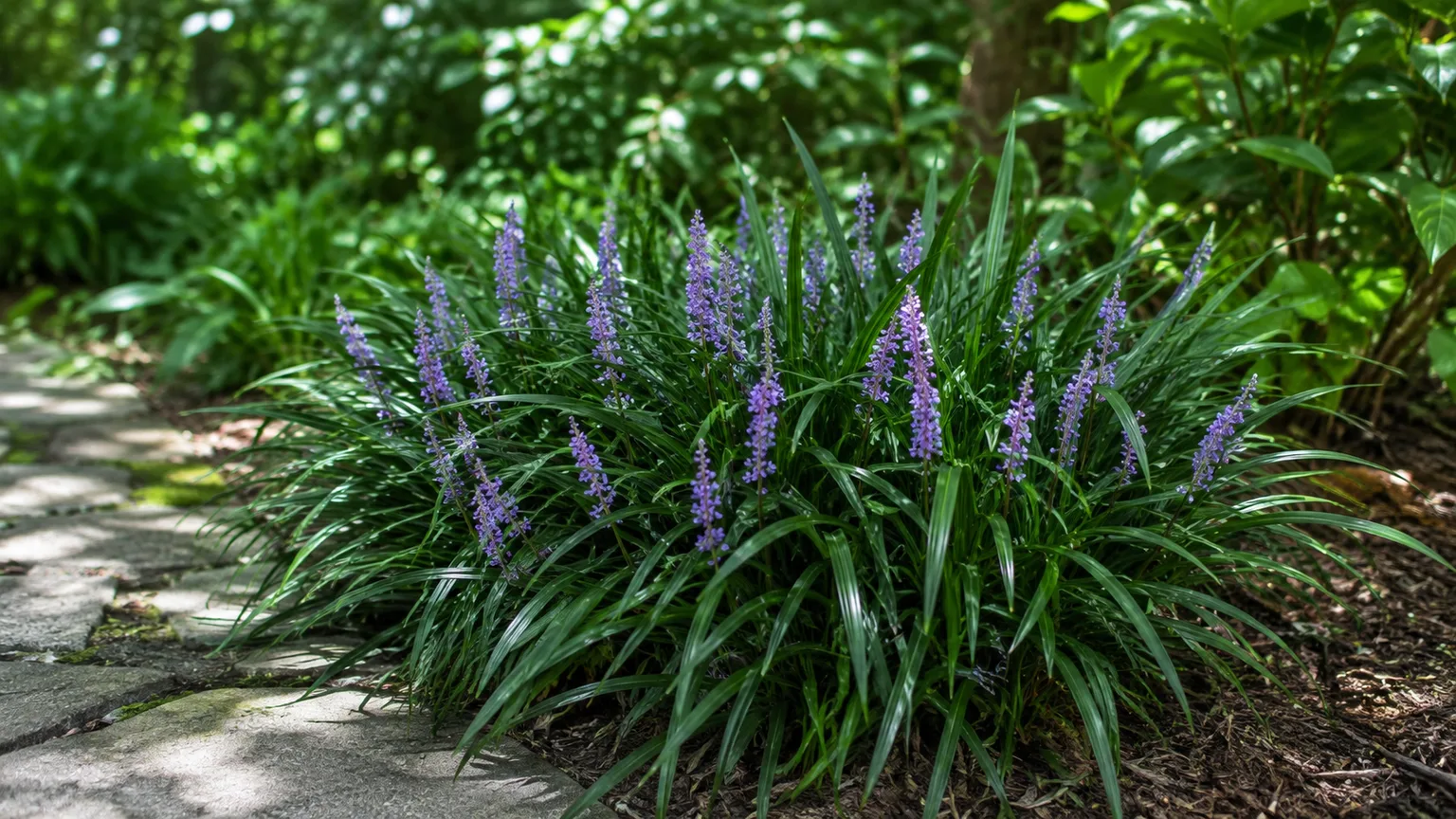
3. Liriope (lilyturf). Choose clumping Liriope muscari for a repeated row of straplike leaves and summer flower spikes, especially in a partly shaded border. Do not assume all liriope behaves alike: L. spicata spreads by runners and can escape its allotted edge, so confirm the species and local invasive-plant guidance before planting.
4. Creeping juniper. A spreading, low juniper covers a sunny, dry slope or the outer edge of a broad bed with evergreen foliage. Its eventual width can be several times the height, which makes it a poor narrow-path edging; allow room for its mature spread and avoid placing it where regular pruning would expose bare, old wood.
5. Blue fescue. This compact ornamental grass adds cool blue color and a rounded tuft to a sunny, sharply drained border. It works best repeated in small groups rather than as a continuous hedge, and its center can open or decline in humid, wet conditions; divide or replace tired clumps instead of cutting them down to old woody bases.
6. Pennsylvania sedge. In parts of eastern North America, Pennsylvania sedge can create a soft, native, grasslike edge in dry shade under trees. It spreads into a low colony rather than holding a clipped line, so use it where a naturalistic drift is welcome and check a regional native-plant source to confirm it suits your area.
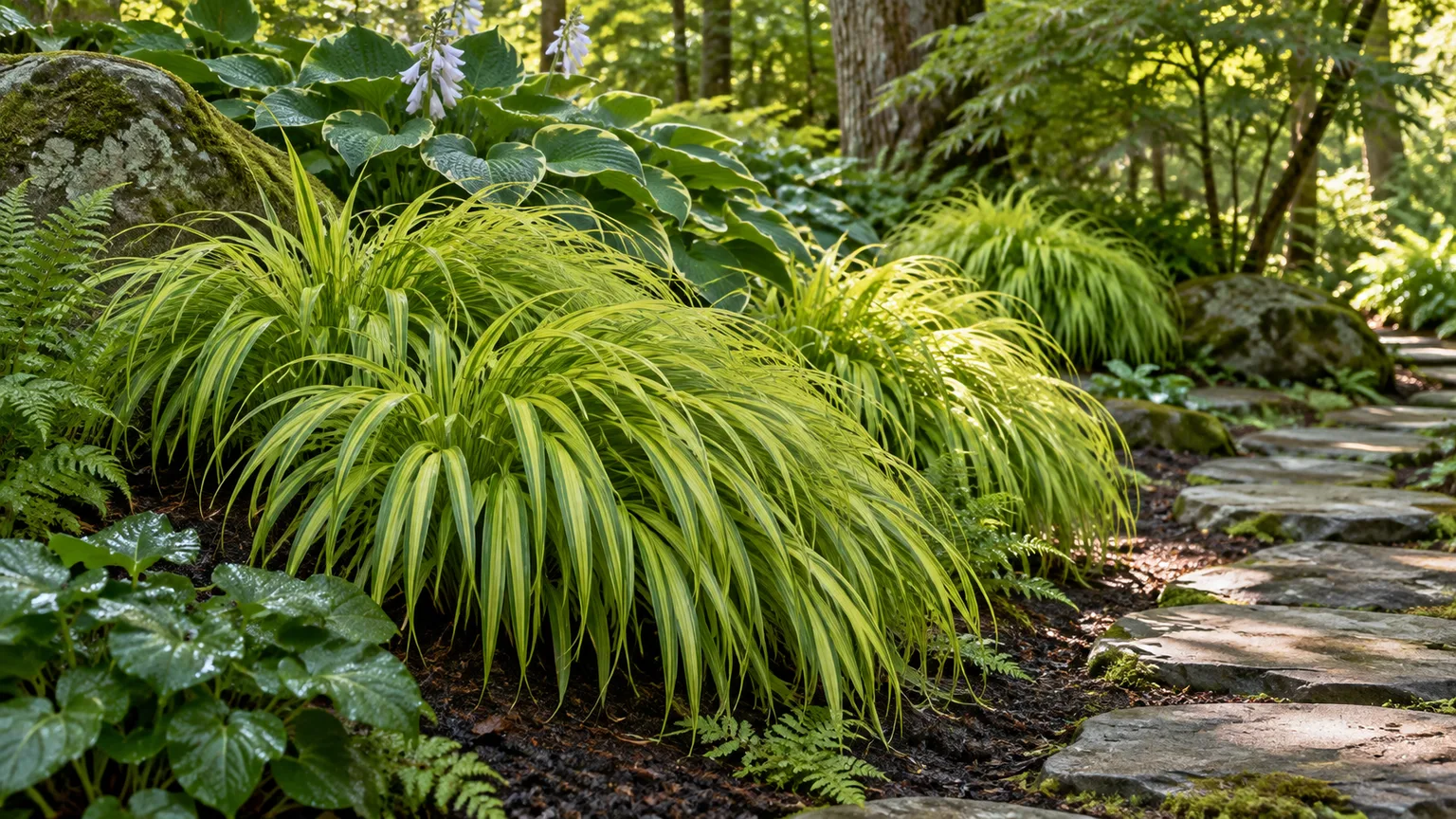
7. Japanese forest grass. Also called Hakone grass, this arching clump brings a softer, flowing edge to a shaded or partly shaded bed. Its foliage can spill toward a path, so set it back from paving and use it where the graceful mound has room; it is not a plant for a hot, exposed strip that dries quickly.
Sun-loving plants for dry, bright edges
Most of these plants want strong light and soil that drains well. They can reduce the blank-soil look once established, but none should be expected to replace paving or tolerate repeated trampling.
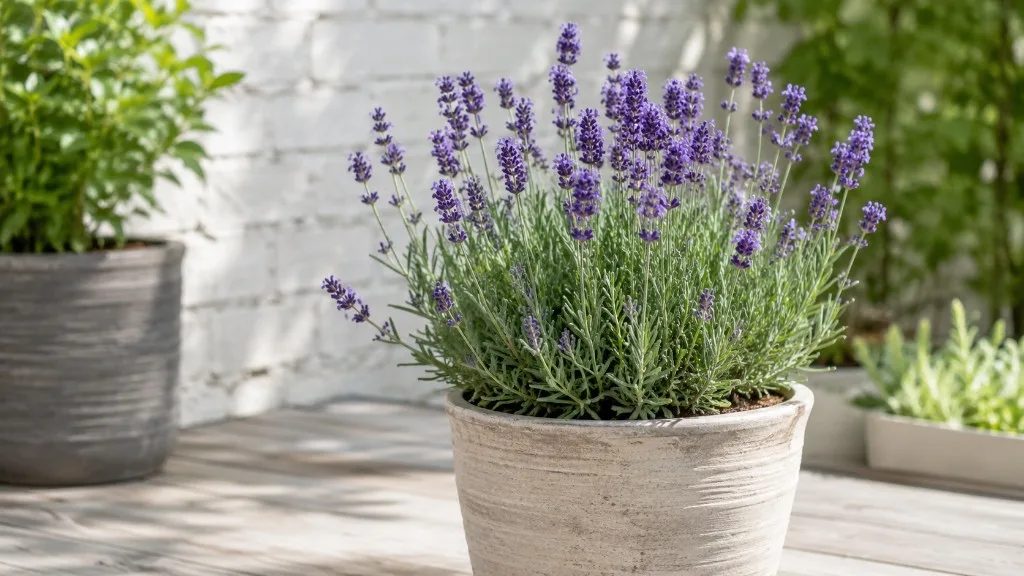
8. Lavender. A compact lavender cultivar gives a sunny edge fragrant foliage, summer flower spikes, and a rounded evergreen-to-semi-evergreen form in suitable climates. Plant it in full sun and sharply drained soil; heavy, wet ground and frequent hard pruning are common reasons lavender declines, and its mature mound may be wider than the narrow front strip can hold.
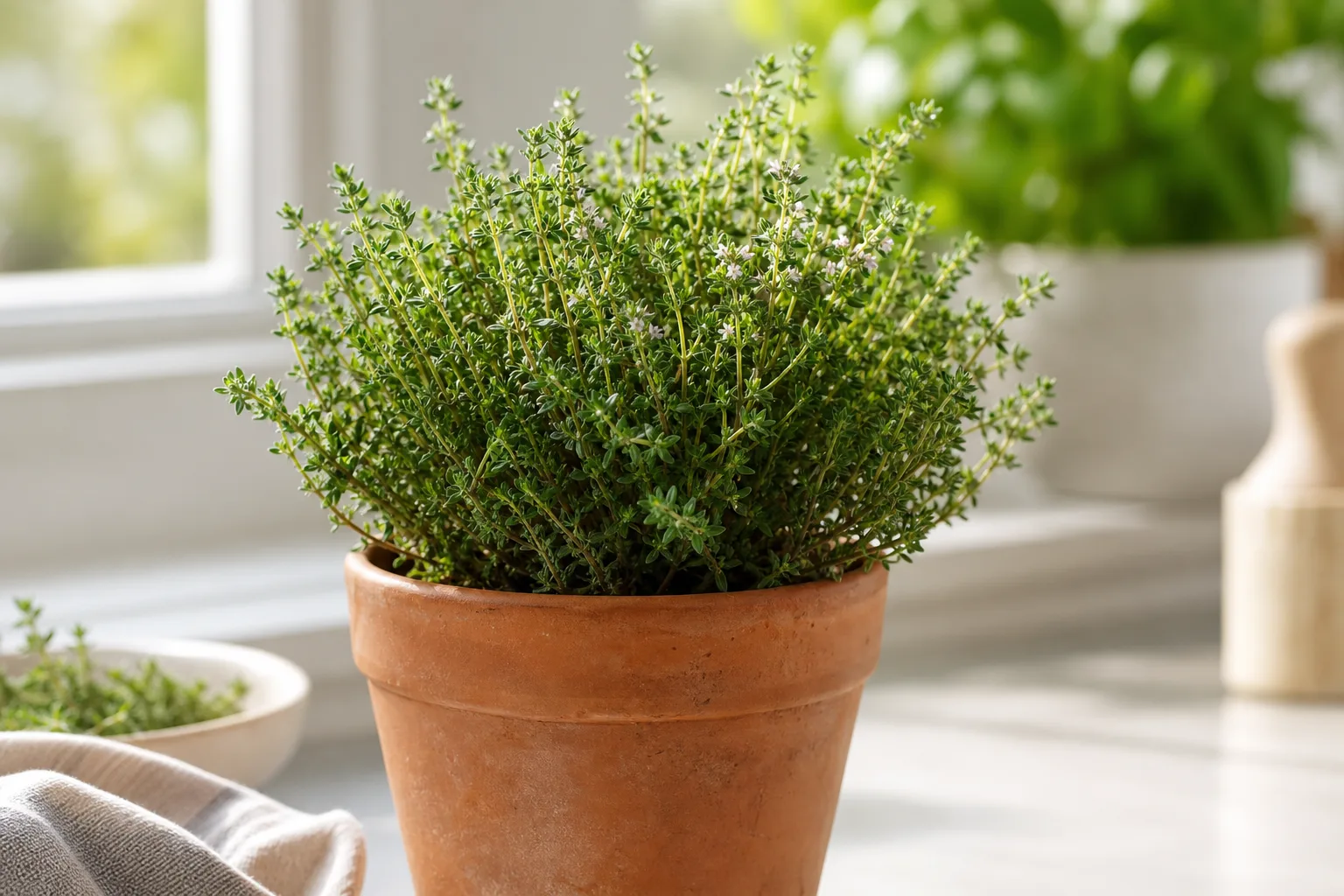
9. Creeping thyme. Creeping thyme hugs a sunny, dry edge, releases fragrance when brushed, and can fit between stepping stones where foot contact is occasional and light. It is not a lawn substitute for a busy route: repeated steps compact or break the mat, and damp shade can rot it. Nature Hills’ pathway edging overview discusses thyme for low-traffic path settings; keep a clear walking lane wherever people regularly pass.
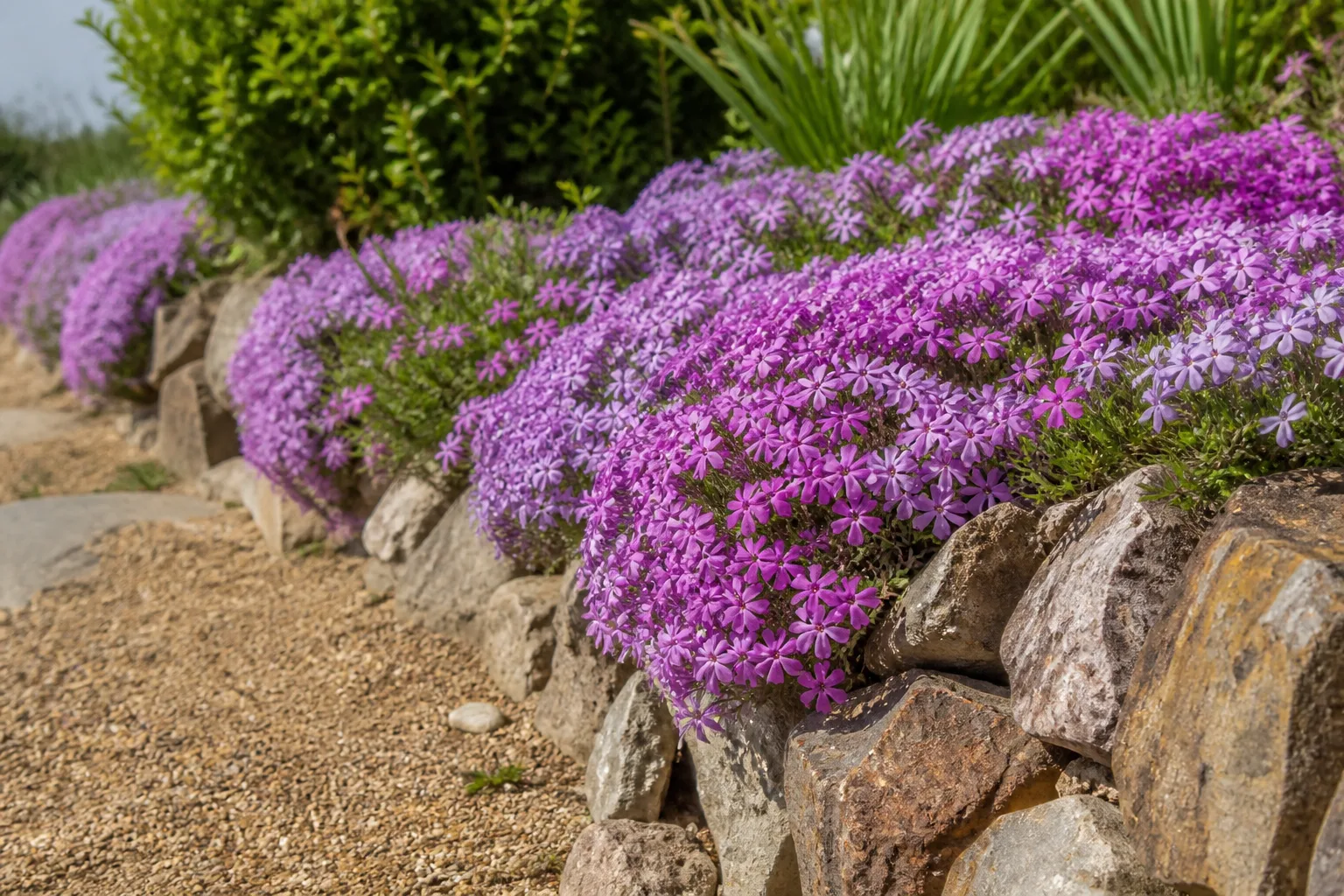
10. Creeping phlox. Moss phlox (Phlox subulata) forms a low spring-flowering mat that softens the lip of a sunny, well-drained bed or low retaining wall. It is useful where the edge can spill a little, but it is not evergreen everywhere and is not suited to a soggy planting pocket; shear lightly after flowering if you need to keep the mat compact.
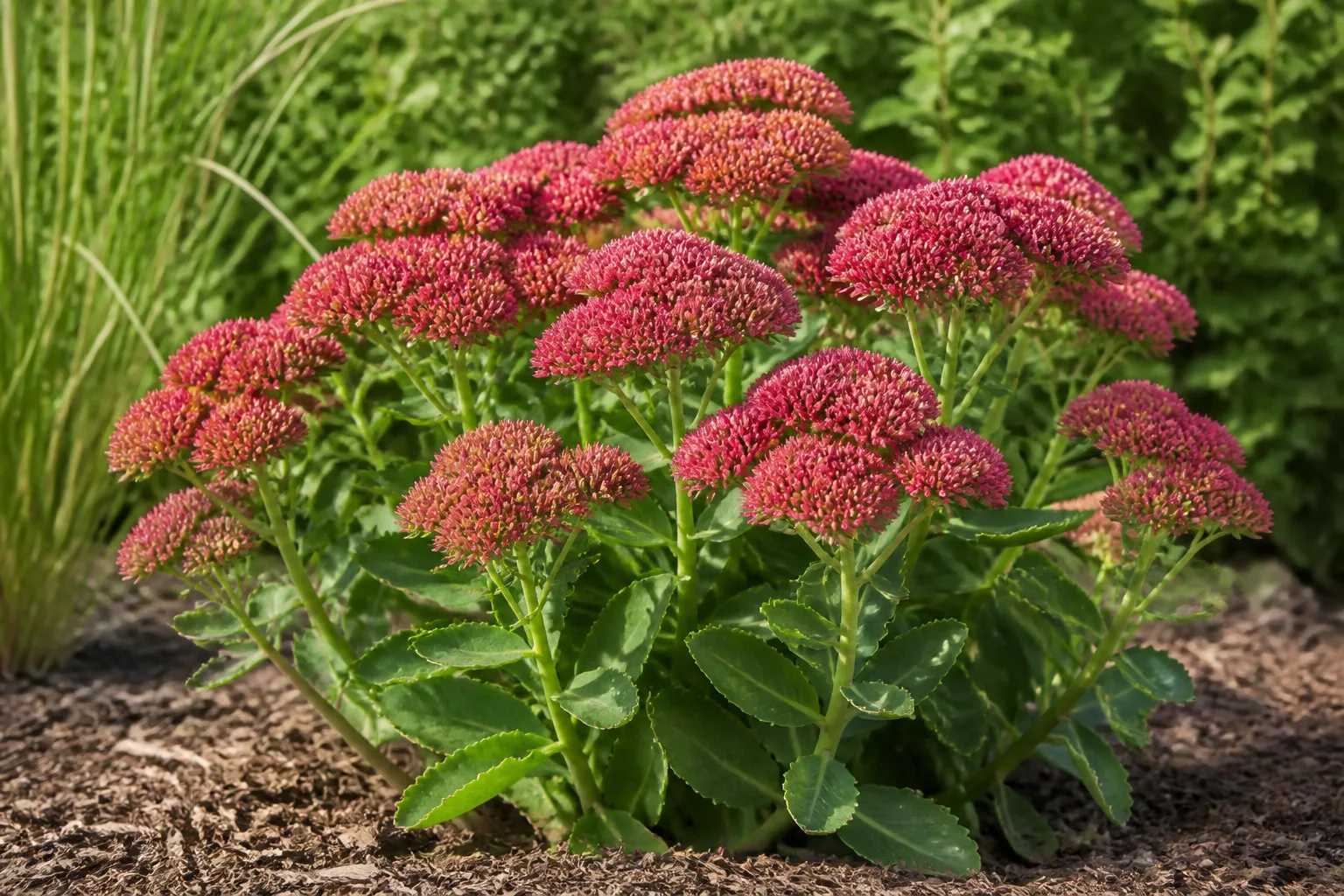
11. Stonecrop (low-growing sedum). Creeping sedums bring fleshy foliage and small summer flowers to a hot, dry, gravelly border. Choose a mat-forming species or cultivar rather than an upright “stonecrop” that grows too tall for the front of the bed, and avoid rich, wet soil that can leave stems floppy or crowns damaged.
12. Dianthus. Low, mounding dianthus adds a neat cushion of narrow foliage and fragrant flowers to a sunny edge with good drainage. Different species vary in lifespan and summer heat tolerance; give the plant airflow, trim spent bloom stems when needed, and do not correct soil pH without a test simply because a cultivar is described as liking neutral-to-alkaline conditions.
13. Thrift (Armeria). Thrift makes rounded, grasslike tufts topped with pink or white flower heads, particularly in lean, well-drained soil and full sun. It suits a coastal or rock-garden look, but a plant’s coastal appearance does not mean it can handle every roadside salt load; use it for visual texture, not as a guaranteed salt solution.
14. Candytuft. Evergreen candytuft (Iberis sempervirens) produces a white spring flower band and tidy foliage for a sunny, well-drained bed edge. It is best where the low woody mound can remain in place; after bloom, a light trim can keep it compact, but cutting deep into old wood may leave bare patches.
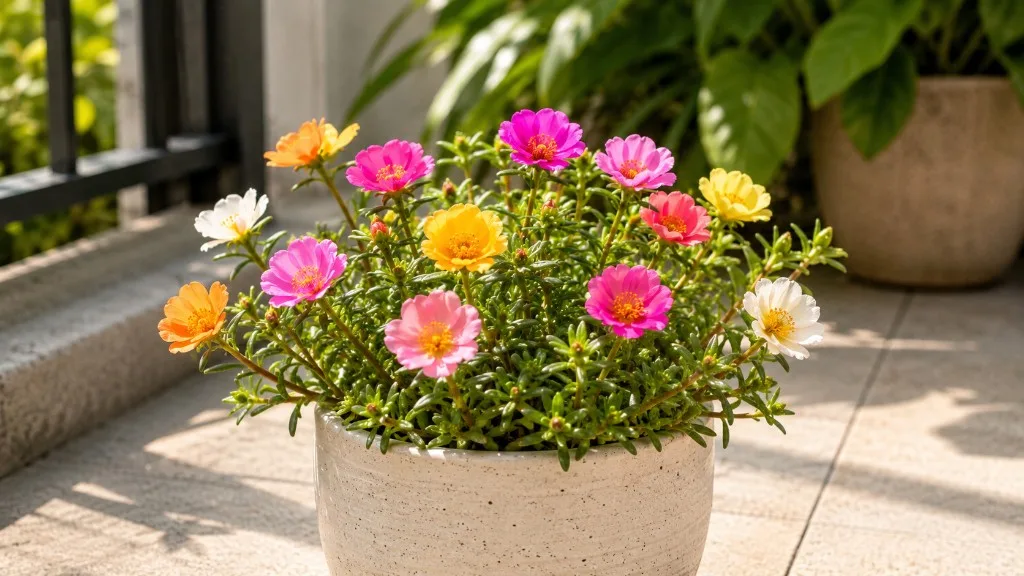
15. Moss rose (Portulaca). Moss rose is a heat-loving annual with succulent leaves and bright blooms that open in sun, useful when you want a low, seasonal edge in a dry, exposed bed. Treat it as a one-season choice in cold climates, leave room for it to spread, and expect to replant or manage volunteers rather than count on a permanent perennial border.
Shade plants for woodland and sheltered paths
Shady edges often need foliage to carry the border after the flowers finish. First decide whether the shade is moist or dry: tree roots can make a shaded strip surprisingly thirsty, while a downspout or low spot can make another one waterlogged.
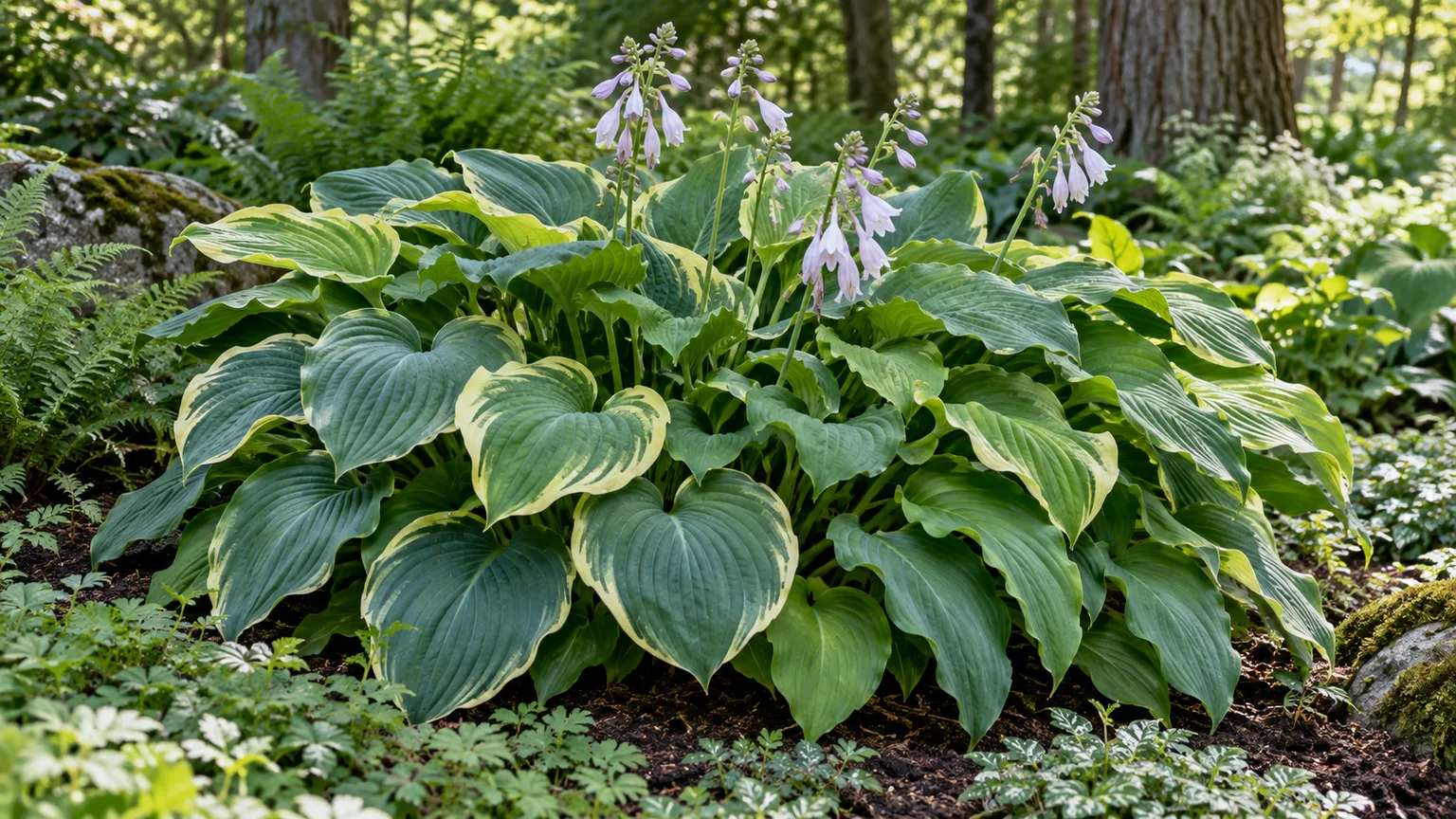
16. Hosta. Hostas offer broad leaves in many sizes and colors for a shady path or bed front. Miniature cultivars suit narrow spaces better than large classic types, while slugs, deer, and summer scorch can be issues; hostas also die back in winter, so pair them with a year-round edge if winter definition matters.
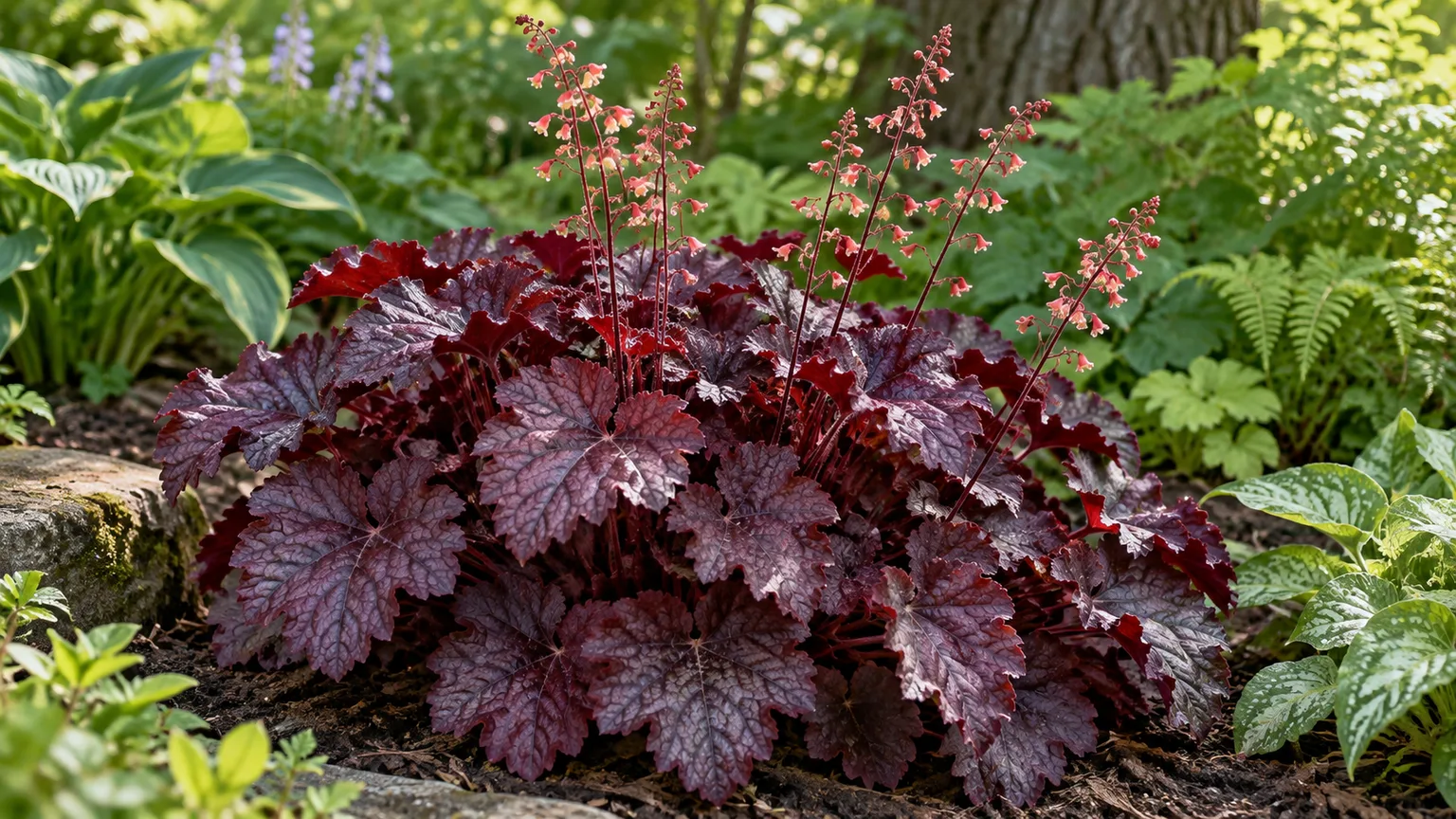
17. Coral bells (Heuchera). Heuchera adds a colorful foliage mound in partial shade, with flower stems above in season. It fits a mixed border where leaf color matters more than a clipped line, but crown heaving in freeze-thaw weather and persistently wet soil can shorten its life; choose a cultivar suited to your heat and winter conditions.
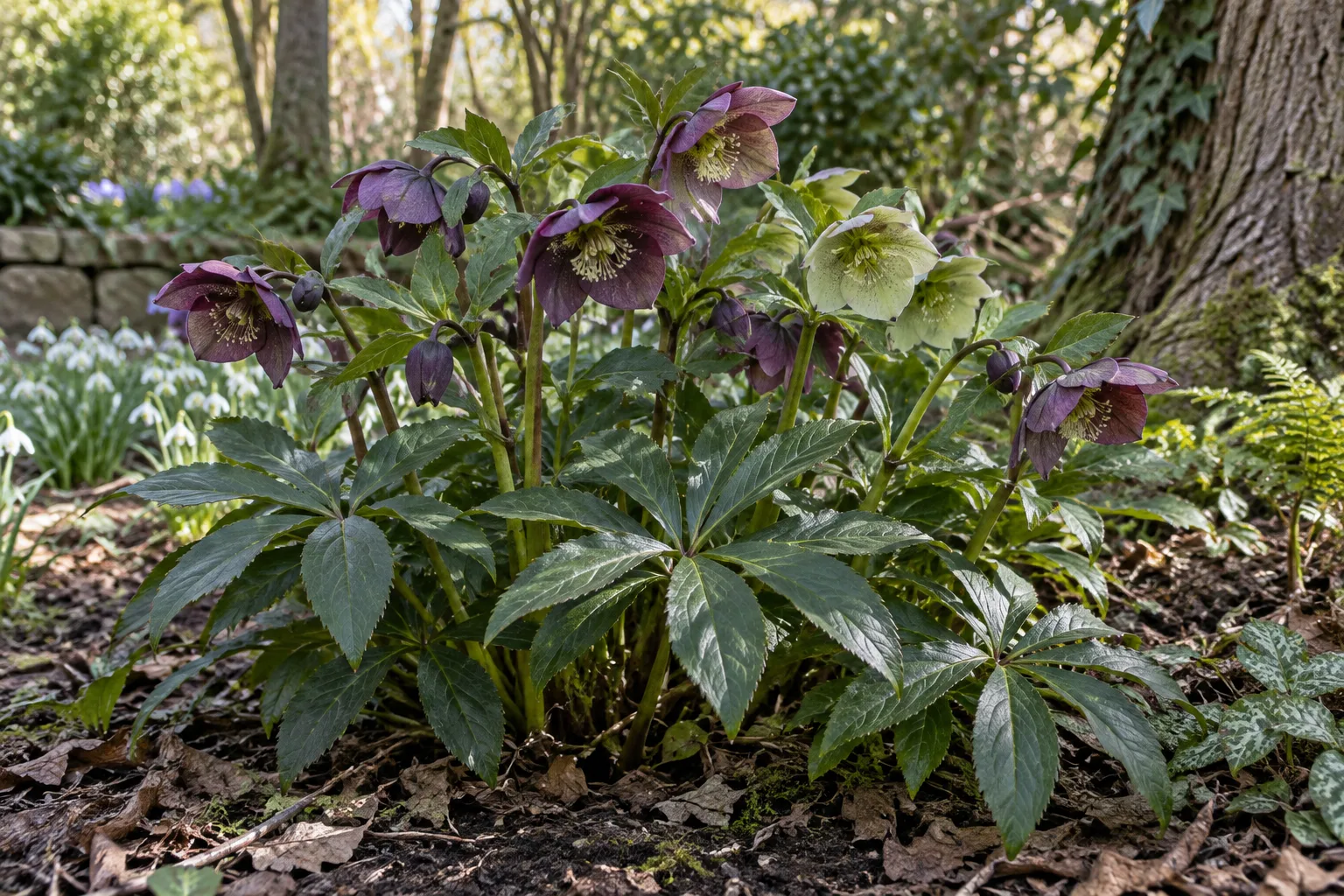
18. Hellebores. Hellebores bring durable foliage and late-winter or early-spring flowers to a sheltered, shaded edge. They are a medium-sized clump rather than a tiny groundcover, so give them enough front-to-back room and angle them where the nodding flowers can be seen from a path.
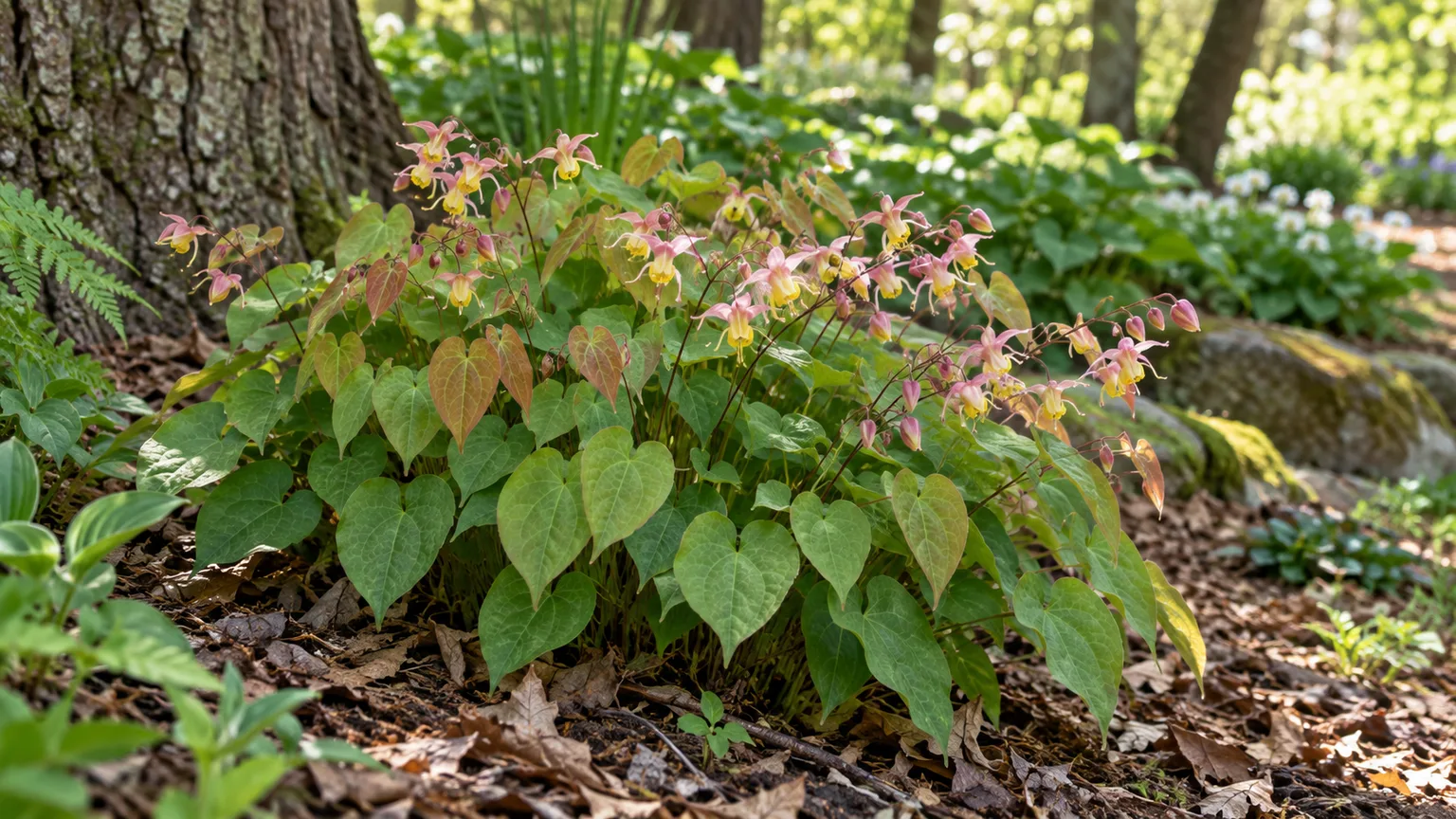
19. Epimedium (barrenwort). Epimedium suits dry shade beneath trees, where it forms a low foliage layer and offers delicate spring flowers. It generally fills more slowly than aggressive runners, making it useful under roots, but individual species and cultivars differ; select by mature spread and cut back old leaves only when new growth is ready.
20. Clumping ferns. Choose a locally hardy clumping fern—such as Christmas fern in suitable eastern North American gardens—for a woodland border that stays moist and shaded. Ferns vary widely in size and spreading habit, so do not buy “a fern” without checking the species; avoid dry, hot curb strips unless a local profile confirms the selection can cope.
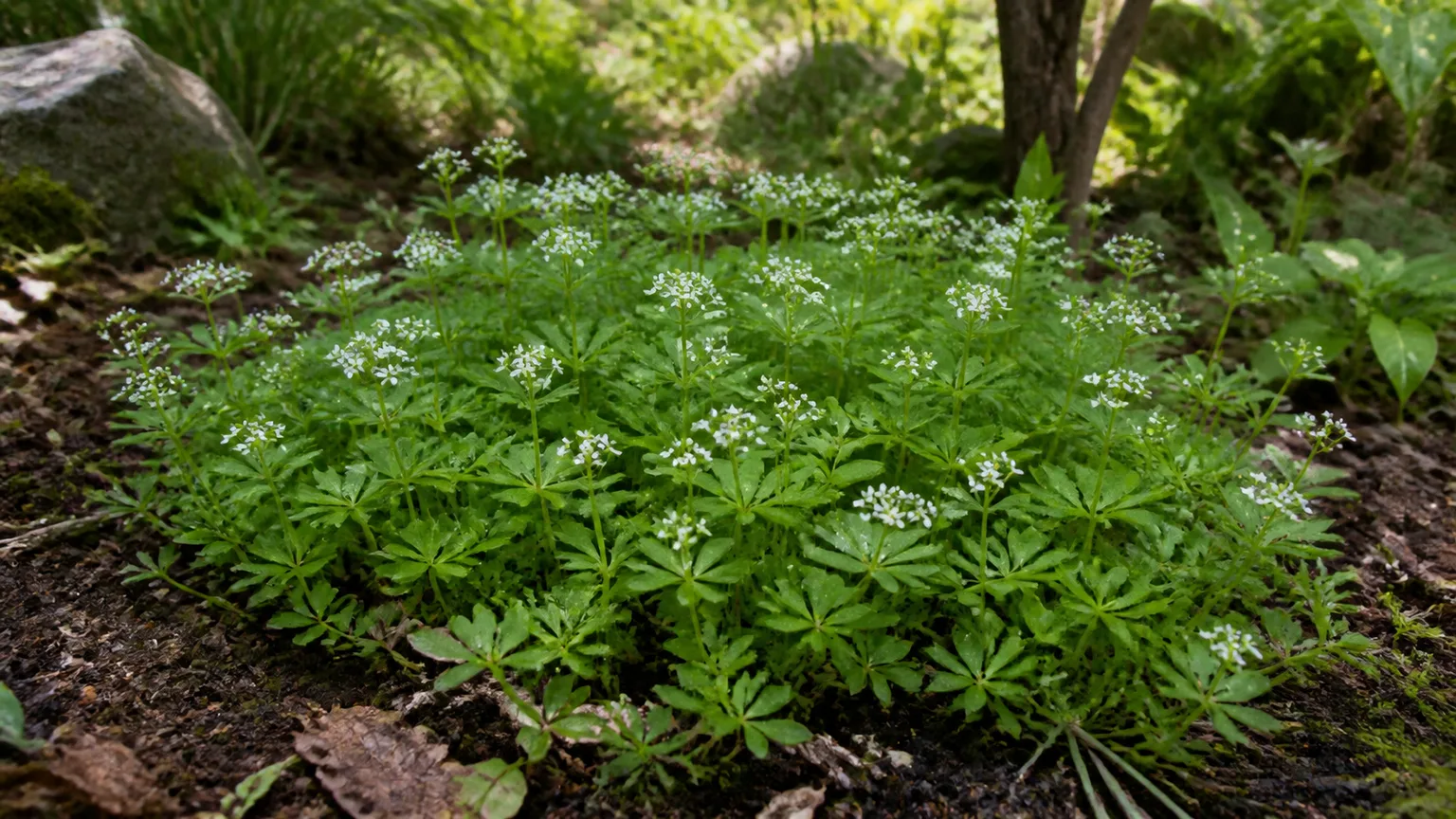
21. Sweet woodruff. Sweet woodruff forms a low, fragrant groundcover with small spring flowers in cool, moist shade. It can spread quickly by underground stems, which is useful when filling a contained woodland edge and frustrating beside lawn or paving; plant it only where you can mow, edge, or otherwise contain its advance.
22. Hardy geranium (cranesbill). Low cranesbill cultivars make a leafy, flowering transition at the front of a mixed border and can soften the ends of a path. The name covers many forms: check the mature width and flowering season, and select a hardy perennial Geranium rather than assuming annual florist geraniums (Pelargonium) have the same habit.
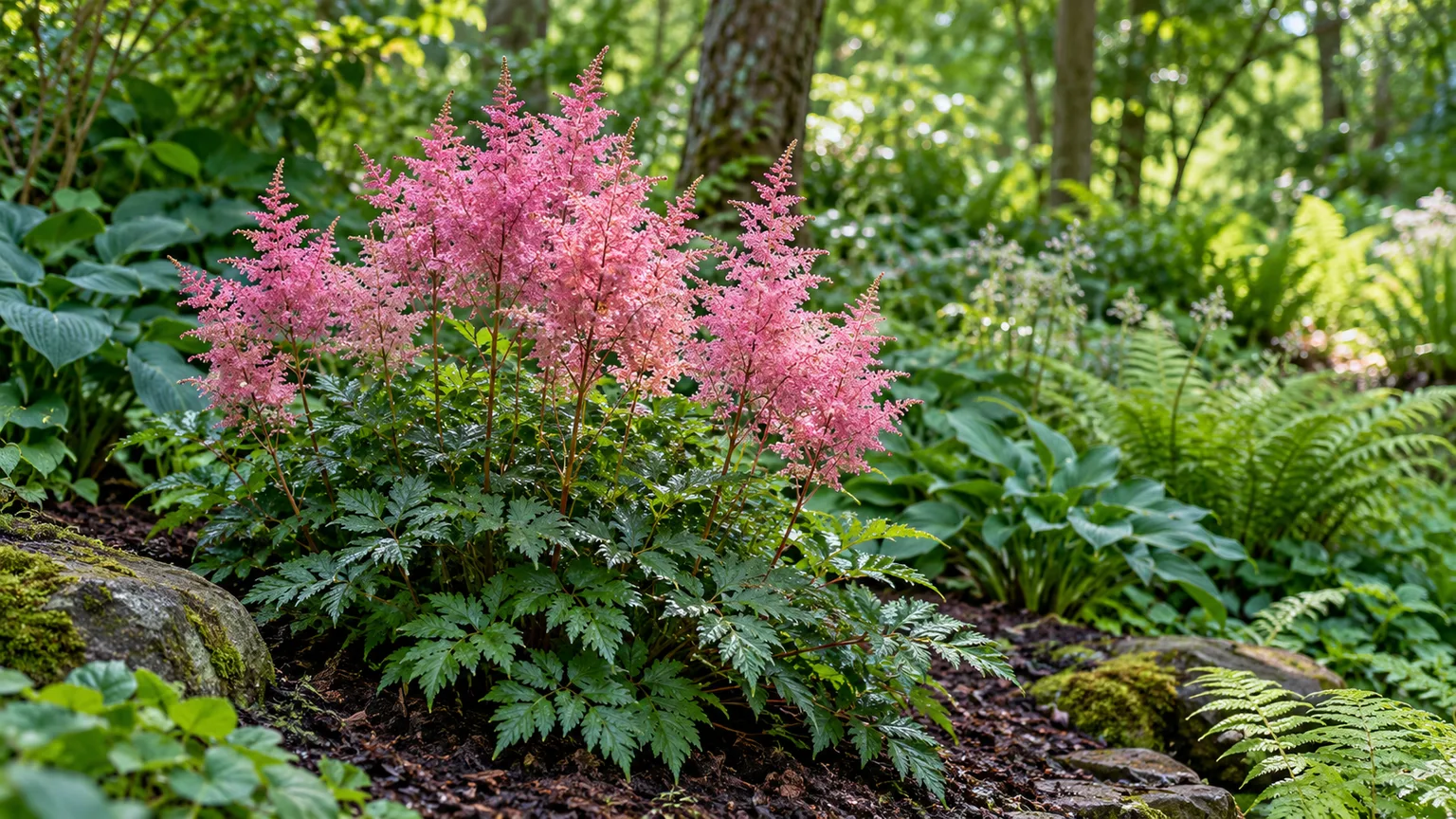
23. Astilbe. Astilbe adds feathery foliage and upright summer plumes to a moist, partly shaded border. It is a poor choice for the dry shade under established trees unless you can keep the root zone evenly moist; let the clumps repeat in groups, and remove flower stems if you want a neater edge after bloom.
Annuals for flexible seasonal color
Annuals let you change the edge each season or fill a gap while perennials establish. They bring quick color but require planting again after frost in cold-winter regions, so choose them when seasonal display is worth the extra work.
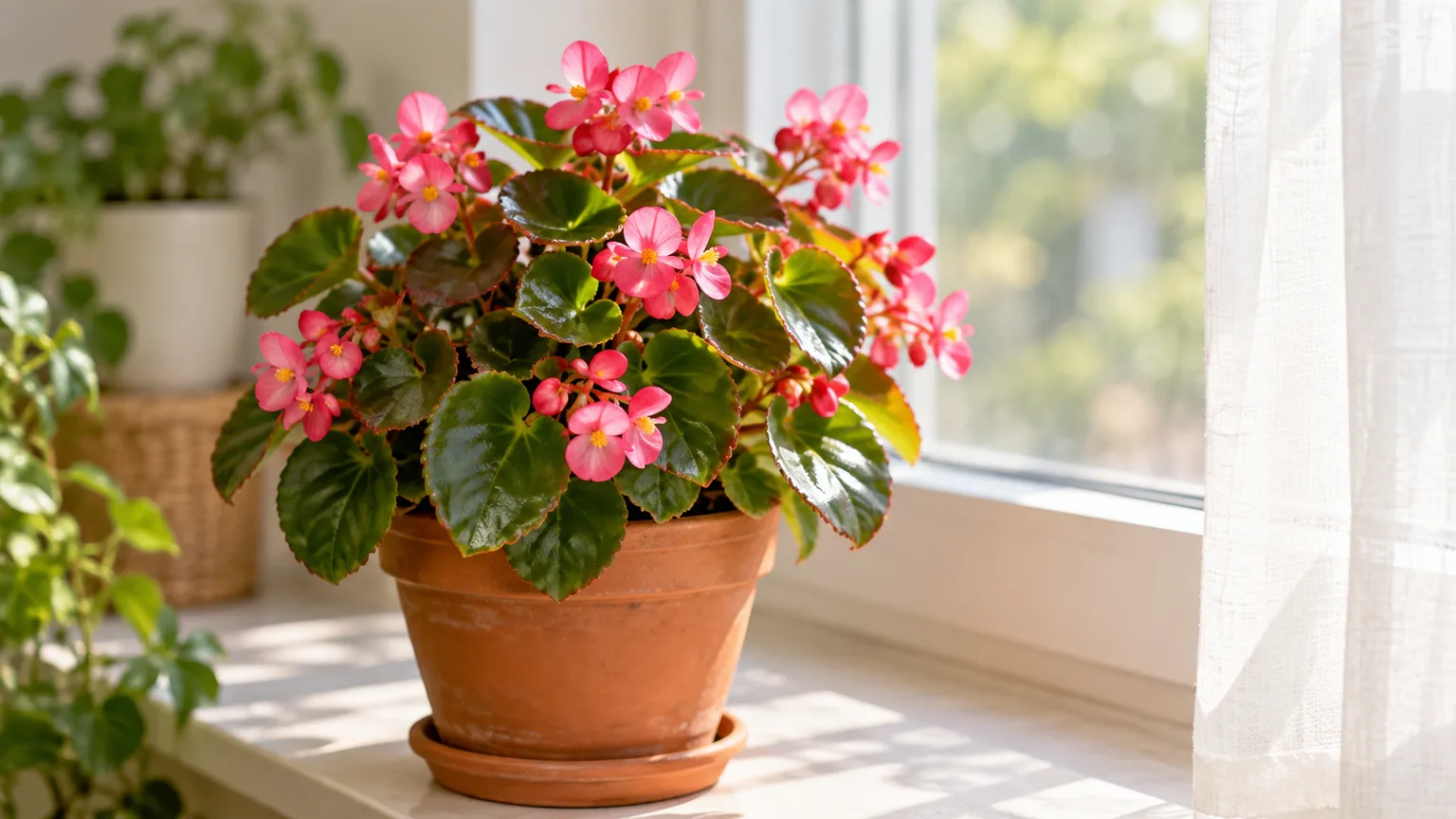
24. Wax begonia. Wax begonias give a compact flower-and-foliage border in shade or part shade, with many varieties also tolerating some sun when moisture is steady. They are tender annuals in cold climates and can stretch or flower less in deep shade, so use them for color rather than permanent structure.
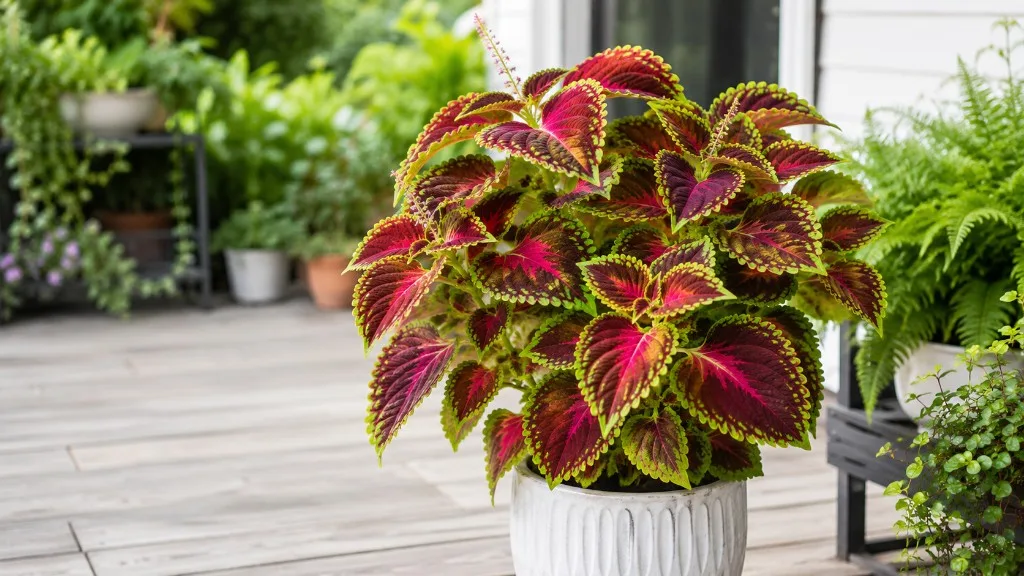
25. Coleus. Coleus makes a foliage-first edge when flowers are not the priority; leaf colors range from green and gold to burgundy and patterned combinations. Pinch stems to keep plants bushy, check whether a cultivar suits sun or shade, and remember that cold weather ends the display in most gardens.
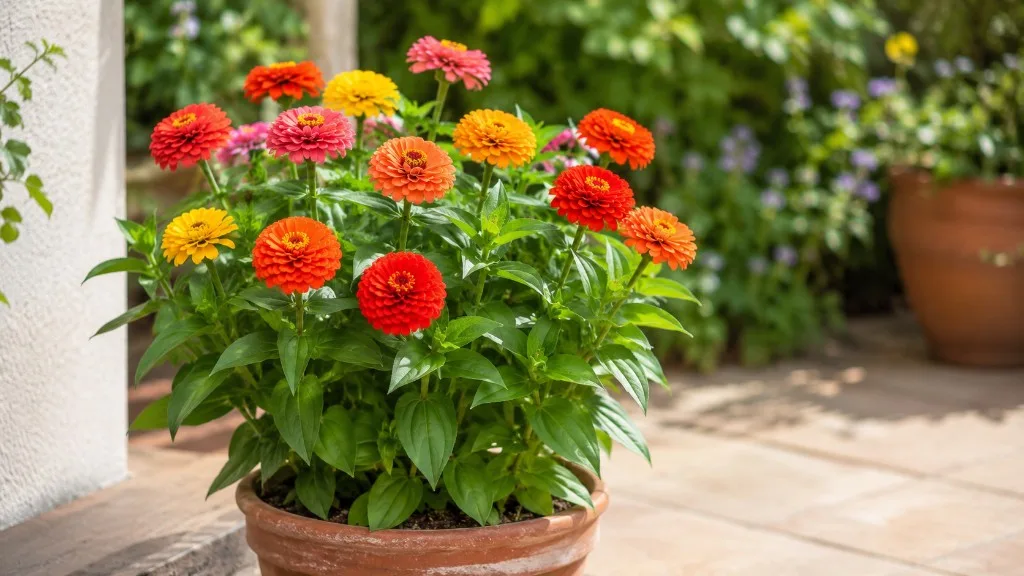
26. Compact zinnia. Dwarf zinnias bring a long summer run of bright flowers to a sunny bed, especially where you want pollinator visits and easy seed-starting. Choose a genuinely compact variety rather than a tall cut-flower type, provide airflow, and remove faded blooms if the cultivar responds with continued flowering.
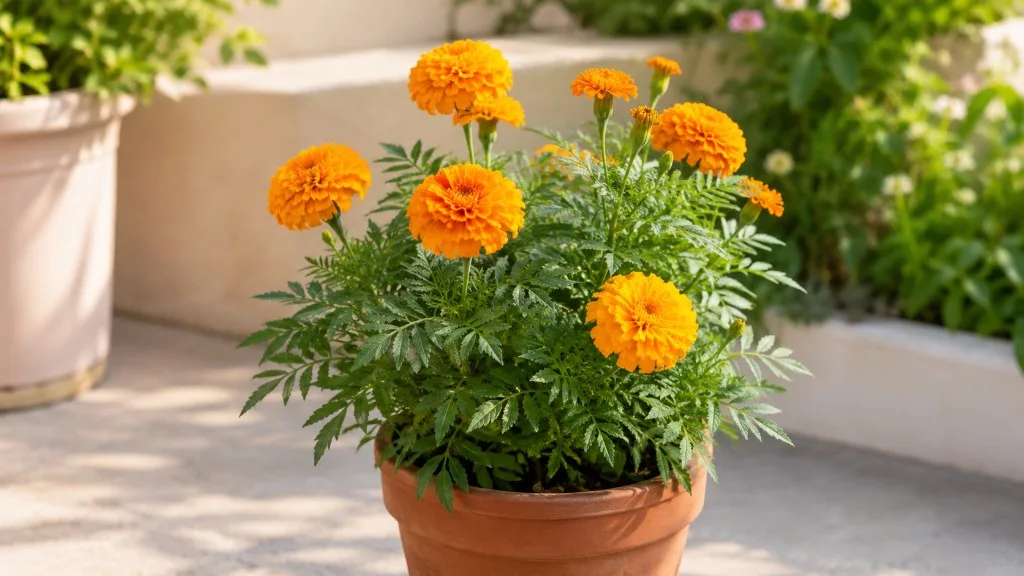
27. Dwarf marigold. A compact French marigold can create a neat, high-color annual edge around vegetables or summer flowers. It needs sun and regular watering while young, then tolerates ordinary summer conditions better once established; do not rely on it as a pest-control barrier, because companion-plant effects are not a substitute for identifying and managing a specific pest.
Build a planting that suits your path or bed
Instead of planting a different species at every step, repeat a small set of plants that share the same needs. A simple composition is one dependable edge plant, one seasonal accent, and a taller layer behind it; keep the front row low enough to guide people rather than forcing them to brush through foliage.
A sunny path with occasional light contact
For a dry, well-drained path, use creeping thyme near stepping stones only where foot contact is incidental. Set lavender or compact dianthus farther back as the taller repeat, and use creeping phlox or a low sedum on a wall or bed lip where it can spill without narrowing the path. This gives fragrance, texture, and bloom without asking one groundcover to handle every condition.
If the route carries regular traffic, use paving, gravel, or stepping stones for the walking surface and plant alongside it. Even plants sold as traffic tolerant are living tissue; a dog, stroller, or daily shortcut can turn a soft green edge into bare soil.
A low-maintenance bed edge
For a sunny formal bed, a single compact boxwood cultivar gives the cleanest repeated line, but it trades seasonal flowers for periodic pruning. For a looser sunny border, repeat blue fescue, thrift, or candytuft in groups, then use low creeping phlox or sedum in gaps. Avoid mixing plants with very different water needs in one narrow strip, since irrigation that keeps one happy may rot another.
For a naturalistic edge, a few native plants adapted to the local soil can reduce supplemental watering after establishment, but native does not automatically mean small, evergreen, or non-spreading. Penn State Extension notes that native groundcovers can solve difficult landscape problems, while emphasizing site preparation and matching spacing to how a plant spreads; check regional references before choosing a species for your exact location.
A shaded border under trees
Under a tree, try epimedium or a suitable Pennsylvania sedge where the shade is dry, then repeat hostas or coral bells in spots with more consistent moisture. Add hellebores for winter foliage or astilbe where soil stays moist. Do not line the whole bed with thirsty hostas under mature tree roots unless you can water enough to compete with those roots through summer.
Plant for a clean edge from the first year
Mark the border with a hose or string and walk the route before digging. Check where doors swing, people turn, mower wheels pass, sprinklers reach, and snow or rainwater collect; adjust the curve before plants make the line permanent. Call utility-locate services before excavation, and check municipal rules for a curb strip or corner lot.
Remove persistent weeds and loosen compacted soil without burying the crowns or roots of nearby trees. Penn State Extension recommends preparing the site and testing soil where needed, then planting most groundcovers in spring or fall so they can establish before summer stress; new plants still need water while roots are growing. Add a modest layer of organic mulch between young plants if it will not smother a low crown, and keep mulch from piling against woody stems.
Set each plant at the depth it grew in its pot, then water the root ball and surrounding soil. Space by the stated mature width: if a plant is expected to spread 18 inches and you want a continuous line, the centers will ultimately need to be roughly that far apart, but a slower grower may leave gaps for longer. Do not crowd plants just to achieve an instant photo-ready edge; overcrowding raises pruning and disease pressure later.
Keep the border tidy without constant clipping
During the first season, check moisture more often than you expect. A shallow edge dries faster than the interior of a bed, especially beside paving, and a new groundcover cannot yet protect its own roots with a full canopy. Water deeply when the root zone begins to dry, then extend the interval as plants establish rather than giving frequent, shallow sprinkles.
After establishment, let each plant keep its natural form unless it starts to obstruct the path or overtake a neighbor. Trim runners at the lawn line, deadhead only where it improves the look or bloom, and divide congested clumps when the center thins. If an edge constantly needs clipping, the plant probably has more vigor or mature width than the space can handle; replace it with a compact clumper instead of making pruning the permanent solution.
Conclusion
Choose edging plants by matching their mature habit to the width, light, moisture, and use of the strip. For steady structure, consider compact boxwood, liriope, or suitable sedges; for sunny dry edges, look at thyme, lavender, phlox, or low sedum; for shade, compare hostas, heuchera, epimedium, and ferns. Annuals such as begonias and dwarf zinnias add flexible color when you are comfortable replanting.
Before buying, confirm the cultivar’s final spread, local winter performance, and tendency to run. Give the border a clear walking margin, group a few plants rather than scattering many, and keep foot traffic on a real path. That small amount of planning makes the edge read cleanly without turning it into another weekly chore.