21 Flowers That Look Like Roses for Tough Garden Spots
Find 21 rose-like flowers for beds, bouquets, shade, heat, or containers, with clear notes on bloom season, soil, and the trade-offs to check before buying.
A flower can look like a rose and still be the wrong plant for your garden. The useful question is not only whether its petals curl into a familiar, layered shape; it is whether the plant can handle your light, soil, climate, and the role you want it to play.
This list includes true close matches, such as peonies and ranunculus, alongside shrubs and compact plants that provide rose-like color in a different way. Some are excellent cut flowers. Others work best in shade, a hot container, or a warm-climate border. None is automatically easier than a rose, so start with the growing problem you need to solve.
First choose what your roses cannot do
If roses fail because the bed is shaded, do not replace one with another sun-dependent flower just because the catalog image looks similar. If the problem is winter cold, soggy soil, heat, or limited space, the best alternative will be different. A simple site check—hours of direct sun, how quickly water drains, the coldest winter conditions, and available width—will eliminate more mismatches than comparing petal colors.
Also decide what you mean by “replace.” A peony can give you a large, fragrant spring bloom but not a shrub that flowers repeatedly through summer. A camellia may provide evergreen structure and rose-form blossoms in partial shade, while a moss rose is a low, sun-loving annual that will not fill the same space. When the purpose is clear, the list becomes much easier to use.
Quick picks by garden constraint
Use these as a first shortlist, then read the individual trade-offs below. The same plant can be a strong substitute for one gardener and a poor fit for another.
For the closest full, romantic bloom
Start with peonies, ranunculus, and double dahlias. Their layered petals give the closest visual impression of a lush rose, but their seasons and lifecycles differ: peonies are long-lived perennials, ranunculus are usually treated as cool-season flowers, and dahlias are warm-season tubers that may need winter storage in cold climates.
For a shaded bed
Look first at double impatiens or tuberous begonias for bedding and containers, or consider camellias, azaleas, and rhododendrons if you want shrubs. The shrub choices are not shade-proof or soil-proof: they generally need well-drained, acidic soil, and the amount of sun they tolerate varies by species and region.
For hot, dry sites and containers
Moss rose is the clearest fit for a hot, sunny, dry spot; calibrachoa works in a cascading pot if you can keep its potting mix from drying completely. For a larger shrub, cotton rose can bring bold color to warm gardens, but it still needs room and regular moisture. A drought-tolerant flower is not necessarily a drought-tolerant shrub.
For cut flowers or fragrance
Choose peonies, ranunculus, dahlias, carnations, lisianthus, or florist’s anemones for stems to bring indoors. Peonies, gardenias, and some carnations can be fragrant, but scent is cultivar-specific; if fragrance is the goal, smell a flower in person or check a reliable cultivar description before buying.
21 flowers that look like roses, with the trade-offs
“Rose-like” can describe a tight spiral of petals, a densely double flower, or simply a soft pink bloom on a shrub. The notes below distinguish those forms so a flower that only resembles a rose from across the yard does not get mistaken for a true substitute up close.
Full, layered blooms
These are the strongest choices when petal shape matters most. They make a bold focal point or bouquet, but heavy flowers, short bloom seasons, and winter requirements can be part of the deal.
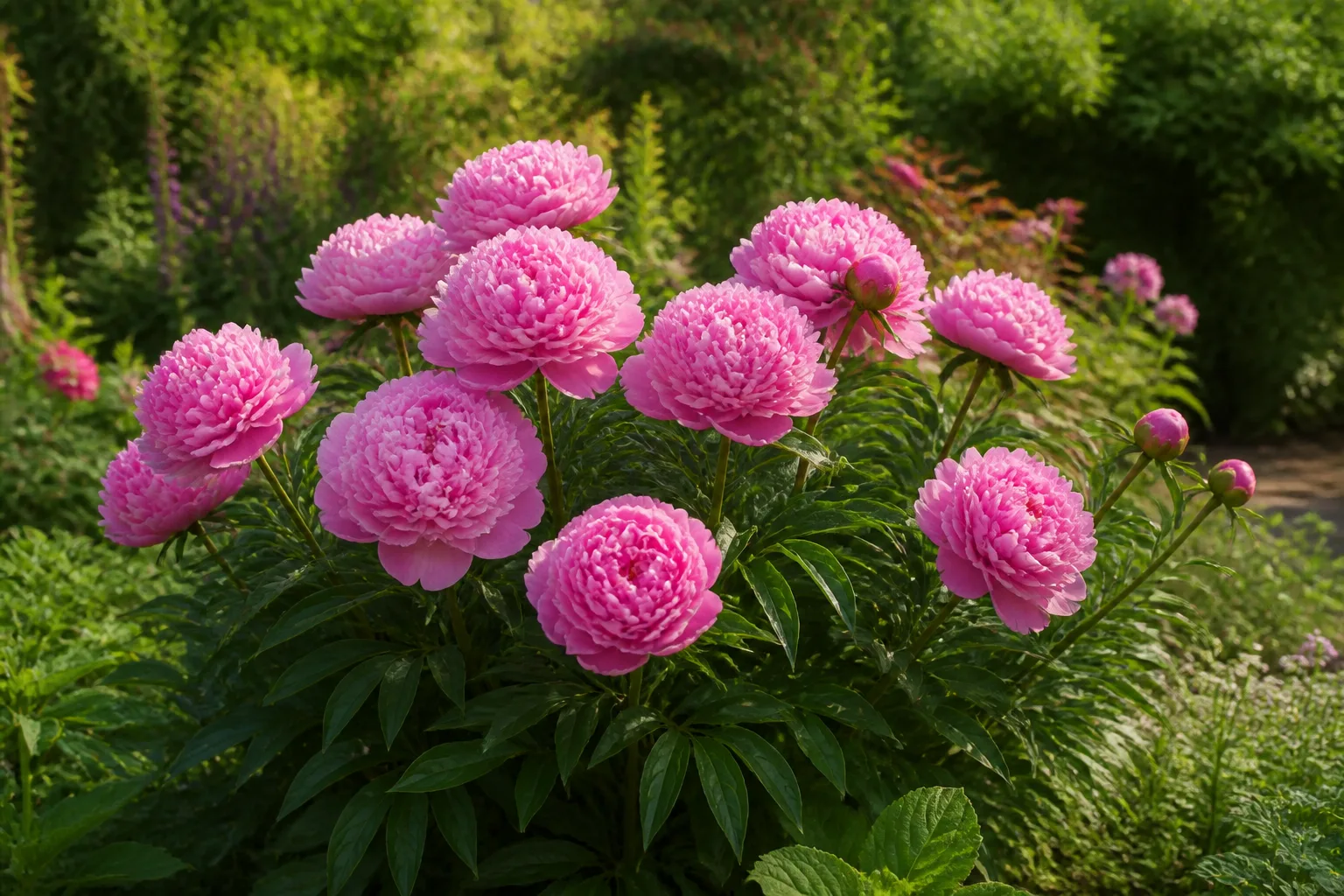
1. Peonies (Paeonia spp.) are the closest all-around match for a classic, full rose: many double cultivars have cupped, densely ruffled petals and some are strongly scented. The catch is patience and placement. Peonies can take several seasons to settle in, need excellent drainage, and some of the largest double flowers benefit from staking; herbaceous cultivars also need a suitable winter climate, while tree and woodland peonies have different habits. Penn State Extension’s peony guide notes that most garden peonies suit temperate to cold regions and that herbaceous roots planted too deeply may fail to flower; BBC Gardeners’ World’s peony guide likewise advises shallow planting and support for heavy flowers.
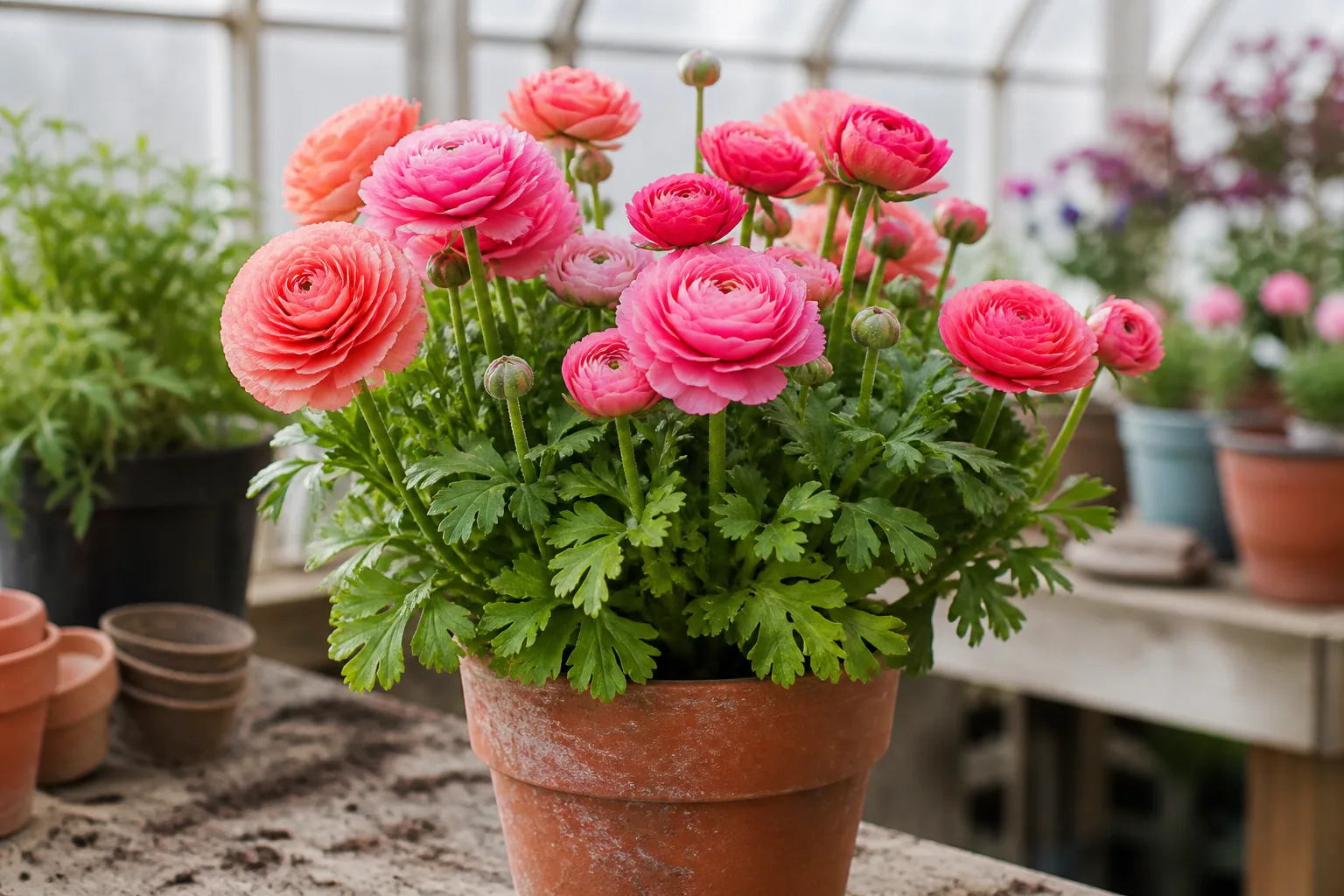
2. Ranunculus (Ranunculus asiaticus) produces tight, spiraled layers that resemble a small rose or peony, and its straight stems make it a favorite for spring bouquets. It is a cool-season flower, not a carefree perennial shrub: warm regions often grow it for a cool-season display, while colder regions time planting around local frost conditions. Choose it when you want cut stems or a dense seasonal bed, not year-round structure.
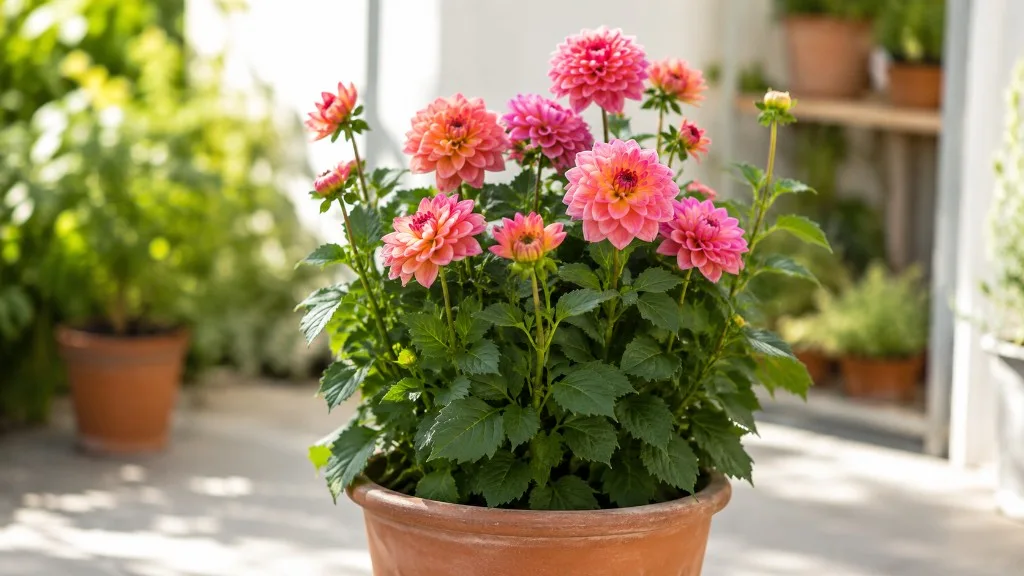
3. Dahlias (Dahlia spp.) include formal decorative and ball types with petal arrangements that can look remarkably like roses, plus dinner-plate cultivars with enormous blooms. They flower in summer and fall after warm weather arrives, which makes them useful when peonies and tulips have finished. Their tubers are frost-sensitive, and tall or heavy-flowered varieties need support; in cold-winter areas, plan for lifting and storing the tubers rather than assuming they will return unaided.
4. Carnations (Dianthus caryophyllus) have compact, round heads of ruffled petals and a spicy, clove-like scent rather than a classic rose perfume. They are useful in cutting gardens because the stems last well in a vase, and the plants take less ground space than a rose bush. Their performance depends on local conditions: they prefer good drainage and often fare better where summers are not relentlessly hot and humid, so treat them as annuals if they do not persist in your area.
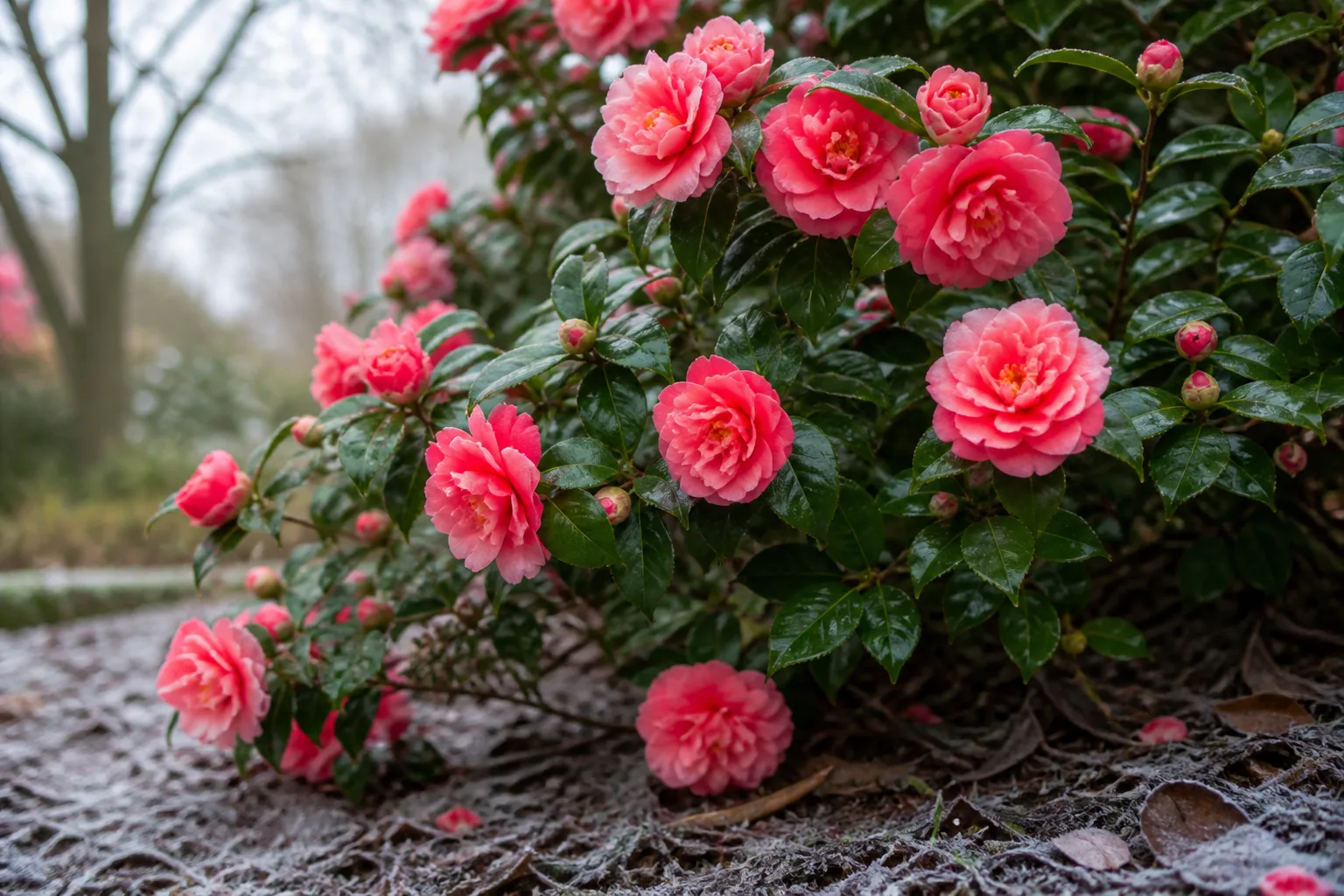
5. Camellias (Camellia spp.) are evergreen shrubs, and some cultivars have formal, overlapping petals that create one of the best rose-like flowers on a woody plant. Unlike a peony, the shrub can also provide structure when it is not in bloom. This is a good candidate for a sheltered, partly shaded garden with acidic, organically rich soil that stays moist but drains well; drought, hot exposure, and poor drainage can make it a poor fit. NC State Extension’s camellia profile describes camellias as variable by species and cultivar, with partial-shade preferences and flower forms that range from single to formal double.
Spring bloomers and cut-flower stems
These plants deliver their rose resemblance for a particular season or in a vase. If you want flowers from spring through fall, pair them with later bloomers instead of expecting one spring bulb or perennial to keep flowering.
6. Double tulips (Tulipa hybrids) have many petals packed into a cup, especially in early and late double varieties. The late forms are often called peony-flowered tulips because their broad, layered blooms open like a small peony. Tulips are spring bulbs, not a replacement for a summer-flowering rose; some modern types return unreliably, especially where summer soil is warm and wet. BBC Gardeners’ World’s tulip guide notes that many tulip varieties flower most reliably in their first year, so plan to refresh bulbs when repeat displays matter.
7. Double daffodils (Narcissus) have extra petals or petal-like segments that make the flower look fuller than the familiar trumpet type. They give early spring color and can naturalize in a suitable site, but their resemblance to roses is loose: you see the bulb flower’s central cup and a cluster of spring petals, not a spiral bloom. Let the foliage yellow naturally after flowering so the bulb can replenish itself for next year.
8. Double florist’s anemones (Anemone coronaria) can have several petal rows around a dark center, with a soft, rounded outline in double cultivars. They are lovely in spring borders and cutting patches, but “anemone” covers many different species with different bloom times and habits, so check the botanical name on the label. The florist’s types are seasonal flowers grown from small tubers; do not assume their requirements match a Japanese anemone sold as a shade perennial.
9. Oriental poppies (Papaver orientale) are not close rose copies, but their large, crinkled petals and saturated colors can deliver a similar dramatic focal point in late spring. They are hardy herbaceous perennials in climates that suit them, yet each flower does not last like a rose bloom and plants may go dormant after flowering. Use them in a sunny border where neighboring foliage can cover the gap, rather than as a long-season cut-flower shrub.
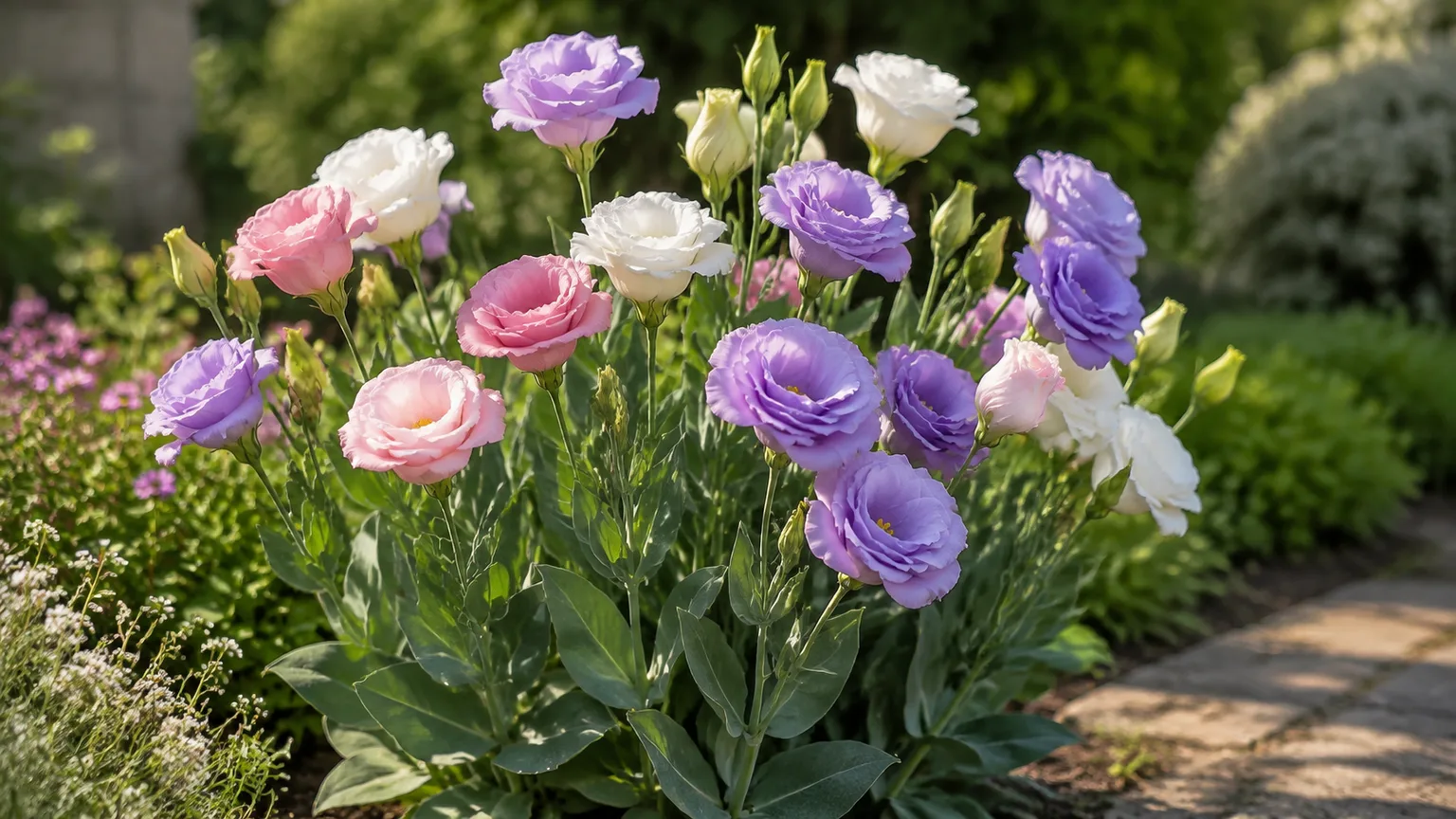
10. Lisianthus (Eustoma grandiflorum) is one of the best cut-flower stand-ins for a rose because its buds have a rose-like spiral and its open blooms retain a soft, layered shape. It is often sold as an annual bedding plant or grown by florists as a cut flower, rather than as a long-lived garden shrub. Give it warmth, bright light, and consistently draining soil; buy transplants when possible because growing a showy crop from seed can be slow.
Flowering shrubs for shade, fragrance, or structure
Shrubs are the better choice when the goal is to replace the shape of a rose bush or keep color in a permanent border. They vary sharply in their soil and climate needs, so a shrub that thrives beside an azalea may fail in a hot, alkaline, dry bed.
11. Gardenias (Gardenia jasminoides) offer white, waxy flowers with petals that spiral toward the center, often with a strong sweet fragrance. Their glossy evergreen leaves make them look substantial even when flowers are absent. Gardenias are not the low-maintenance choice for every climate: they need warmth, humidity, acidic soil, even moisture, and good drainage, and cold winters can damage them. Choose one only if those conditions are realistic where you live.
12. Cotton rose (Hibiscus mutabilis) is a large warm-climate shrub whose flowers can shift from white to pink and then deeper pink or red as they age. The broad petals are simple rather than tightly layered, so it is a loose visual match, but the plant gives a bold, rose-colored display late in the season. Leave room for its eventual size and keep it watered through dry periods; its “rose” name does not mean it is a rose or that it wants the same care.
13. Flowering quince (Chaenomeles speciosa) bears rose-like single or double blooms on bare, woody stems before many shrubs leaf out. The early flowers can be white, pink, red, or apricot depending on the cultivar, and the shrub makes a useful informal hedge. It is a poor choice if your reason for leaving roses is to avoid thorns: many flowering quinces have sharp spines, and pruning them requires care.
14. Japanese rose (Kerria japonica) is a shade-tolerant shrub that produces bright yellow flowers in spring. The common name can mislead: its single flowers are simple and open, not rose-shaped, though double forms such as ‘Pleniflora’ are fuller. Consider it when the real problem is finding spring color for a part-shade border, and give it room because it can spread by suckers.
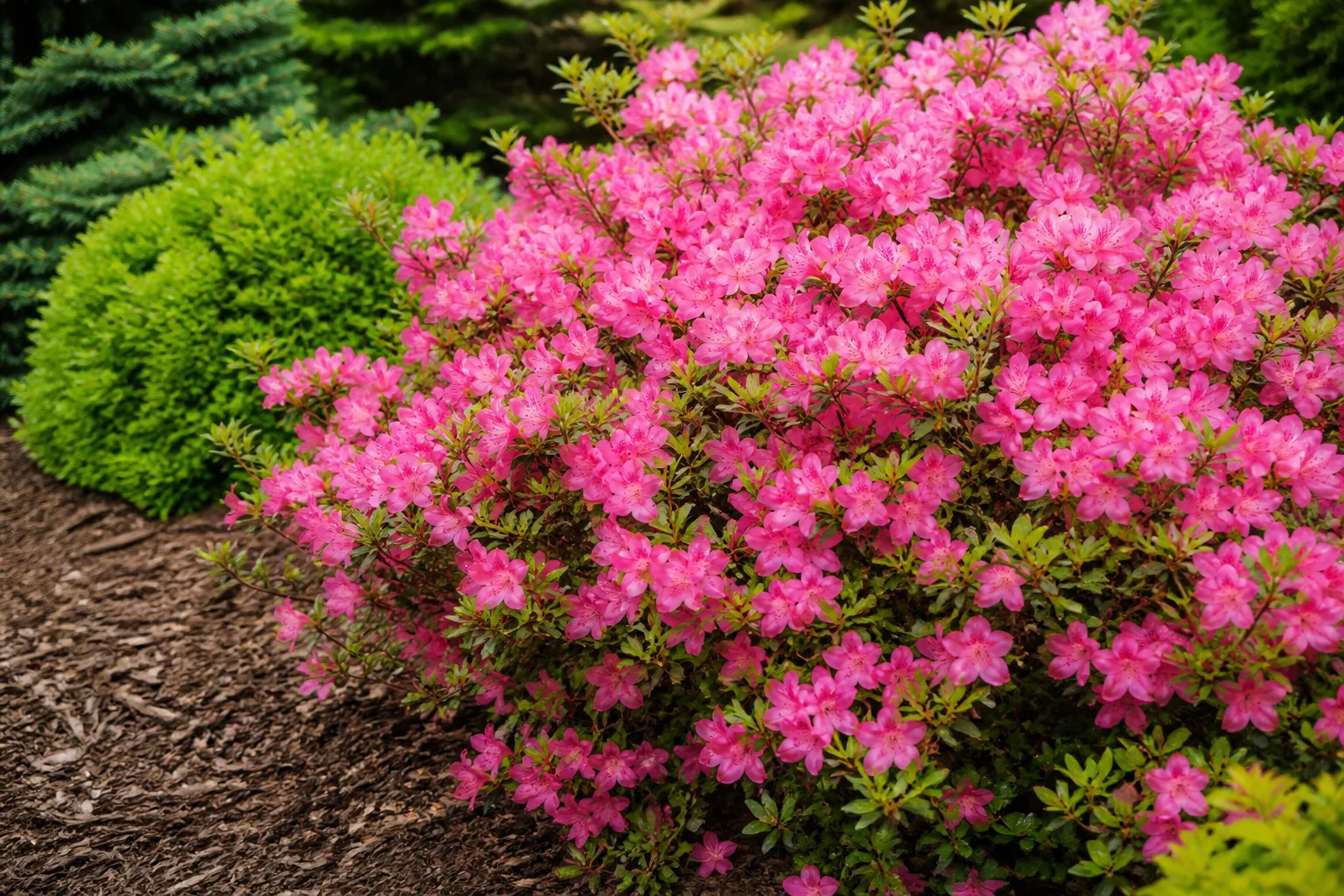
15. Azaleas (Rhododendron spp.) include double-flowered cultivars with layered pink, red, or white blooms that can read as small roses from a short distance. They work well as flowering shrubs in filtered light, but they need acidic soil and even moisture without waterlogging. If your rose struggles because the site is hot and dry or the soil is alkaline, an azalea will not fix that underlying problem.
16. Rhododendrons (Rhododendron spp.) are a better match for a rose bush’s volume and color than for an individual rose bloom. Their clusters of trumpet-shaped flowers make a showy spring focal point, and many retain evergreen leaves year-round. They share the acid-soil requirement of azaleas, and mature plants can be much larger than the nursery label suggests, so check the cultivar’s final width before planting.
Compact, trailing, and indoor choices
These are useful when a rose bush is too large, thorny, or exposed for the available spot. Most do not provide the same structure, scent, or repeat-bloom habit; think of them as smaller-scale alternatives for pots, edges, or indoor color.
17. Tuberous begonias (Begonia hybrids) can have broad double flowers with rounded petals, especially in cultivars bred for containers. They tolerate filtered light and can brighten a sheltered patio or shaded porch where a sun-loving rose would not thrive. They are frost-sensitive, and wet soil can rot their tubers, so use a free-draining potting mix and plan seasonal storage or replacement if winters freeze.
18. Double impatiens (Impatiens walleriana hybrids) produce compact, multi-petaled flowers in colors that include pink, red, white, and purple. They are an easy way to get rose-like color in shade, window boxes, or a small bed, but they prefer consistently moist soil and are usually treated as annuals where frost occurs. Do not equate shade tolerance with drought tolerance; let the surface dry slightly between waterings without allowing the root ball to collapse.
19. Moss rose (Portulaca grandiflora) is a low-growing succulent annual with single or double flowers that open in bright sun and close when light fades. It is among the best options for hot, dry containers, rock gardens, and sunny edges because its fleshy leaves help it cope with dry spells once established. It will not work in shade or waterlogged soil, and its small flowers do not resemble full-sized roses as closely as peonies or ranunculus do.
20. Million bells (Calibrachoa) is a trailing container plant covered in small, bell-shaped flowers; double cultivars add more petals and a fuller look. It is useful as a spilling accent over the edge of a pot or hanging basket, not as a focal shrub or a source of rose-sized bouquets. Keep its mix draining and avoid letting a container dry completely, especially during hot weather.
21. Gloxinia (Sinningia speciosa hybrids) is best treated as a compact indoor flowering plant, not an outdoor rose alternative. Double forms have velvety, ruffled petals and a bell-shaped outline, often in red, pink, white, lavender, or purple. Place it in bright indirect light and keep it warm; a single cold night outdoors can undo the display, so use it on a protected windowsill or as a short-lived seasonal centerpiece.
Plan around bloom season, not just flower shape
A list of 21 flowers can make it sound as if one rose-like plant will bloom whenever you want it to. In reality, the flowers fall into different seasons: peonies, tulips, daffodils, anemones, and many camellias center on spring; ranunculus and carnations are often cool-season or regional choices; dahlias, calibrachoa, and many begonias color warm months; and cotton rose is a late-season shrub. A planned sequence can extend the display, but it takes more than one plant.
The plant form also affects what you will see between blooms. A bulb may leave foliage that needs to die back before it can be cut, a herbaceous perennial can disappear in winter, an evergreen shrub can hold the border through the off-season, and an annual may need to be replanted. If a rose is the garden’s main structure, a spring perennial alone will not replace that year-round presence.
Use hardiness as a filter, not a guarantee
Hardiness information is a starting point, not a promise of performance. It helps you rule out plants that cannot survive typical winter lows, but it does not tell you whether a plant will receive enough summer chill, tolerate humid heat, handle wind, bloom well in shade, or grow in your soil. Cultivars within one species can also differ, especially among camellias, dahlias, begonias, and azaleas.
When you buy, check the exact botanical name and cultivar, the stated hardiness range, mature height and width, and the light and soil notes from a regional extension service or local nursery. For example, NC State Extension’s camellia guidance describes a varied group with different sizes, flower forms, and bloom seasons; its general profile favors partial shade and acidic, moist but well-drained soil. Do not turn one species profile into a blanket rule for every plant sold as a camellia.
Decide whether you want one flush or repeated color
Peonies, spring bulbs, and many flowering shrubs give a concentrated show rather than uninterrupted blooms. That can be an advantage if you want a memorable spring display or a vase of stems, but it will disappoint someone expecting roses to keep producing flowers through summer. Use a mix of early and late flowers if a long season matters more than finding one perfect rose lookalike.
For cut flowers, also consider how many stems the plant produces, not only how full each flower is. A single huge peony can be spectacular but brief; a bed of lisianthus or dahlias can supply stems at different stages, while carnations can offer repeated cuts when growing conditions suit them. Large double blooms may need support even when the stems are grown only for the vase. Fine Gardening’s garden example shows why a support ring or stake is useful before a heavy double peony flower tips over in rain.
What rose-like flowers will not replace
No flower on this list combines every rose trait: a woody shrub form, thorny or thornless stems, repeated flushes, a wide range of fragrances, and large blooms over a long season. Peonies come closest in fullness, camellias in evergreen shrub structure, and ranunculus or lisianthus in cut-flower form, but each trades away something else.
A substitute also will not correct the conditions that made the old plant struggle. If the bed stays wet, improve drainage before planting a camellia or peony. If the problem is shade, choose a plant adapted to partial light and accept that it may be less floriferous than the same plant in brighter conditions. If the problem is thorns, rule out flowering quince rather than discovering its spines after planting.
Common mistakes when choosing a rose alternative
Buying from a bloom photo alone is the fastest way to get a pretty plant that cannot live in the site. A compact double begonia in a nursery pot, a cold-hardy peony in a warm coastal garden, and an acid-loving azalea in alkaline soil all need different decisions. Check the full plant label and compare it with the actual conditions at the planting spot.
Expecting every rose-like flower to be low-care is another common mismatch. Gardenias and camellias can be particular about soil and moisture; peonies need good drainage and can take time to establish; dahlias may need lifting; and annual containers need water and feeding. The real gain may be a better fit for one constraint—such as shade or thorns—not fewer gardening tasks overall.
Ignoring plant size and off-season appearance leaves a border crowded or bare. A shrub needs space at mature width, a bulb’s foliage has to remain until it yellows, and a tuberous perennial may vanish after frost. Choose a companion or background plant that can fill the gap without smothering the rose-like flower you planted.
Treating common names as plant identities can also send you in the wrong direction. Cotton rose is a hibiscus, moss rose is a portulaca, and Japanese rose is a kerria; none is a true rose. Use the botanical name to compare hardiness and care requirements, especially when multiple species share a familiar name.
Conclusion
For the closest rose-like flower, start with peonies, ranunculus, or double dahlias. For shade, compare double impatiens and tuberous begonias with camellias or azaleas only if the soil and climate fit; for hot, dry containers, look first at moss rose. Then check the season, mature plant size, and winter needs of the exact cultivar before you buy. The best replacement is the flower that suits the conditions you have, not the one that looks most like a rose on a label.