How to Grow and Care for Gas Plants
Gas plant care starts with a permanent sunny site. Get practical advice on soil, watering, seed germination, bloom delays, varieties, and safe handling.
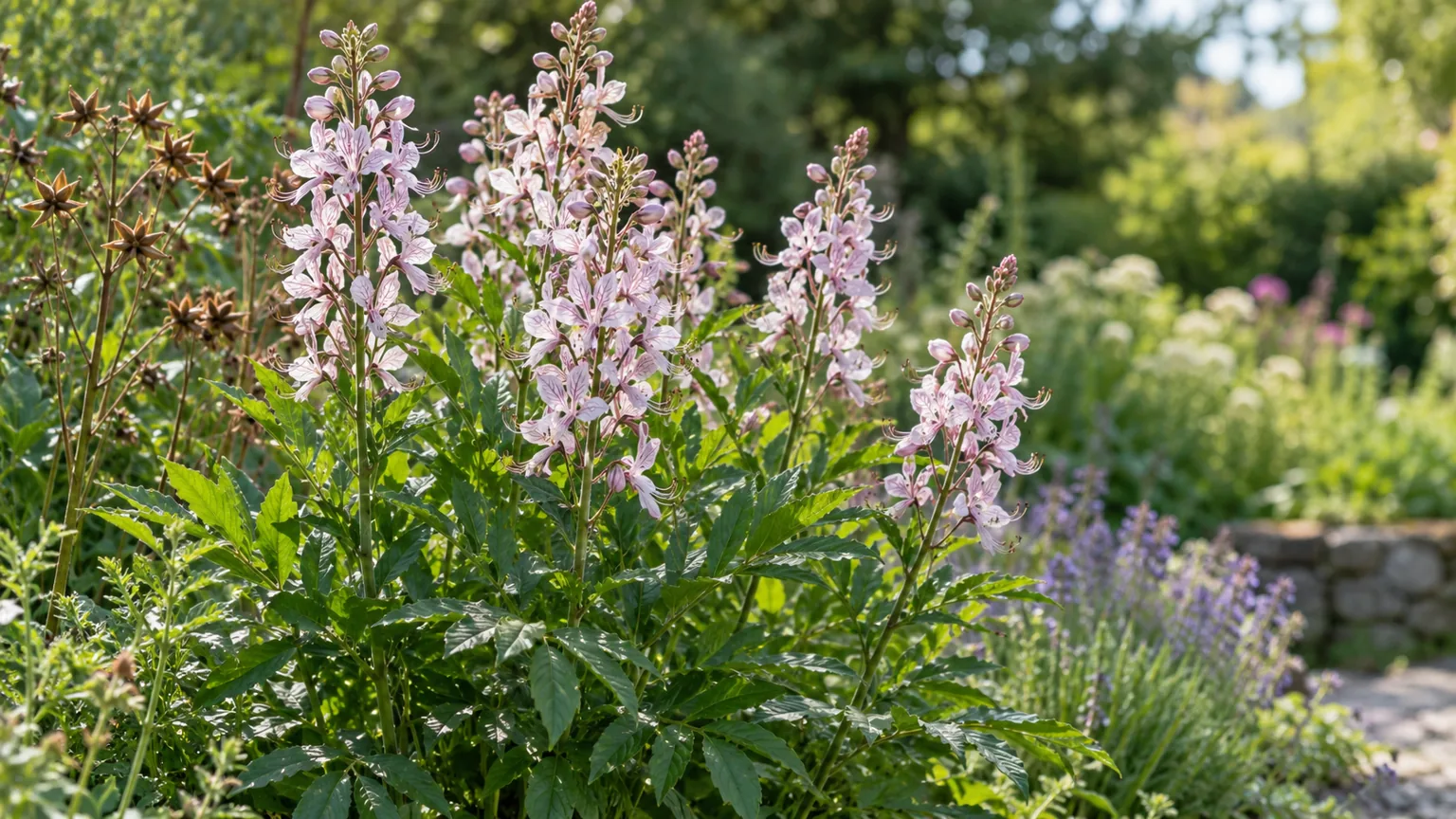
Gas plant (Dictamnus albus) is a slow-to-settle perennial with glossy, citrus-scented leaves, upright flower spikes, and star-shaped seed capsules. It can thrive for many years once its roots are established, but it is a poor choice for gardeners who want quick results, need to rearrange a border often, or cannot give it a well-drained permanent site.
The best way to succeed is to choose the spot before you buy the plant, keep the root ball intact when planting, and resist the urge to dig it up when it emerges late or takes a few seasons to flower. There is also a practical safety detail: contact with the fresh foliage followed by sunlight can trigger a painful skin reaction in some people, so placement and handling matter as much as watering.
What gas plant is—and what it is not
The name gas plant refers to Dictamnus albus, a flowering member of the rue family, Rutaceae. It is also called dittany, fraxinella, and burning bush. This is not the woody “burning bush” shrub Euonymus alatus, and it is not dittany of Crete (Origanum dictamnus), an unrelated herb. Check the botanical name on a nursery label; common names alone can lead you to the wrong plant.
Gas plant forms an upright, leafy clump rather than a spreading groundcover. Its pale pink, mauve, or white flowers rise in spikes in late spring or early summer, followed by decorative star-like seed capsules. The display is brief compared with the plant’s long life, and young plants may spend several years establishing before they bloom. Think of it as a permanent border anchor, not a fast seasonal filler.
Gas plant at a glance
| Feature | Practical expectation |
|---|---|
| Botanical name | Dictamnus albus |
| Habit and mature size | Clump-forming perennial, commonly about 2–4 feet tall and 2–3 feet wide |
| Hardiness | Commonly listed for USDA Zones 3–8; local stock and site conditions matter |
| Light | Full sun in cooler climates; light or afternoon shade can help in hotter areas |
| Soil | Fertile to average soil that drains freely; slightly alkaline is preferred, not mandatory |
| Water | Even moisture while young; more drought tolerant after establishment |
| Bloom | Late spring to early summer; flowers are followed by star-shaped capsules |
| Best propagation | Fresh seed; avoid routine division or moving |
These ranges are a planning guide rather than a promise of identical performance in every garden. Cornell’s horticultural profile lists zones 3–8, a height of 2–4 feet, a 2–3-foot spread, full sun with part-shade tolerance, and a slow establishment period; a professional grower likewise describes a permanent-site plant that can take years to flower. See Cornell University’s gas plant profile and Mark Dwyer’s account in Nursery Management.
Choose a permanent site
Before planting, look at the bed in spring, summer, and after a hard rain. You want a position with enough direct light to flower, soil that does not stay saturated, and room for a 2- to 3-foot-wide clump. Also keep it out of a narrow passage where people brush past it; the foliage deserves a buffer because of its potential to cause a sun-triggered skin reaction.
Treat permanence as a real requirement, not a nice-to-have. Gas plant develops a substantial root system and dislikes disturbance. Avoid the front edge of a bed that will be expanded, a spot beneath a tree that may later be removed, or a crowded gap you expect to replant every year. A sunny border with low-growing companions around—not over—the clump makes a more reliable home.
Light and climate
In a cool-summer region, choose full sun if the soil drains well. Cornell describes gas plant as tolerant of part shade but notes that it prefers cool nights. That distinction matters: the plant likes light, but in climates with punishing afternoon heat, several hours of morning sun and some afternoon shade can be a better compromise than an exposed, reflected-heat site. Expect less flowering if shade is heavy.
In a hot-summer climate, prioritize a location where the roots stay cool and the plant is not baked beside a south- or west-facing wall, paved path, or reflective stone. A little afternoon shade is a reasonable adaptation where summers are intense, although the plant may be less vigorous than it would be in its preferred cooler conditions. If nights stay warm for long stretches and the garden offers no relief from heat, choose a better-adapted perennial instead of trying to compensate with constant watering.
Gas plant is an outdoor perennial, not a houseplant. Indoor light and temperature cycles do not provide the seasonal conditions that a hardy, deciduous garden plant needs, and a pot is not a good workaround for a plant that resents root disturbance.
Soil and drainage
Drainage is more important than chasing a precise pH. Gas plant prefers loose, fertile soil that drains freely and can do well in neutral to slightly alkaline ground. It will struggle in a low spot that remains waterlogged, especially when cool weather slows growth. If a planting hole fills with water after rain and stays wet, select a raised area or improve the broader bed before planting rather than putting gravel in the bottom of a single hole.
If you do not know whether your soil is strongly acidic or alkaline, a soil test is more useful than guessing. Do not add lime simply because a plant profile says “slightly alkaline”; unnecessary pH changes can create nutrient problems for the rest of the bed. In heavy clay, use a raised or sloping site and improve drainage across the planting area with organic matter suited to the soil, not a small pocket of rich compost surrounded by dense clay.
Plant a nursery specimen with minimal root disturbance
Plant in spring or early fall when the ground is workable and the weather is mild. Water the nursery pot before planting so the root ball holds together, then dig a hole as deep as the root ball and somewhat wider. Slide the plant out without tugging on the stems, set it at the same depth it grew in the container, backfill with the native soil, and water slowly to settle the ground around the roots.
Do not tease apart or prune healthy roots to make the plant fit. If the root ball is tightly circling in a small pot, choose a younger, less root-bound specimen or another plant rather than forcing a permanent perennial into a damaged start. Firm the soil gently with your hands; hard tamping can compact the very soil you selected for drainage.
Leave the mature spread clear, and place a discreet marker nearby so you remember where the plant is dormant. Gas plant can emerge later than many neighboring perennials. Marking its location helps prevent accidental digging in spring, when a bare patch may look like an empty spot to fill.
Water for establishment, then taper
During the first growing season, water deeply when the upper few inches of soil begin to dry. The goal is to wet the root zone and then let excess water drain, not to keep the soil continuously soggy. Check the soil with a finger or trowel instead of following a fixed weekly schedule; rainfall, temperature, soil texture, and the plant’s size all change how quickly it dries.
Once established, gas plant can tolerate some dry weather because of its deeper roots, but “drought tolerant” does not mean that a young plant should be left to wilt repeatedly. In a hot or windy spell, give a mature plant a thorough soak if the soil is dry well below the surface. If leaves droop while the soil is wet, do not add more water automatically; check drainage and root-zone conditions first.
Water the soil, not the foliage, when practical. That reduces unnecessary contact with the leaves and directs moisture where the roots need it. In winter, do not maintain summer watering levels around a dormant plant in cold, wet ground.
Feed sparingly
Gas plant is not a heavy feeder. If it is growing in reasonably fertile garden soil, you may not need fertilizer at all. A thin layer of finished compost around the root zone in spring is a low-risk way to support soil structure without turning routine care into repeated feeding.
If a soil test or a history of poor growth suggests a nutrient shortage, use a balanced fertilizer according to its label and the test recommendation. Avoid high-nitrogen doses given simply to make the plant grow faster: they cannot fix poor drainage, a damaged root system, or a shady location. Fertilizer will not shorten the plant’s natural establishment period, and it cannot make an immature seedling bloom on demand.
Keep mulch light and pulled back from the crown. A thick, wet mulch collar can hold moisture where the stems emerge and make it harder to see the plant’s late spring shoots. A modest layer helps buffer the soil, but it should not bury the crown or turn a well-drained site into a damp one.
Follow a low-intervention seasonal routine
Gas plant is easiest to care for when you leave its basic structure alone. In spring, look for shoots before you weed or cultivate around its marker. Water a young plant when the soil dries, remove only damaged or dead material, and do not mistake late emergence for failure. Once flower spikes fade, you can leave the seed capsules standing for their ornamental shape.
In fall, tidy only what is broken or diseased. The seedheads add texture after flowering and help you see where the plant stands while its foliage declines. If you prefer a neat bed, cut stems back after they have browned and the plant has entered dormancy; use gloves and covered clothing rather than reaching through the fresh foliage in warm sun.
Do not deadhead automatically if you want the seed capsules. The flowers do not need routine staking in a suitable site, and repeated pruning is unnecessary. A plant that flops may be receiving too much shade, too much nitrogen, or too much competition—not asking for a rigid support structure.
Grow gas plant from seed
Seed is the practical propagation route because mature plants have roots that are difficult to divide without damage. Seed-grown plants are slow, and germination can be spread across seasons, but sowing in the final location avoids a later transplant. If you want several plants, start more seeds than the number of mature clumps you ultimately need and give each seedling space to develop.
Cornell recommends sowing outdoors where the plants will grow or in containers in fall; seedlings can begin emerging in spring and continue to appear during the following year. The professional grower Mark Dwyer reports that plants raised from seed may take three to five years to bloom. Those timelines are a better planning basis than expecting a quick germination-and-flowering cycle.
Collect ripe seed safely
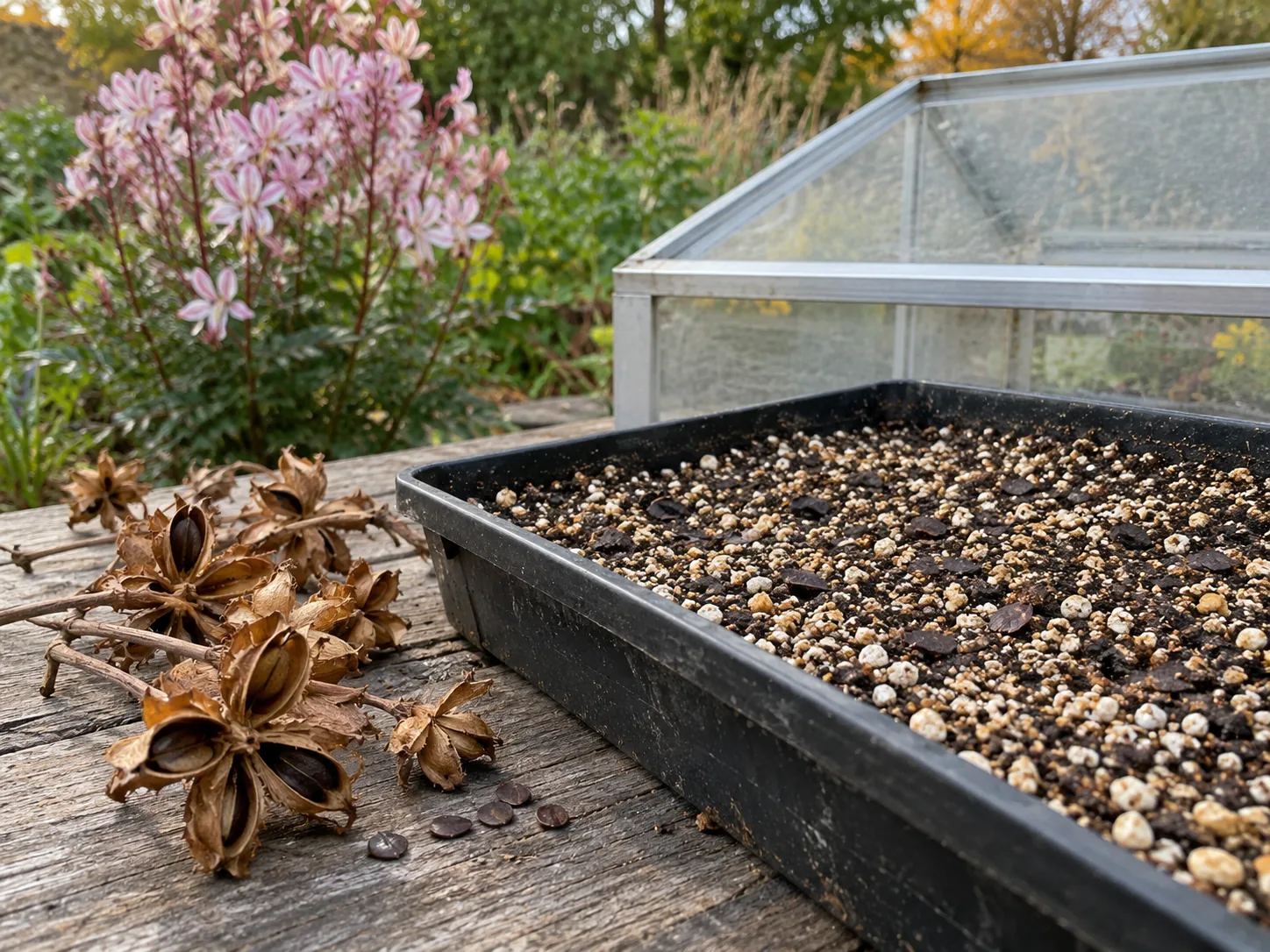
Let the flower spikes develop their star-shaped capsules if you want seed. Collect them as they dry and begin to open, before seeds are scattered, and wear gloves and sleeves that cover your skin. Do not rub or crush fresh plant material to check its scent; the aroma is not a safety indicator.
Use a paper envelope or breathable container and label the species and collection date. Sow seed while it is fresh if possible. If you cannot sow immediately, keep it cool and dry for a short period rather than sealing damp seed in plastic, which encourages mold. The exact seed behavior can vary with freshness and growing conditions, so reserve a tray or bed for a longer germination window.
Sow fresh seed and manage expectations
For the least disruptive route, sow outdoors in fall in a protected nursery row or directly in the permanent bed. Place seeds shallowly in prepared, well-drained soil, cover lightly, and mark the area. Natural winter conditions provide seasonal chilling, while the outdoor location avoids moving established roots later. Keep the seedbed from drying completely during mild spells, but do not water it into a saturated state.
If you must start seeds in containers, use deep pots rather than a shallow tray. Sow several seeds in each pot or cell, keep the mix lightly moist, and leave the containers outdoors in a sheltered cold frame through winter. Check periodically in spring and again the next season; do not discard the pot after the first few weeks simply because nothing has appeared. When seedlings are large enough to handle, pot them individually with their roots intact and plant them into their permanent spot while still young.
The useful decision is whether patience is easier in a permanent bed or in a nursery pot. Direct sowing is simpler and eliminates transplant shock, but seedlings are harder to monitor among weeds. Container sowing makes identification easier, though it adds a later planting step that must happen before the roots become crowded. Whichever route you choose, label the seed and keep notes; delayed, uneven emergence is not by itself proof that the seed is dead.
Why moving or dividing usually disappoints
Gas plant develops a deep, woody root system, which explains both its longevity and its dislike of being disturbed. Digging it up can sever substantial roots, and a plant that survives may pause or decline while it tries to re-establish. Division adds another risk: the crown may not separate cleanly into vigorous pieces, so you can end up with a damaged parent plant and weak divisions.
Do not divide gas plant as routine maintenance or because the clump looks old. It does not spread aggressively and generally does not need thinning. If construction or a major garden change makes moving unavoidable, attempt it during dormancy, dig a wide and deep root ball, and accept that recovery is uncertain. Hallson Gardens’ perennial reference also recommends seed as the better propagation method and cautions that transplanting an established plant is difficult because of its taproot; see PerennialReference’s Dictamnus profile.
Varieties and flower colors
Choose a cultivar for the height and flower color you want, but check the label because names can be applied inconsistently in the trade. The white-flowered form is often sold as ‘Albiflorus.’ ‘Purpureus’ is commonly described as mauve or lavender-pink with darker veins, while ‘Rubra’ tends toward rosy pink. Cornell also lists ‘Caucasicus’ as a taller selection that may reach about four feet.
All of these forms need the same core care: a well-drained site, patience while roots establish, and a plan to leave the clump in place. Flower color will not tell you whether a plant is ready to bloom, and no cultivar removes the handling precautions. Buy from a nursery that provides a botanical name and a clear cultivar label rather than relying on “burning bush” alone.
Troubleshoot slow growth and absent flowers
Start by asking how old the plant is and whether it has been moved. A young plant that produces a modest amount of foliage but no flowers may simply be establishing; seed-grown plants often need several years. Do not respond with a heavy fertilizer dose or repeated digging. Mark the plant, keep weeds from competing at its crown, and give it a full growing season in one place.
If growth remains weak, check conditions in this order:
- Wet soil or winter pooling: improve drainage around the whole site or move future plants to a raised or sloping bed. Adding more water or fertilizer will not solve waterlogged roots.
- Deep shade or reflected heat: choose a brighter site in a cool climate, or reduce harsh afternoon exposure in a very hot one. Heavy shade often reduces flowering; intense heat can stress a plant even when light is plentiful.
- A dry first season: water slowly enough to wet the root zone, then wait for the soil to begin drying before watering again.
- Crowded roots or recent transplanting: stop disturbing the plant and give it time to rebuild. A damaged root system can delay growth and flowering.
- Late spring with no shoots: compare with the plant’s prior emergence date and check gently around the marked location without excavating the crown. Gas plant can be late to appear; wait until neighboring perennials are well underway before declaring it dead.
If the plant flowers but the display is short, that can be normal. Cornell describes the bloom as brief, followed by ornamental seedheads. Keep the plant if you value its foliage and structure beyond the flowers; replace it only if the short bloom season is not a good fit for your border.
Watch for pests and disease without overreacting
Gas plant is generally not known for recurring major pest or disease problems, and a preventive spray schedule is unnecessary. First correct cultural issues if foliage yellows or the whole clump declines: persistently wet soil, drought during establishment, heavy shade, and root disturbance are more useful places to investigate than an assumed insect outbreak.
If you see chewed leaves, inspect for caterpillars before treating the plant. Some caterpillars may use Dictamnus as a host, so a small amount of feeding can be part of a garden ecosystem rather than a reason to apply insecticide. Identify the pest first, and avoid spraying beneficial insects or wildlife. Remove only clearly diseased material with protected hands and clean tools; do not compost suspicious plant material if the disease is unknown.
Handle gas plant carefully: sun, skin, and fire
Fresh gas plant foliage can cause phytophotodermatitis: a skin reaction that occurs when plant compounds contact skin and are followed by ultraviolet light. Cornell cautions that the flowers and foliage can cause a rash in some people. A gas-plant case report indexed in PubMed describes a rash resembling burns after contact with leaf cuttings and subsequent sunlight exposure. This is not the same as an ordinary allergy, and an uneventful past encounter does not guarantee that future handling is harmless. Read the PubMed-indexed case report alongside Cornell’s caution.
Put the plant where people will not brush against it, especially beside paths, play areas, and workspaces. When pruning, collecting seed, or handling the fresh plant, wear gloves and long sleeves, avoid touching your face, and wash tools, clothing, and exposed skin afterward. If plant material gets on skin, wash promptly with soap and water and keep the area covered from sunlight. Seek medical care for a severe blistering reaction or eye exposure; contact poison control or a veterinarian for ingestion rather than relying on a generic plant list.
The name “gas plant” also refers to volatile aromatic oils. Horticultural accounts describe occasional brief ignition under hot, still conditions when an external flame is present, but the effect is not dependable and should never be tested. Mark Dwyer, a professional horticulturalist writing in Nursery Management, notes both the folklore and that repeated attempts may fail. Do not bring a match, lighter, or torch near the plant, and do not treat it as a fire feature. In wildfire-prone gardens or near an outdoor firepit, choose a safer plant and keep dry debris cleared from the area.
Design with safe distance and compatible companions
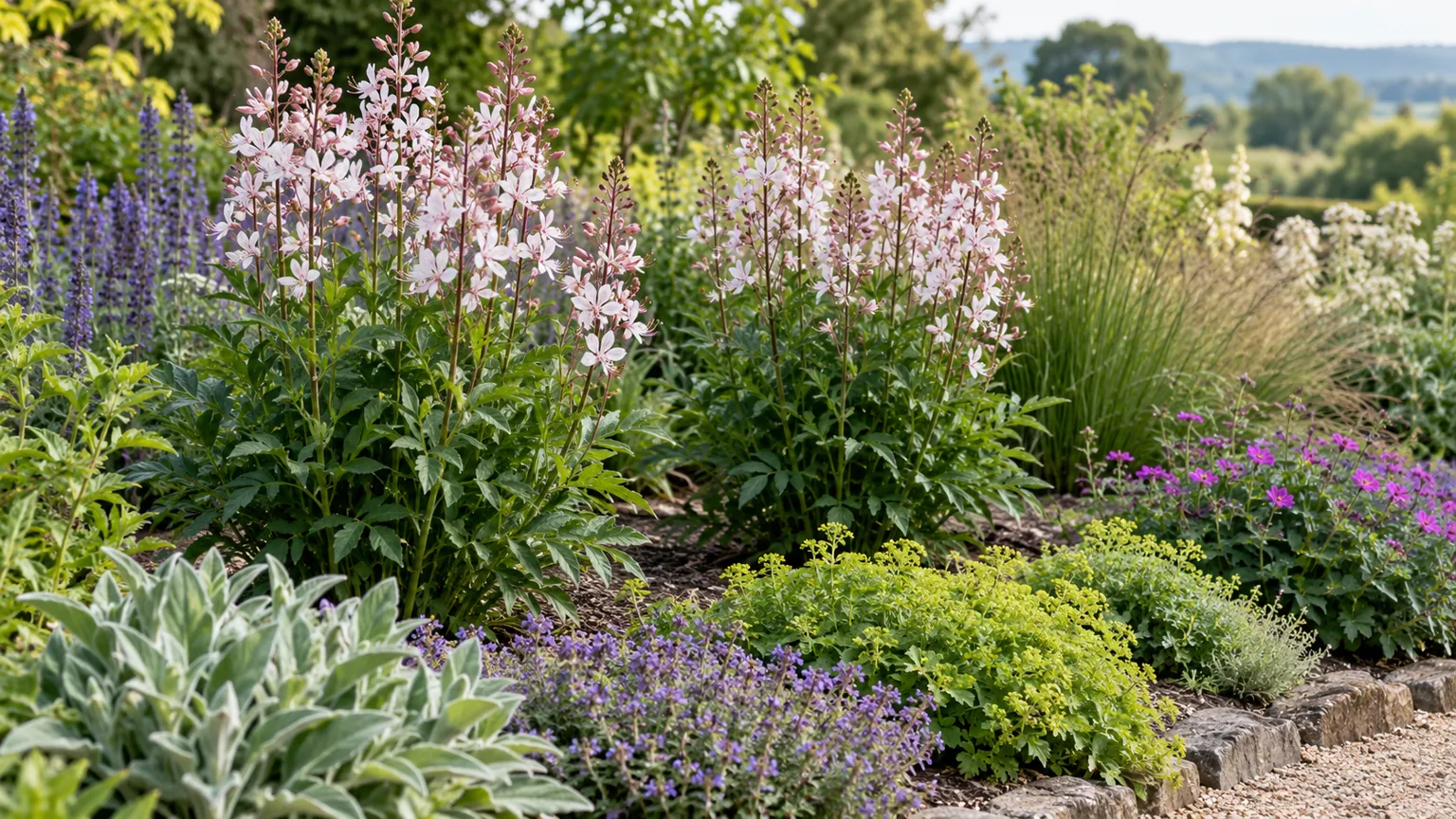
Use gas plant as a vertical accent at the back or middle of a sunny perennial border, where its upright stems can rise above low edging plants. Give each clump roughly its mature width, and leave a clear access gap so you can weed or inspect nearby plants without brushing the leaves. The seed capsules add fall texture, while the foliage can provide structure after the flowers are gone.
Choose companions that will not need frequent digging or division close to the plant. Bearded iris, peonies, hardy geraniums, salvia, and compact asters can make a layered cottage-garden composition when their mature sizes leave the gas plant’s crown accessible. Keep aggressive spreaders and annuals that you routinely pull away from its root zone at a distance. The visual goal is a border that looks full without requiring you to disturb this slow-establishing perennial every season.
Conclusion
Gas plant rewards a gardener who can give it a well-drained, sunny-to-lightly-shaded site and leave it there. Establish it with careful planting and measured water, expect seedlings and young plants to take time, and use seed rather than dividing a mature clump. Place it where people will not brush against the foliage, protect your skin when handling it, and leave the fire story as a curiosity. Those choices solve most gas plant care problems before they begin.