How to Get Squirrels Out of the Attic Safely
Squirrels in the attic? Find the entry, avoid separating young, remove the animals humanely, and repair roof gaps without trapping one inside.
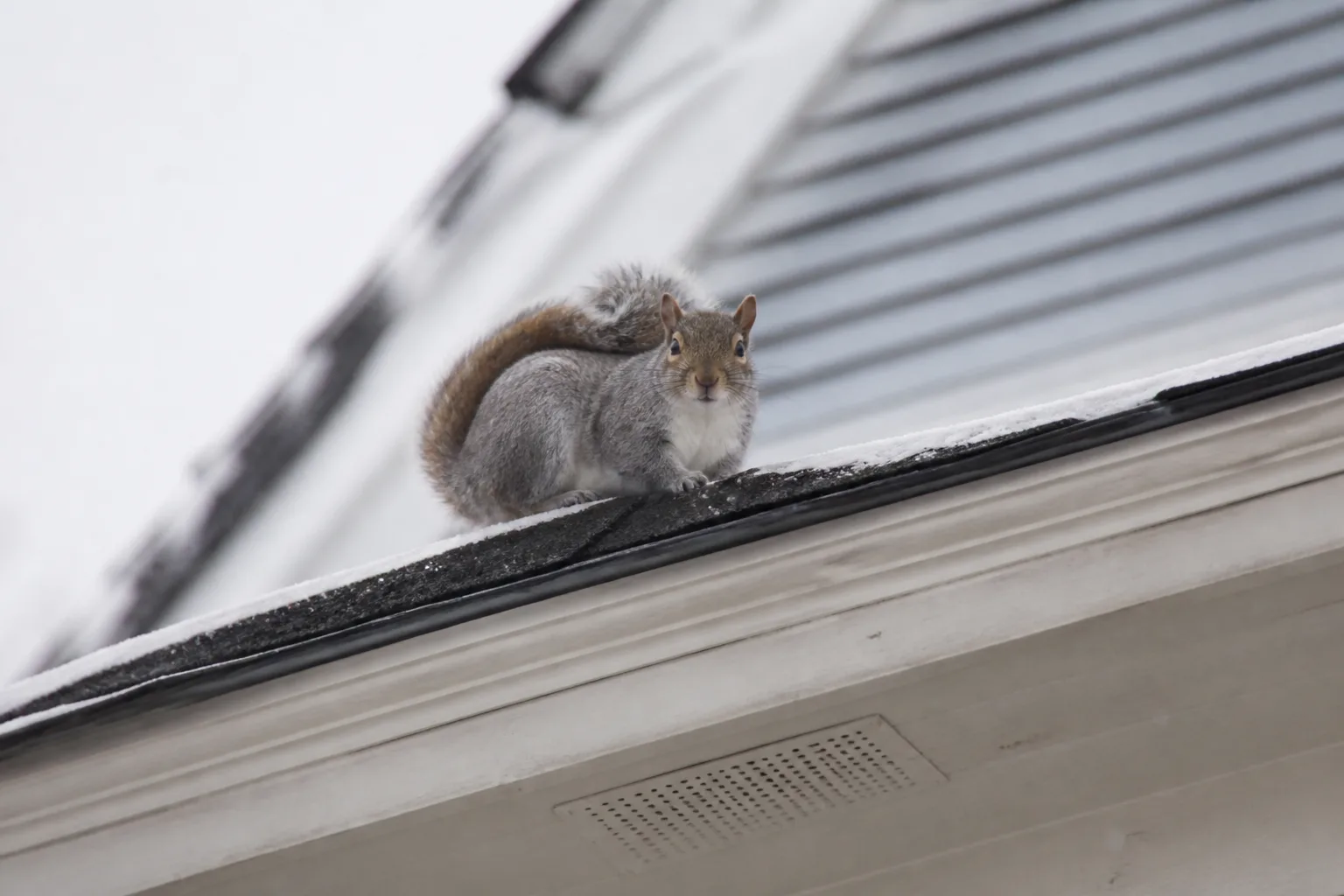
If you hear scratching, running, or gnawing above the ceiling, resist the urge to plug the first hole you see. A squirrel may be using that opening as an exit, another opening may be hidden nearby, and a nest of dependent young may be inside. Sealing too soon can trap an animal in a wall or attic, separate a mother from her litter, or push the animal to chew a new way out.
The reliable approach is inspect from a safe distance, confirm what is inside, account for young, use a monitored humane exit when appropriate, then seal and repair every access point. If the roof is high, the animal species is uncertain, there may be babies, or wiring and insulation are damaged, bring in a qualified wildlife professional before trying to remove anything.
What to do first if you hear squirrels above the ceiling
Keep people and pets out of the attic and away from the suspected opening. Don’t climb onto the roof, reach into a nest, corner the animal, or try to catch it by hand. Squirrels can bite when frightened, and an attic may contain exposed nails, unstable joists, wiring, and insulation that hides a fall hazard.
From the ground, note when you hear activity, where it seems loudest, and whether you see an animal entering or leaving. Daytime scurrying is consistent with many tree squirrels, but sound alone does not identify a species; flying squirrels are nocturnal, and birds, mice, and other wildlife can also use roof spaces. If you smell burning, see smoke, notice a hot ceiling fixture, or have a breaker that repeatedly trips, stay out and contact emergency services or an electrician as appropriate.
Don’t seal, foam, poison, or set a trap at the first suspected entrance. First establish whether the hole is active, whether there are other routes, and whether young could be present. If you cannot make those checks without entering a hazardous space or climbing, the next step is a licensed wildlife control operator or other locally authorized wildlife professional.
Confirm the animal before changing the entry
Squirrels often announce themselves with quick runs, scratching, chewing, or objects rolling and dropping in the attic. You may also see gnawed fascia or soffit, displaced vent screening, a dark rub mark around an opening, nesting material, or stored seeds and nuts. Alabama Cooperative Extension describes these as common clues around Eastern gray squirrel attic damage, while noting that the evidence can include damaged siding, vents, and roofline boards (Alabama Cooperative Extension System).
Treat these as clues, not a diagnosis. Droppings and noises can be misidentified, and bats or protected birds may enter roof cavities through openings that look similar from below. A trail camera aimed at a visible exterior entrance, installed from a safe location and without disturbing the opening, can help document traffic. If you see a bat, bird, unfamiliar animal, or multiple species, pause and ask your state wildlife agency or an experienced operator to identify it before exclusion.
Match sounds and damage to the likely species
The timing and type of movement may narrow the possibilities but cannot prove what is there. Gray squirrels are generally active during the day; nighttime rustling could point to flying squirrels or another animal. A squirrel-sized hole is not proof that a squirrel currently occupies it, and an unused gap may be a secondary entrance rather than the nest entrance.
Avoid using the shape of a dropping or a smell as the sole identification method. Different animals leave overlapping signs, and an attic inspection can expose you to contaminated dust or animal waste. If the distinction affects legal protections or the removal method, have a professional confirm the species rather than relying on a guess.
Map every route into the roofline
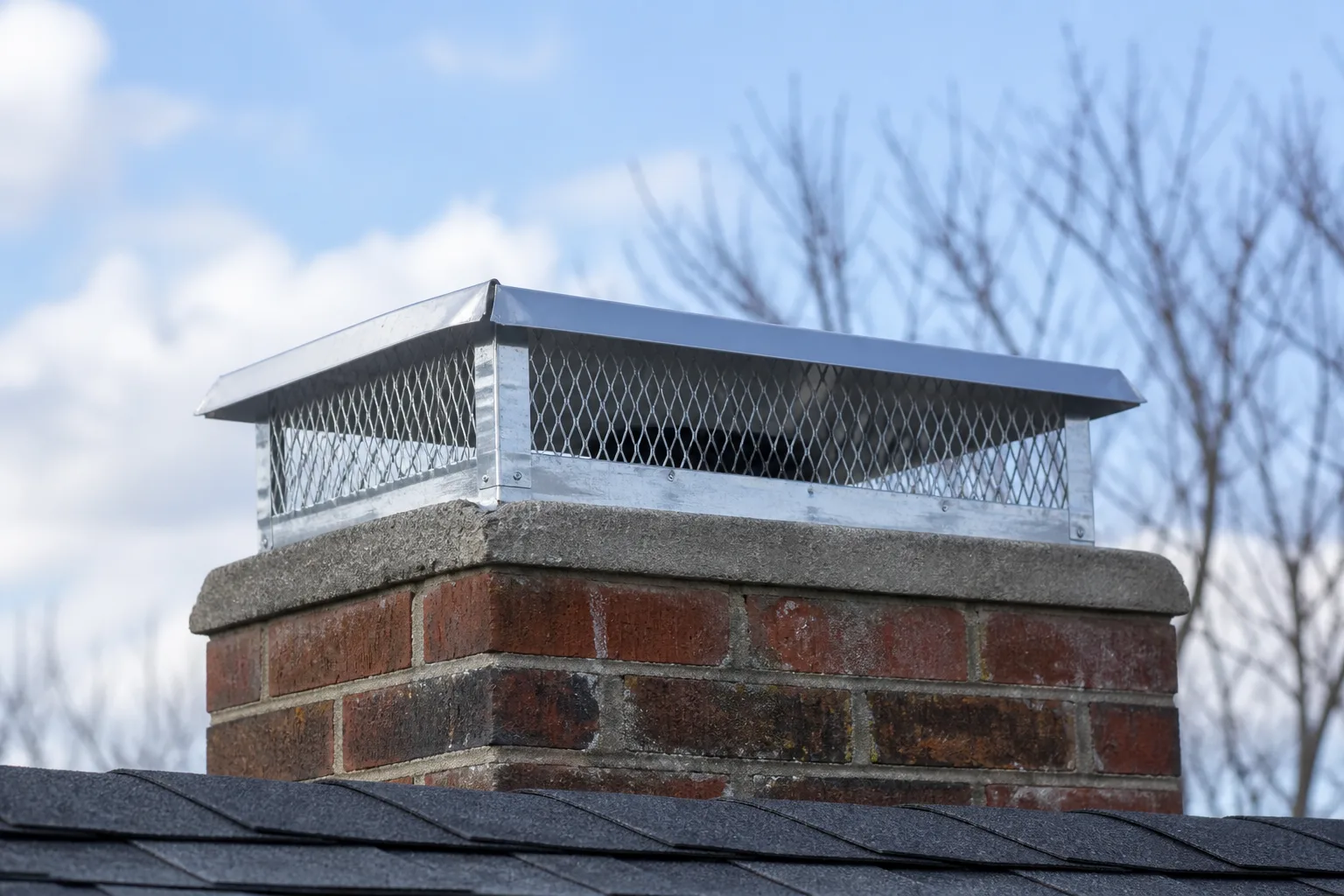
Watch the entire roof edge, not only the loudest room. Squirrels may exploit loose or rotted fascia, soffit joints, gable or ridge vents, roof returns, damaged shingles, gaps around utility penetrations, or an uncapped chimney. One entrance can be the route the animal uses most often while a second opening serves as an escape route or access point to a nest.
Make a simple sketch of the exterior and mark confirmed sightings, damaged areas, and possible gaps. Take photos from the ground with a zoom lens; don’t walk the roof or poke tools into a vent. Alabama Extension notes that squirrels can enter through damaged siding, eaves, soffits, fascia, and vents, and that one-way devices only work when the relevant openings are identified and managed as part of a complete plan (Alabama Cooperative Extension’s detailed gray squirrel guide).
An operator should also consider whether the animal is moving through a wall cavity or entering from a lower level and traveling upward. What looks like a single attic opening may connect with a soffit void or wall. That is one reason to avoid spraying foam or pushing mesh into an opening before the route is understood: you can close off ventilation, hide an animal, or block the wrong side of its path.
Check for a nest and dependent young
Before any exit device goes on, determine whether young are in the attic or wall cavity. A mother may leave to forage and return later, so a quiet opening during one short observation does not show that the nest is empty. High-pitched squeaking, repeated traffic to one small section, or an adult carrying nesting material can be reasons to stop and call a professional, but the absence of those clues does not reliably rule young out.
Do not open a ceiling, pull insulation aside, or remove a nest to “check.” That can injure young, expose you to waste, and cause the adult to panic or move the litter into a less accessible void. Ask the operator to inspect for young before installing an exclusion device and to explain how reunification or a humane delay will be handled if a litter is present.
Alabama Cooperative Extension reports that Eastern gray squirrels in Alabama commonly have two breeding periods and that young remain in the nest for roughly 10 to 12 weeks before leaving; those figures are regional guidance for that species, not a universal timetable for every squirrel or climate (Alabama Cooperative Extension System). If an animal may be nursing young, the humane choice is to keep the family together and use a plan approved by local wildlife professionals.
Why timing is local, not a fixed winter rule
There is no nationwide month when it is automatically safe to block an attic opening. Species differ, weather shifts breeding timing, and a warm or mild region can have young at a different time from a colder one. A calendar rule such as “use a one-way door only in winter” can therefore leave dependent young behind in one home and be unnecessarily restrictive in another.
Use local evidence and expert assessment instead of the month alone. Ask the state wildlife agency or a locally authorized operator which squirrel species are common in your area, whether any seasonal restrictions apply, and how the litter will be protected. If you hear young or cannot rule them out, don’t install a door or close the hole yourself.
Choose a humane exclusion sequence
For an occupied attic, humane removal is a coordinated sequence rather than a single scare tactic. First confirm the animal and map its routes; then check for a nest and any young; next choose an exit method that fits the species, building, and local rules; monitor until the operator can confirm animals are out; finally repair all access points and clean any damage. Each step matters because a successful exit from one hole does not prove the entire attic is empty.
The best plan is usually exclusion: let the animal leave through a controlled route while preventing re-entry, then install a permanent repair only after the vacancy is verified. The device must not create a new hazard, block a building vent, or leave young on the inside. If there are multiple entrances or a complicated roofline, ask the operator to describe how each route will be handled and what observation will count as proof of success.
When a one-way door is appropriate
A one-way door or exclusion funnel can let an animal pass out while preventing it from returning, but it is appropriate only when the opening and occupants have been assessed. It can fail if a second entrance remains open, if the animal has young inside, if another animal is already in a wall, or if the device is poorly fitted. An animal that cannot exit may chew around the device or become trapped.
Have a wildlife professional install and monitor a one-way device when the entrance is above ground or difficult to reach, there may be a litter, or you cannot confirm that the cavity contains only the target squirrel. Ask how they will check for dependent young, whether a second route is needed, how long monitoring will continue, and who will close the final opening. A door is temporary exclusion equipment; it is not the finished repair.
Why noise, odors, and trapping are poor first moves
Noise, bright lights, and strong smells may change an animal’s behavior briefly, but they don’t close the gap that made the attic accessible. A frightened squirrel may move deeper into a wall, gnaw a new opening, or avoid the visible exit while young remain in the nest. Ultrasonic devices, decoys, and household scents should not substitute for confirming the animals have left and repairing the structure.
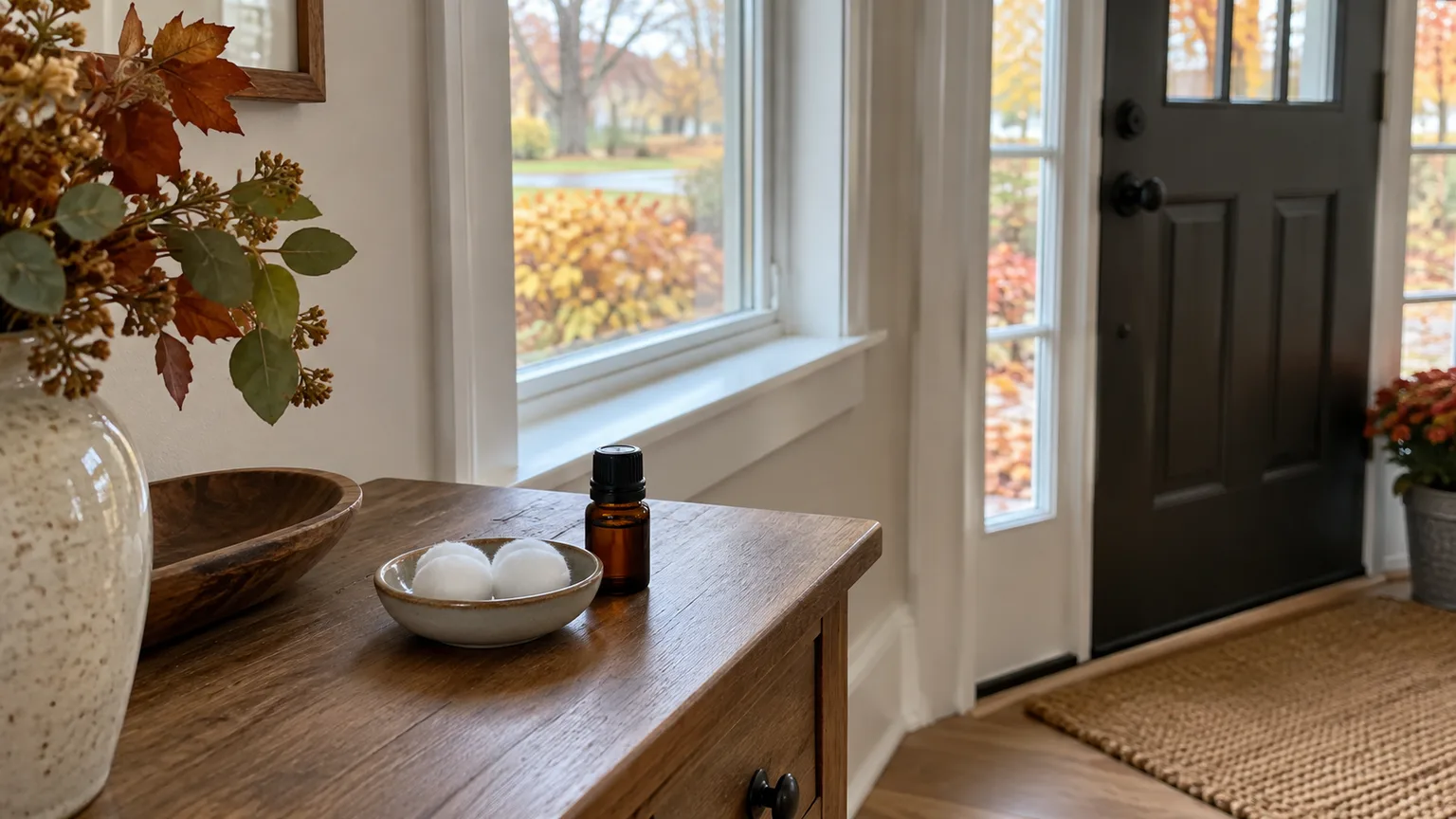
Do not put mothballs in an attic as a squirrel repellent. Mothballs are insecticides that release vapor; the National Pesticide Information Center explains that smelling them means inhaling the pesticide and that children, pets, and wildlife can be harmed if they eat them (NPIC mothball health information). A strong odor is not a humane exclusion system.
Live traps are also a poor default for an attic. A captured adult can be separated from young, and releasing it at another site may be illegal or may not solve the entry problem. Alabama Extension cautions that many states restrict transport and release and that an animal can return if the opening remains accessible; a wildlife biologist interviewed by Bob Vila also notes that trapping, handling, and relocation laws vary by state (Bob Vila’s wildlife-biologist-reviewed squirrel guidance). Before any capture, ask your state wildlife agency what is lawful and what a licensed local professional recommends.
Close openings only after the attic is empty
After the animals leave, don’t immediately patch only the hole you saw. First have the operator confirm that no squirrel or young remains in the attic, wall, or connected void. Then inspect the full roofline for other gaps and repair each route; otherwise the original squirrel or another animal may use an unsealed opening.
The verification step should be more than “we did not hear anything for an hour.” Squirrels move in and out during the day and may be quiet while resting. A professional may monitor the exit, check for activity with a camera, and inspect for signs of new disturbance after the device is removed. Ask what evidence they use and whether follow-up is included in the work.
Use durable materials without blocking ventilation
Once an area is confirmed empty, repair the damaged surface with materials compatible with the roof and building. Metal flashing or appropriately secured hardware cloth is generally more chew-resistant than foam, thin plastic mesh, or loose filler. The Alabama Extension examples use exclusion funnels and one-way doors as temporary steps and call for permanent repair after squirrels are removed; Bob Vila also recommends durable metal barriers for gaps (Bob Vila).
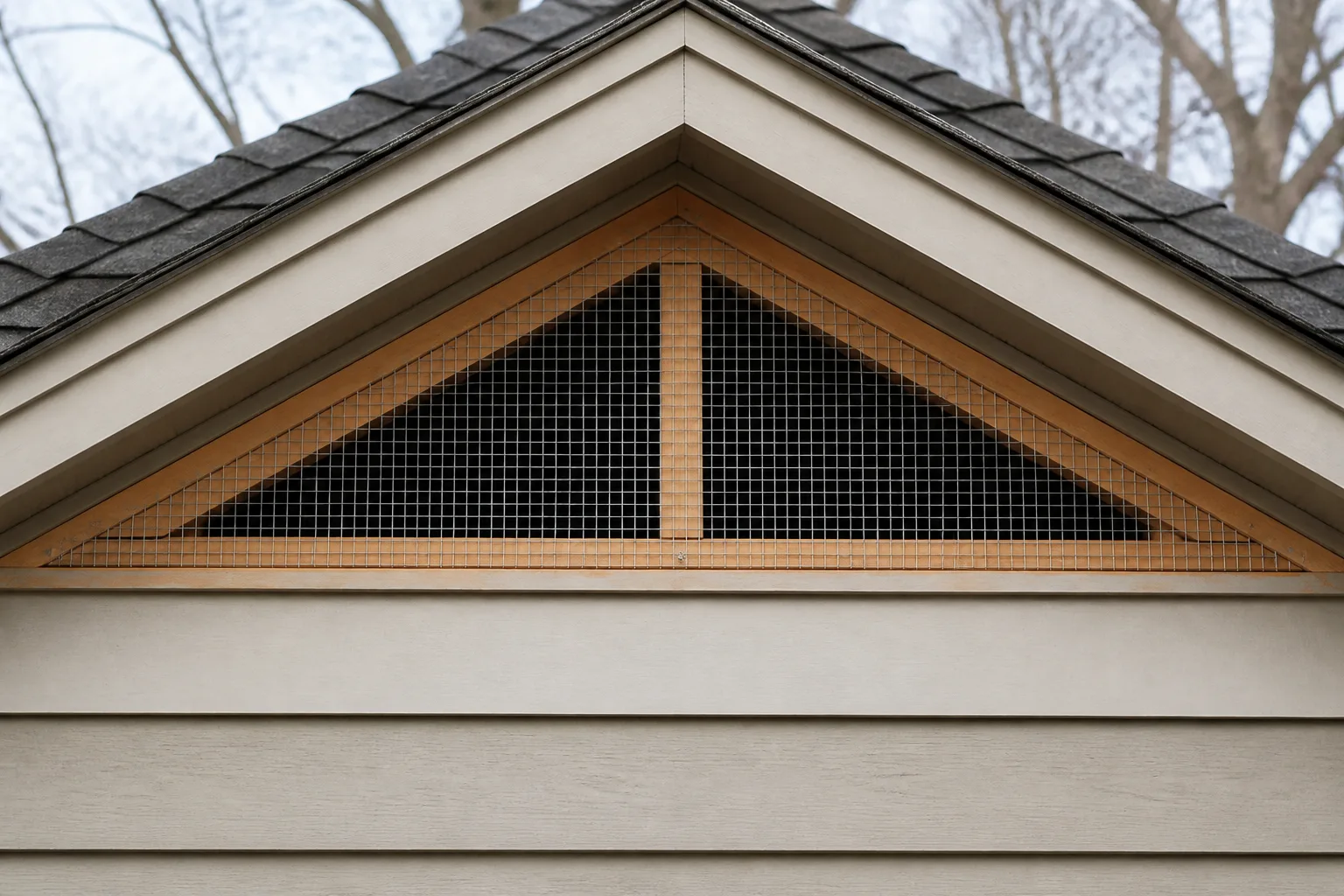
Do not cover a functioning roof, soffit, or gable vent with an improvised solid patch. Vents are part of the building’s airflow, and restricting them can create moisture or heat problems. Use a screen or guard designed for that vent and attach it to sound framing so there is no edge a squirrel can pry up. If you are unsure whether an opening is a vent, a chimney opening, or a damaged roof detail, ask a roofer or wildlife operator to identify it before covering it.
Keep repair work on the ground or with a professional
Many entry points sit above ladders, over sloped roofs, or next to chimneys. A squirrel-sized repair is not worth a fall. Don’t carry a trap, loose mesh, or power tool up an extension ladder, and don’t step on roofing material that could crack or shift.
From the ground, you can photograph damage, move birdseed and pet food into secure containers, and schedule the right trade. Leave roofline repairs to a roofer or wildlife operator with safe access equipment. Chimney caps and vent covers need to fit the structure and remain serviceable, so avoid tying mesh across a flue or sealing an opening that serves an appliance.
Clean droppings, nesting material, and insulation safely
Wait until animals are excluded before disturbing droppings or nest material. Wear disposable gloves for a small, accessible cleanup and keep children and pets away. Do not dry sweep or vacuum droppings or nesting debris; that can put contaminated dust into the air. The CDC’s cleanup guidance is written for rodent waste generally rather than squirrels specifically, but its conservative method is useful for small surface contamination: wet the material thoroughly with an appropriate disinfectant, let it sit for the product’s labeled contact time, then wipe it up and wash hands (CDC rodent cleanup guidance).
Use a household disinfectant whose label says it disinfects, or another method recommended by a qualified remediation professional. Follow the dilution, surface, and contact-time directions exactly; never mix bleach with ammonia or another cleaner. If the product label is unclear, choose a different product or ask the manufacturer. A disinfectant does not make damaged insulation reusable, and spraying a large nest or dusty attic can create a new inhalation exposure.
Small surface cleanup versus a remediation job
A few droppings on a hard, reachable surface are different from piles of waste scattered through loose-fill insulation. If the nest is extensive, urine has soaked wood or insulation, waste is hidden in a wall cavity, or the attic is dusty and poorly ventilated, avoid DIY cleanup. Alabama Extension notes that squirrel waste can stain and contaminate attic materials and that soiled insulation may need replacement; the CDC recommends additional precautions and respiratory protection for heavy rodent infestations.
Ask a wildlife remediation or restoration professional how they will contain dust, remove contaminated insulation, clean the affected surfaces, and dispose of waste. If the animal may have entered a heating or cooling duct, stop using the affected system until a qualified contractor assesses it. Keep a record of the cleaned area and materials replaced; it helps you distinguish old staining from a new intrusion if the squirrels return.
Treat chewed wiring, plumbing, and structural damage
Squirrels gnaw to wear down their teeth, and chewing in an attic can damage insulation around electrical wiring, plumbing, roof vents, and framing. Alabama Extension identifies exposed or damaged wiring as a potential fire hazard and notes that gnawed roof plumbing boots can allow water leaks. Do not touch exposed wire or use a broom, ladder, or metal screening near it.
If wiring is chewed, insulation is missing from a wire, a light flickers, a breaker trips, or you smell burning, call a licensed electrician before re-entering the attic. The electrician can inspect affected circuits and make repairs; a wildlife operator should handle the animal and the entry points. If you see smoke or active fire, leave the building and call emergency services.
Look for water stains, damp insulation, damaged vent pipes, and loose framing after the animals are gone. A roofer or plumber may need to address a leak separately from wildlife exclusion. Repairing the animal opening without fixing the water path can leave the attic vulnerable to mold or structural deterioration, even if no squirrel returns.
Make the roofline less inviting
After exclusion and repair, reduce easy routes and food sources around the house. Store birdseed, pet food, and other attractants in closed metal or heavy-duty containers; secure trash lids and clean up food that spills under feeders. These changes can reduce visits near the house, but they do not replace a sound roof repair.
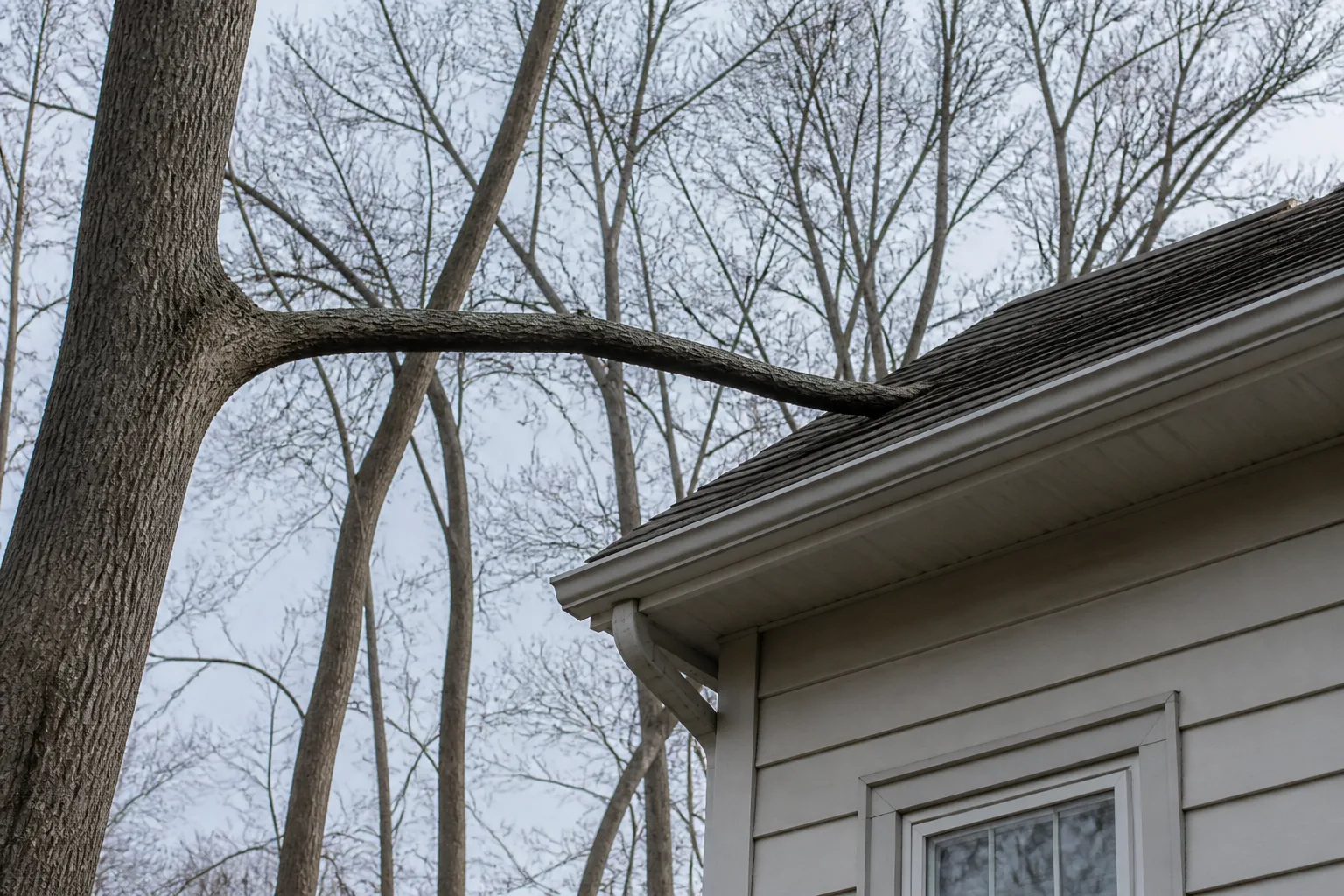
Tree limbs that touch or overhang the roof can create a convenient route. Consider selective pruning by a qualified arborist, especially for large limbs near power lines or over a roof. Alabama Extension and Bob Vila both recommend addressing tree access, though exact distances are not a universal guarantee because species and jumping routes vary.
Check the repair after storms and during routine exterior maintenance. Look from the ground for lifted screening, gaps at fascia joints, rotted wood, a displaced chimney cap, and new chew marks. Fixing a small loose edge early is easier than finding another active nest months later.
When to call a wildlife professional
Call a locally authorized wildlife control operator before attempting exclusion when young may be present, you cannot identify the animal, there are multiple openings, the entry is on a high roof, or the animal may be in a wall or ventilation system. Also call when someone has already set a trap, a squirrel appears injured, or activity continues after a one-way device is installed. In some places, the state wildlife agency or a licensed wildlife rehabilitator should be involved; ask who is legally permitted to handle that species.
Before hiring, ask whether the operator is licensed or credentialed where required, insured, and experienced with attic squirrels. Request a written plan that covers species identification, inspection for young, entry mapping, humane exclusion, monitoring, permanent repairs, waste cleanup, and any electrician or roofer needed. A quote that promises “one visit” without explaining how they verify an empty nest or close every route is not enough information to compare.
Ask what happens if the operator finds a litter, a bat, or an animal in a wall cavity. A careful provider should pause the planned sealing, explain the local rules, and give you a safe next step instead of blocking the opening immediately. The final invoice should distinguish wildlife removal, roof repairs, electrical work, and remediation so you know which trade is responsible for each part.
Conclusion
The safest way to get squirrels out of an attic is to remove the conditions that make a rushed seal dangerous: uncertainty about the animal, hidden entrances, dependent young, and uninspected damage. Observe from the ground, have the animal and nest assessed, use a monitored one-way exit only when it is appropriate, and repair all openings after a professional confirms the attic is empty.
Then address droppings, insulation, wiring, and roof damage at the right level of expertise. Traps, odors, and noise cannot replace exclusion or repair, and relocating a squirrel may violate local rules. A careful inspection and a durable, verified repair protect both the household and the wildlife outside it.