Grandma Gardens: Old-Fashioned Plants and Design Guide
Grandma gardens blend nostalgic blooms, fragrance, and layered beds. Learn what defines the style, eight classic plants, and a first-year plan that actually works.
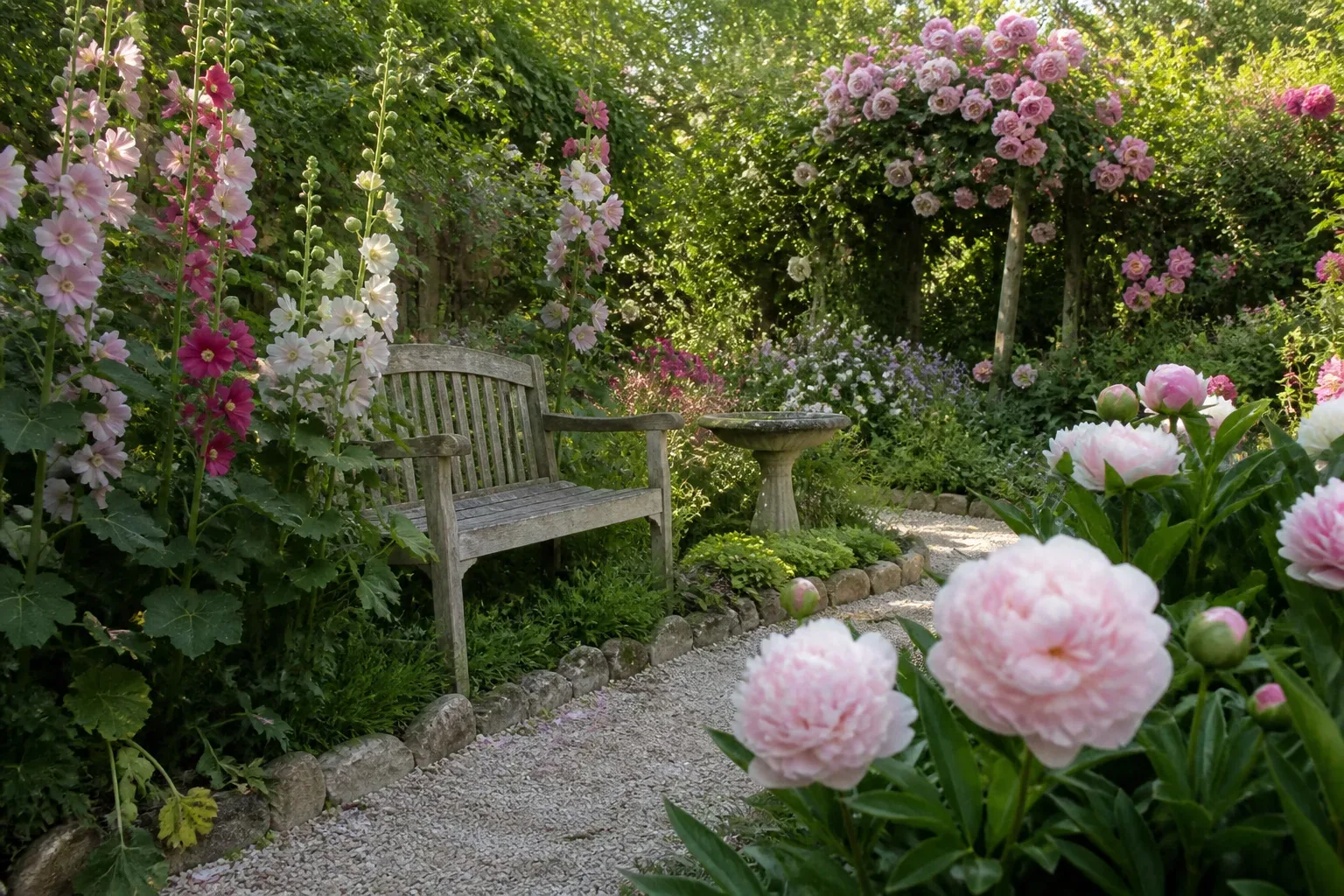
Walk into a grandma garden and you notice the mood before you notice the plant list. Layered beds spill slightly over gravel paths. Pastel peonies sit next to taller hollyhocks. Something smells like roses or lavender before you find the source. A bench or birdbath invites you to slow down. The look reads effortless, but anyone who has grown one knows the secret: old-fashioned gardens reward repeat performers, thoughtful layering, and hardscaping that feels timeworn rather than showroom-new.
You do not need to be a grandparent — or inherit a century-old yard — to grow this style. You need a clear definition, a short list of plants that actually deliver nostalgia, and a plan that respects how these classics grow over years, not one Instagram season.
What Is a Grandma Garden?
A grandma garden is a flower-forward outdoor space built around heirloom and old-fashioned plants that generations of home gardeners kept in rotation: peonies, hollyhocks, climbing roses, foxgloves, lavender, hydrangeas, and structural evergreens like boxwood. Beds are densely planted but not random. Color leans soft and petal-heavy — blush, cream, lavender-blue, and faded pink — with taller vertical flowers at the back and lower spillers at the edges.
Hardscaping matters as much as blooms. Gravel or brick paths curve through beds instead of marching in straight lines. Natural stone, weathered wood, wrought-iron gates, and a place to sit turn the space from a border you glance at into a garden you move through. Fragrance is part of the design, not a bonus: roses, sweet peas, lilies, and herbs perfume the air from spring into summer.
Grandma Garden vs Cottage Garden vs Wildflower Meadow
These three styles get lumped together online. They overlap, but the maintenance and plant mix differ enough to change your shopping list.
| Trait | Grandma garden | Cottage garden | Wildflower meadow |
|---|---|---|---|
| Density | Full beds, some lawn | Very packed, often mixed edibles | Open, meadow-like sweeps |
| Color palette | Pastels, romantic tones | Broader, sometimes bolder | Native mixes, seasonal waves |
| Structure | Boxwood, paths, seating, arches | Fences, pickets, informal paths | Minimal paths, mown edges |
| Plant focus | Heirloom flowers + shrubs | Flowers, herbs, vegetables blended | Native grasses and wildflowers |
| Feel | Nostalgic, slightly curated cozy | Productive abundance | Hands-off, ecological |
Grandma gardens sit between cottage and meadow: more intentional structure than a true wildflower area, but softer and more personal than a formal parterre. If your grandmother tucked tomatoes between peonies, that still counts — the style is about familiar plants and lived-in detail, not a rigid plant police list.
Why the Style Feels Different From Modern Landscape Design
Contemporary yards often optimize for clean lines, mulch donuts, and one-season color from annual flats. Grandma gardens invert that logic. Most anchor plants are perennials that return for decades. Height variation is a feature: a 6-foot hollyhock behind a 3-foot peony reads charming; the same collision in a minimalist bed reads messy.
The goal is experience, not a photo from the curb only. Winding paths, fragrance, and seating say: stay awhile. That emotional brief — comfort, memory, slowness — is why nostalgia gardening keeps resurfacing when life feels rushed.
Why Old-Fashioned Gardens Are Trending Again
Landscape designers and flower farmers both describe the same pull: old-fashioned gardens connect us to people and places, even when we never had a grandmother who gardened. Heirloom peonies and climbing roses show up in storybook illustrations and vacation photos of English cottages. Growing them at home closes that gap.
There is a practical side too. After years of disposable annual color, gardeners want plants that come back. Peonies can outlive the person who planted them. Hollyhocks self-seed along fences. Daylilies and coneflowers divide into free starts for neighbors. A grandma garden is one of the few design styles that can get richer and cheaper over time.
Nostalgia Gardening and Emotional Connection to Place
Nostalgia gardening is the deliberate choice to grow flowers and layouts tied to memory — a peony division from a family yard, lavender like the sachets in a childhood dresser, or hollyhocks along the same fence line every summer. Designers call it emotional landscaping: the plants are the medium, but the payoff is belonging.
You can borrow that feeling without literal inheritance. Choose two or three plants with strong sensory hooks (scent, childhood color, or a bloom time you associate with a season) and build outward. One well-placed climbing rose on an arch can carry more mood than a dozen generic shrubs.
Fragrance, Seating, and Gardens Meant to Be Walked Through
Old-fashioned gardens treat fragrance as non-negotiable. David Austin-style roses, lavender, lilies, peonies, and herbs release scent at different hours — morning cool for lavender, warmer afternoons for many roses. Plant them near paths and seating, not only along the far property line where no one walks.
Seating completes the picture: a wooden bench tucked into a curve, a stone ledge wide enough to sit on, or a bistro table under partial shade. Add a birdbath or shallow water feature and you get movement — birds, bees, light on water — that static lawn cannot match. These are not decorations. They tell you how to use the space.
Design a Cozy Grandma Garden Without a Landscape Designer
The cozy look is planned, not accidental. Pros describe it as controlled chaos: enough repetition to feel cohesive, enough variation in height and texture to feel alive.
Hardscaping: Curves, Stone, Gravel, and Weathered Wood
Start with paths and edges before you overload on plants. Curved beds soften rectangular lots. Gravel or brick paths crunch underfoot and drain well between beds. Flat fieldstone or reclaimed brick makes informal stepping routes without a contractor budget.
Vertical romance comes from arches, trellises, and fence lines covered in climbing roses or clematis. Wrought-iron or painted wood structures age gracefully. Birdbaths, urns, and simple fountains add focal points at path turns. Avoid glossy new materials everywhere — one weathered bench or chipped enamel watering can reads more “grandma” than a matching furniture set.
Match materials to your climate: gravel paths need edging so stone does not migrate into lawn; wood rots faster in humid zones unless you choose rot-resistant species or seal occasionally.
The Three-Layer Planting Formula for Controlled Chaos
Layering is the operational secret behind the soft overflow look:
- Back layer (tall): Hollyhocks, delphiniums, foxgloves, tall phlox — along fences, walls, or the rear of beds.
- Middle layer (medium): Peonies, roses, hydrangeas, coneflowers, black-eyed Susans — the main color mass.
- Front layer (low): Creeping phlox, catmint, sweet alyssum, thyme, or low sedum — softening edges and hiding bare stems.
You do not need every slot filled year one. Start with one or two plants per layer in a single bed 8–12 feet deep. Let them knit together over three seasons. Repeat the same flower in drifts of three or more so the bed reads intentional, not scattered singles from the clearance rack.
Eight Old-Fashioned Plants That Nail the Grandma Garden Look
No single plant list fits every memory, but these eight cover structure, season, scent, and vertical drama better than generic “pollinator mix” bags. Treat them as starters, not limits — if your grandmother grew lilacs or sweet peas, those belong here too.
Roses for Structure, Scent, and Vertical Romance
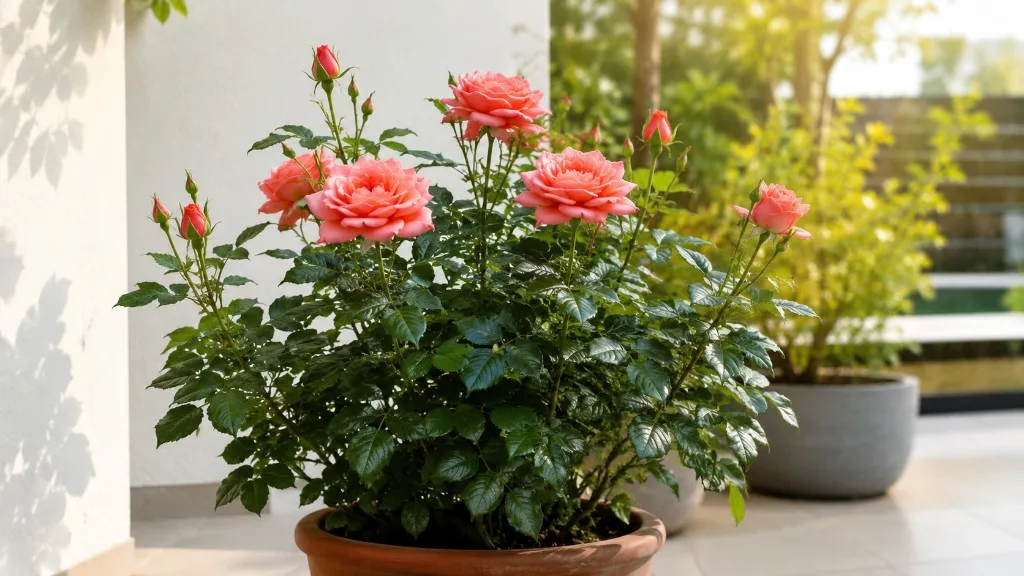
Roses are the shorthand for old-fashioned romance. For grandma-garden mood, favor old garden and shrub types with full petals and real fragrance — many modern landscape roses trade scent for disease resistance. Climbing varieties on an arch or fence deliver height without a tree.
Roses want full sun (at least six hours), well-drained soil, and air movement to limit foliar disease. Water deeply at the root zone, avoid wetting leaves in evening, and feed lightly in spring after leaf-out. Mulch 2–3 inches, keeping it off the graft union on grafted plants. In humid regions, choose disease-resistant cultivars and accept that some spraying or pruning for airflow may be necessary.
Common mistake: cramming roses in shade because the arch “looks right” there. Move the structure to sun, not the other way around.
Peonies for Spring Drama and Long-Term Value
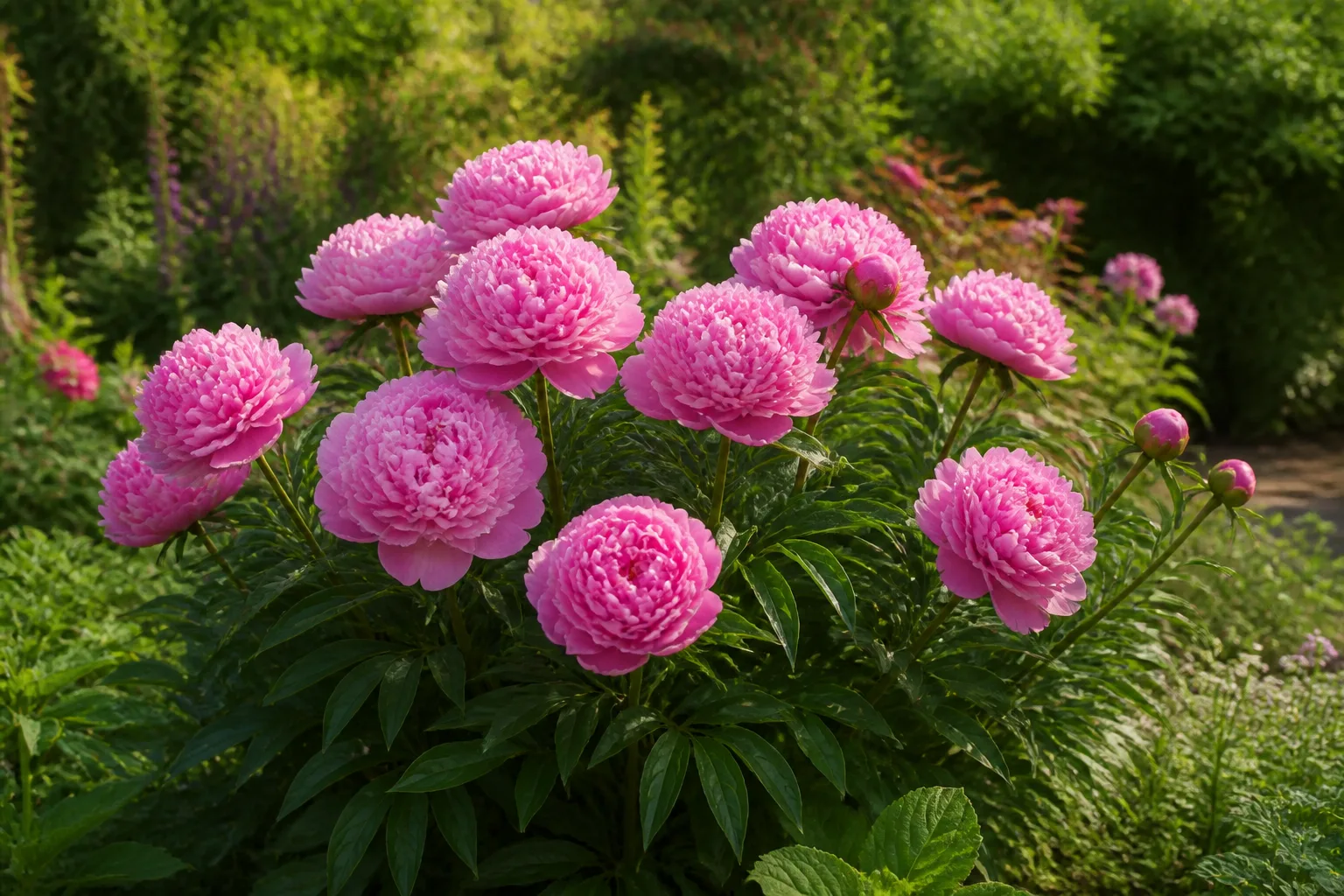
Peonies deliver the oversized, tissue-paper blooms that define spring in a grandma garden. Herbaceous peonies die back in winter and return for 50 years or more once settled — the RHS herbaceous peony guide treats them as long-lived border anchors.
Plant in full sun and well-drained soil. Avoid burying grafted herbaceous peonies too deep — eyes should sit no more than 2 inches below soil in cold climates, slightly shallower in warm zones. Water the first two seasons during dry spells; mature plants tolerate drought better than soggy roots.
Patience warning: New divisions often take two to three years to bloom heavily. That delay is normal, not failure.
Hollyhocks and Delphiniums for Tall Back-of-Bed Spires
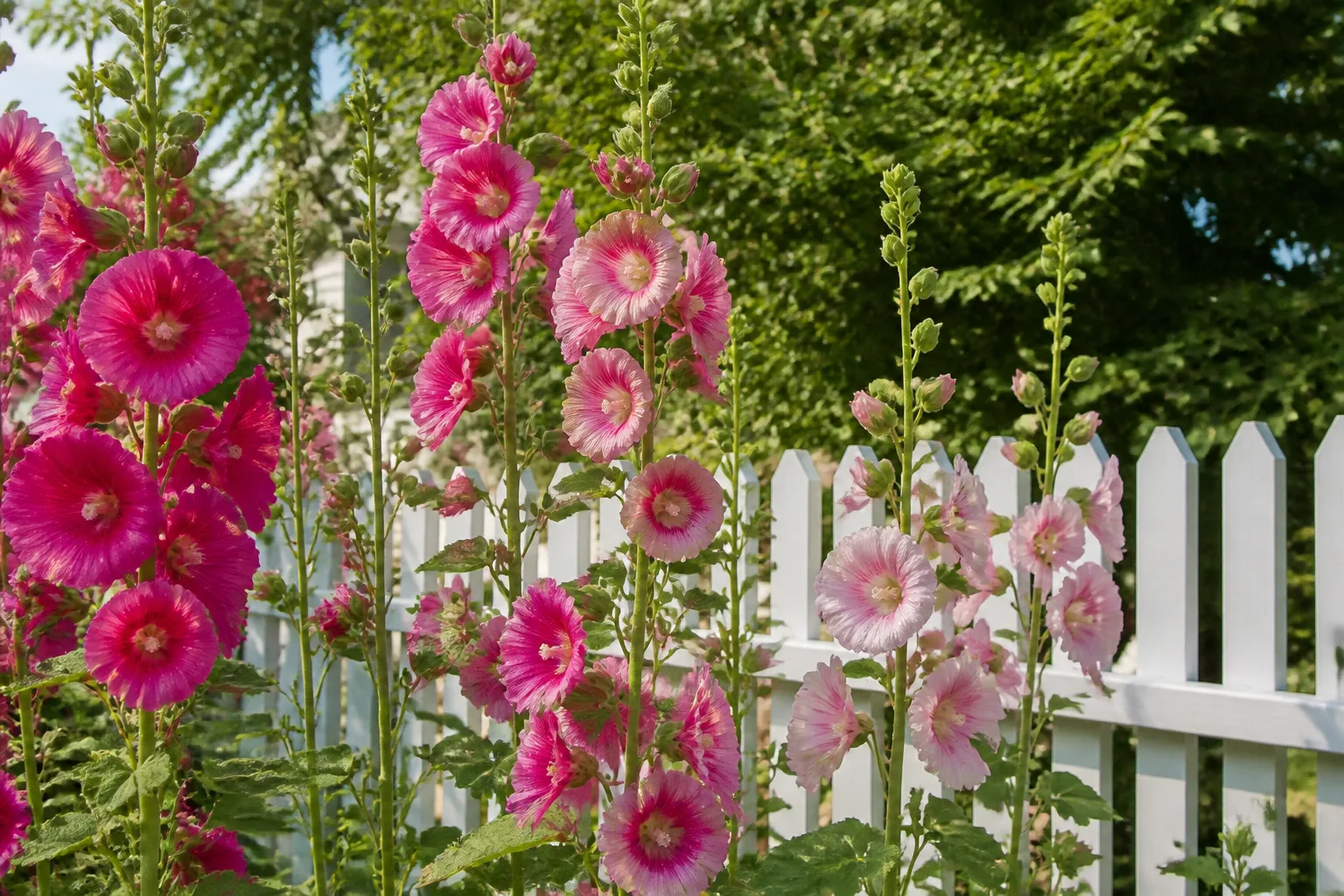
Hollyhocks (Alcea rosea) are cottage-garden stalwarts: 6–9 foot spikes with cup-shaped flowers in jewel tones from early summer into autumn. The RHS hollyhock growing guide notes they are easy from seed, prefer full sun and well-drained soil, and often flower in the second year after sowing. They are short-lived perennials — plan on self-sown seedlings or replacements every few years.
Stake stems in windy sites. Single-flower types attract pollinators better than heavy doubles. Watch for hollyhock rust; remove infected leaves and avoid overcrowding.
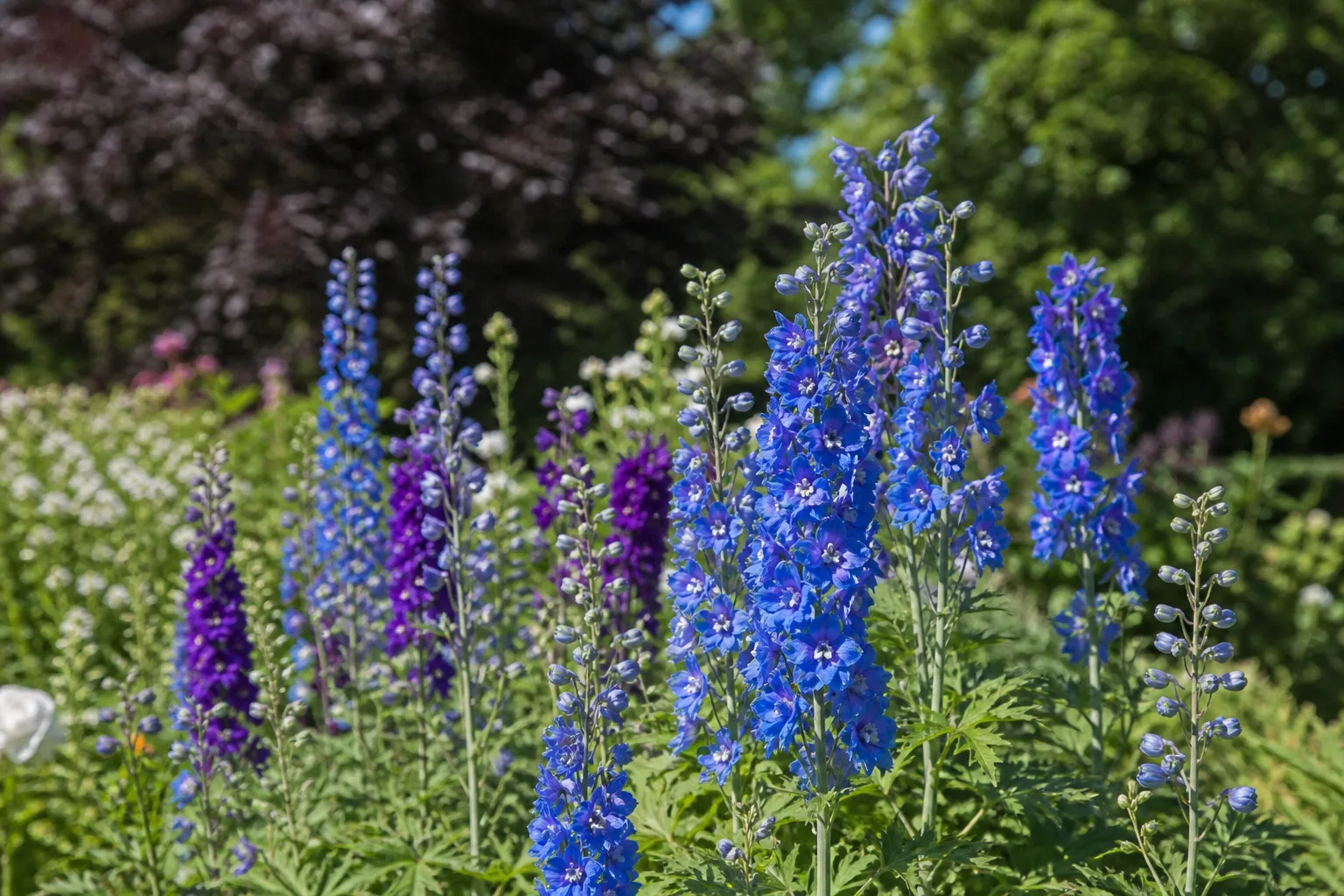
Delphiniums add true blue and purple spires where hollyhocks lean pink and red. They need rich, well-drained soil, steady moisture during bloom, and staking before storms snap hollow stems. In hot-summer regions they may act as cool-season performers — treat them as renewal plants rather than decade-long anchors.
Plant both at the back of borders or against south-facing walls where they get sun but roots stay relatively stable.
Foxgloves: Classic Bells With Real Safety Trade-Offs
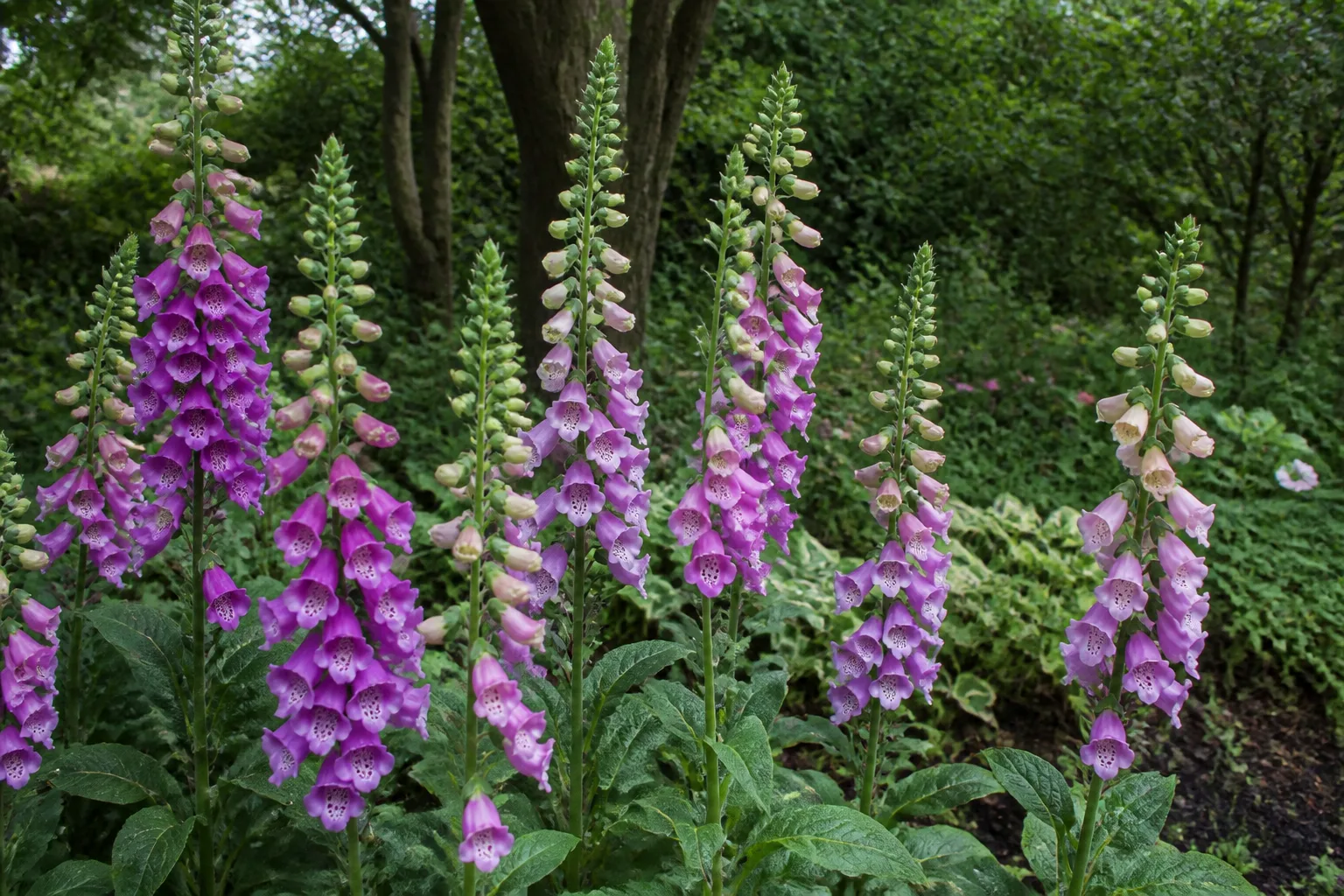
Foxgloves (Digitalis purpurea) bring tall spikes of tubular bells in pink, purple, cream, and yellow — pure storybook grandma garden. They prefer full to partial sun and moist, well-drained soil, and many behave as biennials: foliage one year, flowers the next, then generous self-seeding.
They also carry a serious safety profile. Poison Control states that all parts of foxglove are poisonous if swallowed — the plant contains digitalis, the same compound family used in heart medications, and ingestion can cause dangerous heart rhythm changes. Do not plant foxglove where toddlers or pets routinely graze unknown plants. Do not harvest leaves for tea or “wild salads” unless you are a trained expert — misidentification cases have led to hospitalization.
If you love the look but not the risk, grow foxgloves behind a fence, in front-yard beds away from play zones, or substitute safer vertical flowers like hollyhocks and penstemons in family yards.
Lavender and Hydrangeas for Soft Color and Reliable Structure
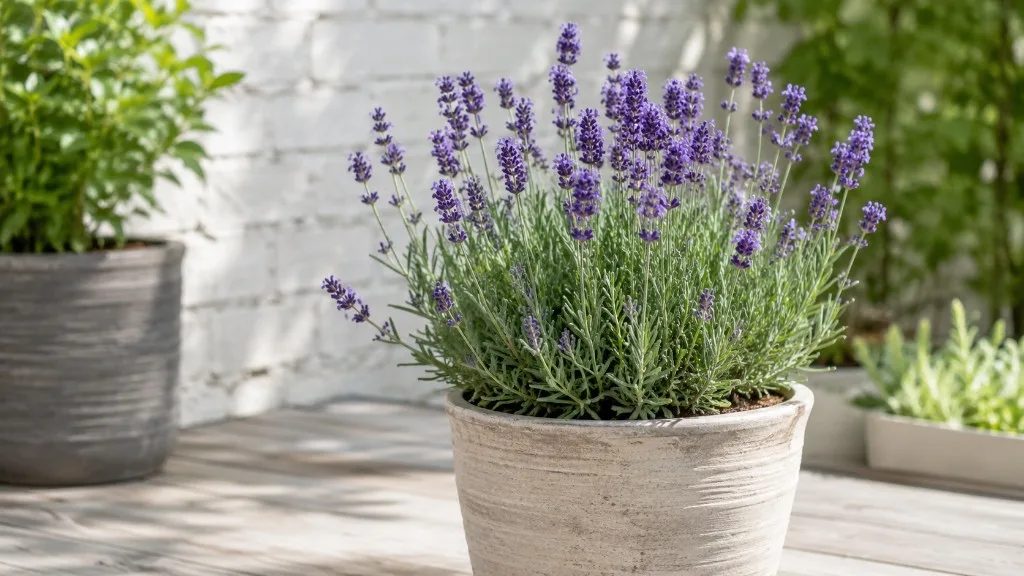
Lavender bridges garden and house: dried stems in drawers, blooms along sunny paths. English lavender (Lavandula angustifolia) is the classic sachet plant. It wants full sun, sharp drainage, and lean soil — too much fertilizer and winter wet produce leggy, short-lived plants. The RHS lavender growing guide recommends pruning after flowering to keep a compact mound. In humid climates, choose cultivars bred for heat tolerance and accept that lavender is harder than in dry Mediterranean-type regions.
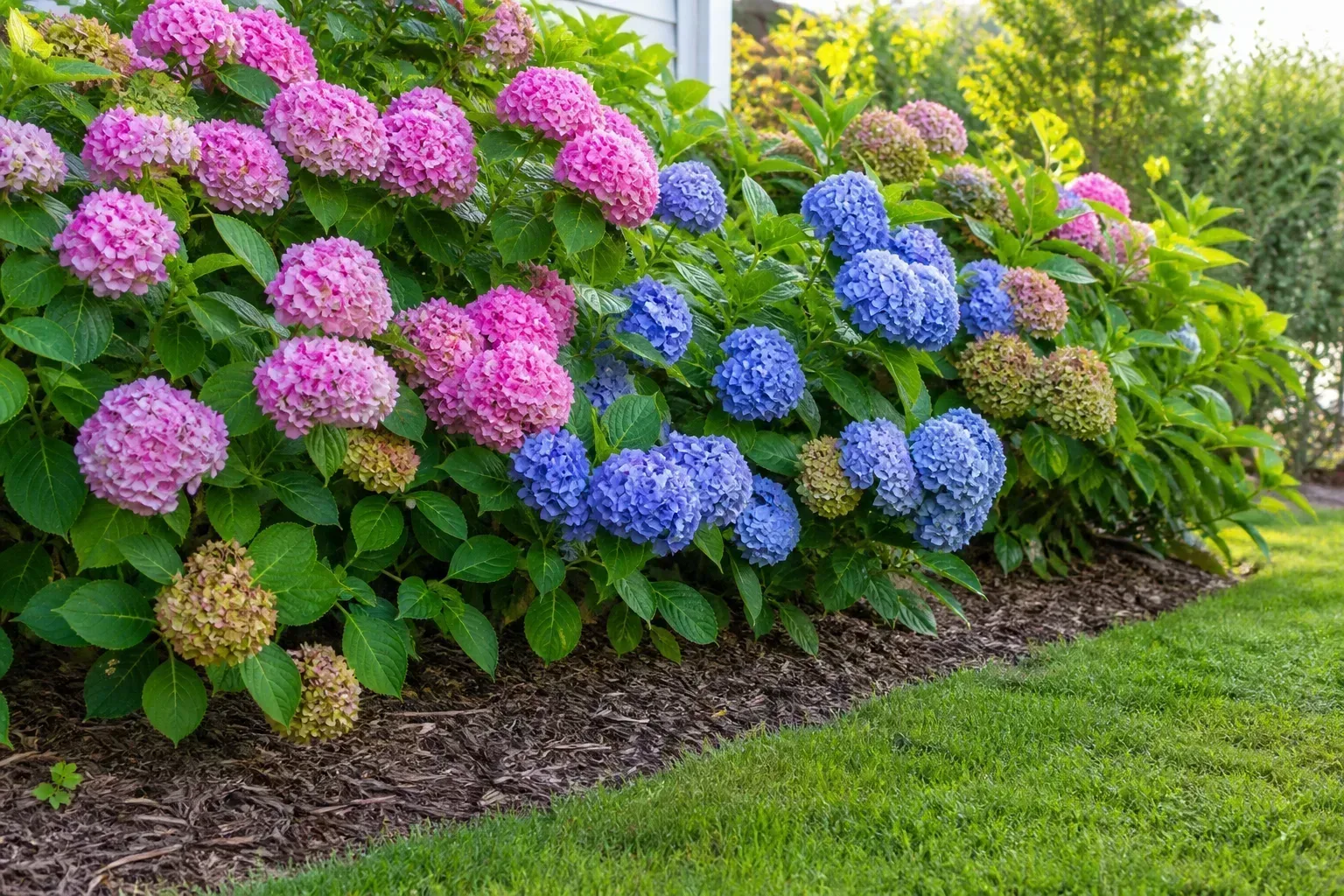
Hydrangeas add large mopheads or lacecaps where shade defeats sun lovers. Bigleaf types (Hydrangea macrophylla) suit the soft color story; panicle types (H. paniculata) give white-to-pink cones in sunnier spots. Site in moist, well-drained soil with morning sun and afternoon shade in hot zones. Know your type before pruning — old-wood bigleaf hydrangeas set many buds on prior-year stems.
Together, lavender and hydrangea cover mid-summer structure when peonies are foliage and hollyhocks are still climbing.
Boxwood for Evergreen Framework and Formal Contrast
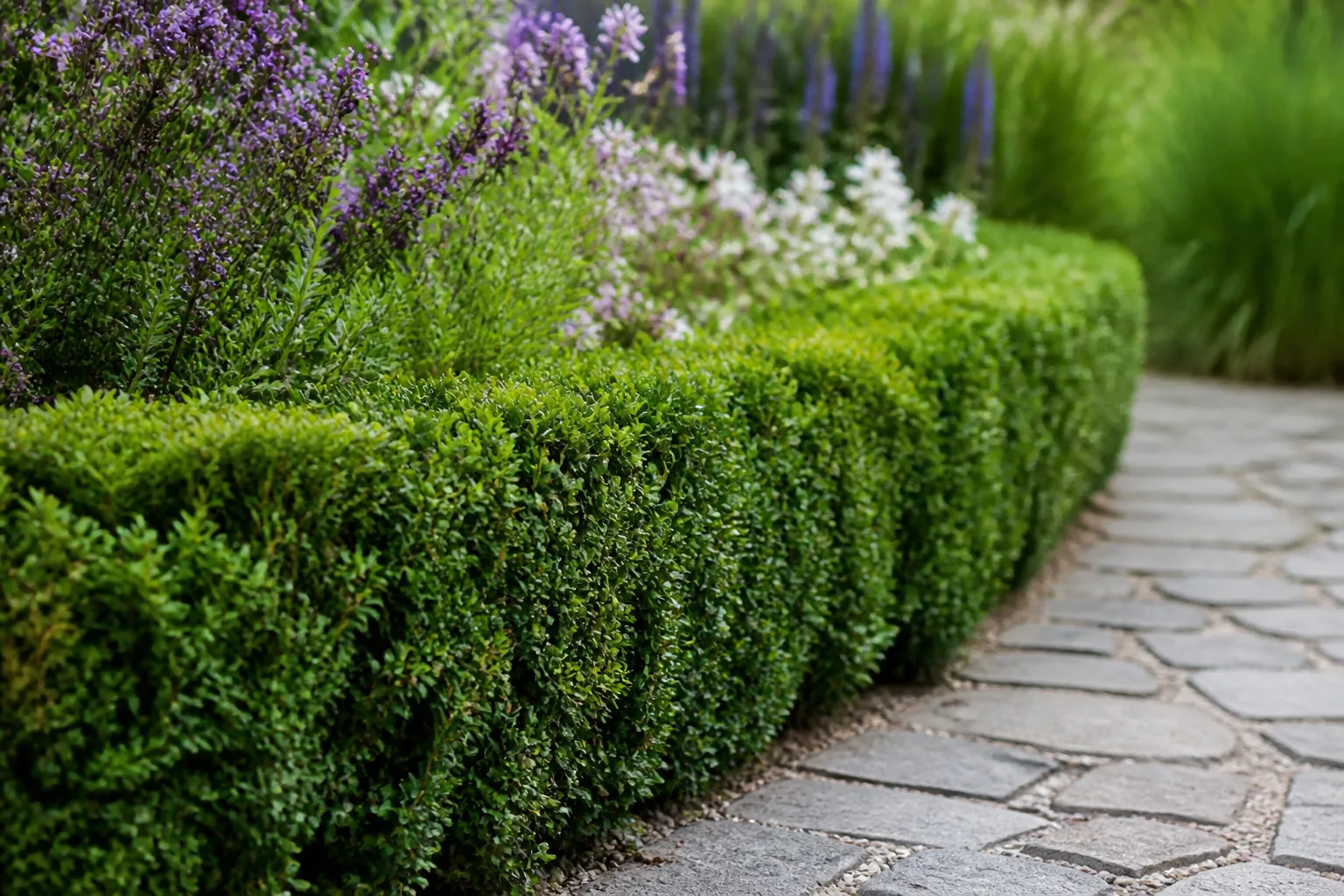
Boxwood (Buxus) supplies the green bones that keep a fluffy flower border from dissolving into chaos — low hedges, clipped globes, or edging along paths. It prefers sun to partial shade and well-drained soil, with regular water until roots establish.
Boxwood shines when lightly shaped, not tortured into tight topiary unless you enjoy maintenance. In humid regions, boxwood blight is a real constraint — choose resistant cultivars and avoid overhead irrigation. Where blight is endemic, substitute dwarf hollies or inkberry for similar evergreen structure.
The contrast between soft peonies and crisp boxwood is exactly the “a little undone but still cared for” grandma-garden tension.
Build a Grandma Garden on a Budget
Grandma gardens historically grew through sharing, not cartfuls of nursery gallons every spring.
Division, Self-Seeding, and Plant Swaps
Division turns one mature clump into three. Daylilies, coneflowers, hostas, phlox, and many grasses divide easily in early spring or fall. Ask neighbors with established beds — they often need to thin plants anyway.
Self-seeding gives you free volunteers: hollyhocks, foxgloves, larkspur, cosmos, and sweet alyssum drop seed for next year if you leave some spent stems in fall. Learn to recognize seedlings so you do not weed your future border.
Plant swaps through local groups or community boards move divisions at zero cost. Seed starting for hollyhocks, sweet peas, and annual fillers costs pennies compared to flats.
First-year budget plan: Pick one sunny bed roughly 10 × 4 feet. Year 1 — one peony or rose, one lavender, one boxwood or dwarf shrub for structure, plus hollyhock seed at the back. Year 2 — add hydrangea or delphinium and divide whatever filled in. Year 3 — gravel path, bench, arch with climbing rose. Spread cost across seasons; the look matures as plants age.
Common Mistakes That Make Grandma Gardens Look Dated Instead of Charming
Buying only annuals each spring produces color but never the layered, returning depth that defines the style. Anchor with perennials, use annuals as filler until clumps merge.
Planting one of everything reads as collector’s garden, not cozy memory. Repeat drifts of the same peony, hollyhock color, or lavender cultivar.
Ignoring fragrance and paths leaves you with a border you view from the deck, not a garden you enter. Fix paths first.
Choosing foxglove or toxic plants without a safety plan in active family yards.
Expecting instant peony shows and ripping out plants in year two. Mark bloom dates and wait.
Over-pruning boxwood or roses into tight balls that fight the soft flower mass — light shaping beats constant shearing.
Conclusion
Grandma gardens are making a comeback because they solve two needs at once: emotional comfort and practical longevity. The look is nostalgic, but the method is durable — layered perennials, scent near paths, timeworn hardscaping, and plants your grandmother would recognize without a trend report.
Start small: one curved bed, three layers of height, two fragrant anchors, and a place to sit. Let peonies age in place, let hollyhocks reseed, divide what thrives, and add charm with stone and bench before you buy another flat of impulse annuals. The garden will feel like it has always been there long before it actually has — which is exactly the point.