How to Humanely Get Rid of Brown Recluse Spiders
Learn how to humanely get rid of brown recluse spiders with careful identification, low-risk exclusion, monitoring, and guidance on when to call a professional.
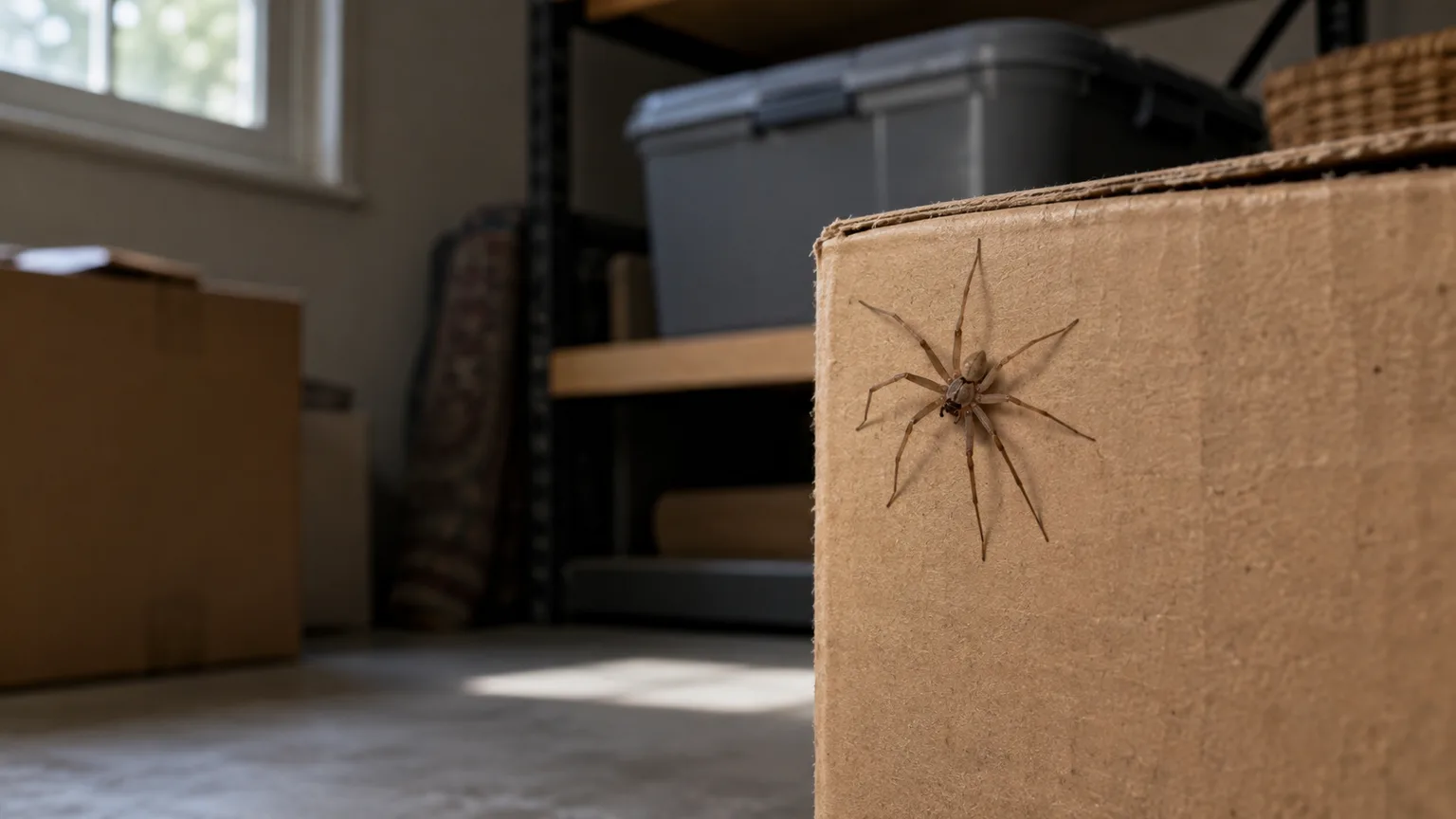
Start with distance and evidence, not a shoe or a can of spray. If a brown spider appears indoors, keep children and pets out of that small area, take a zoomed photo only if you can do it without approaching, and check whether brown recluses are established in your region. A brown spider or a skin mark alone does not confirm this species.
The safest humane approach is usually to avoid handling the spider, remove the hiding places it can use, block access to rooms and belongings, and monitor for repeat activity. A single sighting may call for a different response than repeated, expert-confirmed spiders in a bedroom or storage area. If you cannot verify the spider or control exposure safely, keep people away and ask a local extension diagnostician or licensed pest professional to assess it.
Start With Geography and Evidence
The brown recluse, Loxosceles reclusa, has an established range across much of the south-central and central United States and into parts of the Southeast. State borders are a rough guide: range maps differ at their edges, and an occasional spider can travel in a box, used furniture, or a vehicle well outside the places where populations are established. The University of Arkansas Arthropod Museum describes Arkansas as near the center of the natural range; Utah State University Extension, by contrast, says brown recluses are not established in Utah and that an isolated hitchhiker is possible.
When a sighting is outside the established range
If you live far outside the established range, a brown spider in the garage is more likely to be another species than a local brown recluse population. That does not make a reported sighting impossible, but it changes the next step: get a qualified identification before paying for broad treatment or labeling a bite as a recluse bite. The Illinois Department of Public Health’s range discussion also cautions that recluse spiders are extremely rare outside their known range, even though transported specimens can occur.
Geography is a filter, not a species test. In an established-range state, plenty of harmless spiders are brown; outside that range, a shipped spider can still appear. A county extension office, state university entomology program, or museum diagnostician can tell you whether the location and available evidence fit Loxosceles reclusa.
Confirm the Identification Without Getting Close
A brown recluse is usually tan to medium brown, with a plain-looking abdomen and long, slender legs that are not banded or heavily spined. Adults have six eyes in three pairs, a useful feature for an expert examining a specimen or a sharp close-up. Those eyes are too small to check safely from across a room, so do not use a magnifying glass as a reason to move closer.
Why the violin mark is not enough
The dark violin-shaped marking sits on the cephalothorax, the body section behind the eyes. It can be faint or variable, and other spiders can have similar markings.
Young recluses may not show the same obvious mark as adults. A reliable identification considers several traits together, along with location; the University of Arkansas Arthropod Museum’s brown recluse reference describes the eyes, body features, habitat, and range.
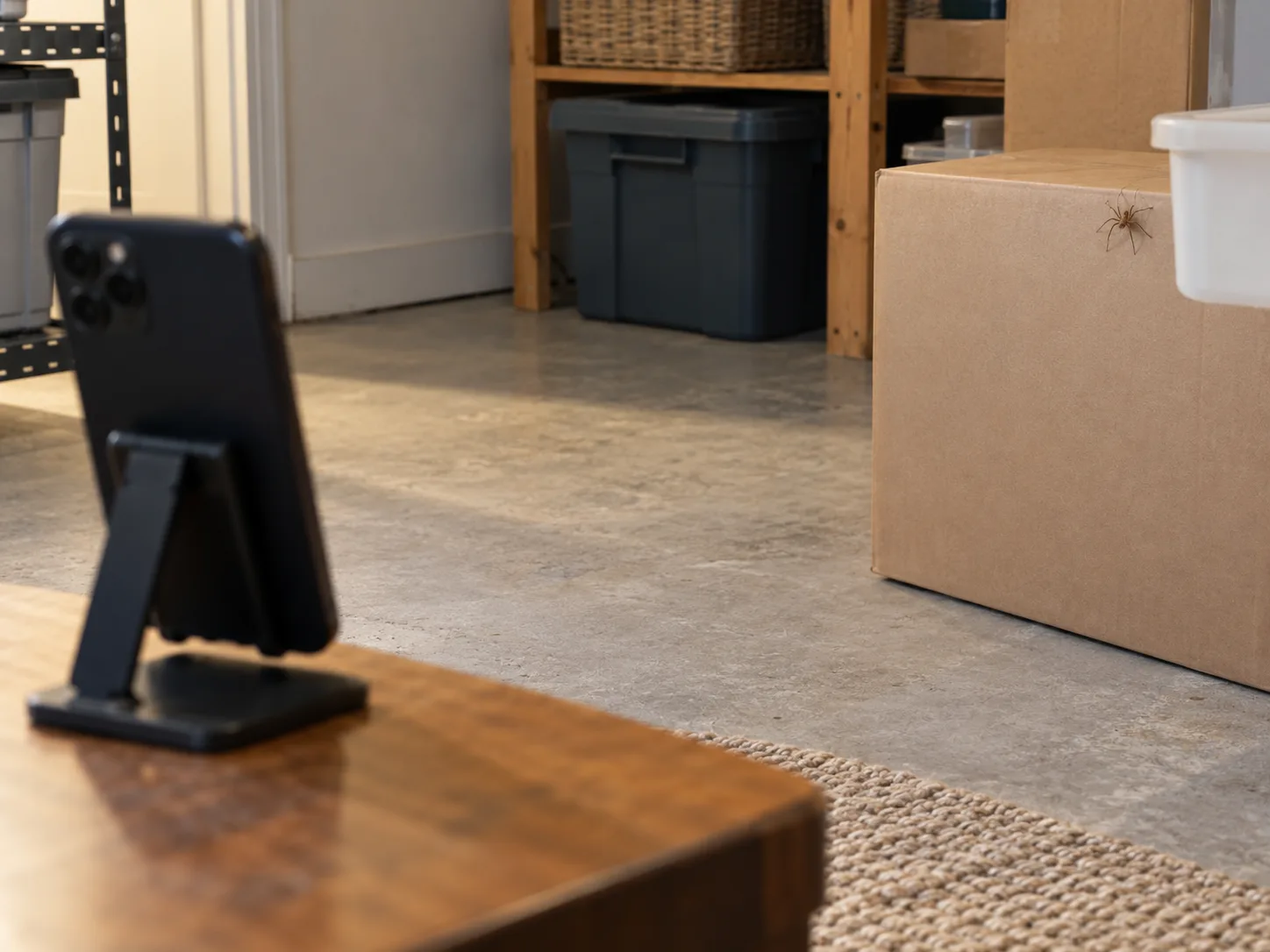
Use a phone’s zoom from a safe distance if the spider is stationary, and save where and when you saw it. Do not pick it up, pin it, or put your fingers near a container to get a better image.
The Arrow Exterminators identification guide likewise recommends observing an uncertain spider from a safe distance rather than trying to handle it. If the image is not clear, accept “unidentified spider” as the honest answer until a specialist can help.
Where Brown Recluse Spiders Hide Indoors
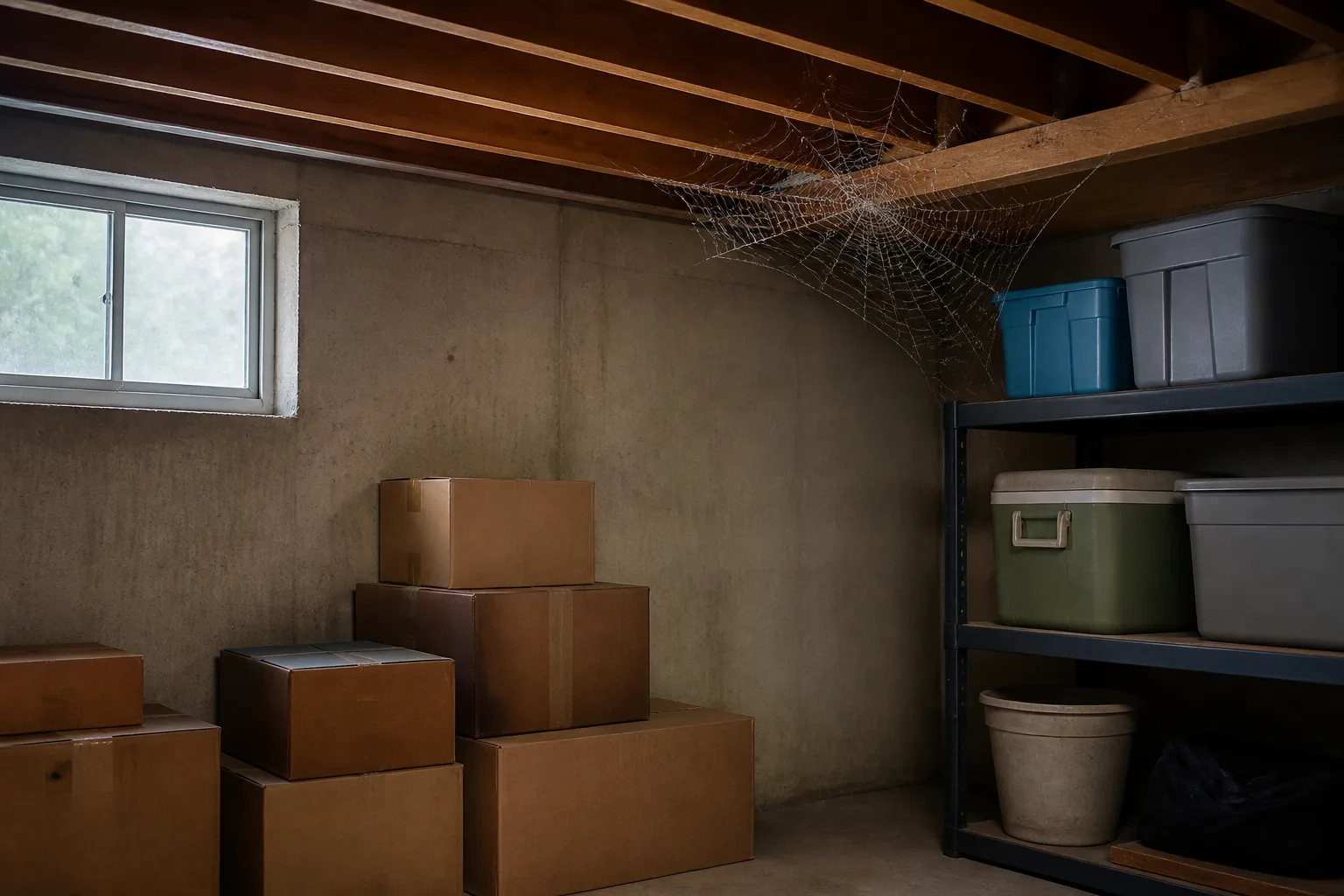
Brown recluses favor quiet, dry, undisturbed places. They may shelter among cardboard boxes, papers, stored clothing, shoes, furniture, closets, attics, basements, crawl spaces, or narrow gaps in walls and trim. They are most active at night and can remain hidden during the day, so not seeing a spider for a week does not establish that it has left.
A sighting in one room does not prove the entire house is infested. Spiders can arrive in stored items or furniture, and one wandering spider is different evidence from recurring sightings or repeated captures in the same storage zone. Recluses make silk retreats, but they are active hunters rather than the obvious web-building spiders many people expect; a room without visible webs can still contain a spider.
A Calm First Response to a Suspected Spider
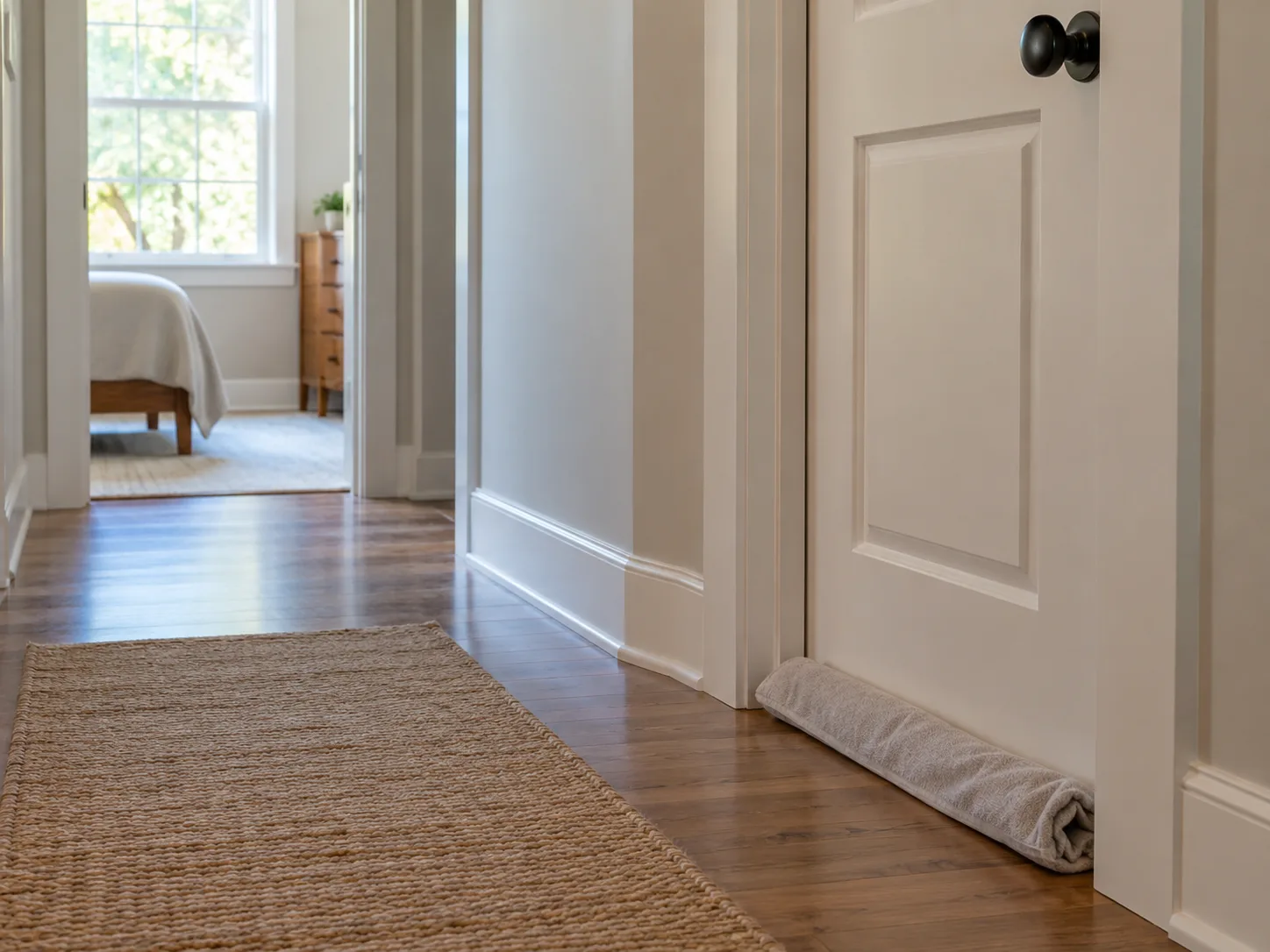
Give the spider space. Move children and pets away, close the room door if you can do so without approaching it, and keep the area undisturbed until you decide on an identification or removal plan. If a door does not close fully, a towel at the gap can temporarily limit movement while you arrange help; it is a short-term boundary, not a treatment.
Record the exact room, the surface or object where you saw it, the time, and whether you have noticed other spiders there. A photo from the existing safe distance can be more useful than a detailed memory, but do not chase the spider or dismantle furniture for a picture. Avoid spraying it and then searching among boxes or bedding for the body; a spray does not confirm the species or tell you whether other spiders are present.
Choose your next move by the evidence. An outdoor spider away from people can usually be left alone. One unconfirmed indoor sighting calls for identification and simple precautions; repeated sightings, a verified specimen, or activity near a child’s bed or pet’s resting area warrants a more careful inspection and professional advice.
What Humane Removal Can Safely Mean
“Humane” should not mean putting a hand close to a spider that may be medically important. Cup-and-card capture requires approaching and trapping the animal, and a rushed attempt can put fingers near the spider or pin it against skin. The brown recluse usually bites when pressed against a person in clothing or bedding, so a close capture attempt defeats the main safety goal.
If the spider is outside and not in a doorway, play area, or work route, leave it where it is. If it is indoors, you can keep the room closed and unused for a short period while an extension diagnostician or pest professional advises you. Ask directly whether they offer a no-contact live removal; not every provider does, and no method can promise a risk-free capture in every room.
For a confirmed, recurring indoor population, humane management may mean reducing avoidable pesticide exposure and using targeted measures rather than trying to preserve every spider. Sticky monitors catch and kill spiders, and chemical treatments also kill them; both can still be part of a proportionate plan when the alternative is repeated exposure in an occupied space. Be clear about that trade-off before choosing a method.
Reduce Contact in Bedrooms and Closets
Brown recluse bites are associated with a spider being trapped against skin, especially in clothing or bedding. In rooms where you have seen confirmed activity, keep clothes, towels, shoes, and bags off the floor; check rarely used shoes and garments before wearing them; and keep bedding from dragging onto the floor. These steps reduce chances for an unnoticed spider to be pressed against a person, even though they cannot prove that a room is spider-free.
If you are changing linens or moving items in a room where a recluse was confirmed, avoid reaching blindly under a bed, into a closet corner, or behind furniture. Turn on lights, inspect from outside the storage space, and move one item at a time with a clear view of your hands. If the item is wedged into a suspected hiding place or the room has recurring activity, leave it for a professional rather than turning a small sighting into a close search.
Make Stored Belongings Less Inviting
Prioritize cardboard, paper piles, seldom-used clothing, and anything stored directly on the floor. Break down empty boxes; move items into tightly lidded plastic totes; and keep the containers closed between uses. Sealed storage also helps prevent spiders from arriving with packed belongings or hitchhiking in from another building, a route noted by the Illinois Department of Public Health and PestWorld.
Work a small, well-lit section at a time rather than pulling every box into a pile. Wear closed shoes and work gloves while moving ordinary stored goods, but remember that gloves are not a guarantee and do not make it safe to reach into an unseen gap. Open a container where you can see its contents, keep it away from your body, and inspect items before bringing them into a bedroom or laundry basket.
Store firewood and outdoor materials away from the foundation when practical, and bring inside only the amount you will use soon. If you have confirmed spiders among stored possessions, ask the pest professional how to inspect and dispose of infested items before moving them through clean rooms. Do not shake a box over a bed or dump it on a carpet to “flush out” a spider.
Seal the Routes Spiders Use to Enter
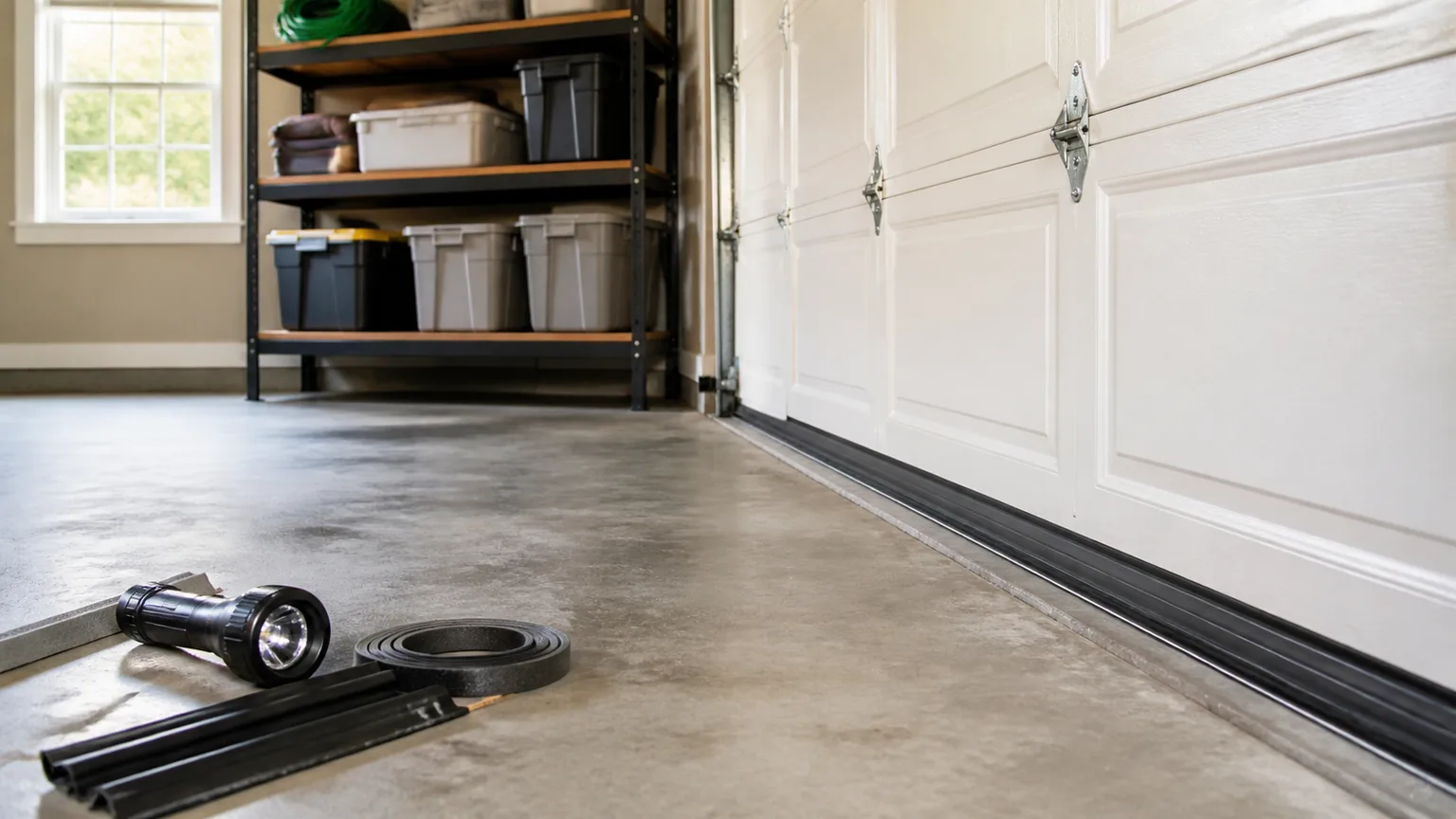
Close gaps at exterior doors, window frames, utility penetrations, vents, and foundation openings with the repair that suits the material: intact screens, door sweeps, weather stripping, or caulk. Inside, seal accessible cracks around baseboards, cabinets, and trim if they lead into a hiding void. The Illinois Department of Public Health’s control guidance describes sealing cracks and crevices as part of an integrated plan.
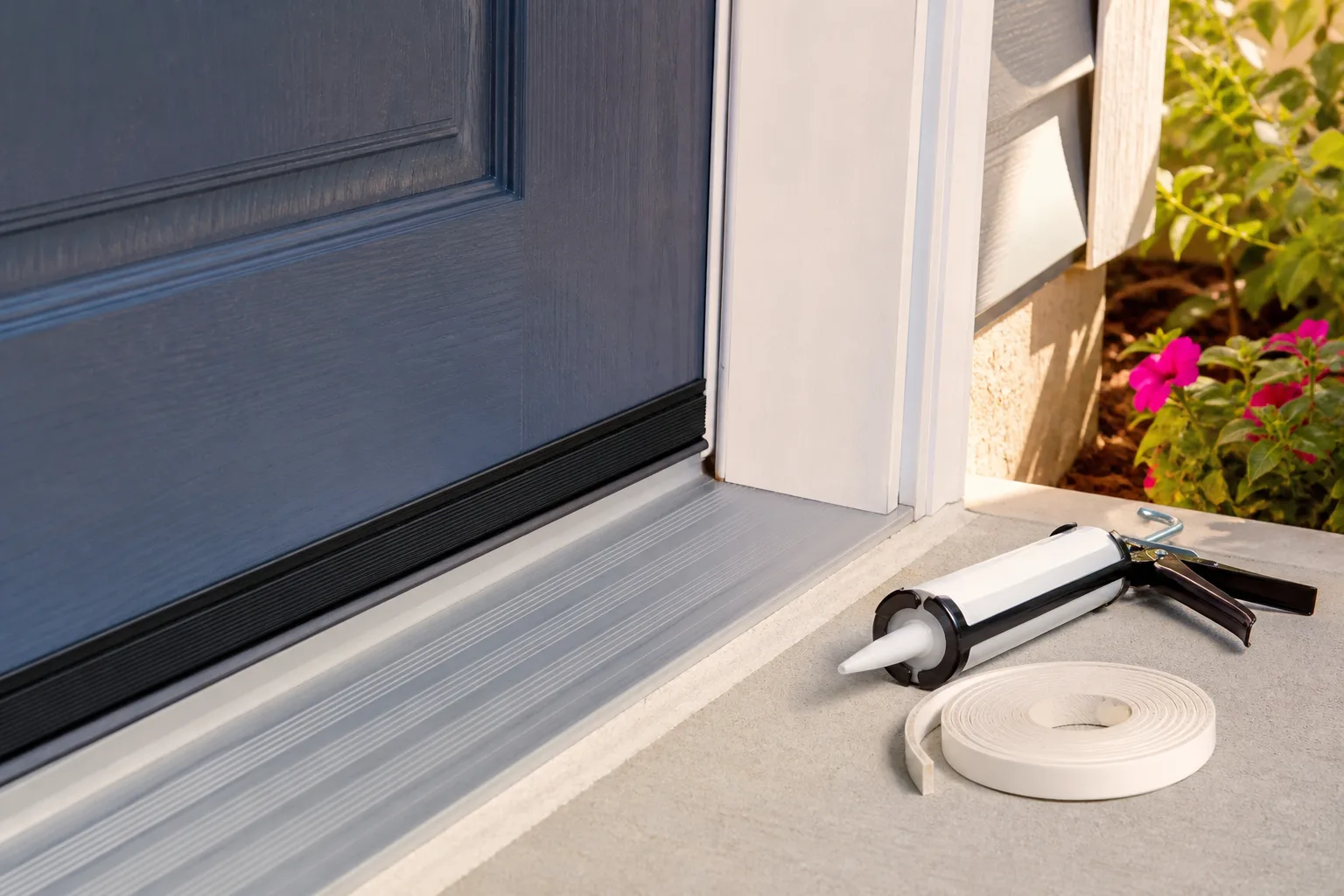
A seal reduces access and shelter, but it does not extract spiders already inside a wall or box. Do not block required vents, drainage openings, or fire-rated gaps with improvised foam. If a crack is tied to wiring, plumbing, a fireplace, or a crawl-space ventilation system, ask a qualified contractor how to close it without creating a building problem.
Monitor Activity Before Choosing Treatment
Monitoring answers a practical question: where and how often are spiders moving? If a local extension office or pest professional recommends sticky monitors, place them flat against walls in likely travel areas such as behind furniture, beside storage, or along a garage wall. Keep them inaccessible to children and pets, label the room and date, and check them regularly without touching a trapped spider.
A monitor can help locate a hotspot and document whether activity is declining; one catch does not reveal the size of a population or prove every caught spider is a recluse. Photograph the trap from a safe distance and ask an identifier before moving or peeling anything off it. Sticky boards are lethal, so they are monitoring tools, not live-capture devices or a universally humane first step.
The Illinois Department of Public Health describes sticky monitors as useful for locating spider activity and emphasizes that effective control combines methods. That is a better basis for deciding whether to escalate than spraying an entire room after one uncertain sighting. If a monitor would be reachable by a toddler or pet, skip it there and ask a professional about a safer location or method.
Make the Outdoor Perimeter Less Hospitable
Brown recluses can live outdoors around rocks, logs, loose bark, firewood, utility structures, and sheltered foundation edges. Keep piles of wood, construction materials, and unused containers away from doors and the foundation; elevate firewood so it stays dry; and remove debris that creates a protected path directly into a garage or crawl space. The University of Arkansas and PestWorld both describe these sheltered sites as common outdoor or structural hiding places.
This is targeted housekeeping, not a reason to sterilize the yard. Preserve ordinary garden habitat away from doorways, and avoid blanket insecticide applications that can affect non-target wildlife and beneficial insects. Keep exterior doors shut, repair screens, and store garden gloves or work shoes in a closed bin if they are used near woodpiles or sheds.
When Pesticides May Be Appropriate
A pesticide may be considered when a professional confirms a persistent infestation and exclusion, storage changes, and monitoring have not brought activity under control. A licensed applicator can focus treatment on likely harborages and explain which surfaces need to stay clear until they are dry or safe to re-enter. Ask what product is being used, where it will be applied, and what the label says about people, pets, ventilation, and re-entry.
Do not use a bug bomb or fogger as a shortcut. The Illinois Department of Public Health explains that foggers often miss spiders hidden deep inside objects and may drive them farther into hiding; broad room spraying also does not seal entry gaps or remove shelter. Never apply an insecticide to bedding, clothing, or a surface contrary to its label, and do not mix products or increase a dose to make it “stronger.”
“Natural” does not automatically mean harmless or effective. Essential-oil sprays, vinegar, and other household mixtures have not been shown here to reliably clear a brown recluse population, and they can add exposure or damage surfaces. If you choose any pesticide, use only a product labeled for the site and pest, follow every label direction, and let a professional handle wall voids or extensive infestations.
Protect Children, Pets, and Anyone Cleaning
Keep children and pets out of the room where a suspected spider was seen until the area has been checked. Put monitors behind furniture or in secured locations that a child or animal cannot reach; glue can injure pets and trap non-target wildlife. Store pesticide products in their original containers and follow the label’s access and re-entry instructions.
Before anyone sorts a garage, attic, or closet with confirmed activity, agree on a simple plan: who is supervising children and pets, which area is off-limits, what items will be moved, and who will call for help if a spider is found. Gloves, long sleeves, and closed footwear lower contact with stored material, but they do not make a heavily infested space a safe DIY project. Pause if you find multiple spiders, egg sacs, or an inaccessible cluster.
If a dog or cat may have been bitten, call a veterinarian promptly and explain the suspected exposure. The Pet Poison Helpline’s brown recluse guidance lists possible signs in animals and advises calling a veterinarian or its helpline for treatment advice; do not wait to see whether a dramatic skin wound develops.
What to Ask a Licensed Pest Professional
Call a professional when you have repeated sightings, a spider identified as Loxosceles reclusa, activity near beds or stored clothing, or a household member who cannot safely avoid the area. A useful inspection should identify the evidence and likely activity zones, explain how monitoring will measure progress, and include practical exclusion and storage changes. If the home is outside the established range, ask what evidence supports the species identification before agreeing to a treatment plan.
Ask the provider to explain the sequence, not just the product: where they will inspect, what can be sealed, where any monitors go, whether a pesticide is necessary, and what you need to move or keep away from treated areas. Request the product name and label information, application locations, pet and child precautions, re-entry timing, and a follow-up plan. If the provider promises instant or permanent eradication without inspection or monitoring, seek another opinion.
A confirmed infestation can take time to control. The Illinois Department of Public Health notes that eliminating brown recluses from a structure may take months depending on construction, hiding places, trapping, and follow-through. Ask how the provider will compare new monitoring results with the original locations so that “fewer sightings” is supported by evidence.
If Someone May Have Been Bitten
A wound cannot be identified as a brown recluse bite from appearance alone. The Illinois Department of Public Health warns that other infections and medical conditions can resemble a recluse wound, and Utah State University Extension says symptoms alone rarely confirm the spider involved. Seek medical advice for a concerning bite or worsening symptoms; get urgent care for severe pain, fever, vomiting, weakness, spreading redness, or other systemic symptoms.
Wash the area gently with soap and water while arranging medical advice. Do not cut the skin, try to suck out venom, or delay care while attempting to catch the spider. If a photo already exists or the spider can be seen from a safe distance, share that information with the clinician or an identifier; do not carry a live spider to a clinic unless a professional specifically instructs you and explains how to contain it safely.
Conclusion
The best humane response to a suspected brown recluse is measured and low-contact: check whether the spider and location make sense, keep people and pets away, and do not risk a close capture to prove an identification. If the spider is outside and away from traffic, leave it alone; if it is indoors, use a safe boundary while you seek qualified identification or advice.
For recurring or confirmed activity, combine sealed storage, careful handling of rarely used belongings, repaired gaps, and monitoring. Bring in a licensed pest professional when the evidence or household risk calls for it, and ask for a targeted plan that explains any lethal trap or pesticide use. This protects the people in the home while avoiding unnecessary panic and treatment.