How to Get Rid of Field Mice in the Yard
Learn how to get rid of field mice by identifying mice versus voles, removing cover and food, sealing entry points, protecting plants, and trapping safely.
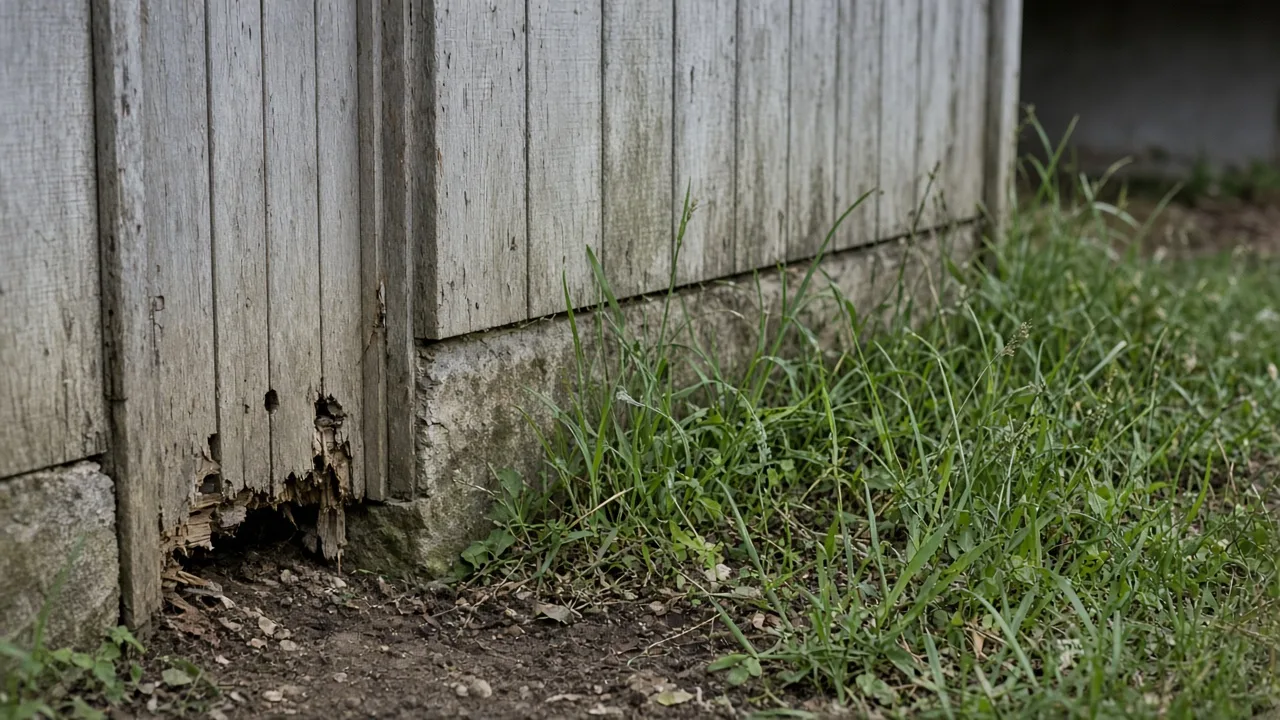
If field mice are nibbling seedlings, tunneling through mulch, or appearing near your foundation, start with identification. “Field mouse” can mean a true wild mouse, but people also use the name for meadow voles—stockier rodents with short tails that often cause more visible plant and bark damage.
The reliable solution is not one smell, gadget, or trap. Confirm the animal, remove the food and cover that make your yard comfortable, protect plants with physical barriers, and close the routes into buildings. Trap only where there is active evidence, then monitor long enough to catch the next wave rather than declaring victory after one quiet night.
Start by deciding whether you have mice, voles, or another animal
A small animal seen at dusk is not enough to identify the problem. Look for a pattern of damage and travel: droppings, narrow runways through grass, gnaw marks, holes, tracks, or a gap at a door or foundation.
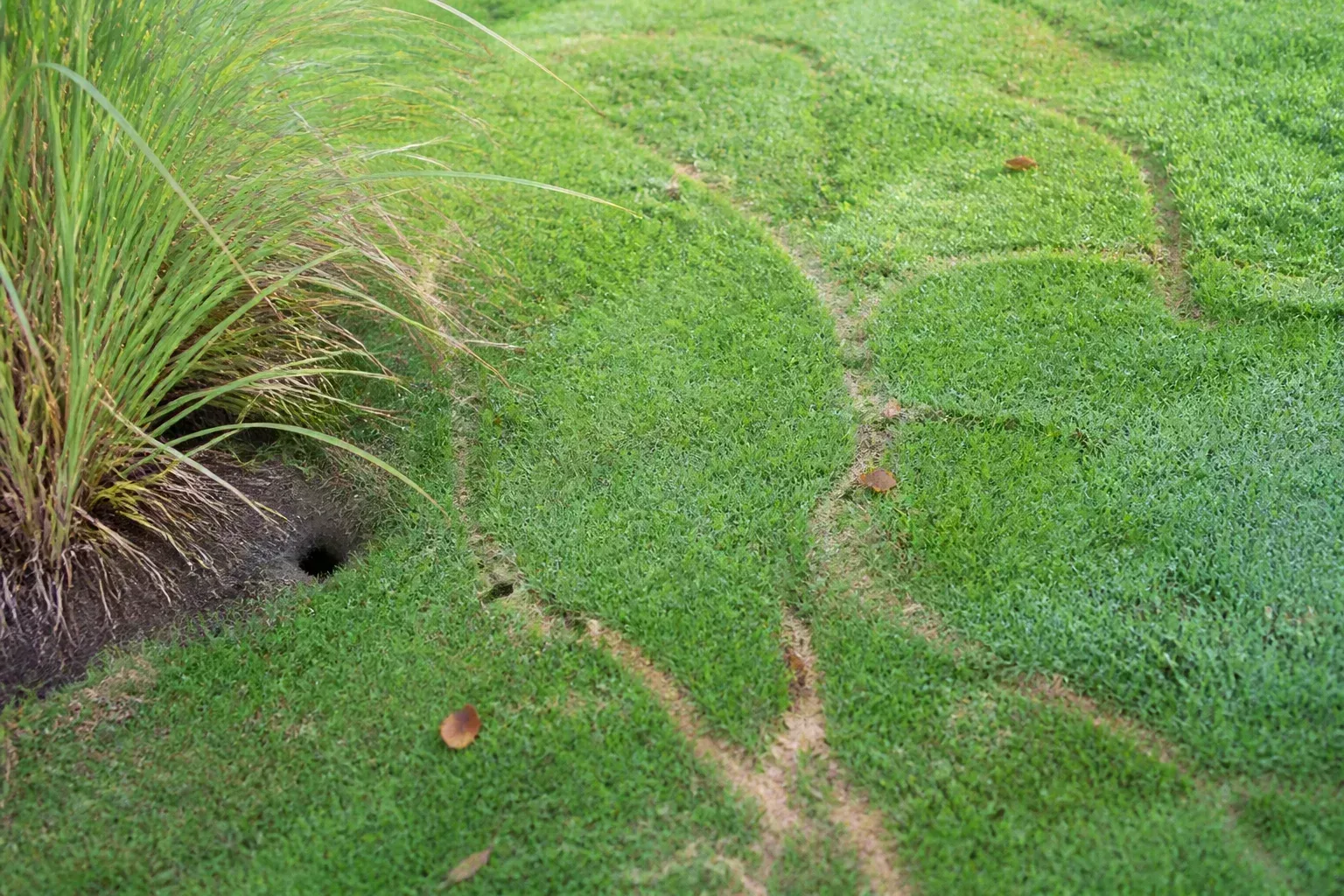
The clues that separate mice from voles and moles
| Animal | Body clues | Typical outdoor evidence | Main concern |
|---|---|---|---|
| Field or deer mouse | Pointed face, prominent ears, noticeably long tail | Droppings, seed feeding, entry gaps, nests in sheltered spots | Indoor entry and food contamination |
| Meadow vole | Compact body, small ears, short tail, blunt face | Surface runways, clipped grass, girdled bark, eaten roots or bulbs | Plant, lawn, and tree damage |
| Mole | Very small eyes, long snout, broad digging feet | Raised soil ridges and deeper tunnels | Soil disturbance; usually not eating plant roots |
| Rat | Larger body and droppings, thicker tail | Larger holes, gnawing, heavy food use | Building, sanitation, and public-health concern |
If the damage is a shallow, well-worn trail through grass and the animal has a short tail, treat the situation as a possible vole problem rather than a house-mouse problem. If you find droppings or gnawing inside a shed, garage, or home, your priority is exclusion and indoor trapping, even if the animal began in the garden.
What field mice are doing in your yard
Wild mice use yards as feeding and cover corridors. They may eat seeds, fallen fruit, tender vegetation, insects, or pet food, then shelter beneath dense grass, stacked lumber, thick mulch, shrubs, or discarded materials.
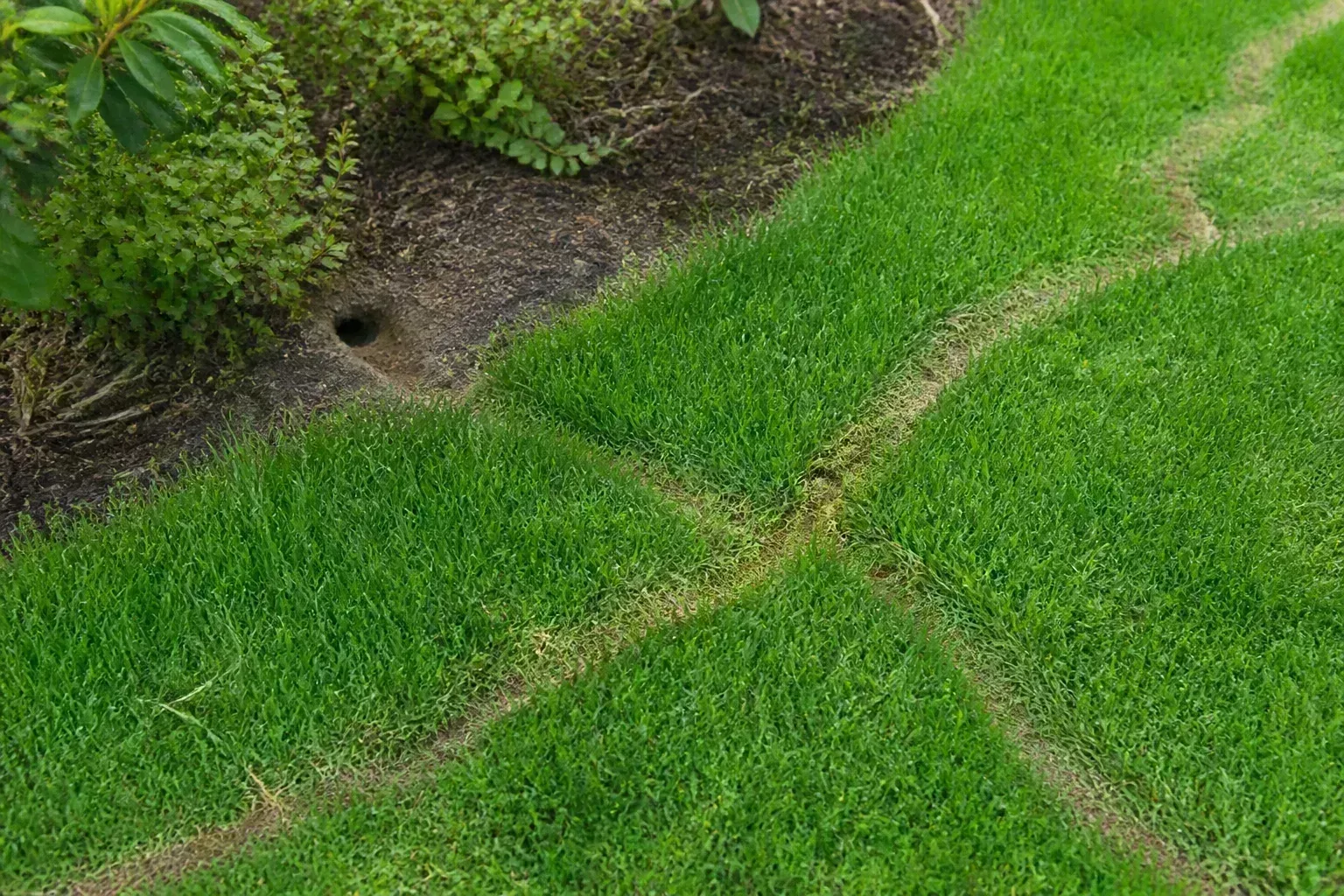
Voles are especially tied to low, continuous cover. Their runways let them move under grass and mulch while avoiding predators, and winter snow or heavy vegetation can hide activity until plants suddenly wilt or bark is stripped.
That ecology changes the goal. You do not need to eliminate every small mammal from a large landscape; you need to lower pressure near the house and protect the plants you value. A managed buffer beside the foundation can coexist with a wildlife-friendly area farther away.
The fastest first-day response
Walk the property in a loop rather than scattering deterrents everywhere. Mark active runways, fresh chewing, droppings, food stations, compost edges, foundation gaps, and dense cover within roughly the immediate perimeter of the home.
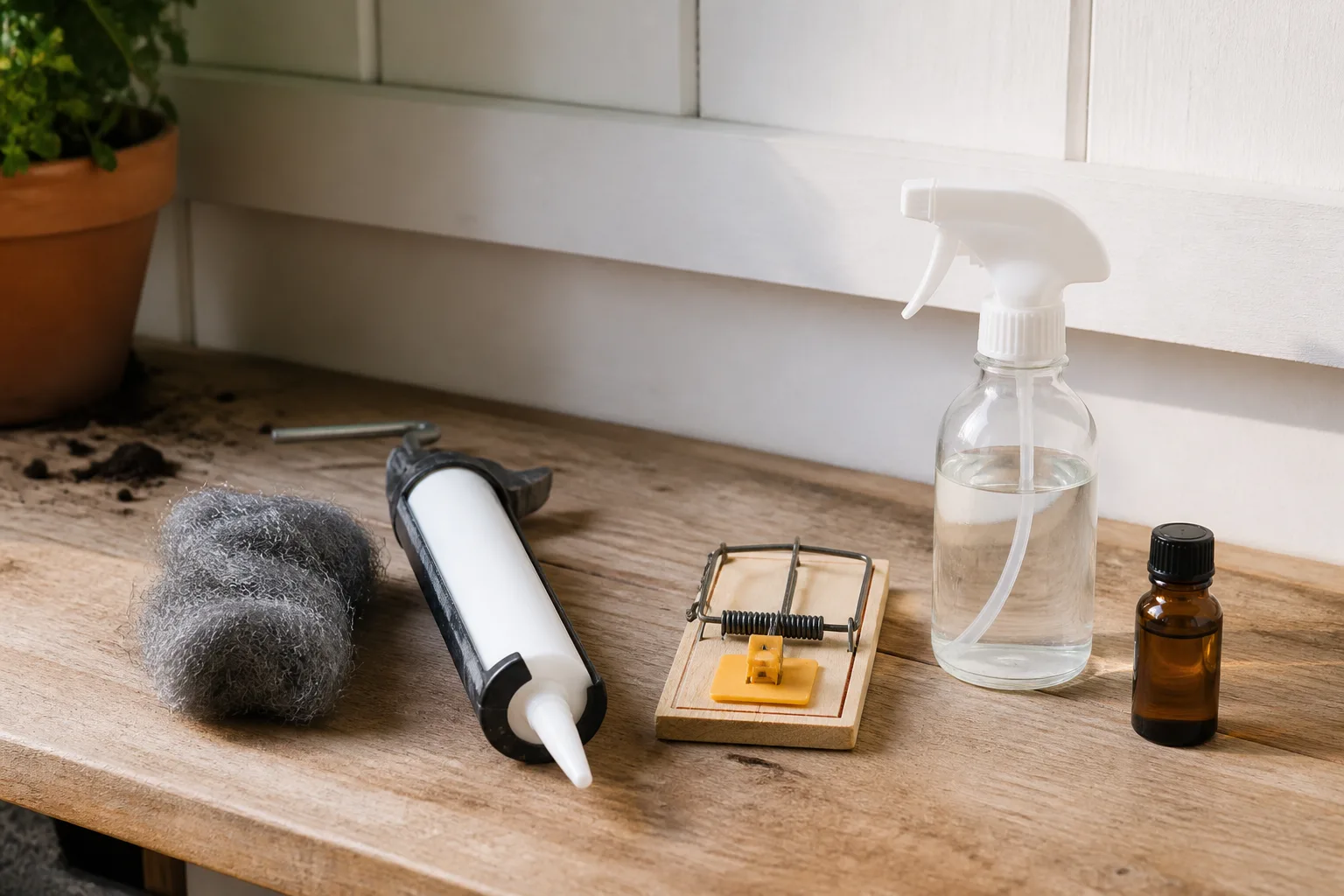
Then take these actions in order:
- Bring pet food, bird seed, and edible harvest indoors.
- Pick fallen fruit and remove accessible food waste.
- Mow or trim a path beside the foundation and clear loose debris.
- Check door sweeps, vents, pipe penetrations, and garage corners for gaps.
- Protect a damaged tree or bed with fine mesh before adding a repellent.
- Put traps only on confirmed travel routes and check them frequently.
This sequence works because it removes the reward before you try to punish the behavior. A repellent may briefly change where an animal travels, but it cannot compete with an easy meal and a safe nesting site.
Remove the food sources that keep them nearby
You cannot remove every seed in a garden, and you should not pave over a habitat to chase a native rodent. Focus on the artificial or concentrated foods that turn occasional visitors into regulars.

Store bird seed in a sealed, rodent-resistant container and clean spilled seed beneath feeders. If a feeder is directly beside a door, shed, or foundation, move it farther away and use a tray that makes cleanup possible.
Do the same with pet food, chicken feed, open compost, bags of seed, and ripe produce. Harvest tomatoes, squash, berries, and fallen fruit promptly; a vegetable garden can remain productive while no longer offering a nightly buffet.
Reduce cover without stripping useful habitat
Mow grass near the house and keep a visible, inspectable strip around sheds, decks, and foundations. Rake away thick thatch and remove brush, unused pots, cardboard, and loose boards where rodents can nest.
Do not interpret this as a command to make the entire yard bare. Dense native planting supports birds and beneficial wildlife, but it is more strategic when it is not pressed against the building or wrapped around vulnerable tree trunks.
Stack firewood off the ground and away from the wall. Prune low branches where practical, and avoid creating a continuous tunnel of groundcover from a wild edge to a garden door.
Protect the garden’s most vulnerable plants
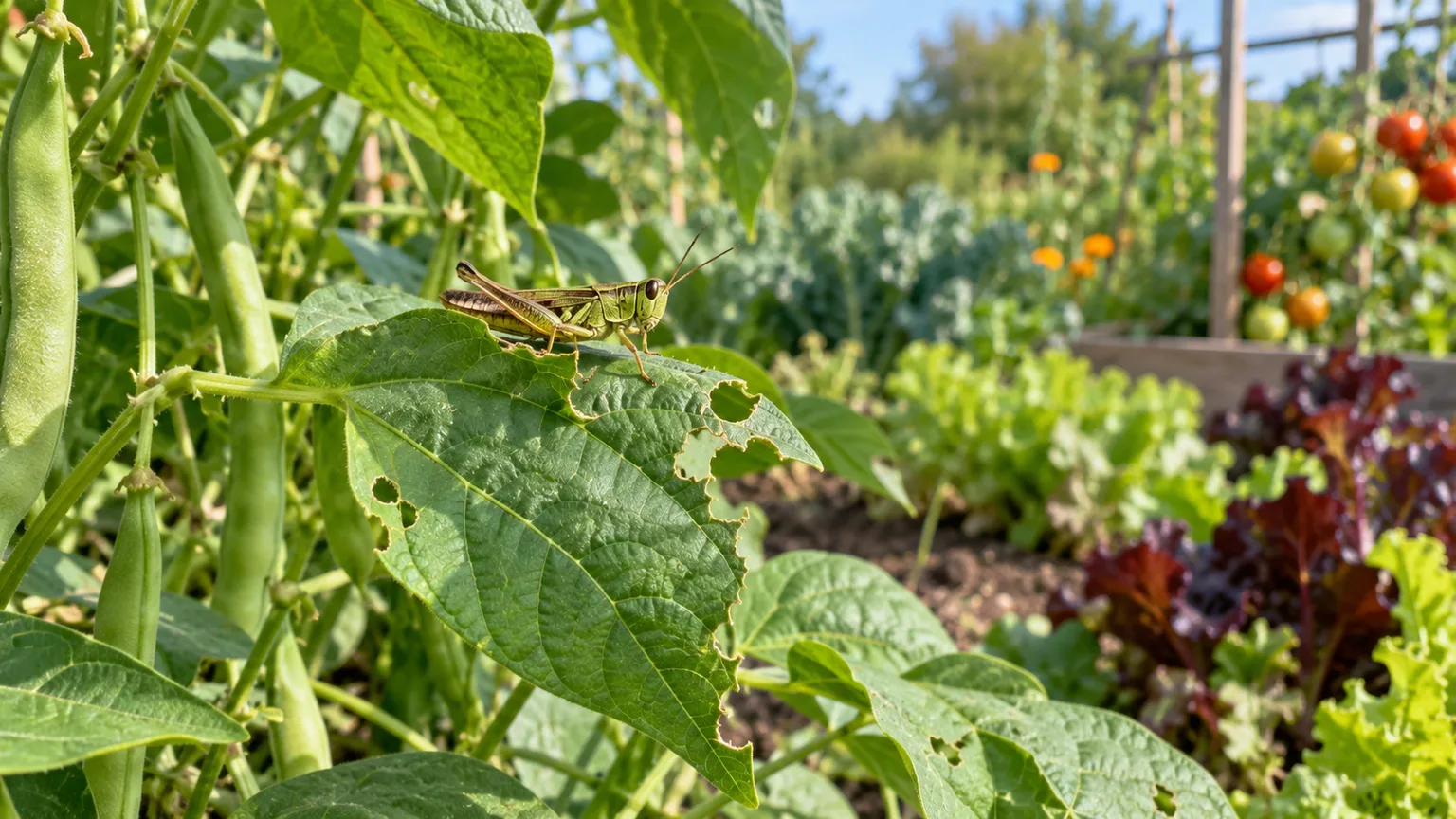
Physical protection is more dependable than planting a supposed mouse-repellent herb. Use fine galvanized hardware cloth around young trees, shrubs, raised beds, and bulb areas where chewing or shallow tunneling is confirmed.
For a trunk guard, leave room for growth and keep the mesh from pressing into the bark. Bury the bottom edge enough to prevent an animal from slipping underneath, and check after frost heaving, mulch movement, or heavy rain.
For raised beds, line the base with a durable small-mesh barrier before filling the bed. For bulbs, a mesh basket or a bed perimeter can protect the planting without requiring poison throughout the soil.
Some plants are less attractive to voles than others, including many alliums and daffodils, but “vole-resistant” does not mean invulnerable. Hungry animals, local species, and plant availability change the result, so use plant choice as one layer rather than a fence substitute.
Build a mouse-resistant perimeter around the house
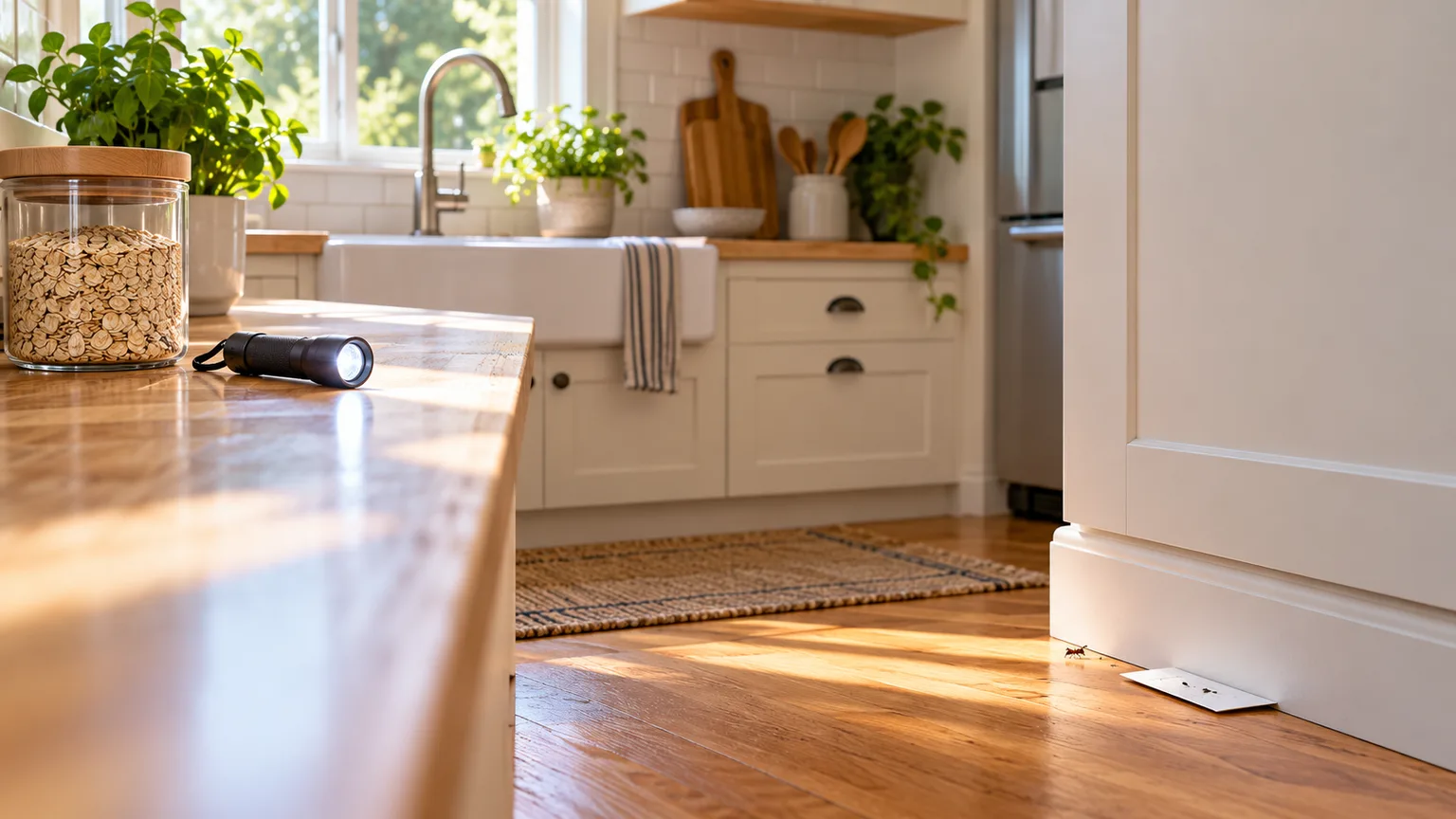
Field mice become a household problem when the route from the yard to the building stays open. Inspect where siding meets the foundation, around utility lines, under garage doors, at crawl-space vents, and around pipes or cable penetrations.
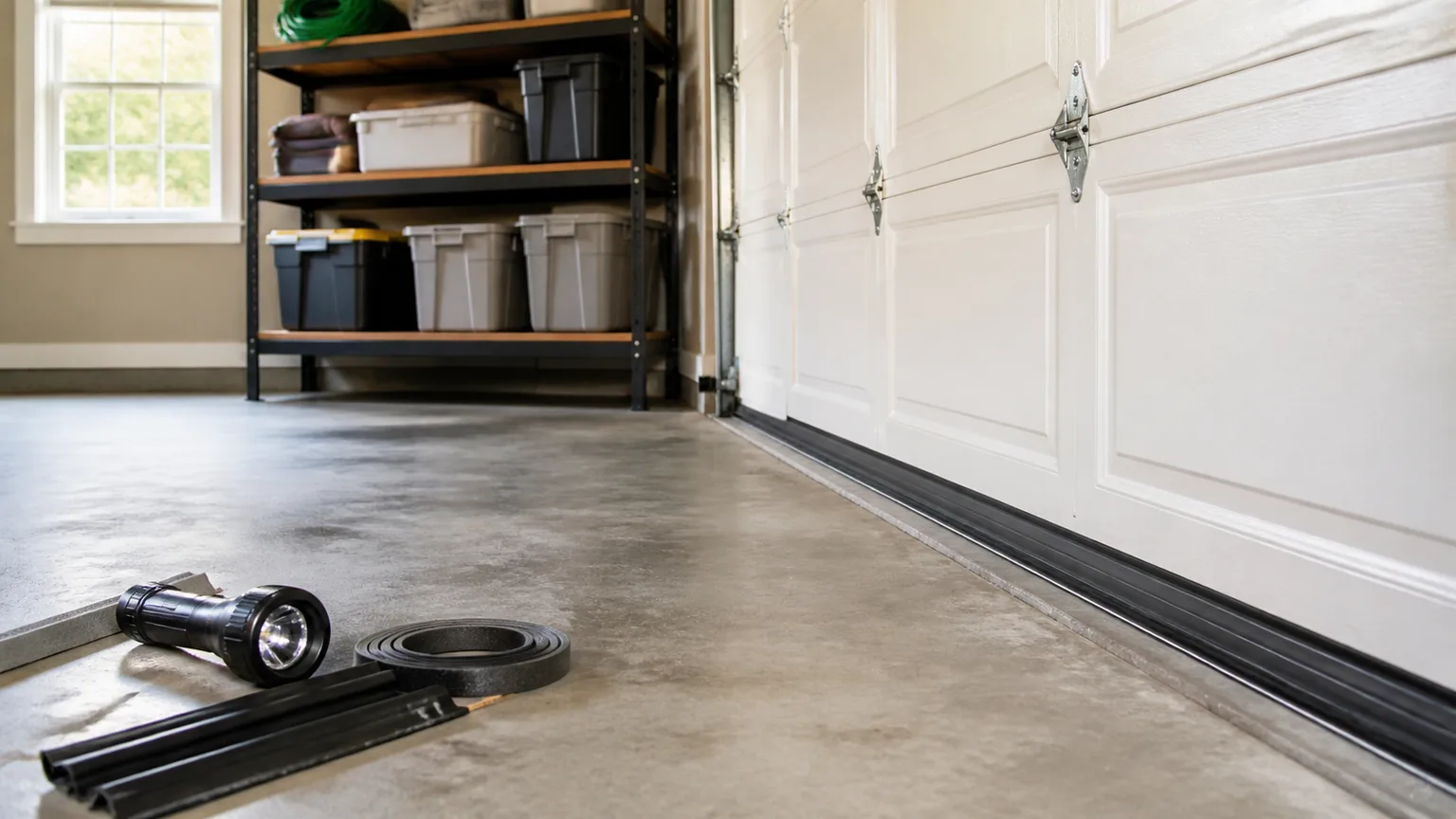
Use durable metal mesh, a properly fitted door sweep, or a repair appropriate to the opening. Expanding foam alone is easy for rodents to chew through and should not be treated as a complete barrier.
Keep shrubs, stored materials, and mulch from hiding the foundation. You want to be able to see the lower wall and notice new droppings, gnawing, or a disturbed seal before an animal establishes a nest indoors.
Use traps where the animals actually travel
Trapping is appropriate when activity is persistent, plants are being damaged, or a mouse has entered a structure. A trap in the middle of an open lawn is unlikely to outperform one placed beside a wall, runway, burrow entrance, or sheltered edge.
For mice, place the trigger end against the travel edge or orient the trap so the animal encounters it while moving along a wall. For possible voles, set the trap across or immediately beside a fresh runway with the trigger in the path, then cover it with a small protective box that keeps children, pets, and birds away while allowing the target animal access.
Snap traps, live traps, and outdoor safety
An appropriately sized snap trap can kill quickly when correctly placed. Live traps require more attention: they must be checked often, protected from heat and weather, and released only where local rules allow and where relocation will not create a new conflict.
Avoid glue traps outdoors. They can catch non-target animals, expose wildlife to prolonged distress, and become especially dangerous when left in rain, heat, or freezing conditions.
Use gloves when handling a trap or carcass, keep traps inaccessible to children and pets, and follow local wildlife guidance. If you are unsure whether the animal is a vole, mouse, or protected native species, pause before trapping and get an identification from a cooperative extension office or qualified wildlife professional.
Why poison bait is a poor garden shortcut
Rodenticides do not solve the food, shelter, or entry problem, and a poisoned rodent can be eaten by an owl, hawk, fox, dog, or cat. Bait also creates direct exposure risks when it is placed where children, pets, or wildlife can reach it.
If a severe infestation requires toxic bait, use only a product legally labeled for that setting and target, follow every label direction, and use a tamper-resistant bait station. Do not scatter pellets in a garden bed, compost area, shed, or open yard.
For most garden situations, exclusion, habitat modification, and targeted trapping give you more control with fewer non-target risks. A licensed professional is the safer route when sanitation, a large structure, or repeated indoor activity makes DIY bait tempting.
Peppermint, ultrasonic devices, and other repellents
Strong scents may alter an animal’s route briefly, especially in a small enclosed space, but they are not a population-control method. Peppermint oil, planted mint, predator scents, cayenne, and similar home remedies fade with weather and can be ignored when food or shelter is valuable.
Ultrasonic devices have an appealing premise, but habituation and outdoor sound conditions limit their usefulness. If a device seems to help, treat that as temporary support while you remove attractants and seal access—not as proof the yard is protected.
Never spray an essential oil or pesticide around edible crops, pets, or wildlife without checking the product label and plant-safety directions. A natural label does not automatically mean harmless.
Use water and compost management to reduce pressure
Fix dripping outdoor taps, leaking hoses, and irrigation overspray near the foundation. A bird bath is not automatically a problem, but standing water beside dense cover and a house can make the area more attractive.
Manage compost so it does not contain exposed food scraps or become a warm, undisturbed nest site. Keep bins closed, turn material appropriately, and remove windblown produce from the surrounding ground.
Do not remove a rain garden or wildlife water feature solely because you saw one mouse. Instead, create distance from the house, improve visibility around the feature, and remove the concentrated attractants that are actually linked to your evidence.
Repair damage and clean up safely
After reducing activity, rake out shallow runways and reseed or repair lawn only when the underlying cause is addressed. If bark is girdled, remove loose guards only after pressure has fallen and assess whether the tree’s living tissue remains connected around the trunk.
When cleaning droppings or nesting material in an enclosed space, ventilate first and avoid sweeping or vacuuming dry contamination into the air. Wear gloves, wet the material with an appropriate disinfectant, allow contact time according to the label, then bag the waste and wash your hands.
If there is a large amount of droppings, a dead rodent in an HVAC system, or repeated contamination in a living space, use a professional cleanup service. Garden advice is not a substitute for public-health guidance.
A seasonal plan that prevents repeat problems
In spring, inspect young trees, bulbs, and ground-level bark as vegetation grows. Mow access strips before cover becomes continuous, check bed barriers, and repair winter-damaged door sweeps or mesh.
In summer, harvest promptly, clean feeder spills, and watch for fresh runways after mowing. Keep compost and pet-food routines consistent; rodents exploit a single neglected food source even when the rest of the yard is tidy.
In fall, clear fallen fruit and nuts, move stored materials off the ground, and inspect the foundation before cold weather. Avoid piling thick mulch directly against trunks or building walls, where it can provide both cover and a bridge.
In winter, look for bark stripping, tunnels under snow, and tracks near the foundation. Protective guards and early trapping are easier to manage before a hidden population has had weeks to feed beneath cover.
When to call a professional
Call a wildlife or pest professional when you see rodents inside living areas, hear activity in walls or ceilings, find repeated damage despite exclusion, or cannot safely identify the animal. Professional help is also sensible for a large property, a crawl space, a food-production area, or a situation involving children and pets.
Ask what species they believe is present, where activity was found, which non-chemical steps will be used, how traps or bait will be protected, and how success will be monitored. A plan that only adds bait without correcting entry and habitat is unlikely to end the cycle.
Conclusion
The best way to get rid of field mice is to make your house and high-value garden areas difficult to reach and unrewarding to occupy. Confirm whether you are dealing with a mouse, vole, mole, or rat; remove concentrated food, reduce cover beside buildings, protect plants with fine mesh, seal entry points, and place traps only on active routes.
Skip the promise of a one-product cure. Scent repellents and ultrasonic devices may buy temporary space, while poison can create serious risks for pets and wildlife. A measured, monitored IPM plan lets you protect your garden, prevent indoor entry, and leave room elsewhere in the landscape for the wildlife that belongs there.