How to Get Rid of Palmetto Bugs and Keep Them Out Safely
Seeing palmetto bugs indoors? Learn to tell outdoor visitors from an infestation, seal likely entry routes, track activity, and choose a safe next step.
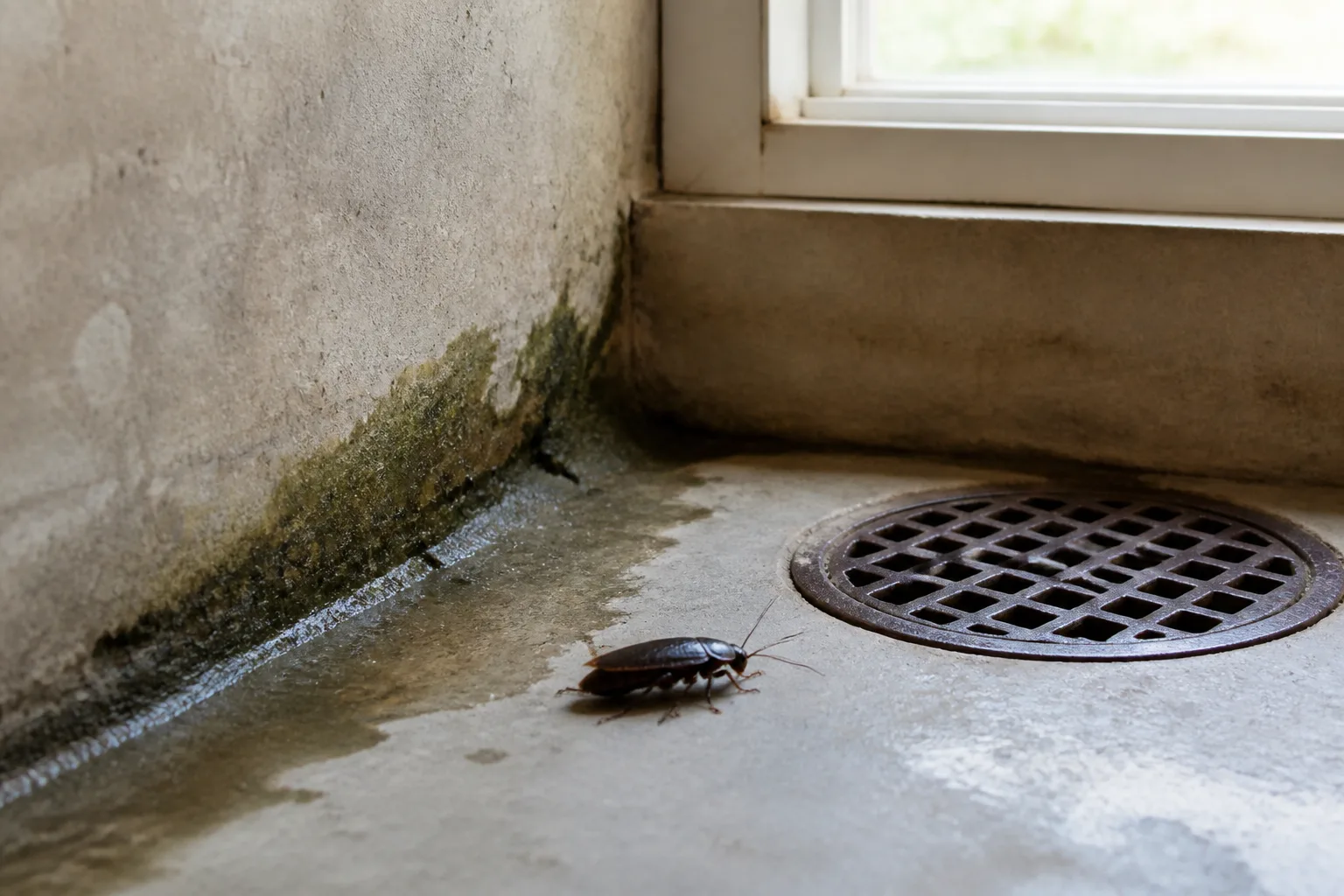
The fastest reliable way to get rid of palmetto bugs is to identify what you are seeing, find how it reached the house, remove nearby food and moisture, and block the route. If monitoring shows repeated indoor activity, use a labeled cockroach bait in the right locations or bring in a licensed pest professional. A spray alone may kill the bug you can see while leaving its entry point and hiding place untouched.
“Palmetto bug” is a regional common name, not a single species. In the Southeast, it often refers to large outdoor cockroaches such as American and smokybrown cockroaches. One adult that wandered in is a different problem from repeated sightings, small nymphs, or activity clustered around a kitchen or bathroom. Start by distinguishing those situations so your first step matches the risk.
The University of Florida IFAS Extension recommends an integrated pest management (IPM) approach: prevent access to food, water, and shelter, then use a targeted control when needed. The CDC IPM guidance describes the same logic as inspection, correct identification, more than one control measure, and follow-up. For most homes, that means fixing the conditions and openings first, then measuring whether targeted treatment is necessary.
Start with the right response: identify, then control
If you find one large roach, capture or photograph it if you can do so safely, note the room and time, and inspect the closest door, window, pipe opening, or drain area. Remove the insect and clean the spot, but do not immediately fog the room or scatter powder. A single adult may have come from outdoors, particularly in regions where large cockroaches live outside, and broad pesticide use will not tell you where it came from.
If you see roaches again over several nights, find nymphs, or notice droppings or shed skins in more than one protected area, treat the situation as a possible indoor source rather than a lone visitor. Put sticky monitors in likely travel paths and check them on a consistent schedule. The CDC’s IPM guidance emphasizes identifying the pest and evaluating results; a trap count gives you evidence about location and trend, not a complete estimate of the population.
A useful rule is to start with the least disruptive effective action and increase control only when evidence calls for it. One large roach near an exterior door points first to exclusion and outdoor habitat. Repeated catches beneath the sink, behind appliances, or in several rooms justify a more thorough inspection and a coordinated bait or professional plan.
Identify what people mean by “palmetto bug”
Several large cockroaches may be called palmetto bugs in Florida and nearby states. University of Florida IFAS Extension lists American, Australian, brown, and smokybrown cockroaches among the large species commonly found around homes; adults are roughly 1¼ to 2 inches long. These species are usually associated with outdoor sites but can enter structures or be carried inside. The name by itself does not tell you whether an insect is breeding indoors.
A large, reddish-brown adult with a pale marking behind the head may be an American cockroach. Smokybrown cockroaches tend to be dark, glossy brown and are strongly associated with warm, humid outdoor shelter, including tree cover and roof or attic spaces. Appearance can overlap, and lighting, camera color, and the insect’s condition make casual identification unreliable. If the control plan depends on species, save a clear photo or specimen for an extension office or pest professional rather than guessing from color alone.
American, smokybrown, and other large roaches
Large cockroaches are not the same control problem as German cockroaches. German cockroaches are much smaller and are more likely to establish dense indoor populations around kitchens and bathrooms. Outdoor species may enter through gaps, arrive with stored materials, or move from a nearby exterior harborage; they do not necessarily indicate that a colony is thriving inside your cabinets.
That difference matters because treating an outdoor visitor as a German-roach infestation can lead to unnecessary indoor spraying. Conversely, repeated large roaches may still point to a substantial outside source, a roof or attic opening, or a plumbing route that needs attention. Record the insect’s approximate size, color, location, and whether you see adults or smaller young before deciding on treatment.
What sightings say about the source
A lone adult close to an exterior door, garage, or basement window suggests a possible entry event. Several adults across a short period, a roach appearing in daylight, or a cluster of small nymphs around the same protected spot deserves more investigation. Daytime activity can happen for many reasons, but it is a useful reason to inspect for a crowded hiding place or a source nearby rather than dismissing repeat sightings.
Droppings, cast skins, and egg cases can add evidence, but none should be identified from a vague description alone. Cockroach droppings can resemble pepper-like specks or larger dark pellets depending on species and size. Take a photo, note where it appears, and clean it after documenting; do not rely on odor as a diagnostic test, because household smells and dampness can have many causes.
Trace where the bugs are coming from
Begin where you found the roach and work outward. Check beneath the sink for leaks or dampness, around pipe penetrations, behind the refrigerator and stove, inside lower cabinets, at the garage-to-house door, and around exterior thresholds. Large cockroaches may shelter in leaf litter, dense mulch, wood piles, crawl spaces, garages, roof spaces, or other warm, protected areas; the nearest gap between that shelter and the room is often more useful to find than a supposed “nest.”
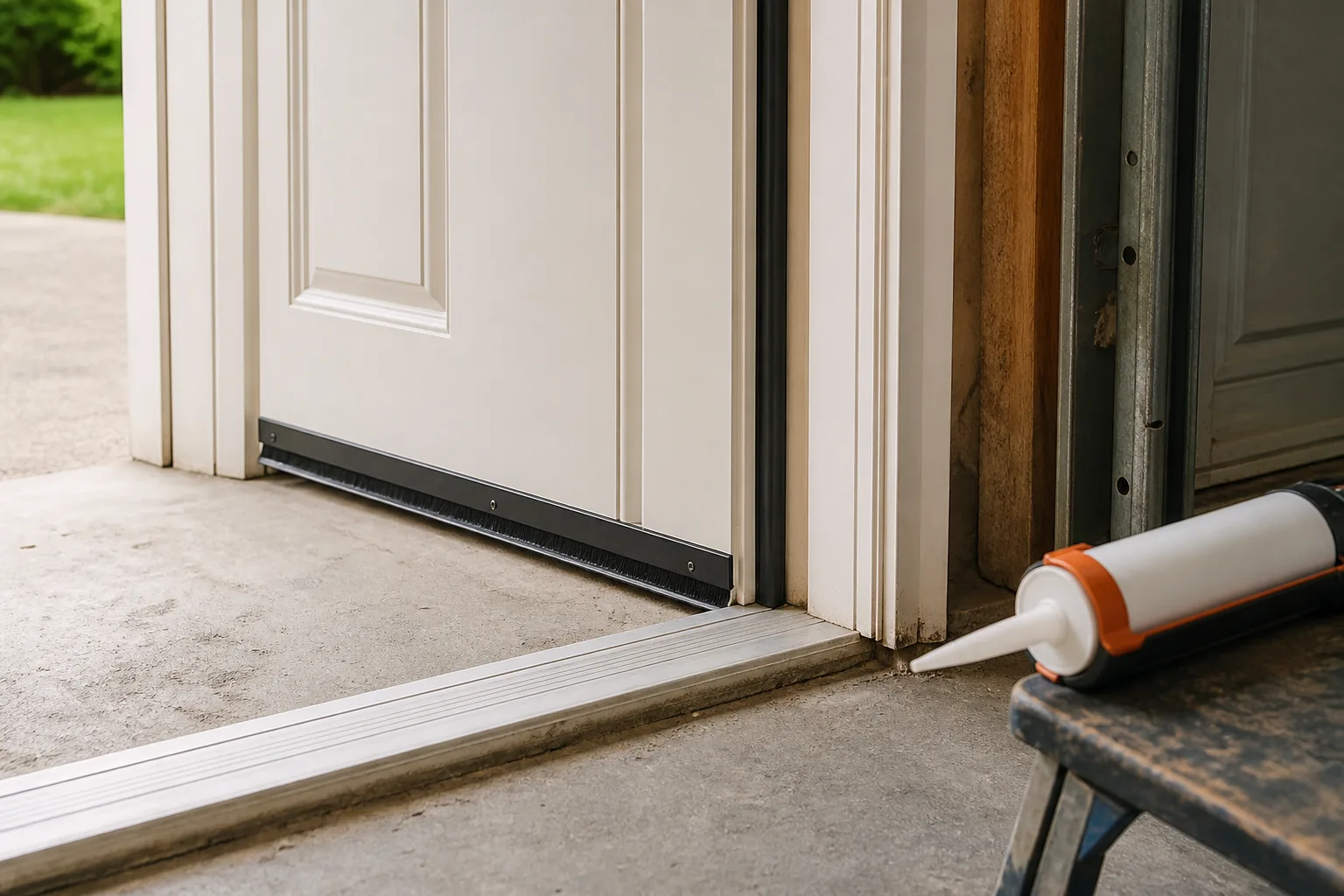
Use a small flashlight and inspect after dark if sightings occur at night. Look for gaps where pipes, cables, or drains pass through walls, missing door sweeps, torn screens, and spaces beneath garage doors. Check attic vents and other screened openings from a safe position. Avoid opening electrical equipment or reaching into a dark wall void; note the location and ask a professional to inspect it.
The CDC’s IPM framework puts inspection and identification before treatment, because a control method must match both the pest and the environment. Draw a simple room map and mark each sighting or trap catch with a date. If activity stays close to one outside-facing opening, focus on exclusion; if it appears around multiple wet interior areas, inspect plumbing and coordinate broader treatment.
Remove the food, water, and shelter they use
Moisture can sustain cockroaches even when food is scarce. Repair dripping faucets and supply lines, dry wet cabinet bases, improve ventilation where condensation persists, and empty standing water from saucers, buckets, or unused containers. Check refrigerator drip pans and air-conditioning condensate routes if the area around them stays damp. Do not make a home uncomfortable or damage plants by eliminating necessary watering; instead, avoid leaving puddles or wet debris against the structure.
Make food harder to reach overnight. Wipe grease and crumbs from counters and the floor, rinse dishes, close trash lids, and store pantry goods and pet food in sealed containers. Clean behind and beneath appliances where crumbs collect. A clean kitchen helps in two ways: it removes a food source and makes bait more attractive than competing scraps, a point emphasized by UF/IFAS cockroach-management guidance.
Reduce hiding places by clearing cardboard, paper bags, and clutter from damp storage spaces. Keep firewood and stored items off the ground and away from exterior walls when practical. The editorial garden guidance from Gardening Know How also highlights standing water, garden debris, and sheltered clutter as outdoor conditions that can support roaches. Treat those as source-reduction clues, not as proof that every garden roach will move indoors.
Seal entry points from the yard to the kitchen
Install or repair door sweeps and weather stripping where daylight shows beneath an exterior door. Caulk small cracks around window frames, trim, and utility penetrations after confirming that the gap is not an active drain, vent, or required air opening. Repair torn screens and keep windows closed or screened at night when lights draw insects toward the house. Check the threshold from garage to home as carefully as the front door.
Larger openings around pipes, sewer vents, attic vents, and exterior drainage lines may need a mesh screen, a correctly fitted cover, or professional repair. Do not pack a drain or plumbing opening with a material that could block it or violate code. If a roach repeatedly appears at a floor drain, have the plumbing trap, cover, and nearby route inspected; pouring pesticide or household chemicals down the drain is not a sound treatment plan.
Inspect the perimeter after rain, landscaping work, or changes to weather stripping. A seal that looks complete from inside can still leave a gap behind trim, beneath siding, or beside a garage door. When a gap is larger than you can repair cleanly, document it and ask a contractor or pest professional to identify the right material and repair method.
Use sticky monitors to map activity and check progress
Place enclosed sticky monitors against walls and beside likely runways, not in the middle of open floors. Useful locations include under the sink, behind the refrigerator, near a garage entry, beside an exterior door, and in a dry corner of a basement or utility room. Keep monitors away from children and pets, and label each one with its location and placement date.
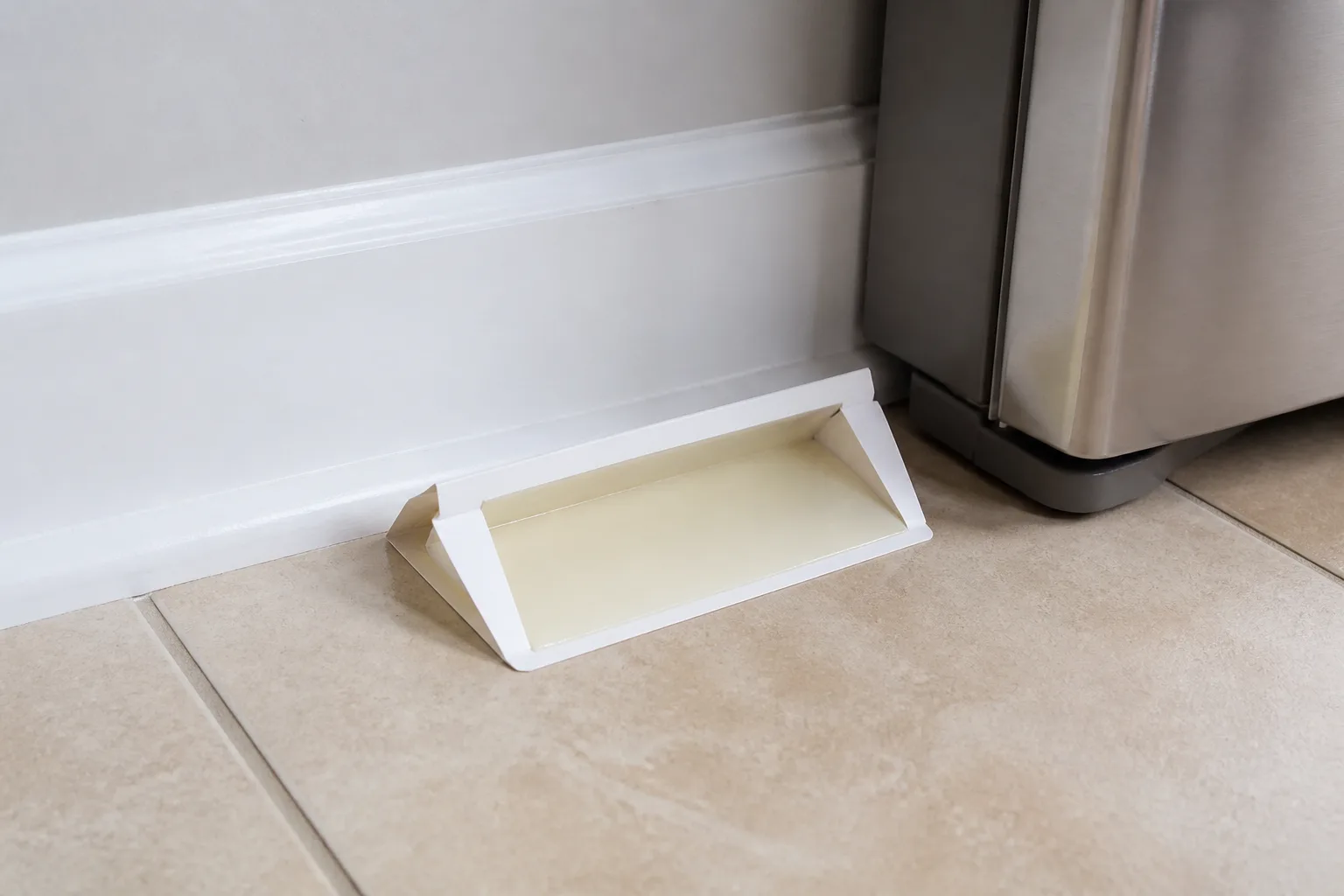
Check them after a few nights, then weekly while you are troubleshooting. A monitor that catches nothing does not prove the house is clear: a trap can miss a roach if the placement is wrong, the activity is intermittent, or the insect is using another route. Move or add a monitor only when observations suggest a better location, and keep a simple log so you can see whether catches decrease after repairs and cleanup.
Sticky monitors are for detection and tracking, not a complete treatment for a large population. If the same area keeps producing catches, inspect nearby cracks, appliance voids, or pipe penetrations and choose a targeted control. If catches stop after the entry route is sealed and food and moisture are managed, continue occasional checks rather than applying pesticides “just in case.”
Use bait for targeted control when monitoring supports it
Baits can reach roaches that hide in cracks and sheltered spaces, while a contact spray only reaches insects it touches. Choose a product labeled for cockroaches and for the location where you plan to use it. Read the full label before opening the package; the label controls placement, amount, restrictions, and any required precautions for children, pets, food areas, and water.
Place bait stations close to activity: along a wall, near a suspected entry route, or in a protected cabinet corner if the label allows it. Gel bait belongs in small cracks and crevices specified by the label, not on counters or food-contact surfaces. Use enough placements to address the active route, but do not make large piles or place bait where children, pets, or non-target animals can reach it. Secure stations as directed and replace them when depleted or as the label instructs.
Do not spray a liquid insecticide on or near bait. UF/IFAS warns that some liquid treatments can repel cockroaches from bait and reduce feeding. Keep bait and monitors distinct: the trap shows where activity is occurring, while bait is one control placed near that activity. If the label does not include the pest or site, or if the treatment requires access to a wall void or food-preparation area, ask a licensed professional instead of improvising.
Skip the shortcuts that do not solve the source
Aerosol sprays may kill a roach that is exposed, but a quick kill is not the same as control. Spraying baseboards, cabinets, or every room can leave hidden insects and outdoor access routes unchanged. UF/IFAS notes that foggers affect only the cockroaches they contact directly, so results are variable; a fogger does not replace inspection, exclusion, or targeted bait. If you use any pesticide, follow its label exactly and do not use it as a substitute for inspection and sealing.
Essential-oil sprays, herbs, and scented sachets should not be treated as a reliable way to remove a cockroach population. A strong smell or a brief response does not eliminate water, food, harborage, or entry points. Likewise, a beer-and-bread jar may attract an insect without showing where the population is coming from, and it is less useful for tracking than a labeled sticky monitor.
Avoid spreading boric acid, borax, or diatomaceous earth as a loose “natural” dust around rooms, gardens, or pet areas. These substances can still pose exposure risks, and powders work only when used in a product and location allowed by its label. Never mix pesticides, use outdoor products inside, spray electrical outlets, or apply a product to food-preparation surfaces unless its label specifically permits that use.
Reduce outdoor habitat without over-treating the yard
The outdoor area next to the house is part of the control plan. Empty or turn over containers that hold water, repair leaking outdoor faucets, clean gutters, and remove piles of wet leaves near doors and foundations. Store firewood away from the house, trim dense vegetation back from siding, and keep debris from building up against thresholds. Gardening Know How’s garden-roach advice similarly emphasizes removing water and shelter; UF/IFAS notes that outdoor roaches may use pine-straw mulch and dense vegetation as harborage.
Do not strip a healthy garden bare or eliminate all mulch just because you saw one roach. Mulch retains moisture and supports soil life, so the practical adjustment is to keep it from touching the house, avoid persistently wet piles beside the foundation, and correct drainage or leaks. Preserve habitat away from the structure where appropriate, while reducing the sheltered bridge from the yard to doors, vents, and wall gaps.
If outdoor activity remains high right beside the home after cleanup, a labeled exterior bait or perimeter product may be an option only if the label covers that site and pest. Apply it precisely to permitted cracks or harborage and keep it away from runoff, pollinators, pets, children, and food-growing areas as the label directs. Broad spraying across lawns and beds can affect non-target insects and rarely fixes an unsealed door or plumbing opening.
A practical first-week plan for a home
Today: photograph or capture a specimen, note the room and time, clean droppings or food residue, dry obvious moisture, and place a few sticky monitors along likely routes. Check doors, windows, and pipe openings near the sighting. If you find a visible gap, record it and make a durable repair when appropriate.
Over the next two days: inspect under sinks and appliances, close pantry and pet food, empty standing water, clear damp cardboard, and compare the monitor catches by location. If only an isolated large adult appears near an exterior opening and the monitors remain empty, prioritize sealing and outdoor cleanup rather than indoor pesticide treatment.
By the end of the week: if activity persists, identify where catches cluster and use a labeled bait near that route, or ask a licensed professional to inspect. Keep the bait away from children and pets and do not spray nearby. Recheck the same monitors weekly and note fresh sightings; the pattern will tell you whether the plan is working or needs a different source investigation.
Handle shared walls, plumbing, and apartment buildings
In apartments, townhomes, and condominiums, a roach may move through shared pipe chases, wall voids, utility rooms, or common areas. Treating one unit without addressing a shared route can lead to repeat sightings even when the resident keeps food sealed and surfaces clean. Photograph the insect, record dates and rooms, and report repeated sightings to the landlord, property manager, or homeowners association promptly.
Ask management to inspect pipe penetrations, door seals, garbage areas, drains, and adjacent units where permitted. Pest control often works better when baiting and monitoring happen across connected spaces at the same time, rather than as isolated applications. Keep copies of the monitor log and treatment dates so everyone can see whether activity is declining.
Do not apply pesticides in shared hallways, utility rooms, or another unit without authorization and a label that allows the use. Residents should follow the property’s pest-control instructions and ask how pets, children, food, and re-entry are handled before a treatment. If the source may involve a plumbing defect or common-area leak, request a maintenance inspection as well as pest control.
Protect children, pets, and food areas during control
Cockroaches and their droppings can contaminate food and contribute to allergy or asthma triggers for some people, so clean affected areas with care. Wear gloves, dampen debris before wiping or vacuuming, and dispose of contaminated food in a sealed bag. Clean shelves, counters, and food-preparation surfaces before returning food to them; do not place pesticides on surfaces where food is prepared unless the product label explicitly permits it.
Store pesticides in their original labeled containers, in a locked or otherwise inaccessible place. Never transfer them to a food or drink container. Follow the label for ventilation, protective equipment, application, and re-entry; keep children and pets away for the full time stated. If exposure or poisoning is suspected, follow the product label’s emergency instructions and contact the appropriate poison-control or veterinary service.
“Natural” is not a safety category. Essential oils, dusts, and homemade mixtures can irritate people or harm pets and beneficial insects, and a recipe found online may not be approved for the place you intend to use it. Use a labeled product only when the evidence supports treatment, and use the smallest targeted application that fits the label and situation.
Know when a licensed pest professional is the right choice
Call a licensed pest professional when you keep seeing roaches after a week of focused cleanup and exclusion, find nymphs or repeated catches indoors, cannot identify the insect, or suspect activity in an attic, crawl space, wall void, sewer connection, or shared building. A professional can inspect inaccessible spaces, distinguish outdoor visitors from species that breed indoors, and choose a treatment plan suited to the site. Ask for an explanation of the source, the product and placement, the follow-up schedule, and what you need to do before and after service.
Choose a provider who will inspect and discuss prevention rather than immediately proposing a whole-home fogging or routine broad spray. The University of Florida IFAS Extension’s cockroach management guide notes that chemical-only control is the least effective approach and that homeowners can combine prevention with targeted control or seek professional service. Ask whether the provider is licensed in your state and whether the plan accounts for children, pets, food areas, and adjacent units.
For an apartment, report the problem to management before arranging a treatment that could conflict with building pest control. For a suspected leak or damaged pipe, involve a plumber or maintenance professional as well. The best result often depends on repairing the physical route and removing the conditions that keep attracting roaches, not simply applying more product.
How long control takes and how to judge success
A single outdoor adult may be removed quickly, but confirming that it was an isolated visitor takes observation. Continue checking the same monitors for several weeks after sealing and cleanup, especially during warm, wet weather. Repeated catches in one location suggest that the route or treatment needs another look; scattered empty traps do not justify escalating to a larger pesticide application.
Bait response is not always immediate. A roach may need to find the bait, feed, and return to shelter, and new insects can continue arriving from outdoors or neighboring units. Follow the product label for inspection and replacement timing, and compare catches week to week rather than expecting a visible dead insect after every placement.
Success means the pattern changes: fewer or no catches, no repeat sightings in the problem area, and corrected moisture or entry conditions. It does not mean that every cockroach outdoors has disappeared from the neighborhood. Keep entry seals and food storage in place even after activity falls; otherwise the same route can become active again.
Keep palmetto bugs from returning
Use a short monthly check during warm seasons: look under sinks for moisture, inspect door sweeps and screens, clear leaves from thresholds, and check the garage and basement for cardboard or standing water. After storms or yard work, look for displaced screens, new gaps, and debris pushed against the house. Fixing these small changes early is easier than treating repeated indoor activity later.
Store pantry staples and pet food in closed containers, rinse dishes, close trash, and dry wet counters overnight. Keep outdoor lights and doors in good repair, and use screens rather than leaving doors open at night. If you have a persistent exterior source, ask a local extension office or licensed professional which habitat changes make sense for your property and climate; the balance is to reduce roach shelter close to the house without damaging useful garden habitat.
Conclusion
Getting rid of palmetto bugs starts with figuring out whether you have an outdoor visitor, a recurring entry route, or an indoor population. Identify the insect as carefully as you can, map activity with sticky monitors, remove water and food, clear sheltered clutter, and seal the gaps that connect the yard to the house. When monitoring shows continued activity, use a labeled bait in a protected location or ask a licensed professional to investigate.
Avoid relying on scents, homemade traps, foggers, or a quick spray to solve a problem they cannot reach. Keep a simple log, reassess after repairs and treatment, and coordinate with property management when plumbing or shared spaces are involved. That measured IPM approach gives you a safer, more useful answer than treating every sighting as the same kind of infestation.



