How to Keep Crows Out of Your Garden: 4 Smart Hacks
Learn how to keep crows out of your garden with four humane hacks: remove food rewards, cover crops, rotate deterrents, and protect seedlings.
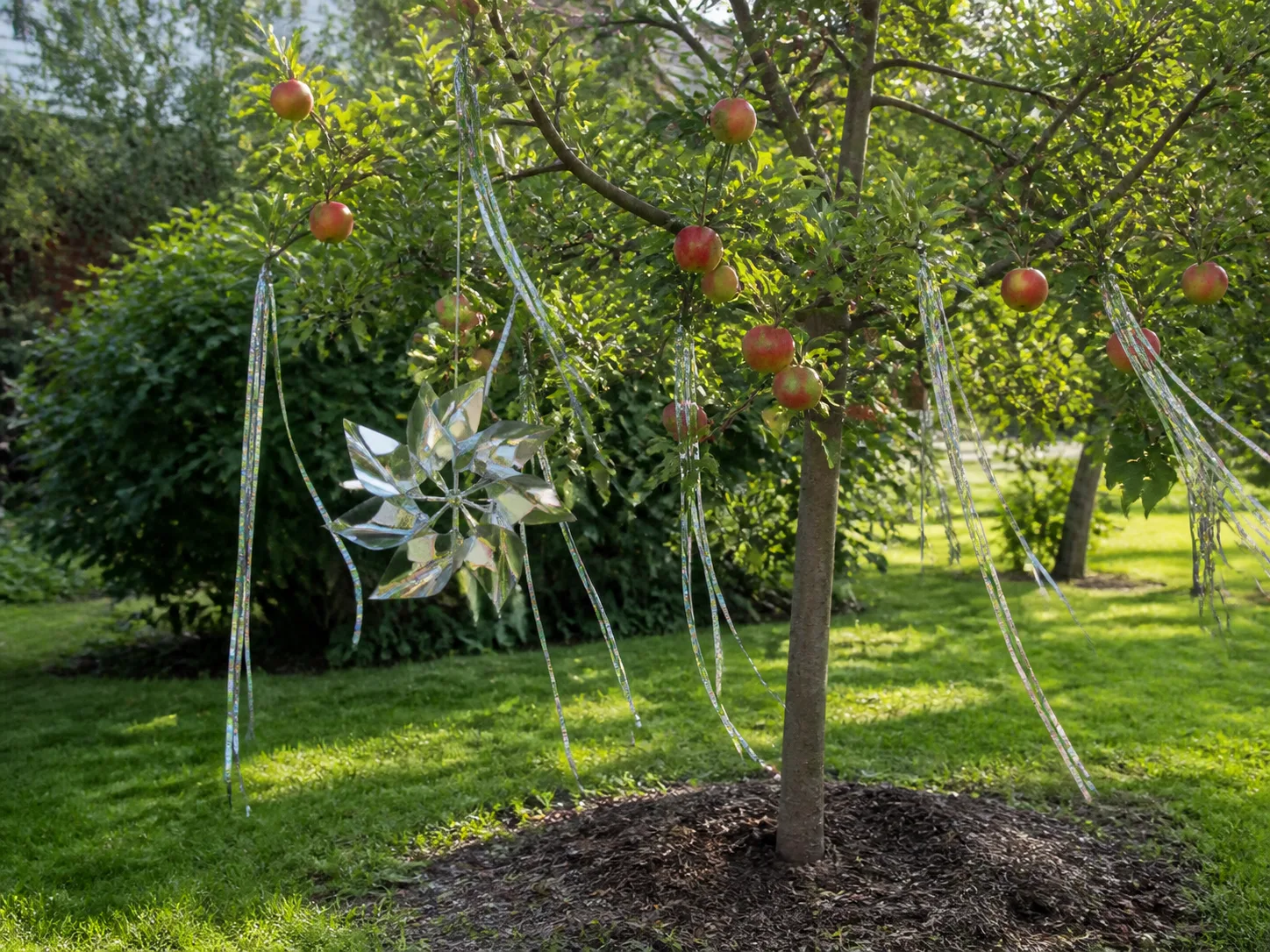
Crows can turn a promising garden into a daily repair job. One morning they are pulling up newly sown beans; the next, they are opening apples, scattering mulch, or working through a berry patch as if they planted it themselves. The most reliable response is not one dramatic scare device. It is a short sequence that removes the reward, blocks access to the crop that matters, and changes the cues before the birds learn that your “scarecrow” is harmless.
The goal is not to make your entire property hostile to wildlife. American Crows are intelligent, adaptable omnivores that eat insects, earthworms, seeds, fruit, carrion, garbage, and pet food. The Cornell Lab of Ornithology’s American Crow profile describes them as ground foragers that thrive in both open habitats and human-modified landscapes. Protect the bed or harvest you care about, then make the rest of the yard less profitable.
Before You Act, Identify the Damage
Start with a quick inspection instead of assuming every disturbance is crow work. Crows are large enough to leave broad footprints and deep, blunt scratches in loose soil, but squirrels, raccoons, skunks, jays, and even cats can create similar messes. If the damage happens at night, the culprit is unlikely to be a crow; if you see birds landing, tugging, and walking between rows in daylight, your diagnosis is stronger.
Look for the pattern. A crow may pull a seedling from the soil rather than nibble it neatly, flip mulch to search for grubs, or make a deep triangular peck in an apple. Penn State Extension notes that American Crows are particularly associated with apples and can leave deep, triangular holes that ruin the fruit or invite insects. Small berries eaten whole may point to several bird species, so watch before you invest in a crow-specific solution.
What Crow Damage Looks Like
The timing also tells you which intervention will pay off. Freshly planted beds are vulnerable because bare soil makes seeds and grubs easy to find. Ripening fruit becomes attractive when its color changes and when other food is scarce. A compost pile, uncovered garbage, open pet-food bowl, or bird feeder can keep crows visiting even after you have covered the vegetable bed.
Spend ten minutes recording three things: where the birds land, what they touch first, and whether they return at the same time each day. That small log turns a vague “crow problem” into a target. If they ignore plants and gather around trash, sanitation is your first hack. If they are taking fruit, exclusion will beat any ornament. If they only test a new seedbed, a temporary low tunnel can solve the problem before the seedlings toughen.
If you cannot watch the garden, use a small trail camera or your phone from a window for two or three daylight visits. Crows tend to work in the open, walk between targets, and leave large, blunt disturbance; squirrels are more likely to carry off individual items and may arrive from a nearby branch, while raccoons usually leave broad paw marks and do their digging after dark. Damage that looks like clean bites on leaves may be caterpillars or rabbits rather than birds. The distinction matters because a net that stops a crow may not stop a mammal, and a repellent designed for mammals may do nothing to a bird.
Hack 1: Remove the Food Reward
Make the easy meal disappear before you spend money on gadgets. Crows are opportunists, and a yard with several food sources can defeat a perfect visual deterrent because the birds have a reason to keep testing the area. The first evening, close the garbage lid, remove pet food, cover compost, pick up fallen fruit, and sweep spilled seed from beneath feeders.
This is not about starving birds; it is about stopping your garden from acting like a dependable feeding station. Cornell’s profile specifically lists compost, garbage, and pet food among the things that can attract crows to a backyard. If you feed smaller birds, move the feeder away from the crop and choose a setup that minimizes spilled seed, then clean the ground underneath regularly.
Lock Down Trash, Compost, and Pet Food
Use a latching or wildlife-resistant bin where possible. A heavy object on a lid is a short-term fix, but it becomes unreliable in wind and can be unsafe if it falls near a walkway. Keep meat scraps and other strongly scented material inside a closed container, and cover an open compost pile with a secure lid or a finished layer of carbon-rich material.
Feed pets indoors when practical. If an outdoor bowl must remain outside, bring it in as soon as the animal finishes eating. The same rule applies to cracked corn, peanuts, and table scraps offered to wild birds: those foods can train crows to check your yard repeatedly, even if your vegetable patch is not yet producing.
Clean Up Fallen Fruit and Seed Spills
Remove windfall apples, overripe tomatoes, and split melons promptly. One damaged fruit can also attract insects, which creates another reason for crows to investigate. Do not leave a “sacrificial” pile beside the garden unless it is far enough away that it does not pull the birds directly across the beds you are protecting.
If crows are digging in freshly mulched soil, check for grubs or exposed scraps before blaming the mulch itself. Rake loose material smooth, bury food waste properly, and water in dry seedbeds so the surface is less easy to scratch. These steps will not stop a determined flock by themselves, but they reduce the payoff while the stronger protections do their job.
Hack 2: Cover the Crop Crows Are Eating
When a crow is already taking a specific crop, a physical barrier is usually the highest-return fix. Penn State Extension calls netting the most effective way to reduce bird damage on small fruits and isolated trees, while the University of Minnesota Extension describes netting as the most reliable method for preventing bird damage in fruit production. A barrier works because the bird never gets the reward; it does not need to be fooled repeatedly.
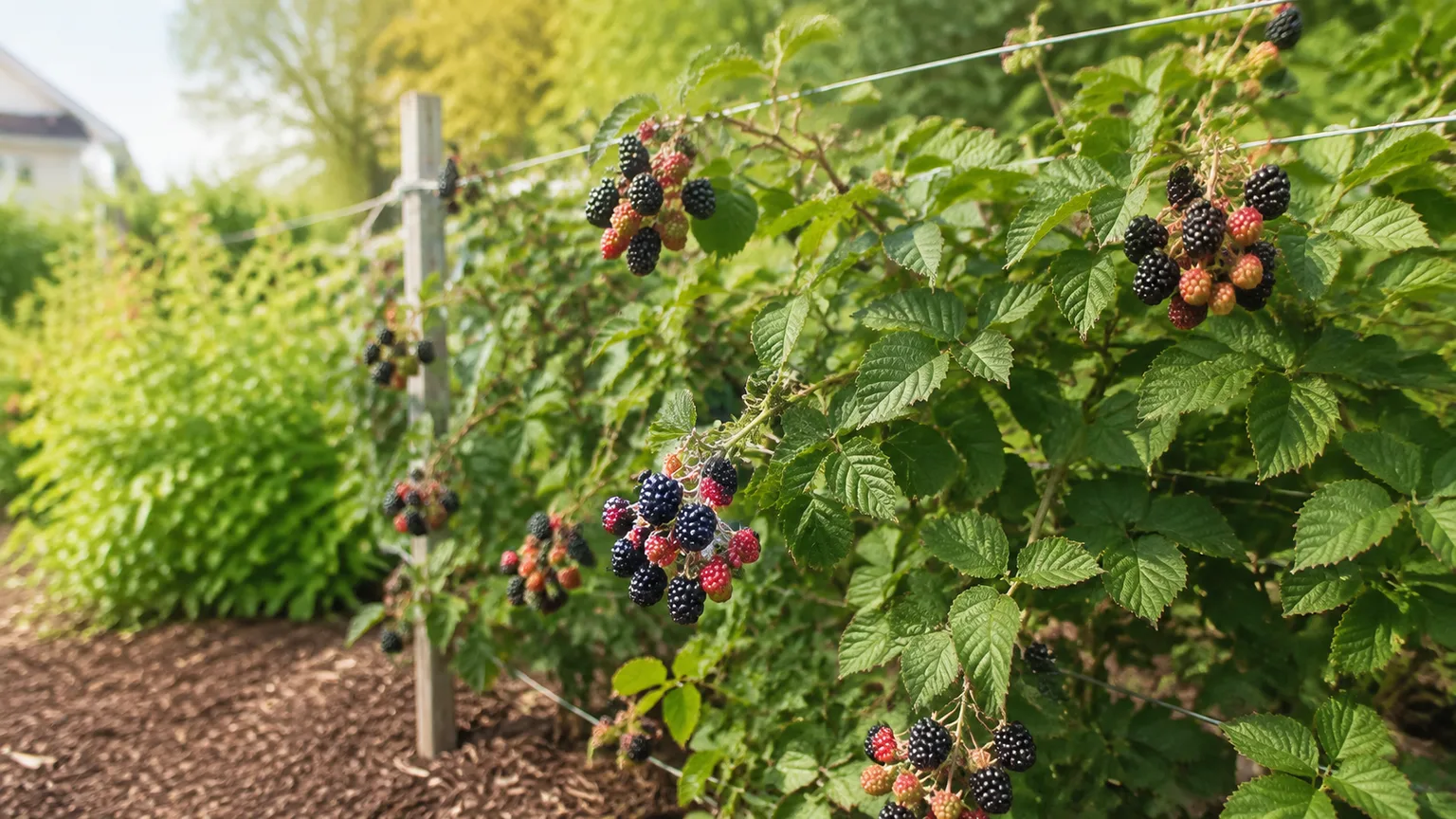
Cover only the valuable target if a full-yard solution would be expensive. A berry cage, a short tunnel over a row of corn, or a frame around one young fruit tree can be installed in an afternoon. Protecting the entire property is usually unnecessary and can make the garden harder to harvest.
Build a Bird-Safe Netting Cover
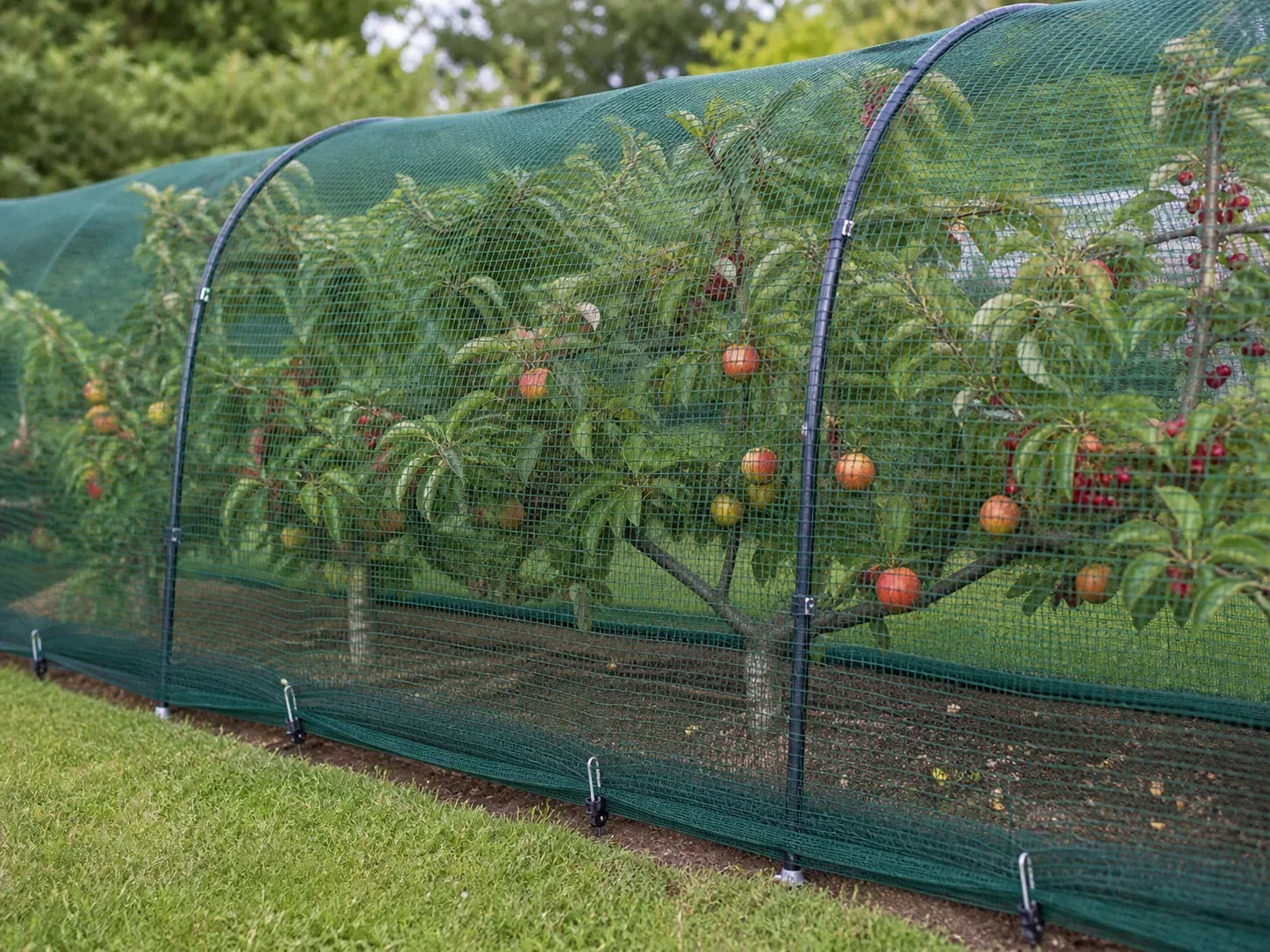
Use a rigid frame made from hoops, PVC, wood, or an existing trellis so the netting sits above the foliage and fruit. Do not simply throw loose mesh over a thorny bush and walk away. Birds can reach fruit through netting pressed against the plant, and loose mesh can snag birds or other wildlife.
For fruit work, the University of Minnesota Extension discusses bird netting in the roughly 1/2- to 3/4-inch mesh range, with rigid plastic mesh and flexible knit or drape styles suited to different structures. Choose a strong, UV-stable product sized for the crop, and check that the openings are small enough to exclude the birds you are seeing without making the material unnecessarily difficult to handle.
Pull the cover tight over the frame and close every edge. Use landscape staples, clips, a buried skirt, or a weighted lower edge so a crow cannot simply walk underneath. Leave enough clearance that a beak cannot reach fruit through the mesh. Inspect the cover after wind, rain, and every harvest session; repair holes immediately and remove the netting when the vulnerable crop is finished.
The frame also solves a practical problem: harvesting. Gardening Know How recommends raising netting on supports instead of draping it directly over plants, and notes that careful removal and storage extend its useful life. Label long pieces by bed or tree, dry them before storage, and keep them out of the sun when the season is over.
Shield Seedlings With a Low Tunnel
Seedlings need a different approach from a mature fruit tree. Build a low tunnel with hoops driven firmly into the soil, then attach netting or a suitable row cover over the hoops. Anchor the sides all the way around; one gap at the end is enough for a crow to enter and keep searching.
Keep the cover from resting on delicate stems, and open it when the crop needs pollination, ventilation, or thinning. For crops that need insect pollination, use a removable cover or time the protection around the vulnerable seedling stage. Gardening Know How notes that many birds lose interest once seedlings reach about 8 inches, although that is a useful rule of thumb rather than a guarantee; tender leaves, exposed seed, and local bird pressure still matter.
If a cover is not practical for a narrow row, sturdy hoops and a temporary net can protect the bed until the plants establish. Fishing line is sometimes suggested as a landing deterrent, but any line or wire placed outdoors must be tensioned, visible, and checked so it does not create a hazard for birds, pets, or people. A simple tunnel is easier to inspect and easier to remove.
Hack 3: Rotate Scare Tactics Before They Learn Them
Visual and sensory deterrents are useful when you need immediate breathing room, especially while a frame or crop cover is being installed. They are not permanent barriers. Crows learn quickly that a fixed object is harmless, so treat a scare device as a short experiment with a clear stop condition: the moment birds resume feeding, change the cue or move to exclusion.
Penn State Extension recommends changing the location, color, and type of visual device, and presenting noise at irregular intervals from changing positions. GrowVeg makes the same practical point from the home-garden perspective: mirrors, shiny objects, and scarecrows can help for a limited period, but they need rotation. Do not leave one plastic owl in the same tree for an entire season and expect the birds to keep believing it.
Use Visual Deterrents in Short Bursts
Reflective tape, metallic streamers, small mirrors, pinwheels, and a movable scarecrow are reasonable low-cost trials for a small bed. Hang them where they move in the wind and where birds are landing, not deep inside dense foliage. Use two or three different cues, then move them every few days or as soon as the birds ignore them.
An effigy or predator silhouette may create a stronger first reaction, but it still needs movement and relocation. A dead-bird imitation can frighten some birds in some settings, yet it is visually unpleasant and not a substitute for covering the crop. If you use a laser-based device, do not aim it at people, roads, aircraft, or neighboring windows; for most home gardens, simpler physical protection is safer and more predictable.
Add Motion or Sound Carefully
A motion-activated sprinkler can work well for a small bed because it pairs the bird’s approach with an immediate, harmless consequence. Aim it so the spray covers the landing zone, not the sidewalk, windows, electrical equipment, or a plant that will stay constantly wet. Test the sensor during daylight and check that it does not startle visitors or waste water.
Recorded distress calls and predator sounds can be effective in the right setting, but they are species- and context-dependent. Speakers can bother neighbors, pets, and other wildlife, and a repeating sound becomes background noise. Propane cannons and similar loud devices belong in professionally managed agricultural situations, not beside a suburban bedroom or a shared fence, unless local rules and neighbors clearly allow them.
Do not rely on ultrasonic gadgets as a default. GrowVeg explains that birds do not perceive ultrasonic sound better than people do, so an ultrasonic device is a poor choice for a crow problem. If motion or sound has not changed the birds’ behavior after a short, monitored trial, turn it off and put the effort into a barrier.
Hack 4: Make Repeat Visits Less Rewarding
Once the crop is protected, make the rest of the yard less attractive as a place to linger. Crows use open ground for foraging and trees for perching and roosting, but removing mature trees is rarely the right first move. Heavy pruning can harm a tree, create new hazards, and simply move the birds to another branch while leaving the food reward untouched.
Instead, keep ground-level food sources closed, harvest ripe fruit promptly, and clean up damaged produce. Thin only dead, hazardous, or genuinely obstructive branches, and use an arborist for major pruning near a home or utility line. If the problem is a large communal roost rather than garden feeding, the solution may need coordinated work beyond one property.
Separate bird-friendly features from the production bed. A birdbath or small-bird habitat can remain part of a healthy yard, but keep it away from tender seedlings and ripening fruit, clean spilled seed, and avoid adding a feeder directly beside the protected crop. The aim is a garden with fewer conflict points, not a landscape that promises every bird an unlimited buffet.
Check nearby sources, too. An open dumpster, neighbor’s feeder, livestock feed, or fallen grain can keep attracting crows even when your own bins are secure. You cannot control every property, but knowing the outside attractant explains why a local fix may reduce visits without eliminating them.
Should You Use a Chemical Bird Repellent?
Chemical repellents are a specialized option, not an easy homemade hack. Methyl anthranilate, a grape-smelling compound, has been studied as a bird repellent and has appeared on some crop labels. But registration, permitted crops, application rates, harvest intervals, and plant tolerance vary by location and product. The label for the exact product is the authority, not a recipe copied from a blog or a food-flavoring bottle.
Penn State Extension describes methyl anthranilate trials that reduced feeding in some situations, while also warning that it was not recommended on blueberries because field studies found foliar burn and poor cost-effectiveness. That is a useful reminder that “derived from a food flavor” does not mean “safe to spray on every plant.” Never improvise a concentration, spray edible crops with an unregistered product, or assume a repellent will protect fruit after rain.
For a home garden, first ask whether a frame, net, or sanitation change can solve the problem with less risk. If you do use a labeled product, follow its crop, bird, personal-protection, reentry, and preharvest instructions exactly. Keep children, pets, pollinators, and other wildlife in mind, and stop if leaves scorch or the product does not change feeding.
Skip hot-pepper sprays and ultrasonic gadgets marketed as universal bird fixes. GrowVeg notes that birds lack the mammalian sensory response to capsaicin that makes hot pepper useful against some mammals, and describes ultrasonic devices as ineffective for birds. A spray that irritates you, stains fruit, or harms foliage is not an improvement over a well-anchored cover.
Common Crow-Control Mistakes That Backfire
The most common mistake is using a deterrent after the birds have already learned the garden is a reliable food source. Start exclusion before fruit colors up or immediately after sowing a vulnerable bed. Once feeding is established, you may need several tactics at once for the first few days, followed by a simpler maintenance routine.
Another mistake is covering only the top of a crop. Crows walk, tug, and probe around edges, so a net that is open at ground level is a roof, not a barrier. Pressing mesh against fruit creates a second problem: birds can peck through it, and small wildlife can become entangled. Build a frame, secure the perimeter, and inspect rather than assuming the installation is safe.
Avoid constant noise. It can damage neighbor relationships without producing lasting control, especially if the birds have already habituated. Avoid poison, glue traps, indiscriminate snares, and unverified lethal methods; they can injure non-target wildlife, pets, and people, and may violate federal, state, tribal, or local rules.
Finally, do not mistake a clean garden for a crow-free garden. A few crows passing through may be part of a functioning ecosystem. Measure success by whether seedlings survive, fruit reaches harvest, and visits become less frequent—not by whether you hear another caw anywhere in the neighborhood.
When to Call Wildlife Control
Bring in a qualified wildlife-control professional when large numbers of birds create a sanitation or health concern, when a communal roost is affecting several properties, when the birds are damaging a high-value orchard, or when you need help designing a safe exclusion structure. An arborist is the better choice for hazardous trees; a wildlife specialist is the better choice for repeated flock behavior or legal questions.
Do not assume that seeing crows gives you unlimited permission to shoot, trap, or poison them. The current eCFR depredation order for crows and related species includes conditions for private control, including serious agricultural or horticultural injury and an attempt to use nonlethal methods first; it also requires compliance with state, tribal, and territorial law. Rules can be different outside the United States. Contact your state or provincial wildlife agency before any lethal or trapping action.
A professional should also help when netting has captured a bird, when a non-target species is being injured, or when a deterrent could endanger aircraft, traffic, neighbors, or pets. The safest long-term plan is usually targeted exclusion plus removal of food rewards, not escalating to a louder or harsher device.
Conclusion
To keep crows out of your garden, begin with the reward they are receiving. Secure garbage, compost, pet food, fallen fruit, and spilled seed; then cover the crop they are actually damaging with a tight, framed, well-anchored net or low tunnel. Use reflective objects, a movable scarecrow, or a motion sprinkler as short-term support, and change the cue as soon as the birds stop reacting.
If the garden remains a dependable buffet, no scare device will stay convincing for long. Keep the yard clean, protect the high-value bed, inspect barriers after weather, and call a qualified wildlife professional when the scale, health risk, tree hazard, or local law makes the problem bigger than a home fix. That approach protects your harvest while leaving room for crows—and the rest of the wildlife around them—to exist somewhere else.