How to Keep Squirrels Out of Garbage Cans
Learn how to keep squirrels out of garbage cans using storage, lid and can upgrades, cleanup, food-scrap control, barriers, and humane next steps.
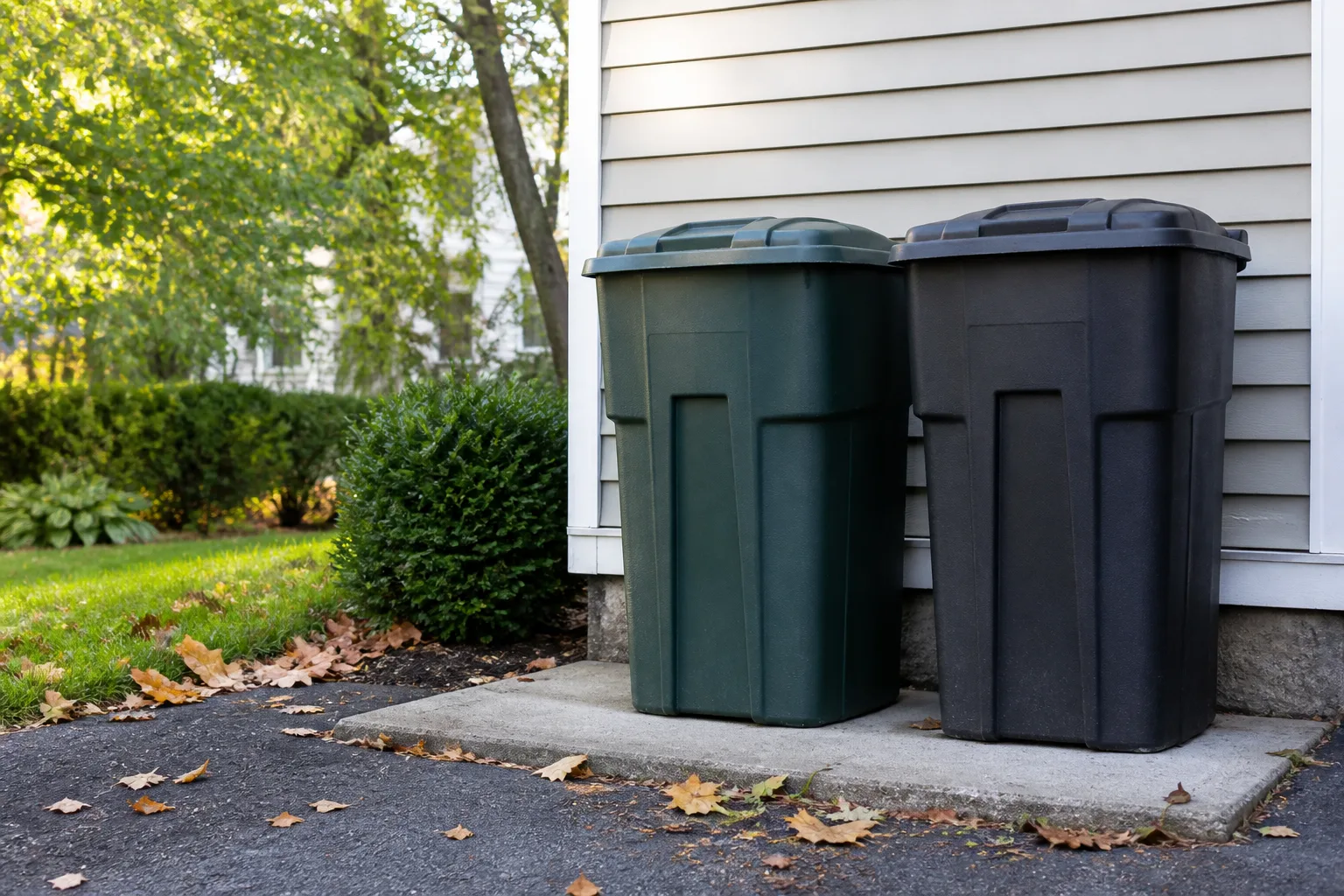
The most reliable way to keep squirrels out of garbage cans is to combine physical exclusion with odor control. Store the can behind a closed door when you can; otherwise use a lid that cannot be pried up, remove food scraps quickly, prevent tipping, and use scent or motion deterrents only as backup.
That order matters. A spray cannot compensate for a lid that lifts, and a heavy brick does not solve a can that smells like yesterday’s chicken. Start with the way the squirrel is winning, then change the setup so the reward disappears and the route becomes inconvenient.
Quick answer: build a barrier, then remove the reward
If you need a fix today, take these actions in sequence: move the can into a garage or shed until pickup, tie food waste inside a sturdy bag, wash any residue from the can and lid, and check that the lid is fully seated. If indoor storage is impossible, use a compatible latching lid or a metal can, anchor the container on a level surface, and add a simple enclosure that does not interfere with collection.
The goal is not to make your yard squirrel-free. Tree squirrels are adaptable wild animals that travel through neighboring trees, yards, and utility routes. The practical goal is narrower and more achievable: make your garbage a poor food source compared with the many other places a squirrel can forage.
This is also why a layered plan beats a favorite “smell squirrels hate.” Utah State University Extension’s tree-squirrel guidance emphasizes exclusion from buildings, while Nebraska Extension’s control guide shows how much climbing ability and access design matter. Those principles apply to a trash can: block the opportunity first, then consider a temporary behavior cue.
Diagnose how squirrels are getting into your can
Look at the can before buying anything. A lid lying beside the container points to a pry-up or poor fit. A can on its side with the lid still attached points to tipping, wind, or an animal pushing against the container. Gnaw marks on the rim or lid indicate that the squirrel has learned the food reward is worth chewing through plastic.
Scattered wrappers and torn bags tell a slightly different story. The squirrel may be following odor and opening the easiest bag rather than targeting the container itself. If the mess is concentrated beneath a bird feeder, fruit tree, compost bin, or outdoor pet-feeding area, the trash can may only be the last stop on a property-wide food route.
Read the evidence before changing products
For two or three mornings, note the can’s position, the condition of the lid, and what kind of waste was exposed. Look for paw prints, gnawing, torn bags, spilled seed, and a nearby tree branch, fence, wall, deck, or stack of materials that gives the squirrel a launch or climbing point.
Use the simplest diagnosis:
- Lid lifted, can upright: improve the lid seal or latch.
- Can tipped, lid intact: stabilize the base and remove the push or jump route.
- Plastic chewed: replace or protect the vulnerable part with metal or an enclosure.
- Bags torn but can intact: contain wet or fragrant food waste and clean residue.
- Squirrels appear near the roof or attic too: stop treating this as only a trash problem and inspect the building safely.
This short observation prevents a common waste of money: buying a stronger scent when the animal is simply walking up a wall and pushing an unlatched lid open.
Trick 1: Move cans into a closed garage or shed
Closed storage is the cleanest solution because it removes access for the entire period before pickup. Texas A&M AgriLife Extension identifies urban food and shelter opportunities as part of the squirrel-control problem; putting garbage behind a closed door removes one of those opportunities without exposing an animal to poison or a trap.
Move the container inside after you add the last bag, not only the night before collection. If the can is already scented, wipe or wash it before bringing it into a garage so you do not trade an outdoor squirrel visit for flies, ants, or an unpleasant indoor odor. Keep the lid closed and leave space around the can so you can inspect leaks without knocking over stored items.
Make indoor storage safe and practical
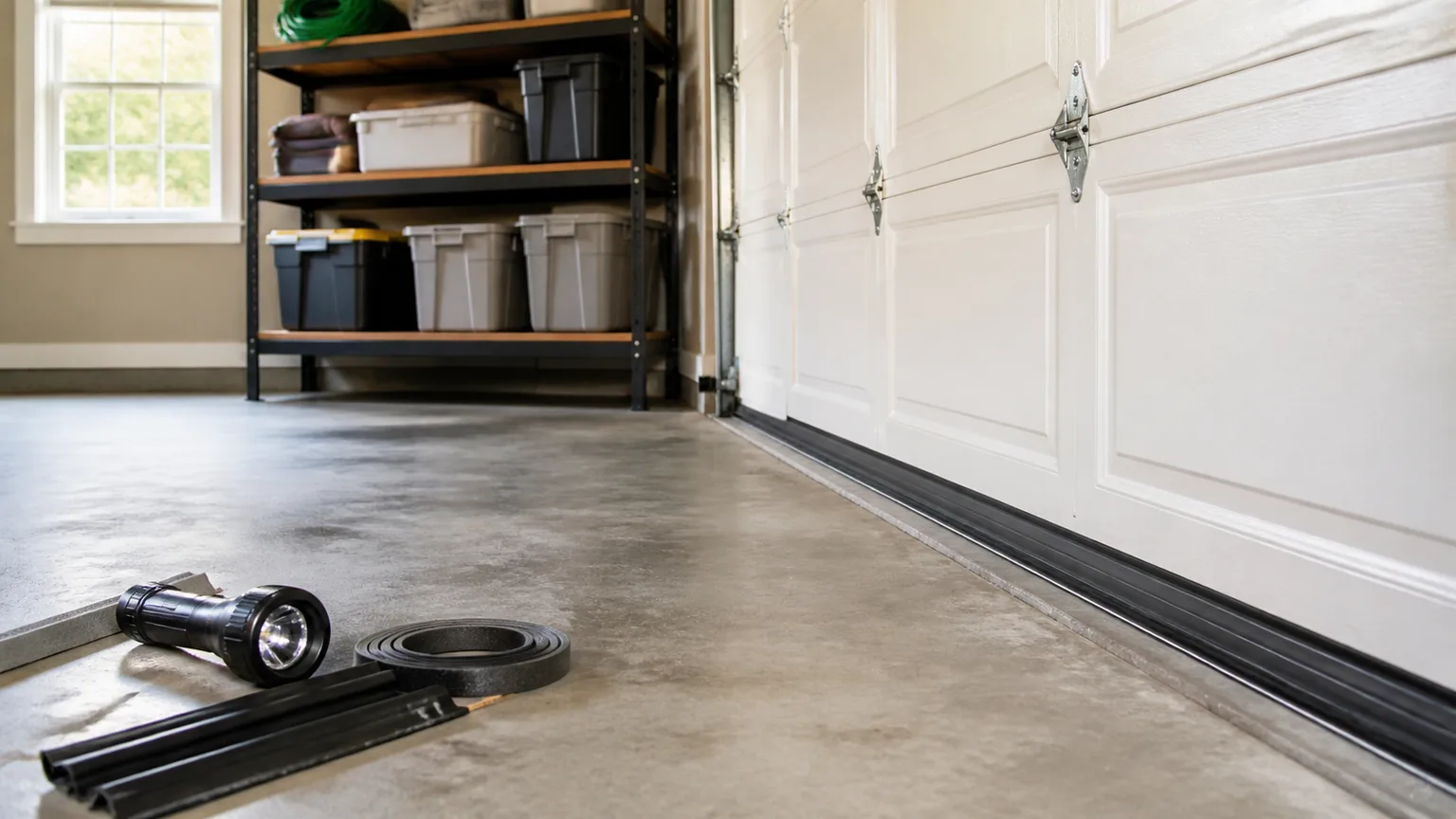
A garage is not automatically secure. Keep the door fully closed, repair gaps around the bottom seal, and do not leave pet food, birdseed, or open recycling beside the garbage. If the garage is too warm, too cramped, or shared with a child’s play area, a latched shed or a purpose-built screened enclosure may be a better fit.
For renters or homes without a garage, ask the waste hauler whether the container can stay in a locked side yard, behind a gate, or inside a ventilated bin shelter until collection. Do not create a setup that forces collectors to unlock a private gate or drag a heavy can across a path they cannot safely use.
An existing storage solution should be easy enough to maintain. If bringing the can indoors means bags sit longer, leak, or are forgotten, combine storage with smaller, more frequent trips to the outdoor cart or with freezing especially wet scraps until collection day.
Trick 2: Upgrade to a tight-latching, chew-resistant can
If the can must stay outdoors, choose security based on the failure you observed. A tight-fitting lid helps when the squirrel is lifting or nudging the top. A latch or locking lid helps when the animal can get a claw under the rim. A metal body helps when the squirrel has started chewing through thin plastic.
Metal is not magic. It can dent, rust, cost more, and weigh more for collection workers. A metal can with a loose lid is still an invitation, while a durable plastic cart with a manufacturer-designed latch may be the better choice if your municipality requires a particular cart. The right container is the most chew-resistant option that your waste system will actually empty.
Never drill, bolt, or permanently alter a curbside cart before checking the hauler’s rules. A homemade latch can snag equipment, stop the lid from opening during mechanical collection, or cause the driver to reject the container. Ask specifically about bungee cords, lid clips, straps, and enclosures; policies vary by city and contractor.
Match security to collection rules
A removable strap can be useful between collection days, but remove it if the hauler prohibits it or if it could become a loose object in the truck. A bungee cord should never be stretched across a path where a child can trip, and it should not be so tight that it becomes a recoil hazard when released.
The best lid test is simple: with the can empty, lift the container by its handles and gently pull upward on the lid from several sides. The lid should remain seated without requiring a complicated ritual. A solution that works only when a tired person remembers three knots is unlikely to survive a busy week.
If squirrels are chewing the rim, inspect the whole upper edge for sharp plastic splinters. Replace badly damaged parts rather than continuing to handle them. A metal lid or metal-sided enclosure placed outside the animal’s reach can protect a serviceable plastic cart without requiring you to replace the entire municipal container.
Trick 3: Bag food waste and isolate the strongest odors
Garbage becomes more attractive when food is exposed, leaking, or left loose in the cart. Bagging does not make the odor disappear, but it removes the easy visual reward and slows access. Tie the bag securely, use a second bag for wet scraps if the first one is thin, and keep sharp bones or pointed packaging from puncturing it.
The highest-impact items are often small: meat trimmings, fish, greasy paper, fruit peels, and food containers with residue. Rinse recyclable containers when your local program allows it, scrape plates before they reach the trash, and wipe a leaky bag before it goes outside. Do not pour cooking grease into a cart; it coats the inside and creates a persistent scent trail.
One trash-specific wildlife guide from Varment Guard suggests freezing particularly smelly scraps until collection day. That is practical for a small household, but do not freeze anything that could leak inside a food freezer, and keep the method separate from raw-food storage if that creates a sanitation concern.
Freeze or shorten the outdoor window for scraps
The best routine depends on your pickup schedule. If collection is weekly, use a sealed indoor pail for daily scraps, empty it into the outdoor bag only shortly before pickup, and wash the pail regularly. If you have a curbside cart emptied every few days, simply shortening the time that food waste sits outdoors may be enough.
Compost only what your local program and compost method can safely handle. An open backyard compost pile can become a stronger squirrel attractant than the garbage can, especially when it contains cooked food, meat, dairy, or oily leftovers. A wildlife-resistant tumbler or a municipal organics cart may be a better option if squirrels are already persistent.
Keep bird feeders, pet bowls, and fallen fruit out of the same zone. Oregon State University Extension, through Ask Extension, explains that people can reduce conflict on their own property but have little control over the wider territory and food supply around them. That is the useful boundary: control the rewards you create without expecting to remove every natural food source nearby.
Trick 4: Clean away the scent trail
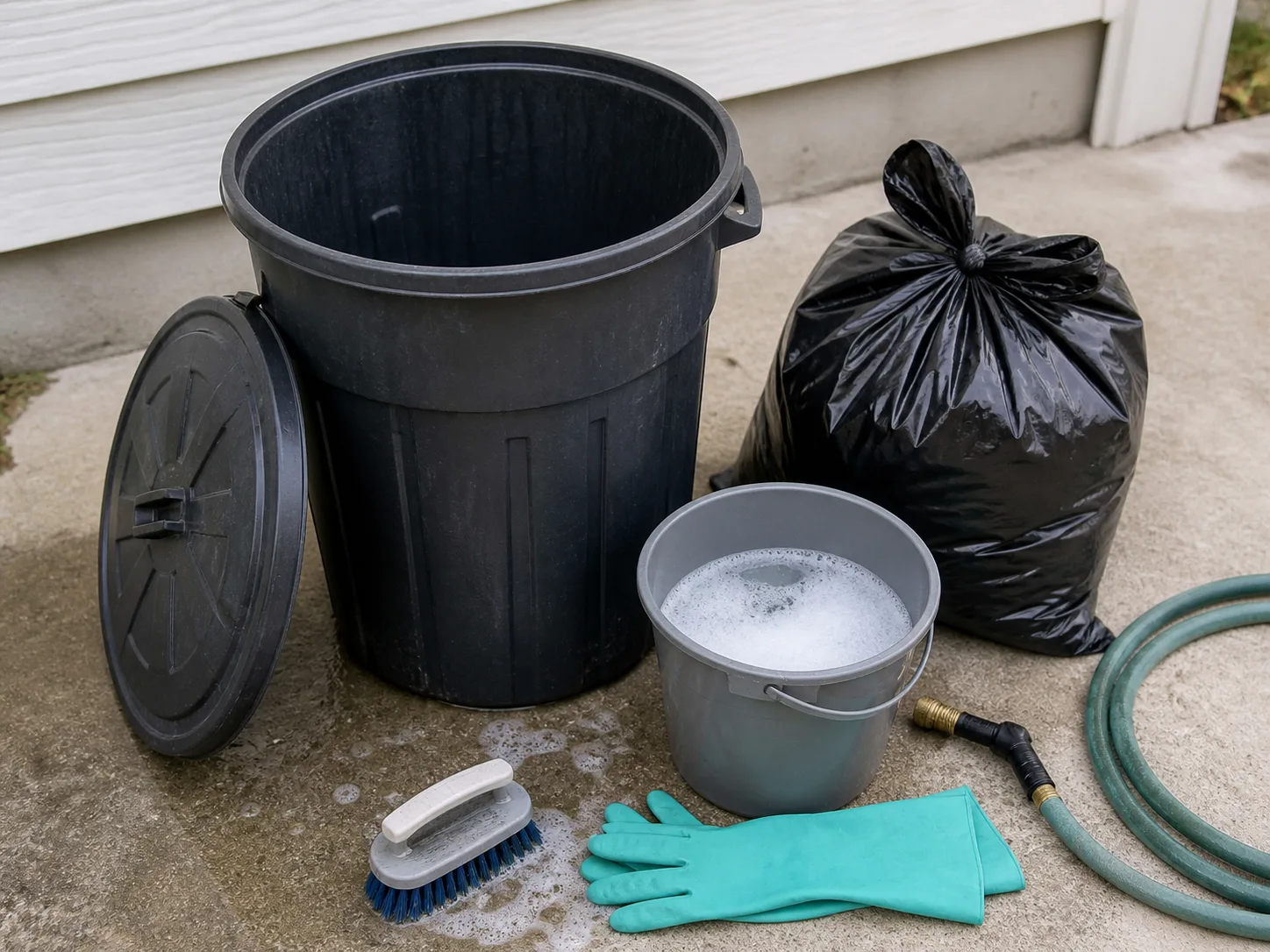
Clean the can whenever a bag leaks, after a squirrel has opened it, and on a regular schedule during warm weather. A dirty cart can keep attracting animals even after the newest bag is tied because grease and food liquid remain on the floor, wheel wells, lid groove, and handle area.
Empty the can completely, remove solids, and rinse the inside and outside. Scrub with warm water and a household detergent suitable for the surface, then rinse again and let the container dry with the lid open. Follow the cleaner’s label, ventilate the area, and never mix bleach with vinegar, ammonia, or another cleaner.
Pay attention to the lid’s underside and the seam where it meets the body. Those sheltered edges collect drips that are easy to miss. Wash the pavement or pad under the can too; a squirrel can keep returning to a stained spot even when the container itself is clean.
Cleaning is not a stand-alone repellent. It reduces the reward and helps prevent flies and other pests, but it will not overcome a can that is still easy to open. Think of it as resetting the site before you test a new lid, location, or enclosure.
Trick 5: Stop tipping and climbing
An upright can with a good lid can still fail if a squirrel can push it over. Place the container on a level, firm surface away from the edge of a step. Keep wheels downhill only when the wheels have a brake or the can is otherwise restrained, and check that a storm cannot roll it into a fence where the lid can be forced open.
A heavy object inside the bottom—such as a purpose-made weight, a stable sandbag, or a block that cannot shift into the lid mechanism—can reduce tipping. Keep the added weight low, secure, and removable for collection. Do not add loose rocks to a municipal cart if they could damage the equipment, and do not make the container too heavy for a person to move safely.
Block the route, not just the lid
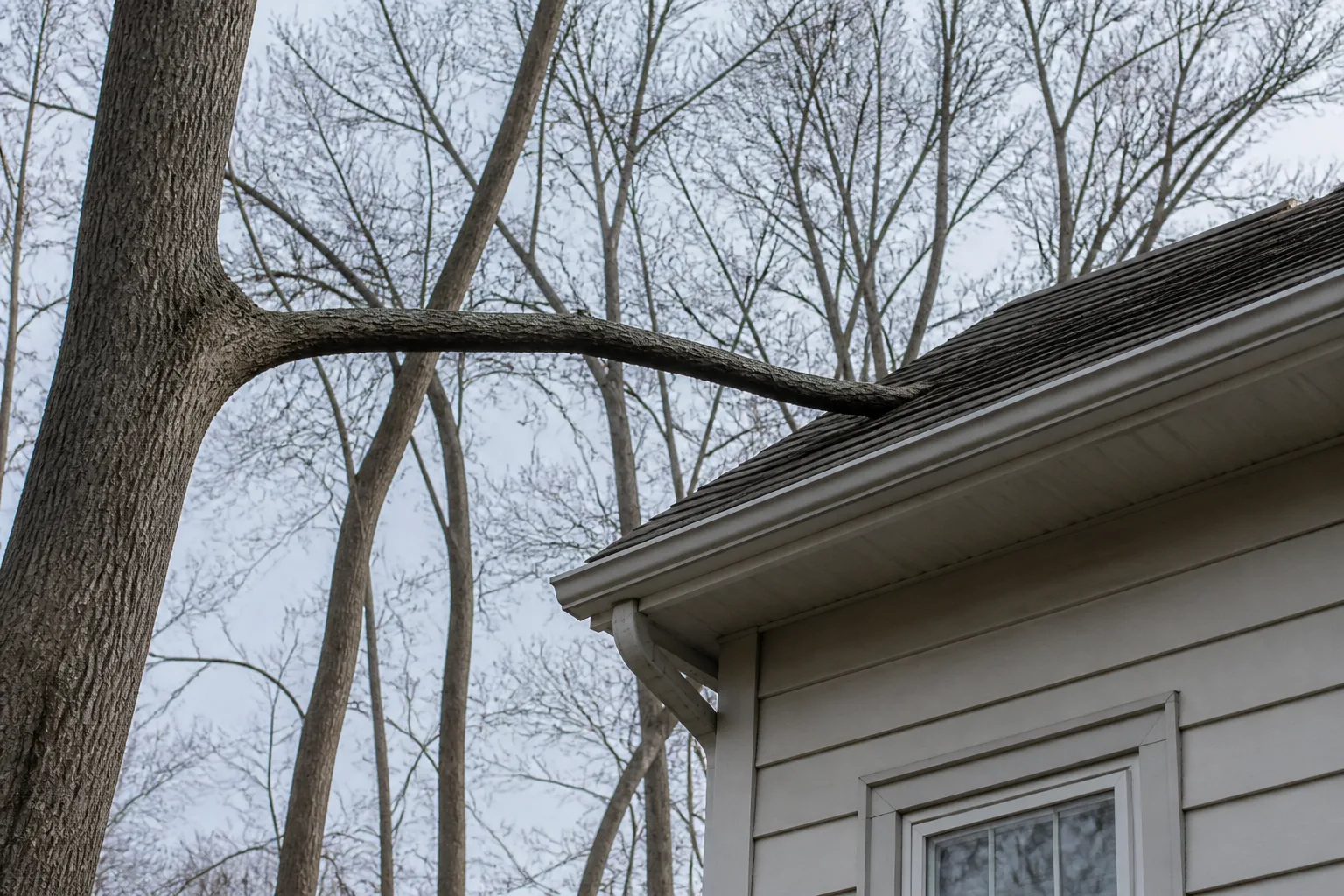
Squirrels are accomplished climbers and jumpers. Nebraska Extension notes that gray squirrels can jump sideways about eight feet, straight up about four feet, and down about 15 feet, although the exact ability varies with species and the site. You do not need to measure an animal’s jump perfectly; you need to remove the obvious bridge.
Move the can away from a tree trunk, low branch, fence, deck rail, stacked firewood, wall, or shed roof. Trim a branch only when it is safe and lawful to do so, and do not approach utility lines. Nebraska Extension recommends keeping limbs at least eight feet from buildings to reduce roof access; the same access-route logic helps around a can, even though a trash container has no universal squirrel-proof distance.
Walk the route from the ground to the lid. A squirrel may be using the house wall, a fence top, or the can’s own handles rather than jumping from the tree you noticed. If moving the can only a few feet leaves the same fence-to-lid connection, the relocation has not solved the real route.
Trick 6: Add a physical enclosure or mesh guard
When the can must remain outside and the lid upgrade is not enough, build or buy an enclosure. A simple shelter with a hinged top, a secure front, and enough clearance for the lid can keep squirrels from reaching the container while also reducing wind. A metal frame or sturdy exterior is preferable to thin, chewable wood at the points an animal can reach.
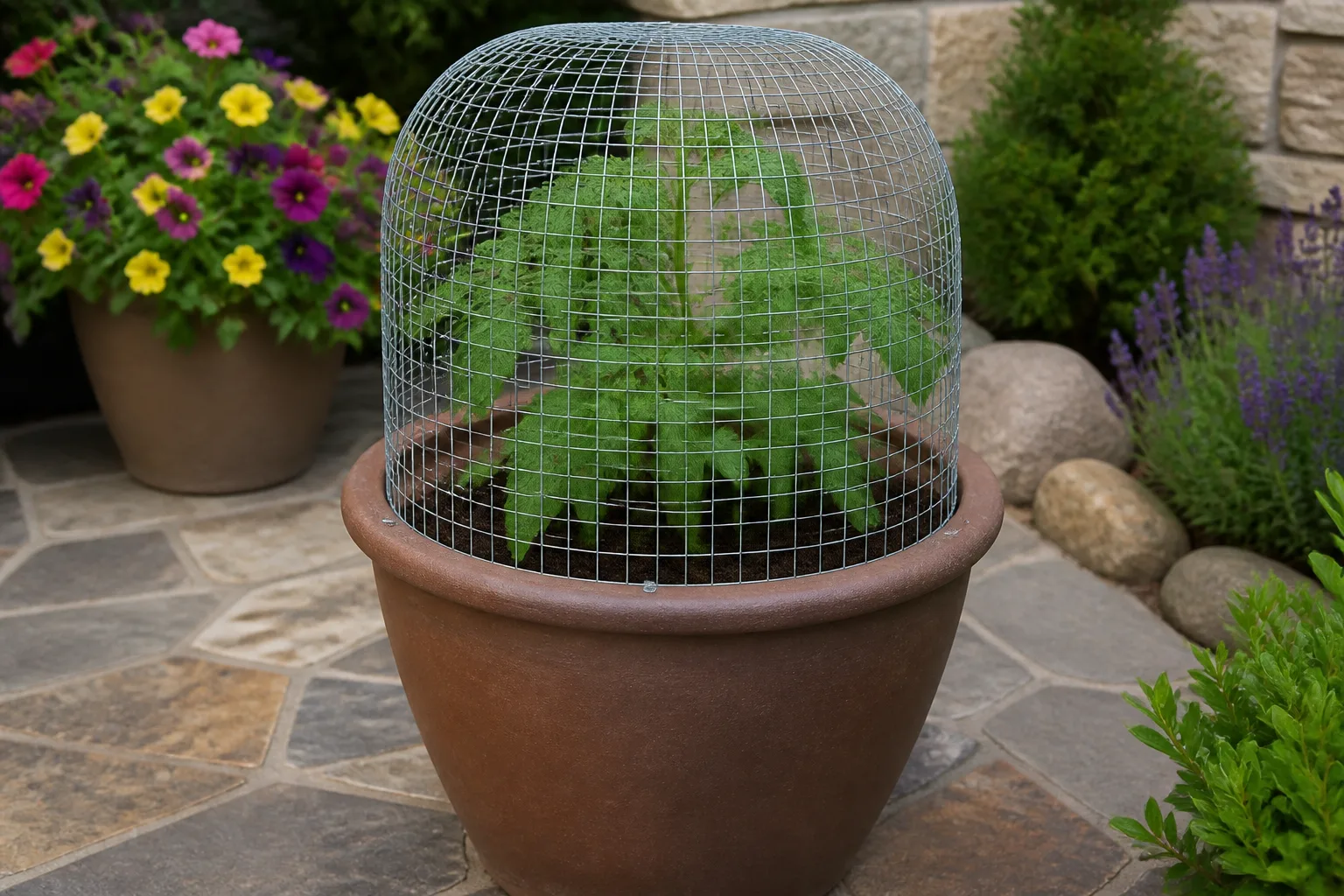
For a smaller cart, a rigid mesh guard can surround the can without touching the lid. Use mesh that is fine enough to prevent a squirrel from reaching through, and cover every opening, including the bottom edge and hinges. Fine Gardening’s guide to protecting gardens from hungry critters makes a broadly useful point: physical barriers are among the safest controls, but they need inspection because animals exploit small gaps and can gnaw weak materials.
Design the barrier for wind, hands, and pets
Anchor the enclosure to a stable surface, but leave enough access for cleaning and collection. Round or cover sharp wire ends. Keep the door latched so a child cannot open it casually, but make the latch easy for an adult to operate with gloves. Avoid a low opening that could trap a paw or a pet’s nose.
Do not seal a damp, leaking cart into a box and forget it. The enclosure should make inspection easier, not hide a sanitation problem. Leave ventilation, keep the pad drainable, and check after storms for shifted mesh, fallen branches, or a lid that can now swing against the frame.
If you are protecting a cart at the curb, confirm that the enclosure is not considered an obstruction. A permanent structure may also require landlord or homeowners-association approval. The strongest barrier is not useful if collection workers must dismantle it every week.
Trick 7: Use repellents as a short-term backup
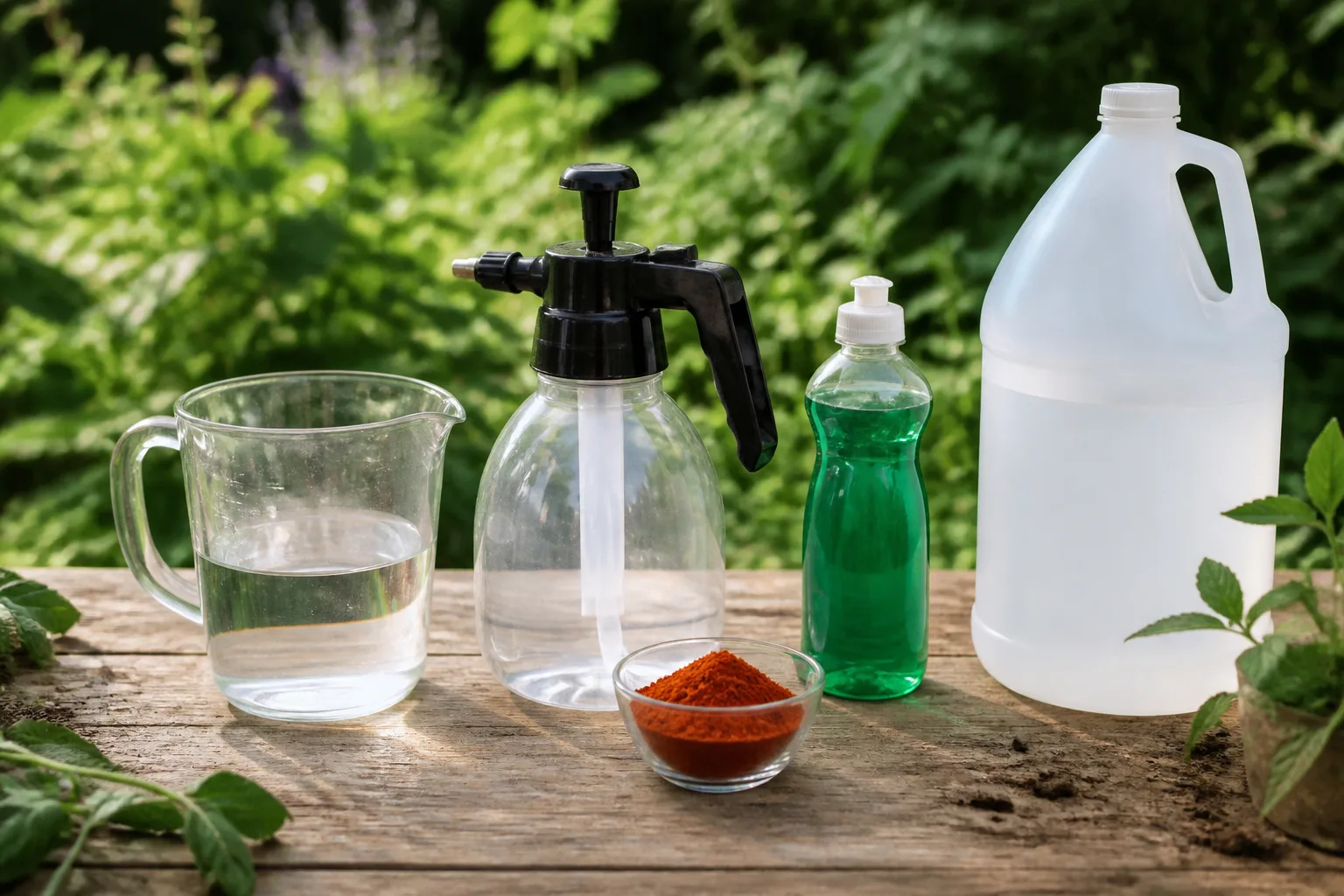
Repellents can help change a squirrel’s behavior while you fix the container and food source. A motion-activated sprinkler aimed at the approach route may startle an animal without leaving a residue. A commercial product may use hot pepper, garlic, or another unpleasant ingredient, but its label—not an internet recipe—controls where and how it can be applied.
Expect temporary help, not a permanent shield. Wind and rain dilute outdoor scents, and squirrels may stop responding when a device or object never changes. Gardening Know How’s practical squirrel coverage likewise treats repellents as short-lived and dependent on timing and local conditions, while Fine Gardening recommends rotating approaches because animals can learn to ignore a fixed cue.
Hot pepper products deserve extra care. Capsaicin can irritate eyes, skin, and airways, and a sprayed surface can transfer to hands, pets, or children. Ask Extension’s squirrel guidance cites capsaicin as a possible taste repellent for plants but warns against applying it to edible portions and notes that outdoor exposure requires reapplication. A garbage can is not an edible plant, but that warning still argues for keeping any product on the exterior, away from handles and contact points, and using only a labeled product for that site.
Do not spray an oil, hot sauce, bleach, or household cleaner into the can as a homemade wildlife treatment. Residue can contaminate the waste stream, damage plastic, irritate people handling the cart, or harm animals that contact it. If you test a product, photograph the label, follow its protective-equipment and reapplication directions, and stop if it creates a new risk.
What to avoid: poison, unsafe mixtures, and casual trapping
Do not put rodent poison in or beside a garbage can to deal with squirrels. Poison can expose pets, children, raptors, scavengers, and animals you did not intend to affect. It also fails to repair the lid, remove the food reward, or prevent another squirrel from arriving.
Do not use mothballs, ammonia-soaked rags, glue traps, or sharp spikes around a trash area. These are not a humane or dependable answer, and they can turn a nuisance into a direct safety hazard. A repellent should make the site less interesting, not create a toxic or entangling object that someone has to clean up.
Live trapping is not a casual next step for a squirrel visiting a cart. Rules for trapping, transport, release, and euthanasia differ by location, and moving an animal can orphan young or simply shift the conflict to another property. Nebraska Extension specifically notes that translocation is illegal in Nebraska and that municipal rules can be more restrictive than state rules; that is a useful reminder to check local wildlife authorities rather than copy a generic online procedure.
If a squirrel is trapped accidentally, keep people and pets away, do not handle it, and call the relevant local wildlife agency or a licensed wildlife-control professional for instructions. Never block a building opening while an animal may still be inside.
Escalate when the trash problem is really a squirrel problem elsewhere
Repeated trash visits can be a symptom of a larger attractant. Check bird feeders for spilled seed, pick up fallen fruit, secure compost, and keep pet food indoors. If the squirrel is traveling along the roofline, disappearing into a soffit, or making noise in an attic or wall, move to building exclusion rather than stronger trash-can sprays.
Utah State University Extension lists blocking building entrances with hardware cloth as an exclusion measure. Nebraska Extension also cautions that squirrels can enlarge small holes by gnawing and advises confirming that an opening is no longer in use before permanently securing it. In practice, that means a roofer or wildlife professional may be the right call when the route is high, the opening is difficult to inspect, or young animals may be present.
Call for help sooner if you find chewed electrical wiring, damaged vents, nesting material, insulation, or a squirrel acting abnormally aggressively. Wear gloves when cleaning a contaminated area, keep children and pets away, and follow local public-health or wildlife guidance for droppings and carcasses.
Once the can is secure, keep the routine small: tie food waste, clean leaks promptly, keep the container behind a door or enclosure until pickup, inspect the lid after every storm, and do a quick route check whenever the squirrel outsmarts you. If the same failure repeats, change the physical setup instead of adding another scent.
Conclusion
To keep squirrels out of garbage cans, make the can hard to open, hard to tip, and not worth investigating. The strongest sequence is closed storage when possible; a compatible latching or metal container when it is not; contained food scraps; regular washing; a clear gap from climbing routes; and a well-designed enclosure if the problem persists.
Use hot pepper, motion sprinklers, or other repellents only after those basics are in place, and treat them as temporary support. A clean, stable, collection-compatible setup protects your household and reduces the reward without asking a wild animal—or your neighbors, pets, and waste workers—to absorb the consequences of a risky shortcut.