How to Plant Marigold Seeds Indoors and Outdoors in Spring
Choose direct sowing or an indoor head start, then follow practical timing, depth, watering, spacing, and transplant steps for strong spring marigolds.
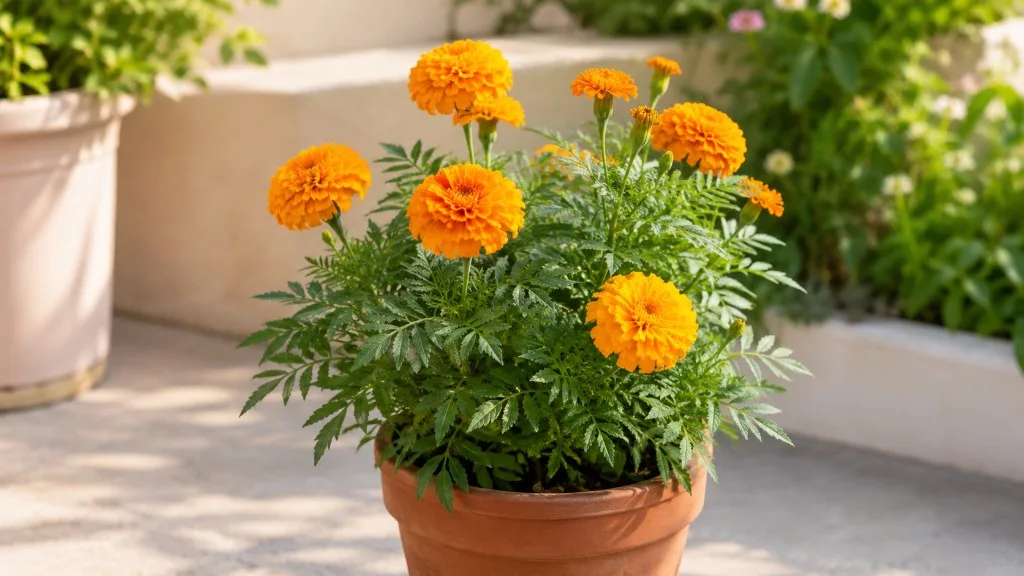
Marigolds are among the easier flowers to raise from seed, but spring timing still matters. Sow into cold ground and seeds may sit; start too early indoors and the seedlings can outgrow their light and containers before it is safe to move them outside.
The dependable plan is to work backward from your average last frost date, then check whether the soil is warm enough for outdoor sowing. Choose direct sowing for the simplest route in a long season, or start indoors if you want earlier flowers or need more time for a slower variety to mature.
Choose indoor or outdoor sowing
Direct sowing is usually the easiest option if your spring warms reliably and you have a long enough frost-free season. You skip trays, indoor lights, and transplant shock, and you can sow the seeds where the plants will grow. The trade-off is that outdoor seeds must wait for both safe weather and warm soil, so blooms arrive later than they would from an established transplant.
Starting indoors gives you a head start when summers are short, you want flowers as early as possible, or you are growing a tall African marigold that takes longer to bloom. It also lets you control moisture and protect tiny seedlings from slugs, heavy rain, and sudden cold snaps. It takes more attention, though: indoor seedlings need strong light, regular checks, and a gradual transition outside.
You can use both methods. Start a small tray indoors for the first flowers, then direct sow another row once the bed warms; the later sowing can extend the display after the first plants begin to fade. This staggered approach is often more useful than producing dozens of indoor seedlings that all bloom at once.
Set timing from frost date and soil warmth
Look up your local average last spring frost date, but treat it as a planning estimate rather than a guarantee. A forecasted frost can still damage young marigolds, and the calendar date alone does not tell you whether the soil has warmed enough. For outdoor sowing, wait until frost danger has passed and the soil is at least about 65°F; warmer soil near 70–80°F generally speeds germination. The University of Wisconsin–Madison Extension recommends direct sowing when soil temperatures are above 65°F, while Gardenary’s marigold seed guide describes faster germination in warmer soil.
If you have a soil thermometer, check a few inches below the surface in the morning for several days. A bed that reaches the target temperature only during a sunny afternoon may still be chilly enough at night to delay sprouting. Without a thermometer, waiting a week or two after the last frost is a reasonable rule of thumb in many climates, but local conditions vary; a cool, wet spring calls for patience.
For indoor sowing, count backward from your expected final frost date. Around four to six weeks is enough for many fast-growing French and signet types if you have bright light; a practical indoor-starting guide from Gardening in Steps recommends a similar window for most marigolds. Extension advice commonly uses the longer window: NC State Extension and Wisconsin Extension describe starting indoors roughly six to eight weeks before frost, which gives slower African types or short-season gardens more runway. If your seedlings usually stretch or become rootbound, use the shorter end rather than sowing early just to feel ahead.
Choose the marigold type you want
Check the botanical name or mature height on the seed packet before you plan the bed. “French,” “African,” and “signet” marigolds are all Tagetes, but they do not finish at the same size or on the same schedule. French marigolds (Tagetes patula) tend to stay compact and branch freely; African marigolds (Tagetes erecta) are taller, with large flower heads; signet marigolds (Tagetes tenuifolia) are petite, fine-leaved plants suited to edging.
That difference affects when to sow and how far apart to thin. A quick French cultivar can be a good choice for late spring or a shorter season, while an African type benefits more from an indoor start because it takes longer to reach bloom. Penn State Extension notes that French and signet types can be planted through midsummer, while tall African marigolds should go into the garden after frost risk passes in spring. Its marigold guidance also gives different final spacing for compact and tall types.
One naming trap is worth avoiding: “pot marigold” usually means Calendula officinalis, which is a different plant from the common garden Tagetes marigolds. If you want the familiar orange or yellow bedding flower, confirm that your packet says Tagetes. This matters for the plant you will get, not just for choosing a search term.
Prepare the site and supplies
Choose a place that receives at least six hours of direct sun. Marigolds will grow with less, especially in hot climates, but they generally flower best with full sun. Use soil that drains freely; a bed that stays waterlogged after rain is a worse starting point than ordinary garden soil that is only moderately fertile. Extension guidance from Wisconsin and NC State describes marigolds as full-sun plants that prefer well-drained soil.
Before sowing outside, remove weeds and break up clods so seeds have contact with fine, loose soil. You do not need to build a rich, heavily fertilized bed. Too much nitrogen can encourage leafy growth at the expense of flowers, so improve very poor soil with a modest amount of finished compost rather than adding a high-nitrogen fertilizer by default.
For indoor starts, use a clean seed tray or small pots with drainage holes and a fresh, fine-textured seed-starting mix. Garden soil is a poor substitute in small containers because it can compact and hold too much water. Pre-moisten the mix so it feels evenly damp like a wrung-out sponge, not muddy; this makes it easier to cover the seeds without washing them into a corner.
Gather labels, a pencil or dibber, and a gentle watering can or spray bottle. A clear humidity cover is optional before germination, but remove it as soon as the first seedlings appear. Grow lights are useful if a bright, sunny window is not available; a dim windowsill is one of the most common reasons indoor marigolds grow tall and weak.
Direct sow marigold seeds outdoors
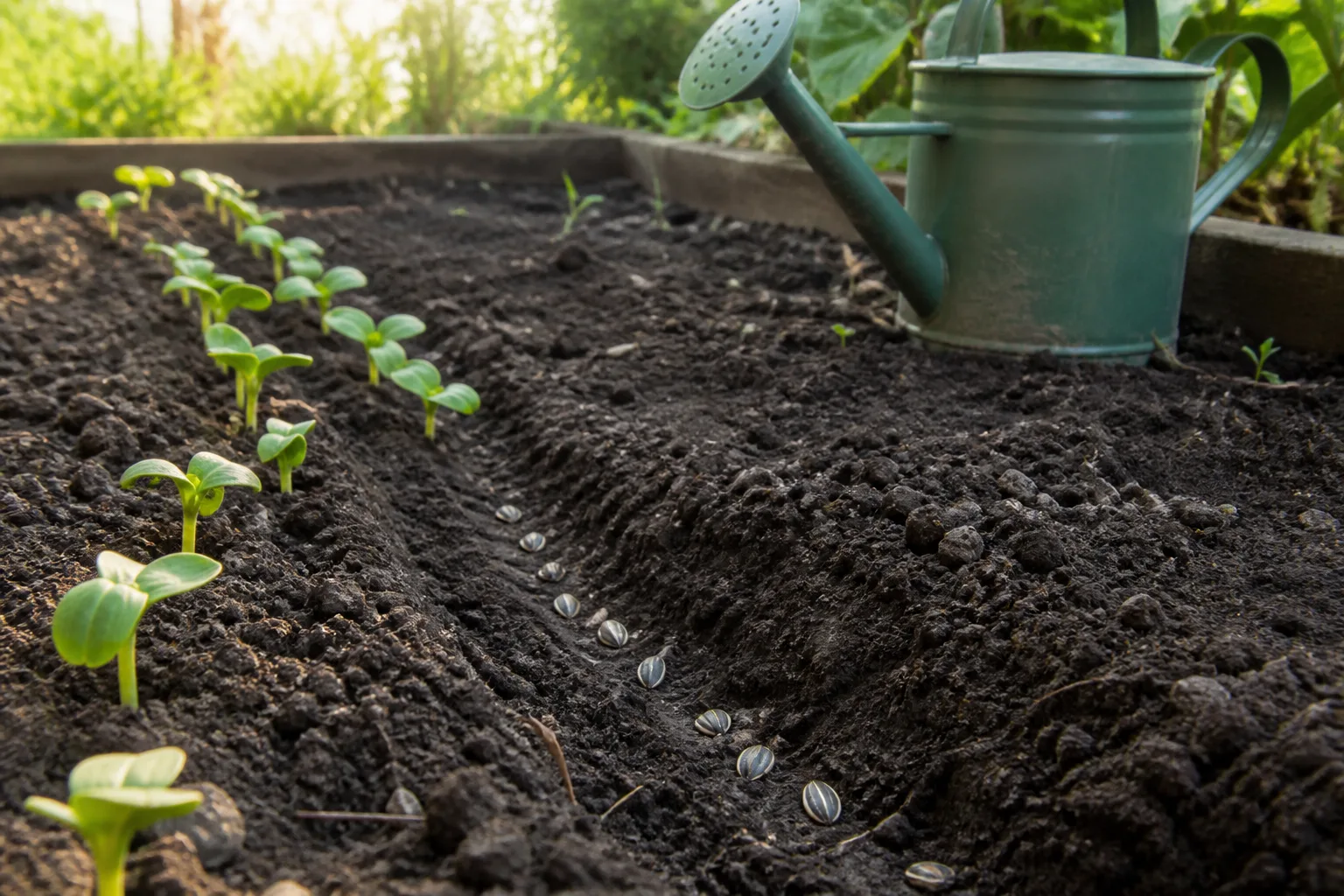
Wait for the frost-free, warm-soil window, then sow into a sunny bed or outdoor container. Water the area first if the soil is dry, let excess water drain, and mark a shallow row or small planting pockets so the seedlings are easy to find. Marigold seeds are narrow and can be laid flat; there is no need to aim the pointed end down.
Sow seeds about one inch apart and cover them lightly with roughly ¼ inch of fine soil. Penn State Extension recommends moist soil, seeds about an inch apart, and a planting depth of ¼ inch. A light cover keeps seeds from drying or washing away without burying them so deeply that small seedlings struggle to reach the surface. If your seed packet gives a different depth for a specific cultivar, follow the packet.
Water gently with a fine rose, misting nozzle, or a slow trickle aimed beside the row. The goal is to moisten the seed zone without creating a puddle or moving the seeds together. Keep the top layer from drying out while you wait; on a breezy or sunny week that can mean a light daily check, while cool, cloudy weather may need much less frequent watering.
Once seedlings have several leaves, thin them to their final spacing rather than leaving every seedling in a tight cluster. If you are sowing in a bed that is hard to monitor, add a plant marker at the row ends and avoid a thick layer of mulch over the seeds until they are established. Mulch can conserve moisture later, but a heavy cover makes tiny seedlings difficult to find and can keep spring soil cool.
Start marigold seeds indoors
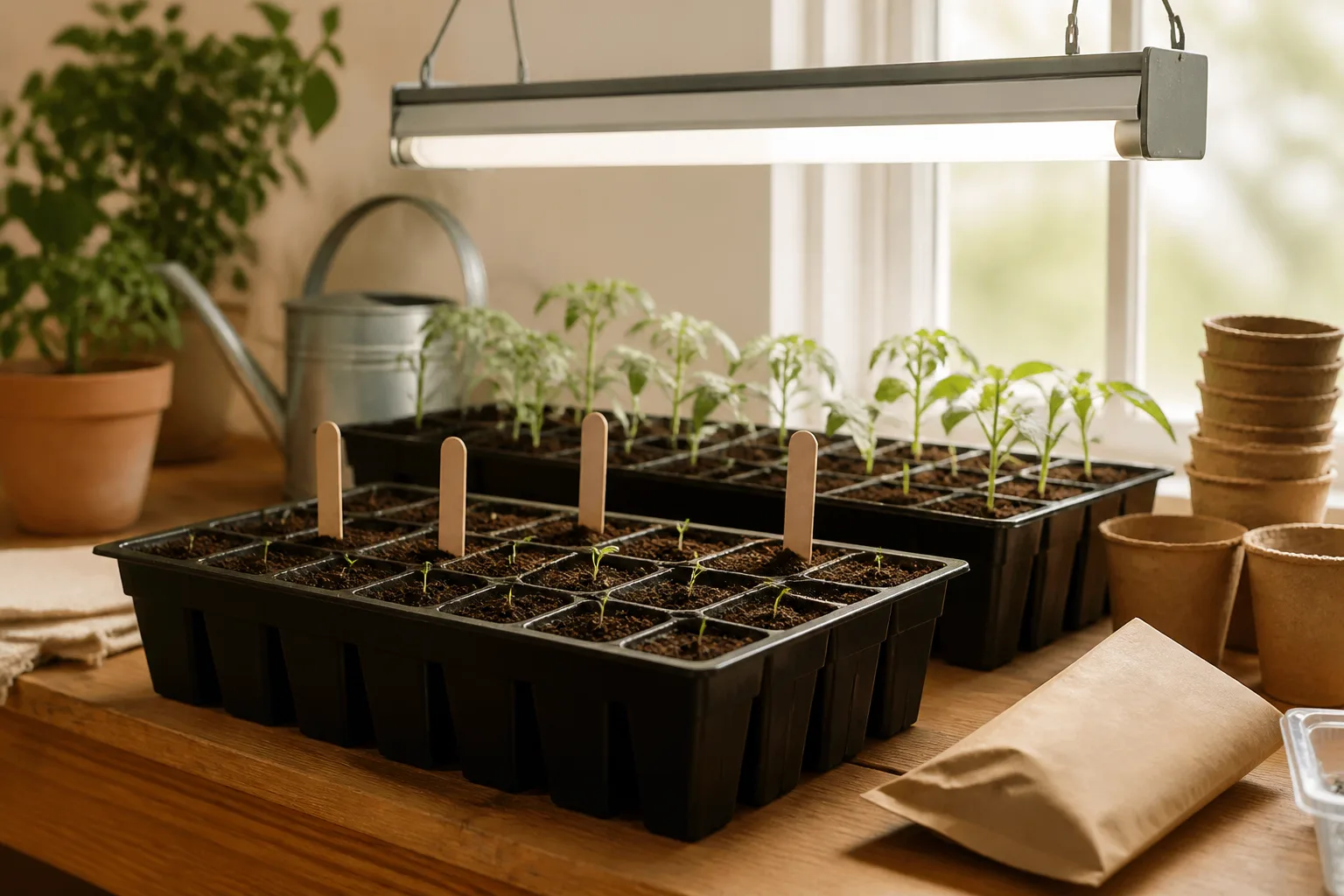
Fill clean cells or small pots with pre-moistened seed-starting mix, leaving a little room at the top so watering does not spill over. Sow two or three seeds per cell, or space them about an inch apart in a larger tray. Lay each seed flat and cover it with about ¼ inch of mix; press very gently so the seed contacts the medium without compacting it.
Set the tray somewhere warm and bright. A room-temperature shelf can work if it stays comfortably warm, but a heat mat can help when the room is cool; it is optional, not required. Keep the mix damp but not saturated. If you use a clear cover to slow evaporation, check the tray daily and take the cover off as soon as green shoots appear so stale, humid air does not linger around the stems.
Expect emergence in roughly a week under warm, moist conditions, though some seeds can take up to two weeks when the mix is cooler or moisture is uneven. Penn State Extension says marigold seeds sprout within a week in warm soil; in practical seed starting, use two weeks as a check-in point rather than an automatic sign that every seed has failed. If one cell is empty, leave neighboring seedlings alone and investigate one seed gently before deciding whether to resow.
Keep trays warm and moist until emergence
Check moisture by touching the mix rather than watering on a fixed schedule. If the surface looks pale and feels dry, add a little water; if it shines, feels swampy, or water sits in the tray, let it drain and dry slightly. Bottom-watering can help keep seeds in place: set the tray in a shallow pan of water, remove it once the mix has wicked up moisture, and empty any standing water.
Avoid putting a covered tray in direct, strong sun, where the temperature can climb quickly. Once sprouts show, uncover the tray and provide bright light immediately. A seedling that germinates in a dark corner can become thin before you notice, even though the seed itself sprouted successfully.
Care for seedlings after they sprout
As soon as seedlings emerge, give them strong light for much of the day. If you use a grow light, keep it close enough that seedlings receive bright light without heating or touching the leaves, and adjust the height as they grow. A sunny window can work, but rotate the tray every day or two because stems lean toward the brightest side.
Water when the mix begins to dry at the surface, then let excess drain from the bottom. Seedlings need consistent moisture, not a permanently wet root zone. Leave some air movement around the tray and avoid crowding leaves together; a humid, stagnant setup encourages fungal problems at the soil line.
When the seedlings have their first true leaves, not just the initial seed leaves, choose the strongest plant in each cell. Snip the extra seedlings at the soil surface with clean scissors rather than pulling them out by the roots; tugging can disturb the roots you want to keep. This small, careful thinning step often produces sturdier plants than allowing a dense clump to compete for light and water.
Thin seedlings to final spacing
For direct-sown rows, wait until seedlings are large enough to identify, then thin gradually if a cold or pesty spell is still possible. Start by removing the weakest and most crowded stems, then finish at the spacing suited to the variety. Cutting unwanted seedlings at soil level is gentler on the roots of the plants that remain than pulling a tight cluster apart.
Use the seed packet as the final authority because cultivars vary, but these are useful starting distances:
| Marigold type | Approximate final spacing | Best use |
|---|---|---|
| French (Tagetes patula) | 8–10 inches | Edging, low borders, and small pots |
| Signet (Tagetes tenuifolia) | 8–10 inches | Compact edging and container fronts |
| African (Tagetes erecta) | 12–18 inches | Taller focal points, larger beds, and roomy containers |
Penn State Extension recommends 8 to 10 inches for French and signet types and about 12 inches for larger African plants; Wisconsin Extension notes that African marigolds can reach several feet tall and wide. Use more room when a packet lists a broad mature spread or when you want airflow around large flower heads. Close spacing may look fuller at first, but crowded stems compete and stay damp longer after rain.
Harden off and transplant indoor starts
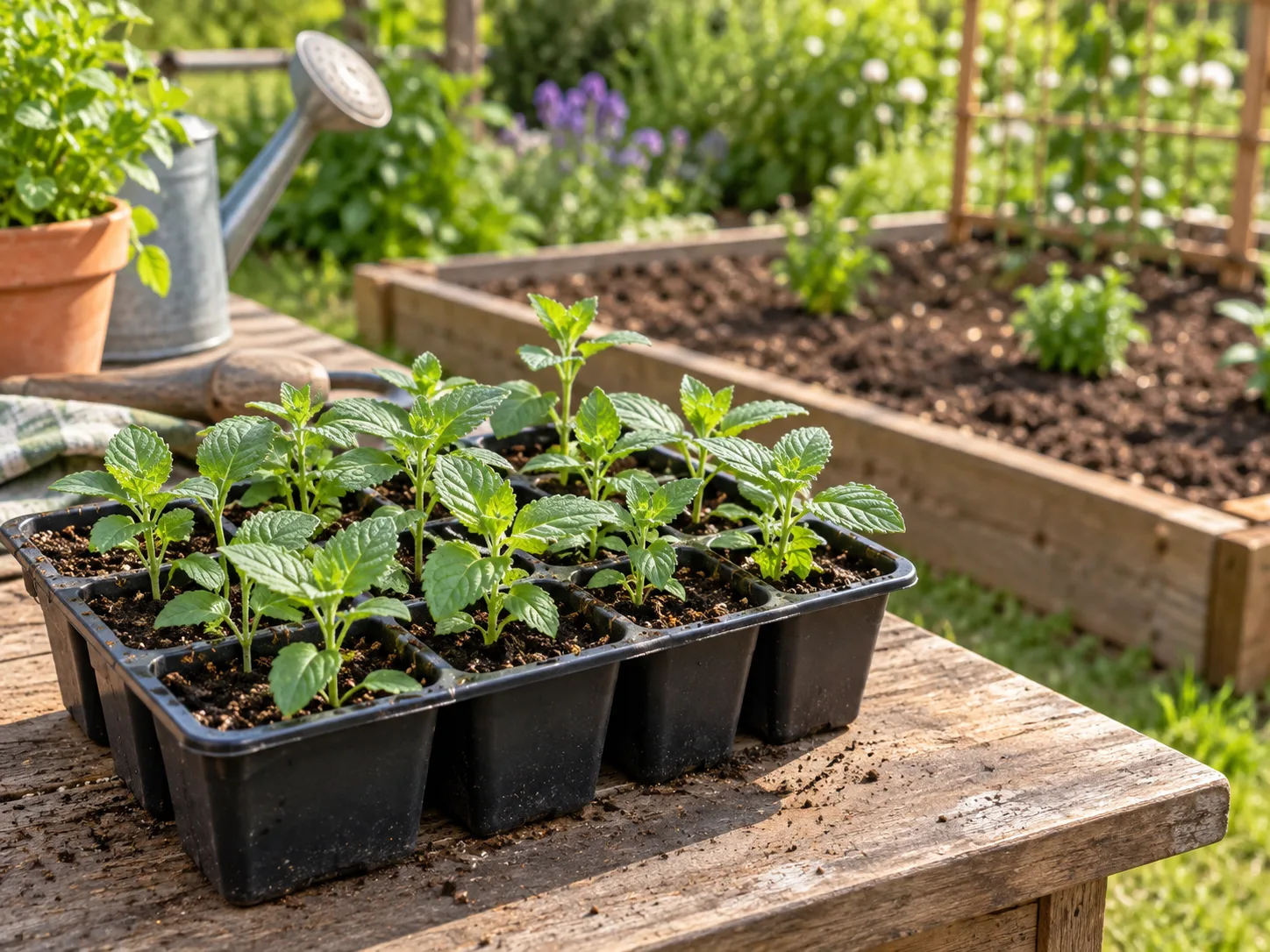
Do not move indoor seedlings straight from a protected room into full sun, wind, and cool nights. Harden them off over about a week, or closer to two weeks if the weather changes sharply. Start with a sheltered shady place for a few hours, bring the tray back inside, and gradually increase outdoor time and sun exposure each day.
Pause the process if a cold night, strong wind, or hard rain is forecast. Seedlings that wilt during the first outing are telling you the change was too abrupt; give them a recovery day in shade and resume more gradually. The Gardener’s Path seed-starting guide recommends a gradual week-long hardening sequence, and Gardeners’ World also advises acclimating young plants before they go into the garden.
Transplant only after frost danger has passed and the plant has a compact stem with roots that hold the plug together. Water the tray first, lift each seedling by the root ball or a leaf rather than squeezing its stem, and plant it at the same depth it was growing in the cell. Firm the soil lightly and water it in. A cloudy day or late afternoon gives transplants time to settle before the hottest sun.
Keep moisture steady after planting
Until outdoor seedlings are established, check the soil whenever the top begins to dry. A shallow, frequent sprinkle can wet the surface but leave roots dry; a gentle, deeper watering encourages roots to grow into the bed. Adjust for rain, soil texture, and heat rather than following a rigid daily schedule.
In containers, check more often because a small volume of mix dries faster than a garden bed. Make sure drainage holes are open and empty saucers after watering. After plants are growing strongly, let the surface dry slightly between thorough waterings instead of keeping the root zone soggy; Wisconsin Extension describes marigolds as moderate-water plants that should not be waterlogged.
Water at the base when you can, especially in humid weather. Wet foliage is not automatically harmful, but leaves and flower heads that stay wet for long periods are more prone to fungal problems. If a plant wilts in afternoon heat, check the soil before watering: temporary leaf droop in the hottest part of the day is different from a root ball that is actually dry.
What to do if seeds do not germinate
Give a freshly sown row or tray up to about two weeks before you decide it failed, especially if nights are cool. Then check the simplest causes in order: did the seed zone dry out, stay waterlogged, or remain cold; were the seeds covered too deeply; and is the seed packet old or stored somewhere hot and damp? A small test dig can reveal whether a seed is still firm, swollen, or rotting without disturbing an entire tray.
If the seed is firm and the soil is cool, leave it in place and wait for warmth. If the seed has softened and rotted in wet mix, let the surface dry, improve drainage, and resow in fresh mix. If it is still dry and unchanged, re-moisten the bed gently; a fine mist is less likely than a hose stream to wash seeds away.
For the next sowing, use a fresh packet, warm mix, and a shallow cover. Avoid adding fertilizer to a tray with no seedlings; fertilizer cannot compensate for cold or failed seed and may build up salts around tender roots. Make one correction at a time so you can tell whether warmth, moisture, or depth was the problem.
Prevent leggy seedlings and damping off
Long, thin stems usually point to insufficient light, crowded cells, or too much warmth relative to the available light. Move seedlings to a brighter location, thin them promptly, and keep a grow light close enough to illuminate the whole tray. Turning a window-grown tray can reduce one-sided leaning, but it cannot replace adequate brightness.
Damping off looks different: a seedling may fall over where its stem meets the soil, often after the tray has stayed wet and covered. Remove collapsed plants, uncover the tray, improve air circulation, and avoid reusing contaminated containers or old garden soil for the next sowing. A little surface mold does not always mean every seedling is doomed, but a persistently wet, dense tray is a signal to adjust watering and airflow.
Do not try to fix weak seedlings with heavy fertilizer or by burying the stem much deeper. Marigolds grow quickly once they have good light and roots, and extra fertilizer can push soft foliage without correcting the original issue. If seedlings are already badly stretched, sow a replacement batch at the right time rather than expecting an exhausted tray to catch up outdoors.
Grow marigolds from seed in containers
You can sow seeds directly in an outdoor pot once frost danger has passed and the potting mix has warmed. Choose a container with drainage holes and enough volume for the mature plant: compact French or signet types fit smaller pots, while tall African marigolds need a wider, heavier container so the plant does not tip. Fill it with fresh potting mix, pre-moisten it, sow at the same shallow depth as a garden bed, and thin to one or a few plants according to the packet and pot size.
Indoor seed trays and final outdoor pots serve different jobs. A small seed cell is convenient for germination, but it is not a finished home for a mature marigold; pot up or transplant before roots circle densely around the cell. If you are direct sowing in the final container, keep the soil surface damp until emergence and protect the pot from drying wind.
Container-grown marigolds need more frequent moisture checks than in-ground plants, but they still need free drainage. Do not let the pot stand in a full saucer, and avoid adding a heavy layer of mulch over newly sown seeds. Once the plants are established, a thin mulch layer can slow evaporation without burying the crown or keeping the container mix constantly wet.
Use marigolds in vegetable gardens realistically
Marigolds can add color to a vegetable bed and their open flowers can provide forage for visiting insects. They are also often described as pest-repelling companion plants, but a row of flowers is not a reliable fix for every insect or animal problem. Treat the flowers as useful garden plants, not as a pesticide substitute or a guarantee that deer, rabbits, or crop pests will stay away.
There is a narrower, better-supported use for some French marigolds: growing them densely as a cover crop can suppress certain root-knot nematodes under the right conditions. Wisconsin Extension explains the cover-crop use, while Penn State Extension cautions that simply interplanting marigolds with vegetables does not provide the same effect. If nematodes are a known problem, identify the pest and follow local extension guidance rather than relying on a few companion plants.
For a normal mixed bed, give the marigolds enough space that they do not shade small vegetables or block airflow. Compact French types are easier to tuck along a sunny edge; taller African types can become broad and may shade neighboring seedlings as they mature. Plan the mature size on the seed packet, not the size of the seedling you see in April.
How long until marigolds bloom?
Marigold seeds can emerge in about a week when conditions are warm and evenly moist, but flowering takes much longer. Penn State Extension says plants typically begin blooming in roughly two months after sowing. Cultivar timing varies: fast French types may bloom sooner, while some African types need considerably more time; the days-to-flower figure on a packet is a better guide for that specific variety than a single universal estimate.
Starting indoors advances the calendar, but it does not change the plant’s need for warm outdoor conditions. A four-week head start may be enough for a compact cultivar in a long season, while a slower variety or a short northern season may justify a longer indoor start. If your last frost is late and your first fall frost comes early, count the available warm weeks and choose a variety whose stated maturity fits.
Once the first flowers open, removing faded blooms can keep the plant producing more flowers instead of setting seed. Leave some healthy, mature flower heads at the end of the season if you want to save seed, but remember that seed saved from hybrid cultivars may not produce plants that look exactly like the parent. That is a later-season choice, not a requirement for a successful spring sowing.
Common mistakes to avoid
- Following the same calendar date everywhere: Use your local frost date, actual soil warmth, and the seed packet’s days to bloom.
- Sowing into cold, wet ground: Wait for warmer soil and drainage; chilly seeds may rot or sit for a long time.
- Planting too deep: Cover seeds lightly, about ¼ inch, rather than burying them under a thick layer of soil.
- Starting indoors too early: A crowded, leggy plant is not a better head start; count backward only four to eight weeks as the variety and light setup warrant.
- Leaving the dome on after sprouting: Remove it when the first green shoots appear and provide bright light.
- Keeping the mix saturated: Moist seed mix helps germination; standing water can rot seeds and encourage damping off.
- Skipping hardening off: Indoor leaves need time to adjust to sun, wind, and outdoor temperature swings.
- Thinning only by appearance: Mature size differs; leave more space for tall African types than compact French or signet cultivars.
Conclusion
To plant marigold seeds successfully, match the sowing method to your climate and the type of marigold you chose. Start indoors four to eight weeks before your average last frost if an early head start or a longer growing window will help; otherwise, direct sow after frost danger has passed and the soil is warmer than about 65°F.
Use a light ¼-inch cover, keep seed mix evenly moist, and give seedlings strong light as soon as they emerge. Thin or transplant them before they become crowded, harden indoor starts off gradually, and leave enough space for the mature variety. Those steps make a dependable spring sowing more likely without turning a simple annual flower into a complicated project.



