How to Grow Hydrangea Serrata (Mountain Hydrangea)
Learn how to grow mountain hydrangea: choose a sheltered site, water consistently, protect old-wood buds, and select a compact cultivar for small gardens.
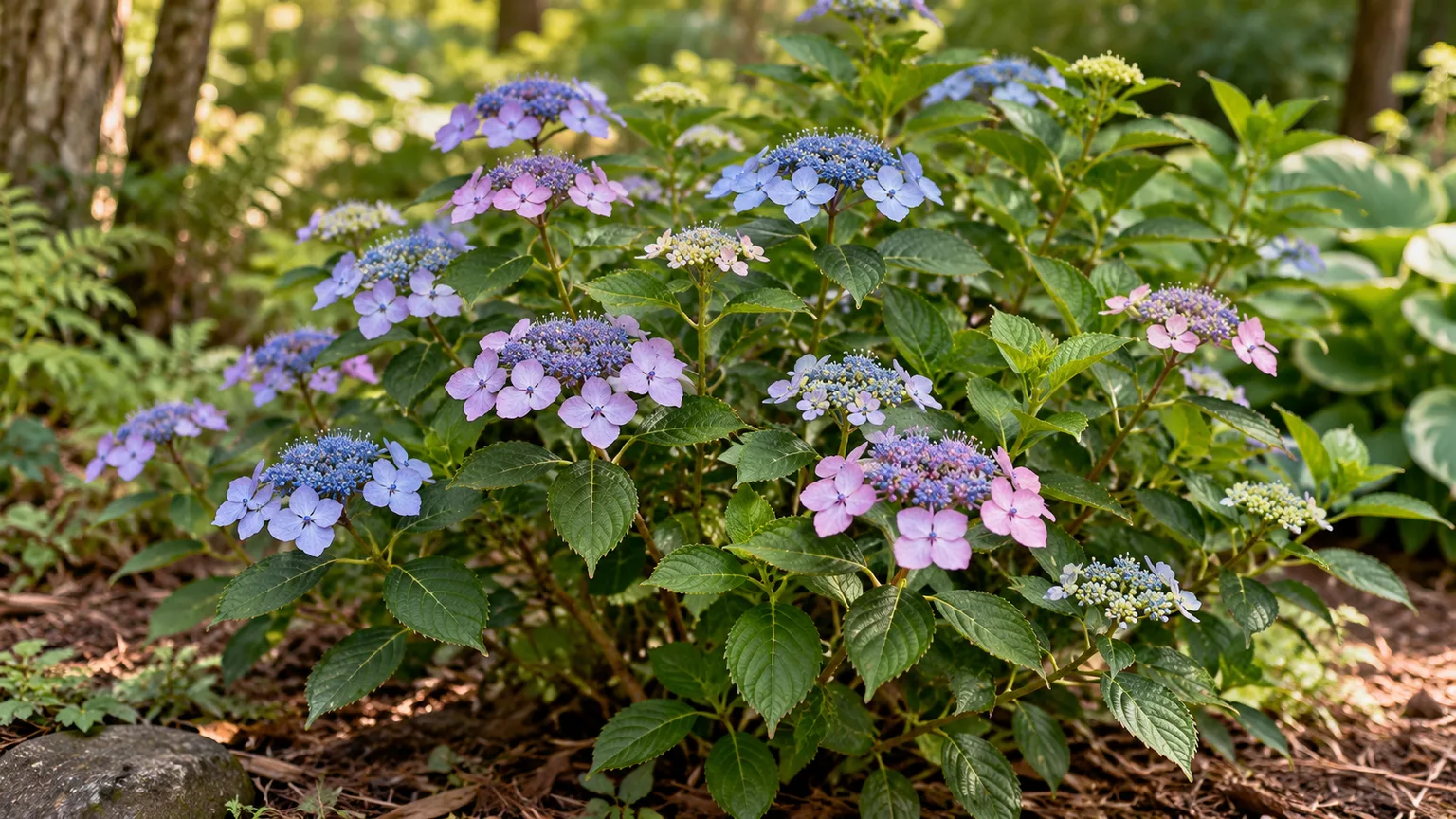
Mountain hydrangea (Hydrangea serrata) earns its place in a garden with a compact frame, finely toothed leaves, and delicate lacecap flowers. It is a close relative of bigleaf hydrangea, but its smaller leaves and generally more compact habit make it useful where a large mophead shrub would overwhelm a border. The main care lesson is simple: give it moisture that drains away, light that suits your climate, and a light touch with the pruning shears.
The detail that prevents the most disappointment is when the plant makes its flower buds. Most H. serrata blooms on stems grown the previous season, so a spring haircut can remove the flowers you were waiting for. Some named modern selections rebloom on both old and new growth, but that trait belongs to the cultivar, not automatically to every mountain hydrangea.
Mountain Hydrangea Care at a Glance
| Growing need | Practical starting point |
|---|---|
| Light | Partial shade or filtered light; morning sun is useful, while hot afternoon sun needs reliable moisture or protection |
| Soil | Fertile, evenly moist, and well drained; clay or loam can work if water does not stand around the roots |
| Water | Check the root zone during dry weather and water deeply when it is drying; do not keep saturated soil wet |
| Mature size | Often around 3–5 feet tall and wide, but cultivar descriptions vary; check the plant label |
| Flowers | Usually lacecap clusters in summer; many blue-to-pink cultivars respond to soil chemistry |
| Pruning | Usually minimal; shape after flowering and wait until spring growth shows which winter-damaged stems are dead |
| Best site | Sheltered bed with moisture-retentive soil, afternoon protection in hot climates, and room for the selected cultivar |
The ranges on a label are more useful than a species-wide promise. The Royal Horticultural Society describes the species as a compact shrub often under 1.2 meters, while Fine Gardening lists many selections at 3 to 5 feet; cultivar and conditions explain some of that spread.RHS Fine Gardening Allow space for the named plant, not just its nursery pot.
Cold hardiness also varies by selection. Extension and horticultural references give different zone ranges for H. serrata and for individual cultivars, so treat a broad zone claim as a screening tool rather than a guarantee that flower buds will survive an exposed winter.Fine Gardening A sheltered location and a cultivar rated for your region matter because foliage survival and flower-bud survival are not always the same thing.
Know What You’re Planting
The botanical name is Hydrangea serrata; mountain hydrangea and sawtooth hydrangea are common names, and “tea of heaven” is another name sometimes used. The species is native to Japan and Korea and is grown as a deciduous shrub. Its leaves are narrower and more finely toothed than those of many bigleaf hydrangeas, and its flower heads are usually lacecaps: small fertile florets form the center, with larger, showier sterile florets around the edge.NC State Extension RHS
Not every lacecap belongs to this species, and not every H. serrata cultivar looks identical. A few selections have fuller mophead-like flowers, and modern hybrids can blur the line between mountain and bigleaf hydrangea. Buy by the full botanical or cultivar name when size, hardiness, flower form, or reblooming is important; a retail tag that says only “blue lacecap hydrangea” may not tell you enough to predict those traits.
Its natural rounded outline suits a woodland edge, mixed border, courtyard, or large container. Deep dry shade, an exposed wind tunnel, or a tiny pot is a poor fit; fertilizer will not correct those site problems.
Choose a Site for Light, Climate, and Shelter
Think of siting as a balance among light, temperature, and water. The right location receives enough sun for flowering, avoids the harshest heat where summers are hot, and has soil that stays moist without remaining waterlogged. North Carolina State Extension recommends full sun to partial shade but notes that mountain hydrangeas prefer cool conditions and perform best in light to open shade, especially where hot sun can scorch or fade the foliage and flowers.NC State Extension
Balance Sun and Shade
In a cool or mild-summer region, a site with morning sun and afternoon shade is a useful starting point. A little more sun can support stronger flowering if the soil stays reliably moist. In a hot-summer climate, filtered light or shade during the hottest part of the afternoon can reduce stress; all-day deep shade is not a fix if it leaves the shrub with too little light to flower well.
Check the site in summer, when a deciduous tree’s canopy is full and a west-facing wall may reflect heat. If the shrub wilts every afternoon despite damp soil, offer more shade or reduce reflected heat before increasing irrigation.
Wind matters because it pulls moisture from leaves and can damage tender stems and flower buds. A sheltered side of a building or a larger shrub border can buffer cold, drying winds without putting the hydrangea in an airless corner. Leave enough room around the plant for airflow; a tight, crowded site can make leaf-spot and mildew problems harder to manage.
Match Moisture to Soil Drainage
Mountain hydrangeas prefer soil that holds moisture but drains freely. The RHS lists clay and loam among suitable soils and recommends moist, well-drained conditions; a heavy soil is not automatically a problem, but persistently saturated ground can be.RHS If water remains in the planting hole long after rain, improve the drainage across the bed or select a different spot rather than filling one hole with loose potting mix.
A simple site check is to feel the root-zone soil a day after rain. Cool soil that crumbles or holds together lightly differs from slick, shiny, sour-smelling soil; dust-dry soil below the surface signals a need for irrigation or mulch.
Do not amend the soil just to chase a flower color. First make sure the planting site can supply moisture and oxygen to roots; color adjustment is a separate, optional project. If your soil is very alkaline or naturally low in available aluminum, changing the color of an established shrub may be difficult and temporary.
Plant Hydrangea serrata Successfully
Plant in spring or early autumn when temperatures are moderate and the soil is workable. Spring gives the shrub a full season to establish before winter; early autumn can also work where the ground stays warm and moist for several weeks. Avoid planting into frozen ground or during a heat wave unless you can keep the root ball from drying while the roots settle in.
Water the nursery pot thoroughly before planting so the root ball is evenly moist. Dig a hole about as deep as the root ball and two to three times as wide, loosen circling roots gently, and set the shrub so the top of the root ball sits level with the surrounding soil. Backfill with the excavated soil, firm it lightly to remove large air pockets, and water slowly to settle the soil around the roots.RHS
Space plants based on the cultivar’s expected mature width. For a loose, informal border, give each shrub enough room to keep its natural outline; closer planting can create a fuller screen but may eventually require selective removal of older stems. Do not plant too deeply or pile soil over the stem bases, and keep mulch from touching the stems.
Give Roots a Steady First Season
New shrubs can wilt even in a generally moist garden because the original nursery mix may dry faster than the soil around it. Check the root ball itself, not just the surface of the bed. During the first growing season, water deeply when the root ball begins to dry, then allow excess water to drain; a fixed once-a-week schedule can be too much in cool weather and too little during hot, windy spells.
A slow soak at the base wets roots without keeping foliage wet. If rain has soaked the soil, wait and check again instead of watering on schedule.
An established shrub needs less attention than a new one, but it is not drought-proof. Tree roots, sandy soil, hot exposures, and containers increase water needs. Persistent morning wilt deserves investigation; leaves that droop only in peak heat and recover overnight may be reacting to temperature.
Water and Mulch Through Summer
Aim for even moisture, not constant wetness. In dry weather, water slowly enough to moisten the root zone several inches down, then let drainage do its job. A shallow surface sprinkle can make leaves look better for an hour without moistening the roots; frequent small drinks can also encourage shallow rooting.
Check below the mulch before irrigating: if root-depth soil is cool and damp, hold off; if it is dry and crumbly, water thoroughly. Pots and shrubs near trees need more frequent checks than an automatic weekly schedule.
Apply a loose layer of shredded bark, leaf mold, or compost over the root zone to slow evaporation and moderate soil temperature. Keep the mulch a few inches away from the stems so bark stays dry and the crown is not buried. Refresh it when it has broken down or thinned; building a tall mulch “volcano” against stems can trap moisture and conceal damage.
Leaves that wilt at midday are not, by themselves, proof that the plant needs water. Hydrangeas can temporarily reduce water loss in heat, and watering already-wet soil can compound stress by limiting oxygen around roots. Check soil first; if it is moist, offer afternoon shade or wait for cooler conditions rather than adding more water.
Fertilize Only When Growth Calls for It
Do not feed a healthy mountain hydrangea on autopilot. If the soil is reasonably fertile and the shrub makes normal leaves and stems, a thin spring layer of compost or organic mulch may be enough. A soil test is a better first step than buying a bloom booster when growth is weak, because the cause could be light, water, root stress, or winter damage rather than a nutrient shortage.
Too much fertilizer can push leafy growth at the expense of flowers. Iowa State Extension lists excessive fertilizer among the factors that can reduce hydrangea bloom, along with drought, shade, poor soil conditions, winter injury, and pruning away old wood.Iowa State Extension If a test or clear deficiency indicates that feeding is needed, use a balanced product at the label rate and time it for active spring growth; avoid late-season applications that encourage tender growth just before cold weather.
A high-phosphorus fertilizer is not a reliable shortcut to more flowers. Phosphorus does not repair lost flower buds, fix a shaded site, or correct dry roots, and unnecessary phosphorus can accumulate in soil. Feed for a demonstrated need, not because a plant has a quiet flowering year.
Why Flower Color Changes—and Why It May Not
Blue, purple, and pink shades in many H. serrata cultivars are influenced by soil chemistry. Acidic soil can make aluminum more available for uptake, supporting blue or violet tones; pink shades are more likely when less aluminum is available. Soil pH is part of the explanation, but aluminum availability, cultivar genetics, and growing conditions also matter.UMass Extension RHS
White-flowered cultivars generally do not shift to blue or pink just because you amend the soil. Some cultivars have stronger color tendencies than others, and a shrub bought in bloom may change after a year or more in a new garden as roots grow into the local soil. Flower color also changes naturally as blooms age, so compare flowers at the same stage before concluding that an amendment worked.
If you want to alter color, test the soil first and decide whether the result is worth maintaining. Follow local extension advice or the product label for any amendment; excessive aluminum sulfate can injure roots and leaves, and acidifying a large bed may be impractical. A container can offer more control over the root-zone mix, but it also dries faster and needs more attentive watering.
Choose a Cultivar for Your Garden
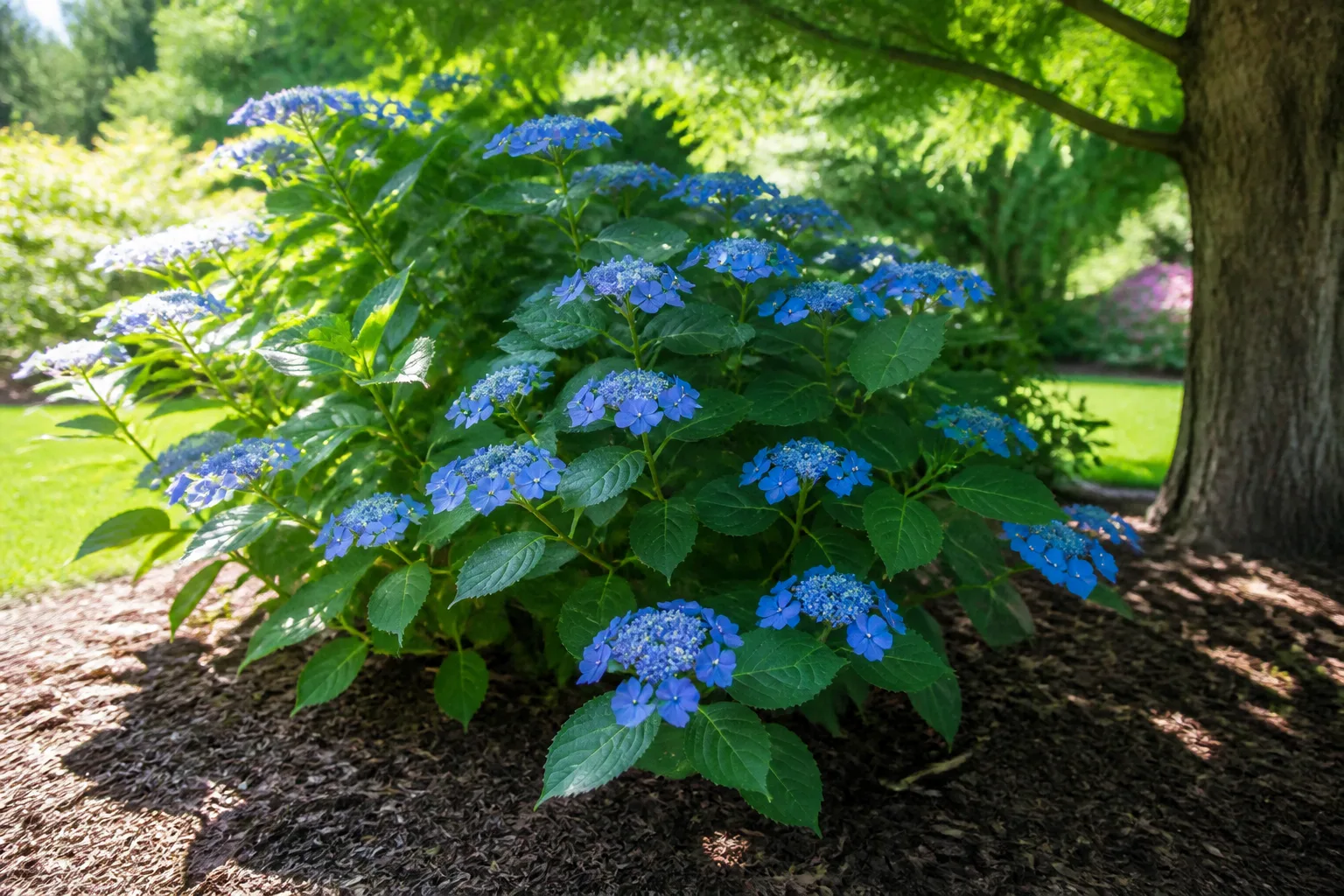
Choose by mature size, flower form, hardiness, and reblooming habit, not just by the bloom color on a nursery photograph. ‘Bluebird’ is a classic lacecap with blue-leaning flowers in suitable soil, an upright dense habit, and a larger footprint than a miniature patio cultivar. Fine Gardening describes ‘Bluebird’ at about 5 feet tall and 4 feet wide, but local conditions and pruning can change the final shape.Fine Gardening
‘Blue Billow’ is another established selection often valued for dependable flowering and autumn color. The newer Tuff Stuff™ series includes smaller choices: Fine Gardening gives Tiny Tuff Stuff™ a typical size around 1½ to 2 feet, while Iowa State Extension lists Tuff Stuff™ selections in compact ranges and identifies some as remontant, or reblooming.Fine Gardening Iowa State Extension These are starting estimates, not a guarantee that every plant in every garden will stop at a precise height.
For a small garden, patio, or container, look for a compact cultivar with a clearly stated mature spread and a hardiness rating suited to your area. For a cold region where winter often kills flower buds, prioritize a locally recommended remontant cultivar rather than assuming the whole species reblooms. Extension sources emphasize that cultivar selection can determine whether you see flowers after winter injury.Iowa State Extension
Prune Gently to Protect Next Summer’s Buds
Most Hydrangea serrata sets flower buds on the previous season’s stems, so the default is minimal pruning. Shape the shrub just after its main flowering period if it truly needs shaping, and shorten only the stems that disrupt its outline, cutting back to a healthy pair of buds. North Carolina State Extension recommends pruning after flowering because the species blooms on previous-season stems.NC State Extension
Do not cut the whole shrub back in late winter just because it looks untidy. That can remove live buds before the plant has a chance to bloom. In cold areas, wait until spring growth begins before deciding which tips or stems are dead; UNH Cooperative Extension advises waiting to distinguish viable buds from winter-killed wood.UNH Cooperative Extension Then remove confirmed dead or broken stems at their base.
Some named remontant cultivars can produce flowers on both old and new growth. This can improve the chance of at least some bloom after winter damage, but it does not make hard pruning harmless: cutting the old stems may still remove the first flush. Check the cultivar tag or breeder’s care guide before choosing a pruning schedule.Iowa State Extension
Deadheading spent flower heads is optional. Leave them through winter if you like their structure or want to avoid cutting into buds; remove them after bloom if you prefer a tidier look, making a shallow cut above a healthy pair of leaves. If an old shrub is too large, reduce it gradually by removing a few of the oldest stems rather than shearing every stem at once.
Grow a New Plant From Softwood Cuttings
Softwood cuttings taken in early summer are a practical way to clone a named shrub. Seed-grown plants may not match a named cultivar, while a cutting preserves the parent plant’s traits. Propagate only from a plant you are allowed to reproduce; check any patent or licensing terms before selling or distributing a protected selection.
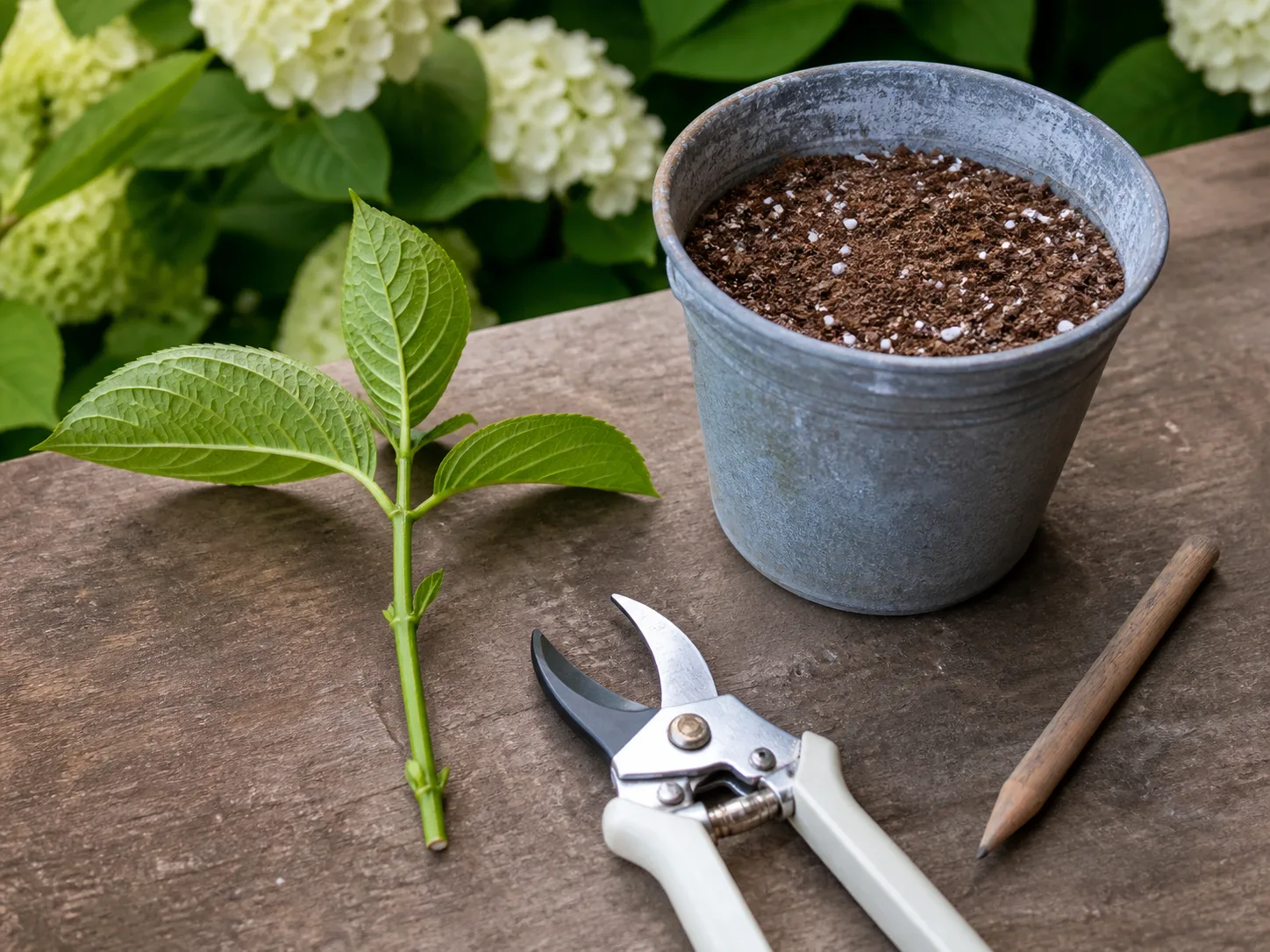
- Choose a healthy, nonflowering shoot from the current season when it is still flexible but beginning to firm. Take the cutting in the morning if possible, and keep it shaded and cool while you prepare it.
- With clean pruners, cut a 4- to 6-inch section just below a leaf node. Remove the lower leaves and leave one or two pairs near the top; if those leaves are large, trimming their blades can reduce water loss.
- Insert the lower node into a small pot filled with moist, free-draining propagation mix. A rooting hormone is optional; if you use one, follow its label and avoid contaminating the container with the applicator.
- Cover the pot with a clear bag or propagator to hold humidity, but keep plastic from pressing against the leaves. Place it in bright, indirect light and warmth, not direct sun, which can overheat the cutting.
- Check the mix often enough to keep it lightly moist, never swampy. Vent the cover if condensation is constant or mold develops, and remove fallen leaves promptly.
- After roots form and the cutting resists a very gentle tug, pot it up or keep it in its small container until the root system is established. Acclimate it gradually to outdoor conditions and protect it from hard frost while young.
Rooting time varies, so do not discard a cutting simply because it has not grown in a few weeks. New leaves alone are not proof of roots; wait for gentle resistance or visible roots at drainage holes before moving it.
Grow Mountain Hydrangea in a Container
A compact H. serrata can work in a large container if you can keep its root zone cool and evenly moist. Choose a pot with drainage holes and enough volume for the cultivar’s mature size; a dwarf cultivar is usually a more practical choice than trying to restrain a standard shrub with constant root pruning. Use a quality outdoor container mix rather than garden soil, which can compact in a pot.
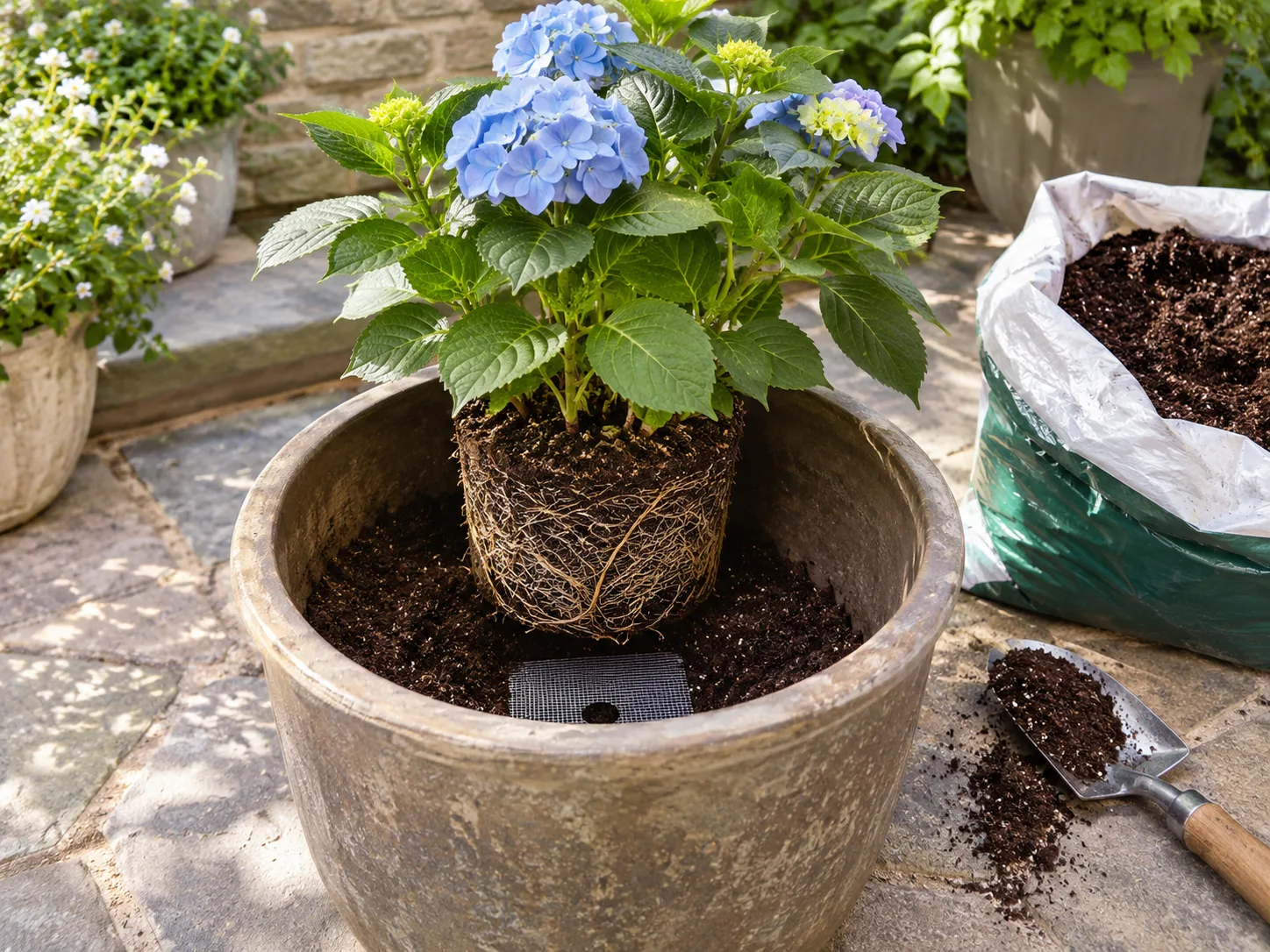
Place the pot where it receives bright light but protection from the hottest afternoon sun, especially in warm climates. Water when the upper part of the mix begins to dry, and soak until water runs through the drainage holes. Do not leave the pot standing in a filled saucer; the roots need air as well as moisture.
Containers magnify heat and cold. Move or insulate the pot where the root ball could freeze hard, and check moisture during dry winter spells even while the plant is leafless.
Seasonal Care for Blooms and Winter
Care changes with the shrub’s growth cycle, not with a rigid calendar date. Local spring timing, cultivar, and weather vary, so use bud stage and soil condition as signals.
- Spring: Clear away damaged debris, check for new growth, and prune only dead or broken wood once you can identify it. Refresh mulch without burying the stems, and begin checking soil moisture as leaves expand.
- Early summer: Water during dry periods and watch for hot afternoon stress. Take softwood cuttings while new shoots are flexible; do not remove the flower-bearing stems you want to keep.
- After flowering: If the plant needs shaping, make selective cuts soon after bloom so the shrub has time to form next year’s buds. Deadhead only if you prefer the look.
- Late summer and fall: Stop routine feeding unless a local soil test or expert recommendation says otherwise. Keep the root zone from drying before winter, and avoid hard pruning.
- Winter: In a cold or exposed site, use a loose mulch over the root zone and consider a breathable wind screen or temporary protection for a valuable plant. Remove protection when severe weather has passed and buds begin to grow.
Mountain hydrangeas are often described as hardier than bigleaf types, but their flower buds can still be lost to cold, wind, or a late frost. A sheltered microclimate and an appropriately rated cultivar are more dependable than wrapping every shrub tightly in plastic. If winter dieback is common where you garden, consider a reblooming selection and accept that the first flush may still be reduced.
Troubleshoot Wilting, Yellow Leaves, and Weak Flowering
Start with the pattern and timing of the symptom rather than applying fertilizer or pesticide. Check soil moisture at root depth, look at whether new or old growth is affected, and note recent heat, rainfall, pruning, and frost. Several problems can look alike from a distance.
Read Symptoms Before Changing Care
- Leaves droop only in the hottest hours, then recover: If the root zone is damp and the plant perks up by evening, heat may be driving temporary water loss. Add afternoon shade or reduce reflected heat; do not water wet soil.
- Leaves remain limp in the morning: Check the nursery root ball and surrounding soil. Dry soil calls for a deep soak; saturated, sour-smelling soil points instead to poor drainage or root stress.
- Leaf edges turn brown or crispy: Consider hot sun, drought, wind, fertilizer salt, or a recent soil amendment. Review the care history before adding another product.
- Leaves yellow broadly: Check whether the soil stays wet or dries completely between waterings, and look for normal seasonal leaf drop if the change occurs in autumn. Yellowing alone does not identify one cause.
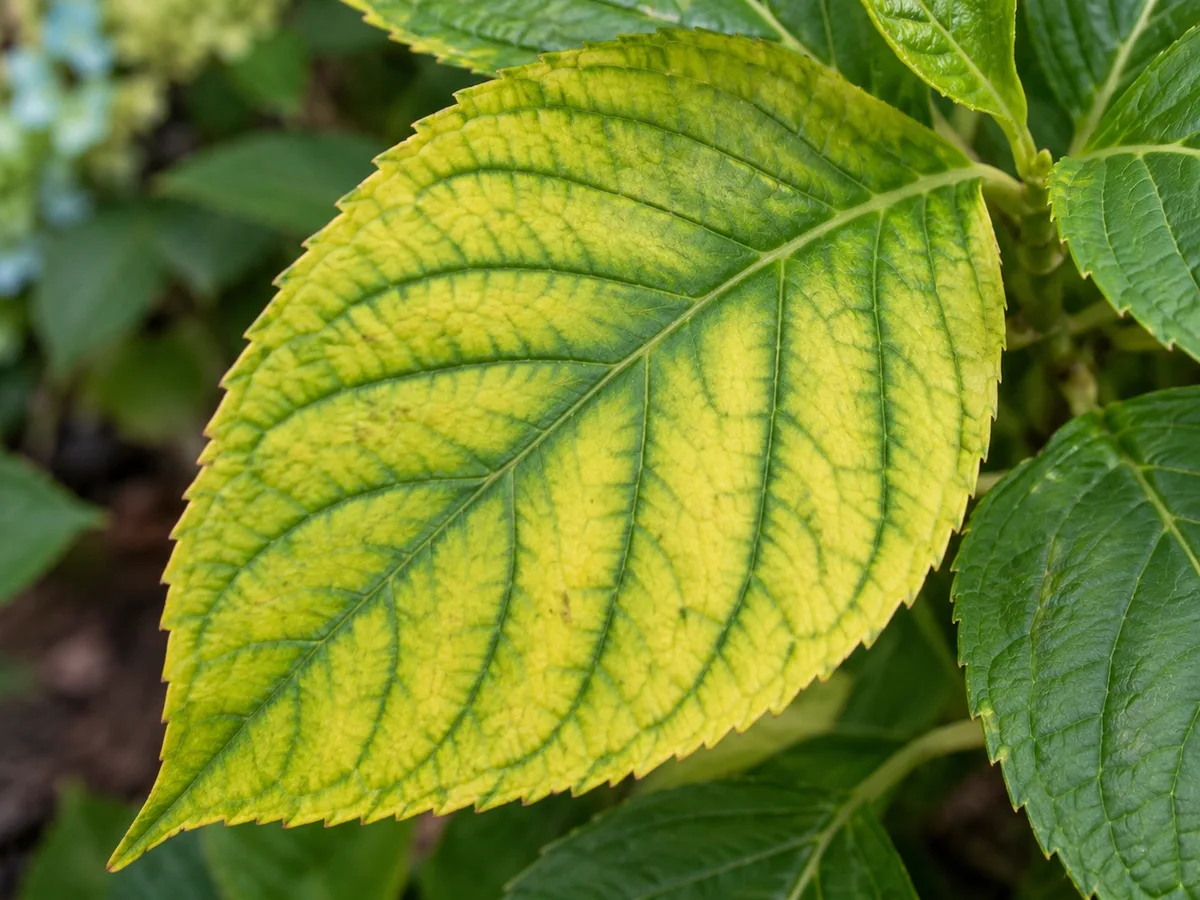
- New leaves yellow between green veins: High soil pH can restrict iron availability, but other root or nutrient problems can resemble chlorosis. Confirm the pattern and use a soil test before applying an iron product or acidifier.
- Powdery coating or spots appear: Powdery mildew is reported on mountain hydrangea, whose thinner leaves may be more susceptible than those of some bigleaf types.NC State Extension Improve spacing and airflow, water the soil rather than repeatedly wetting foliage, and remove fallen infected leaves. Ask a local extension service to identify a persistent disease before using a fungicide.
- The shrub grows leaves but few flowers: Check the previous summer’s pruning first, then winter-killed buds, late frost, deep shade, drought, excess fertilizer, and recent planting. A young shrub may take time to settle; Iowa State Extension notes that hydrangeas can bloom unreliably during the first few years after planting.Iowa State Extension
Use this order: soil moisture and drainage → light and heat → pruning and winter history → nutrition → pests or disease. It prevents a common chain reaction in which a gardener waters a saturated shrub, adds fertilizer to a plant that was pruned too late, and then treats a cosmetic leaf spot that was not threatening the plant.
Conclusion
Grow Hydrangea serrata where it can have bright filtered light, dependable moisture, and soil that drains after rain. Choose the cultivar for your climate and available space, water according to the root zone rather than a schedule, and avoid routine fertilizer unless the plant or a soil test shows a need.
When bloom matters, protect last year’s stems and prune with restraint. A spring check for live buds, a careful first-year watering routine, and a locally hardy or reblooming cultivar will do more for reliable flowers than a drastic haircut or a guessed-at soil amendment.



