Growing Lettuce in Summer: Varieties, Shade, and Water
Summer lettuce can bolt or fail to sprout. Choose suitable cultivars, cool the seedbed, water consistently, and harvest before quality drops in hot weather.
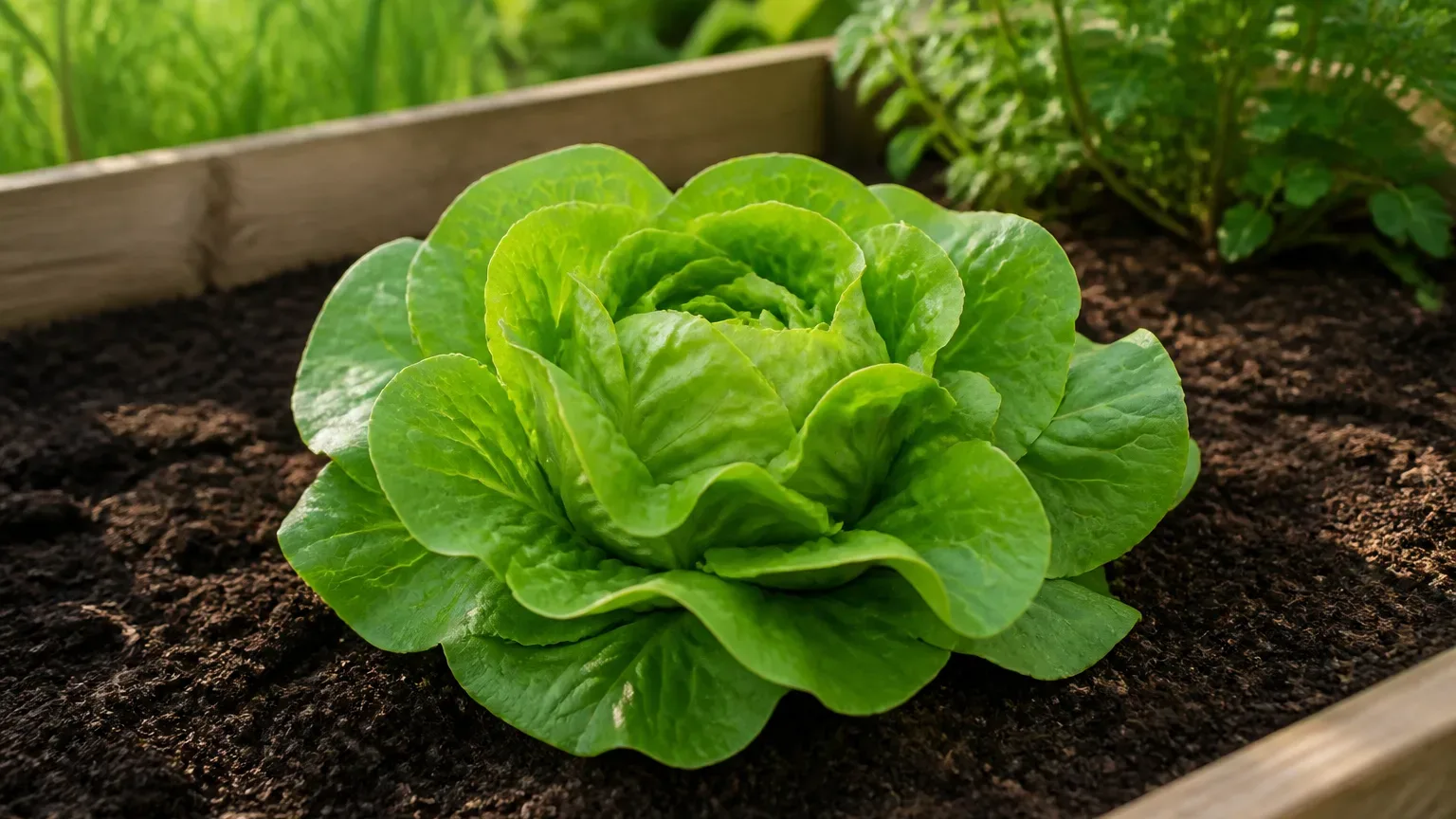
You can extend a lettuce harvest into warm weather, but no watering trick can make a cool-season crop ignore sustained heat and long days. The reliable approach is to choose a slower-bolting cultivar, reduce afternoon heat, keep the shallow root zone evenly moist, and sow small replacement batches while conditions still allow them to establish. In a very hot climate, the best plan may be to harvest what you have and wait for cooler weather.
What summer heat does to lettuce
Lettuce grows most comfortably in cool conditions. University extension guidance commonly places good growth around average daily temperatures in the 60s Fahrenheit; when heat persists, growth can stall, leaves may taste more bitter, and the plant may send up a central flower stalk. Longer days contribute to that seasonal signal, while drought stress can make a marginal planting deteriorate faster. There is no single thermometer reading that predicts the exact day every cultivar will bolt.
Bolting is the plant switching from leafy growth to flowering and seed production. Once the stem begins to lengthen from the center, the harvest window is closing; pinching off the stalk or removing more leaves will not reliably reverse that change. Some heat-tolerant cultivars remain pleasant for a little longer, so taste a leaf rather than assuming every bolting plant becomes inedible at once.
This distinction matters because gardeners can reduce stress but cannot turn lettuce into a heat-loving crop. The University of Minnesota Extension notes that long days, high light, and heat can all contribute to bolting, and that high temperatures can make leaves tough and bitter. Treat shade and irrigation as tools that may buy time, not as a promise of continuous summer production.
Decide whether to extend the crop or pause
First look at your local pattern, not your USDA hardiness zone. Hardiness zones describe winter minimum temperatures; they do not tell you whether July brings cool nights, dry heat, humid nights, or a long stretch above lettuce’s comfort range. A coastal garden with cool nights may keep lettuce going under light afternoon shade while an inland garden at the same zone number may need to pause until late summer.
Use the next one to two weeks of weather as a practical test. If the forecast shows a few warm afternoons but cool nights, keep the crop, add afternoon shade, and maintain moisture. If days and nights are both hot for a sustained stretch and plants are elongating despite those measures, harvest the best leaves and save the next sowing for a cooler window.
The University of Delaware’s multi-year summer trials are a useful reminder that results depend on timing and variety. Its 2018–19 spring trials found that 30% black shade reduced bitterness, while a 2023 June-planted trial found that the same shade reduced plant size without changing bitterness; cultivar was the strongest factor in bolting and flavor in later trials. Those results are regional, not a universal prescription, but they argue against expecting shade cloth alone to rescue every crop (University of Delaware Cooperative Extension).
Choose cultivars bred to hold longer
Read seed descriptions for “slow to bolt,” “heat tolerant,” or “summer” performance, then check whether the recommendation comes from a climate like yours. Heat tolerance means a cultivar may stay usable longer than a sensitive one under comparable conditions; it does not mean it will produce sweet leaves through any heat wave. Buy a few cultivars in small packets and compare them in the same bed rather than staking the whole summer on a label.
Heat-tolerant varieties worth trying
Jericho is a romaine type with a record of heat tolerance in dry, hot regions. Nevada is a Batavian or summer-crisp type often recommended for heat and bolt resistance, while Muir, Skyphos, and Sunland performed well among the varieties in University of Delaware summer trials. These names are starting points, not guarantees: the Delaware trial found meaningful differences among cultivars and planting dates, and local day length, night temperature, soil, and disease pressure still matter.
For a dry, hot climate, University of Nevada, Reno Extension specifically identifies Jericho for early-summer harvests and Nevada for bolt resistance in the Moapa and Virgin Valleys. That regional recommendation is stronger evidence for those conditions than a seed-catalog adjective alone. If neither cultivar is available, look for locally recommended loose-leaf, romaine, or summer-crisp varieties and test them in modest plantings.
Match lettuce type to your harvest goal
Loose-leaf lettuce is convenient for baby leaves and outer-leaf picking, so it can provide useful harvests before a full head matures. Romaine and summer-crisp types can also be productive when a selected cultivar tolerates warmth. A full iceberg-style head takes longer to form and is a poor bet when the crop will reach maturity during peak heat, though cultivar and local conditions still affect the outcome.
Think about the harvest format as well as heat tolerance. If you want a few leaves at a time for sandwiches, choose a leaf or romaine cultivar and preserve its growing point; if you want a firm head, sow early enough that the head can mature before the hottest stretch. Different maturity dates across several cultivars can spread risk better than planting one “summer” variety all at once.
Use shade to reduce the midday load
The useful pattern is usually sun for steady growth with protection during the hottest part of the day. Place lettuce where taller crops, a trellis, or a deciduous canopy will cast afternoon shade without making the bed dark all day. A site shaded from late afternoon sun can be more effective than a north-facing corner that stays cool but receives too little light for compact growth.
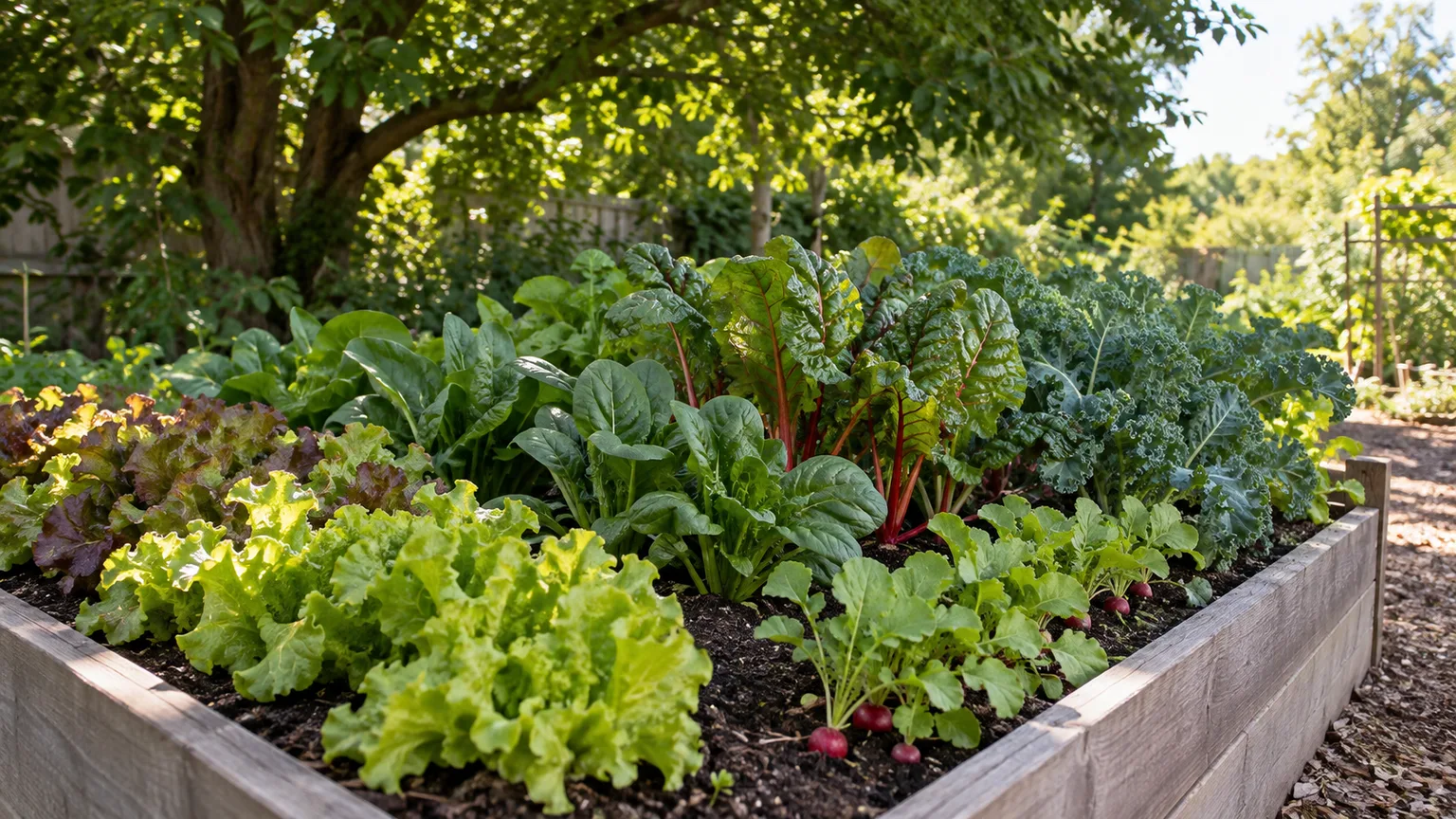
Shade cloth can help when natural shade is unavailable, but start with a light, ventilated cover rather than sealing plants beneath a hot, still canopy. A structure held above the leaves allows airflow and makes watering and harvesting easier; remove or secure it when wind threatens. A 30% shade cloth is a reasonable trial point in many gardens, not a fixed rule: in intense sun you may want more protection, while in a cool or cloudy climate heavy shade can make plants weak and slow.
For a low-cost option, a horticulture writer at Fine Gardening describes a removable panel made from permeable fabric supported above a lettuce bed, clipped so it can be lifted for care and taken down in high wind. The practical lesson is to create adjustable shade with airflow, not to cover the crop permanently with a material that traps heat (Fine Gardening). Watch the plants for a week: if leaves stay firmer and growth continues, keep the setup; if plants stretch or growth slows sharply, open the cover or reduce the shade.
Start a summer crop when the seedbed is hot
Summer lettuce can fail before it becomes a plant. A seed may remain viable but fail to germinate at high soil temperatures, a response called thermoinhibition. North Carolina State Extension reports that lettuce seed can germinate at low temperatures, with an optimum around 70–75°F, and that high soil temperatures can reduce germination (NC State Extension). The warm air temperature on a sunny afternoon is not the only issue: exposed soil at the surface can be hotter than the air.
Cool the seed-starting process
For reliable late-summer starts, sow in a cool, bright place indoors or in a protected outdoor spot, then transplant young seedlings once they have several true leaves and the weather is more suitable. Keep the mix moist but not waterlogged, and follow the packet’s depth instructions; lettuce seed should not be buried deeply. Fresh seed is a sensible choice because poor storage can compound heat-related germination problems.
If you direct sow outdoors, choose a shaded bed, water the seed row before planting, and cover it with a breathable board or light barrier only long enough to keep the surface cool and moist. Check at least daily and remove the cover as soon as seedlings emerge; a forgotten board can exclude light and overheat or damage the new plants. In the hottest weather, starting transplants in a cooler space is generally easier to monitor than repeatedly resowing a hot, dry seedbed.
Transplant in the evening or on a cloudy day, water the root ball in, and give seedlings temporary shade while they settle. Avoid tugging apart a crowded root mass or leaving roots exposed to sun and wind. A transplant that wilts briefly may recover if the root zone stays moist, but repeated heat stress at establishment can erase the advantage of starting early.
Keep root-zone moisture steady
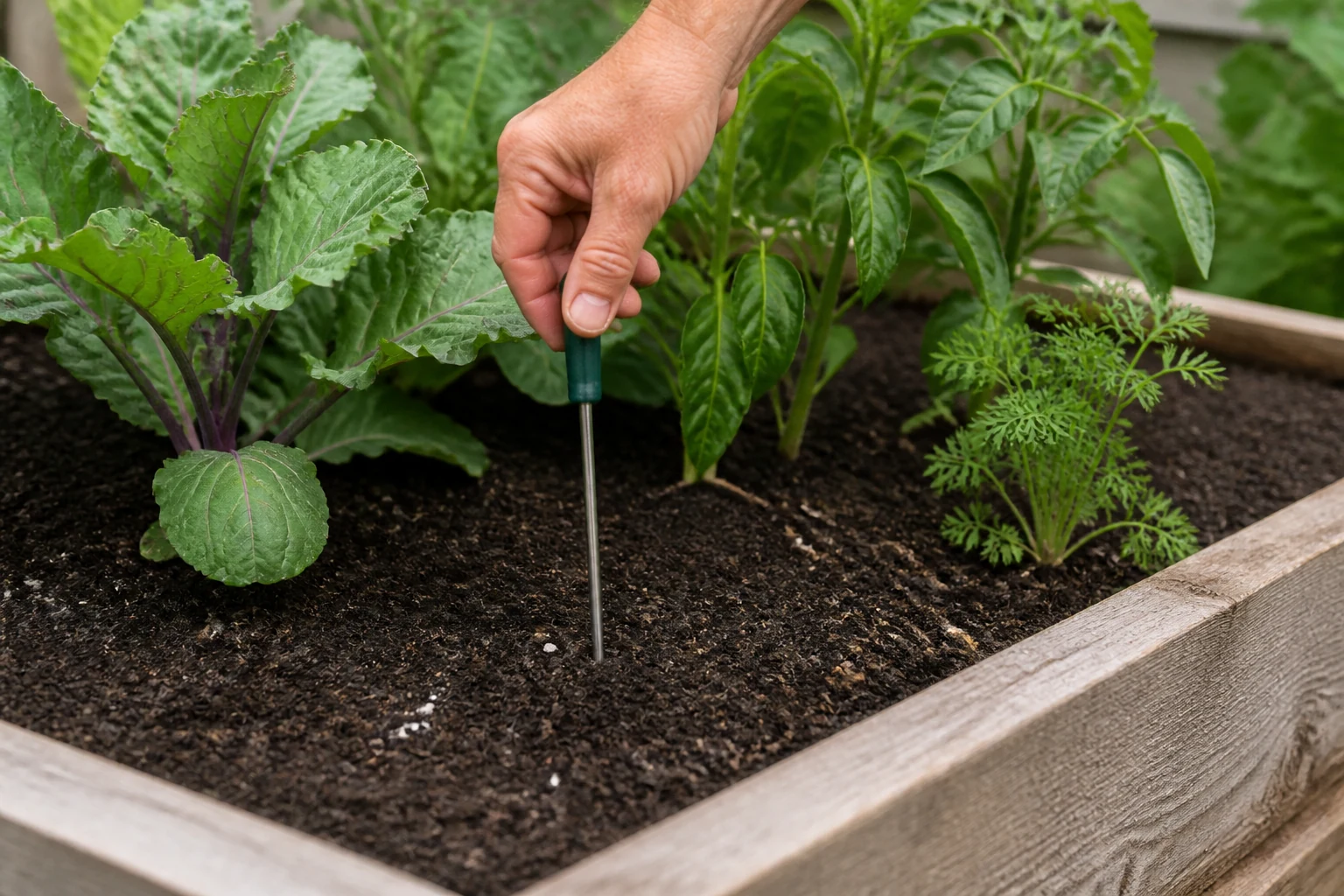
Lettuce has a shallow, active root system, so a dry surface layer can quickly affect young plants. Check the soil with a finger or trowel rather than following a rigid daily schedule: in a small pot or sandy bed during hot wind, that may mean watering every day, while a mulched in-ground bed may need less frequent irrigation. The goal is consistently moist soil with drainage, not saturated roots.
Water early in the morning so moisture is available before the hottest hours. Apply water at the soil line with a drip line, soaker hose, or gentle stream, and wet the root zone rather than giving leaves a quick sprinkle. If the top inch dries rapidly, water slowly enough for it to soak below the surface; shallow sips encourage shallow roots and can leave the lower root zone dry. The University of Minnesota Extension emphasizes that the small, shallow roots absorb most of the water and nutrients used by these greens.
Avoid swinging from dry soil to a heavy drench. Irregular moisture can contribute to tipburn, the brown, dry edge on inner leaves, and very wet soil can encourage root and foliage disease. If the bed is already wet, a wilted plant at midday may be responding to heat rather than thirst; check the soil before adding more water. Water cool enough for ordinary irrigation is fine—ice water or repeated leaf misting is not a substitute for shade and stable soil moisture.
Protect soil from heat without smothering the crown
Bare soil heats and dries faster at the surface than shaded, mulched soil. Once seedlings are established, a thin layer of clean straw, shredded leaves, or another loose organic mulch can reduce evaporation and buffer the soil surface. Leave a small open ring around each crown so air can move and the base of the plant does not remain damp.
Use mulch lightly in humid gardens or where slugs are already a problem. A thick, wet blanket can keep the lettuce crown and lower leaves persistently damp and give slugs a hiding place. Avoid fresh grass clippings in a thick layer because they can mat; the aim is a porous cover that shades soil without sealing it.
Use containers when mobility matters
A container makes afternoon shade adjustable: set it in morning sun, then move it before the hottest hours to a bright, airy spot protected from direct afternoon rays. Choose a pot with drainage and enough soil volume to avoid rapid drying; a container roughly a foot wide and deep is a practical starting size for a small lettuce planting, with spacing adjusted to the cultivar. Larger volumes buffer moisture better than a shallow tray, but pots can still heat and dry faster than the ground.
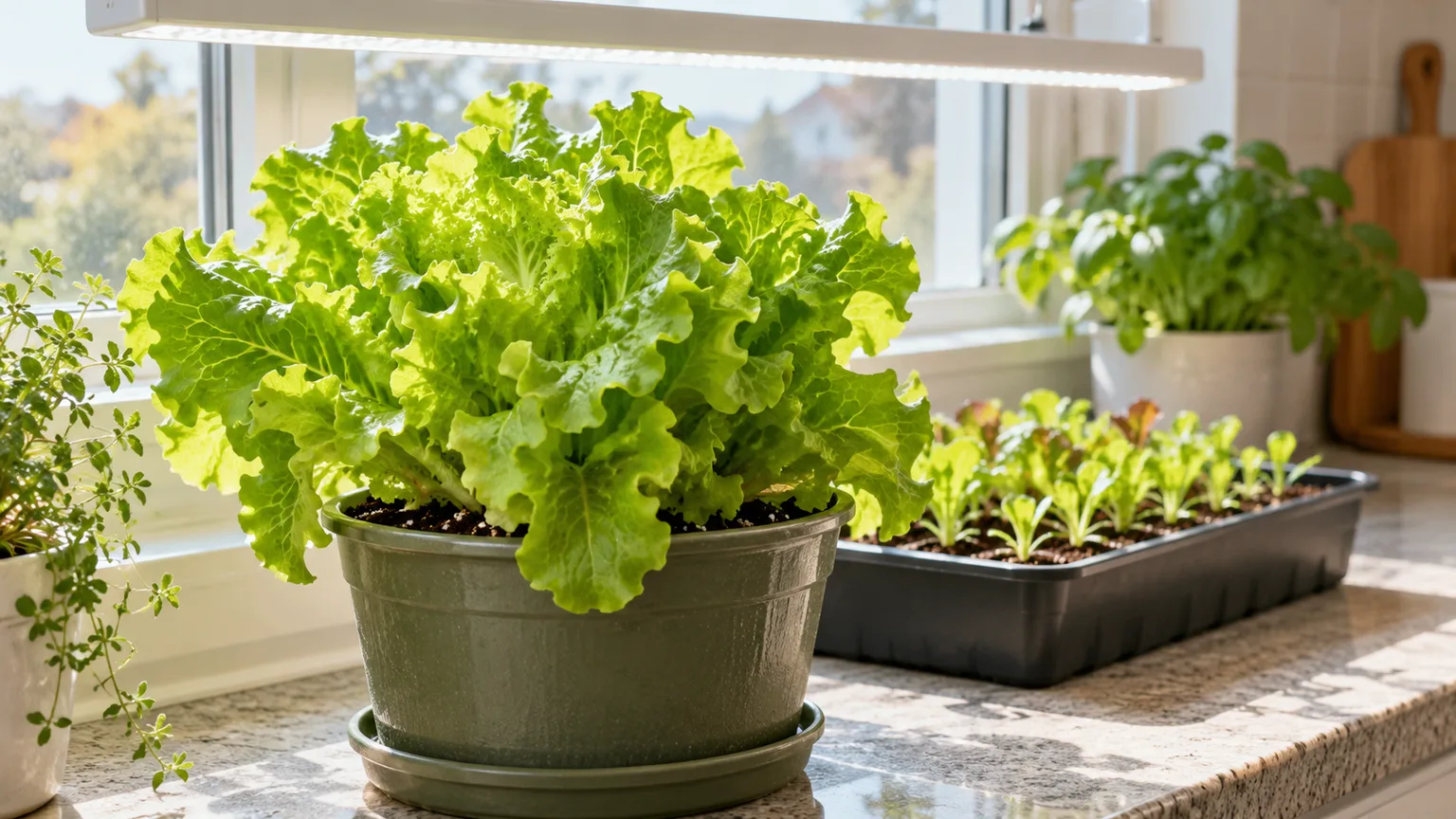
Pale or insulated containers are less prone to intense surface heating than dark pots in direct sun. Keep the pot off a hot paved surface if possible, group it with other containers to reduce wind exposure, and check moisture more often than you would in a bed. If outdoor air stays hot even in shade, a cool, bright indoor location may support a short baby-leaf crop, but strong sun through glass can heat leaves and containers quickly; use a thermometer and avoid a sealed, stagnant room.
Containers are most useful when you can actually move them and monitor them. If you are away for long stretches, choose a larger pot, use a reliable drip setup, or plant in the ground under stable afternoon shade rather than depending on a small planter to stay moist through a heat wave.
Succession sow for a rolling harvest
Planting every 10 to 14 days is a common succession rhythm in cool weather, but the calendar interval is not sacred in summer. Sow a small amount only when you can keep the seedbed moist and cool enough to germinate, and when seedlings have a reasonable chance to establish before the next prolonged heat spell. A series of small batches limits waste if one sowing bolts or fails to emerge.
Start the next batch before the current plants are exhausted, but do not place every sowing in the same hot patch. Use a shaded edge, a movable container, or the space under a crop that will provide afternoon cover. In climates with a distinct cool season, plan the late-summer sowing backward from your target harvest using the packet’s days-to-maturity range and local first-frost guidance; warmer regions may schedule their main lettuce crop for fall and winter instead.
The University of Maryland Extension recommends succession planting and shade for extending the harvest, while also recognizing that long days and high summer temperatures bring bolting. That combination is the key: stagger plantings to distribute risk, but do not mistake repeated sowing for a way to overcome unsuitable conditions.
Harvest leaves while the plant is still compact
For leaf lettuce, begin picking usable outer leaves while the center remains compact and actively growing. Take a few leaves from each plant rather than stripping one plant bare, and leave the central crown intact if you want it to keep making leaves. Harvest in the cool part of the morning, when the leaves are crisp, and chill them promptly if you will not eat them right away.
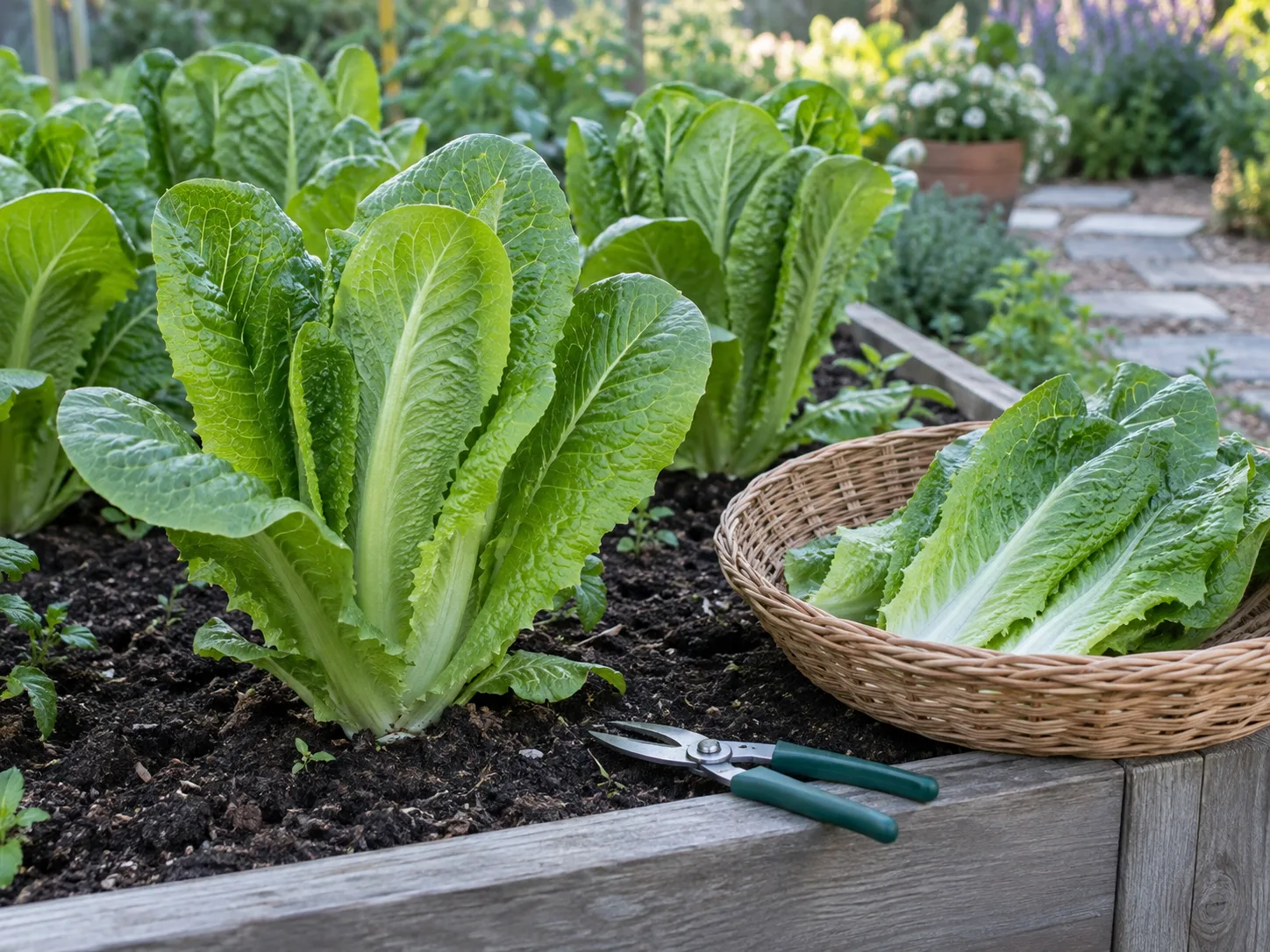
You can also cut a whole baby-leaf planting just above the crown for a possible second flush, provided the plants are healthy and the weather remains favorable. Regrowth is not guaranteed in hot weather; watering, cultivar, and whether the growing point survives all matter. The RHS notes that loose-leaf lettuces can be harvested on a cut-and-come-again basis, but its guidance does not make cutting a method for preventing flowering.
Frequent picking helps you use leaves before they become coarse, but it is not a “shock” that resets the plant. You do not need to discard good leaves simply to keep lettuce short. If the center begins to elongate or the leaves become noticeably bitter, taste a sample, harvest what is still enjoyable, and make room for a new crop or another vegetable.
Recognize bolting, bitterness, and heat-related damage
A firm central stalk rising above the leaf rosette is the clearest sign of bolting. Before the stalk is obvious, heat-stressed plants may stop making tender new leaves, form a more open center, or taste stronger than they did in spring. Bitter flavor can also follow drought, so improve moisture if the soil is dry; if a stalk is already stretching, however, watering will not turn the plant back into a compact rosette.
Brown edges on inner leaves may be tipburn rather than sun scorch or a pest. Tipburn is linked to moisture movement and the plant’s ability to supply calcium to fast-growing tissue, so keep moisture more even, avoid excess nitrogen that drives lush growth, and remove damaged leaves while checking the center for usable tissue. In a hot, humid bed, also inspect undersides for aphids and look for slug feeding after dark; wet foliage that stays damp overnight and stagnant air raise disease pressure.
What to do when the flower stalk appears
Harvest immediately if the leaves still taste acceptable. Pull the plant if the flavor has turned harsh or the stalk is taking over, then compost healthy material or leave a few plants to flower if you want seed and pollinator value. A bolting plant is not a failed garden; it has simply reached the end of its useful leaf-harvest stage.
Do not dig up a mature plant and replant it in the hope that root disturbance will make it start over. Moving a plant does not erase its age, day-length exposure, or flowering response, and added root damage can make it wilt faster in heat. If you want another harvest, start fresh seed or transplants in a cooler microclimate instead.
Build a summer plan for your climate
In a mild-summer or high-elevation garden, try a heat-tolerant cultivar in morning sun with afternoon shade and keep sowing small batches while nights remain cool. In a continental climate with brief heat waves, prioritize an early harvest, use shade as hot weather approaches, and keep a protected transplant batch ready for a later sowing. In a hot-summer or tropical climate with warm nights, focus on short baby-leaf harvests in the coolest available spot and pause outdoor sowing when seeds and young plants cannot establish.
Before the next heat wave, harvest mature leaves, water the bed deeply enough to moisten the active root zone, and secure shade structures against wind. During the hot stretch, check soil moisture each morning, inspect plants for a rising center, and avoid pushing fertilizer to force fast growth. After temperatures ease, sow again or transplant a young batch; this is usually more dependable than trying to revive a mature, stressed plant.
Conclusion
The best way to keep lettuce growing in summer is to reduce the stress the plant actually experiences: choose a cultivar with local heat tolerance, give it afternoon relief from direct sun, keep its shallow root zone evenly moist, and harvest while the center is still compact. Start seeds in a cool place when outdoor soil is too warm, and use small successive plantings so one failure does not end the season.
Shade, water, and careful harvesting can extend the window, but they cannot guarantee crisp lettuce through sustained hot days and nights. When the crop begins to bolt despite good care, take the usable leaves and wait for a cooler sowing window. That decision saves seed, water, and effort—and usually produces better salad greens than trying to force a cool-season crop through weather it cannot tolerate.



