9 Traditional Japanese Plants for Your Garden
Explore nine traditional Japanese garden plants, with species notes, climate fit, care needs, and the risks to check before planting bamboo, lotus, or wisteria.
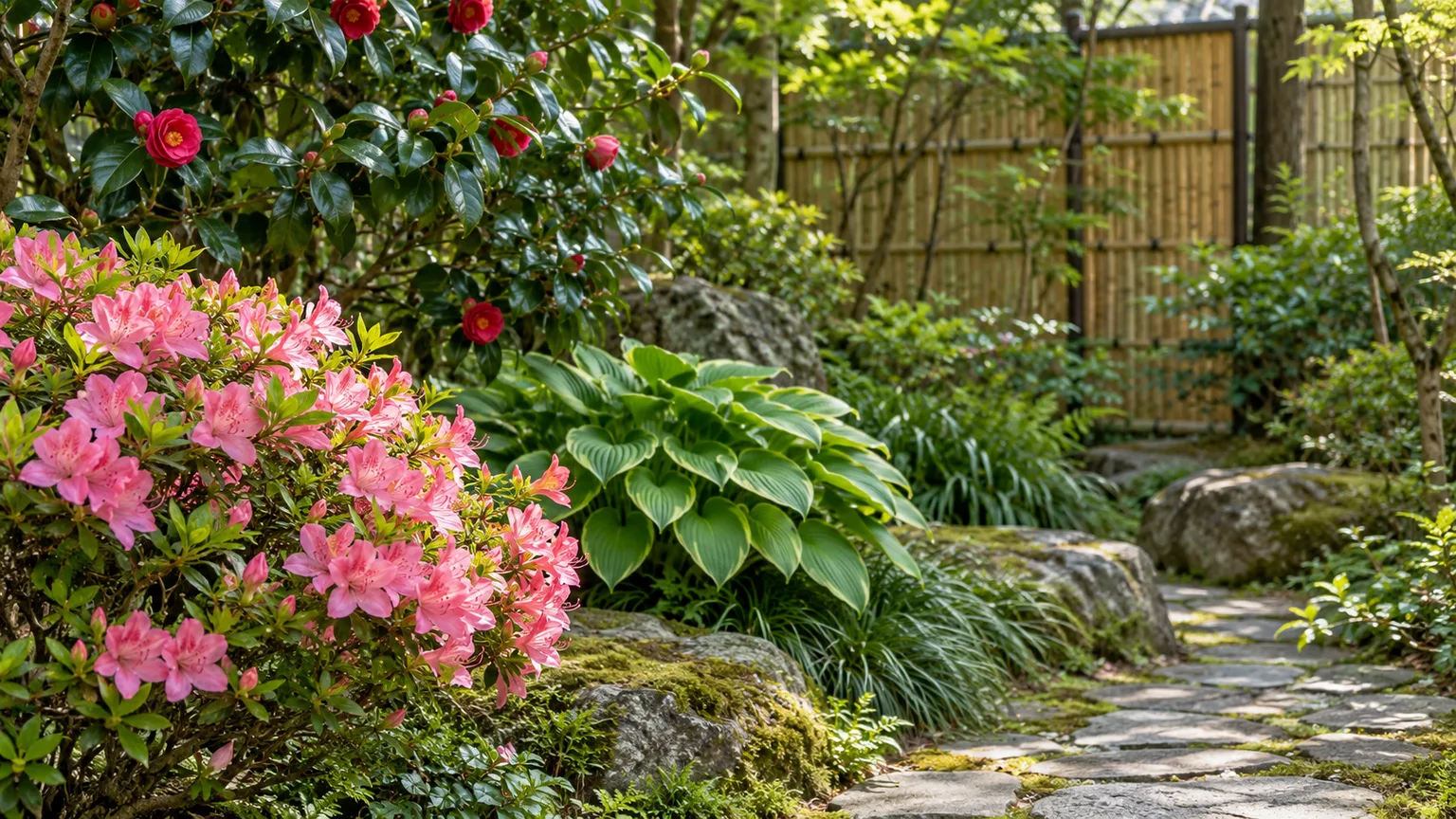
A Japanese-inspired garden is not a checklist of plants with “Japanese” in their common names. The strongest plantings use a few forms that suit the site, then let foliage, shape, and seasonal change do the work. Some selections below are native to Japan; others have broader Asian ranges or are valued because gardeners in Japan have cultivated them for generations.
That distinction matters when you choose plants for a North American yard. A species can be culturally familiar and still be poorly suited to your climate, soil, pond, or available maintenance time. Start with the exact botanical name and your site conditions, then use the nine choices below as a menu rather than a recipe.
What “traditional Japanese plant” means
There is no single botanical category called “Japanese garden plants.” The term can refer to a species native to Japan, a plant selected and cultivated there, or a species that became a recognizable element of a garden style. Those categories overlap, but they are not interchangeable: a plant may be central to Japanese horticulture while also growing naturally elsewhere in East Asia.
The Tokyo Metropolitan Parks and Gardens lists cherry, camellia, azalea, wisteria, hydrangea, Japanese iris, and sacred lotus among traditional garden plants or plants displayed in its public gardens. Its history also records waves of horticultural interest and cultivar development, rather than one timeless, unchanging palette (Tokyo Metropolitan Parks and Gardens). That is a useful way to think about tradition: gardeners shape a living collection over time, and local climate keeps influencing which plants thrive.
Start with your site and maintenance budget
Before buying, mark the hours of direct sun, observe where rainwater stands after a storm, and check whether the soil stays moist or dries quickly in summer. This quick site audit separates plants that want woodland shade, like hostas and many azaleas, from plants that need a long sunny season, like lotus and wisteria. It also prevents the common mistake of trying to solve poor drainage by watering more or to solve summer heat by adding a plant that cannot tolerate it.
Then set a maintenance limit. A small shade garden can be low effort once hostas and shrubs establish; running bamboo or a vigorous wisteria vine can become a recurring containment and pruning job. A pond adds a separate winter question: the plant’s roots must not freeze solid, and vigorous aquatic plants need room or a container that keeps them from overrunning the water feature.
USDA hardiness zones help screen for winter cold, but they do not describe summer humidity, heat, wind exposure, snow cover, or drainage. Use the zone on a plant label as a first filter, then confirm the needs of the exact cultivar with a local nursery or extension service. The USDA Plant Hardiness Zone Map is based on average annual extreme minimum winter temperature; it is not a guarantee that a plant will tolerate every local condition.
Japanese azalea for a spring color anchor
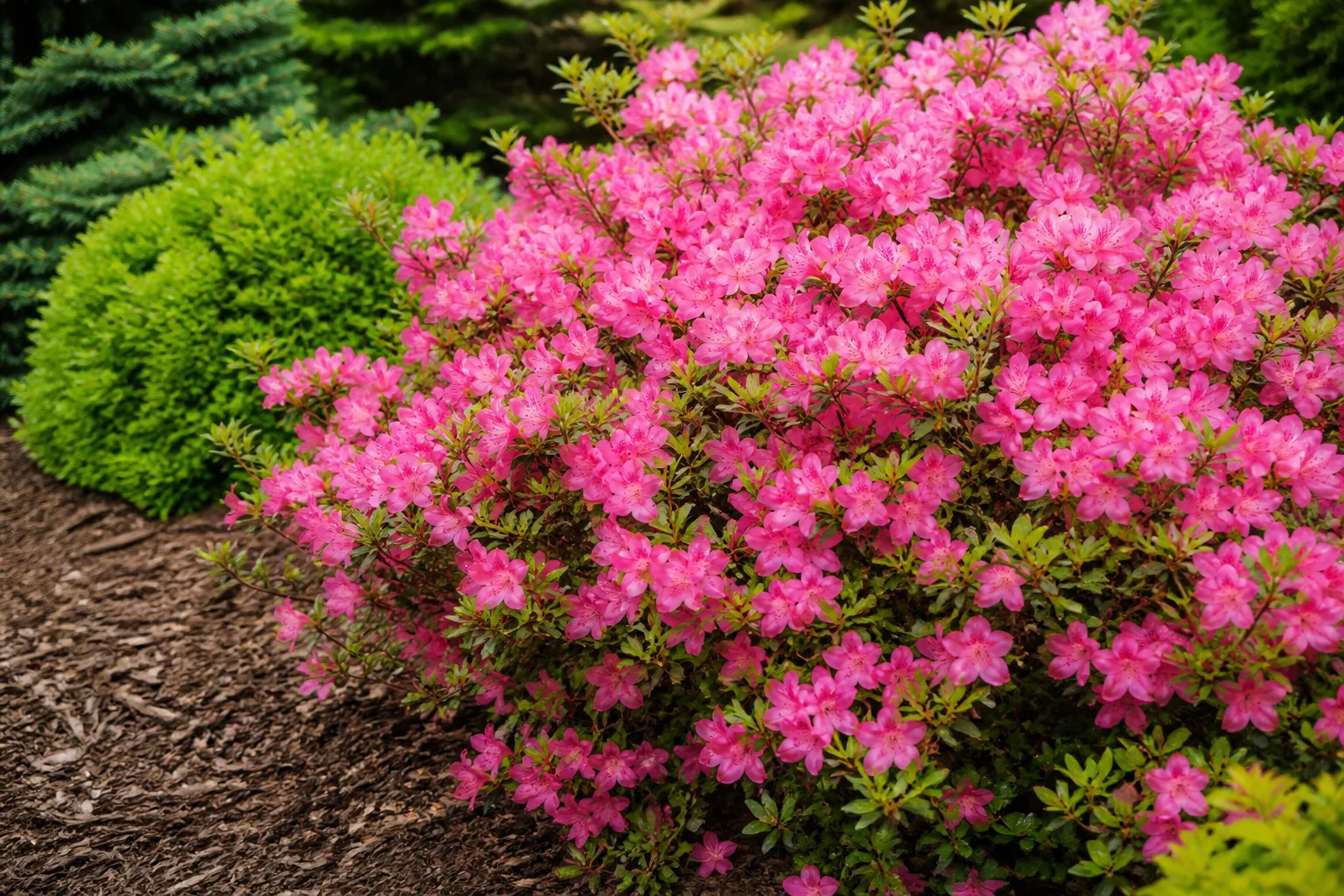
Azaleas have a long history in Japanese gardens, where gardeners have developed many forms and flowering cultivars. “Azalea” covers a large group of Rhododendron species and hybrids, so a nursery tag that says only azalea does not tell you whether the shrub will be evergreen, how large it will become, or how much cold it can take. For a more specifically Japanese look, ask for an evergreen Japanese azalea or a satsuki type, and confirm the cultivar’s mature size and hardiness before planting.
Give most azaleas morning sun or bright filtered light, with protection from hot afternoon sun in warm regions. Their shallow roots do best in moist, acidic soil that drains well; soggy winter soil is a more serious problem than a brief dry spell. If your garden has dense clay, a raised bed or a better-drained site is often more reliable than digging one amended pocket in the middle of impermeable ground. NC State Extension recommends acidic, well-drained soil and dappled shade for azaleas, and suggests setting the root ball slightly high where drainage is a concern (NC State Extension: Azalea).
Plant one shrub as a soft seasonal focal point or repeat a small number in a loose group; avoid shearing every shrub into the same hard sphere unless you are prepared to maintain that shape. Prune just after flowering if you need to reduce size, because later cuts may remove next spring’s flower buds. Azaleas are a good choice when you can provide acidity, steady moisture, and a little shelter, but they are not a shortcut for a dry, sunny, alkaline bed.
Bamboo for a screen, with a containment plan
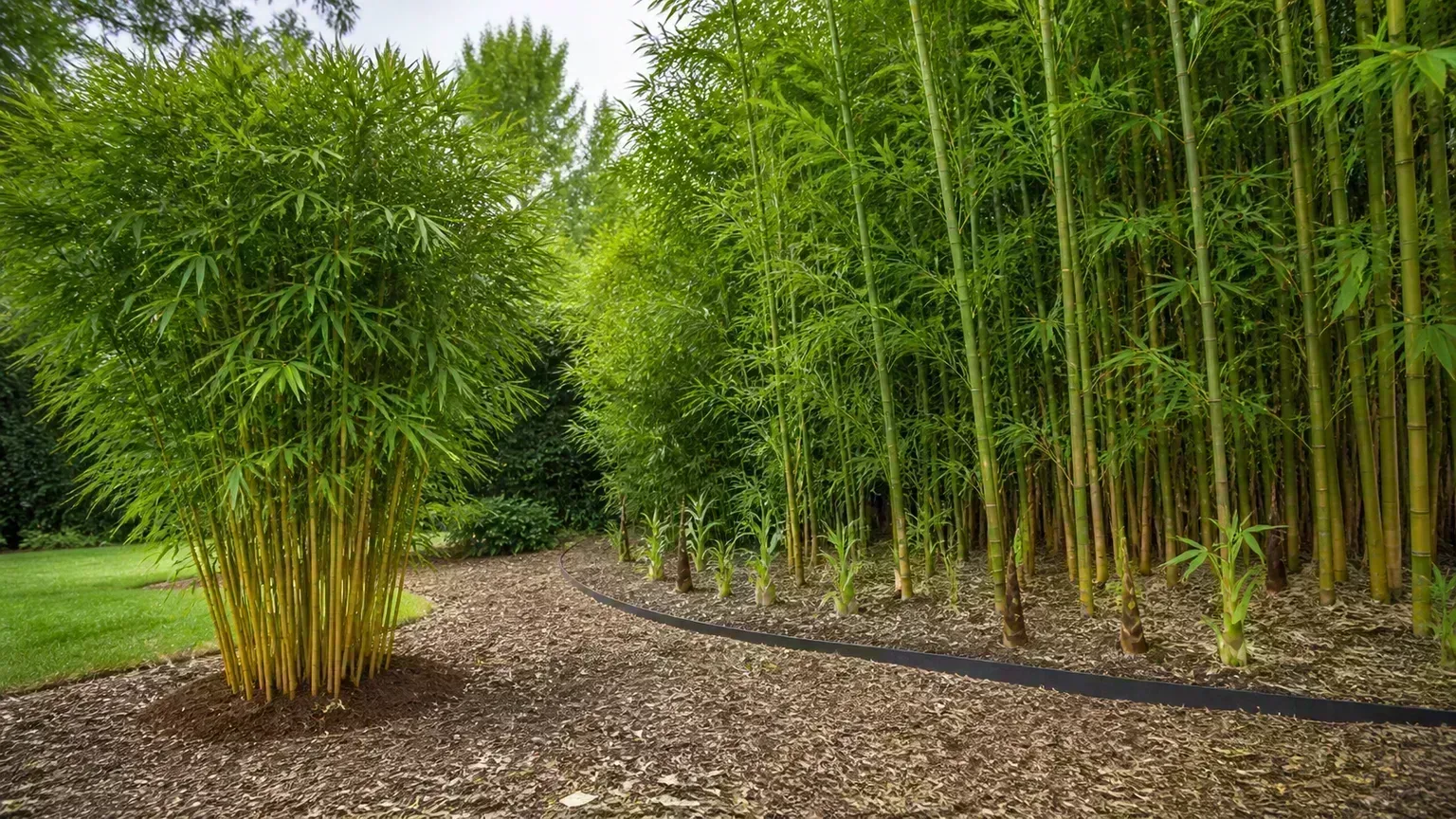
Bamboo contributes vertical lines, evergreen texture, and sound as its leaves move, but “bamboo” is not one predictable garden plant. Tokyo’s Hama-rikyu Gardens list the small bamboo Shibataea kumasaca among their plants, while many familiar Phyllostachys types spread by long-running rhizomes. A clumping species such as Fargesia is usually easier to contain, but many Fargesia species are native to China, so it is a practical alternative rather than proof of Japanese origin (Hama-rikyu Gardens).
If you choose running bamboo, treat containment as part of the planting—not as a repair to consider later. Install a purpose-made rhizome barrier before planting, leave its upper edge exposed according to the manufacturer’s guidance, and inspect it at least once a year for rhizomes that have crossed or climbed over it. A pot can limit spread, but it dries faster, may crack in freezing weather, and can constrict a vigorous plant; it still needs regular root and water checks.
For a compact yard, first ask whether you need bamboo at all. A clumping bamboo, a well-sited evergreen shrub, or a screen made from bamboo fencing may give you the vertical rhythm without the same underground spread. If you want a living screen, check state or county invasive-plant guidance before buying, because the risk depends on species and location. NC State Extension describes golden bamboo, Phyllostachys aurea, as an aggressive, rhizome-spreading plant invasive in North Carolina, while its profile for clumping bamboo notes a more contained habit (golden bamboo; clumping bamboo).
Japanese camellia for evergreen structure
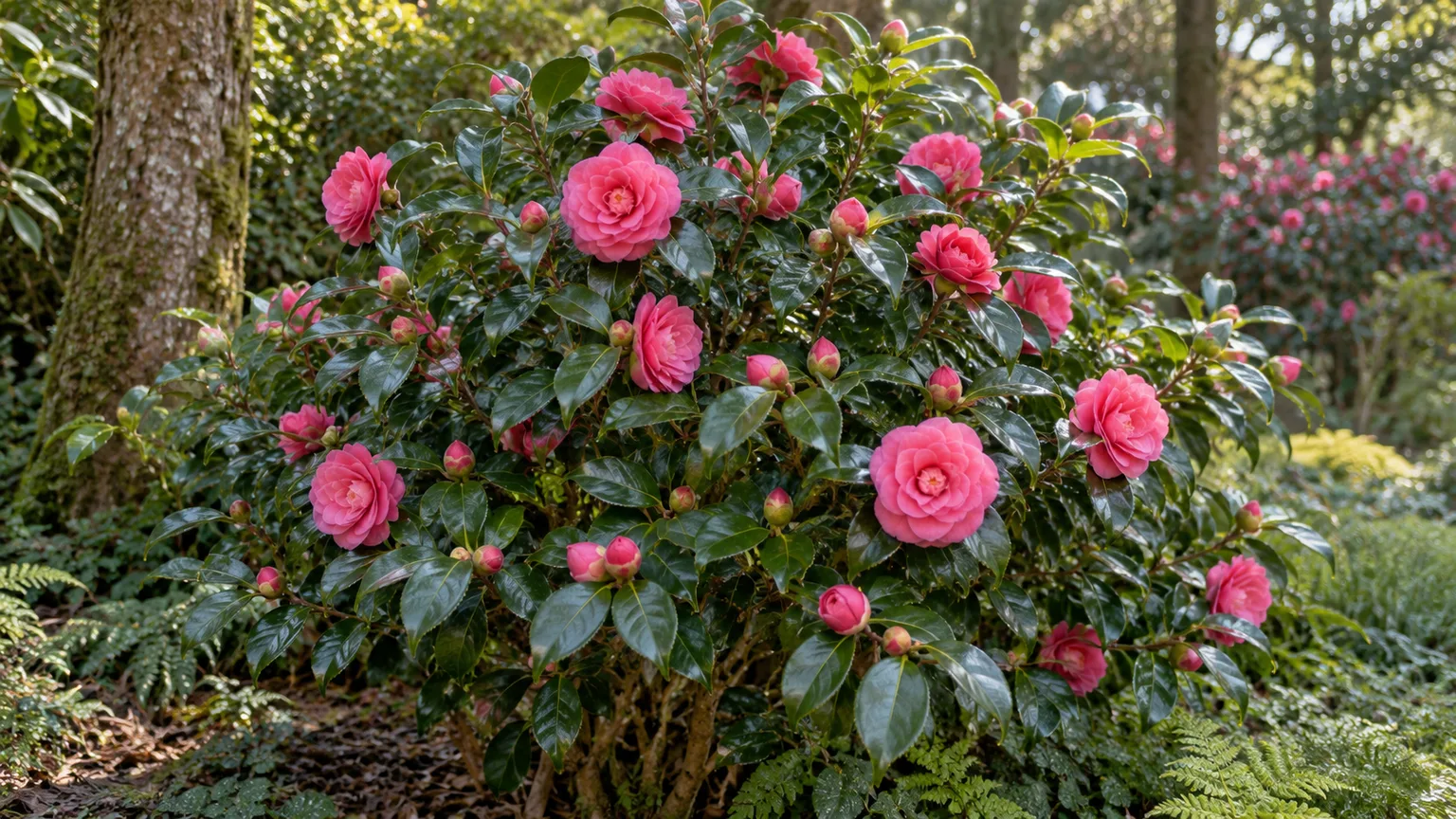
Camellia japonica is native to parts of Japan, China, and Korea, and it has a long horticultural history in Japanese gardens. Its glossy leaves hold their structure through winter, while flowers can open in late fall, winter, or early spring depending on cultivar and climate. That combination makes it valuable in a small garden where one plant needs to look good outside its brief flowering window.
Choose a sheltered, partly shaded location with acidic, organic-rich soil that drains freely. Cold, drying winds can damage flower buds, and a warm spell followed by a hard freeze may ruin open flowers even if the shrub itself survives. Many C. japonica cultivars are best suited to relatively mild winters, commonly around USDA Zones 7–9, but cultivar hardiness varies; colder-climate gardeners should look for a proven hardy selection and protect it from wind rather than assuming the species name guarantees winter survival.
Camellias grow slowly and dislike rough treatment of their shallow roots, so avoid repeatedly digging around their base. Water during establishment and through dry late summer, when next season’s flower buds are forming, but do not leave the root zone waterlogged. If pruning is needed, do it just after flowering; late pruning removes the next crop of buds. The NC State Extension profile notes the species’ shade preference, well-drained acidic soil, slow establishment, and cultivar-dependent flowering window (NC State Extension: Camellia japonica).
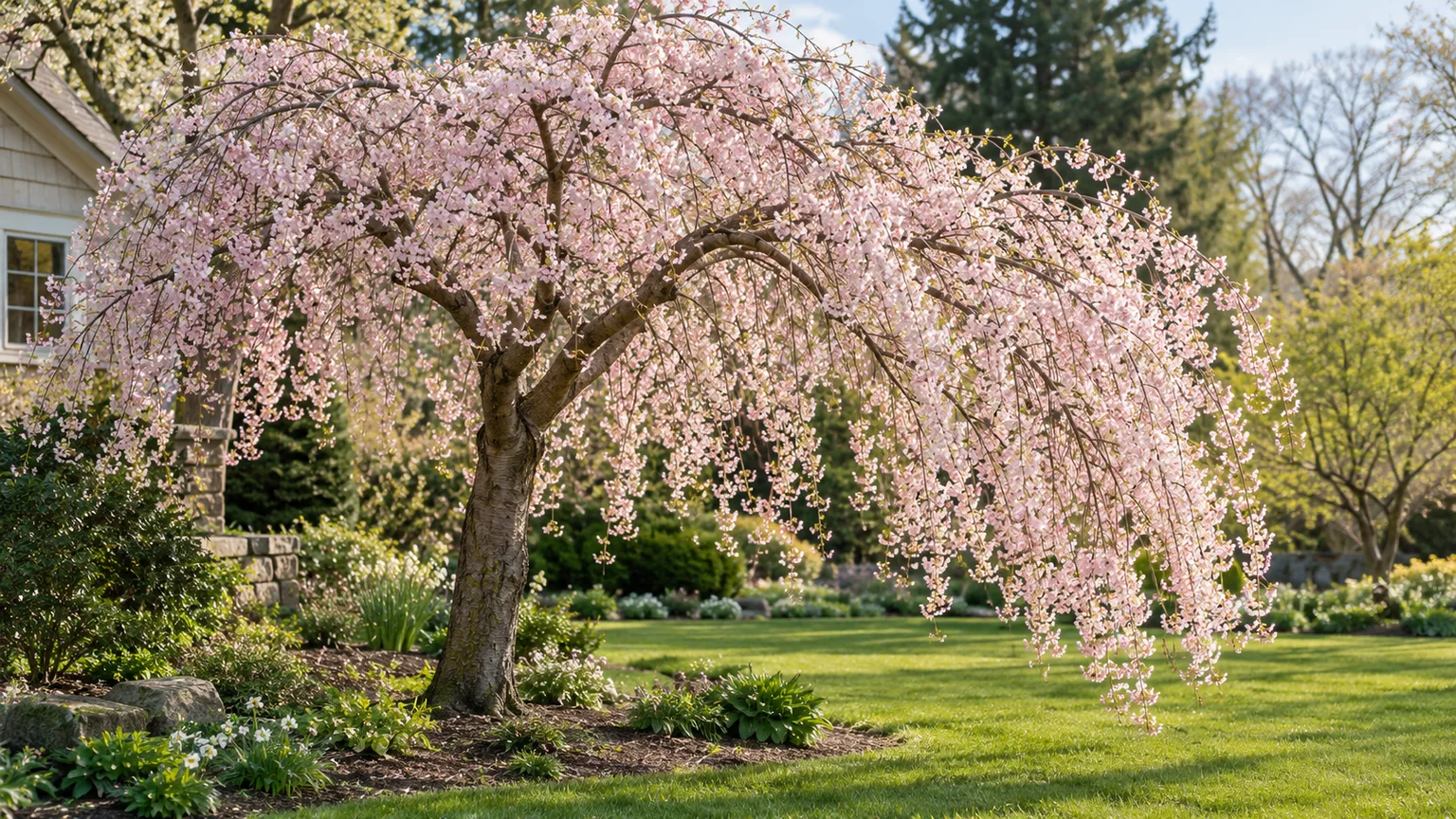
Flowering cherry for a short, dramatic season
Flowering cherries create a strong seasonal moment, but the nursery name “Japanese cherry” can refer to different species, hybrids, and cultivars. Prunus serrulata is one Japanese flowering cherry species; the widely planted Yoshino cherry, for example, is a hybrid. Look for the full botanical or cultivar name, mature height and spread, and local disease record instead of choosing by flower color alone. Tokyo’s public garden records list flowering cherries among the plants in its traditional collections, but those names include cultivated forms rather than one universal cherry tree (Hama-rikyu Gardens plant list).
Most ornamental cherries need full sun, room for airflow, and soil that drains well. Crowding the canopy against a fence or roof can leave the tree with poor airflow and difficult pruning access; planting in a low spot can expose its roots to standing water. Give the tree enough space for its final spread and do not plant it beneath wires or where surface roots will conflict with paving.
Treat bloom as the highlight, not the tree’s only useful season. A healthy tree offers spring flowers, summer shade, autumn color in some cultivars, and branch structure in winter, but ornamental cherries can be susceptible to insect and disease problems. Check which issues are common locally, inspect leaves and bark regularly, and ask an extension service before applying pesticide. The NC State Extension profile of Prunus serrulata lists the species’ ornamental value and notes its susceptibility to pests and diseases.
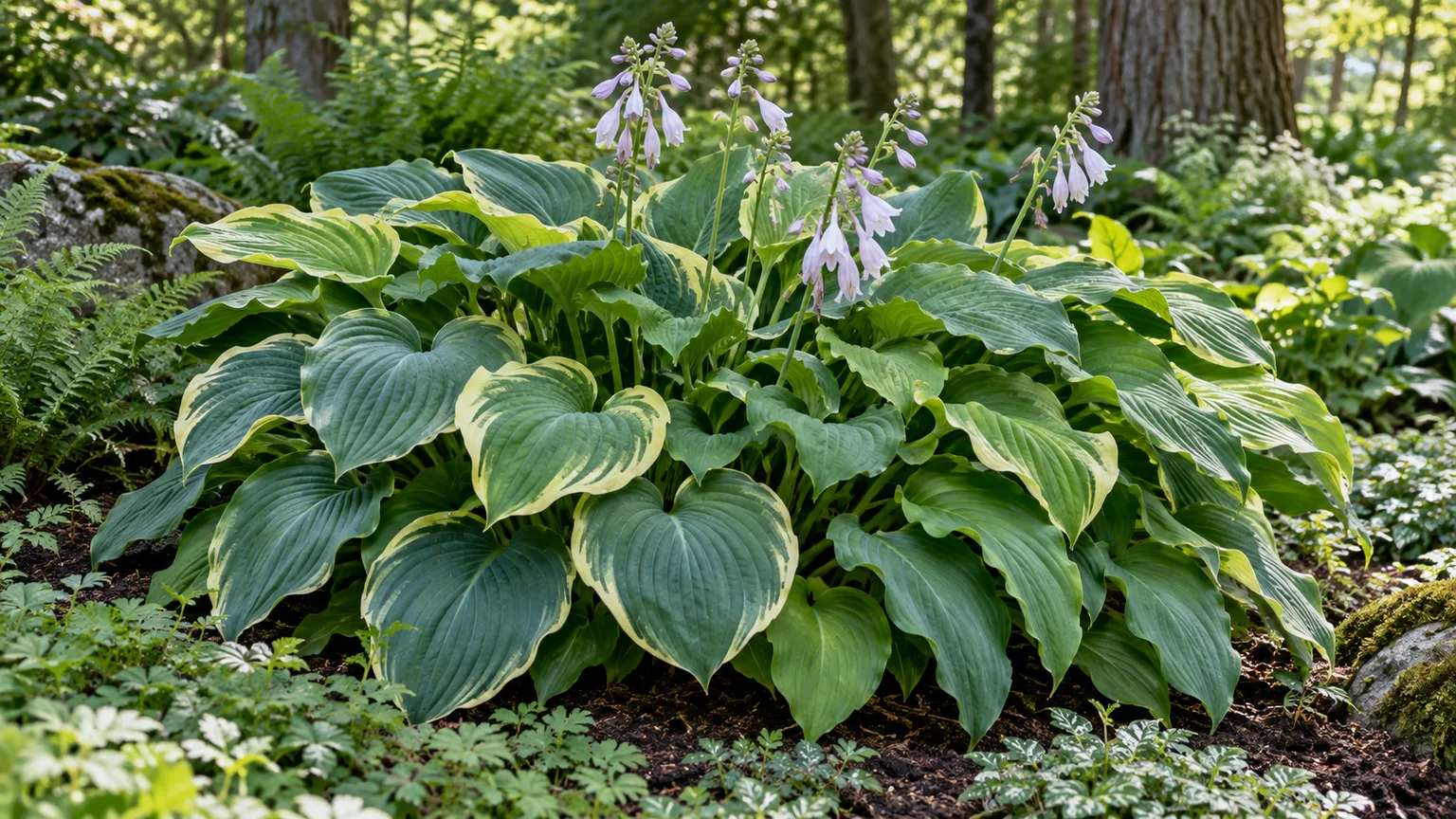
Hosta for shade and leaf texture
Hostas offer the quiet structure that keeps a garden interesting after spring flowers fade. The genus is native across parts of East Asia, including Japan, and Hosta sieboldiana is a Japanese species with broad, often blue-green foliage. Many garden hostas are hybrids or selections, so choose by mature size, leaf color, and light needs instead of assuming every plant sold as a hosta has the same origin or habit.
Most hostas perform best in dappled or partial shade with soil that stays evenly moist but drains well. A small amount of morning sun can improve color on some cultivars, while hot afternoon sun can scorch leaves; blue-leaved types often hold color better in deeper shade. Water deeply during establishment and drought, then use a loose mulch to reduce moisture swings without burying the crown.
The practical downside is browsing: deer and rabbits may treat hosta foliage as food, and slugs often shelter beneath the leaves. If deer visit your yard, plant hostas near a path or seating area only if you are willing to use exclusion or choose another foliage plant. NC State Extension describes hostas as clumping shade perennials, identifies H. sieboldiana as Japanese, and notes both their moisture needs and animal-browsing issues (NC State Extension: Hosta).
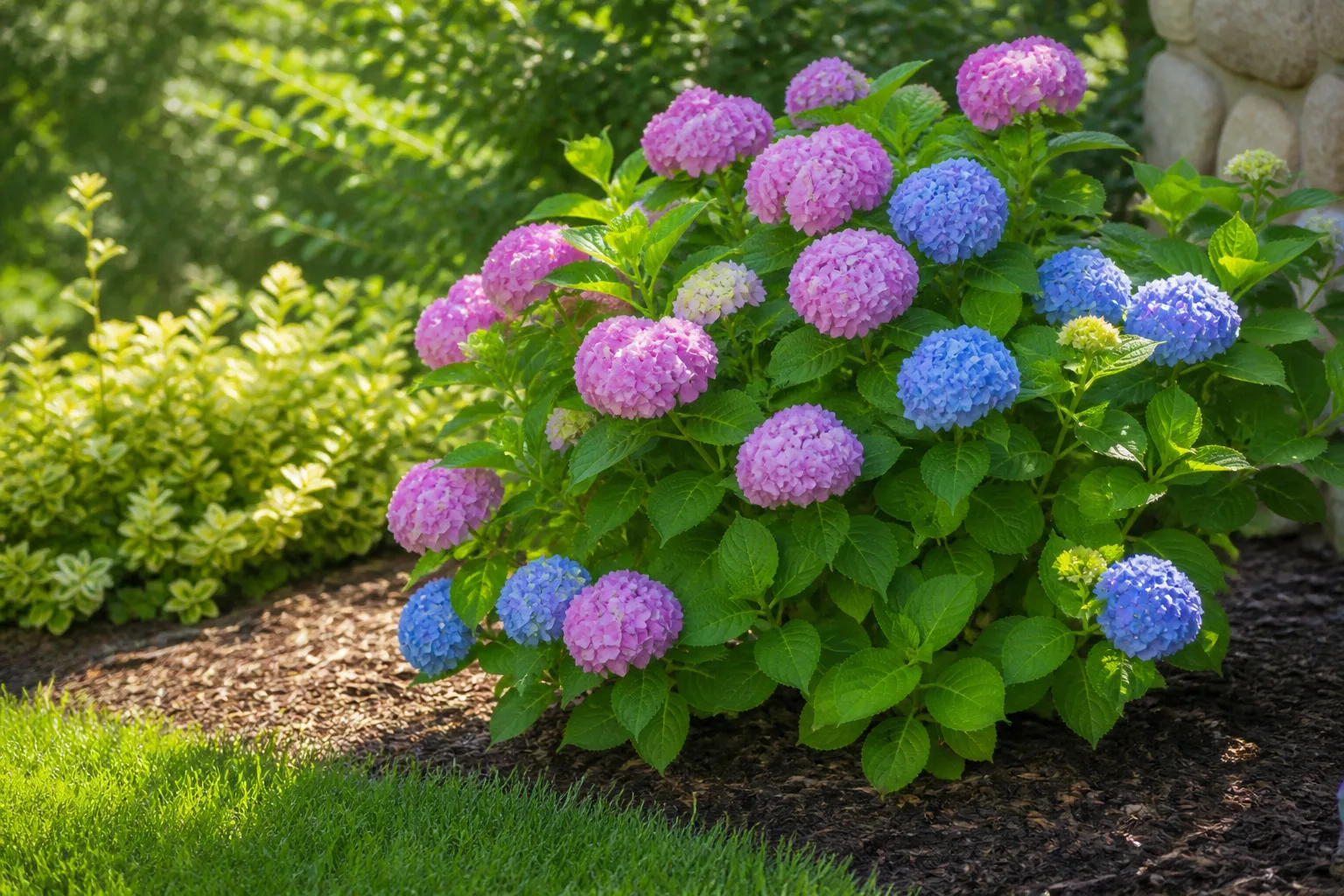
Hydrangea for summer flowers
Bigleaf hydrangea, Hydrangea macrophylla, is native to Japan as well as other parts of East Asia, and Japanese gardens have cultivated hydrangeas for centuries. It is particularly useful for carrying color into early or midsummer, when cherry and many azalea flowers have passed. Choose a lacecap or mophead form according to the scale and look you want, but first check the plant’s mature size and winter hardiness.
Give bigleaf hydrangea morning sun or bright shade and protection from hot afternoon exposure. Keep the root zone consistently moist during dry weather, but avoid a poorly drained hollow where water collects. Flower color may shift with soil conditions in some cultivars: acidic soil with available aluminum tends to support blue flowers, while less acidic conditions often produce pink; white cultivars may remain white. Changing soil chemistry takes time and does not work equally for every cultivar, so treat color as a possibility rather than a guaranteed control.
Many bigleaf hydrangeas bloom on old wood, which means a late hard prune can remove the next season’s flowers. Prune only to remove dead stems or to shape the plant, and do so after flowering unless you know you have a variety that blooms reliably on new growth. NC State Extension describes the Japanese and broader Asian origin, shade preference, color variation, and old-wood blooming habit of H. macrophylla (NC State Extension: Bigleaf Hydrangea).
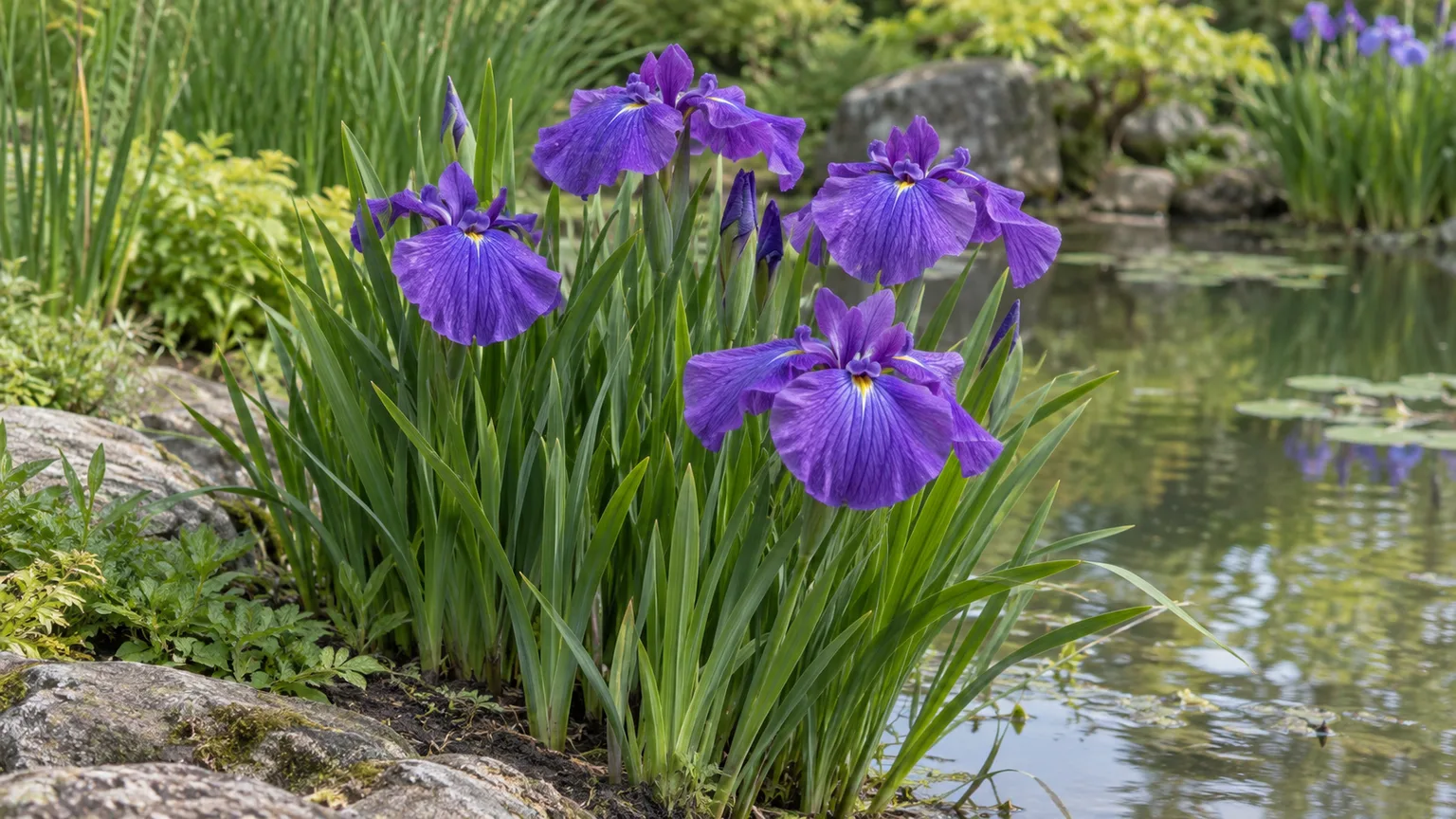
Japanese iris for a damp but drained edge
Japanese iris, Iris ensata, is a strong choice for a rain-garden edge, pond margin, or moist border where its upright leaves can echo the vertical lines of reeds and grasses. The species is native across parts of East Asia, including Japan, and is represented in Japanese public garden collections. Its broad, flat flowers arrive in summer, extending the season after many spring-flowering trees and shrubs finish.
Give it full sun if possible, rich soil, and abundant moisture while it is growing and flowering. Unlike a simple rule to “keep it wet year-round,” the important exception is winter: saturated, cold soil can damage rhizomes. If the site remains waterlogged after autumn, plant in a raised pocket or basket that lets you improve drainage, and divide congested clumps after flowering every few years.
A pond can work, but do not put an iris into deep water just because it is called a water iris. Match the planting depth to the cultivar and local advice, and separate it from plants that will shade it out. NC State Extension notes that Iris ensata tolerates standing water during the growing season but does not tolerate saturated winter conditions (NC State Extension: Japanese Iris). That seasonal distinction is the difference between a flourishing wet-margin plant and a rhizome that rots over winter.
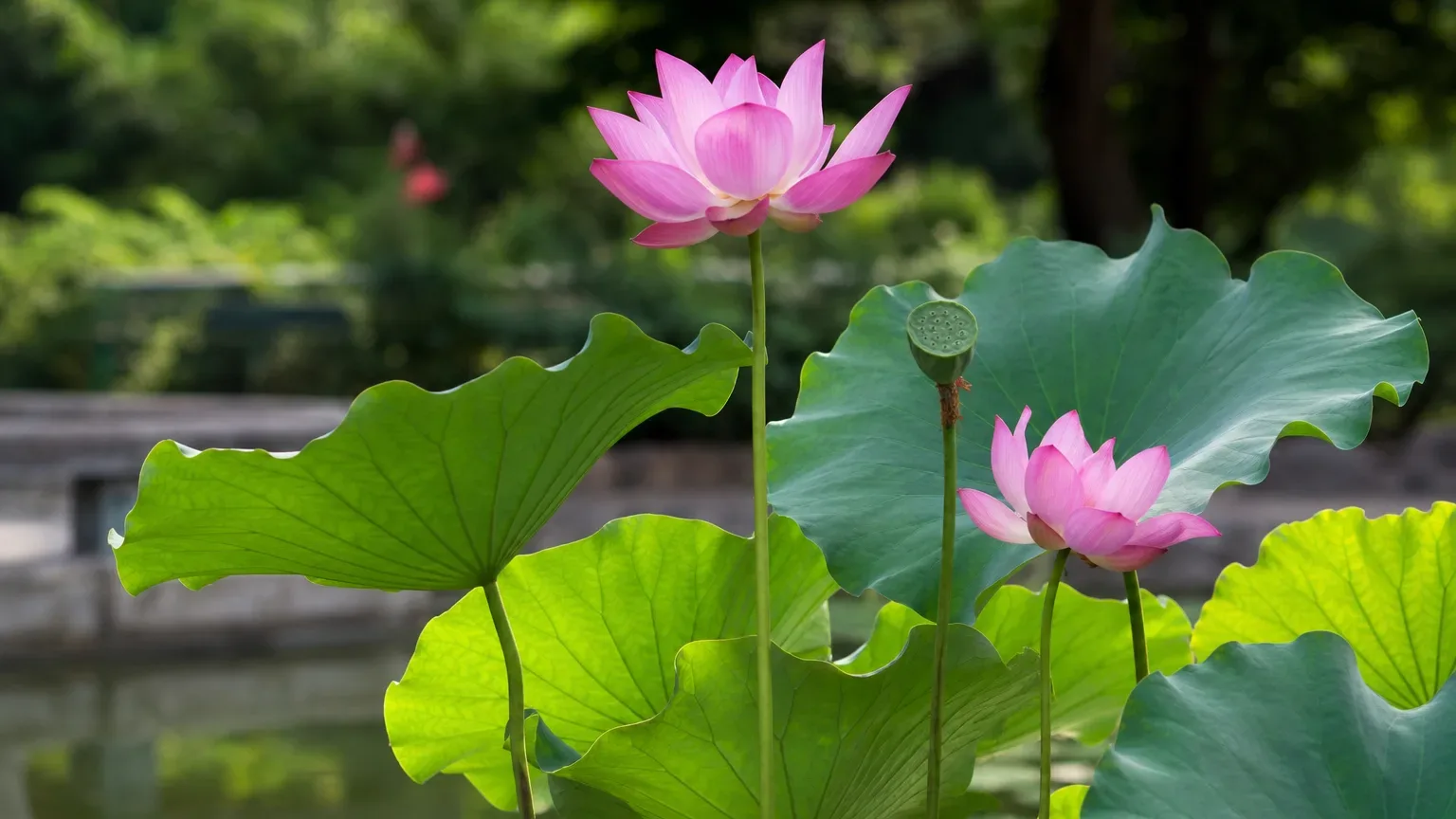
Lotus for a sunny water garden
Sacred lotus, Nelumbo nucifera, is associated with Japanese gardens and has major cultural and religious significance across Asia, but it is not exclusive to Japan. Buddhist imagery and garden traditions give the flower meaning beyond its ornamental role (North American Japanese Garden Association). The Tokyo garden plant list includes sacred lotus among traditional garden plants; that supports its place in the garden, not a claim that the species originated only there. The American lotus, N. lutea, is a different species native to North America and can be a better ecological fit in some regions.
Lotus needs a warm, sunny growing season and a water feature large enough for the cultivar’s leaves and rhizomes. A dwarf selection in a sturdy aquatic basket can fit a large tub or small pond more easily than a full-size plant, but even a compact cultivar is not a tabletop plant. Use heavy aquatic soil rather than ordinary potting mix, which floats and clouds the water, and keep the container from tipping in wind.
Winter is the make-or-break detail in cold climates. The rhizome must stay below the local freeze line or be moved to a protected location; a shallow tub that freezes through can kill the plant. Container culture is useful because it limits spread and makes winter movement possible, but it is still a substantial water-garden project. NC State Extension advises full sun, calm water, and protected rhizomes for N. nucifera, and warns that it can overrun a shallow pond (NC State Extension: Eastern Lotus).
Japanese wisteria for a managed vertical feature
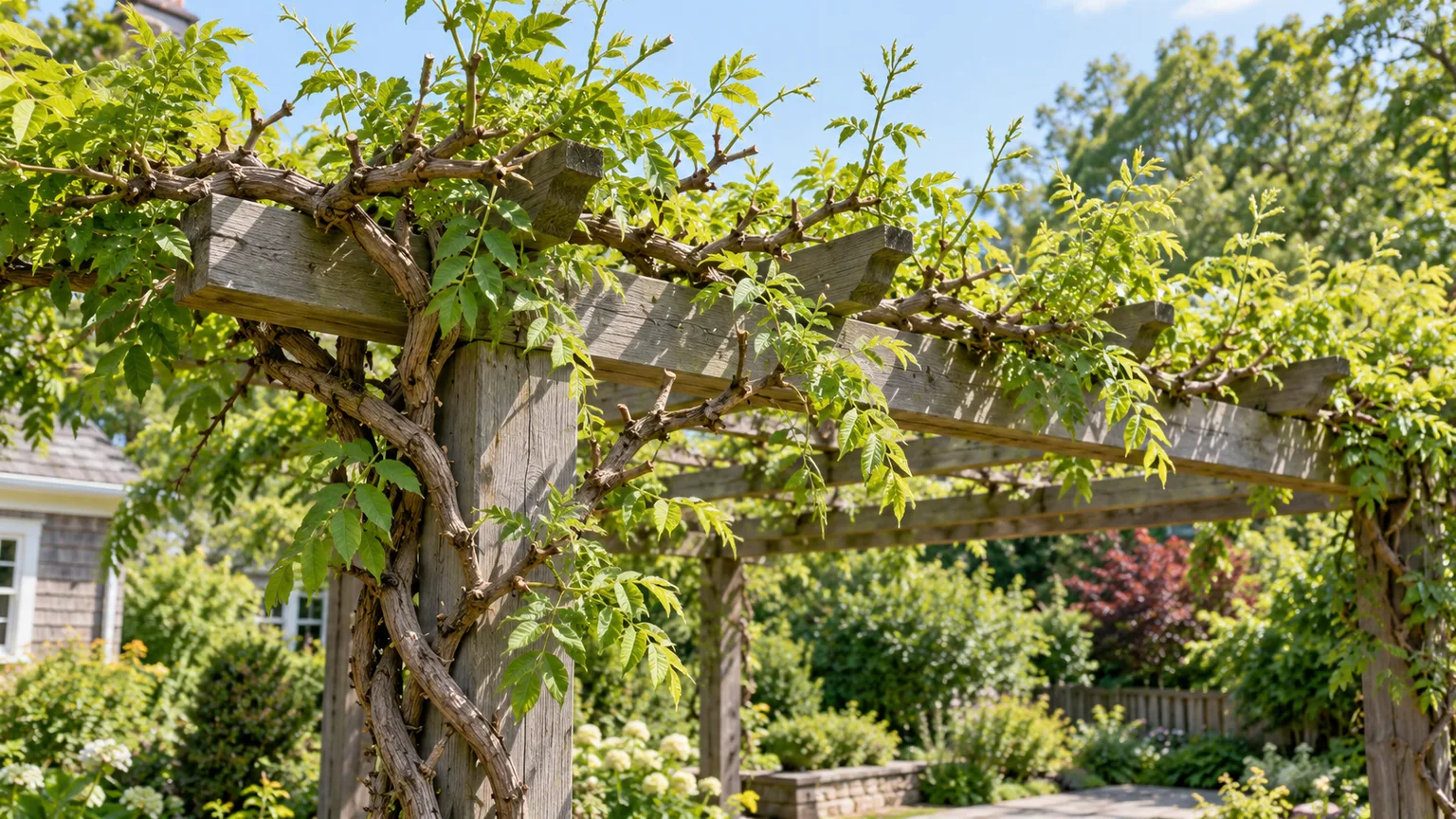
Japanese wisteria, Wisteria floribunda, is native to Japan and produces long, hanging flower clusters that can turn a pergola into a seasonal focal point. The vine needs a structure built for its eventual weight: a light trellis, small fence, or house trim is not an adequate support for a woody vine that thickens over time. Put the support where you can reach it from both sides for pruning, and keep the plant away from gutters, siding, and trees that you want to protect.
Flowering is not immediate. Seed-grown wisteria can take years to mature, while grafted plants or cuttings from flowering stock are more predictable; when possible, buy a plant that has already bloomed so you know the cultivar is mature enough. Plant in sun, keep young plants watered while they establish, and avoid repeatedly adding high-nitrogen fertilizer that favors leaves over flowers.
In North America, the larger issue is spread and maintenance. NC State Extension classifies Japanese wisteria as invasive in North Carolina because of its vigorous growth and surface runners, and warns that seeds are poisonous (NC State Extension: Wisteria floribunda). Regional status varies, so check local invasive-plant guidance before purchase; where Asian wisteria is discouraged, American wisteria (W. frutescens) offers a less aggressive native alternative, although it is not the Japanese species. For an approved wisteria, expect twice-yearly pruning: the Royal Horticultural Society’s guide explains the summer and winter pruning sequence. If you cannot commit to that routine, choose another vertical accent.
Build a seasonal sequence instead of a plant collection
A balanced planting does not need all nine plants. Pick one evergreen or structural anchor, one or two seasonal flowering plants, and one foliage layer, then leave enough open ground for each plant’s mature form. A compact shade garden might pair a camellia with hostas and one azalea; a sunny, larger garden might use a flowering cherry, an iris at a damp edge, and lotus only if a suitable pond already exists.
Think in overlapping seasons rather than making every plant bloom at once. Camellia can provide winter or early spring flowers in mild regions; cherries and azaleas often carry spring; hydrangeas and Japanese irises can contribute summer color; hostas and bamboo hold foliage structure through their growing seasons. Exact timing shifts with cultivar, elevation, and weather, so use local bloom calendars as a guide rather than expecting a fixed week.
Garden designers writing for Homes & Gardens also emphasize foliage, shape, and restraint as useful choices for a Japanese-inspired planting (plant-selection guidance). Apply that advice practically: repeat a few leaf shapes, leave visual gaps between clumps, and let one flowering shrub stand apart instead of filling every empty patch with another species. The result feels calmer and is easier to maintain because each plant has room to reach its natural outline.
Adapt the choices to your climate
In colder regions, start with plants whose roots and flower buds can survive your winter, then consider whether wind and freeze-thaw cycles need protection. Camellias and some hydrangeas may be difficult in exposed northern yards even when their hardiness label appears close to your zone; a sheltered courtyard, building wall, or large container can improve the odds, but containers expose roots to colder temperatures than in-ground plants. A compact hardy azalea or hosta is usually a more forgiving first purchase.
In hot or humid climates, afternoon shade and airflow become more important than a plant’s Japanese name. Azaleas, camellias, and bigleaf hydrangeas may scorch or struggle in full afternoon sun, while Japanese iris and lotus need reliable moisture during summer but still differ in their winter drainage requirements. In dry western climates, prioritize drought management and water availability before adding pond plants or moisture-demanding shrubs.
Check regional advisories for invasive plants before selecting bamboo or wisteria, and do not infer safety from a species being sold at a nursery. Also check mature size and local disease issues for flowering cherries. When you have two otherwise similar options, choose the one supported by local garden trials; a plant that thrives in your climate will create a more convincing garden than a technically correct species that needs constant rescue.
Mistakes that make the planting harder to maintain
The first mistake is shopping by common name alone. Japanese maple, Japanese iris, Japanese camellia, and Japanese wisteria are not interchangeable clues about origin or climate: ask for the full botanical name and cultivar, especially for plants with many hybrids. A label that lists only a genus or trade name may not give you enough information to predict mature size, winter hardiness, flowering wood, or spread.
The second is treating wet soil as one condition. A lotus needs submerged roots, a Japanese iris can take seasonal standing water but wants better winter drainage, and a camellia prefers soil that is moist yet freely drained. Match the plant to how water moves through the site instead of forcing every plant into the same bed and changing the watering schedule to compensate.
The third is planting a high-maintenance feature before deciding who will maintain it. Bamboo barriers need inspection, wisteria needs regular pruning and a strong structure, and lotus needs a winter plan in cold climates. If that work does not fit your routine, choose a simpler substitute—a shrub, a small tree, or a stone and bamboo screen—and preserve the design effect without adding a problem plant.
Conclusion
The best Japanese garden plants are the ones that connect your design idea to the actual light, soil, water, winter, and maintenance available in your yard. Azaleas, camellias, flowering cherries, hostas, hydrangeas, Japanese irises, lotus, bamboo, and wisteria each offer a different texture or season, but they do not share one care plan or one climate range.
Choose the exact species or cultivar first, verify its local fit, and begin with a small, deliberate combination. A few healthy plants with room to mature will give you more seasonal depth and a more convincing garden than a crowded collection of names.



