9 Low-Light Houseplants That Are Easy to Keep Alive
Find nine low-light houseplants that tolerate dim rooms, learn which grow best, and match each to your watering habits, space, and pet-safety needs before you buy.
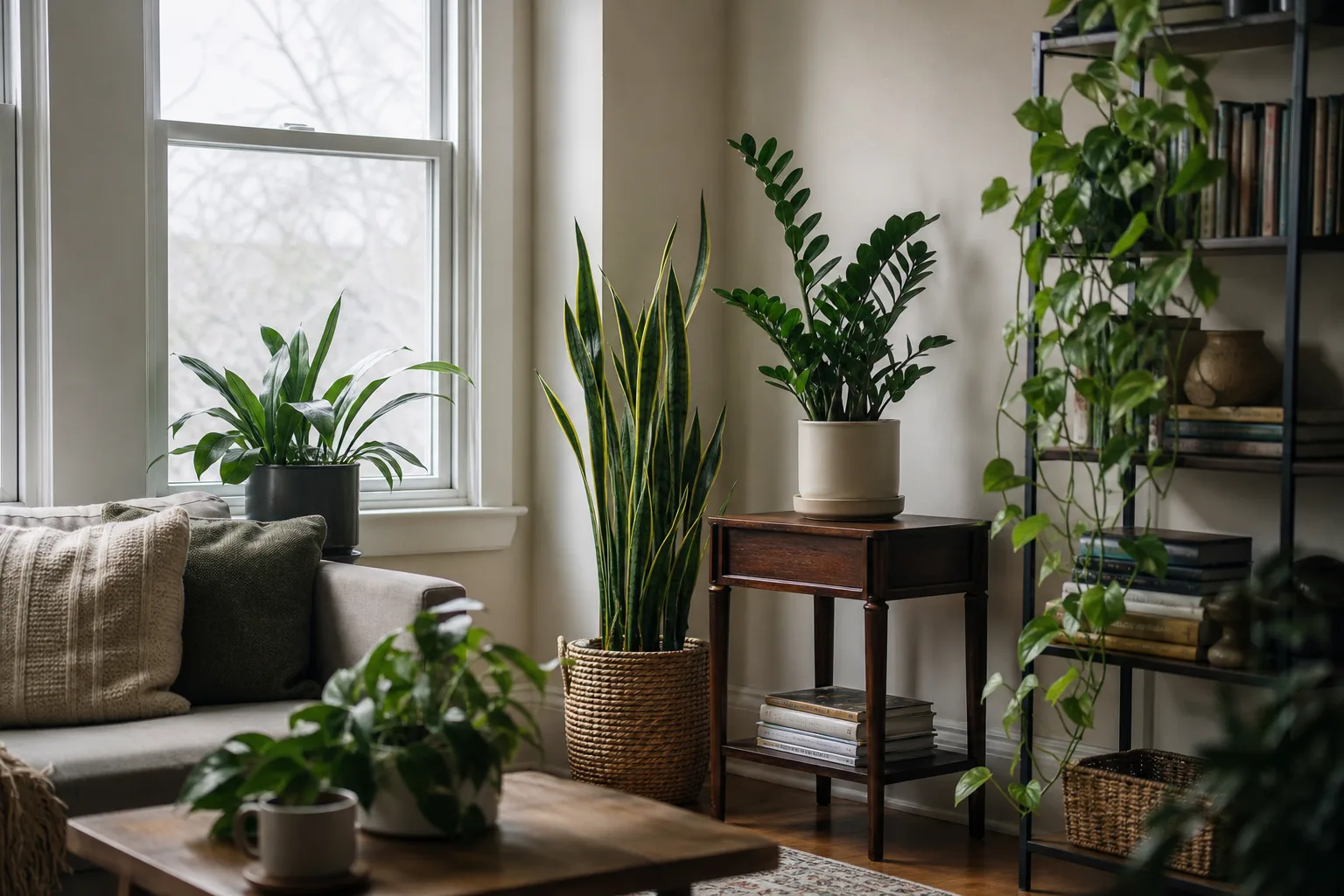
The easiest low-light houseplant is the one that matches both the room and the way you water. A snake plant or ZZ plant suits someone who forgets a watering now and then; a peace lily asks for more frequent checks; a pothos or heartleaf philodendron gives you a trailing shape but may lose some vigor in a dark corner.
“Low light” also needs a reality check. It means less daylight than most foliage plants prefer, not a room with no usable light. Here are nine forgiving choices, what each gives up in shade, and how to keep the slower soil dry-down from turning an easy plant into an overwatered one.
What Low Light Really Means for a Houseplant
In a home, low light usually describes a spot well away from a bright window, an area beside a north-facing window, or a room where another building or porch blocks much of the sun. It does not mean pitch black. If you cannot comfortably read in the spot during the day, a plant may persist for a while, but steady growth will be difficult without a grow light.
There is no single indoor measurement that cleanly sorts every plant into low, medium, and bright light. Penn State Extension calls about 100 foot-candles a common low-light baseline and describes a snake plant receiving readings as low as 25 foot-candles; Epic Gardening uses an approximate 25–100 foot-candle range, or 270–1,000 lux. Those ranges are guides, not promises: the reading changes with the season, window, weather, and exact position of the leaves. (Penn State Extension; Epic Gardening)
The practical distinction is between surviving and growing well. A shade-tolerant plant may keep its leaves in a dim room while producing little new growth, stretching toward the window, losing leaf pattern, or flowering less. Wisconsin Extension notes that easy houseplants still differ in their preferred light: pothos does best in filtered medium light, while spider plants prefer medium to bright light, even though both are often described as adaptable. (University of Wisconsin–Madison Extension)
Choose the brightest spot that suits the plant rather than the darkest corner you can find. A north-facing window can still provide useful daylight close to the glass; distance matters because light drops quickly as you move into the room. If the only available location has no window, plan on an appropriate plant light instead of expecting a “low-light plant” to live on room lighting alone.
The Nine Low-Light Houseplants That Forgive Beginner Mistakes
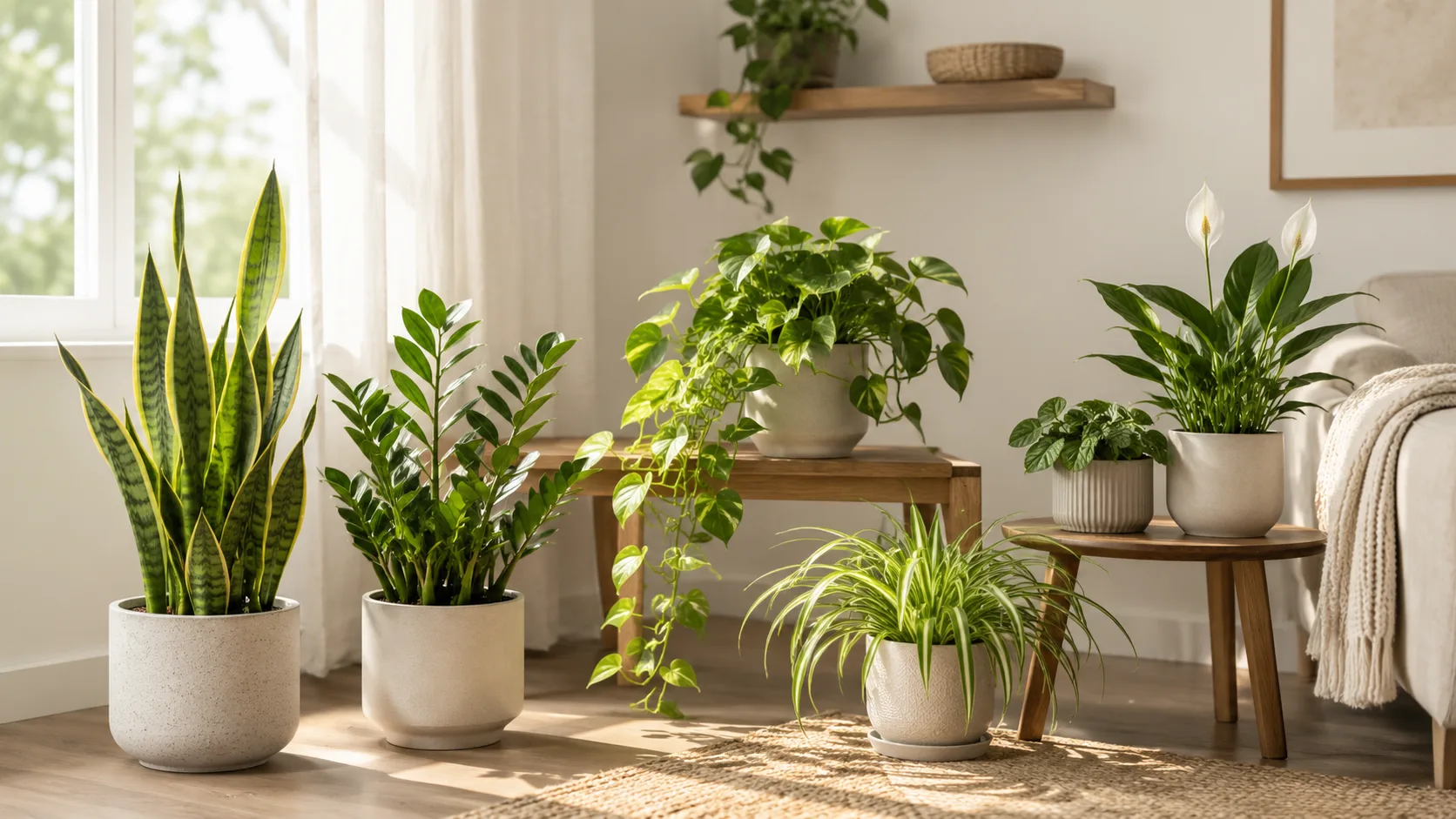
These picks tolerate lower light better than many decorative houseplants, but they are not interchangeable. Their biggest differences are how wet they prefer their soil, whether their foliage needs brighter light to keep its color, and how much growth to expect in a shaded room.
1. Pothos: A Trailing Vine for Dimmer Shelves
Pothos (Epipremnum aureum) is a useful first choice when you want a trailing plant that can handle a range of indoor conditions. For a dimmer room, choose a mostly green variety such as Jade or a solid green pothos: heavily variegated leaves generally need more light to keep their contrasting pattern, and the plant may grow more slowly as the light falls.
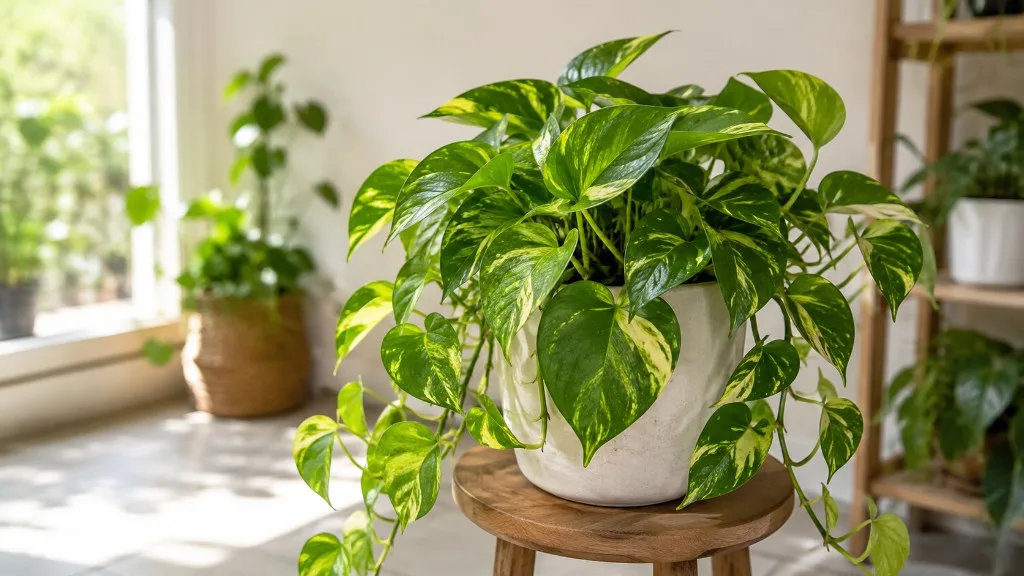
Let the top layer of potting mix dry before watering, then soak the root ball and let excess water drain away. Pothos is forgiving of an occasional missed watering, but it is not forgiving of a pot that stays wet. In a low-light spot, the mix takes longer to dry and the vine may make longer gaps between leaves; move it closer to daylight if those gaps keep increasing rather than trying to correct slow growth with extra fertilizer. Penn State Extension notes that darker green types are better candidates for dimmer positions than more variegated cultivars. (Penn State Extension)
2. ZZ Plant: A Patient Choice for Infrequent Waterers
The ZZ plant (Zamioculcas zamiifolia) stores water in thick underground rhizomes and firm leaf stalks, which is why it is better suited to a forgetful owner than to someone who waters every time they walk past. Its glossy, upright leaves look tidy on a desk or in a living room, and it can remain presentable in lower light while growing very slowly.
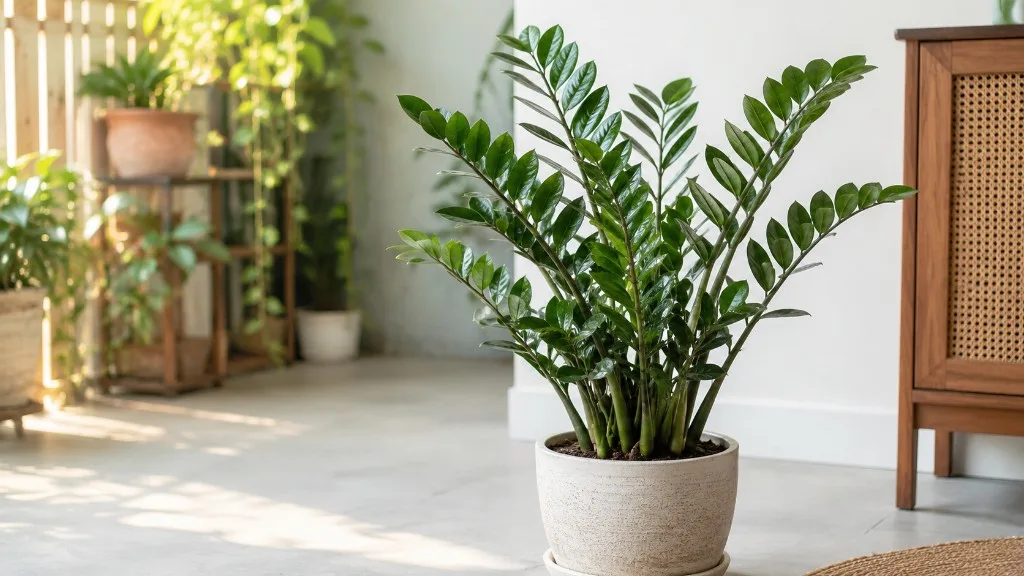
Wait until the potting mix has dried substantially before watering, and do not leave the pot standing in a saucer. In a bright room, a ZZ may send up new stems; in a darker location, it may sit unchanged for long stretches. That is not a signal to water or feed more. If stems begin to lean or spread toward the window, rotate the pot occasionally and consider moving it to a brighter indirect-light position.
3. Snake Plant: Upright, Adaptable, and Slow to Dry
Snake plants (Dracaena trifasciata, still widely sold under the name Sansevieria) suit narrow floor spaces and owners who prefer a structured plant over a vine. Their thick leaves and underground rhizomes allow them to tolerate dry spells, and University of Georgia Extension describes them as adaptable across very low to bright indirect light. Growth will be more active in brighter conditions, but they can remain attractive in a shaded room. (University of Georgia Extension)
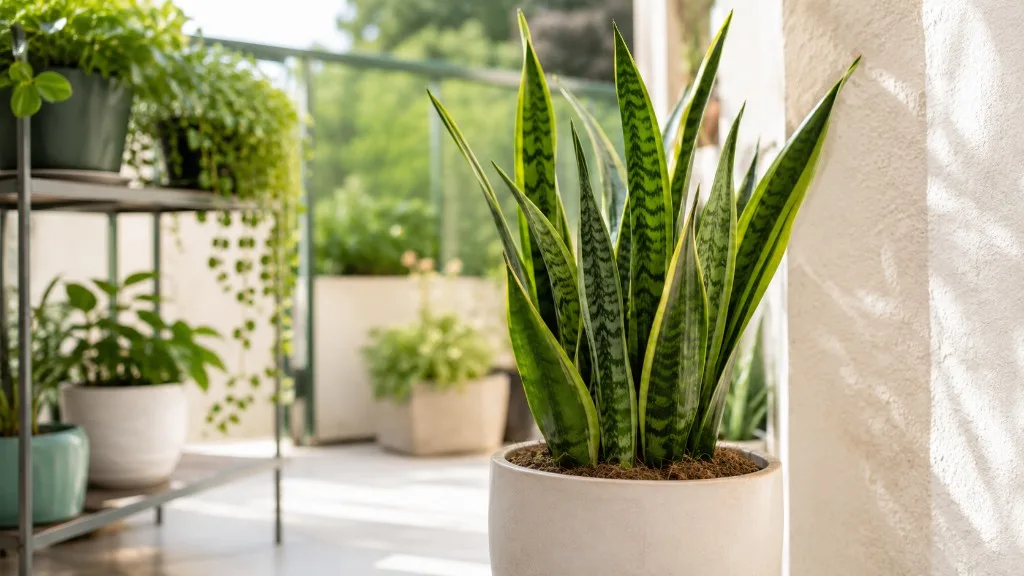
Let the soil dry well before watering again; soggy mix is a much more common problem than a short dry spell. Use a pot with drainage and avoid moving a plant straight from a dark corner into strong direct sun, which can scorch foliage that has not acclimated. If your snake plant does not make new leaves for months in winter, that can reflect low light and seasonal slowdown rather than an immediate care failure.
4. Dracaena: A Tall Plant with Several Easy Forms
“Dracaena” covers several houseplants, from the upright dragon tree to dark-leaved ‘Janet Craig’ types and lucky bamboo (Dracaena sanderiana). They differ in shape and growing setup, so choose by the mature form you want and check the plant label. For a dimmer room, solid or darker green foliage is usually a safer bet than a strongly striped or colorful cultivar.
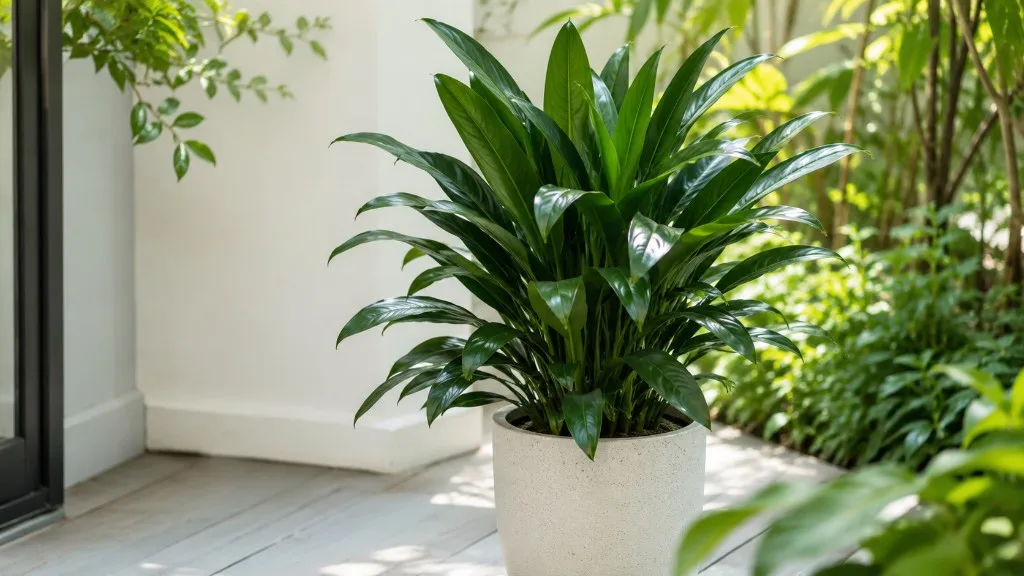
Give a soil-grown dracaena a pot that drains and let the surface begin to dry before watering. Expect slower growth and less pronounced color in a very dim spot; a tall specimen may stay alive without quickly filling out. Lucky bamboo is often grown with its roots in water, which is a different routine from a potted dragon tree, so do not apply one plant’s watering instructions to every dracaena. Penn State Extension describes lucky bamboo as a shade-tolerant dracaena and notes that some foliage becomes greener in lower light. (Penn State Extension)
5. Spider Plant: Adaptable, with a Color Trade-Off
Spider plants (Chlorophytum comosum) bring arching, narrow leaves and can adapt to less-than-ideal light. They often survive a dimmer position, but their variegation may be less crisp and they may produce fewer of the small plantlets that hang from mature stems. If you want a full basket of babies or bright striping, give the plant a brighter indirect-light position.
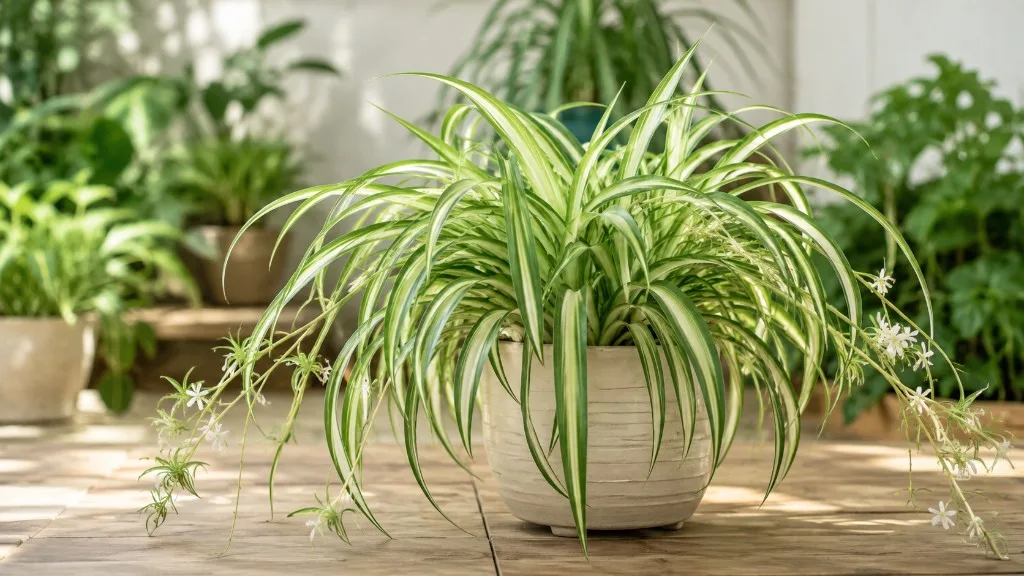
Water when the upper part of the mix has started to dry, then allow the pot to drain completely. Do not mistake the plant’s tolerance for shade for a preference for deep darkness: steady growth and new plantlets are more likely when daylight is stronger. The Royal Horticultural Society and Wisconsin Extension both place spider plants in brighter conditions for best growth, while practical low-light guides describe them as adaptable with reduced vigor. (University of Wisconsin–Madison Extension; Epic Gardening)
6. Purple Heart: Best Where Some Daylight Reaches It
Purple heart (Tradescantia pallida) is the conditional choice on this list. Its trailing purple stems and leaves add color, but it is not the plant to reserve for the darkest corner if you want that color to stay intense. In weaker light, growth can become looser and the foliage may look greener; brighter filtered light helps maintain the purple tones.
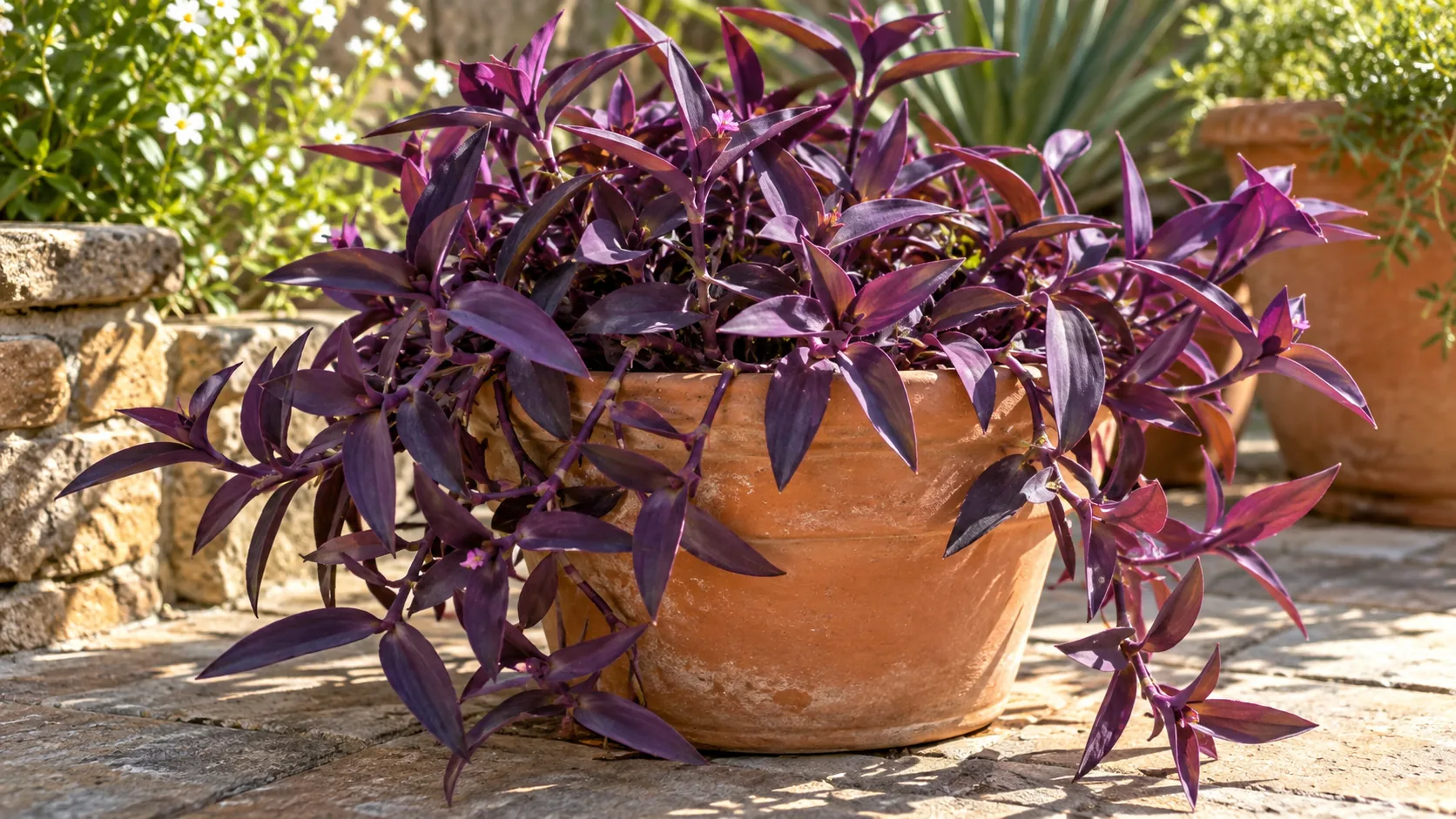
Place it near a bright window where it receives filtered or partial light, and let the pot drain after watering. The RHS lists full sun to partial shade for this species and recommends bright filtered light for indoor cultivation, which supports treating it as a brighter-room option rather than a deep-shade workhorse. If a low-light location is non-negotiable, choose a snake plant, cast-iron plant, or ZZ plant instead. (Royal Horticultural Society)
7. Cast-Iron Plant: The Slow-Growing Shade Tolerator
Cast-iron plant (Aspidistra elatior) earns its reputation through durable, dark green leaves and a willingness to grow where fussier foliage plants struggle. It is a good match for a shaded room if you want a leafy floor or table plant without frequent pruning. The trade-off is pace: it grows slowly, so it will not quickly turn an empty corner into a full display.
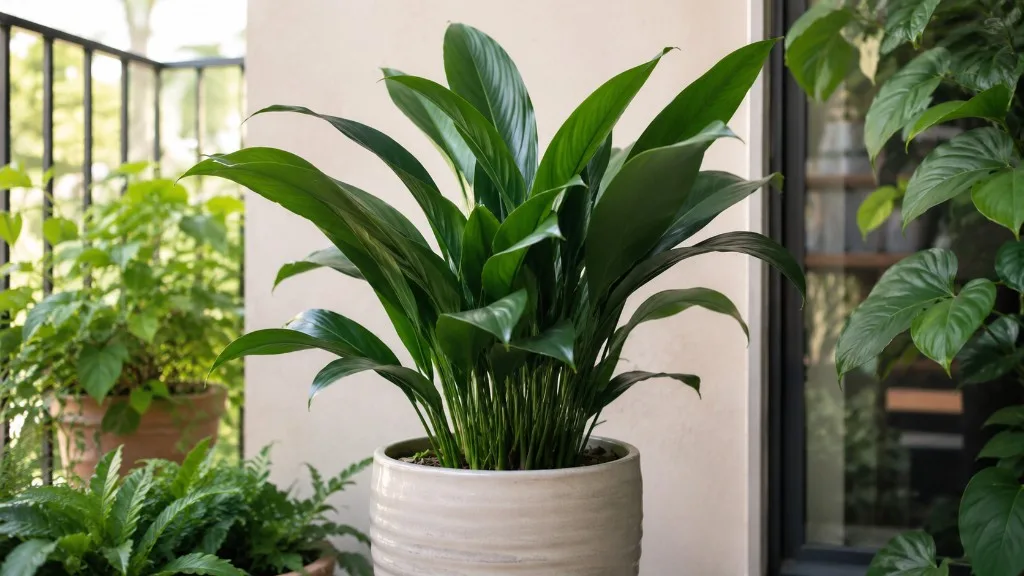
Allow the potting mix to dry somewhat between waterings and keep it out of harsh direct sun. Low light means the soil stays damp longer, so a weekly watering routine can cause trouble even for a tough plant. A cast-iron plant is best when you can accept slow, steady growth and want foliage that stays simple and green rather than flowers or bold variegation.
8. Peace Lily: Forgiving Foliage, Fewer Flowers in Shade
Peace lilies (Spathiphyllum) can keep their glossy foliage in a lower-light room, which makes them a useful choice if you prefer a broad-leaved plant. The compromise is bloom production: the plant is much less likely to make its familiar white spathes when light is very low. If flowers matter, give it brighter indirect light rather than treating “low-light tolerant” as “flowering in any corner.”
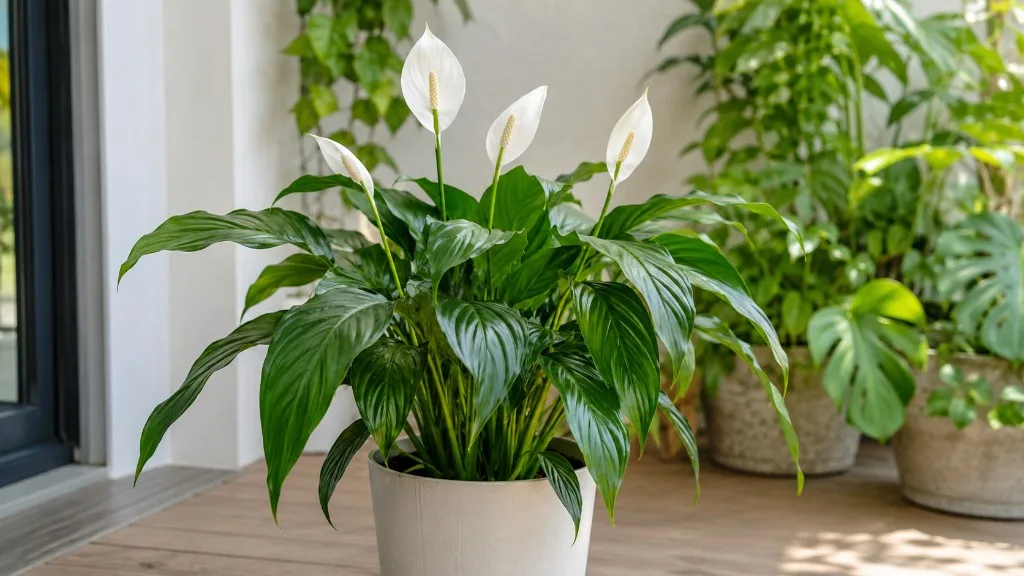
Unlike the ZZ plant and snake plant, a peace lily should not be left to dry out completely again and again. Check the upper soil and water when it begins to dry, then empty the saucer. It may droop when thirsty, but that dramatic signal is not a good watering schedule; in a darker room it uses water more slowly, so check the soil before responding. Epic Gardening notes that a peace lily can retain foliage in lower light but is unlikely to flower well there. (Epic Gardening)
9. Heartleaf Philodendron: A Simple Green Trailing Plant
Heartleaf philodendron (Philodendron hederaceum) gives you a trailing look similar to pothos and tolerates less light than many colorful philodendron cultivars. Choose a plain green form for a dimmer room; patterned, pink, or otherwise variegated types generally need stronger light to retain their best color. It is a better pick for a shelf or hanging planter than for someone who wants a compact, upright silhouette.
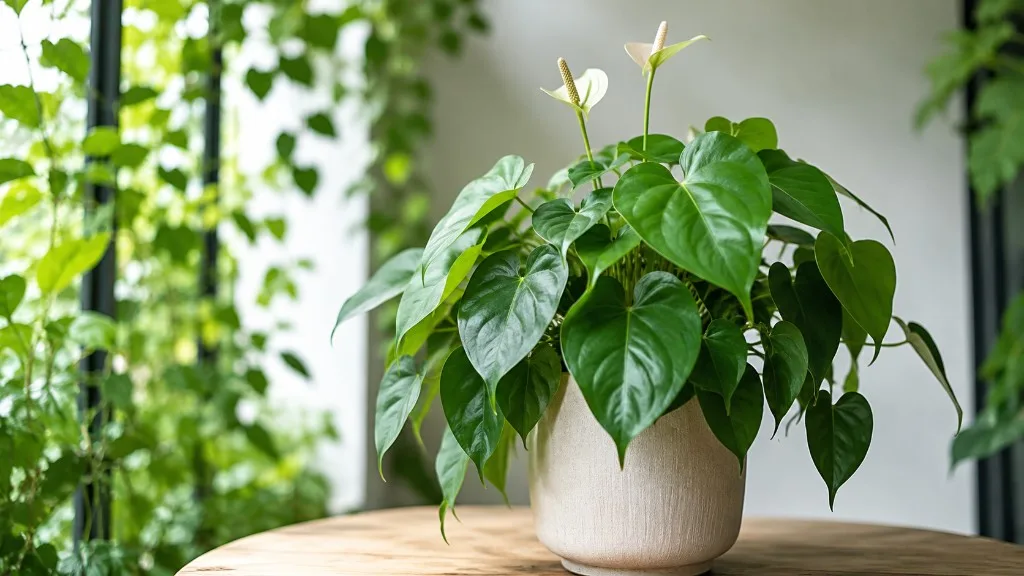
Let the top of the mix dry slightly before watering and trim vines if they become sparse or longer than the space allows. In low light, expect fewer new leaves and a slower-drying pot; do not compensate by keeping the soil constantly damp. Gardeners’ World describes philodendron species that enjoy shade, while low-light care guidance favors plain dark green foliage over variegated forms. (Gardeners’ World; Epic Gardening)
Choose a Plant for the Room You Actually Have
Start with the room’s daylight and your own habits, not the plant’s reputation online. If your spot is far from the window but still bright enough to read in, a cast-iron plant, snake plant, or ZZ plant is a more reliable starting point than a colorful, flowering, or fast-growing choice. If the room gets useful indirect daylight and you want a trailing shape, compare pothos with heartleaf philodendron.
| If you want… | Start with… | Expect… |
|---|---|---|
| A plant that can go longer between waterings | ZZ plant or snake plant | Slow growth in dim rooms; soil must dry between drinks |
| A leafy plant for a shaded corner | Cast-iron plant | A durable but slow-growing display |
| A trailing vine | Green pothos or heartleaf philodendron | Longer gaps between leaves if the spot is too dim |
| A plant with possible flowers | Peace lily | Foliage may persist in shade, but blooms need more light |
| Purple foliage | Purple heart | Brighter filtered light is needed to keep the color strong |
For a room with a north-facing window, try the plant close to the window first and move it back only if the leaves show stress or the spot is inconvenient. In a room with a single small window, use the brightest area for the plant that needs color or flowers, then place the tougher, solid-green options farther away. A window direction is only a starting clue; trees, neighboring buildings, curtains, and the distance from the glass change what reaches the leaves.
Check Pet Safety Before You Choose
Low-light suitability and pet safety are separate questions. ASPCA guidance lists pothos, peace lily, philodendron, ZZ plant, snake plant, and dracaena among houseplants that can cause problems if chewed; its houseplant guidance also cautions that spider plant ingestion may cause mild gastrointestinal irritation. Do not assume a plant is safe because it is common, sold as beginner-friendly, or given a different common name at the store. (ASPCA Animal Poison Control Center)
If a cat or dog lives with you, check the exact botanical name on the pot against the ASPCA plant database before bringing the plant home, and place it where the animal cannot reach or chew it. Common names can refer to different species, and “pet-friendly” does not mean edible. If an animal eats a plant and develops symptoms, contact a veterinarian or animal poison-control service and provide the plant name or a clear photo.
Change Your Care Routine With the Light
The most useful adjustment for a dim room is usually less frequent watering, not more fertilizer. Plants use water as they grow, and growth generally slows when light is limited; a pot that dried on a seven-day cycle beside a bright window may stay wet much longer several feet back. Check the soil and pot rather than carrying over the same routine from a sunnier spot.
Water by Soil Dryness, Not a Weekly Reminder
Use the plant’s needs as a guide: let the mix dry more thoroughly for a ZZ plant or snake plant, and allow only the upper layer to dry for a peace lily or leafy vine. Push a finger into the mix or lift the pot to judge whether it is still heavy and damp. When the plant is ready, water the whole root ball until excess drains out, then empty the saucer so roots are not left in standing water.
Drainage matters more when light is weak because wet soil takes longer to dry. A pot without drainage, an oversized container, or dense soil can hold moisture around the roots long after the surface looks dry. If the pot stays wet for many days, do not add fertilizer or water again; first check that the container drains and move the plant to a brighter position if possible. Wisconsin Extension identifies overwatering as a common threat even for durable houseplants such as snake plants. (University of Wisconsin–Madison Extension)
Read New Growth Before Changing Several Things
Slow growth alone does not mean a low-light plant is failing. Compare the plant with a photo from a month earlier and look for new leaves, longer gaps between leaves, leaning stems, fading patterns, or a repeated loss of older foliage. A little seasonal pause is normal; a plant that keeps stretching toward the window or losing its characteristic pattern is telling you that the light level is limiting its form.
Change one condition at a time. Move the pot closer to daylight over several days, rotate it occasionally for even growth, and wait to see how new leaves develop before changing soil, fertilizer, and watering together. Existing leaves may not regain lost variegation or purple color after a move; judge the adjustment by the growth that appears next. This makes it easier to identify whether light, rather than watering or temperature, was the main constraint.
Add a Grow Light When Daylight Is Not Enough
If a room has no window or winter daylight disappears for much of the day, a grow light can provide the energy the room cannot. Choose a full-spectrum plant light sized for the area, position it according to the manufacturer’s distance guidance, and put it on a consistent daytime timer. A regular light bulb across the room is unlikely to deliver the same useful intensity to the leaves.
Start with a modest daily cycle and watch the foliage for bleaching, curling, or stretching; adjust distance and duration gradually. The goal is steady usable light, not the brightest possible beam. Penn State Extension describes using full-spectrum LED lights when winter daylight became too limited for its houseplants, while also emphasizing that measured light and the plant’s response both matter. (Penn State Extension)
Conclusion
For a shaded home, start with a green pothos or heartleaf philodendron if you want a vine, a ZZ or snake plant if you tend to forget watering, or a cast-iron plant for slow, durable foliage. Choose peace lily for leaves rather than guaranteed flowers, and reserve purple heart for a spot with more daylight if you want its purple color to last.
Keep the plant in a place that receives actual daylight, check how quickly its pot dries, and adjust care as growth changes. The simplest way to keep a low-light houseplant alive is to choose a species that fits the room, then avoid treating its slower pace as a request for more water.