How to Make Your Own Fertilizer Without Guesswork
Learn how to make your own fertilizer with finished compost, use coffee grounds and eggshells wisely, and avoid unsafe manure or unbalanced DIY recipes.
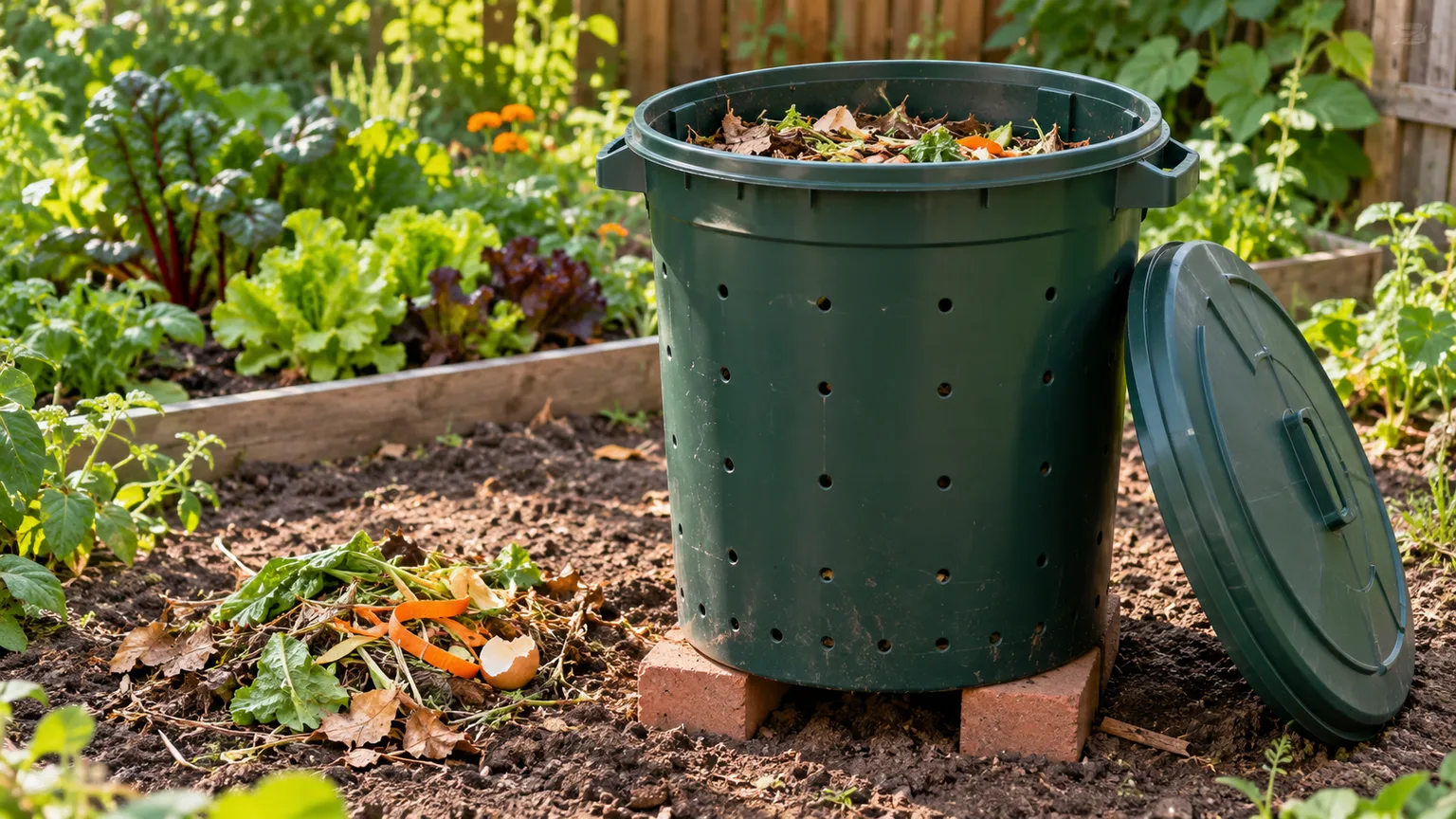
The most dependable fertilizer you can make at home is finished compost. It recycles kitchen scraps and yard waste, adds organic matter, and releases some nutrients gradually; it does not deliver a guaranteed N-P-K ratio or replace every plant’s feeding needs.
That distinction matters because many popular “fertilizer recipes” are really unmeasured soil amendments. Coffee grounds, eggshells, fireplace ash, vinegar, Epsom salt, and fish-tank water each behave differently, and some are useful only when a soil test confirms a specific need. For a predictable nutrient correction, use a fertilizer with a labeled analysis and apply it according to the label or a soil-test recommendation. Fine Gardening’s overview of organic fertilizer sources catalogs distinct nitrogen, phosphorus, and potassium inputs, a useful reminder that even natural products are not interchangeable.
What homemade fertilizer can—and cannot—do
A fertilizer supplies plant nutrients. Commercial fertilizer labels show the guaranteed analysis, commonly as three numbers for nitrogen, phosphate, and potash; these values let you compare products and calculate how much to use. A kitchen scrap has no comparable, consistent analysis because its nutrient content depends on the source, preparation, moisture, and degree of decomposition.
A soil amendment changes the soil’s physical or biological condition, or supplies organic matter. Finished compost and manure can improve soil structure and add nutrients, but the amounts and the speed of release vary. Colorado State University Extension makes this distinction explicitly: compost or manure may improve soil tilth while contributing only modest nutrients, and adding an amendment to improve soil is not automatically the same as fertilizing a crop.
Compost is still valuable. The organic matter can support soil organisms, help clay soils form larger aggregates, and help sandy soil hold more water and nutrients; BBC Gardeners’ World describes those same practical benefits of organic matter in garden soil. Think of homemade compost as a long-term soil-building input that may also feed plants, rather than a complete, fast-acting food that works the same way in every bed.
| Material | What it can do | What it cannot reliably do |
|---|---|---|
| Finished compost | Build organic matter and gradually cycle nutrients | Guarantee a precise N-P-K ratio or correct a known deficiency quickly |
| Composted manure | Add organic matter and nutrients that vary by source | Supply the same nutrient balance from one load to the next |
| Coffee grounds or eggshells | Recycle small amounts of organic or mineral material | Replace a complete, measured feeding plan |
| Wood ash | Add minerals and raise pH | Suit every soil, crop, or acid-loving plant |
| Epsom salt or vinegar | Provide a narrow effect in the right circumstance | Function as general-purpose plant food |
Start with a soil test, not a recipe
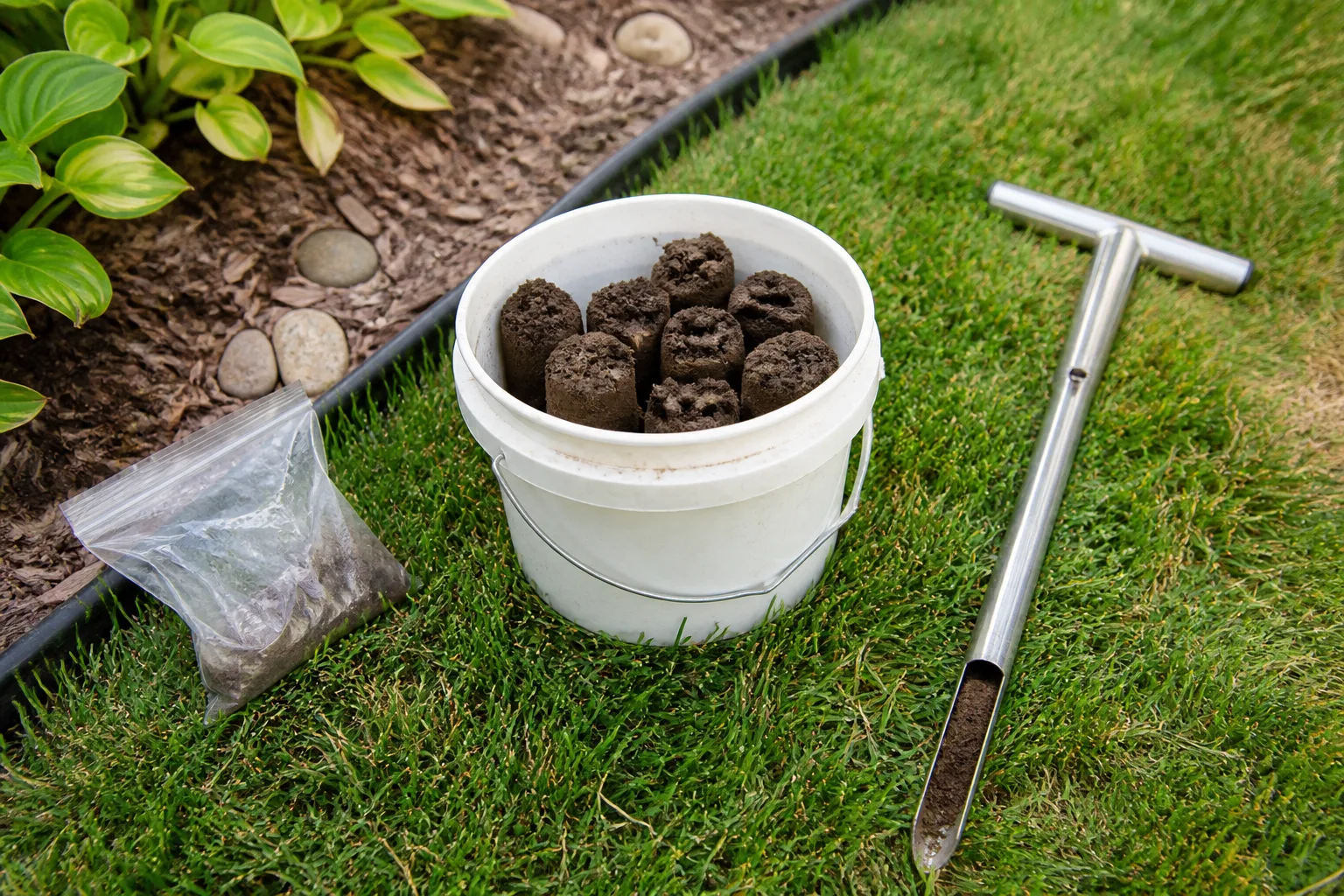
Before adding anything to a garden bed, find out whether the soil actually needs nutrients or a pH adjustment. A laboratory soil test is more useful than guessing from leaf color or using a cheap probe that only reports one reading; ask for a test that includes pH and the nutrients or organic-matter measures relevant to your crop and region.
Follow the lab’s instructions for collecting a representative sample. A test is only as meaningful as the soil it represents, so sample the area you plan to amend rather than combining soil from unrelated beds, lawn, and pots. Keep a note of earlier compost, manure, lime, ash, and fertilizer applications, because repeated inputs can build up phosphorus, potassium, salts, or alkalinity even when each handful seems small.
Use the result to choose the job. If the report recommends lime, sulfur, or a specific nutrient, follow the stated product and rate; if nutrients and pH are adequate, do not add a “booster” just because a plant looks tired. Poor light, irregular watering, compacted roots, pests, and disease can mimic a nutrient problem, so a recipe can waste time or make the soil chemistry worse.
A soil test also helps explain why one “natural” product may fit a garden while another does not. Manure and ash can raise pH or add more phosphorus and potassium than a crop needs, whereas a fertilizer with a known analysis can target the element named in the report. Colorado State Extension recommends using soil tests to determine whether phosphorus and potassium additions are needed rather than applying them by habit.
Make finished compost, the most dependable homemade option
Composting is the best way to turn ordinary kitchen and yard materials into a consistent garden resource. It lets microorganisms break down scraps into a more stable mixture, reduces the risk of attracting animals compared with burying raw food, and spreads nutrients across many ingredients instead of concentrating one material next to a plant.
A small home compost pile will not necessarily have a lab-tested nutrient analysis, so treat finished compost as a soil amendment with gradual nutrient value. Its exact contribution varies with what went into it, how much moisture it held, how much material decomposed, and whether animal manure or salty ingredients were included. Colorado State Extension notes that nutrient release from compost is slow; adding compost to improve soil tilth and applying fertilizer to meet a crop’s nutrient need are related but separate decisions.
Build a small, balanced compost pile
Choose a ventilated bin or a contained pile that fits your space. Mix “browns” such as dry leaves, shredded plain cardboard, or untreated paper with “greens” such as fruit and vegetable scraps, coffee grounds, and fresh plant trimmings; the labels refer to their role in composting, not just their visible color.
Add scraps in thin layers and cover wet kitchen waste with dry material. The pile should feel damp like a wrung-out sponge, not waterlogged; if it smells sour or slimy, add more dry browns and loosen the material so air can move through it. If it is dry and inactive, add a little water and mix in fresh greens.
Turn or aerate the pile when it becomes dense, and keep it away from buildings if it could attract pests. A tumbler or closed bin makes it easier to manage scraps in a small yard, while a simple open pile is easier to turn and water. For a practical soil-improvement sequence, BBC Gardeners’ World advises using compost or well-rotted manure as organic matter and letting a mulch layer work into the soil where digging is unnecessary.
Keep meat, dairy, grease, pet waste, and animal feces out of an ordinary open pile. They can attract animals and create odor or hygiene problems; dog and cat waste is not appropriate for vegetable-garden compost. If you want to compost manure, manage it separately and follow the safety practices below rather than assuming any backyard pile has sanitized it.
Know when compost is mature enough
Finished compost is generally dark, crumbly, and earthy-smelling, with few recognizable food scraps. If a pile is still heating strongly, smells like ammonia or sour waste, or contains fresh clumps of manure, let it decompose and cure longer rather than putting it around tender roots.
A stable, cured pile is easier to apply and less likely to tie up nutrients as fresh material breaks down. It is not sterile by appearance alone, though, and a cool home pile is not proof that pathogens or weed seeds were destroyed. For food crops, use a reliable source and method, keep raw manure away from edible plant parts, and wash harvested produce.
Apply compost according to your soil test, local Extension guidance, and the material’s source. A thin topdressing can feed soil life and protect the surface; new beds may need a different amount from established beds, and compost made with manure or biosolids may contain more salts than a plant-only pile. Colorado State Extension warns that excessive compost or manure can raise soil salts and contribute to nutrient buildup, so “more organic” is not always better.
Use manure only when you can manage the risks
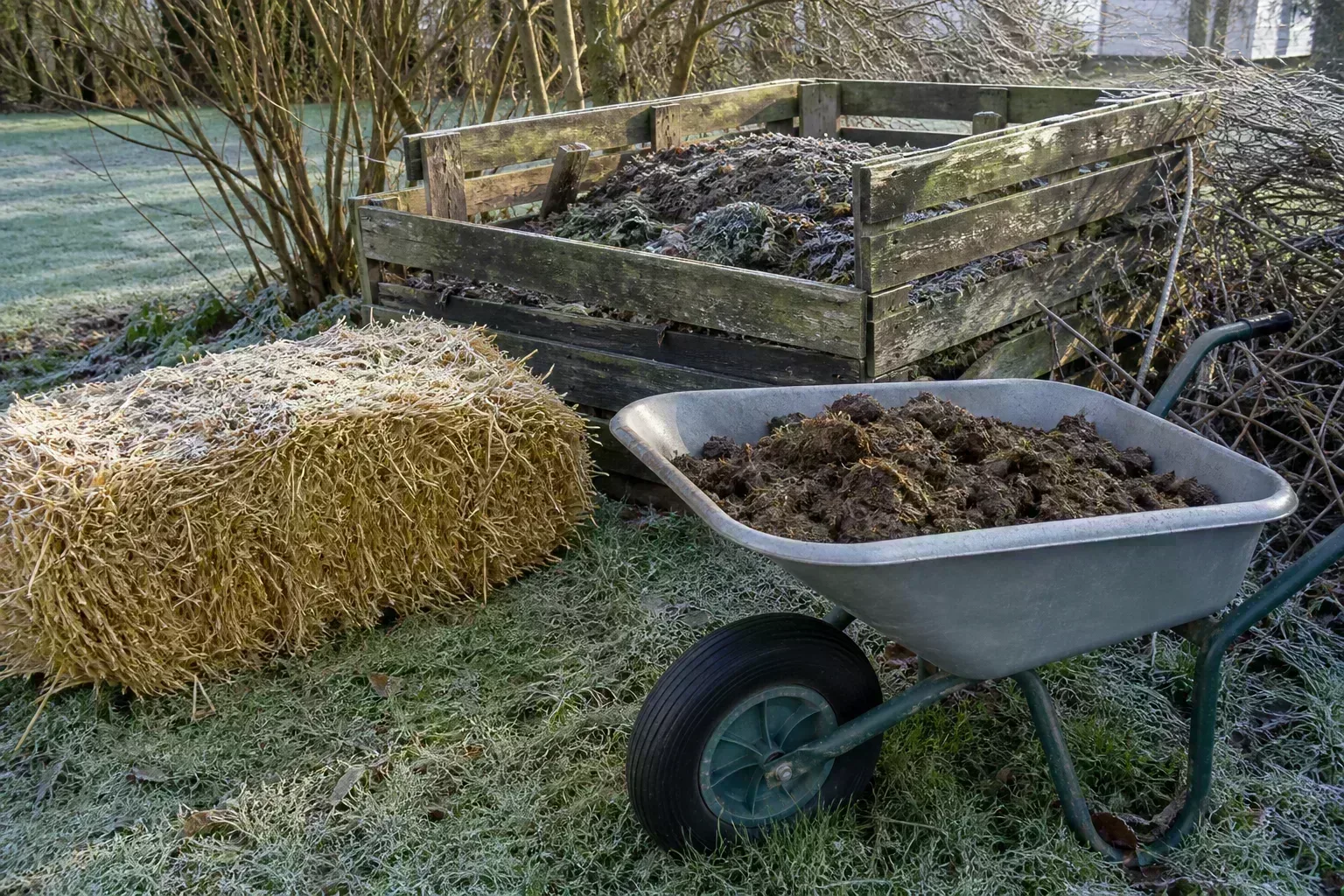
Animal manure contains nutrients and organic matter, but its nutrient balance varies with species, feed, bedding, moisture, and storage. Utah State University Extension notes that manure can supply more phosphorus and potassium than a crop needs while still not meeting its nitrogen requirement; applying enough manure to satisfy one nutrient can therefore overapply another.
Manure-based compost can also contain high soluble salts or influence soil pH. Poultry manure and some manure-rich blends can be especially concentrated, so do not use a thick, repeated application based only on a bag’s “natural” or “organic” wording. If the product has an analysis, read it; if you have a soil test, follow its nutrient and salinity recommendations.
Raw manure can carry pathogens including E. coli, Listeria, and Salmonella. The federal National Organic Program standard requires certified organic producers to incorporate raw manure at least 120 days before harvest when the edible portion contacts soil, or 90 days when it does not; these are organic-production requirements, not a universal home-gardening calendar. The same regulation specifies time-and-temperature conditions for composted materials in certified organic production, so a casually warm backyard heap should not be assumed to meet that standard.
For a home vegetable garden, the lower-risk option is to use properly composted, cured manure from a source that manages it for food-crop use, or choose plant-based compost instead. Avoid cat and dog waste, do not apply raw manure near harvest, and do not splash manure or manure tea onto edible leaves. If you are uncertain about composting conditions, ask your local Extension office about the safer timing for your crop and climate.
Which kitchen scraps help—and how to use them
Kitchen leftovers are better thought of as compost ingredients than as ready-made fertilizer. Composting mixes them with other materials, gives microbes time to break them down, and avoids leaving a wet, sugary, or concentrated patch against roots.
Directly burying fruit peels, vegetable scraps, or coffee grounds beside a plant can attract flies or rodents, create odor, and decompose unevenly. A trench-composting method can work in an empty bed if scraps are buried deeply enough and allowed to break down before planting, but it is not an instant feed for a growing crop. Keep such scraps out of a small pot, where a little material can dominate a large share of the root zone.
Coffee grounds: compost them instead of relying on them
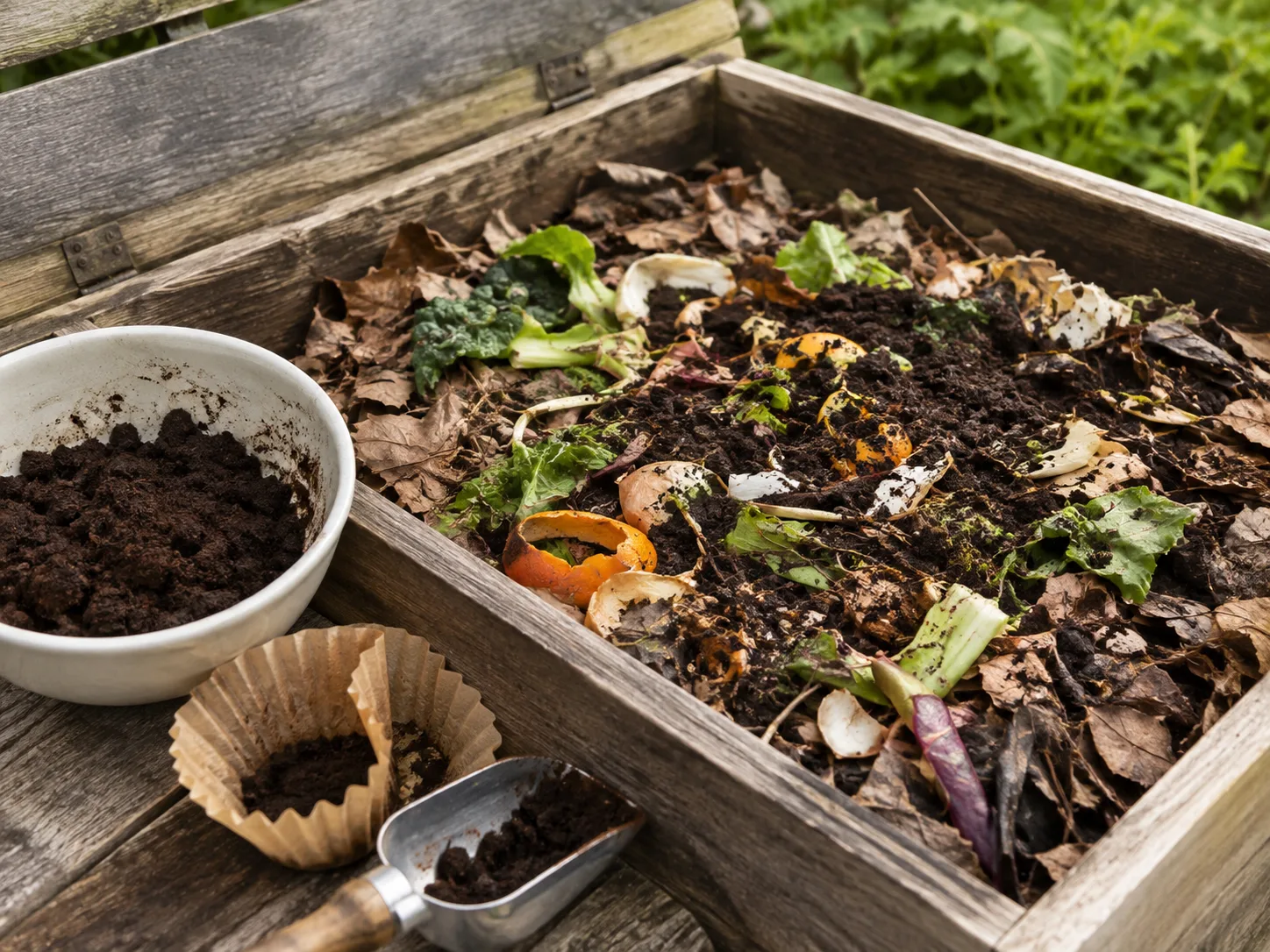
Used coffee grounds contain organic matter and some nitrogen, but their nitrogen is not instantly available just because the grounds touch soil. Their nutrient contribution is too variable to replace a labeled fertilizer, and used grounds do not reliably acidify soil; a pH test and an appropriate amendment are the right way to correct a real pH problem.
Add modest amounts to compost and mix them with dry leaves or shredded paper so they do not form a wet, compacted layer. A thin layer incorporated into established garden soil is less risky than a thick blanket, but composting is the more forgiving option for most gardeners. A column by University of Minnesota-certified Master Gardener Sue Morris similarly cautions that grounds do not consistently lower pH and describes compost as a useful destination.
Coffee grounds are especially easy to overuse around seedlings and in containers. Fine particles can compact or crust, which may keep water from soaking in evenly; young roots and small pots have less room to escape a poor patch. If you want to use grounds, add them to the pile first and feed the bed with finished compost rather than sprinkling a ring around each plant.
Eggshells: slow calcium, not an instant feed
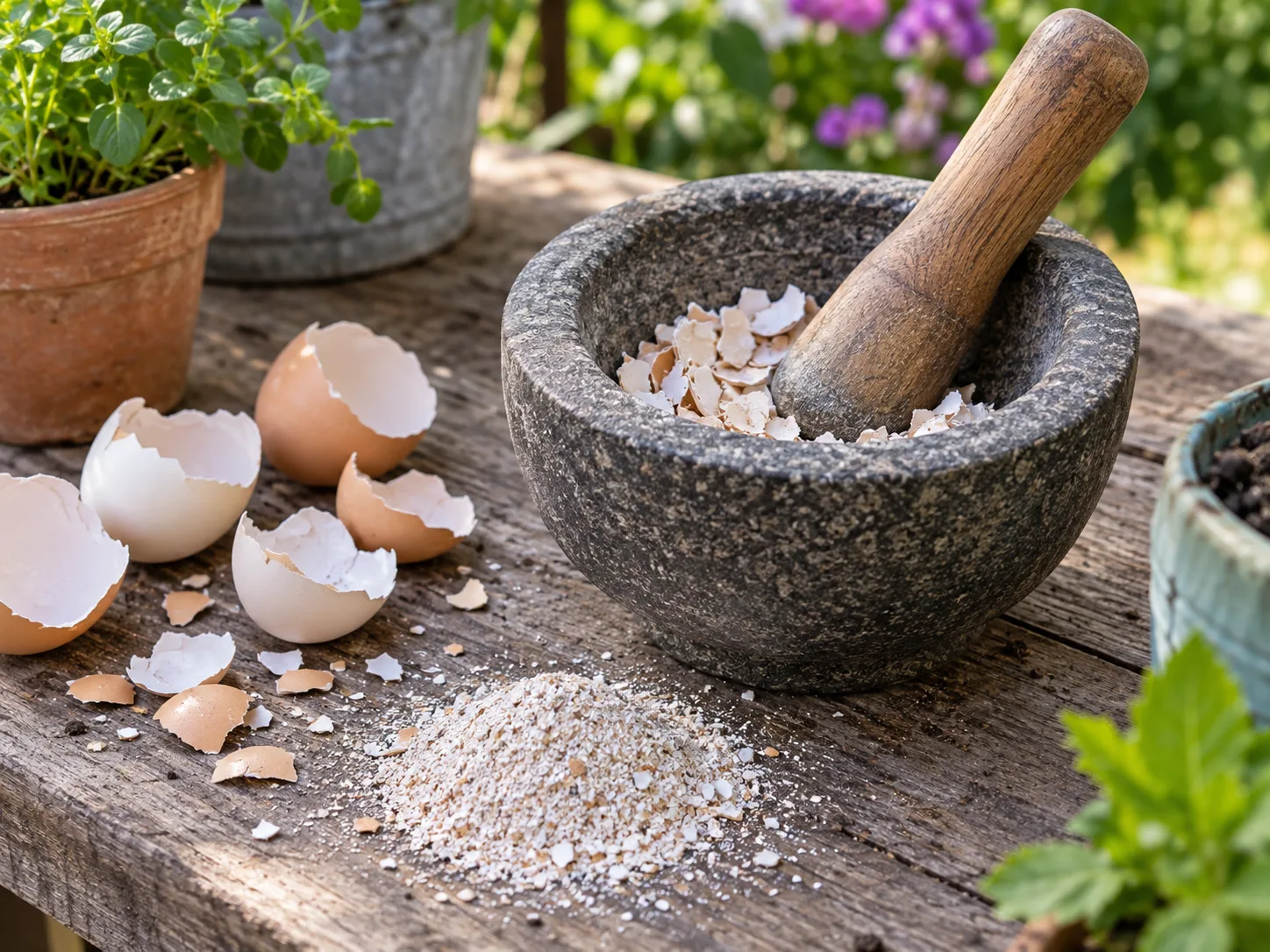
Eggshells are mostly calcium carbonate. They can eventually add calcium to soil, particularly when finely ground, but a handful of coarse shell fragments is not a fast, balanced fertilizer and may stay visible for a long time.
University of Georgia Extension tested crushed shells, ground shells, and eggshell tea in a depleted potting mix. The ground shells increased measured calcium the most in that small trial, but the test measured soil calcium—not whether a tomato plant took up enough calcium to prevent blossom-end rot or produced more fruit. The same source recommends testing and looking at the full nutrient picture rather than assuming tomatoes need more calcium because one fruit developed a dark, sunken spot.
Blossom-end rot often involves interrupted calcium movement into developing fruit, which can happen when soil moisture swings between too dry and too wet, roots are damaged, or salts interfere with uptake. Keep watering even, mulch the root zone, and avoid cultivating close to tomato roots before adding calcium. If a soil test shows low calcium and a pH that benefits from a calcium amendment, follow the lab’s recommendation; otherwise, rinse shells and compost them.
Fruit scraps, cooking water, and aquarium water
Banana peels and other fruit scraps are useful compost ingredients, but burying a peel under a rose or tomato does not provide a controlled dose of potassium. The peel must decompose first, and the rate depends on temperature, moisture, and soil organisms; a compost pile is a more predictable place for it to break down without making a soggy pocket next to roots.
Plain cooking water does not become a balanced plant food just because vegetables were boiled in it. It may contain a little soluble material, but it can also carry salt, oil, or seasoning; only use unsalted, cooled water if you are reusing it, and count it as a watering reuse rather than a fertilizer program.
Freshwater aquarium water may contain some fish waste nutrients, but the amount changes with tank size, fish load, filtration, and water-change schedule. If you reuse it, use only water from a freshwater tank without salt, medication, or other treatment chemicals, and treat it as variable irrigation water—not a known fertilizer ratio or a reason to skip feeding a container plant.
Three materials that change soil chemistry
Some pantry and fireplace products do more than slowly add organic matter. They can change pH or salt levels, which is why measuring first matters more than memorizing a recipe.
Wood ash: useful only when soil needs what it adds
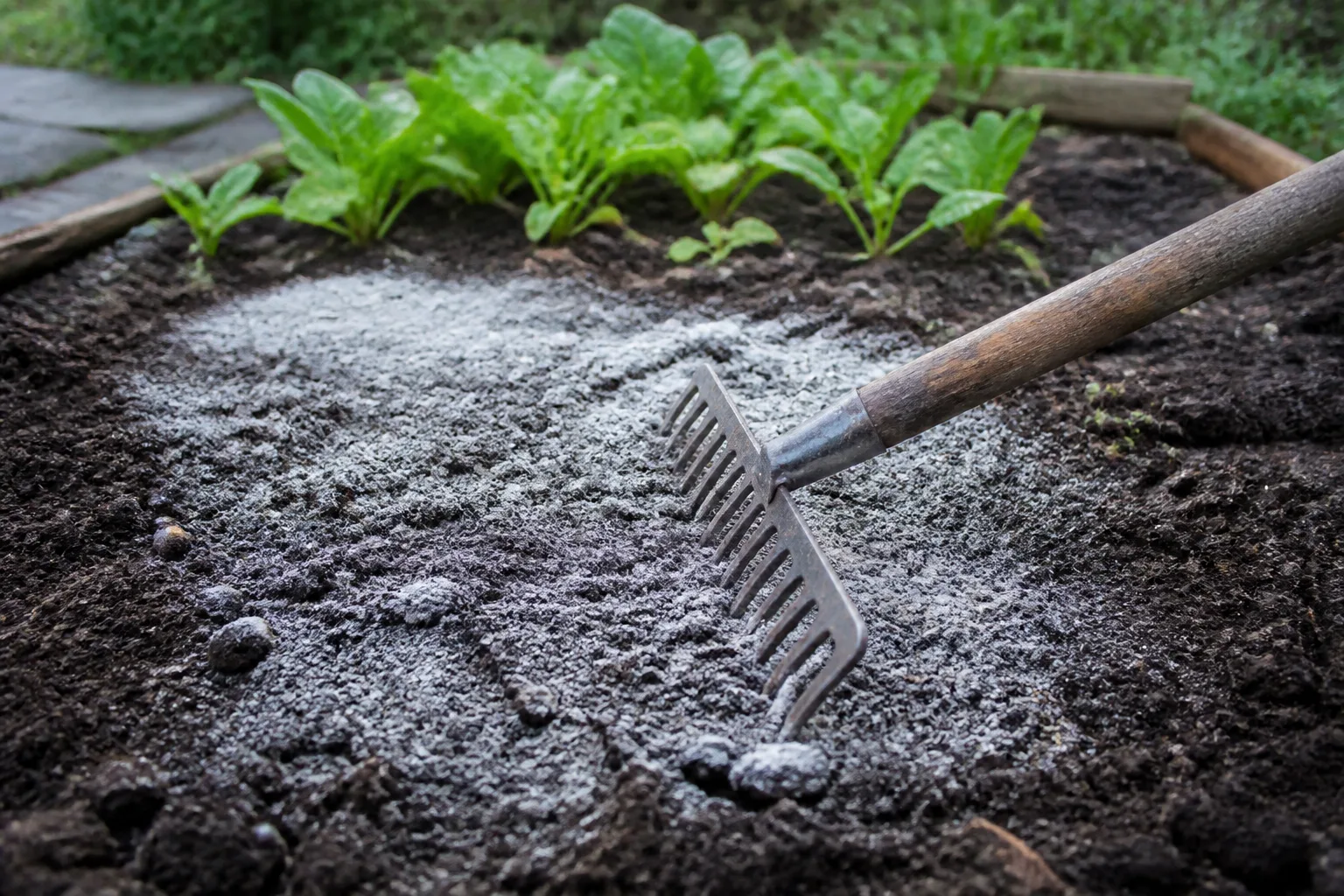
Clean wood ash can supply potassium and calcium and can raise soil pH, making it closer to lime than to an all-purpose fertilizer. The actual nutrient and neutralizing value varies with the wood and burning conditions, so do not treat a scoop of ash as interchangeable with a labeled fertilizer or agricultural lime.
Wisconsin Extension recommends basing ash use on a professional soil test and the crops in the bed. Ash can be a poor choice for already alkaline soil or acid-loving plants such as blueberries, azaleas, and rhododendrons; excessive applications can cause nutrient toxicity or deficiencies. Use only ash from clean, untreated wood, not painted or pressure-treated lumber, garbage, plastic, or unknown fuel.
Ash is dusty and alkaline, so avoid spreading it on a windy day or breathing the powder. If a lab recommends a pH or potassium correction, follow its rate and use protective clothing; if no test points to a need, leave ash out of the vegetable bed and dispose of it according to local guidance.
Epsom salt and vinegar: not all-purpose plant food
Epsom salt is magnesium sulfate. It supplies magnesium and sulfur, but it does not provide nitrogen, phosphorus, or potassium, so dissolving it in water does not make a complete fertilizer. Add it only when a soil test or reliable diagnosis identifies a magnesium need; unnecessary magnesium can interfere with calcium uptake and add salts without improving growth. Morris’s Master Gardener column also cautions that excess Epsom salt can harm soil, plants, and water.
Vinegar is acetic acid, not a nutrient source. A kitchen dilution is not a reliable way to maintain a target soil pH, and concentrated vinegar can injure plant tissue; use a soil test and a product intended for measured soil pH correction instead. Do not pour vinegar onto garden beds as a recurring “fertilizer” treatment.
Choose a plan for beds versus pots
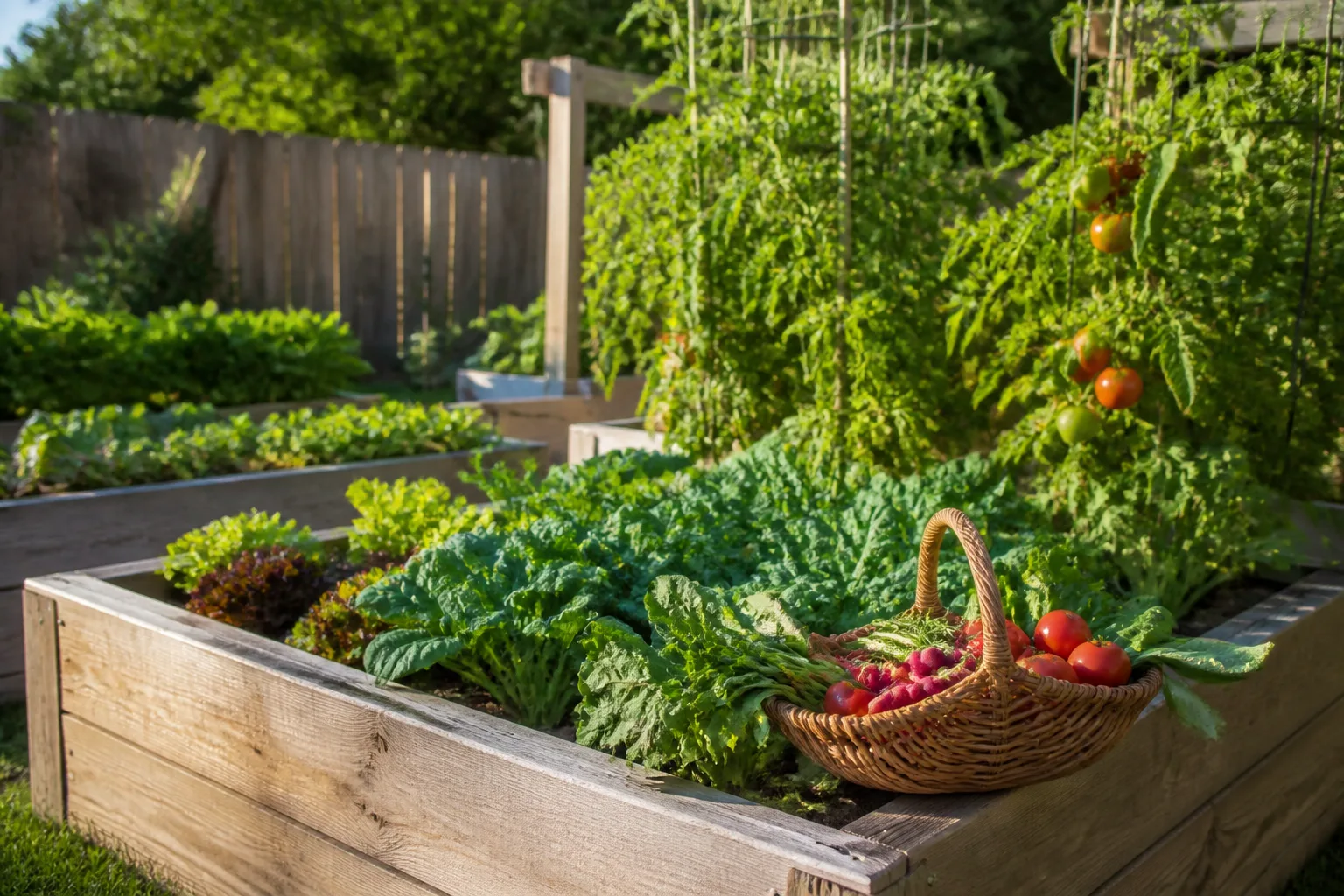
Garden beds contain a larger volume of soil and usually benefit most from gradual soil building. Use compost to add organic matter when the soil or test report calls for it, then apply a separate fertilizer only if the crop and test results indicate a nutrient need. Repeating compost or manure without keeping records can slowly add phosphorus and salts even when the plants look healthy.
Containers are less forgiving because the root zone is small and frequent watering can leach soluble nutrients out of the mix. A fresh potting mix may already contain starter fertilizer, and a homemade handful of scraps or ash can create a concentrated pocket; check the mix label, then use a complete fertilizer formulated for containers at its labeled rate if plants need feeding.
For houseplants, do not turn coffee grounds, eggshell powder, or vinegar into a routine topdressing. Repotting into fresh mix or applying a dilute, complete houseplant fertilizer according to the label gives you a more predictable result than adjusting a small pot with kitchen leftovers. If the plant is declining, check light, watering, drainage, roots, pests, and pot size before assuming it needs nutrients.
Apply homemade amendments without overfeeding
A simple decision sequence keeps a homemade input from becoming an accidental treatment:
- Identify the goal. Decide whether you need to improve soil structure, supply a nutrient, or change pH; those are different jobs.
- Test when chemistry matters. Use a soil lab report for garden-bed nutrient and pH decisions, especially before adding manure, ash, lime, sulfur, or repeated compost.
- Choose a material that fits. Use finished compost for organic matter; use manure only with a nutrient and food-safety plan; choose a labeled fertilizer when a measured nutrient correction is needed.
- Apply modestly and record it. Follow the lab, product label, and local Extension guidance, then note the date, material, and amount so you do not unknowingly stack applications.
Do not apply several homemade ingredients at once. If a plant improves or declines after you change coffee grounds, ash, water, and fertilizer together, you will not know which change mattered; make one adjustment, keep watering consistent, and observe new growth.
When a soil test is not available, restraint is safer than a homemade cocktail. A single layer of mature plant-based compost used at the locally recommended rate is usually easier to manage than mixing several salts, acids, ashes, and concentrated manure into an untested root zone. If the crop has a known high nutrient demand, a properly labeled fertilizer gives you more control over how much is applied.
Safety and contamination checks
Treat compost and manure as materials that can contain contaminants, not as automatically clean because they came from a garden or farm. Keep animal feces from pets out of vegetable compost, wear gloves when handling manure, wash hands afterward, and clean tools before using them around edible crops.
Do not use ash from treated wood, coal, garbage, or an unknown source. Avoid using compost or manure products that smell strongly of ammonia or show visible fresh manure; follow the product label and ask the supplier how the material was composted and what ingredients it contains. If a source has elevated salts, heavy metals, herbicide residues, or other contaminants, adding it to a garden can create a problem that is harder to correct than a nutrient deficiency.
For edible crops, avoid splashing raw manure or unfinished compost onto leaves or harvestable produce. The USDA’s organic-production rule is one source of specific manure handling standards, but home gardeners should also follow local public-health or Extension guidance for their crops. Wash produce under running water, keep clean harvest containers, and use a source of finished compost appropriate for food gardens.
Conclusion
Finished compost is the most useful homemade fertilizer for most gardeners because it turns varied scraps into a stable soil-building material. It can improve soil conditions and release nutrients gradually, but its nutrient analysis is not guaranteed and it may not correct a specific deficiency.
Compost kitchen scraps rather than burying them in pots or scattering them as a universal feed. Test soil before adding manure, wood ash, Epsom salt, or repeated compost, and use a labeled fertilizer when a crop needs a measured nutrient dose. That approach gives you the cost-saving and waste-reducing benefits of DIY gardening without asking uncertain recipes to do a job they cannot reliably do.



