Mrs. Meyer's Compassion Flower Dish Soap Review
Is Mrs. Meyer's Compassion Flower dish soap worth it? See how it handles grease, what is in the formula, scent trade-offs, safety, and garden-use limits.
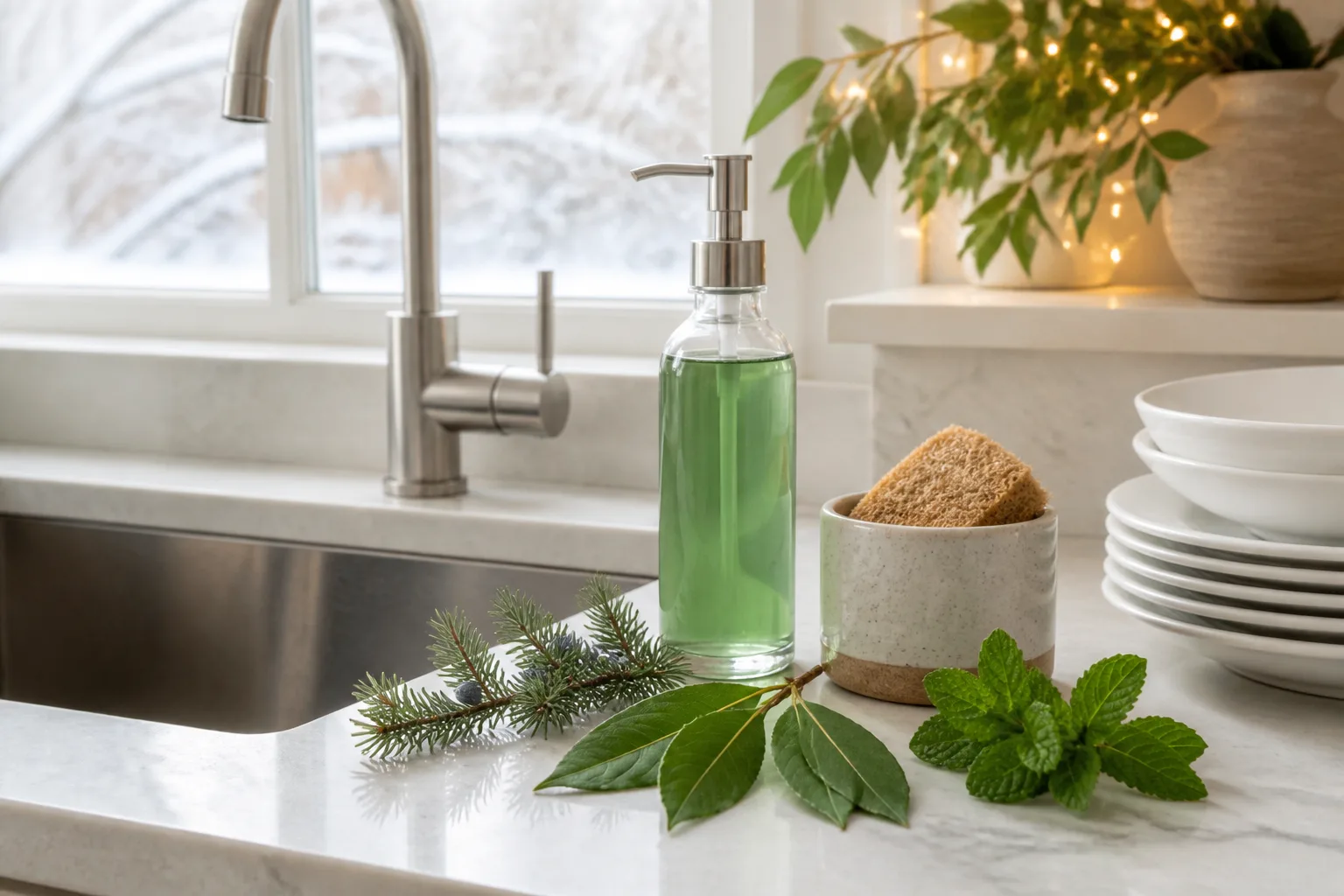
Mrs. Meyer’s Compassion Flower is a fragranced liquid dish detergent for hand-washing dishes, pots, and pans. It is built around the combination many shoppers actually want: enough degreasing power for everyday cooking, a scent that makes the sink area more pleasant, and a bottle that does not require a large squeeze every few minutes.
The honest version is more useful than the superlative: it can be a very good daily dish soap if you enjoy a noticeable floral-citrus scent and use a small amount in warm water. It is not fragrance-free, it is not a disinfectant, it is not an automatic-dishwasher detergent, and it should not be repurposed as a plant pest spray. Those boundaries matter as much as the cleaning performance.
What this dish soap is designed to do
The manufacturer positions Compassion Flower as a liquid soap that removes stuck-on food and grease from dishes and pans. The current product listing says it is designed for hand washing and describes the scent with notes of sheer violet, yellow pansy, cedarwood, and lemon; it also lists a 16-fluid-ounce size in the United States. Mrs. Meyer’s official product page is the right place to check the current label because formulas, packaging, sizes, and availability can change.
That intended use tells you how to judge it. The relevant test is not whether it creates the biggest possible mountain of foam or makes a countertop smell floral for days. The relevant test is whether it loosens food soil, lifts cooking oil into the wash water, rinses without a greasy film, and feels tolerable on your hands during a normal load of dishes.
The quick verdict: who will like it and who will not
Buy it if you want a capable hand-washing dish soap with a garden-inspired fragrance. Compassion Flower makes the most sense for someone who dislikes harsh-smelling cleaners, washes dishes at the sink, and is willing to scrape or soak severe buildup instead of asking the detergent to do all the work alone.
Skip it if you need fragrance-free cleaning, a low-scent household, or one product for every cleaning job. The listed formula includes fragrance and sweet orange peel oil, so the scent is part of the product rather than a minor afterthought. If you get headaches, rashes, or respiratory irritation around fragranced products, an unscented alternative is the more sensible choice even if you like the cleaning performance.
My practical rating would be: strong for everyday grease, strong for scent, average for heavy baked-on residue unless you soak first, and poor as a substitute for specialty cleaners or garden products. That is a narrower and more dependable recommendation than calling it the best dish soap for every home.
What is in the Compassion Flower formula
The current ingredient disclosure lists water, sodium lauryl sulfate, lauryl glucoside, lauramine oxide, polysorbate 20, fragrance, sweet orange peel oil, glycerin, aloe vera leaf juice, tetrasodium glutamate diacetate, citric acid, methylisothiazolinone, benzisothiazolinone, and sodium chloride. The same page says the product is made without parabens, phthalates, monoethanolamine, diethanolamine, phosphates, or artificial colors. Those are label facts, not proof that every person will find the formula mild.
What the cleaning ingredients mean at the sink
The important cleaning work comes from surfactants. Surfactants help water spread over food residue and surround oily material so it can be lifted from a plate or pan and carried away in the wash water. Sodium lauryl sulfate, lauryl glucoside, and lauramine oxide are the names most relevant to that cleaning action; the fragrance, aloe, and glycerin do not make grease disappear.
“Plant-derived” also needs a plain-language translation. A product can include plant-derived ingredients and still contain synthetic surfactants, preservatives, and added fragrance. That description may matter to your shopping preferences, but it does not mean the product is edible, hypoallergenic, pesticide-approved, or safe to spray on living foliage.
The formula also includes preservatives, and the label says it contains fragrance allergens. That is not an unusual finding in a scented rinse-off cleaner; it is simply a reason to read the label if you have known sensitivities rather than assuming a botanical-sounding scent will be gentler.
How well it cuts through grease
For ordinary cooking grease, the answer is yes. A small amount in warm wash water can lift oil from plates, glassware, utensils, and the outside of a pan, especially when you remove excess food before it reaches the sponge. The official instructions call for a squirt or two in a sink of warm water, while the product page also says it is intended for dishes, pots, and pans.
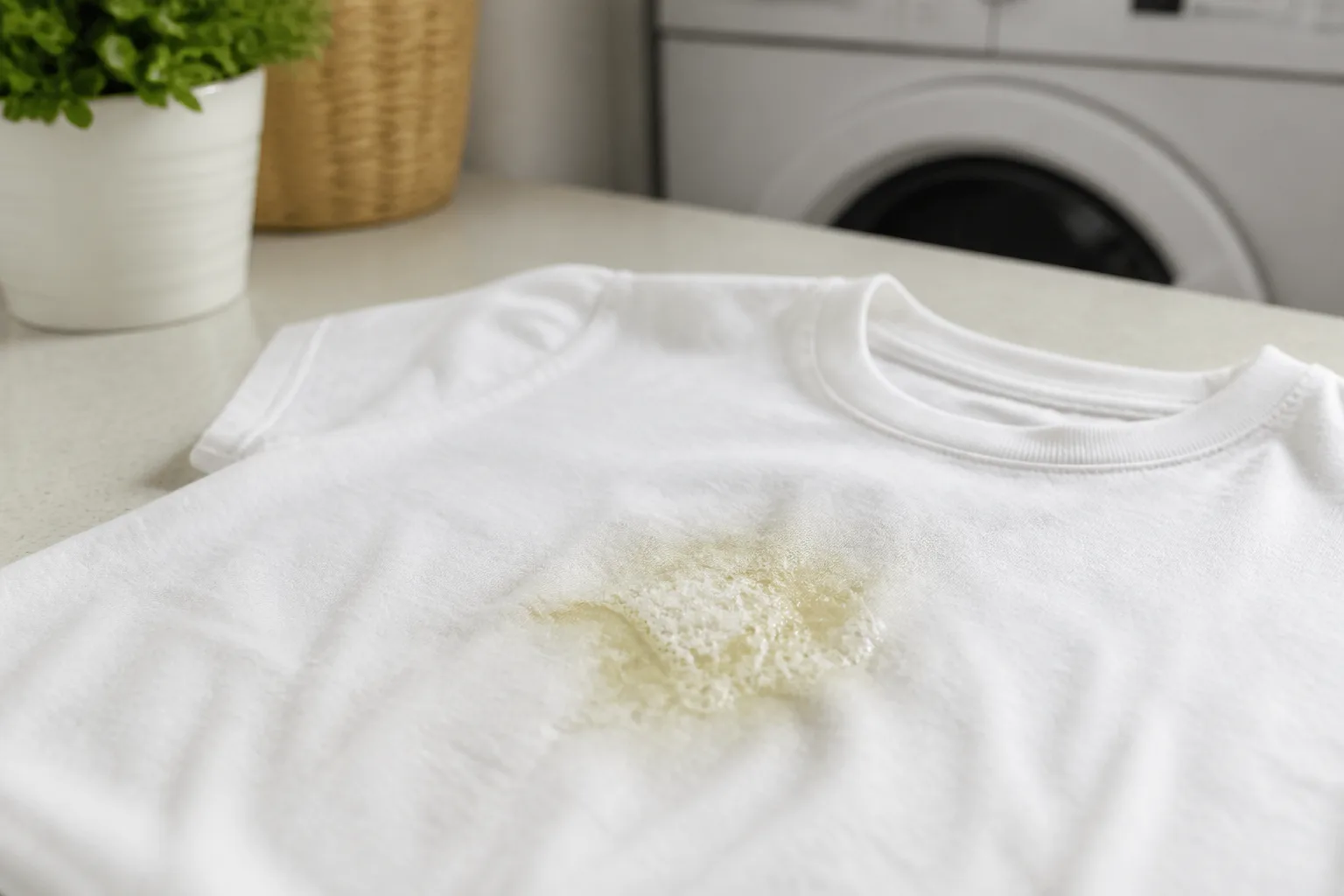
The more useful distinction is between fresh grease and cured-on grease. Fresh oil usually responds to detergent, friction, and a warm rinse. A film that has dried around a pan rim, or sauce that has baked onto a roasting tray, needs time and sometimes a dedicated cookware method; adding more scented soap to the sponge is not a substitute for softening the residue.
On nonstick cookware, use the soap with a soft sponge or manufacturer-approved brush and avoid abrasive pads. On cast iron, a brief wash is generally different from leaving the pan submerged for an hour; dry it promptly and restore the seasoning routine recommended for your pan. On stainless steel, rinse thoroughly so detergent and loosened food soil do not dry into streaks.
The best way to wash greasy dishes by hand
A good detergent cannot compensate for a bad sequence. This is the routine that gets the most from Compassion Flower without wasting it:
- Scrape first. Remove food scraps and wipe excess oil into the trash or compost-appropriate waste stream rather than loading the sponge with it.
- Sort by soil. Wash glasses and lightly soiled dishes before oily cookware, and leave pans with the most grease until the wash water is ready for them.
- Use warm water and a small amount of detergent. Start with a squirt or two in a basin or sink of warm water. Add more only if the water has become visibly dirty or the sponge can no longer spread a cleaning film.
- Give the detergent contact time. Work the suds across the surface, paying attention to rims, handles, pan walls, and the underside of plates. For cooked-on residue, set the item aside to soak instead of scrubbing harder immediately.
- Rinse until the surface no longer feels slick. A clean-looking plate can still carry a detergent or oil film. Rinse with fresh water, then place it so air can circulate on the drying rack.
A practical wash-and-rinse sequence
The sponge is part of the cleaning system, not an invisible accessory. If it is saturated with old oil, smells sour, or no longer rinses clean, it can redeposit soil and make any dish soap seem weak. Keep a separate brush for pan corners and a soft cloth for the sink, then rinse and wring the sponge after the load rather than leaving it in a puddle of dirty water.
When the suds collapse, do not read that as a precise measurement of cleaning power. Foam depends on water hardness, the amount of food soil, the sponge, and how much water is in the sink. A low-foam wash can still clean; the better check is whether the surface rinses clean and feels free of oil.
When soaking is worth the extra time
Soak a pan when residue is dry, sticky, or cooked onto the surface. Add warm water and enough dish soap to wet the film, let it sit while you wash the easier dishes, and then lift the softened residue with the correct nonabrasive tool for that cookware.
Do not use the sink as a storage bin for knives, delicate wooden tools, or cast iron. A short, intentional soak is useful; an overnight soak can create rust, swell wood, loosen finishes, or turn a manageable cleaning job into a material problem.
Can it really make a kitchen smell fresher?
It can make the immediate sink area smell more pleasant while you wash, but fragrance and odor removal are different jobs. Compassion Flower brings a floral-citrus profile to the process, and the manufacturer describes lemon, violet, pansy, and cedarwood notes. It may cover a lingering food smell for a while, especially when warm water releases the fragrance.
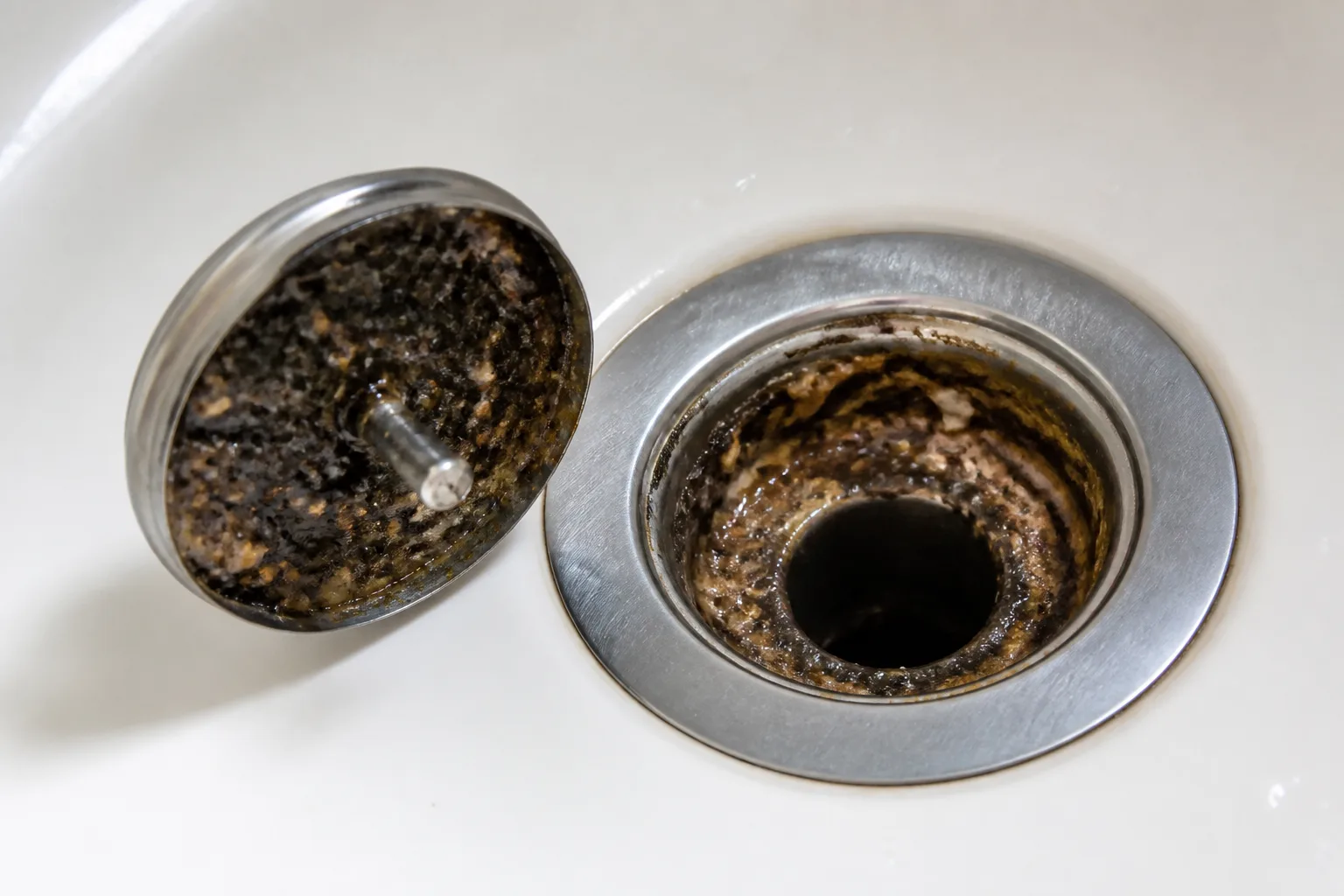
The longer-lasting freshness comes from removing the source of the smell: food residue, oily sponges, dirty dish racks, wet towels, and buildup around the sink drain. A fragrant product cannot make a full trash can, damp dishcloth, or dirty drain hygienic by itself. If the kitchen still smells stale after washing, clean and dry those surfaces rather than applying more detergent or leaving a stronger scent in the air.
That is why this soap works best as part of a small reset: wash the dishes, rinse the sink, wipe the faucet and counter edge, wring the sponge, and hang the towel where it can dry. The soap contributes a pleasant note; the physical removal of residue is what keeps the space fresher.
What it can and cannot clean around the home
Dish soap is useful because its surfactants lift oils, but “useful” is not the same as “universal.” It is a sensible choice for hand-washing dishes, cookware that the manufacturer permits to be washed with liquid detergent, removable sink parts, and small greasy items that can be rinsed completely.
Use caution on natural stone, unfinished wood, waxed surfaces, electronics, leather, and specialty finishes. A few drops on a damp cloth may be appropriate for a particular surface, but the surface manufacturer’s instructions come first. Avoid leaving a concentrated puddle to dry, because residue can attract dust or create a dull film.
It is also not a disinfectant simply because it cleans. If you need sanitizing for a specific food-safety or illness-control reason, use a product and method intended for that purpose and follow its label. Do not improvise by mixing dish soap with bleach, vinegar, ammonia, or another cleaner. Poison Control explains that dish soap can irritate the eyes, can cause stomach symptoms if swallowed, and should not be mixed with household products because dangerous fumes may result.
Can you use it in a dishwasher?
No. Compassion Flower is a hand dishwashing liquid, not automatic-dishwasher detergent. A squirt in a dishwasher can create excessive suds, leak onto the floor, and leave residue in the appliance; the two products are formulated for different washing mechanics.
Use detergent made for your dishwasher and follow its manual for loading, rinse aid, water temperature, and filter care. If you accidentally put hand dish soap into the machine, stop the cycle if it is safe to do so, remove the foam according to the appliance instructions, and avoid starting another cycle until the suds are gone.
Is it safe for hands, children, and pets?
The product is intended for washing dishes, not for direct ingestion or use as a personal cleanser. The official label cautions users to avoid eye contact, keep the bottle out of reach of children and pets, rinse eyes with water if exposed, and drink a glassful of water if swallowed. Poison Control’s guidance adds that small exposures to hand dish soap commonly cause irritation or stomach symptoms and recommends rinsing the mouth, taking small sips of water, and contacting poison experts for specific advice.
Keep the bottle in its original labeled container, close the cap between uses, and do not transfer it into an unlabeled spray bottle. If someone has trouble breathing, trouble swallowing, severe eye pain, repeated vomiting, or another serious symptom after exposure, seek urgent medical help rather than relying on general cleaning advice.
What fragrance-sensitive households should know
Compassion Flower is not fragrance-free. The label lists fragrance and sweet orange peel oil, and the product is designed to leave a noticeable scent during the washing routine. Some people enjoy that; others find fragranced cleaners unpleasant or irritating even when the product is rinsed from dishes.
If you are testing it in a sensitive household, start with one small load, ventilate the kitchen, and pay attention to your hands, eyes, breathing, and headache symptoms. Stop using it if it causes a reaction, and choose a fragrance-free product rather than trying to dilute it into a different formula. Gloves can reduce hand exposure, but they do not make an irritating scent acceptable for someone who reacts to airborne fragrance.
Can you use dish soap on plants or garden tools?
Do not spray Compassion Flower on plant leaves to kill insects. Household dish detergent is formulated to remove grease from cookware; a plant has a protective leaf surface that can be damaged by the same kind of degreasing action. Gardening Know How explains that dish detergents are not true soaps and may strip the waxy cuticle from foliage, while excessively strong or repeated applications can burn leaves.
True horticultural insecticidal soaps are a different category. They are labeled for pest control and commonly use potassium salts of fatty acids; they work by contact and still require careful coverage, dilution, timing, and plant-sensitivity testing. Bob Vila likewise distinguishes commercial insecticidal soap from a bottle of household dish liquid and warns that extra ingredients or an overly strong mixture can injure plants. Use a product labeled for the crop and pest instead of experimenting with a scented kitchen detergent.
For garden tools, a small amount of dish soap can help remove ordinary soil and oily grime from washable tool surfaces. Rinse thoroughly, dry metal parts promptly, and oil hinges or blades as appropriate. Cleaning is not the same as disinfecting: if a plant disease may have contaminated pruners, use the disinfectant and contact time recommended by a credible horticultural source or tool manufacturer, not a scented soap rinse alone.

Common mistakes that make dish soap seem ineffective
The first mistake is using too much. Extra detergent does not automatically produce cleaner dishes; it can create more residue, require more rinsing, and make hands feel tight. Begin with a small amount and adjust to the size and soil level of the load.
The second is washing an oily sponge through an entire load. Once the sponge smells or stops rinsing clean, switch tools or wash the sponge separately. The third is putting a heavily greasy pan straight under running water, which spreads oil around the sink and can cool the residue into a film before the detergent reaches it.
The fourth is confusing scent with sanitation. A floral smell is not evidence that a surface is disinfected, and a clean-smelling sink can still have residue in the drain, around the strainer, or under a damp rack. Finish the job by removing the physical source of the odor and letting washable tools and towels dry.
The fifth is trusting a label adjective more than the use directions. “Biodegradable,” “plant-derived,” “made with essential oils,” and “cruelty-free” can all be meaningful shopping details, but they do not change the product’s intended use or eliminate the need to rinse dishes and store the bottle safely.
Who should buy Compassion Flower dish soap?
Choose it if your priorities are pleasant fragrance, everyday grease-cutting, and hand-washing convenience. It is a good fit for a kitchen where the sink is used often and where a small sensory improvement can make a repetitive chore easier to finish.
Choose something else if you need fragrance-free cleaning, have a known sensitivity to the listed ingredients, wash mostly heavy restaurant-style grease, or want one bottle for dishes, floors, laundry, countertops, plants, and tools. In those cases, a fragrance-free dish detergent plus a separate specialty cleaner is usually the more reliable setup.
If your main concern is value, compare cost per fluid ounce and how quickly you use the bottle, not just the shelf price. A detergent that cleans well with a small amount may work out better for your household than a cheaper bottle that needs repeated applications, but the only useful comparison is the one you make under similar water, sponge, and soil conditions.
How to decide if the price is worth it
Retail prices and pack sizes vary by store, region, promotions, and availability, so avoid treating one listing as a permanent price. The decision is simple: pay the premium only if the scent and day-to-day experience are worth it to you after accounting for the actual bottle size.
Before buying a multi-pack, check the ingredient list, confirm that the scent is the one you want, and consider whether everyone who uses the kitchen tolerates fragrance. If you already know you prefer unscented products, a discount does not fix the mismatch. If you enjoy the scent and use it consistently, buying a refill or larger format can reduce packaging and lower the cost per wash when that option is available.
Conclusion
Mrs. Meyer’s Compassion Flower dish soap is a credible everyday choice for hand-washing dishes when you want real grease-cutting with a floral-citrus scent. Its best performance comes from a sensible routine: scrape food, use warm water, start with a small amount, let the detergent contact the grease, soak baked-on residue, and rinse until the surface feels clean rather than merely foamy.
The trade-off is equally clear. This is a fragranced kitchen detergent with preservatives and essential-oil fragrance components, not a fragrance-free formula, dishwasher detergent, disinfectant, all-purpose cleaner, or plant pesticide. If those limits fit your household, Compassion Flower can make the sink feel more pleasant without sacrificing ordinary cleaning power; if they do not, choose the specialty or unscented product that matches the job.