Garden Product Reviews and Buying Guides for Your Yard
Find garden product reviews and buying guides for tools, hoses, lawn equipment, raised beds, and patio gear, with clear criteria to use before checkout.
A garden product is a good buy when it fits the task, the site, and the person who will use it. A powerful mower that cannot pass through a gate, a hose that stops short of the back bed, or a tool that hurts your wrist after ten minutes is still the wrong choice, even if its online rating is high. Start with the work you need done, then compare the features and evidence that change how well a product can do it.
This guide connects product reviews and buying guides across hand tools, lawn equipment, watering products, raised beds, and outdoor living. It does not name a single universal winner: those categories solve different problems, and a useful review should explain the conditions under which its recommendation makes sense. Use the sequence below to narrow the field before you buy.
Start With the Job, Not the Product
Write down the job in plain language before you search for products. “Maintain a quarter-acre lawn with slopes and tight turns,” “move compost from the driveway to raised beds,” and “water containers on a balcony” point to very different requirements than “buy a better mower,” “get a garden cart,” or “find a hose.” A specific job also helps you decide whether you need a new product at all: a shorter hose, a sharper blade, or a different storage location can sometimes solve the frustration more cheaply than replacing equipment.
Next, estimate how often the product will be used and what a successful result looks like. Daily watering puts more value on comfort, easy storage, and reliable fittings than occasional rinsing; a pruner used for several hours each week deserves a different level of attention to hand fit and replaceable parts than one used for two seasonal cuts. The right “best” is conditional: best for a small patio, best for repeated use, best for rough terrain, or best for an occasional light job.
Separate needs from preferences. A narrow mower deck may be a hard requirement if a gate is only so wide; a built-in headlight may be a convenience. If a product’s required feature is missing, stop there rather than letting a long feature list distract you from the mismatch.
Measure Your Yard and Route Before Comparing
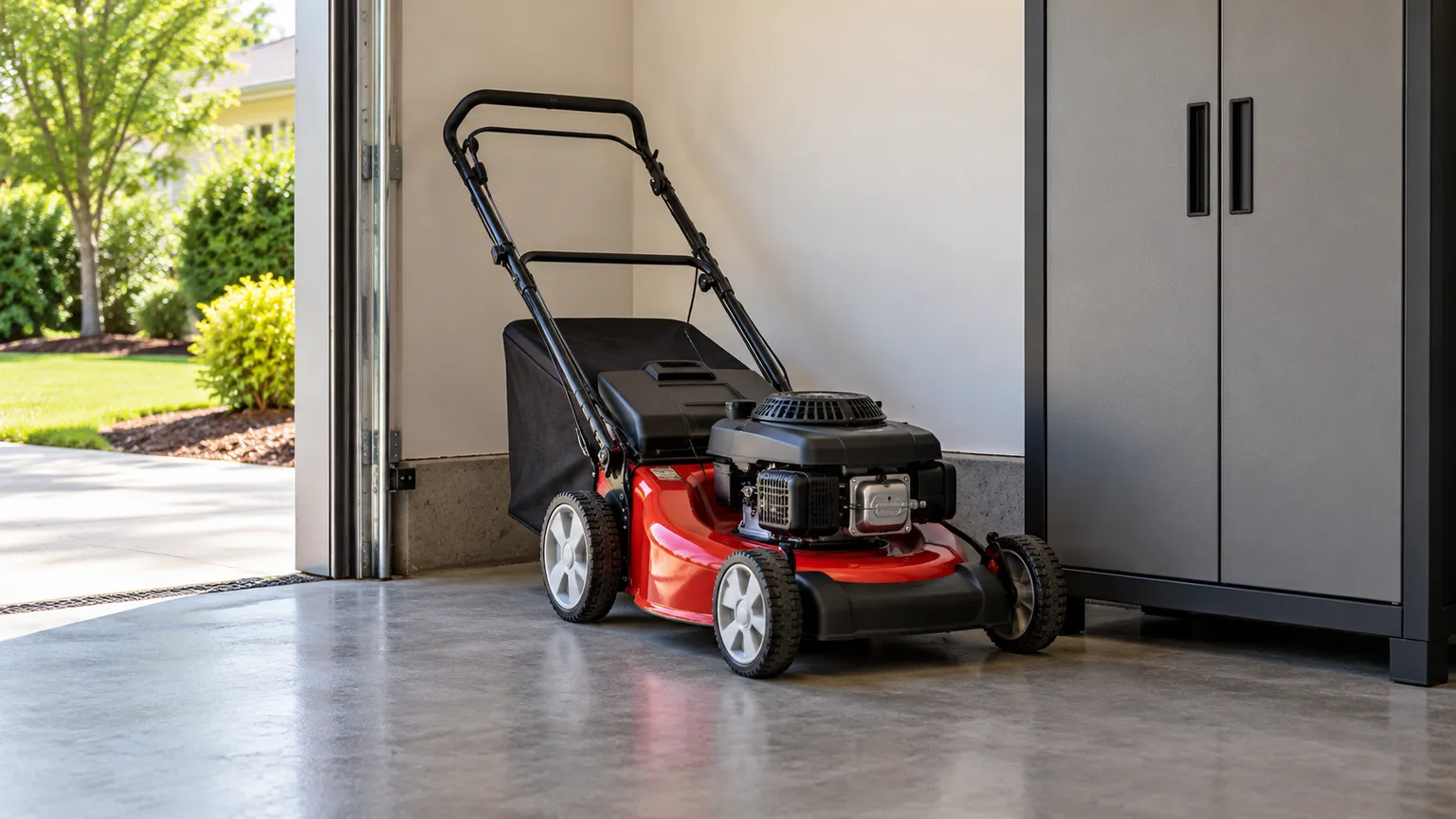
Measure the entire route a product must travel or serve, not only the open area where it will work. For powered lawn equipment, note the narrowest gate, the tightest turn, slopes, roots, beds, trees, and where clippings or leaves need to go. Measure storage height and depth as well. A mower can be sized correctly for turf and still be frustrating if its handle cannot fold into the shed or its deck cannot get through the side gate.
For watering equipment, trace the route from the tap to the farthest plant, including bends around corners and beds. Check the faucet thread and the connectors you already own before choosing a hose, reel, timer, or nozzle. If the hose will be dragged over gravel, carried up stairs, or stored outdoors through freezing weather, those conditions belong in the comparison because they change what “easy to use” means.
For furniture, raised beds, storage boxes, or carts, measure both the product footprint and the working clearance around it. A patio chair needs room to slide back; a raised bed needs reach from its sides; a cart must turn with its load through the path you actually use. Product dimensions on a page are only useful when compared with the dimensions of your yard, shed, vehicle, door, or body.
Use a tape measure and write dimensions down. This small step filters out products that look attractive in photographs but fail at the point of delivery or first use.
Choose by the Work the Product Must Do
Hand Tools and Wearable Gear
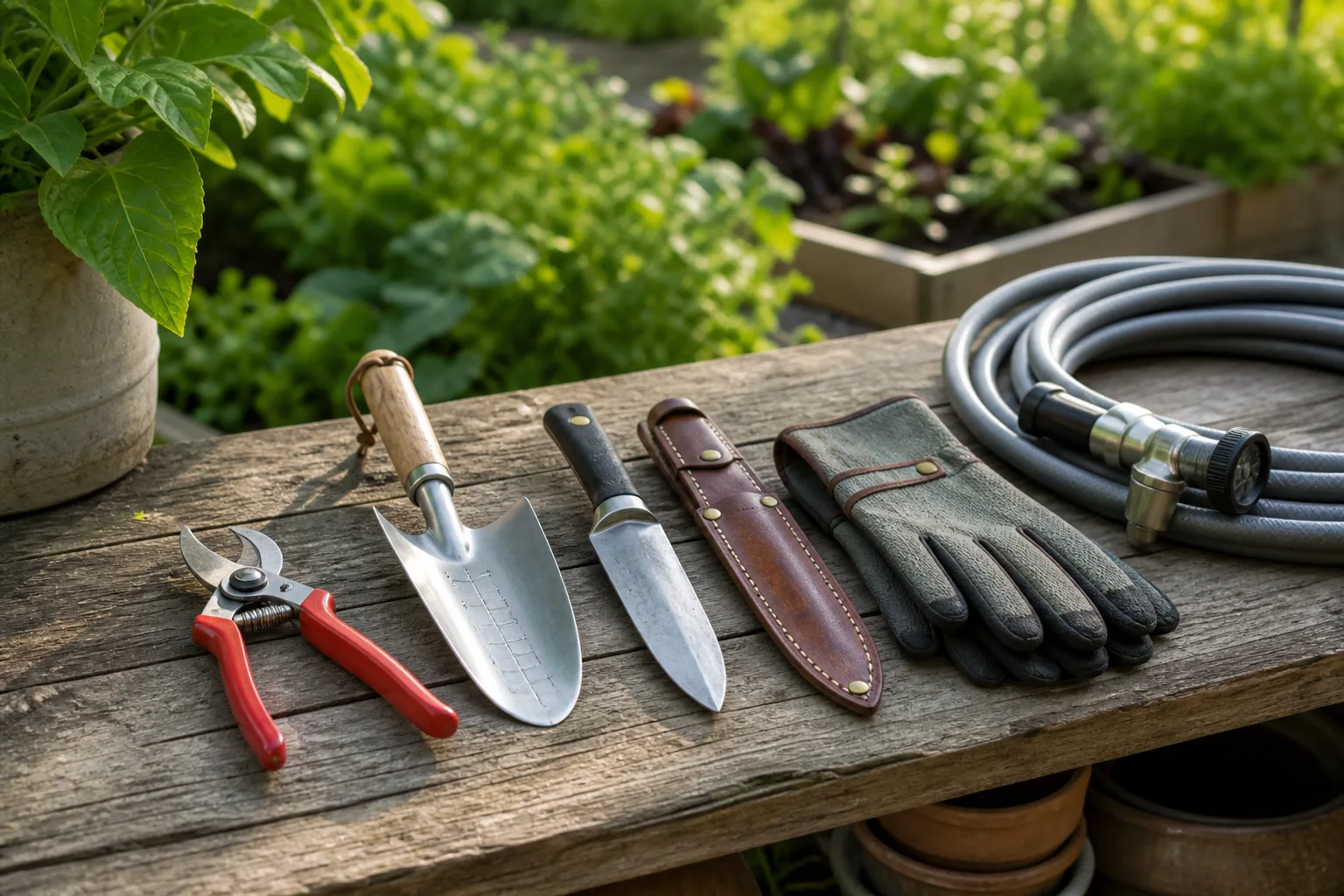
With hand tools, fit and control matter as much as material. Handle length, grip shape, balance, hand span, glove thickness, and the force required to close a pivoting tool all affect whether a pruner or trowel remains comfortable. If possible, hold the tool in the posture you will use it; online photos cannot tell you whether a handle pinches, twists, or becomes tiring when your hand is wet.
Look for practical construction details: a blade that can be sharpened or replaced, a pivot that can be cleaned, a handle that can be repaired, and a head that does not flex under the work you expect it to do. A polished finish or a heavy feel does not automatically mean a tool will last longer. After use, soil, sap, water, and storage conditions have a large effect on metal tools, so maintenance instructions and spare-part availability should influence the purchase. The University of Minnesota Extension’s guide to caring for pruning tools compares blade materials, ergonomic options, and the value of tools that can be disassembled or repaired—details worth checking before you buy.
Wearable gear has its own fit test. Gloves should let you bend your fingers and keep a secure grip; shoes need traction appropriate to mud or wet grass, not just a garden-themed look; a stool or kneeler should match your height and the way you work. A single “one-size-fits-all” claim is especially weak for gear that depends on body size and joint comfort. BBC Gardeners’ World’s tool-selection guide likewise emphasizes choosing a simple kit and assessing a tool’s balance, weight, comfort, and cleanability in hand.

Lawn and Powered Equipment
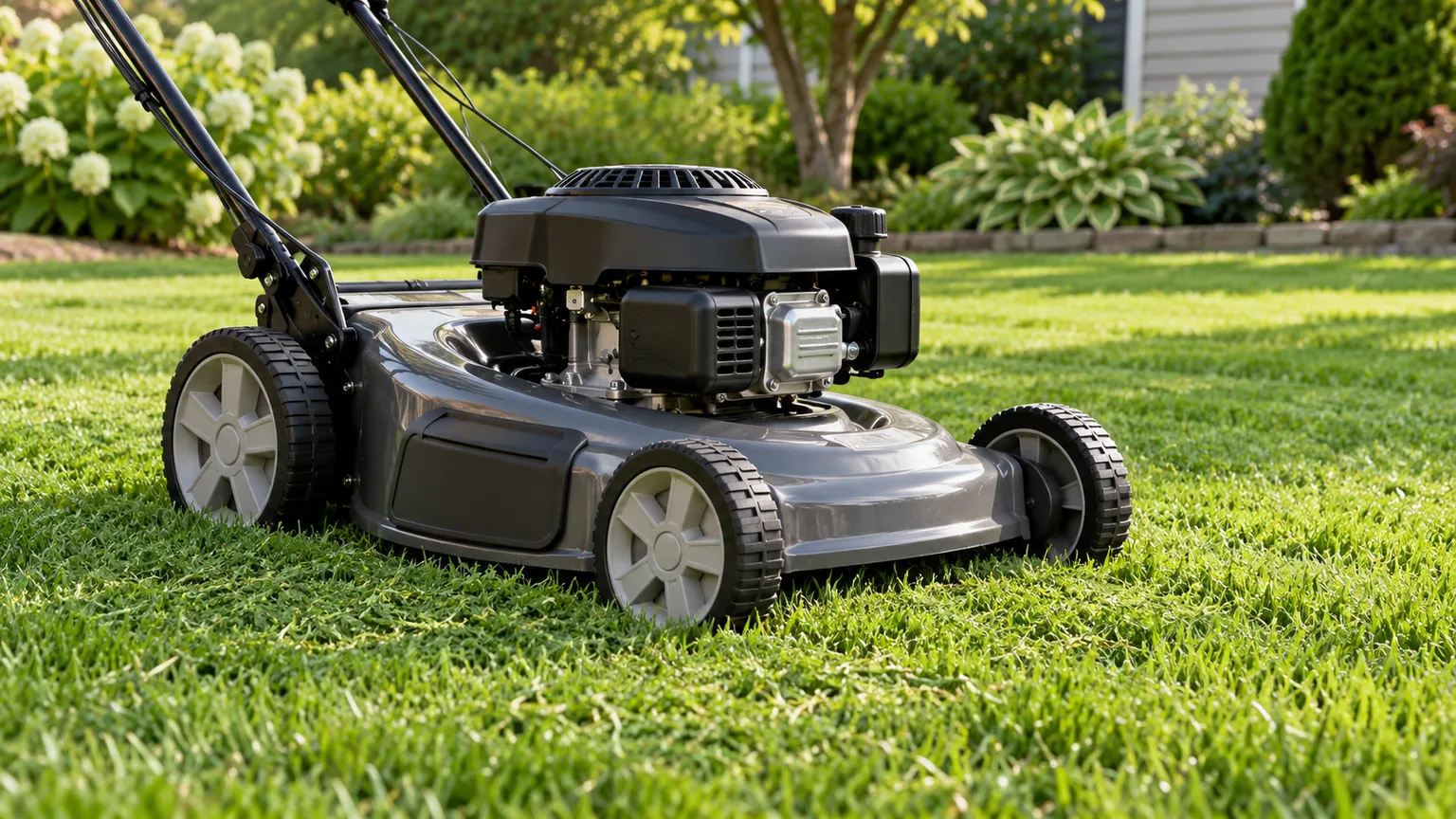
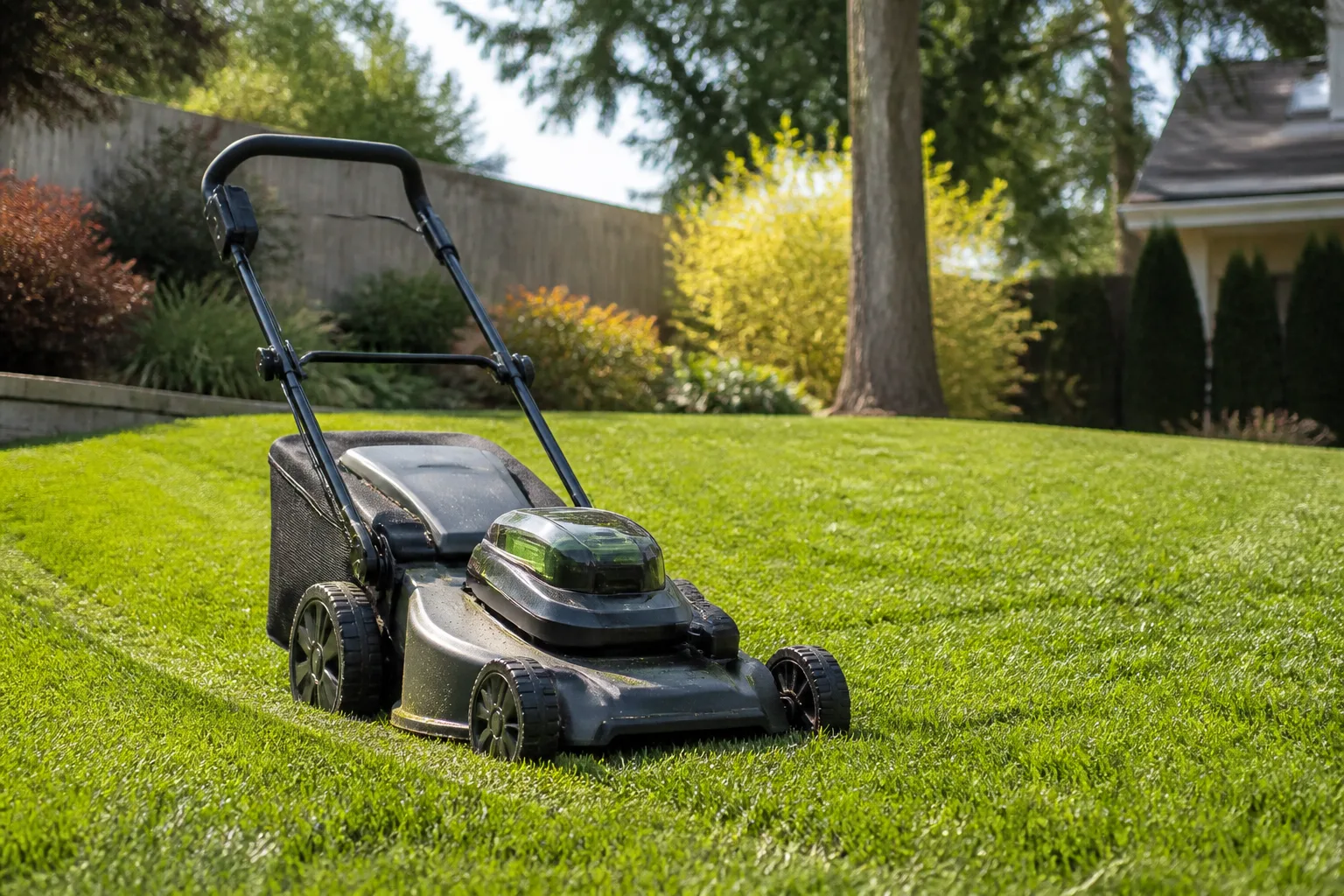
For lawn equipment, match the machine to the area you actually cut and to the obstacles that divide it. A wide cutting deck reduces passes in an open lawn, but it can struggle around narrow gates, small turns, and closely spaced beds. A self-propelled mower can reduce pushing effort, yet its weight, drive controls, battery runtime or fuel needs, and storage footprint still have to suit the person and property.
Power source is a system decision, not just a comparison of labels. Corded electric equipment needs a safe cord route and usable outlet; battery equipment makes the most sense when its run time covers the real job and the battery platform supports other tools you expect to own; gas equipment brings fuel, engine service, noise, and storage considerations. Verify compatibility against the exact model number and manual—similar product names can hide meaningful differences in included batteries, charger, cutting width, accessories, or warranty.
Think about what happens after the cut, too. If clippings are bagged, where will the bag be emptied? If leaves are mulched, does the machine support that mode in the configuration being sold? Who will clean the deck, sharpen or replace blades, and carry the tool for service? A machine that performs well on an open test lawn may not be as convenient on a sloped, broken-up property.
Watering and Irrigation Products
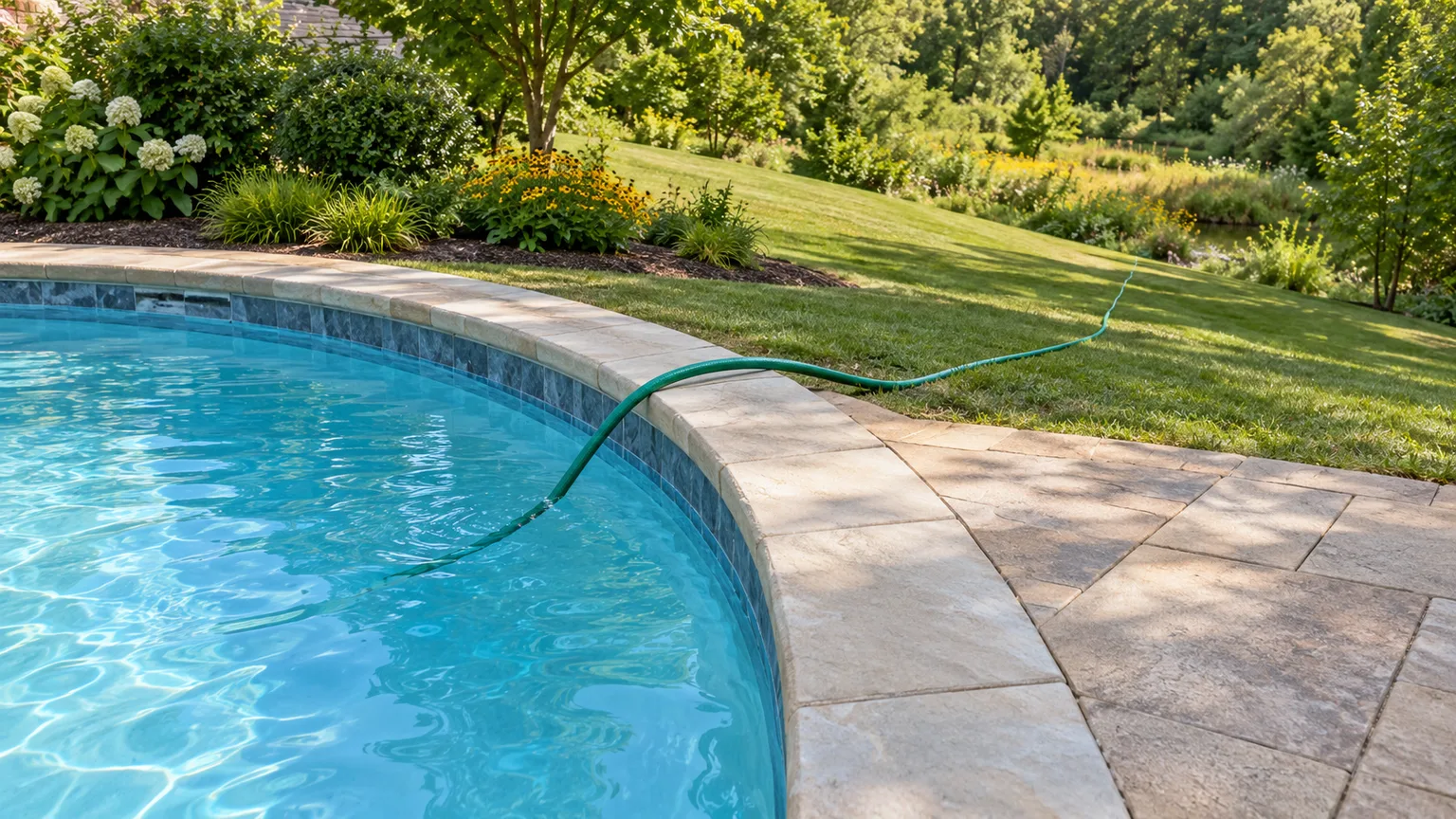
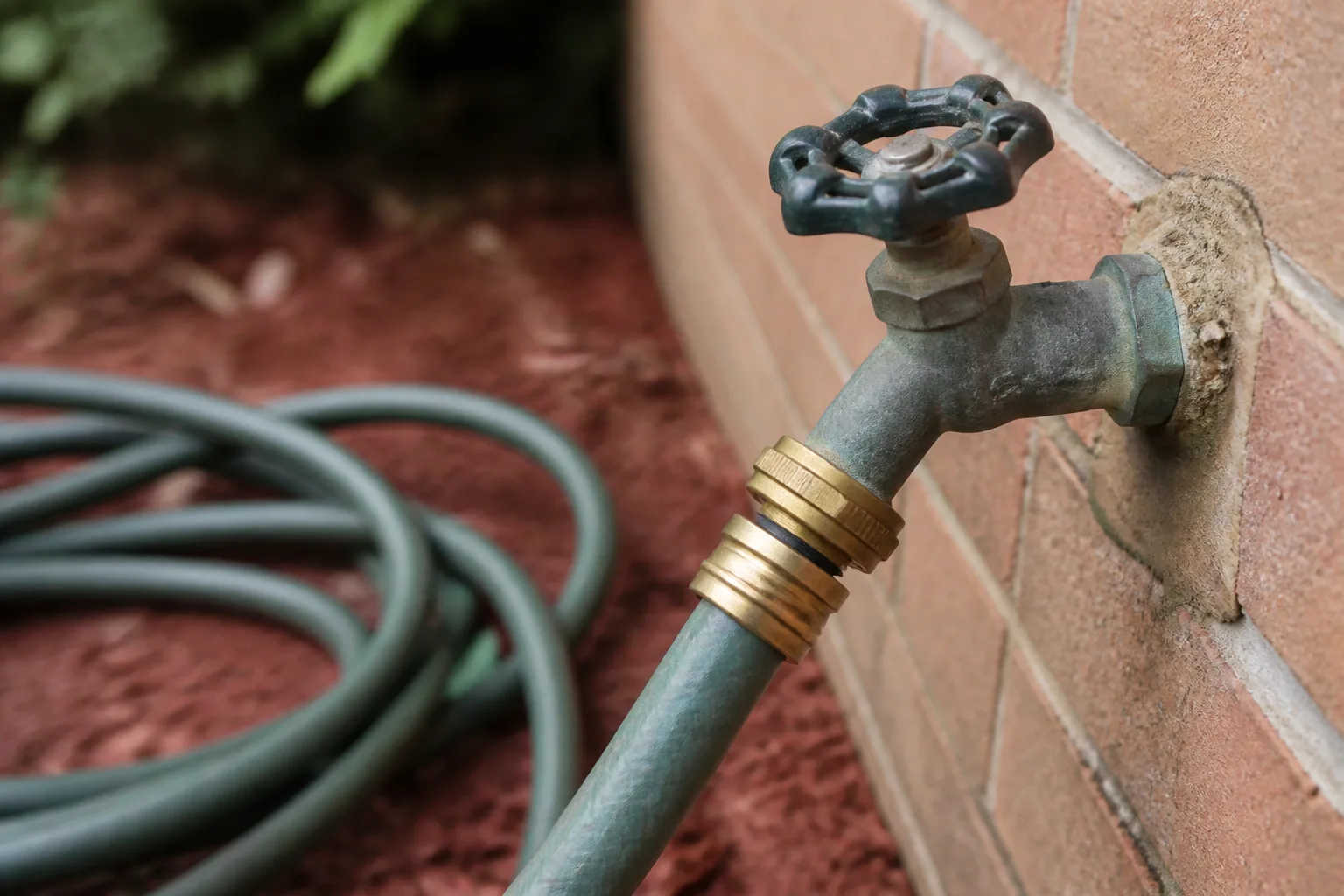
Choose hoses and watering equipment around distance, water delivery, and handling. Measure the route rather than guessing at length; extra hose adds weight and storage bulk. Check connector size and material, confirm the nozzle or timer fits the system you already own, and consider where the hose will coil without sharp bends. A hose review is most useful when it says how it was moved, stored, and connected, not only how it looked in a product photograph.
For watering beds, compare hand watering, sprinklers, soaker hoses, and drip irrigation by the shape and needs of the planting area. A sprinkler can be convenient on an open patch but may send water onto paths or foliage when beds are narrow; a soaker line can target rows but needs a layout that fits the beds and a way to check whether water is reaching the root zone. Plan delivery around the beds and plants rather than assuming that a longer hose or larger sprinkler automatically improves watering.
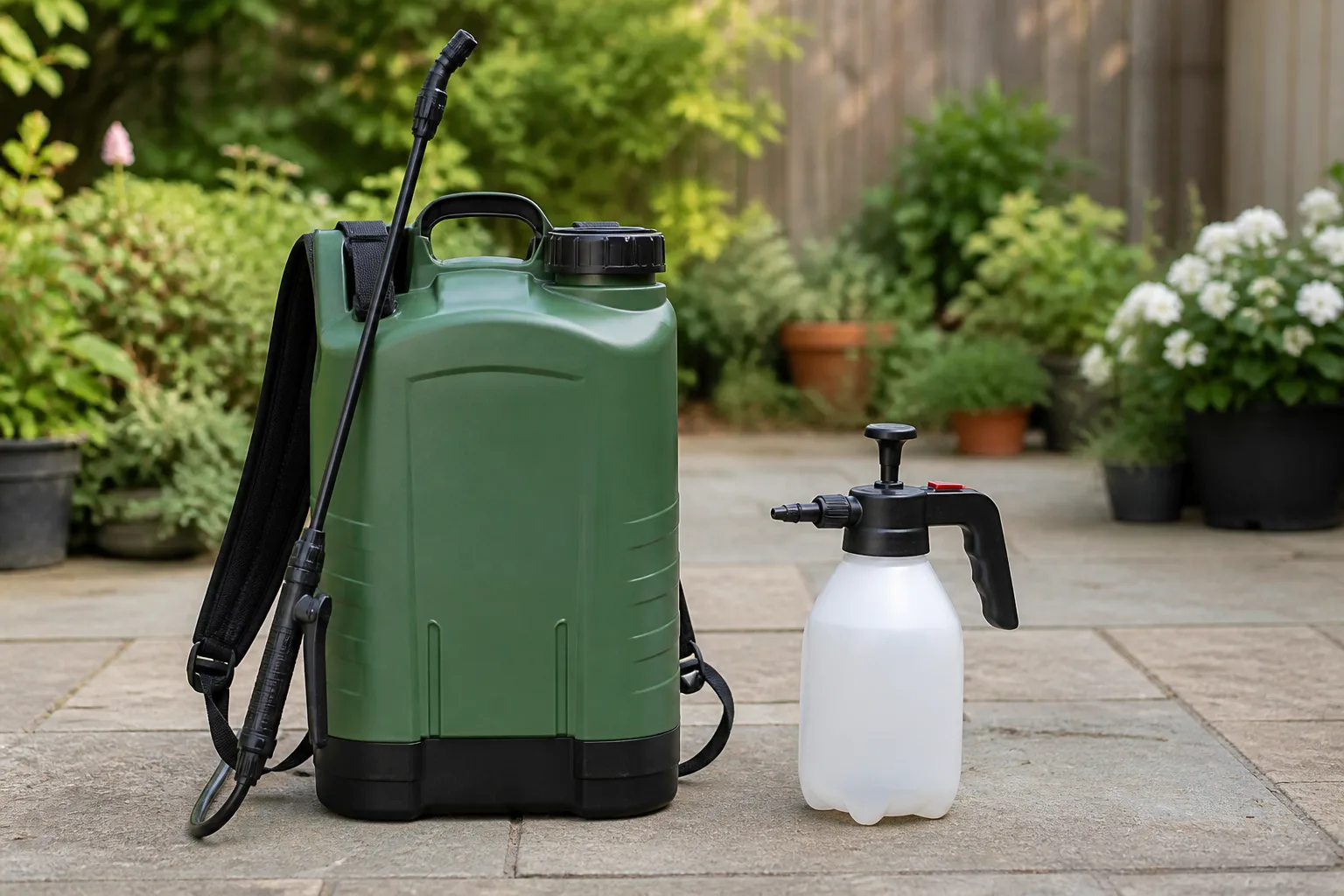
For sprayers, the product must be compatible with the material you intend to use and easy to rinse, store, and maintain. If a sprayer will be used for a pesticide, the pesticide label and applicable local rules govern its use; a product review cannot replace those directions. Consider whether a small hand-pump model suits spot work or whether a larger tank becomes too heavy when full. Tank capacity is not a benefit if you cannot comfortably carry and clean it.
Patio, Storage, and Outdoor Living
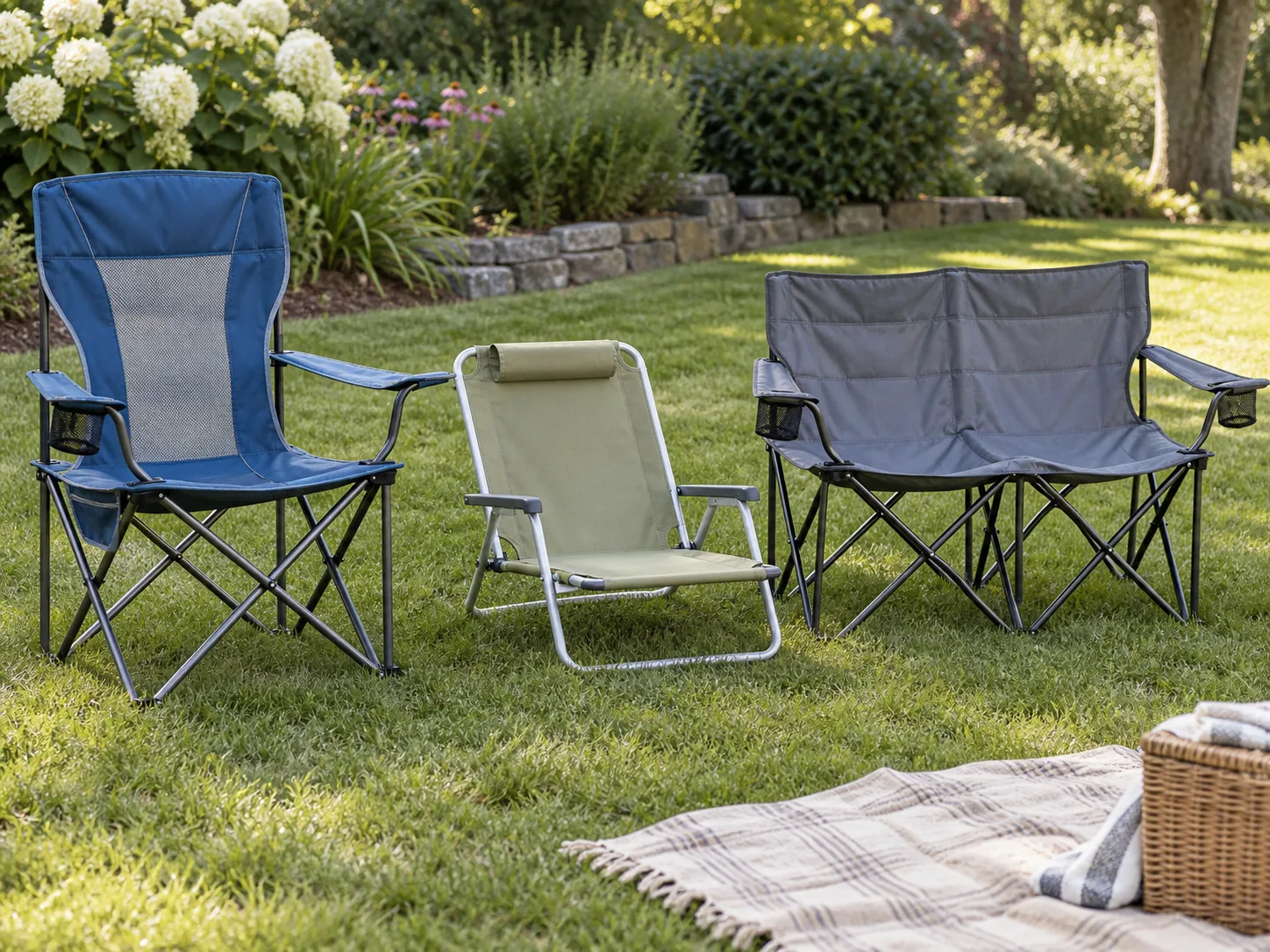
Outdoor furniture and storage products face a mix of rain, sun, wind, dirt, and temperature changes. “Weather-resistant” is not a precise promise about every climate or every season, so read the manufacturer’s care instructions and warranty exclusions. Ask what needs to be covered, moved, drained, tightened, or stored before winter, and whether you have somewhere to do that.
Dimensions matter as much as materials. Check the assembled footprint, door and gate clearance, weight, whether the item ships in sections, and whether you can move it without disassembling it. For cushions, covers, storage sheds, and deck boxes, consider ventilation, drainage, access to what you store, and how the product will be anchored or protected in exposed conditions. A low price is less helpful if the item cannot be assembled in the available space or its upkeep is unrealistic for your routine.
When the purchase involves a pool, hot tub, heater, or other equipment with electrical or water-safety requirements, treat it as a specialized decision. Check installation requirements, maintenance access, protective features, and local rules before comparing accessories or convenience features. A generic outdoor review is not a substitute for the manufacturer’s installation instructions or relevant safety guidance.
Read Product Reviews as Evidence
A star rating is a summary, not an explanation. Before using a rating to narrow your options, look at how many owners contributed, whether they used the same model and size you plan to buy, and whether comments describe the job you need the product to do. A glowing review for a lightweight hose used on a balcony may say little about how the same model handles a long route over rough ground.
The strongest review tells you what was evaluated, how the products were compared, and what did not work. Look for both a clear reason to choose a product and a limitation that might make you choose something else. If every pick sounds equally “excellent,” the page may not be drawing useful distinctions.
What a Hands-On Review Should Explain
A review that says it tested products should make the testing legible. Look for the exact model and size, number of units assessed, tasks performed, length of use, conditions, comparison criteria, and how observations affected the final recommendation. A mower test, for example, needs to distinguish performance across terrain and grass conditions from a single impression after one short pass; a garden cart comparison should say something about loading, turning, pushing, and unloading rather than focusing only on its appearance. BBC Gardeners’ World’s guide to choosing tools provides a practical example of criteria that benefit from direct handling, including balance and comfort.
Test results also have boundaries. One reviewer’s hand size, physical strength, climate, yard layout, and frequency of use may differ from yours. A product that feels comfortable for a short task can become tiring over an hour, and a tool tested on loose soil may behave differently in compacted ground. Good reviews describe these limits instead of presenting one setting as universal.
Check how the publication handles product samples, sponsorship, and affiliate links. Those relationships do not automatically prove that a recommendation is wrong, but clear disclosure helps readers understand how the publication may earn money. Keep the review’s evidence separate from its shopping link: the link is a path to purchase, not proof of performance.
What a Source-Based Buying Guide Can Tell You
A buying guide can still be useful without hands-on testing if it clearly says what it compared. Manufacturer specifications, user manuals, warranty terms, independent reviews, and established horticultural advice can help you understand dimensions, operating needs, compatibility, and maintenance. That kind of research can narrow a shortlist, but it should not be described as a field test if no one used the products under stated conditions.
Prefer guides that link to primary documentation for details that can change, such as model specifications, included accessories, safety instructions, battery compatibility, and warranties. The exact model number matters: a product family can include different capacities, bundle contents, and generations under similar names. If the guide relies on an older model or only a seller’s description, treat the recommendation as a starting point and verify the current listing and manual before purchase.
Practical editorial sources add context that a manual may not cover, such as whether a handle is comfortable over repeated use or whether a storage design fits a typical shed. A task-specific list, such as Epic Gardening’s fall-harvest tool roundup, can help readers see how tool needs change with the job; check whether a publisher sells the items it features and pair any recommendation with model details and evidence rather than treating a list as a universal “must-have” kit.
Compare Ownership Costs, Not Just Checkout Prices
The displayed price is only the first line of a product’s cost. Add the consumables, compatible accessories, batteries or fuel, maintenance supplies, replacement parts, storage, and repairs you are likely to need. A powered tool that requires a separate battery and charger may have a different real price from a bundle; a lower-cost tool with no replacement blade or service parts could cost more to keep usable.
Think in expected seasons of use, but do not pretend you know a product’s lifespan unless the evidence supports it. A simple planning calculation is purchase price divided by the number of seasons you reasonably expect to use it, plus recurring costs for upkeep and supplies. It is a comparison aid, not a guarantee. When life span is uncertain, compare realistic low and high scenarios rather than using an invented number.
Maintenance time is a cost too. A gas machine may need seasonal service; a metal hand tool needs cleaning and drying; outdoor furniture may need to be covered; irrigation equipment may need draining or winter storage in freezing climates. If the required care is unlikely to happen, choose a product with simpler upkeep or change the storage plan before buying.
Check Safety, Compatibility, Maintenance, and Warranty
Read the manual before you buy equipment that has blades, motors, pressurized liquid, electrical components, or moving parts. Check that the controls and guards suit the person using it, that you can safely perform basic maintenance, and that needed protective equipment is available. The product manufacturer’s safety instructions are more useful than assuming that all tools in one category are used the same way.
Compatibility often hides in details. Confirm the size and thread of hose fittings, the battery platform and charger, the width of an opening, replacement blade availability, and the actual kit contents. For a product used with chemicals, check the sprayer maker’s compatibility directions and follow the chemical label; never rely on a generic roundup page to determine safe use. For outdoor electrical products, verify the intended environment and installation requirements in the manual.
Finally, read the warranty as a set of conditions, not a badge. Find out which parts are covered, for how long, who pays shipping, whether commercial or heavy use is excluded, and what proof of purchase or registration is required. A strong warranty does not fix a poor fit, but a clear repair path and available parts can make a product more sensible for frequent use.
Use a Simple Pre-Purchase Scorecard
Before comparing models, score each option against the constraints that matter most to you. Do not turn the score into a fake laboratory rating; its job is to make trade-offs visible. Mark must-haves as pass or fail, then compare the remaining products on convenience and cost.
| Check | Ask before buying | Why it matters |
|---|---|---|
| Job | What task will this product do, and how often? | Prevents paying for capacity or accessories you will not use. |
| Site | Does it fit the area, route, slope, storage, and weather exposure? | Filters out products that cannot be used or stored in your space. |
| User | Can the intended user lift, hold, steer, clean, or maintain it? | Comfort and control affect whether the product gets used. |
| Evidence | Was it tested, researched from specifications, or described by the seller? | Keeps different strengths of evidence from being blurred together. |
| Ownership | What consumables, repairs, parts, power, and upkeep will it need? | Reveals costs and work after checkout. |
| Compatibility | Does it work with your fittings, batteries, accessories, and standards? | Prevents expensive surprises from mismatched systems. |
| Exit plan | Can you return, repair, resell, or recycle it if it fails or no longer fits? | Makes the downside visible before you commit. |
If two products both meet every must-have, choose using the features you will notice repeatedly: comfort, ease of cleaning, storage, noise, setup, or repairability. If neither passes a hard constraint, keep searching. A scorecard should help you reject a mismatch, not pressure you into choosing the highest number from a bad shortlist.
Avoid the Buying Mistakes That Leave Gear Unused
Buying a large set because it looks economical is a common way to end up with tools that do not fit your hands or your garden. Start with the items tied to jobs you already perform, then add specialized tools only when you encounter a recurring task they would genuinely simplify. A few well-used tools are more useful than a complete kit with weak duplicates.
Another trap is selecting the highest power, largest capacity, or longest reach by default. More capacity can mean more weight, harder storage, higher operating cost, and greater difficulty using the product safely. Choose enough performance for the hardest routine job, with a reasonable margin, rather than paying for the most demanding task you might perform once.
Do not confuse a dramatic claim, discount, or high star average with evidence. Verify exact model names, current bundle contents, return rules, and repair support. Read negative reviews for patterns rather than treating one complaint as decisive: repeated reports about a leaking fitting, missing part, or unreliable control deserve more attention than a one-off delivery problem unrelated to the product.
Finally, consider whether the product addresses the cause of the problem. If a hose kinks because it is too long for a small patio, a more expensive hose may not be the simplest fix; if lawn mowing takes too long because of obstacles, buying a wider deck may make turning harder. The right purchase starts with diagnosis, not a shopping cart.
Browse Guides by the Job You Need to Solve
Use category-specific reviews after you have defined the job and checked your site. For hand tools, start with the gardening tools guide and narrow by task; if comfort or mobility is part of the problem, compare gardening gloves, gardening shoes, and garden stools on the criteria that matter to your body and routine. These are different product types, so a shared “best overall” label should not substitute for a fit check.
For water delivery, compare garden hoses and garden sprayers only after confirming route length, fittings, intended use, and safe cleaning. If the problem is mowing rather than hand maintenance, move to a lawn mower comparison and compare mower types using your area, route, terrain, and storage measurements. A garden cart guide can help with hauling, while a raised garden bed guide is useful when the job is establishing a growing space rather than buying another tool.
Read the method and limits in the specific review you choose. The category is broad, and evidence from one product type does not transfer automatically to another: a hand-tool test cannot determine mower performance, and a mower review cannot tell you whether a patio cover will fit. Treat each page as a focused decision aid, check current product documentation before purchase, and return to your scorecard when two options look equally appealing.
Conclusion
The right garden or outdoor product is the one that fits a real job, the route and space where it will be used, the person who will handle it, and the upkeep you are willing to do. Measure first, separate must-haves from preferences, and read product reviews for their methods and limits—not just their star ratings or winner labels. Then compare the cost of ownership, safety, compatibility, parts, and warranty before you check out.
If the product fails a hard constraint, it is not the right choice at any price. If several options fit, choose the one that makes your recurring work easier and is realistic to maintain. That approach makes product reviews and buying guides useful tools in their own right: they help you buy less impulsively and put equipment to work in the garden you actually have.