The 7 Best Garden Stools for Weeding and Planting
Compare seven garden stools by seat height, kneeler vs cart design, wheels, storage, and weight limits—with surface rules, ergonomics, and picks for weeding, planting, and long bed sessions.
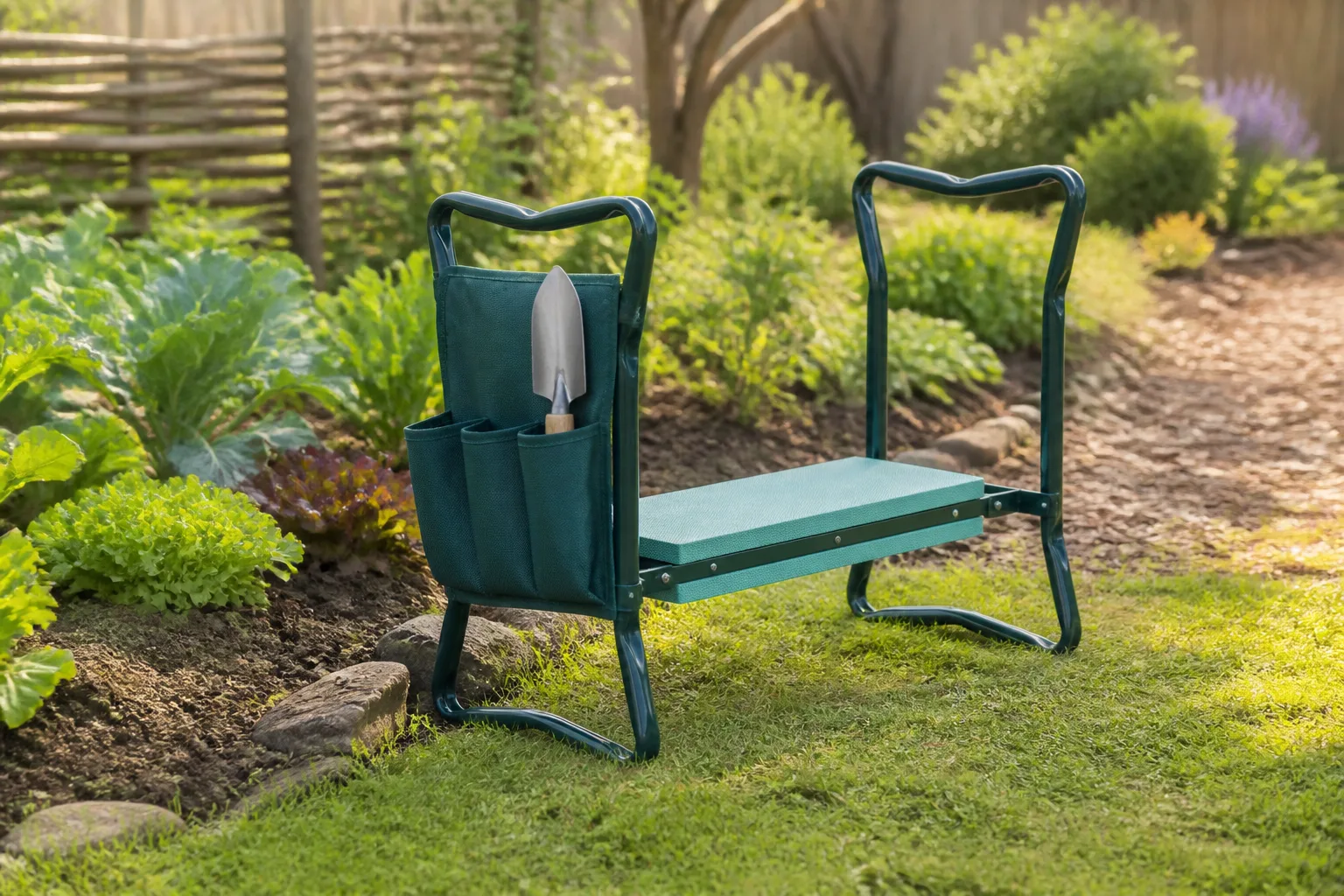
A garden stool is the piece of gear that keeps weeding, planting, and edge work from turning into a knee-and-back endurance test. The wrong one wobbles in mulch, sits too low to stand up from, or advertises a 400-pound rating that does not account for the force you apply when you lean on the handles to rise. The right one matches your terrain, your mobility, and the height you actually work at—not the height a product photo implies.
The seven models below cover the main stool categories: flip kneeler-seats, rolling cart benches, foldable tool seats, and low rockers. Run through the type, height, and surface rules in the first half of this guide before you chase a “best overall” label. Those decisions matter more than brand hype.
Quick Picks: Match the Stool to Your Yard and Body
Use this table to narrow the field. Street prices shift with sales; ranges reflect typical 2025–2026 U.S. pricing.
| Best for | Pick | Why it wins | Main compromise |
|---|---|---|---|
| Balanced kneel-and-sit workflow | TomCare Garden Kneeler Seat | Flip design, four pockets, 400 lb rating, folds flat | Legs wobble on uneven ground |
| Lowest spend on kneeler-seat | Ohuhu Garden Kneeler and Seat | Thick pad, two tool bags, under $40 typical | Same wobble issue on mulch |
| Hauling tools while you weed | Pure Garden Rolling Cart with Seat | Cart plus lid seat, removable tray | Hard unpadded seat; very low |
| Shed-friendly portability | Uncommon Goods Gardener’s Tool Seat | 21 pockets, folds small, detachable bag | 250 lb limit; lighter frame |
| Maximum onboard storage | Flinter Rolling Garden Work Seat | Metal basket, padded flip lid, 400 lb | Straight axle—no tight turns |
| Rough terrain and long sessions | Vevor Rolling Cart | 10 in inflatable tires, swivel seat | Bulky; assembly required |
| Pivoting low work without wheels | Vertex Premium Garden Rocker | Rocking base, adjustable 11–14 in height | Not for limited mobility |
If you garden mostly at waist height in raised beds, skip to Alternatives before buying anything on this list.
Do You Actually Need a Garden Stool?
You need a dedicated low seat or kneeler when repeated ground-level tasks—weeding paths, planting rows, deadheading border plants, harvesting strawberries, or trimming lawn edges by hand—show up weekly and your knees or lower back complain afterward. Occasional ten-minute weeding sessions rarely justify storage space for another piece of outdoor gear.
A garden stool differs from a patio chair in three practical ways. Height puts your hips low enough to reach soil without folding flat. Padding separates knees and seat bones from roots, stones, and damp earth. Handles or side rails give you a push point when standing up from a position that does not use chair-height leg leverage.
Gardening still taxes the body even when you love it. Long kneeling and forward bending load the knees and lumbar spine; poor posture while squatting adds neck and shoulder stiffness over seasons of work. Tools that add cushion and a stable rise point—kneeler-seats with armrests or rolling carts that stay planted—extend comfortable working time for aging joints and weekend marathon sessions alike.
You can skip a purchased stool if raised beds, tall containers, or a potting bench already place most work at a comfortable standing or seated height. Fine Gardening’s potting-shed guidance notes that standard potting benches sit around 34 inches high—ideal for standing work—and that you can adjust DIY builds to accommodate a chair or stool when your back needs a break. Match the workstation to the task instead of forcing every job to the ground.
Four Garden Stool Types and When Each Wins
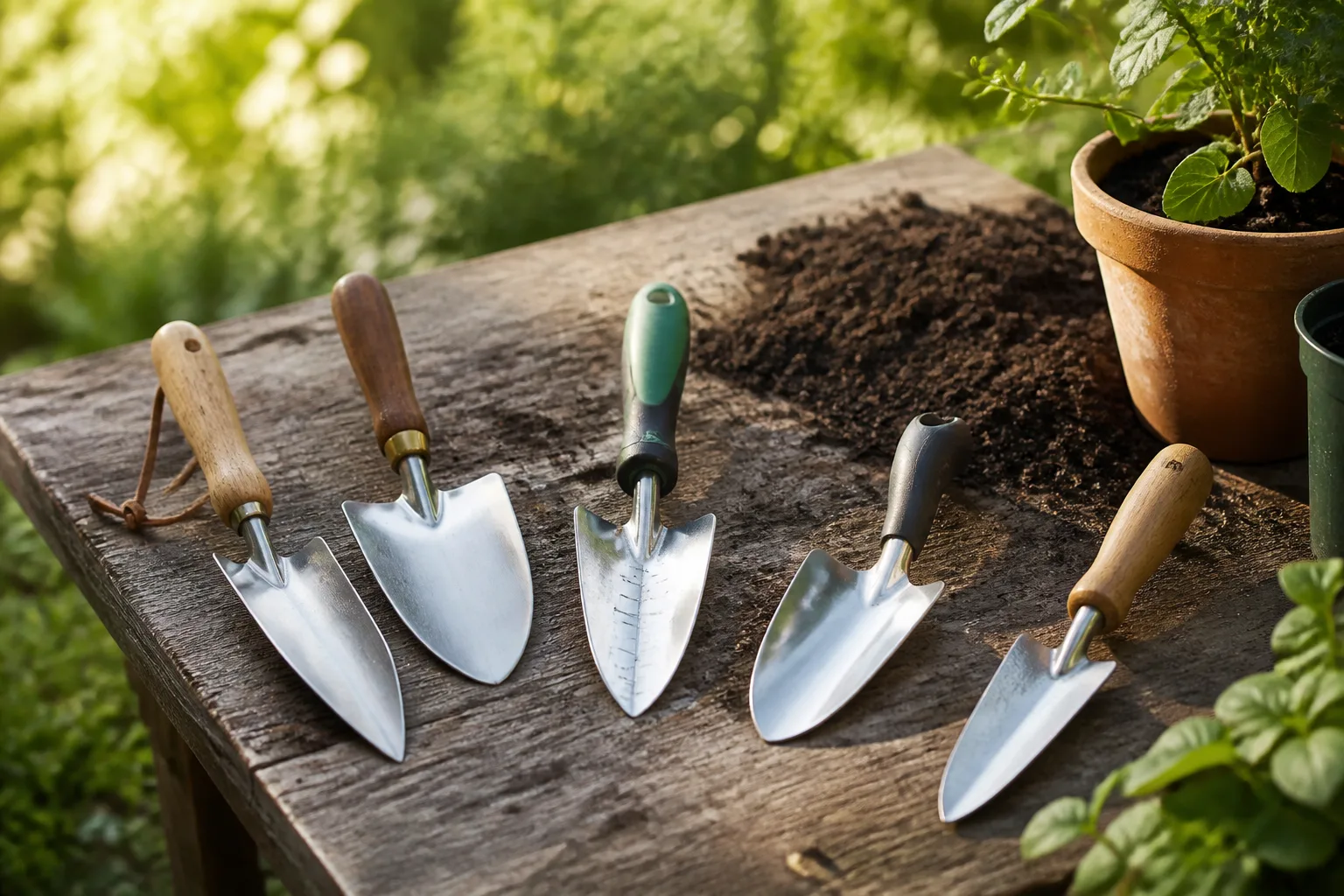
Not every “garden stool” solves the same problem. Pick the category first; then compare brands inside that lane.
Fold-and-Flip Kneeler-Seats
The classic 2-in-1 kneeler-seat flips between a ~19-inch bench and a padded kneeling platform. Side handles or rails help you push up from kneeling without grabbing wet soil. EVA foam pads feel similar to a firm yoga mat—cushioned but not squishy. These dominate the category because they cover both “sit for a break” and “kneel to weed” without two separate products.
Best when: Your yard mixes flat lawn patches with beds that need close-up hand work, and you can store a folded frame in a shed or garage. Weak when: Legs sink into deep mulch or rest unevenly on gravel—both TomCare and Ohuhu picks wobble unless the ground is relatively level.
Rolling Cart Seats
Rolling garden seats combine a storage tub or basket with a lid you sit on. Some lids flip to become pull handles. Wheels keep the unit planted on the ground while you roll forward—better on mulch and uneven turf than four skinny legs.
Best when: You weed long rows, haul hand tools and soil amendments in one trip, or need stability without picking up a stool every few feet. Weak when: Storage is tight, paths are narrow, or you need a padded kneeling surface rather than a hard plastic lid.
Low Rockers and Swivel Stools
Garden rockers and swivel work seats sit 11–14 inches high with a rounded or rotating base so you pivot while pruning at ground level without scooting a stool with your hands. They are lightweight and easy to carry bed to bed.
Best when: You work in open beds with firm, relatively flat soil and good balance. Weak when: Rising from low height is difficult, or you need handles—rockers deliberately omit them.
Foldable Tool-Seat Hybrids
Tool-seat hybrids look like folding camp chairs with detachable nylon tool bags. You get seated height near a standard folding chair but with dozens of pockets for trowels, gloves, and seed packets.
Best when: Portability and organization matter more than kneeling—deadheading, light planting, or supervising kids in the garden. Weak when: You need true kneeling support or a 300+ pound duty rating.
Seat Height That Matches Your Body and Task
Comfortable garden stool height depends on whether you are sitting to rest or kneeling to work. Bench mode on flip kneelers typically lands near 18–20 inches seat height—low compared to dining chairs but high enough that knees stay below hips when seated. Kneeling mode puts pads roughly 2–3 inches above soil, protecting knees without lifting your center of gravity so high that you still hunch to reach plants.
Low rockers and cart lids often sit 10–14 inches. That is appropriate for close ground work but brutal if you have hip stiffness, arthritis, or difficulty generating leg power from a deep squat.
How to Measure for Comfortable Low Work
Stand beside the spot where you weed most often. Squat until your hands reach the soil comfortably without rounding your lower back severely. Note the distance from ground to your hip crease—that is your functional working height. If a stool’s seated height is more than 4 inches above that hip crease in bench mode, you may still lean forward aggressively and load your back.
For rising ease, test whether you can push off handles with elbows slightly bent. If you need to yank yourself up using full arm strength, the stool is too low or lacks stable rails. University of Minnesota Extension stresses matching garden structures—including work height—to the gardener’s body when planning accessible beds; the same logic applies to stool height.
Seat width matters for balance. Pads around 10–11 inches wide support kneeling with knees together; wider 21-inch kneeler platforms let you shift weight side to side. Rolling cart lids around 10 inches wide feel narrow for long sits—fine for weeding bursts, not for hour-long planting marathons.
Wheels vs Fixed Legs on Real Garden Surfaces

Surface type should drive your stool category more than brand marketing.
Fixed-leg kneeler-seats work on packed soil, short turf, and level pavers. On deep mulch, wood-chip paths, and loose gravel, individual legs sink or tilt. Non-slip rubber feet help on damp grass but cannot fix a fundamentally uneven plane. If your beds sit in mulched rings, expect occasional wobble unless you level a small work pad.
Rolling cart seats stay more stable on mulch and uneven lawn because weight spreads across a platform and wheels roll over minor bumps instead of punching into soft ground. Straight-axle carts (Flinter) track forward well but resist tight turns around bed corners. Swivel-seat tow-style units (Vevor) with large inflatable tires handle gravel, rough grass, and rutted paths better than 4-inch hard plastic wheels.
Rockers need firm, fairly flat soil. Soft loam lets the rocker dig in and tilt. They excel on packed paths where you pivot along a row without standing.
Rule of thumb: legs for flat zones near the patio; wheels for the wilder parts of the yard.
Materials That Survive Mud, UV, and Freeze-Thaw
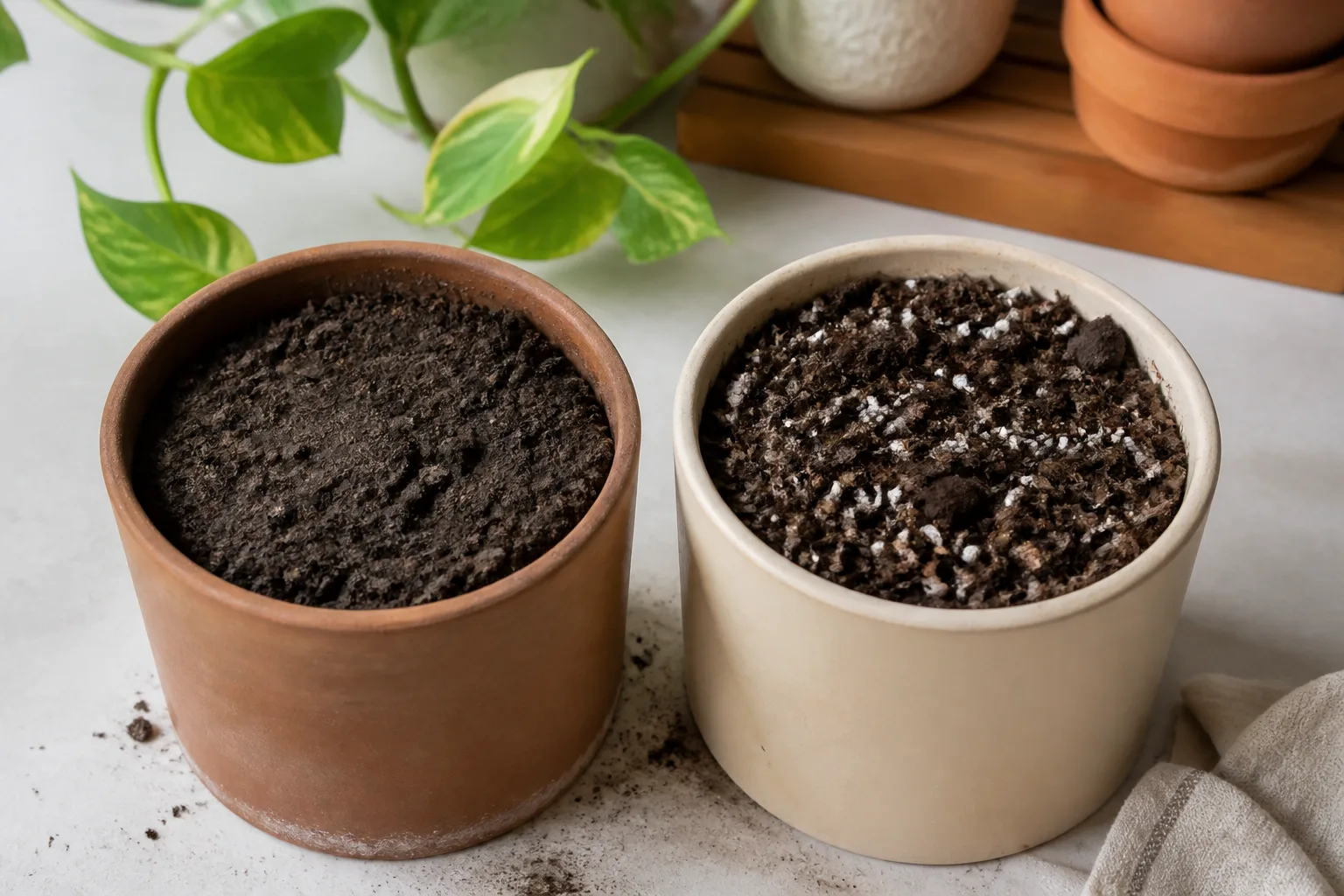
Outdoor stools live in the worst corner of your tool shed: wet knees, gritty soil, UV, and freeze-thaw if you forget them outside.
Powder-coated or painted steel frames on kneeler-seats and rolling carts resist rust if touch-up paint follows scratches. Check hinge pins and spring locks yearly—they corrode faster than main tubes. Wipe frames dry before winter storage.
EVA foam pads repel water better than open-cell foam but still hold grit. Brush dried soil off pads; avoid pressure washers that drive water into seams. Replace pads when compression zones stay flattened after a day of rest.
Polypropylene cart bodies (Pure Garden) won’t rot but can become brittle after years of full-sun exposure. Store carts under cover when possible. Metal baskets (Flinter, Vevor) outlast plastic for heavy tool loads but need rust watch at weld points.
Nylon tool bags on foldable seats shed rain reasonably well but stain from soil and fertilizer. Detach bags, shake them out, and air-dry before storing folded frames—trapped moisture mildews fabric in closed sheds.
Inflatable tires (Vevor) smooth out terrain but need periodic pressure checks and puncture repair kits if you work near thorny brush or sharp gravel.
Storage Pockets, Baskets, and On-Seat Organization
Organization features only help when they match how you move through the garden.
Detachable pouches (Ohuhu, Uncommon Goods) let you carry trowels, pruners, and seed packets to a new bed without lifting the whole stool. Specify pouches deep enough for 8-inch trowels and with Velcro or snap closures so tools do not slide out when you flip the seat.
Integrated pockets (TomCare, Vertex) keep essentials reachable in kneeling mode. Four large pockets beat two skinny ones when you stage gloves, twine, a soil knife, and a spray bottle simultaneously.
Under-seat baskets (Flinter, Vevor, Pure Garden) hold bulky items: extra gloves, soil bags, harvested produce, or a hand cultivator set. Rate the basket for metal vs plastic if you drop pruners or store sharp tools—metal won’t crack; plastic can.
Avoid overloading hanging bags on flip kneelers; heavy side weight can twist a frame already stressed on uneven ground.
Balance, Mobility, and When to Skip a Low Stool
Garden stools assume you can sit down and stand up without dizziness, and that you can recover if the stool shifts slightly.
Skip low rockers and unpadded cart lids if you use a cane, have recent knee surgery, or struggle with balance on soft ground. A sturdy kneeler-seat with high handles or a wheeled cart you do not have to lift is safer than a 3-pound rocker that slides.
Weight capacity labels (250–400 lb) describe static load on flat ground—not the dynamic force when you lean on handles to stand, brace on side rails while kneeling, or twist on a swivel seat. Treat ratings as guidance; choose wider frames and metal construction if you apply full body weight during rises.
Children and pets underfoot make wheeled carts hazardous on slopes. Work on level ground, engage brakes if your model has them, and never roll downhill with tools loose in an open basket.
If standing from any low seat feels unsafe, invest in raised beds or vertical planters that bring work to chair or standing height instead of forcing ground-level ergonomics.
Best Overall: TomCare Garden Kneeler Seat
The TomCare Garden Kneeler Seat (~$50 street) earns the top spot because it solves the two jobs ground-level gardeners repeat most: kneeling with padded support and sitting without going back to the patio. Flip the EVA pad between modes in seconds; spring-loaded side locks collapse the steel frame flat for shed storage.
Four large fabric pockets hold trowels, gloves, seed packets, and a hand pruner without sagging empty. The frame lists 400 pounds capacity—among the highest in this group—and the unit weighs about 7 pounds, light enough to carry bed to bed on flat routes.
What we like: Genuine 2-in-1 versatility; raised handles for standing assistance; three color options; folds narrower than many competitors.
What we don’t like: Legs wobble on mulch and uneven turf—non-slip feet help but do not eliminate tilt. Not a substitute for a wheeled cart on soft ground.
Specs: ~11.6 × 21.9 × 19.1 in folded footprint; steel frame with EVA foam pad; ~7 lb; 400 lb rated capacity.
Best Kneeler: Ohuhu Garden Kneeler and Seat
The Ohuhu Garden Kneeler and Seat (~$35) targets gardeners who want maximum pad thickness without paying for premium cart hardware. The wide EVA cushion supports knees in kneeling mode and hips in bench mode; side rails double as rise assists similar to TomCare’s handles.
Two detachable tool bags clip to the frame with enough depth for standard hand tools. Steel construction lists 330 pounds capacity at roughly 6.3 pounds total weight—easy to hang on a shed hook when folded.
What we like: Best pad comfort per dollar; detachable bags; proven flip design; weather-tolerant materials for seasonal outdoor storage.
What we don’t like: Same uneven-ground wobble as other legged kneelers. Bags can swing when you carry the folded unit if not detached.
Specs: ~10.9 × 23.5 × 19.3 in; steel, foam, and fabric; ~6.3 lb; 330 lb capacity.
Best Budget: Pure Garden Rolling Garden Cart with Seat
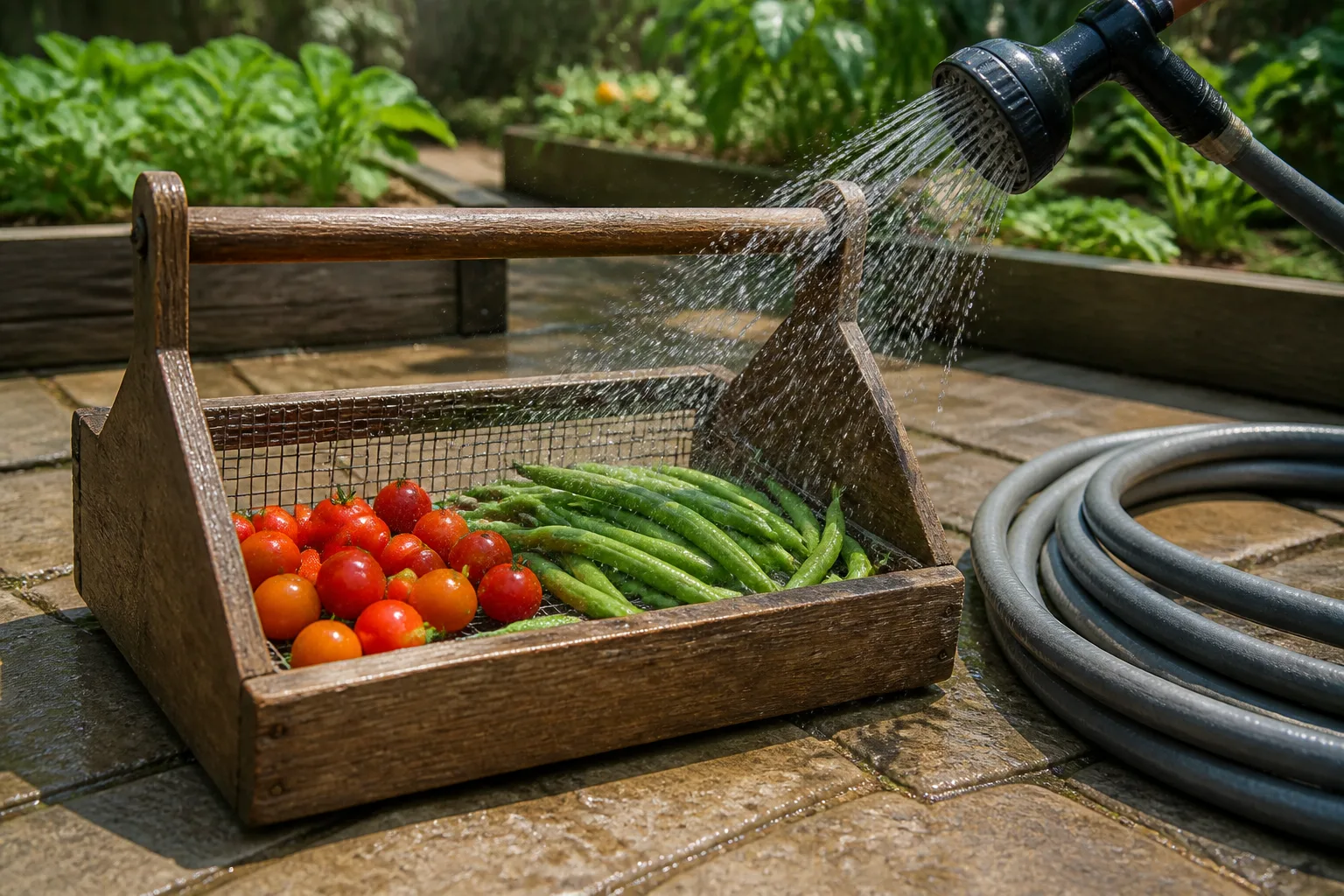
The Pure Garden Rolling Garden Cart with Seat (~$45–50) is the value play when you need mobility plus cargo more than kneeling luxury. The hard plastic lid is a seat; the tub below stores tools, soil, or harvested vegetables. 6-inch wheels and side handles help you pull through grass and light uneven ground.
A removable tool tray nests in the lid for small items you want without digging through the main compartment. Polypropylene construction lists 220 pounds on the seat—fine for most adults in weeding bursts but not for bracing your full weight repeatedly.
What we like: Cart and seat in one; maneuvers better on mulch than legged stools; spacious interior; low price for rolling storage.
What we don’t like: No seat padding—plan short sessions or add a removable cushion. Seat height under 12 inches makes standing harder for some users. Plastic feels less premium than metal rolling units.
Specs: ~10 × 21.5 × 11.5 in; polypropylene and metal; ~6 lb; 220 lb capacity.
Best Foldable: Uncommon Goods Gardener’s Tool Seat
The Uncommon Goods Gardener’s Tool Seat (~$49) optimizes portability and pocket count for gardeners who hop between patio containers, front-yard beds, and community plots. The nylon tool bag detaches via hook-and-loop fasteners and packs 21 pockets in varied sizes—more organization than any other pick here.
The steel-and-nylon frame folds to roughly 15.5 × 11 × 16.75 inches—small enough for a car trunk. It functions as a conventional low folding seat rather than a kneeler, which suits deadheading, light planting, and supervising kids without kneeling on the pad.
What we like: Extreme pocket layout; detachable bag; folds smaller than kneeler frames; water-resistant nylon shrugs off drizzle.
What we don’t like: 250 pound capacity is the lowest in this roundup. Frame flexes more than heavy steel kneelers. Not a kneeling solution—pad is for sitting only.
Specs: ~15.5 × 11 × 16.75 in; nylon and steel; weight not always listed; 250 lb capacity.
Best With Storage: Flinter Rolling Garden Work Seat
The Flinter Rolling Garden Work Seat (~$58–70 sale pricing) maximizes onboard volume without jumping to the Vevor’s bulk. A reinforced metal inner basket swallows gloves, fertilizer bottles, hand tools, and even small soil bags. The padded vinyl lid flips to a pull handle when you want to drag the cart instead of pushing.
4.7-inch rubber wheels roll smoothly on lawn and hard paths, though the straight axle means wide turns—not tight weaving around raised-bed corners. The all-metal frame rates 400 pounds and assembles with basic tools in under an hour for most users.
What we like: Huge storage; padded seat unlike Pure Garden; metal durability; flip lid handle is clever for repositioning.
What we don’t like: Wheels do not swivel. ~15 pounds empty—heavier than kneelers. Assembly required.
Specs: ~12.5 × 17 × 17.2 in; metal frame, vinyl cushion; ~15 lb; 400 lb capacity.
Best With Wheels: Vevor Rolling Cart
The Vevor Rolling Cart (~$88) is the heavy-duty mobile workstation for large yards, rough paths, and gardeners who treat low work as a half-day job. 10-inch treaded inflatable tires cross gravel, chipped paths, and bumpy lawn where small hard wheels bog down. A 360-degree swivel seat lets you pivot along rows without standing.
Steel construction lists 300 pounds with a thick padded seat and included seat cover for mud protection. A metal basket and plastic tray keep long-handled tools and small items separate. An extendable handle aids pulling when the basket is loaded.
What we like: Best terrain capability; swivel seat reduces repeated standing; inflatable tires absorb bumps; dual storage zones.
What we don’t like: ~30 pounds and large footprint—needs garage space. Assembly takes time. Highest price here. Bulk makes tight gate paths awkward—measure before buying.
Specs: ~29.9 × 17.7 × 17.7 in; carbon and alloy steel; ~30 lb; 300 lb capacity.
Best Rocker: Vertex Premium Garden Rocker
The Vertex Premium Garden Rocker with Cushion, Cover, and Pockets (~$70) suits gardeners who pivot along rows on firm soil and want minimum carry weight. The patented rocking base lets you twist and slide slightly while pruning, planting plugs, or harvesting low crops without scooting a conventional stool by hand.
Seat height adjusts 11–14 inches with a foam cushion and weather cover. Side pockets hold pruners and a soil knife. At ~3 pounds, it is the lightest pick—easy to hang or toss in a tub with other hand tools.
What we like: Unique rocking motion reduces some knee twisting; adjustable height; ultralight; pockets integrated.
What we don’t like: No rise handles—worst choice if standing from low height is hard. 250 pound rating with less structural support than bench or cart options. Rocks poorly on deep mulch or loose soil.
Specs: ~14 × 16 × 16 in; plastic and polypropylene; ~3 lb; 250 lb capacity.
Alternatives Worth Considering Before You Buy
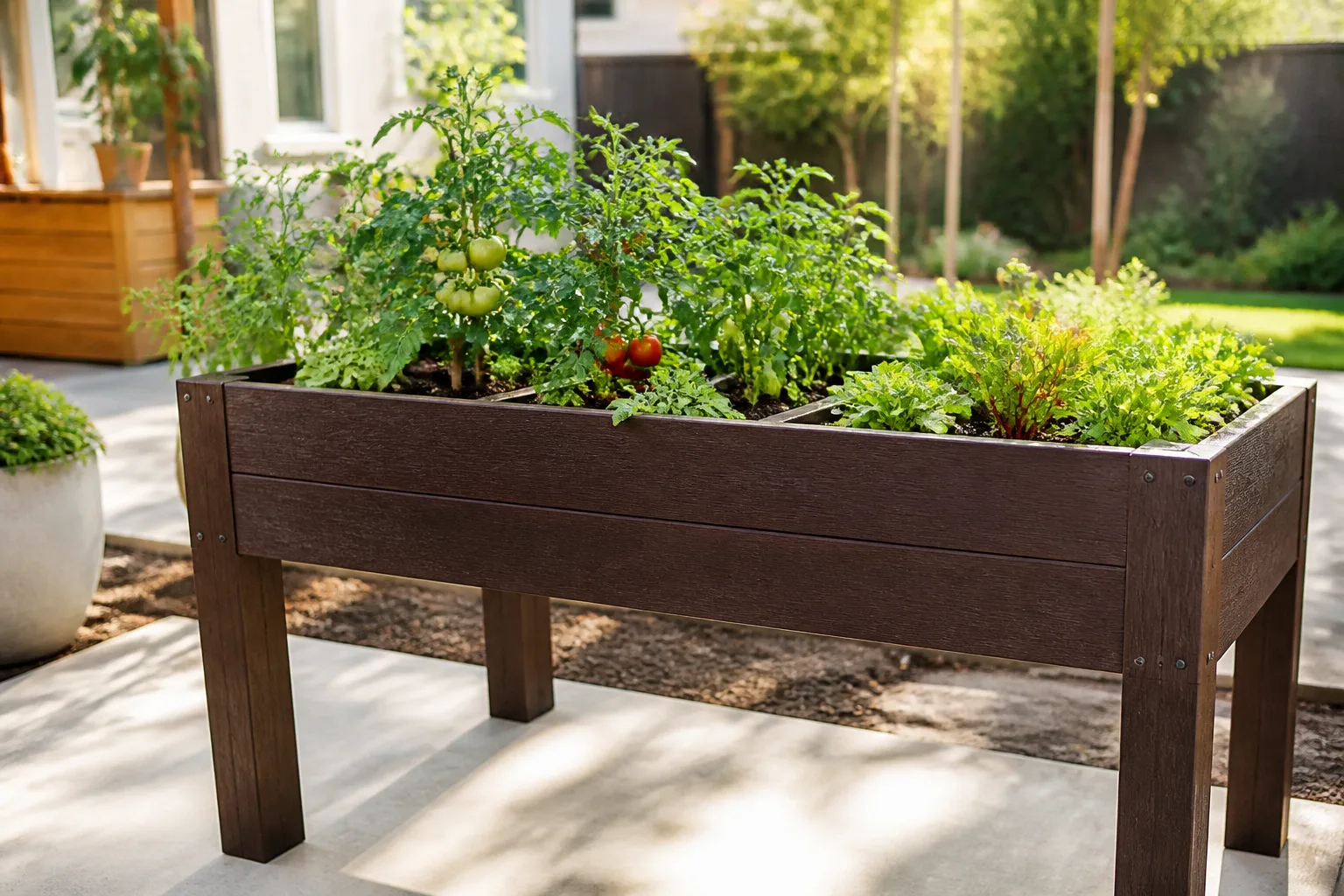
A garden stool is not always the right first purchase.
Thick kneeling pads (~$15–25) solve occasional knee pain with zero frame storage. Pair a pad with raised beds or tall containers so most work stays at standing height—Fine Gardening stores kneeling pads on potting-bench shelves for quick ground-level tasks but centers daily workflow at bench height.
Raised garden beds at 24–30 inches bring soil to a height many gardeners can tend while seated on a standard chair or leaning lightly—often better for chronic back issues than repeated rises from 11-inch rockers.
Garden carts without seats haul soil and tools when you are comfortable kneeling on a separate pad. You trade seated rest for simpler mechanics and lower cost.
Potting benches (~34-inch work height) anchor repotting, seed starting, and tool cleaning—complementary to ground stools, not replacements if your weeds live in lawn paths.
Choose stool + bench if you split time between in-bed hand work and container repotting.
Conclusion
The best garden stool is the one that matches your ground, your rise ability, and how you carry tools—not the one with the longest feature bullet list. For most flat-yard weeding and planting, the TomCare Garden Kneeler Seat balances kneeling, sitting, pockets, and fold-flat storage. Need mulch-stable mobility? Pure Garden or Flinter rolling seats beat legged frames on soft turf. Rough paths and long rows point to the Vevor swivel cart. Tight storage and pocket obsession? Uncommon Goods wins. Pivot-heavy row work on firm soil? Consider the Vertex rocker—only if you do not need handles to stand.
Measure your working height, honest about balance limits, and buy the category first. Your knees and lower back will tell you within one weekend whether you chose correctly.