9 Best Potting Benches for Gardeners
Compare nine potting benches by height, sink type, storage, and weather resistance—with sizing rules, material trade-offs, and picks for patios, sheds, and serious seed-starting stations.
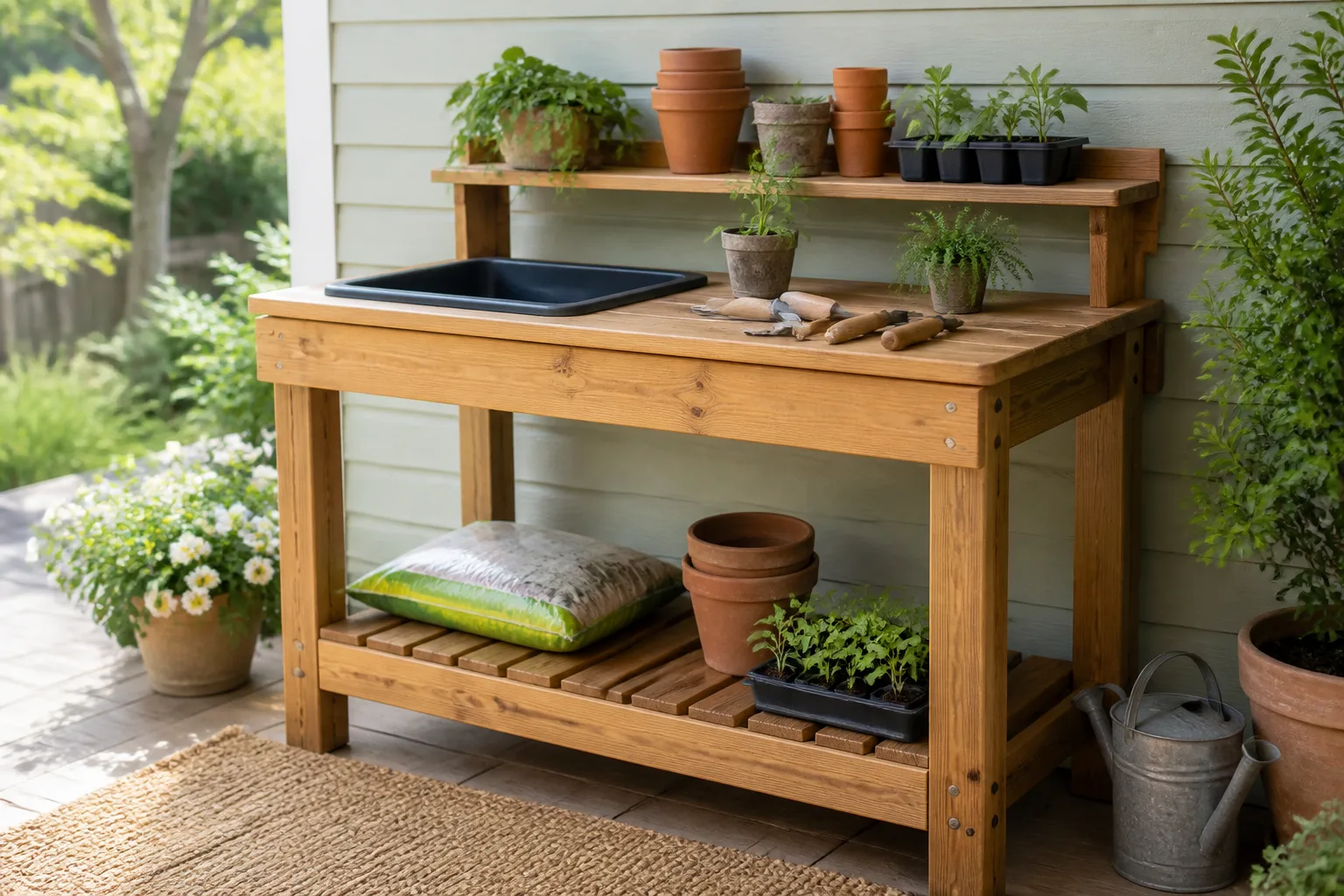
A potting bench is not glamorous garden gear. It is the piece of furniture that keeps potting soil off the kitchen tile, gives seed flats a level home, and puts pruners where your hand actually reaches them. The wrong bench wobbles under a bag of mix, holds water in the wrong places, or sits six inches too low and turns an hour of transplanting into a backache. The right one becomes the fixed station where messy work stays contained.
The nine models below cover real workflows—from occasional houseplant repotting on a patio to spring seed-starting marathons in a shed. Before you match a brand name to your cart, run through the sizing, materials, and feature rules in the first half of this guide. Those decisions matter more than any “best overall” label.
Quick Picks: Match the Bench to Your Workflow
Use this table to narrow the field. Street prices shift with sales; ranges reflect typical 2025–2026 pricing in the U.S.
| Best for | Pick | Why it wins | Main compromise |
|---|---|---|---|
| Balanced all-around | Loon Peak Jackson Fir | Removable plastic sink, solid fir frame, drawer plus hooks | Fixed—not portable |
| Lowest spend that still functions | Yaheetech Garden Potting Bench | Metal wipe-clean top, enclosed drawers, strong value | No dry sink |
| Maximum organized storage | Archie & Oscar Grimsby | Cedar cabinet, four tiers, slat back for tools | No pull-out drawer |
| Best sink for messy repotting | Veikous with stainless sink | Steel basin handles scrubbing better than plastic | Thin depth; no leg protectors |
| Long-life cedar build | Eartheasy Cedar Bench | Rot-resistant cedar, lidded wood sink doubles as top | Open storage only; premium price |
| Tight patio or balcony | VegTrug Deluxe | Compact footprint, lidded metal tray, FSC cedar | Limited compartment storage |
| Modern metal aesthetic | West Elm Streamline | Powder-coated steel, drainage holes, vertical hooks | No enclosed storage; high front lip |
| Serious supply volume | Runesay Potting Bench | 65-inch width, soft-close cabinets, huge surface | Heavy assembly; no sink |
| Rearrangeable workstation | Outsunny with wheels | Removable casters, drop-in sink, low price | Needs sealer outdoors; wheels don’t lock |
If you only repot three houseplants a year, scroll to Alternatives before you buy anything on this list.
Do You Actually Need a Potting Bench?
You need a dedicated potting surface when soil, water, and labels regularly invade indoor living spaces—or when you repeat the same tasks often enough that setup and cleanup time adds up. Seed starting, dividing perennials, mixing custom potting blends, and scrubbing root balls all produce debris that a dining table was never meant to catch.
A potting bench differs from a generic outdoor table in three practical ways. Height is calibrated for standing work, not seated dining. Edges and sinks contain soil and rinse water instead of letting them run off a flat plank. Storage keeps bags, flats, and hand tools within arm’s reach—the same logic Fine Gardening applies to well-equipped potting sheds, where perlite, vermiculite, and potting soil live beside the work surface like flour and sugar on a kitchen counter.
You can skip a purchased bench if you already have a sturdy counter at the right height in a garage, greenhouse, or covered porch. A salvaged solid-core door on sawhorses works for DIY-minded gardeners willing to add a lip and a plastic tub. Buy a bench when you want integrated storage, a finished look on a visible patio, or a package that arrives ready to assemble instead of ready to engineer.
Work Surface Height and Depth That Save Your Back
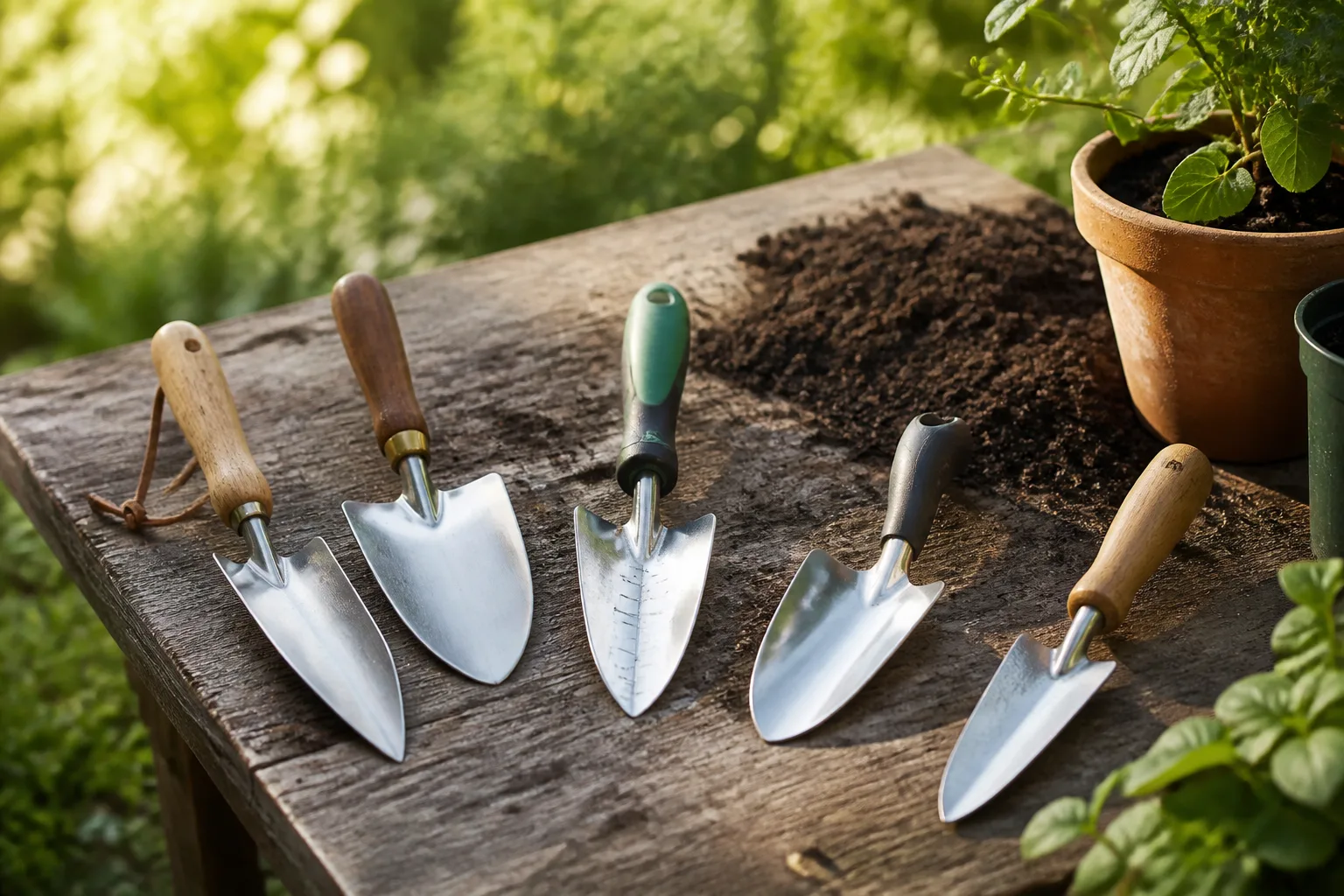
Comfortable potting bench height for most adults falls around 34 inches to the top of the work surface, with roughly 24 inches of depth from front to back. Fine Gardening’s potting-shed guidance notes that most store-bought benches land near those numbers—and that you can raise or lower a DIY build if standing bothers your back or if you prefer a stool.
Measure your body, not the marketing photo. Stand naturally with elbows bent slightly and palms facing down; the surface should meet your hands without hunching. If you are under 5 feet 4 inches, benches advertised at 49 inches total height often place the actual work surface around 35 inches—acceptable but worth confirming in the spec sheet. Taller gardeners may want the upper end of the range or a custom build.
Depth matters as much as height. A 15-inch-deep top fits a single tray of seedlings and a trowel. Eighteen to twenty-three inches lets you stage a soil bag, a stack of pots, and a working pile of mix simultaneously—the difference between efficient repotting and constant juggling. Leave 36 inches of clearance in front of the bench so you can step back without tripping over a hose, and 6 to 12 inches on each side for elbow room and hanging hooks.
University of Minnesota Extension emphasizes matching garden structures to the gardener’s body when planning accessible beds; the same principle applies here. A bench that fits the space but not your reach will collect clutter instead of daily use.
Materials That Survive Soil, Water, and Weather
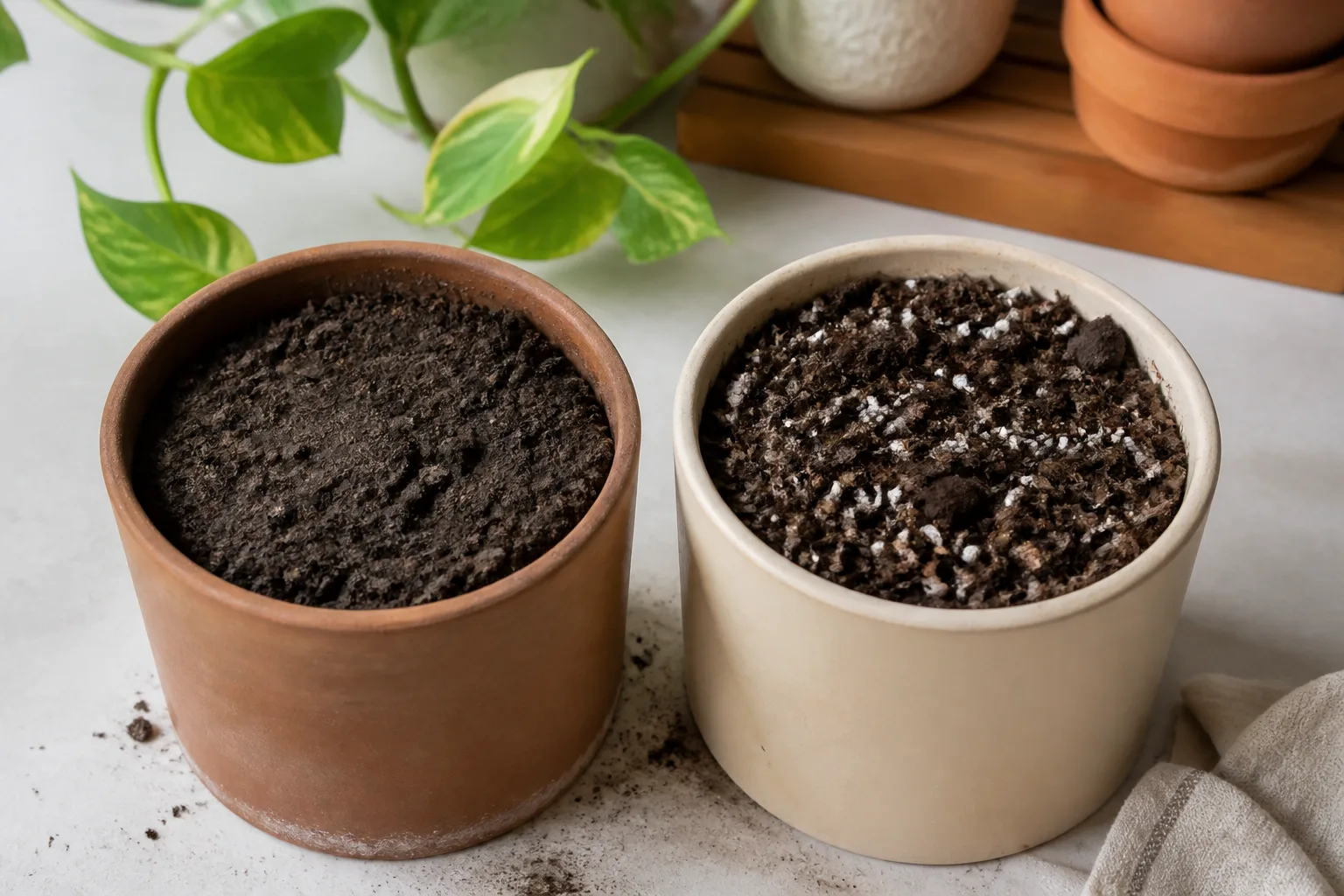
Outdoor potting benches live in the harshest corner of your garden: wet soil, metal tools, UV exposure, and freeze-thaw cycles. Material choice determines whether you oil the frame once a decade or replace sagging shelves after three seasons.
Cedar carries natural rot and insect resistance thanks to extractives in the wood. It is softer than fir, so dents and tool marks show sooner, but it weathers to silver-gray without structural panic if drainage is good. Premium cedar benches like the Eartheasy model justify their price when the bench sits fully exposed year-round.
Fir is harder and often cheaper. Many mid-range benches use Chinese fir with a natural oil content that resists moisture reasonably well out of the box. Fir still needs clear exterior sealer on end grain and feet if the bench lives in rain—not optional maintenance, especially on budget models like the Outsunny.
Metal benches—usually powder-coated mild steel—skip rot entirely. They can rust at scratches, heat up on dark patio pavers in summer, and feel cold to the touch in spring. The West Elm Streamline trades wood charm for drainage holes and a sleek profile that hose-rinses clean.
Work-surface inserts split the difference. A metal or stainless top shrugs off wet soil and bleach rinses; wood tops need more wiping and sooner refinishing. Plastic dry sinks are lightweight and cheap; stainless inserts survive aggressive scrubbing when you wash roots or rinse pesticide tools—worth the upgrade on the Veikous bench.
Avoid particleboard or thin laminate labeled “wood look” for fully outdoor placement. They swell the first time a drip tray overflows.
Dry Sinks, Trays, and Mess Containment
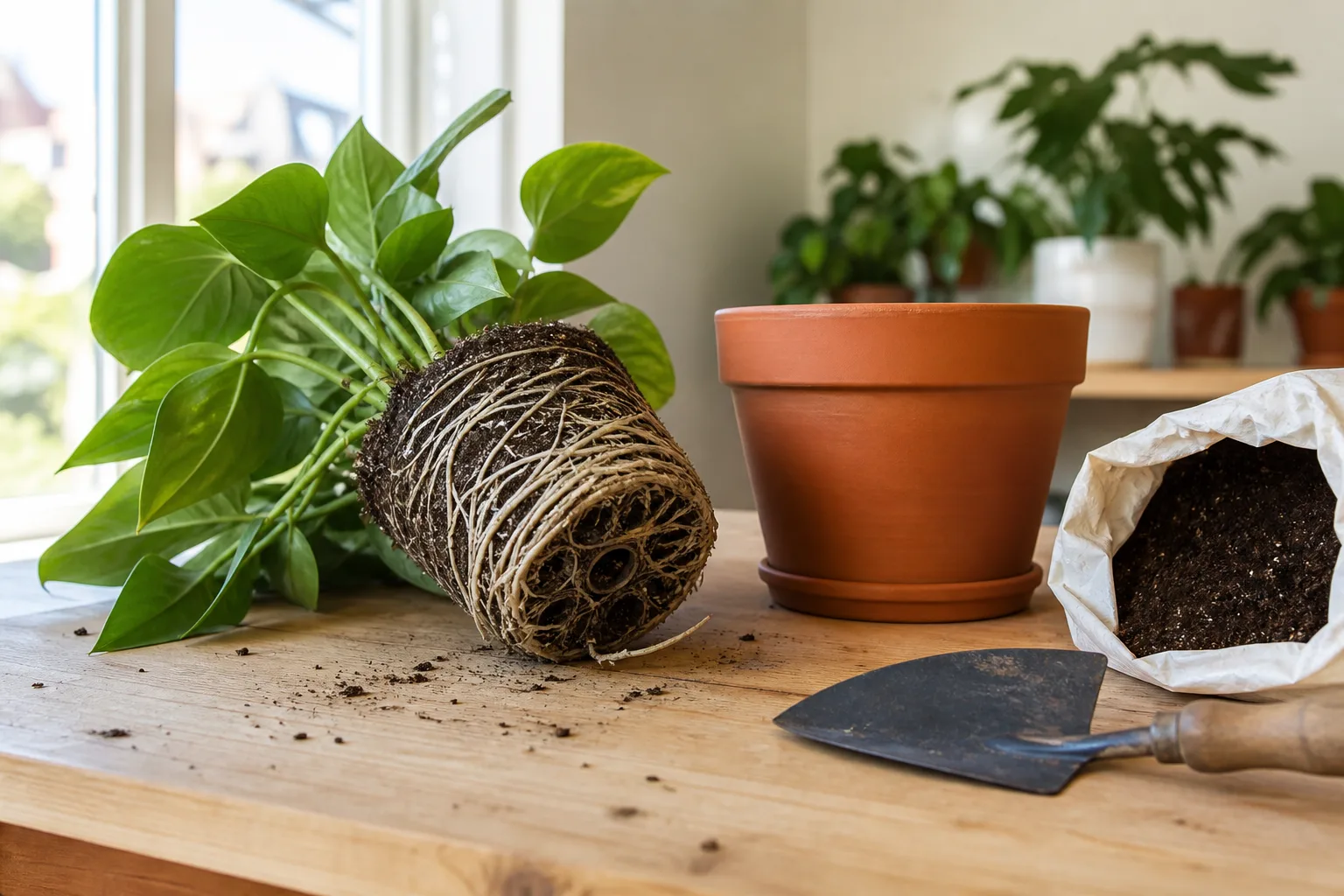
A dry sink is a removable basin—plastic, metal, or wood—that catches soil and rinse water without plumbing. It is the single feature that most reduces trail-of-dirt accidents. Lift it out to dump soil into the compost, rinse it at the hose, and drop it back.
Plastic drop-in sinks (Loon Peak, Outsunny) are light, cheap to replace, and fine for mixing soil and holding scraps. They stain over time and can crack if you lean on them with full body weight.
Stainless steel sinks (Veikous) handle hot water, bleach solutions, and abrasive scrubbing better—ideal if you wash vegetables, rinse roots, or clean tools at the bench.
Lidded trays (VegTrug, Eartheasy) flip closed into extra counter space when you are not potting. The VegTrug metal tray holds about 2.6 gallons of soil—enough for a batch of cell packs without opening a fresh bag.
None of these replace a plumbed sink. If you need running water, plan a hose bib nearby and a shelf for watering cans, as Fine Gardening recommends for potting sheds without plumbing. A dry sink plus a five-gallon bucket catches 90 percent of mess for most home gardeners.
Storage Layouts Worth Paying For
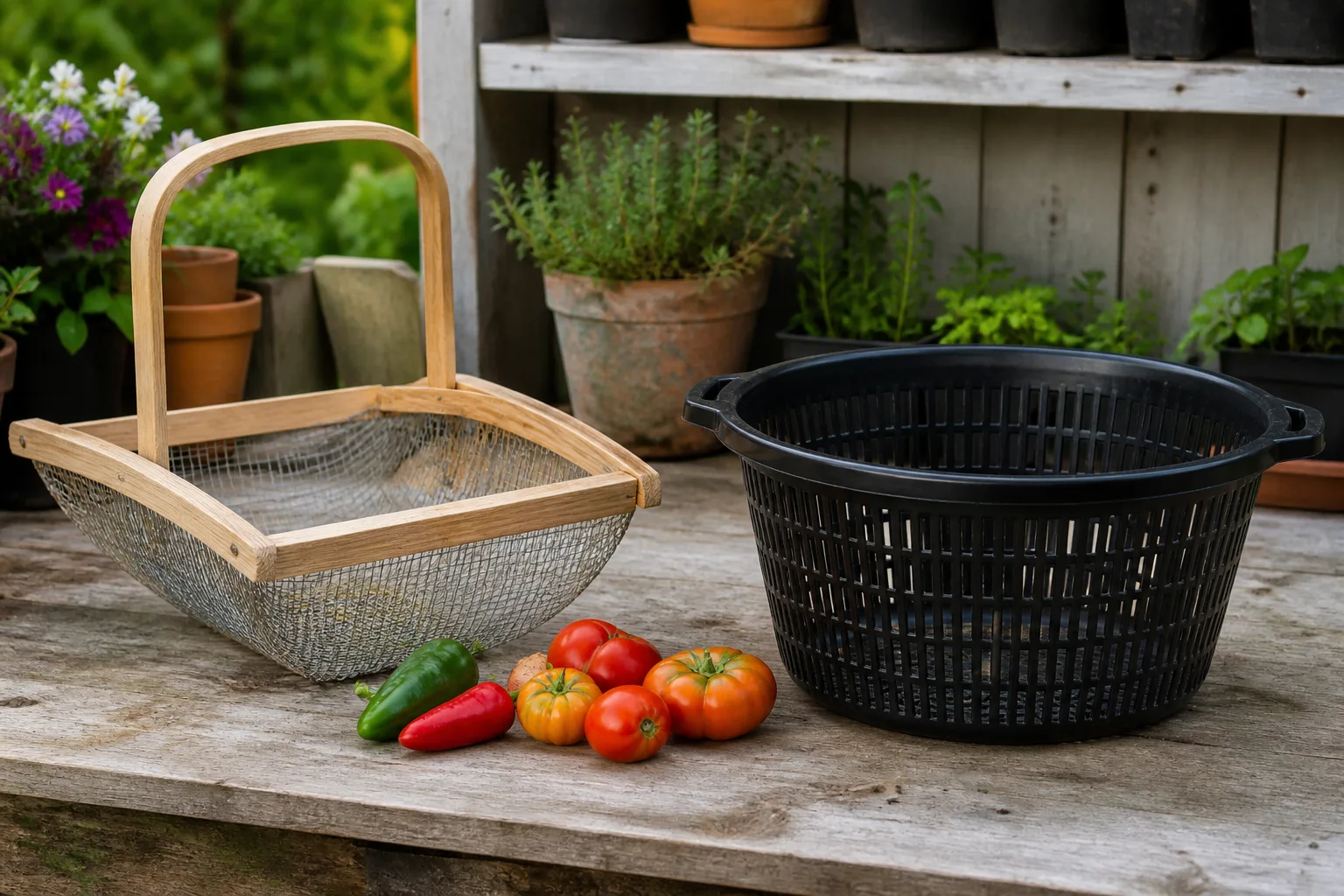
Storage should follow frequency of use, not maximum cubic inches.
Open lower shelves hold potting soil bags, coir bricks, and watering cans. Specify 50 pounds per shelf minimum if you stack full bags; the Archie & Oscar lists 88 pounds per tier and 220 on the main top—useful data when comparing spec sheets.
Enclosed cabinets keep seed packets, labels, and gloves dry. They matter on uncovered patios where rain blows sideways. Soft-close hinges (Runesay) are a luxury until you pot at 6 a.m. near a sleeping household.
Drawers hide small tools and prevent seed envelopes from blowing away. One shallow drawer beats a cavernous cabinet for pruners, twist ties, and dibbers.
Hooks and slat backs put trowels, scissors, and gloves at eye level. Side hooks work; overhead hooks (West Elm) save width on narrow balconies but require reaching.
Wheels help only when you truly move the station—chasing sun on a patio, rolling into a garage for winter. Locking casters or removable wheels you swap for fixed feet (Outsunny) beat four free-spinning rollers that skate while you press soil.
How We Evaluate Potting Benches
We rank benches on ergonomic fit (work-surface height and depth relative to the 34-by-24-inch guideline), mess containment (sink or tray quality), weather readiness (material, drainage, foot protection), storage efficiency (not just shelf count), stability when loaded, and assembly honesty (time, hardware quality, wobble after build).
Price matters, but cost-per-use wins: a $450 cedar bench used weekly for ten years beats a $95 unit that wobbles and gets replaced twice. We note when budget picks need a $15 tub of sealer and an hour of reinforcement to reach the same lifespan.
Best Overall: Loon Peak Jackson Fir Potting Bench
The Loon Peak Jackson Fir hits the sweet spot most gardeners actually need: a roomy 48-by-18-inch top, removable plastic sink, pull-out drawer, open lower shelving, top shelf, and three side hooks. Fir construction feels solid for the price—typically around $165–$180 at major retailers—and the natural oil in fir handles covered-porch duty better than bare pine.
The plastic sink lifts out for dumping and rinsing. The drawer hides labels and small tools; open shelves accept a standard potting-soil bag lying flat. Side hooks keep pruners and gloves off the work surface. Plastic foot caps help stability on uneven pavers, though this is not a bench you drag around the yard.
Trade-offs: No wheels. The wood will gray outdoors without sealer. The sink is plastic, not steel—fine for soil, less ideal for heavy scrubbing. Assembly takes an hour with two people; solo builders should clamp sides square before tightening.
Choose this when you want one bench that does everything reasonably well and you have a semi-covered spot for it.
Best Value: Yaheetech Garden Potting Bench Table
At roughly $105–$115, the Yaheetech bench proves you do not need a sink to get organized. The stand-out feature is the metal-covered worktop over a fir frame—wipe it after muddy sessions and stains barely stick. Two enclosed drawers plus open lower shelving and a narrow top shelf handle tools, gloves, and a few six-packs of annuals.
Dimensions land near 44 inches wide by 49 inches tall, with a work surface around 35 inches high—comfortable for average-height adults. Three color finishes help it blend with fence stain or house trim.
Trade-offs: No dry sink—use a plastic tub on the metal top or on the shelf below. Fir frame still needs seasonal sealer for full sun and rain exposure. Drawer slides on budget furniture can stiffen after a wet winter; a silicone spray fixes most complaints.
This is the pick for gardeners who want storage and a cleanable top without paying for cedar or stainless.
Best With Storage: Archie & Oscar Grimsby
The Grimsby bench packs storage into a narrow footprint—roughly 48 inches wide with a slat back for hanging tools on four included hooks. Cedar construction resists rot; an enclosed two-tier cabinet plus open lower shelving gives you both hidden and visible zones. Rated 88 pounds per storage tier and 220 pounds on the main top, it handles heavy bags if you distribute weight.
The three-sided lip on the work surface stops rolling pots and soil piles from skidding off—a small detail that prevents real frustration.
Trade-offs: No drawer for tiny items—add a bin inside the cabinet. Cedar is softer; avoid hammering stakes on the top. No sink. Assembly instructions reward patience; lay out all hardware before step one.
Ideal for gardeners with limited width against a fence or garage wall who still hoard soil amendments.
Best With Sink: Veikous Garden Potting Bench
The Veikous bench’s stainless steel sink is the reason to buy it. Plastic basins crack and stain; steel survives bleach rinses, root washing, and the occasional dropped pruner. The fir frame includes three open shelf tiers, a pull-out drawer, top shelf, and four side hooks—full kit at roughly $115–$135.
Overall width near 48 inches fits standard patios. Depth is slimmer—about 15 inches—so large soil bags sit beside the bench, not on it.
Trade-offs: No rubber or plastic leg caps in the box—add felt or composite shims if your site is uneven or damp. The shallow depth limits simultaneous staging of multiple trays. Stainless shows water spots; a quick vinegar wipe fixes that.
Buy this when messy wash-up is half your potting session.
Best Wood Construction: Eartheasy Cedar Potting Bench
Eartheasy’s cedar bench (~$449) is the long-game wood choice. Solid cedar resists decay without pressure treatment. The hinged wooden sink cover flips up for soil work and down for extra counter when guests visit the patio. At 23 inches deep, you get real staging room—soil bag, pots, and working pile together.
Predrilled holes make assembly faster than some flat-pack competitors. The classic silhouette fits cottage and craftsman gardens.
Trade-offs: Only one open lower shelf—no cabinets or drawers. You will add bins or a adjacent shelf unit. Premium price buys longevity, not maximum storage. Cedar weathers silver; oil if you want the original honey tone.
Choose cedar here when the bench is visible landscaping, not hidden behind a shed.
Best for Small Spaces: VegTrug Deluxe Potting Table
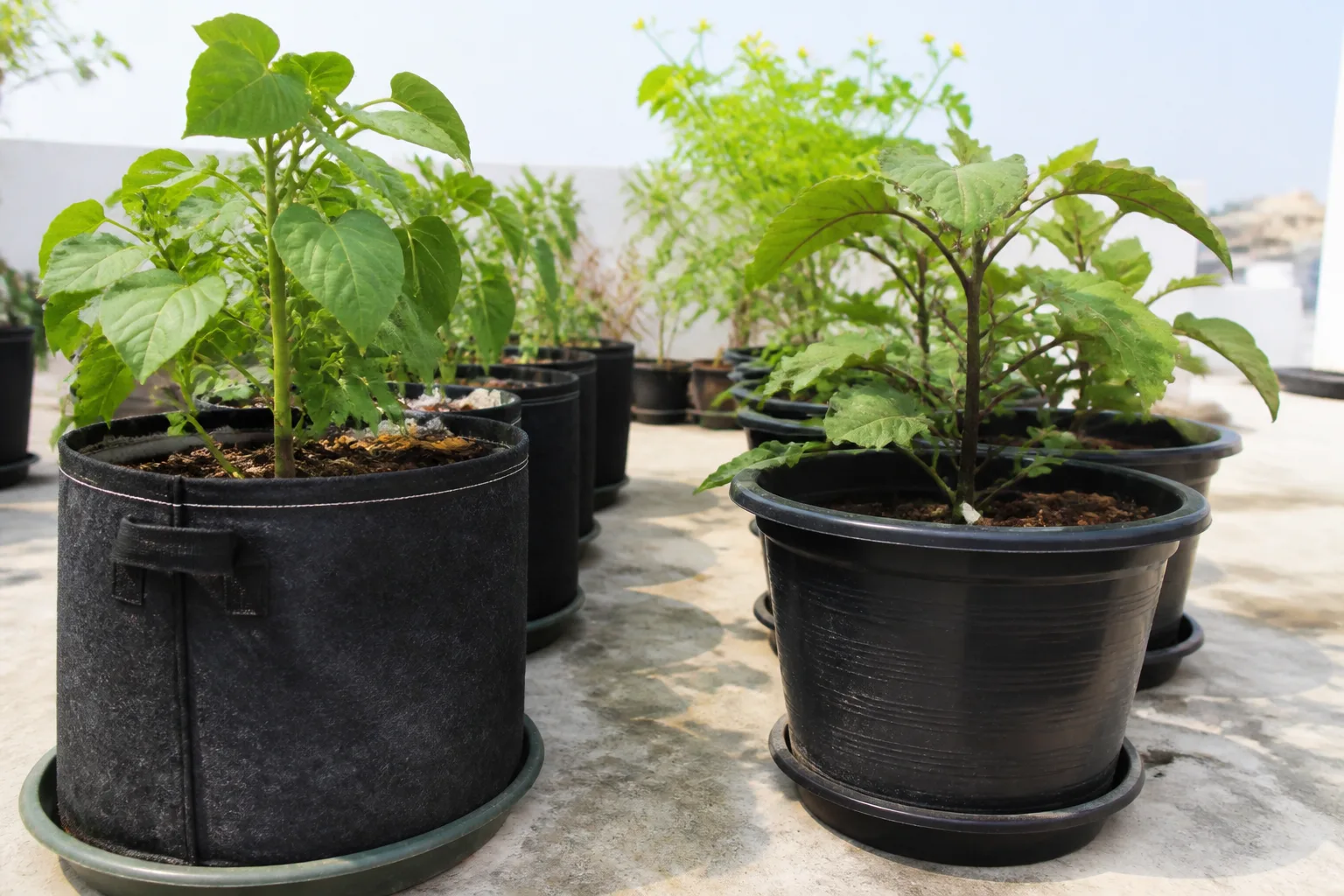
The VegTrug Deluxe (~$180–$400 depending on retailer) solves balcony and side-yard math. Roughly 33 inches wide by 20 inches deep, it fits where a 48-inch bench would block the door. The removable metal tray (~2.6 gallons) works as dry sink or soil bin; wood lids close over it for extra flat space.
FSC-certified cedar satisfies sustainability priorities. Adjustable hook placement helps tight corners. A bottom shelf holds extra pots; a slim top shelf stages labels and small tools.
Trade-offs: Not enough storage for bulk soil bags—store bags underneath on the patio or in a bin. Premium retailers charge furniture prices; buying direct from VegTrug saves substantially. Metal tray rattles if not seated fully—check the lip before loading wet soil.
This is the bench for “I only have four feet of wall.”
Best Metal: West Elm Streamline Metal Potting Station
The West Elm Streamline (~$300+) trades wood rot for powder-coated mild steel in an antique bronze finish. At 27 inches wide, it is narrow but 60 inches tall, using vertical space for overhead hooks instead of side clutter. Raised edges on four sides contain soil; drainage holes in the lower shelf prevent water pooling.
Modern aesthetics suit contemporary patios and rooftop gardens. Hose it down at season’s end.
Trade-offs: The front lip blocks easy sweep-off of soil—you lift debris or rinse instead. No drawers or cabinets. Hooks sit high—short gardeners may need a step stool. Steel scratches to bare metal; touch-up paint stops rust spread.
Pick metal when design matters and you accept minimal hidden storage.
Best Large: Runesay Potting Bench Table
When supplies multiply, the Runesay (~$580–$620) delivers 65 inches of width and 23 inches of depth—enough to run two seed-flat operations side by side. Two drawers, four tiers of enclosed storage, two open shelf tiers, hooks, soft-close cabinets, and included anti-tip hardware address serious gardeners.
Fir construction handles four-season outdoor duty with sealer. Weight capacity and shelf count beat every other pick here.
Trade-offs: No sink—pair with a large tub. Assembly is a multi-hour project; recruit help. Once built, it does not move. Shipping boxes are heavy.
Buy this when your potting session looks like a small factory, not a single hanging basket.
Best With Wheels: Outsunny Wooden Potting Bench
The Outsunny (~$90–$100) is the mobility pick. Removable wooden wheels let you roll the bench to sun, then unscrew them so fixed posts sit flat for stability. A drop-in plastic sink, tool drawer, and two shelves cover basics at the lowest price on this list.
Work height near 28 inches to the top is lower than ideal for tall gardeners but fine for seated potting or shorter users.
Trade-offs: Apply exterior wood sealer before the first rain—fir arrives unfinished. Wheels do not lock; remove them for heavy pressing tasks. Lower weight ratings than premium benches—do not stack two wet soil bags on the top shelf.
Perfect for renters and anyone who chases light on a small patio.
Setup, Sealing, and Seasonal Maintenance
Site the bench on level pavers or gravel, not lawn—legs sink, frames rack, drawers bind. Leave air gap behind slat backs so wood dries after rain.
New wood benches: Brush clear exterior sealer on end grain, feet, and underside before first use. Repeat yearly in harsh climates, every two to three years under cover.
Metal benches: Touch up scratches with matching paint. Clear leaves from drainage holes in fall.
Sinks and trays: Rinse after each session; bleach diluted 1:9 if you handled diseased plants.
Winter: Wheel units into garage if possible. Fixed benches benefit from a breathable cover—not plastic sheeting that traps moisture against cedar.
Hardware: Tighten bolts each spring; freeze-thaw loosens carriage bolts on fir kits.
Alternatives When a Store-Bought Bench Is Overkill
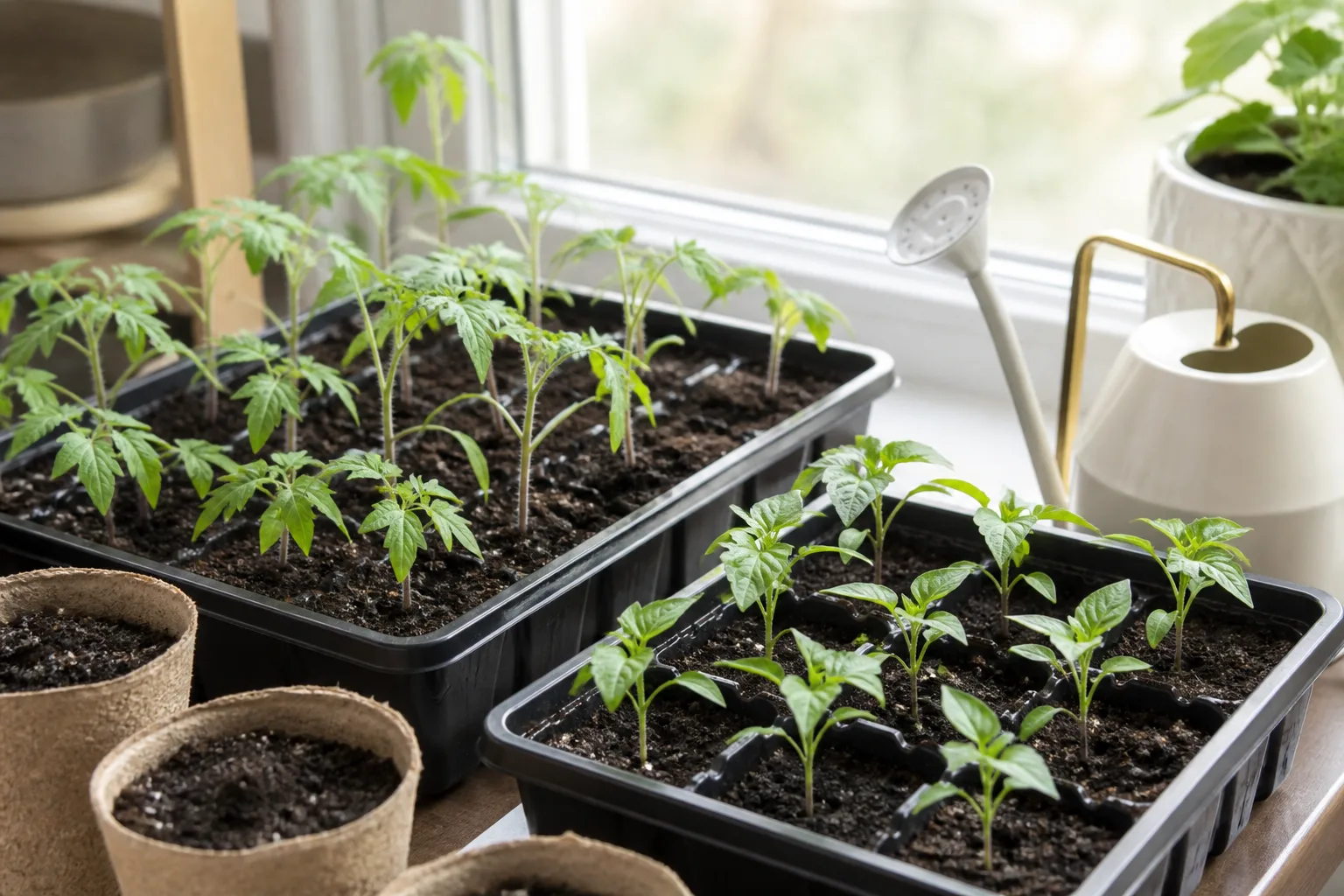
- Folding utility table plus two plastic bus tubs: under $80, stores flat, fine for twice-a-year repotting.
- DIY cedar bench from Fine Gardening plans: customize height, add exactly the sink you want, spend a weekend with exterior screws.
- Greenhouse staging table: if you already own a greenhouse, interior benches may suffice—see our greenhouse guide for sizing context.
- Raised garden bed ledge: wide rail on a raised bed can hold tools while you plant; not a substitute for soil mixing indoors.
Buy a dedicated bench when repeated mess, storage sprawl, or back strain prove the folding table is not cutting it.
Conclusion
The best potting bench is the one sized to your body, matched to your mess level, and built from materials that survive how you actually garden—not the one with the longest feature list. For most readers, the Loon Peak Jackson Fir balances sink, storage, and solid fir construction without boutique pricing. Tight patios should start with the VegTrug Deluxe; wash-heavy workflows belong on the Veikous stainless sink; supply hoarders need the Runesay.
Measure your space, seal the wood you buy, and put water within reach. Do that and the bench becomes the reason soil stays outside—which is the whole point.



