The 10 Best Mildew Removers for Fast Results
Compare the 10 best mildew removers for showers, grout, decks, and fabric. Learn which EPA sprays kill fungus vs bleach stains—and what never belongs on plants.
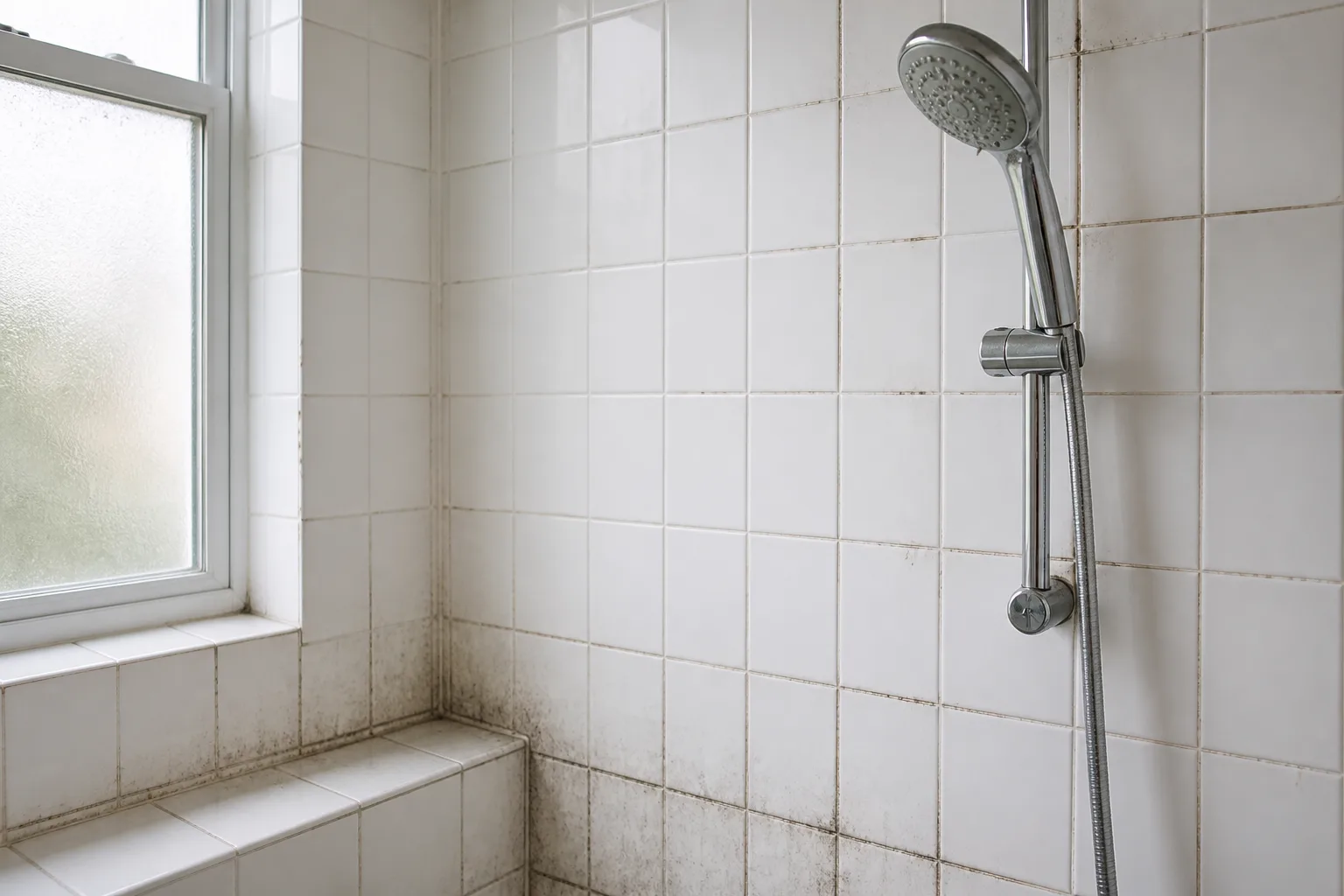
Gray grout lines, powdery patches on shower tile, and greenish film on a north-facing deck all get called mildew. The bottles at the store all say “mold and mildew,” too. That shared label hides the real decision: you are buying either a fungicide or disinfectant that kills spores on a hard surface, a stain remover that whitens discoloration quickly, or a maintenance cleaner that slows regrowth when you use it every week. Pick the wrong category and you will either damage stone, disappoint yourself on grout, or spray bleach on a houseplant that needed a completely different treatment.
This guide ranks ten proven mildew removers by where they actually excel—showers, grout, outdoor siding and decks, and light bathroom upkeep—while separating what is safe for household surfaces from what belongs on plant powdery mildew and soil mold. Fast results are realistic on nonporous tile and sealed wood when chemistry matches the surface. They are not realistic when caulk is failed, grout is crumbling, or mold has grown through drywall.
Quick Pick: Match the Remover to Your Surface First
Start with the surface, then the job type, then your tolerance for bleach fumes.
Shower walls and ceramic tile (nonporous): Clorox Tilex Mold and Mildew Remover for fast bleach-based kill and whitening on glazed tile, or RMR-141 if you want EPA-registered disinfectant action without chlorine bleach odor.
Grout lines and textured tile: CLR Mold & Mildew Stain Remover foam clings to vertical grout; follow with sealing because grout is porous and stains return if water keeps wicking in.
Outdoor decks, fences, vinyl siding: 30 SECONDS Pro or Mold Armor Rapid Clean for bleach-powered stain lift on sealed exterior materials; keep overspray off plants and rinse toward drainage, not the garden bed.
Whole-room disinfecting after a leak (hard nonporous areas under 10 square feet): RMR-141 or Moldex 5010 as leave-on EPA-registered options on tile, sealed counters, and painted hard surfaces per label.
Bleach-sensitive households: Concrobium Mold Control leaves a salt-based barrier without sodium hypochlorite; pair with scrubbing because it kills and inhibits but does not bleach like chlorine.
Weekly shower maintenance (not emergency cleanup): Wet & Forget Shower—effective over hours, not minutes.
Eco-minded bathroom wipe-downs: Koala Eco or Molly’s Suds for routine cleaning and light mildew on counters and basins—not a substitute for heavy grout remediation.
Living plants with white powder on leaves: None of the products below. Use the powdery mildew on houseplants playbook—horticultural oils, labeled plant fungicides, airflow fixes—not shower spray.
Mildew vs Mold: Why Your Bottle Choice Changes
Mildew is often described as flat, powdery growth on damp surfaces—shower tile, window sills, fabric left wet—while mold can appear darker, fuzzier, and more irregular and may penetrate porous materials like drywall, carpet, and unfinished wood. In practice both are fungi; the useful distinction for shopping is surface growth you can reach versus hidden colonization inside a material.
Surface mildew vs material-penetrating mold
Surface mildew on glazed tile, glass, sealed grout, and painted metal responds to contact cleaners: bleach solutions, hydrogen peroxide, vinegar on tile, or EPA-registered sprays left on nonporous surfaces. You see improvement in one session when moisture source is fixed.
Penetrating mold behind wallpaper, inside carpet pad, or through water-swollen drywall cannot be “removed” by a topical spray alone. The CDC advises cleaning visible mold on hard surfaces and fixing the moisture problem; porous materials that stay wet often need removal and replacement. If a patch returns in the same spot within days after aggressive cleaning, assume water is still entering or spores remain inside the material—not that you need a stronger bottle.
EPA registration on a product label means the manufacturer submitted data showing the formula kills specific microbes on specified surfaces when used as directed. It is not a marketing badge. A stain remover may brighten mildew marks without the same disinfectant claims. Read the front panel for “disinfectant,” “fungicide,” or “stain remover” and match that to your goal: kill, whiten, or maintain.
Houseplant Mildew Is Not Shower Mildew
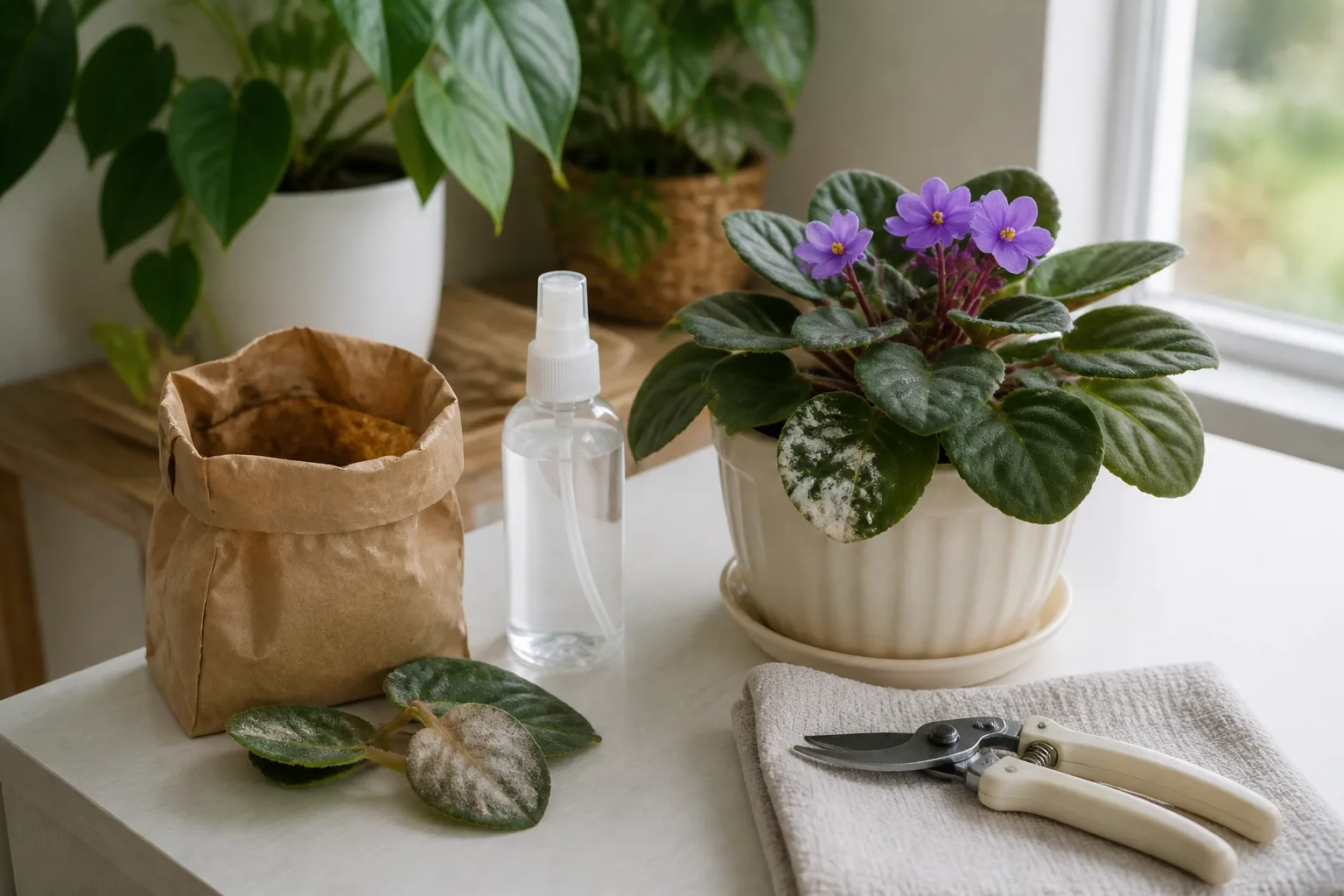
White powder on cucumber seedlings or a crowded calathea is usually powdery mildew—a plant disease driven by humidity, poor airflow, and susceptible species—not the same problem as bathroom film. Household mildew removers contain detergents, bleach, or quaternary ammonium compounds formulated for sinks and tile. Those chemistry classes can strip leaf wax, burn tissue, and contaminate soil.
For indoor plants, isolate affected specimens, improve airflow, and use tools covered in powdery mildew on houseplants and mold on soil houseplants. Neem oil and labeled fungicides belong here. Tilex does not. If you are searching “mildew remover” because a monstera has spots, close the cleaning-products tab first.
Safety and Ventilation Before You Spray
Mildew removers are legitimate respiratory irritants when used in small steamy bathrooms or enclosed decks.
The CDC recommends removing mold from hard surfaces with commercial products, soap and water, or a bleach solution of no more than 1 cup of household laundry bleach in 1 gallon of water. Never mix bleach with ammonia or other cleaners—that reaction produces toxic gas. Open windows and doors, run the bath fan, and wear rubber gloves and eye protection during cleanup.
Bleach-forward products (Tilex, Mold Armor, 30 SECONDS Pro) need ventilation and caution around colored grout, natural stone, and fabrics. Quat-based disinfectants (RMR-141, Moldex) still deserve gloves and airflow even when marketed as low-odor. Leave-on salt formulas (Concrobium) are gentler on lungs but still warrant label dwell times and keeping kids and pets off wet surfaces until dry.
Test any new product on a hidden corner of tile or siding before saturating a whole wall. If you have asthma or mold allergy, the Asthma and Allergy Foundation of America notes mold exposure can trigger wheezing and attacks—consider bleach-free options or professional help for large areas.
The 10 Best Mildew Removers
The picks below mirror what experienced cleaners reach for—but each entry states where it wins, where it fails, and what to do instead when the stain is only the visible tip of a moisture problem.
Best Overall: RMR-141 Disinfectant and Cleaner
RMR-141 is the best all-purpose pick when you want EPA-registered disinfectant action across bathrooms, kitchens, and sealed outdoor hard surfaces without chlorine bleach smell. The quaternary ammonium formula is designed to adhere to microbes on nonporous surfaces, kill a broad range of bacteria and fungi per label claims, and remain on the surface without mandatory rinsing on many applications—check your label for dwell time (often about 10 minutes for heavy soil).
It handles shower corners, plastic shower curtain bottoms, painted basement walls after minor seepage, and patio furniture resin when mildew appears on nonporous skins. It will not resurrect grout that has already crumbled, and it is not a miracle whitener on decades-old silicone stains.
Best for: Multi-surface disinfecting, bleach-sensitive users who still need fungicidal action, spot treatment on nonporous indoor and outdoor hard materials.
Skip when: You need aggressive whitening on white grout (bleach stain removers work faster visually) or you must treat large porous drywall—remove the material instead.
Application type: Spray | Typical size: 32 oz and gallon | Bleach free: Yes
Best Budget: Moldex 5010 Mold Killer Spray
Moldex 5010 delivers EPA-registered mold and mildew kill at a lower per-ounce cost than premium disinfectants. It is bleach-free, low-odor relative to chlorine products, and labeled for broad household and light industrial hard surfaces—tile, sealed wood, grout, walls, and outdoor furniture when the label allows.
The trade-off is stain performance. Moldex excels at killing and inhibiting surface fungi but may leave gray shadowing in grout until you add a stain-focused pass with oxygen bleach paste or a bleach foam. Think of it as the kill-first bottle in a two-step grout job.
Best for: Budget whole-room spraying on hard surfaces, maintenance after a one-time leak, outdoor resin and sealed decking rails.
Skip when: You have one stubborn black grout line and want single-product satisfaction—pair with CLR foam or a short bleach contact time.
Application type: Spray | Typical size: 32 oz | Bleach free: Yes
Best Heavy-Duty: Mold Armor Rapid Clean Remediation
Mold Armor Rapid Clean Remediation is the heavy-duty choice when you want sodium hypochlorite power on exterior sealed wood, concrete, vinyl, and painted metal—and you can ventilate or work outdoors. It is sold as a liquid concentrate gallon; you supply a pump sprayer or spray bottle. That flexibility is excellent for fence lines and foundation splash zones but adds setup time indoors.
Dwell briefly, scrub only if needed, and rinse according to label directions on interior use. The bleach odor is real. Wear protection and keep it off living plants, untreated wood, and fabrics.
Best for: Large outdoor mildew stains, concrete patios, painted siding patches, fast visual turnaround on bleach-tolerant surfaces.
Skip when: You are in a small windowless bath, have natural stone tile, or cannot rinse—choose RMR-141 or Concrobium instead.
Application type: Liquid (dilute/spray) | Typical size: 1 gallon | Bleach free: No
Best Leave-On Barrier: Concrobium Mold Control
Concrobium Mold Control uses a trisodium phosphate blend that crushes mold and mildew on contact and leaves a microscopic salt residue that inhibits regrowth as it dries. It is nearly odorless, bleach-free, and safe on a wide label list including drywall, fabric, wood, and tile—still subject to label dwell times and saturation limits.
It is the right pick for basements you are drying out, closet corners after humidity spikes, and boat interiors where chlorine bleach is unwelcome. It is not the fastest whitener; yellowed caulk may still need replacement even after the fungus is dead.
Best for: Leave-on antimicrobial barrier, sensitive noses, mixed-material rooms, ongoing inhibition after initial cleanup.
Skip when: You need one-minute cosmetic whitening on shower grout—bleach foams show results faster to the eye.
Application type: Spray | Typical size: 32 oz | Bleach free: Yes
Best for Showers: Clorox Tilex Mold and Mildew Remover
Clorox Tilex Mold and Mildew Remover remains the shower workhorse because chlorine bleach kills mildew and soap-scum-linked biofilm on glazed ceramic and porcelain quickly. Spray, let it work five to ten minutes on vertical tile and tub surrounds, scrub only where texture demands, then rinse if you do not want leave-on bleach film on skin-contact surfaces.
It also hits bacteria counts homeowners care about in a steamy room. Run the fan, open a door, and accept the smell. Do not use on natural marble, unsealed stone, or metal fixtures that tarnish under bleach without a spot test.
Best for: Ceramic shower tile, tub walls, glazed porcelain, plastic shower curtains with mildew at the hem.
Skip when: You have asthma triggered by bleach, colored cement grout you cannot risk lightening, or plant-draped bathroom window sills—rinse overspray and ventilate aggressively if those exist.
Application type: Spray | Typical size: 32 oz | Bleach free: No
Best for Grout Foam: CLR Mold & Mildew Stain Remover
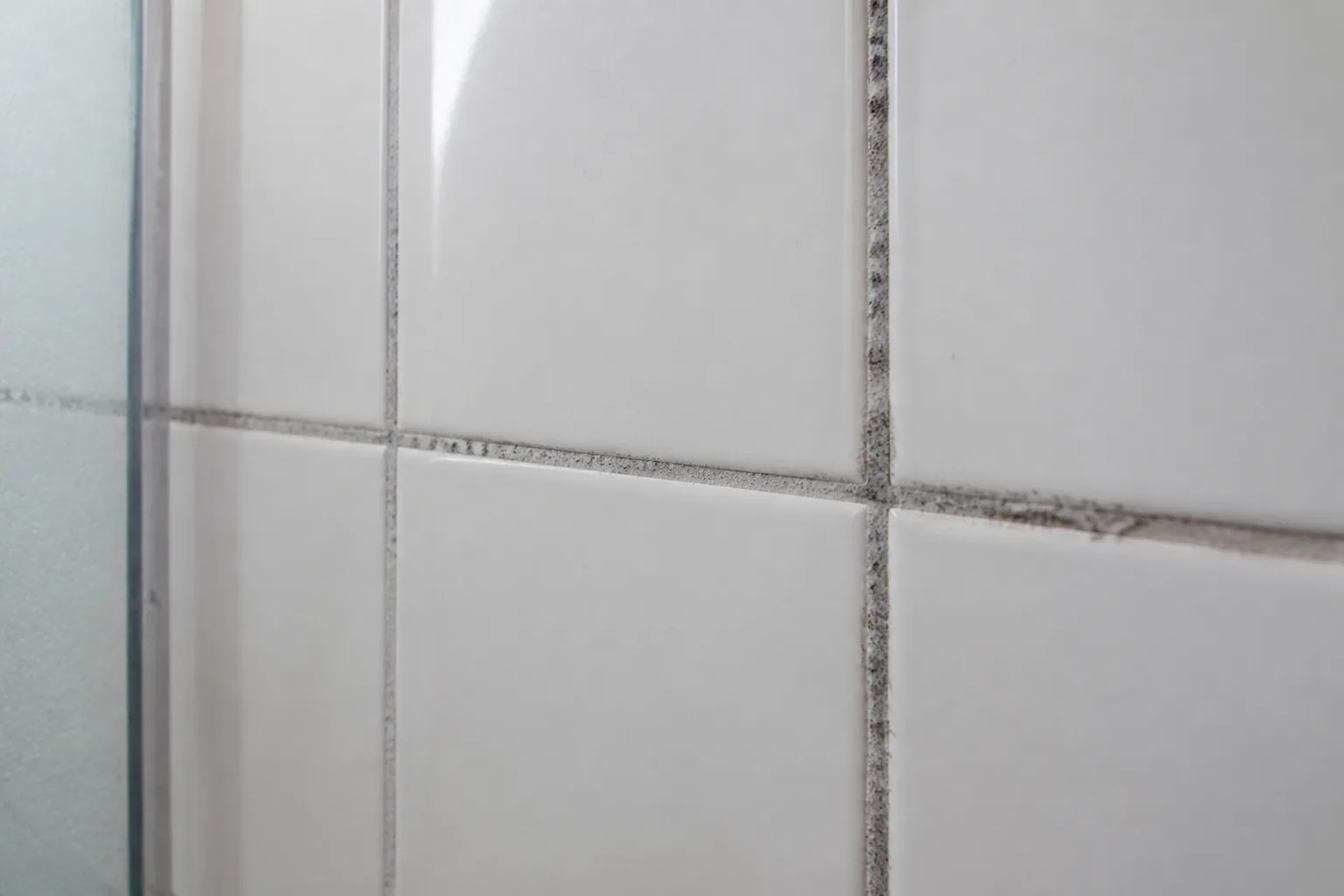
CLR Mold & Mildew Stain Remover ships as a clinging foam that stays on vertical grout lines instead of running down tub walls. That contact time matters because grout is porous: liquid cleaners often kill only the surface fuzz while leaving pigment in the pores.
Foam, short dwell, nylon brush scrub, and thorough rinse lift mildew stains on ceramic, fiberglass, and many sealed hard surfaces without ammonia. It is a stain-focused partner—not always a standalone disinfectant for flood remediation. Pair with ventilation and gloves; repeated acid-family products can etch some stones if misapplied.
Best for: Shower grout lines, textured tub surrounds, spot stains on fiberglass bases.
Skip when: Grout is missing or soft—regrout after fixing the leak; no foam rescues failed joints.
Application type: Foam spray | Typical size: 32 oz | Bleach free: Yes (no chlorine bleach; still use ventilation)
Best for Outdoors: 30 SECONDS Pro Stain Remover
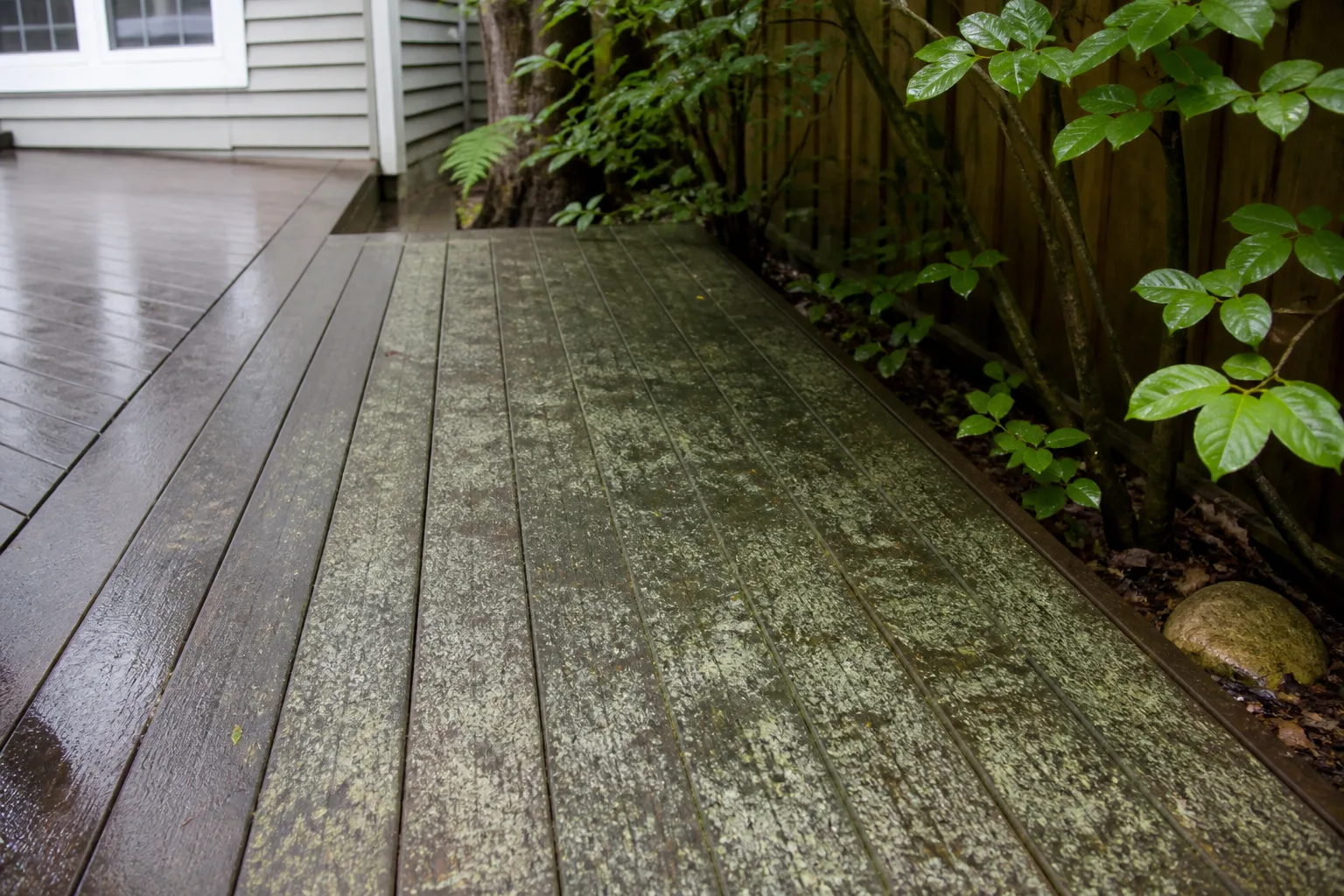
30 SECONDS Pro Mold and Mildew Stain Remover targets outdoor mildew stains on fences, stucco, vinyl siding, sealed decks, and painted exterior trim with bleach-based cleaning action and minimal scrubbing. It is formulated for exterior rinse-down workflows: wet the garden below if needed, apply, let it brighten, rinse toward drains.
It is a stain remover first. If mildew returns because a deck stays shaded and soggy, you still need drainage, sealing, and vegetation management—not another bottle every month.
Best for: Vinyl siding, sealed wood decks, concrete walks, outdoor tile, painted metal patio sets.
Skip when: You cannot rinse (enclosed porch with carpet), or plants below cannot tolerate overspray—cover landscaping and use Concrobium or manual vinegar on small spots instead.
Application type: Spray | Typical sizes: 24 oz to 1 gallon | Bleach free: No
Best Eco and Maintenance Picks: Koala Eco, Molly’s Suds, Wet & Forget Shower
Three products solve different low-toxicity jobs; none replaces heavy grout remediation alone.
Koala Eco Multi-Purpose Bathroom Cleaner uses plant-derived surfactants and essential oils with documented antifungal properties (eucalyptus, tea tree) for counters, basins, and light bathroom film. It smells fresh, fits daily wipe-downs, and suits families avoiding synthetic fragrance—expect more scrubbing on caulk corners than with Tilex.
Molly’s Suds All Purpose Cleaner is a concentrated biodegradable formula for floors, glass, and porcelain when you dilute to label strength. It handles routine mildew prevention on surfaces it lists, but avoid untreated porous stone, brass, and unsealed wood named on the caution panel.
Wet & Forget Shower is deliberately not fast. Spray after the last weekly shower, leave eight to twelve hours, rinse—no scrubbing. It excels at slowing soap-scum-linked regrowth on glass and tile when you accept maintenance pacing. Thick black caulking mildew still needs caulk replacement.
Best for: Daily/eco routines and hands-off weekly shower upkeep.
Skip when: You need same-day transformation before guests arrive—use Tilex or CLR foam first, then switch to maintenance mode.
Surface Cheat Sheet: What Works Where
| Surface | First choice | DIY backup | Do not use |
|---|---|---|---|
| Glazed shower tile | Tilex or RMR-141 | CDC bleach solution (1 cup/gal) on hard nonporous tile | Acid on natural stone |
| Grout | CLR foam + nylon brush | Baking soda paste, oxygen bleach soak | Wire brushes that gouge tile |
| Silicone caulk | Replace if stained inside | Surface wipe with bleach briefly | Saturation without drying—mildew lives in failed caulk |
| Sealed wood deck | 30 SECONDS Pro or Mold Armor | Peroxide on small spots | Bleach overspray on garden beds |
| Vinyl siding | 30 SECONDS Pro | — | High-pressure spray into wall cavities |
| Fabric curtains | Hot wash if label allows; line dry | Vinegar pre-soak | Chlorine on delicate synthetics without care label check |
| Houseplant leaves | Plant fungicides, neem, airflow | — | Any bathroom mildew spray |
| Drywall | Remove if moldy and wet | Concrobium on surface-only cases per label | Painting over active growth |
White vinegar on glazed tile is a legitimate mild acid for light surface mildew when you ventilate and rinse—especially for households avoiding bleach entirely. It struggles with deep grout pigment and does not replace caulk surgery.
Prevention That Stops Mildew From Coming Back
Products finish the symptom. Moisture control finishes the problem. The CDC advises keeping indoor humidity no higher than 50% with air conditioning or dehumidifiers, venting bath and kitchen fans to the outdoors, fixing leaks promptly, and drying flood-affected areas within 24–48 hours.
In bathrooms, squeegee tile and glass after showers, run the exhaust fan 20–30 minutes, leave doors ajar for airflow, and seal grout every six to twelve months on high-use showers. Replace peeling caulk instead of bleaching the same joint monthly—that cycle usually means water is trapped behind the bead.
Outdoors, trim vegetation that shades decks, redirect downspouts away from foundations, and rinse pollen and leaf litter that feed organic film on siding. For plant rooms, humidity management and spacing prevent powdery mildew that no deck cleaner will ever touch.
When DIY Stops and You Need a Pro
DIY mildew removers are appropriate when growth is on cleanable hard surfaces, the area is roughly under ten square feet, you have fixed the moisture source, and no one in the home has severe immunosuppression requiring zero exposure.
Call a remediation specialist when mildew or mold returns repeatedly in the same wall or floor zone, covers large patches, smells musty with no visible source, involves HVAC ducts, or appears after major flooding. Porous materials—carpet pad, insulation, swollen subfloor—that stay damp usually need removal, not stronger spray.
The CDC does not recommend routine mold testing to decide cleanup; if you see or smell it, remove it and address water. Testing rarely changes the first action for a homeowner.
Conclusion
The best mildew remover is the one whose chemistry matches your surface, your health constraints, and whether you need kill, whitening, or weekly maintenance—not the bottle with the most aggressive front-label promise. RMR-141 leads for EPA-registered, bleach-free disinfecting across hard surfaces; Moldex 5010 covers the same job on a budget; Clorox Tilex and CLR foam win shower and grout emergencies; 30 SECONDS Pro and Mold Armor handle exterior stain lift when you can rinse and ventilate; Concrobium leaves inhibiting protection behind; and Koala Eco, Molly’s Suds, and Wet & Forget Shower keep calm bathrooms from sliding back into film when you use them as designed.
Separate household mildew from plant powdery mildew before you shop. Fix water, airflow, and failed caulk—and reserve professional help for hidden, recurring, or large-scale growth that surface sprays cannot reach.