11 Best Landscape Lighting for Paths, Trees, and Patios
Compare 11 best landscape lighting picks for paths, trees, decks, and security, plus clear advice on lumens, solar, low voltage, glare, and installation.
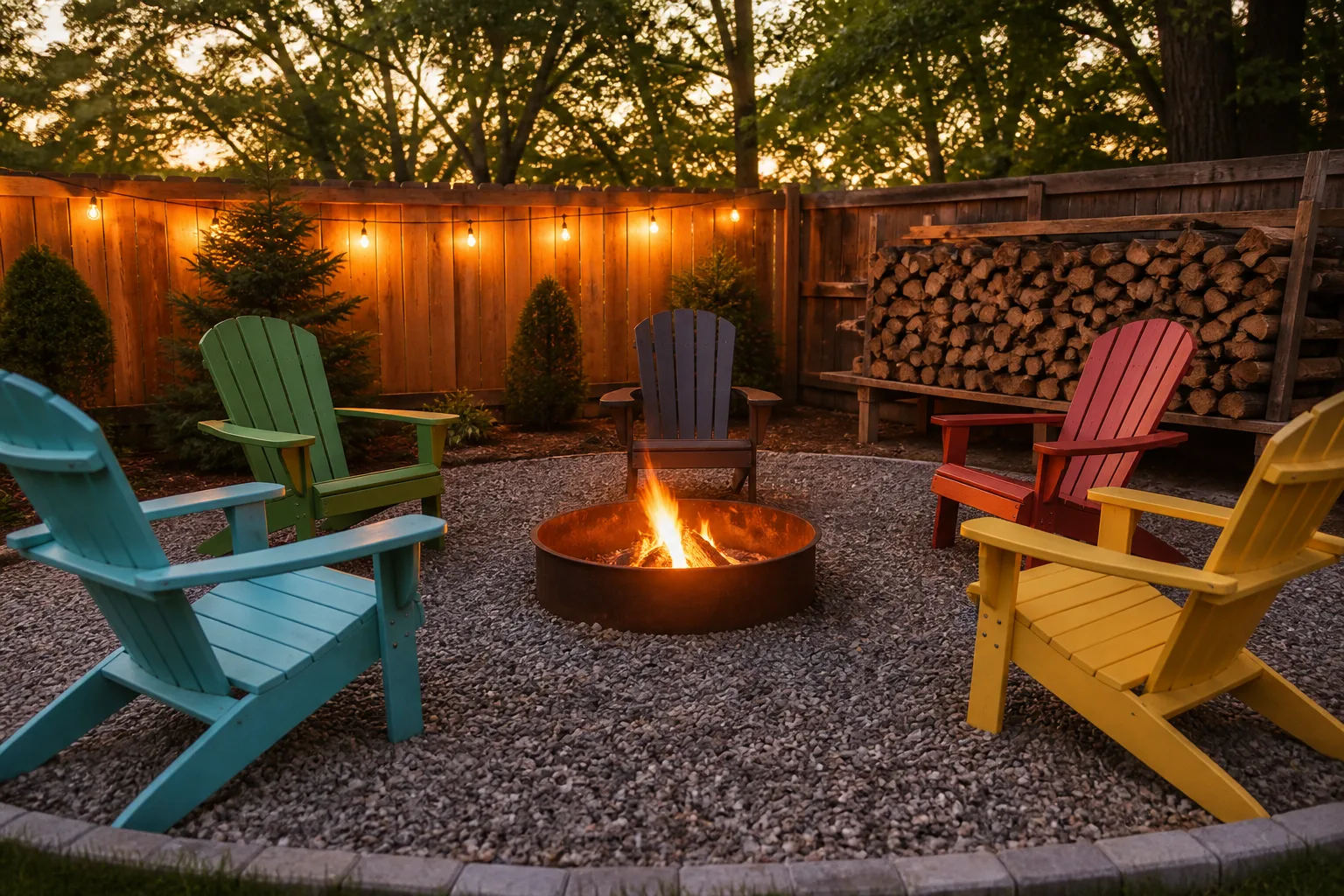
The best landscape lighting makes a yard easier to use after dark without turning it into a brightly lit stage. The right fixture puts light on a stair tread, path, tree trunk, seating area, or house number; the wrong one shines into your eyes, wastes energy, and leaves the places you actually walk in shadow.
This list includes 11 researched picks across low-voltage, solar, smart, in-ground, downlighting, and motion-sensor categories. They are organized by the job each one does best, because a 40-lumen path light and a 500-lumen tree spotlight should not compete on the same scoreboard. Specifications, availability, and compatible accessories can change, so check the linked product page before ordering.
Quick picks at a glance
| Best for | Pick | Why it stands out | Main trade-off |
|---|---|---|---|
| Overall tree or feature spotlight | VOLT Top Dog Large Spotlight | Adjustable, shielded, lamp-ready brass fixture | Needs a transformer, wire, and separate lamp |
| Long path runs | VOLT Max Spread Path Light | Broad, even pool of light | More noticeable than a low-profile marker |
| Budget path lighting | VOLT Essentials Rounded | Straightforward path coverage | Aluminum is less substantial than brass |
| Solar spotlight | VOLT Premium Solar Spotlight | Three brightness levels and 2700K light | Depends on sun and battery condition |
| Solar path kit | VOLT G3 Solar Brass Path Light Kit | Two lights with no landscape wiring | Modest output and battery fade are expected |
| Smart pathway lighting | Philips Hue Calla Outdoor Bollard | App, voice, schedules, and color scenes | Requires a Hue Bridge and low-voltage setup |
| Tree downlighting | VOLT Top Dog Downlight | Aiming hardware supports moonlighting effects | Installation takes planning at height |
| Discreet in-ground lighting | VOLT Salty Dog MR16 Shielded In-Grade Light | Recessed look with glare control | Requires careful drainage and placement |
| Steps, decks, and railings | VOLT G2 BuddyPro | Compact, warm options for surfaces and edges | Mounting or core drilling is more involved |
| Motion/security lighting | VOLT Solar Motion Sensor Security Light | Adds light only when movement is detected | Functional rather than subtle or decorative |
| Decorative solar glow | VOLT Solar Flame | Warm flicker for planting beds and gathering areas | Not bright enough to serve as safety lighting |
The 11 best landscape lights
Directional and tree-lighting picks
Best overall: VOLT Top Dog Large Spotlight. This is the most flexible starting point for a permanent low-voltage landscape-lighting system. The cast-brass, lamp-ready fixture accepts a compatible MR16 LED lamp, and the manufacturer lists a 150- to 500-lumen range depending on the lamp you choose. Its adjustable knuckle lets you aim up a trunk, across a stone wall, or toward a larger evergreen, while the glare guard helps keep the bright source out of view.
The important advantage is not simply the top lumen number. You can select a lower-output, wider-beam lamp for a nearby shrub or a stronger, narrower beam for a tall tree, then fine-tune the angle at night. That makes this a better long-term choice than a sealed fixture if you expect to change the planting or want replacement lamps instead of replacing the whole light. Use two restrained fixtures on a broad tree rather than one overpowered beam that flattens every branch into a glowing blob.
Best solar spotlight: VOLT Premium Solar Spotlight. Use this when you want to highlight a small tree, container grouping, sign, or architectural detail without digging a cable trench. The attached panel charges an integrated battery, and the light offers 2700K warm light with selectable 75-, 140-, and 205-lumen levels. The fixture is cast brass with an IP65 rating, and the manufacturer lists up to eight hours of runtime under its stated conditions.
Solar is convenient, but the panel needs an unobstructed sunny position and the output will vary after cloudy days, in winter, or as the battery ages. Start on the medium setting and aim the light across a surface rather than directly at a window. It is a strong accent choice; it is not the one to rely on for a long, consistently lit walkway.
Best for tree downlighting: VOLT Top Dog Downlight. A downlight mounted in or near a tree can create a soft moonlighting effect across a lawn or path, and it avoids the theatrical look of aiming every fixture straight up. This cast-brass, lamp-ready model is rated for 150 to 500 lumens depending on the lamp and has an adjustable glare guard and knuckle. The shield is useful because a fixture high in a tree can otherwise be visible from many angles.
Install it only where the tree and mount can support the work safely. Keep the beam broken by foliage, aim it toward the ground, and check the result from the places where people sit and walk. A downlight should reveal the shape of the landscape, not announce the fixture from across the yard.
Best discreet in-ground light: VOLT Salty Dog MR16 Shielded In-Grade Light. Choose a well light when you want the source to disappear into a bed, gravel strip, or lawn edge. This brass in-ground fixture uses a replaceable MR16 lamp, a shielded face, and a reinforced body; the manufacturer lists an IP68 rating and a 150- to 500-lumen range depending on lamp choice.
Well lights are easy to misuse. They collect mulch, soil, and water, and an unshielded lens can send glare straight into a person’s line of sight. Set the fixture in a stable, drained pocket, keep the face clear, and use it sparingly for a trunk, column, or distinctive specimen. Do not place it where mowing equipment will strike it or where standing water is routine.
Path and wayfinding picks

Best path light for broad coverage: VOLT Max Spread Path Light. This is the path-light choice when you want fewer fixtures to create a readable route. The manufacturer lists a 200- to 425-lumen range depending on lamp and a coverage diameter of up to 16 feet. That broad pool can work along a driveway edge, a generous front walk, or a transition between patio and lawn.
Space these by the actual dark gaps you see after installation, not by a rigid diagram. Stagger fixtures on opposite sides of a path instead of making a runway of identical lights. Keep the lamp low enough that the shade blocks direct view from the approach, and choose a lower-output lamp if the overlapping pools begin to look harsh.
Best budget path light: VOLT Essentials Rounded Path Light. The Essentials Rounded is the uncomplicated option for marking a route without paying for a heavier brass body. Its marine-grade aluminum housing is listed for 200 to 425 lumens depending on lamp, with roughly 12 feet of stated light coverage and a five-year warranty from the manufacturer.
It is a good fit for a starter system, rental-property improvement, or a path where the fixture is less exposed to lawn equipment and frequent contact. The lower-cost construction is also the reason to be thoughtful about placement: keep it out of splash zones, avoid burying the base in mulch, and make sure replacement lamps and connectors remain accessible. A path light should guide feet, not compete with porch or street lighting.
Best solar path kit: VOLT G3 Solar Brass Path Light Kit. This two-pack is the easiest way to add small pools of warm light around a short path, raised bed, or patio edge. Each integrated fixture produces 40 lumens at 2700K, uses a rechargeable battery, and installs with stakes rather than a transformer and buried cable. The brass housing gives it a more substantial garden look than many lightweight solar markers.
The trade-off is output. Forty lumens is suitable for orientation and atmosphere, not for illuminating uneven steps or replacing a porch light. Charge the units fully before judging them, place the separate panels where they receive direct sun, and accept that the lights will dim as the battery discharges. For a longer route, use them as accents with a dedicated safety light at the step or landing.
Smart, step, security, and decorative picks
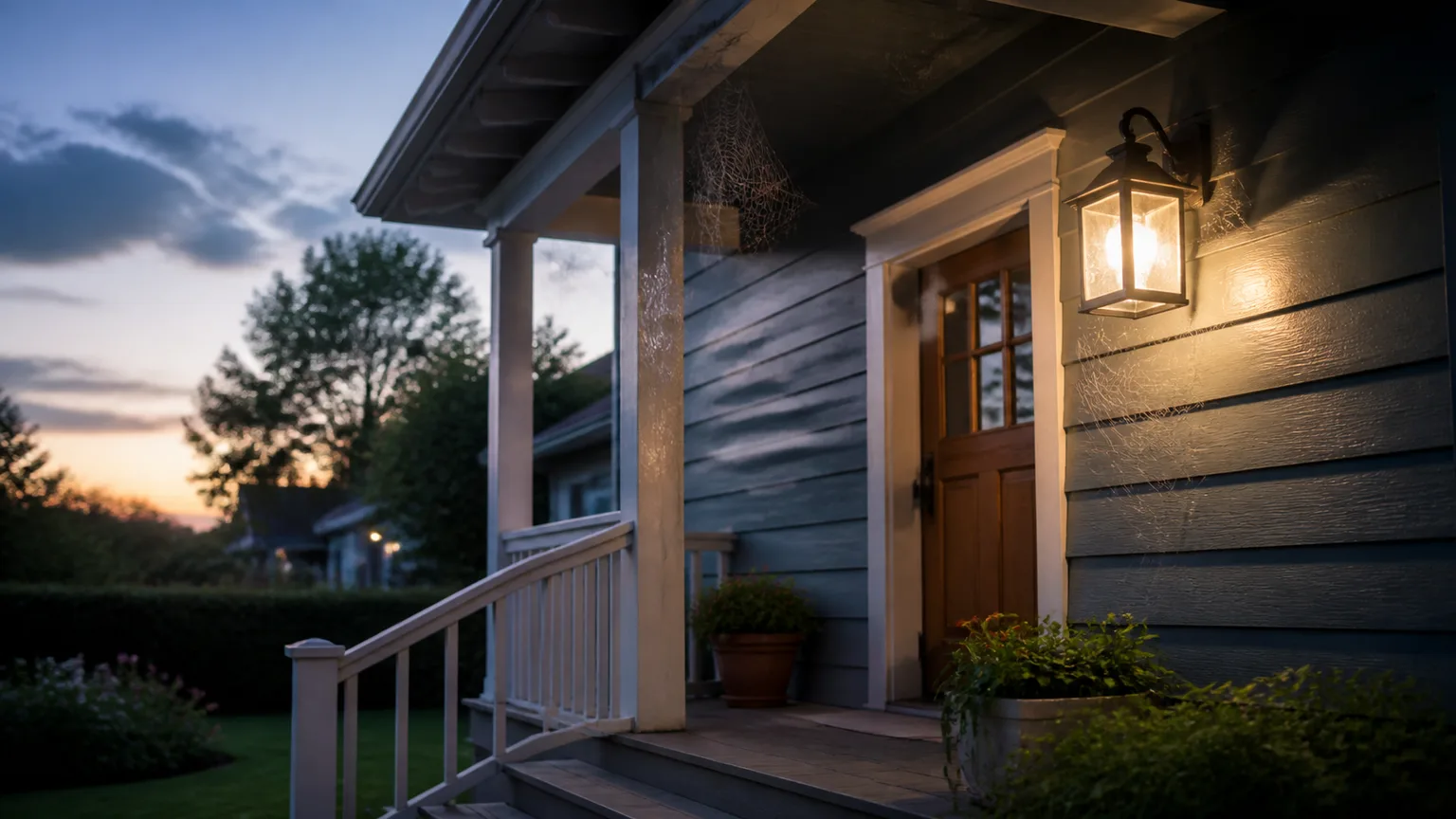
Best smart pathway light: Philips Hue Calla Outdoor Bollard. The Calla is for a homeowner who wants schedules, remote control, scenes, or color changes along a path or planted border. The low-voltage fixture has integrated white and color light, a matte black finish, and smart control through a Hue Bridge. It is an extension light rather than a complete standalone system, so confirm that you have the required Bridge, power supply, cable, and compatible layout before buying.
Smart control is genuinely useful when you want the path lights on at arrival, dimmed late at night, or turned off automatically. It also makes it easy to over-light a yard because changing a scene is effortless. Use warm white at low brightness for ordinary evenings, reserve color for short-lived occasions, and keep the system’s schedule aligned with the darker hours you actually need.
Best for steps, decks, and railings: VOLT G2 BuddyPro. Small surface-mounted or recessed lights are often more useful on a deck stair, retaining wall, handrail, or short set of steps than tall path lights. The G2 BuddyPro is a cast-brass LED fixture with 2200K or 2700K options, a 100- to 330-lumen range, IP67 rating, and mounting choices that include surface installation or core drilling. Its compact form helps the light read as part of the structure rather than a bright object in the bed.
The warmest 2200K option is especially helpful near seating, where cool light can feel stark. Aim for the tread or vertical riser—not outward toward approaching eyes—and use one consistent spacing pattern. For a shallow deck edge, the manufacturer’s solar brass deck light is another option, but its 30-lumen output is better for edge guidance and atmosphere than for stair safety.
Best motion/security light: VOLT Solar Motion Sensor Security Light. Motion lighting solves a different problem from decorative landscape lighting: it gives a brief burst of functional light when someone approaches a gate, side yard, shed, or dark corner. A solar motion-sensor fixture is useful where running cable is impractical, particularly if the panel can face unobstructed sun.
Place it high enough to reduce tampering and angle it toward the ground and the approach zone. Do not use a bright motion flood to compensate for a poorly planned path; sudden glare can make it harder to see beyond the lit patch. Set the sensitivity and run time to the smallest useful levels, and pair it with low, steady wayfinding lights when people regularly walk through the space.
Best decorative solar glow: VOLT Solar Flame. The Solar Flame is a mood light for a planting bed, fire-pit perimeter, or patio border. It uses a 2200K flicker effect, produces 100 lumens, and is designed for stake installation without landscape wiring. The cast-brass body and warm color make it more convincing than a cool-white marker when the goal is ambiance.
Treat the flicker as decoration, not illumination. It will not show a change in elevation reliably, and several units can become visually busy if every light is placed at the same distance. Cluster one or two near a seating zone, keep the path itself readable with a separate path or step light, and turn the decorative group off when the gathering is over.
How we chose these landscape lights
The recommendations cover the distinct jobs that make up a usable outdoor lighting plan rather than selecting 11 versions of the same stake light. I looked for options with a clear intended use, published specifications, a realistic power-source trade-off, and a way to control glare or aim the beam. Lamp-ready fixtures earned consideration because replaceable lamps can extend the life of a system, while integrated fixtures were included when their compactness, smart control, or solar simplicity was the stronger advantage.
Manufacturer specifications are the right source for the details that vary by model: lumen range, color temperature, IP rating, housing, mounting, warranty, and whether a Bridge, transformer, or separate lamp is required. Independent buying guidance adds useful context. Consumer Reports explains why solar-light brightness is not captured by lumens alone, while Gardeners’ World describes evaluating solar lights through outdoor weather and seasonal use. Those distinctions are why the list does not pretend that a 205-lumen solar spotlight and a 425-lumen low-voltage path lamp are interchangeable.
I also left out price rankings because outdoor product prices, bundles, and availability move frequently. A durable light that fits the job is usually a better value than a cheap fixture that creates glare, cannot be serviced, or has to be replaced after one wet season.
Start with the lighting job
Before comparing brands, walk the yard after sunset and name the problem in one sentence. “I need to see the three steps,” “I want to reveal the maple’s branching,” and “I want a soft edge around the patio” lead to three different fixtures. If you cannot describe the job, you are likely to buy by appearance or lumen count and end up with scattered bright spots.
Use path lights for route definition, not for washing the entire bed. Use spotlights or well lights for a focal tree, sculpture, façade, or boulder. Use downlights for a natural pool of light from above, deck or puck lights for stairs and railings, and motion fixtures for short-duration security. Decorative lights can make a space feel finished, but they should not be responsible for safe footing.
Layering is usually calmer than trying to make one fixture do everything. A low path light can lead someone to a landing, a shielded step light can reveal the change in level, and one restrained spotlight can give the planting bed depth. Leave some dark areas so the eye can move between lit and unlit spaces.
Solar vs. low-voltage vs. line-voltage lighting
Solar wins when you need a quick accent, a temporary arrangement, or a small area where trenching is not worth the effort. Its limitations are equally clear: the panel needs sun, runtime changes with weather and season, and the battery eventually needs replacement. A solar panel hidden under a tree canopy is not a reliable power plan, no matter how attractive the fixture looks in the box.
Low-voltage systems are the more adaptable choice for a permanent yard. A transformer supplies the 12-volt system, and you can place multiple path, spot, downlight, and well fixtures along a planned cable route. The installation still requires weatherproof connections, adequate transformer capacity, sensible cable routing, and attention to voltage drop on longer runs. Low voltage reduces risk compared with line voltage, but it does not make wet outdoor connections acceptable.
Line-voltage lighting is appropriate for some larger or permanently wired installations, but it is not the casual DIY option. The Royal Horticultural Society recommends a qualified electrician for mains garden installations, and its advice is sensible for any project involving house power, outdoor circuits, or a new feed. Use the required outdoor-rated receptacles, protection, and local-code practices; ask an electrician when the existing setup is not clearly suitable.
Use lumens, beam spread, and color temperature together
Lumens tell you how much light a fixture produces, but they do not tell you where that light goes. A narrow beam can make a tree trunk look bright while leaving the surrounding bed dark. A broad path light may use fewer lumens but make walking easier because it spreads light across the surface people actually need to see. Consumer Reports makes the same broader point about projection, reflection, and color temperature affecting perceived brightness.
Think of beam spread as coverage and aiming as control. A spotlight aimed at a trunk should stop before it reaches a neighbor’s window. A path shade should hide the lamp from the approach. A downlight should land softly on the ground instead of producing a bright circle with hard edges. If you need more coverage, add a second lower-output fixture before reaching for the highest-output lamp.
For most residential gardens, warm light around 2200K to 2700K is comfortable and helps a landscape feel connected to the warm light of a home. Cooler light can be useful for a specific visibility or security need, but it tends to look harsher and can increase glare. Choose consistent color temperature within each visual zone; mixing blue-white security light with warm path lights is rarely relaxing.
Check weather rating, construction, and replaceability
An outdoor light must handle rain, irrigation, soil splash, insects, temperature changes, and the occasional lawn-mower mistake. Look for a published weather rating and a housing appropriate to the placement. The examples on this list range from IP65 solar spotlights to IP67 step fixtures and IP68 in-ground hardware, but the rating cannot compensate for a fixture buried in wet mulch or installed where water pools.
Construction matters most where a fixture is touched, mowed around, or exposed to freeze-thaw movement. Brass is heavy and can age well in a garden setting; aluminum can be a sensible lighter or lower-cost choice when it is positioned carefully. For integrated LEDs, check the replacement policy, battery warranty if solar, and whether the fixture is serviceable. For lamp-ready models, verify the lamp base, beam angle, wattage, and color temperature before ordering.
Also check the whole system rather than the fixture alone. A smart bollard may require a Bridge and power supply. A low-voltage light needs a compatible transformer, cable, and connectors. A solar light needs a place for the panel, a battery that can be accessed or replaced, and enough direct sun. The hidden accessories are often what determine whether a “simple” light is actually a simple project.
Plan and install without glare
The most attractive landscape lighting is usually installed with the light source concealed. Keep lamps behind shades, under caps, inside wells with shields, or below the normal sightline. Aim across a wall, trunk, or planting mass rather than straight toward a person. The National Park Service notes that glare can reduce dark adaptation and create blind spots, which is a safety problem, not just an aesthetic complaint.
Mark the route before you buy fixtures
Place temporary markers where you think each fixture will go, then walk the route in daylight and after dark. Mark steps, path turns, handrails, driveway edges, gates, and the viewing positions from the patio or a neighbor-facing window. This exposes the difference between a line that looks symmetrical on paper and a layout that actually guides people.
For path lights, start at the landing and work back toward the approach. Staggering the fixtures often looks more natural than pairing them directly opposite each other. Keep fixtures far enough from the edge that plants will not swallow the beam, but not so far into the lawn that mowing becomes a chore. Leave connectors accessible and photograph the cable route before covering it.
For spotlights, set the fixture loosely, turn it on, and move it in small increments. The best position is often farther from the tree than expected because distance softens the beam and reduces a hot spot. If you are using a transformer, leave room to add the next fixture without running the system at its limit.
Test the beam from eye level
Do not judge a light only while crouched beside it. Stand where a guest will stand, sit where you will sit, and approach from the sidewalk or driveway. Look for the raw LED or lamp, a bright reflection on a window, and a dark stair tread that the fixture was supposed to reveal. Adjust the shade, angle, height, or output before securing the fixture permanently.
Test again after plants leaf out and after rain changes the surface color. Wet stone, pale siding, and glossy leaves can reflect more light than you expect. Timers and motion sensors should be tested at the time they will operate, since a setting that feels subtle at dusk can feel glaring at midnight.
Keep wildlife and neighbors in mind
Outdoor light changes more than the view from your patio. The RHS explains that artificial light can disrupt wildlife and recommends low, warm, downward-directed light, timers or PIR controls, and retained dark areas. Its garden-design guidance also recommends concentrating light on paths and steps, hiding the source, and avoiding lighting ponds because it can harm flying insects.
The simplest wildlife-friendly rule is to use less light for less time. Turn off decorative and façade lighting when the gathering ends. Use a timer or motion sensor where continuous light is unnecessary, keep beams below the horizon, and avoid aiming across a property line. The National Park Service recommends lighting only when and where needed, using warm light, and choosing the minimum amount necessary. DarkSky’s responsible outdoor-lighting principles offer the same useful checklist: useful, targeted, low-level, controlled, and warm-colored.
That approach is also considerate to neighbors. A dark-sky-friendly layout can still make a front walk easy to follow and a door easy to find; it simply avoids sending a beam into a bedroom, across a fence, or upward into the sky. If a fixture is visible from the street, ask whether its housing or angle can be changed before adding more brightness.
Common landscape-lighting mistakes to avoid
Buying the brightest fixture first. More output does not fix a bad beam, poor placement, or an unshielded lamp. Start with the surface or route you need to reveal.
Using path lights as security floods. Low path lights help with orientation; they do not replace a motion light at a gate or a properly lit entrance. Give each fixture one job.
Making a runway. Fixtures placed in a perfectly straight line on both sides of a path can look commercial and create alternating glare. Stagger them and vary the spacing where the route changes.
Ignoring the power system. Count total wattage, check transformer capacity, plan long runs for voltage drop, and use outdoor-rated connectors. Solar fixtures need sun; smart fixtures may need a Bridge; lamp-ready fixtures need the correct replacement lamp.
Burying everything permanently on the first night. Test the light at eye level, from the house, and from the approach. Plants grow, mulch moves, and the beam that looked right at the edge of the bed may shine into a window once the season changes.
Lighting ponds and every specimen. A pond can be beautiful in daylight without being lit at night, and a yard needs shadow to retain depth. Highlight one or two focal points and let the rest recede.
Leaving lights on all night by default. Timers, photocells, and motion controls are useful only when configured for the actual routine. Set the shortest practical run time and revisit the schedule when days get longer or shorter.
Conclusion
For a permanent system, start with the VOLT Top Dog Large Spotlight for trees and features, then build outward with the Max Spread for routes and a shielded step or downlight where elevation changes. Choose the Premium Solar Spotlight or G3 Solar Path Light Kit when wiring is the main obstacle, and use smart, motion, or decorative fixtures only when their specific control or atmosphere solves a real need.
The lasting upgrade is the plan, not the fixture count. Keep light low, warm, targeted, and timed; test every beam from the places people will stand; and leave dark areas on purpose. A few well-aimed lights will make a landscape safer and more inviting than a yard filled with glare.