The 9 Best Moth Repellents for Closets and Pantries
Compare nine moth repellents for closets and pantries—cedar blocks, pheromone traps, sachets, and sealed-storage options—with safety notes for kids, pets, and food.

The best moth repellent is not one product for every room. Pantry moths and clothes moths are different pests that need different tools, and even within a closet the right choice depends on whether you are preventing damage in clean storage or stopping an active infestation. Cedar sachets can protect wool in a dresser drawer; they will not fix webbing in a bag of rice. A pantry pheromone trap can confirm Indian meal moths are still breeding; it cannot replace throwing out the infested cereal box.
Before you compare brands, answer two questions: Which moth do I have? and Do I need to repel, monitor, or kill? The nine products below cover those jobs—closet cedar, pantry traps, refillable clothes-moth monitors, budget sticky traps, sealed-storage mothballs, and a contact spray for fabric pests—once you know which column you are shopping in.
Quick Verdict: Match the Product to Your Moth Problem
| Your situation | Start with | Why | Main limit |
|---|---|---|---|
| Clean closets and drawers; no active holes | Homode Cedar Variety Pack | 40-piece cedar set for rods, shelves, bins, and drawers | Repels adults; does not kill larvae already in wool |
| Moths flying in the kitchen near dry food | Dr. Killigan’s Premium Pantry Moth Traps | Food-safe pheromone trap; discreet triangle design | Catches male adults only—you still discard infested food |
| Clothes moths in wool closet; want visible proof | MothPrevention Clothes Moth Traps | Large sticky surface; refillable glue boards | Ugly when full; not a substitute for cleaning wool |
| Pleasant scent + light closet deterrence | Professor Killamoth Cedar and Lavender Sachets | Ribbon hangers for rods; drawer-friendly sachets | Not for heavy infestations |
| Stylish cedar with refresh spray | Dr. Killigan’s Cedar Pest Repellent Canisters | Canisters plus cedar oil spray to renew scent | Cannot hang inside closet like a block on a hook |
| Pantry moths on a tight budget | Terro Pantry Moth Traps | Two-pack value; hidden catch inside triangle | Basic packaging; same male-only trap limits |
| Sealed bins of off-season wool or furs | Enoz Moth Balls (paradichlorobenzene) | Kills moths, eggs, and larvae in airtight space | Strong odor; toxic if eaten; not for open closets |
| Active holes in rugs, upholstery, or closet corners | Reefer-Galler SLA Cedar Spray | Pyrethrin contact kill on fabric and wood | Not safe around children, pets, or food areas |
| Protecting cashmere or heirloom pieces in plain sight | Ovcio Anti-Moth Balls | Camphor wood balls with mild scent; hangable | Smaller coverage than a 40-piece cedar kit |
If you are not sure which moth you have, read the ID section next—or hang the matching trap type and see what it catches. Our guide to how to get rid of pantry moths walks through the full kitchen cleanout; for fabric damage, start with insects that eat holes in clothes so you do not treat carpet beetles like clothes moths.
Pantry Moths vs Clothes Moths: ID Before You Buy
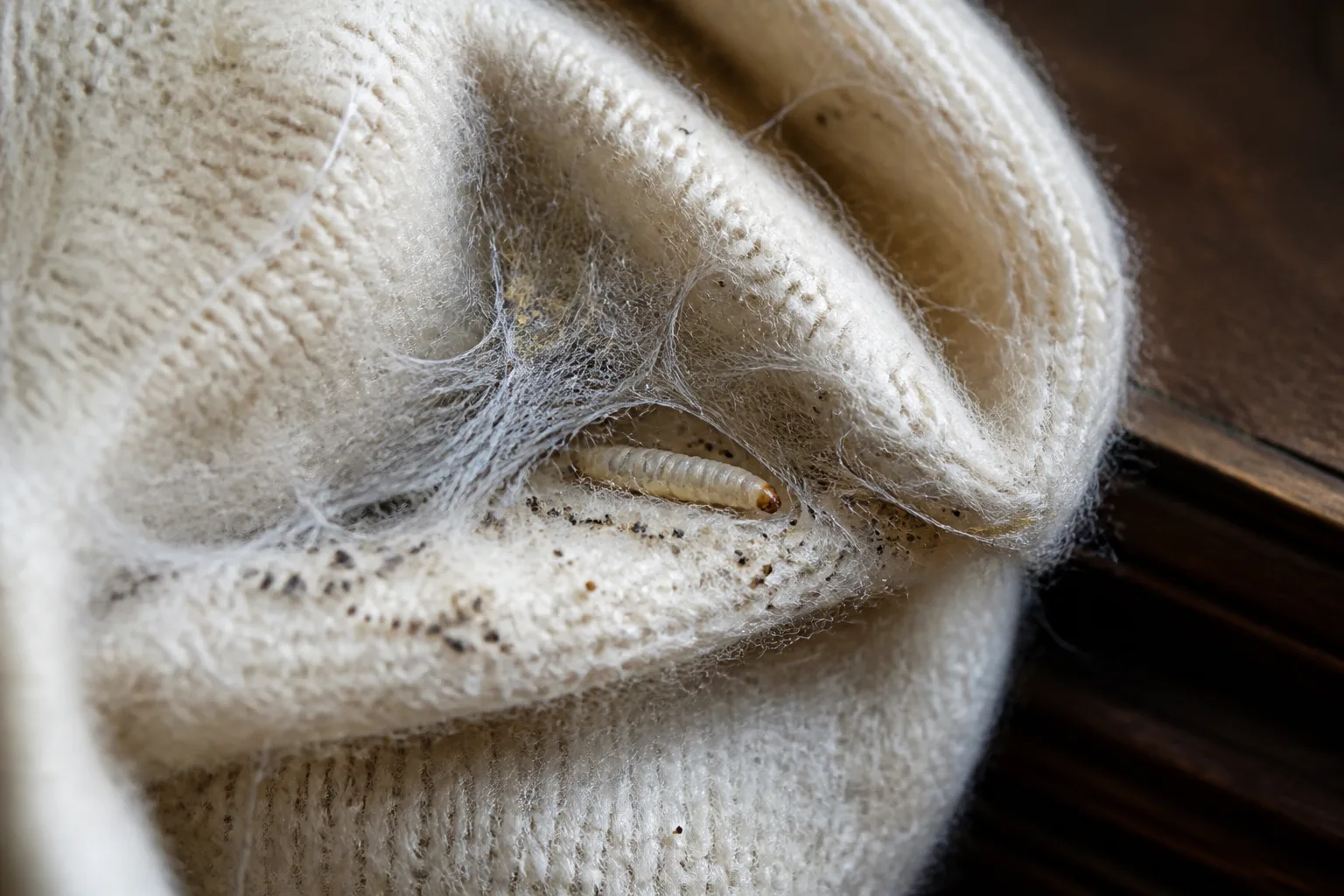
Buying the wrong repellent is the most common expensive mistake. Pantry traps use an Indian meal moth pheromone. Clothes traps use a webbing or casemaking clothes moth lure. The scents are not interchangeable—a pantry trap in a bedroom catches nothing useful, and cedar in a kitchen does not stop larvae already inside a flour bag.
Wing pattern and where you see them
Indian meal moths (Plodia interpunctella) are the usual pantry pest. Adults are small grayish moths with a coppery or reddish-brown band on the outer half of each forewing. You often see them zigzagging near cabinets, not resting on wool. The damage comes from larvae and silk webbing inside dry foods—flour, cereal, rice, nuts, pet food, birdseed, and spices. The National Pesticide Information Center lists grains, beans, dried fruit, chocolate, and dry animal food as common hosts.
Clothes moths are smaller, uniformly buff or golden, and tend to flutter in closets or near stored textiles. Their larvae feed on keratin in wool, silk, fur, feathers, and soiled blends—not clean cotton or polyester alone. Holes appear in sweaters, scarves, and rugs; you may find silk webbing or tiny cream caterpillars with dark heads. Adult clothes moths do not eat fabric; the larvae do.
Why mis-ID sends you to the wrong product
Pantry moth larvae sometimes crawl away from food to pupate on walls, ceilings, or even in a bedroom—so a moth near the bed does not automatically mean clothes moths. Search for forgotten snacks, pet treats, or birdseed before you cedar-bomb a closet.
Conversely, carpet beetles cause holes that look like clothes-moth work but need vacuuming and larval removal, not a pantry trap. If you see small oval beetles at windowsills or hairy larvae under furniture, read our fabric-pest ID guide before buying anything.
Repellents, Traps, and Killers: Three Different Jobs
Most “best moth repellent” lists mix tools that work in completely different ways. Sorting them prevents the frustration of cedar that “does not work” during a heavy infestation, or traps that catch moths while larvae keep eating.
When pheromone traps are the right first buy
Pheromone traps lure and glue male moths to break mating and give you a visible count of activity. They are excellent monitors after you remove the food or fabric source, and they help confirm which moth species you have. They do not reach larvae in a cereal box or eggs in a sweater seam. The UC IPM Pest Notes on pantry pests treat sanitation and sealed storage as primary control; traps support monitoring, not replacement.
Use a pantry trap in or beside the affected cabinet. Use a clothes trap inside the closet near wool, refreshing glue boards on the label schedule—typically every two to three months, or sooner when full. A rising catch count after you cleaned means you missed a package or garment; a falling count means your sanitation worked. That feedback loop is why traps outperform cedar alone during an active outbreak—you get data, not just hope.
When cedar and sachets make sense
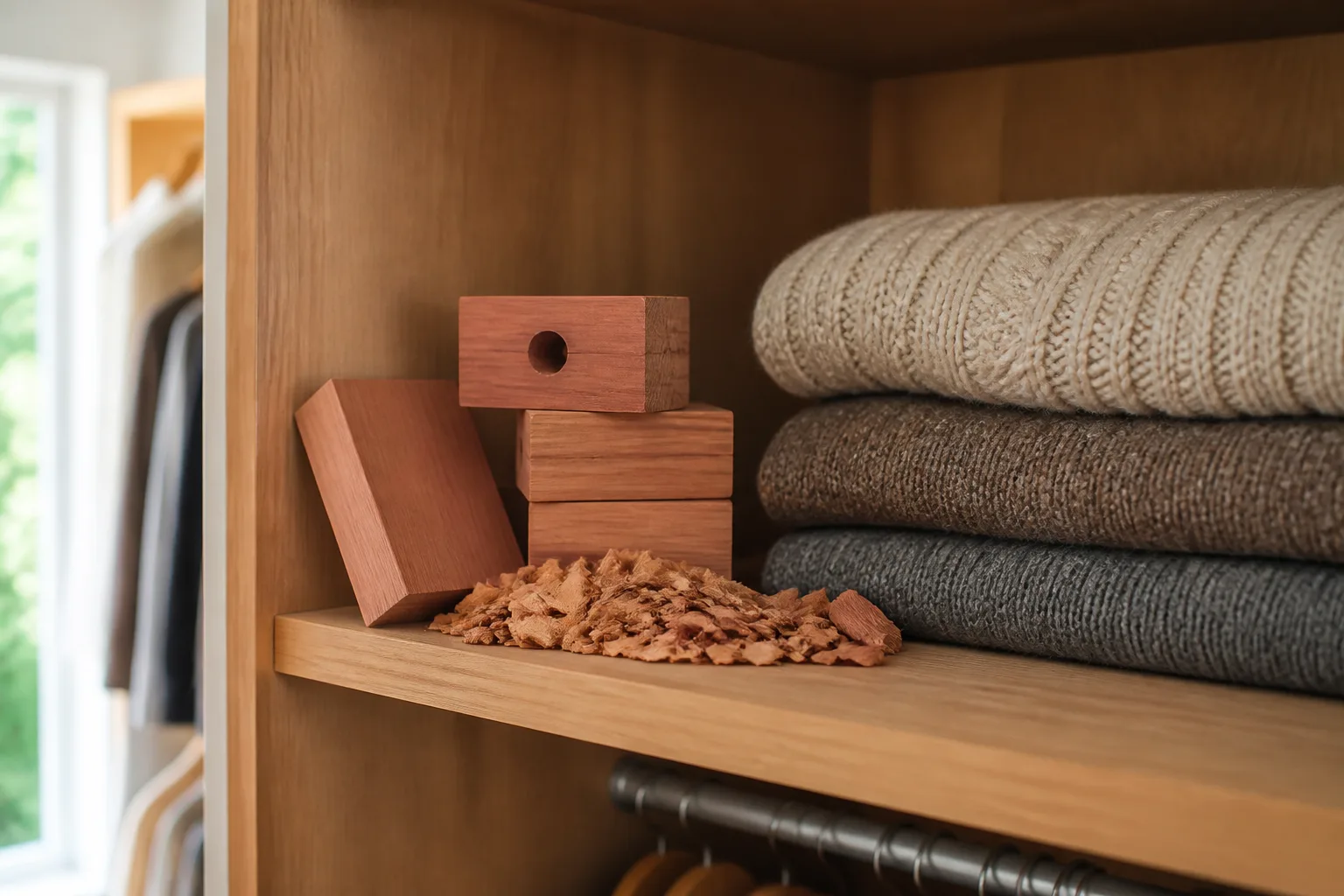
Cedar, lavender, rosemary, and similar aromatics repel some adult moths by making an area less attractive. They work best as preventive deterrence in clean, already-inspected storage—not as the sole fix when larvae are actively feeding. Cedar oils (cedrol and related compounds) fade as surfaces age; sanding blocks or adding cedar oil spray renews the scent, which is why variety packs with sandpaper or companion sprays outperform a single forgotten block.
Herbal sachets add pleasant closet fragrance and light deterrence. Treat them like a freshener plus mild repellent, not a pesticide. Our guide to smells that moths hate explains which scents have evidence and which are oversold.
When chemical killers are justified
Mothballs and pyrethrin sprays kill moths and, in sealed use, eggs and larvae—but they carry real safety trade-offs. NPIC notes that mothballs are nearly 100 percent active ingredient (naphthalene or paradichlorobenzene), slowly volatilize into toxic vapor, and one mothball can seriously harm a small child if eaten. Pets may mistake them for food. Mothballs belong in tightly sealed containers with stored textiles—not loose on closet floors.
Contact sprays with pyrethrins and permethrin can knock down adults and larvae on rugs, upholstery, and closet corners during an active infestation, but labels exclude use around food, children, and pets. Reserve them for targeted fabric areas after you have cleaned and bagged wool.
The 9 Best Moth Repellents
Prices shift; verify current listings and label directions before buying. None of these replace finding and removing the infestation source.
Best cedar, sachets, and closet repellents
Homode Cedar Variety Pack — best overall. Homode’s 40-piece cedar variety pack (often sold as Household Essentials Cedar Closet Variety) is the most versatile closet investment on this list. You get hanger blocks, balls, chips, sachets, and cubes sized for closet rods, shoe shelves, dresser drawers, and plastic storage bins. The scent is mild—more sauna closet than harsh chemical—and blocks ship with sandpaper to refresh the surface when aroma fades. Cedar repels many adult clothes moths but does not kill larvae already in a sweater. Use this kit after you inspect, clean, or freeze wool, then maintain cedar in every storage zone. Because there is no catch tray, you will not get visual proof it is working; sand or replace when you see new adults or fresh holes.
Professor Killamoth Cedar and Lavender Sachets — best sachets. Ribbon-tied bags you can hang on a rod or drop in a drawer. Lavender reads stronger than cedar out of the bag; both fade over months but revive somewhat when squeezed. Ideal for light deterrence plus fragrance in a tidy closet—not widespread larval damage. Layer with a clothes-moth trap if adults are already present.
Dr. Killigan’s Cedar Pest Repellent Canisters — best cedar canister. Aromatic chips in vented canisters with companion cedar essential oil spray to renew odor. Neater than loose shavings; sits on shelves rather than hanging from rods—pair with hanger blocks for rod coverage.
Ovcio Anti-Moth Balls — best design-forward repellent. Camphor wood spheres on a colored hanging loop for high-value pieces like cashmere where you want deterrence without mothball odor. Repel rather than kill; limited coverage compared with a full cedar kit.
Best pheromone traps for pantry and closet
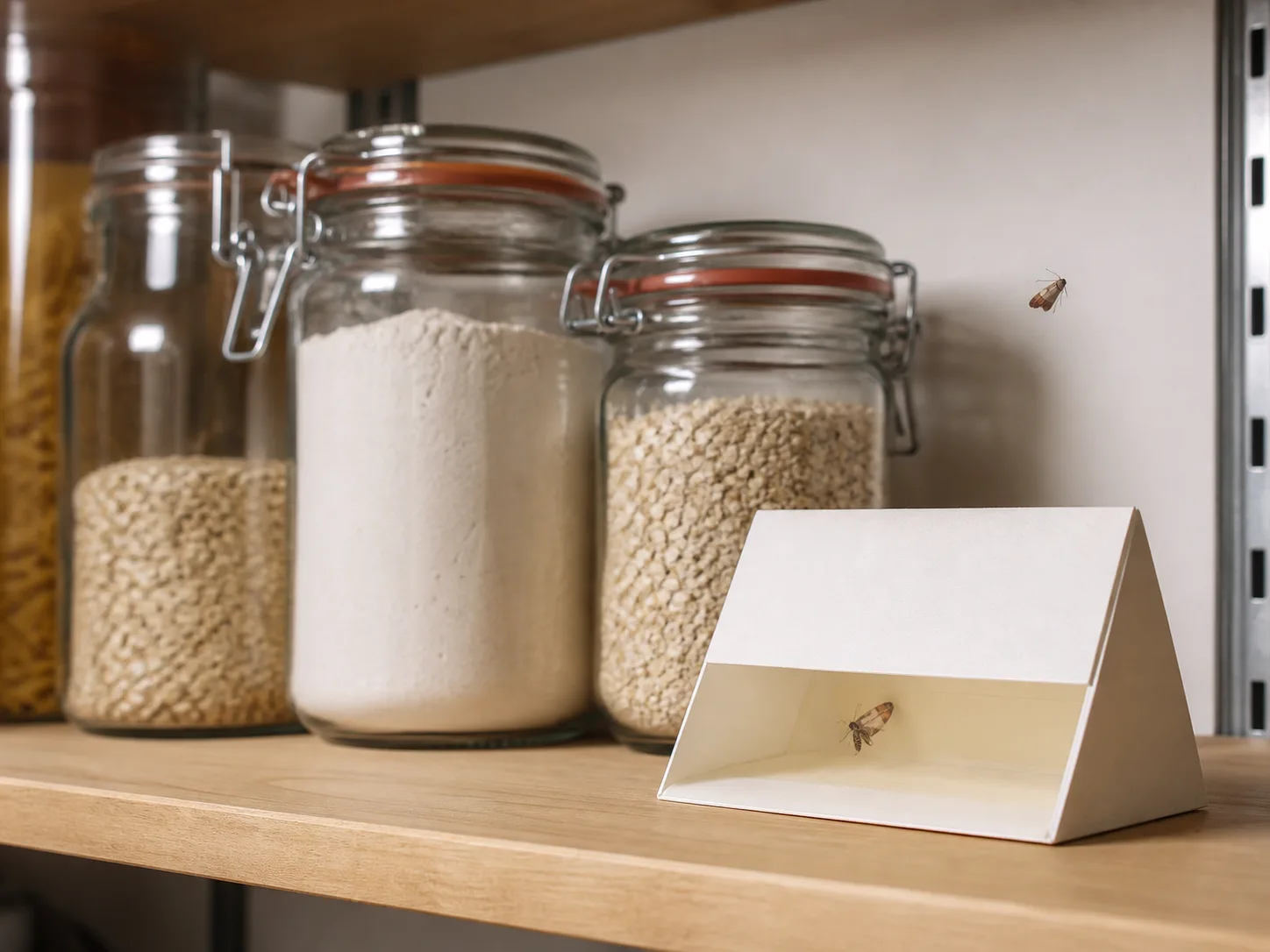
Dr. Killigan’s Premium Pantry Moth Traps — best for pantry moths. The folded triangle hides dead insects inside, setup is peel-and-fold, and the lure targets Indian meal moths and related stored-product moths attracted to flour, grains, and nuts. The packaging is discreet enough for a countertop while you run a full pantry cleanout. Pair traps with our pantry moth guide: empty shelves, discard webbed food, vacuum cracks, and move survivors into airtight glass or hard plastic. Traps last up to six months in a low-dust cabinet; toss them when full or when catches stop declining after your cleanout.
MothPrevention Clothes Moth Traps — best closet trap.
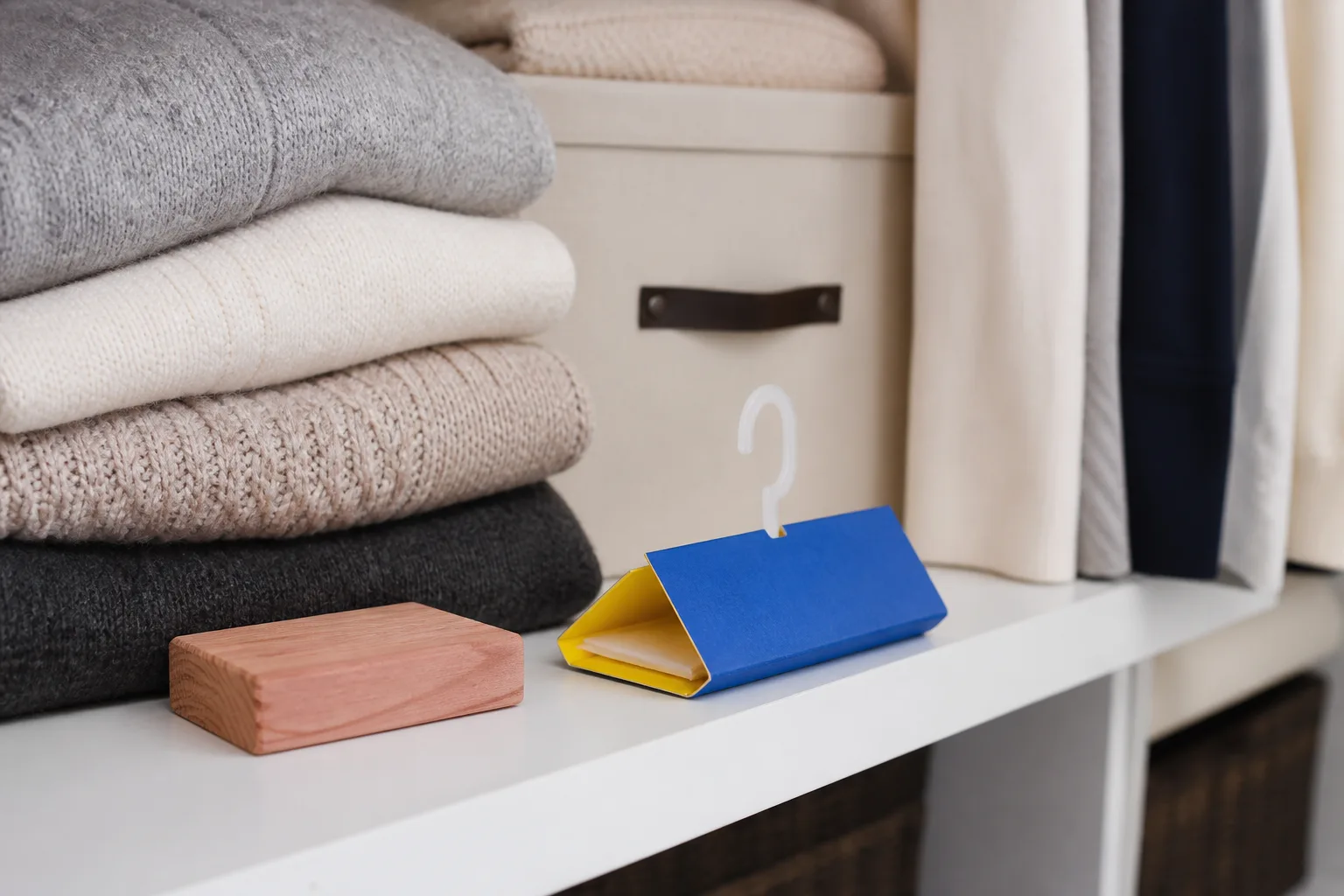
A large glue board—roughly triple the sticky area of many pantry triangles—with refillable housing and optional hanger. Targets webbing and casemaking clothes moths in closets, dressers, and carpet edges near wool. You will see dead moths, which confirms the lure is working but is not pretty. Glue refills cost less than full replacements, so long-term closet monitoring is cheaper than buying new housings every season.
Terro Pantry Moth Traps — best budget pantry trap. Same triangular pheromone design at lower per-trap cost, often in a two-pack for multiple cabinets. You add a small bait wafer to the sticky interior; moths stay hidden inside the fold. Equally useful as budget monitors while you seal food and vacuum shelves—less stylish packaging, same male-only trap limits.
Best chemical kill options for fabric and sealed storage
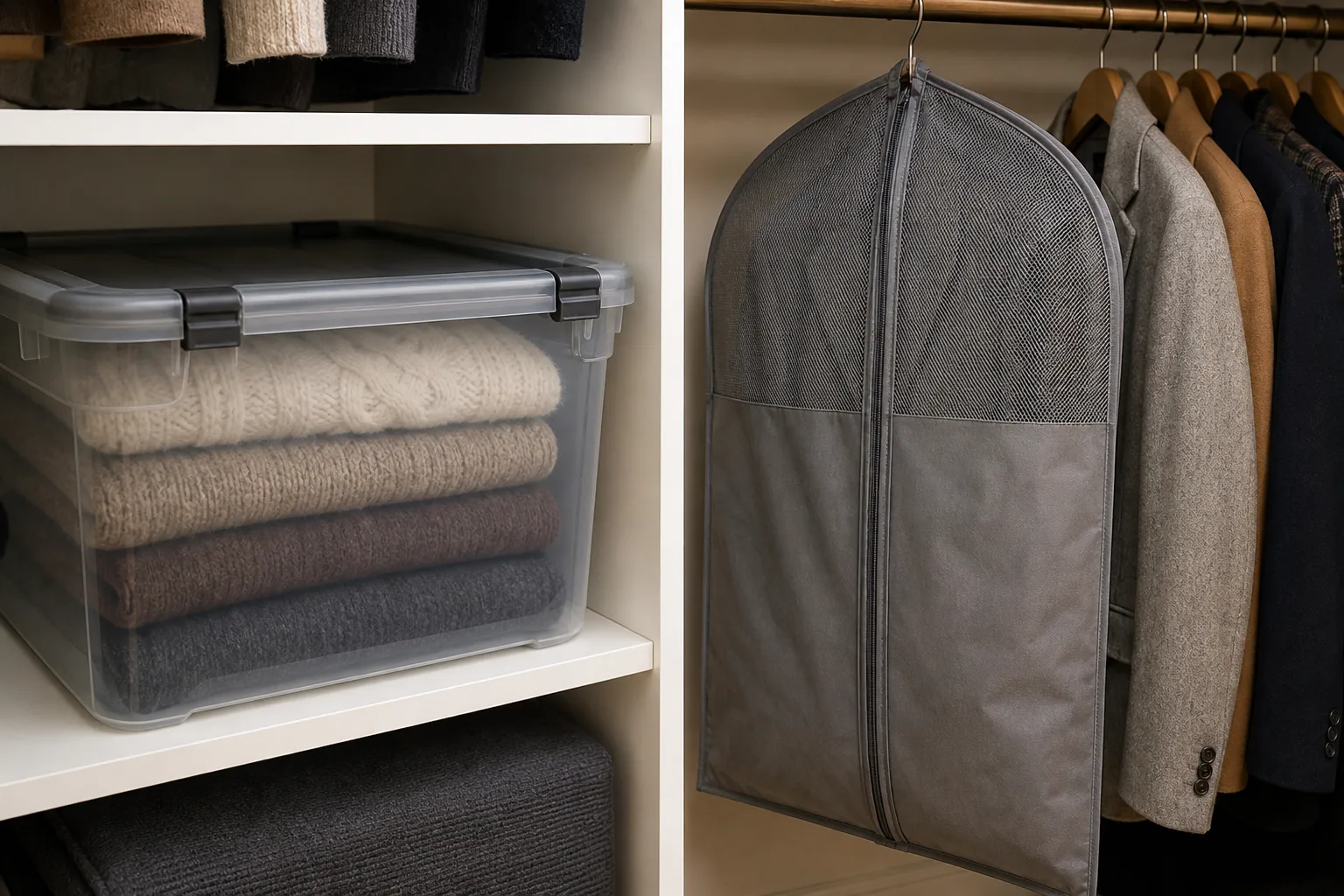
Enoz Moth Balls — best sealed-storage kill option. Paradichlorobenzene mothballs remain the strongest long-duration kill option for textiles in airtight bins, trunks, or garment bags—not open closets where vapor drifts into living spaces. The gas kills clothes moths, carpet beetles, eggs, and larvae over weeks to months inside a sealed volume. NPIC guidance is blunt: mothballs are pesticides that turn into inhalable vapor; keep them out of reach of children and pets, never in kitchens, and do not mix types or exceed label rates. See what bugs mothballs keep away for legal uses versus garage myths.
Reefer-Galler SLA Cedar Spray — best spray for active fabric pests. A contact insecticide with pyrethrins, permethrin, and synergists—not a mild cedar room spray. It kills moths, carpet beetles, ants, and other listed pests on contact on wood shelving, fabric, and rugs when used as directed. Use only where label allows: not around food prep, children, or pets, with ventilation and gloves. The cedar note does not mask the chemical smell entirely. Treat as targeted knockdown after you bag and clean wool—not daily closet perfume.
What to Look for Before You Buy
Safety around kids, pets, and food: In food areas, stick to traps labeled food-safe and avoid sprays, mothballs, and closet cedar meant for textiles. In bedrooms and closets, keep mothballs and aerosol sprays away from where children sleep or play. NPIC warns that pets may eat mothballs mistaken for treats. Natural is not automatically safe—essential oil sprays and camphor can irritate lungs in enclosed spaces.
How long protection really lasts: Pheromone traps often work two to six months. Cedar and herbal sachets may last several months to a year if refreshed. Mothballs in sealed bins protect up to about six months per label. Pyrethrin sprays leave residual weeks to months on undisturbed surfaces. Calendar a seasonal closet and pantry check when you swap wardrobes.
Placement rules: Hang clothes traps inside the closet near wool. Set pantry traps beside the affected cabinet. Distribute cedar through every drawer and bin with animal fibers. Put mothballs only inside airtight containers. Spray only on labeled surfaces after removing people, pets, and food from the treatment zone.
How to Layer Products for Lasting Control
One product rarely finishes the job. A practical sequence:
- Identify the moth (pantry vs clothes vs carpet beetle).
- Remove the source—discard infested food or clean/freeze infested wool per our linked guides.
- Vacuum and wash the space (shelf cracks, closet floors, rug edges).
- Seal clean food in airtight containers and wool in bins or bags.
- Monitor with the correct pheromone trap; falling catches mean your cleanout worked.
- Deter with cedar or sachets in clean storage to reduce reinfestation risk.
- Reserve mothballs or spray for sealed long-term storage or stubborn active fabric pockets—not as the first casual step.
This integrated approach matches how extension programs frame stored-product and fabric pests: sanitation and sealing first, pesticides and traps as support. If damage is widespread, wool is heirloom-quality, or you cannot find the source after two inspection rounds, contact a licensed pest professional rather than stacking more retail products.
Conclusion
The nine best moth repellents are really nine tools for nine jobs. Homode’s cedar variety pack is the most flexible closet preventer when wool is already clean. Dr. Killigan’s pantry traps and Terro’s budget triangles monitor Indian meal moths while you purge infested dry goods. MothPrevention’s clothes traps do the same for wool closets with refillable glue boards. Professor Killamoth sachets and Dr. Killigan’s cedar canisters add scent-based deterrence; Ovcio camphor balls protect delicates with minimal visual clutter. Enoz mothballs belong only in sealed storage you can keep away from kids and pets, and Reefer-Galler spray is the heavy option for labeled fabric kill-down—not everyday prevention.
Match the product to the moth, layer traps with cleaning and sealing, and treat cedar as maintenance—not a miracle cure during an active infestation. Do that, and you buy once instead of cycling through the wrong aisle.



