6 Smells That Moths Hate for Closet and Pantry Protection
Lavender, cedar, cloves, citrus, mint, and rosemary can discourage moths at close range. Learn how to use each scent safely and what else you must do to protect wool and dry goods.

A moth problem usually shows up as surprise holes in a wool sweater, webbing in a cereal box, or a dusty little moth fluttering in a dark closet. By then, the damage is often already underway. The six smells moths are most likely to avoid at close range are lavender, cedarwood, cloves, citrus, mint, and rosemary. Used correctly, they can make a drawer, closet shelf, or storage bin less inviting—but only as one layer in a larger prevention plan.
Think of these scents as a perimeter signal, not a permanent force field. Moths use smell to locate food, mates, and sheltered places to lay eggs. A strong, unfamiliar aroma can interrupt that search within a few inches or inside a sealed container. It will not fix an established infestation by itself, and it will not outcompete dirty wool, open dry goods, or a gap in your storage routine.
The Short Answer: Scents Discourage Moths at Close Range
If you want a fast starting point, match the scent to the storage zone and keep expectations realistic. Lavender and cedarwood are the classic closet pair: lavender for pleasant drawers and hanging spaces, cedar for long-term wool storage. Cloves and citrus add sharp volatile notes that can refresh sachets or line the edges of a storage box. Mint and rosemary work well in breathable pouches for seasonal bins, entry closets, or areas where you want a clean herbal smell rather than a perfume-heavy lavender note.
Place the fragrance next to the items you are protecting, not somewhere across the room. Refresh sachets every four to eight weeks, sand or re-oil cedar when the wood smells faint, and pair every scent strategy with clean fabric, tight containers, and regular inspection. The UC Statewide IPM Program notes that herbal oils may be placed in storage containers, but little is known about how effective they are compared with sanitation, heat treatment, and physical exclusion.
Identify Which Moth You Are Fighting First
Scent advice that ignores moth type wastes time. Clothes moths and pantry moths are different pests with different food sources, flight habits, and control tools. Putting lavender in a kitchen cabinet will not protect your cashmere, and sealing cereal will not stop larvae chewing through a stored fur collar.
Clothes moths are weak fliers that tend to stay near the infested textile. Pantry moths—most often the Indian meal moth—are attracted to dry food and breed in packages, not wool. Before you buy oils or fill sachets, confirm which problem you have.
Clothes Moths Versus Pantry Moths
Clothes moths include the webbing clothes moth (Tineola bisselliella) and the casemaking clothes moth (Tinea pellionella). Adults are small, roughly a quarter-inch long, and usually gold or brownish with a fluttering flight pattern near closets and furniture. They are not the larger moths that spiral around ceiling lights. Larvae—not adults—do the damage, feeding on wool, fur, feathers, silk, and blends that contain animal fibers.
Pantry moths infest dry foods: flour, grains, nuts, pet food, birdseed, spices, and similar products. You may see fine webbing in a bag, tiny larvae, or adults near the kitchen. Scent can play a minor supporting role near storage, but source removal, freezing or discarding infested food, and airtight containers matter far more than aroma for pantry pests.
| Trait | Clothes moth | Pantry moth |
|---|---|---|
| Primary food | Wool, fur, feathers, silk, keratin blends | Dry foods, pet food, birdseed |
| Typical location | Closets, drawers, rugs, upholstery | Kitchen, pantry, garage food storage |
| Adult behavior | Weak flutter near fabric; avoids bright light | Often flies in kitchen; may zigzag |
| Best first fix | Clean, launder or dry-clean, seal textiles | Discard or freeze infested food; deep clean shelves |
| Scent role | Useful in closed textile storage | Minor; sanitation dominates |
Signs You Have an Active Infestation
Scent prevention makes sense when you are protecting clean, uninfested items or when you have already completed a thorough cleanup. If you see any of the following, treat it as an active infestation, not a prevention job:
- Irregular holes, surface grazing, or loose fibers in wool, silk, or fur
- Silken tubes under collars, in cuffs, or along carpet edges
- Small cigar-shaped cases (casemaking clothes moth larvae) attached to fabric
- Webbing, larvae, or clumped food in dry-goods packages
- Repeated adult moths in the same zone after cleaning
The UC IPM clothes-moth guidance recommends vacuuming cracks, laundering or dry-cleaning affected textiles, and using pheromone traps to monitor clothes moths. Scent belongs after those steps—or as ongoing prevention on already-clean items.
How Smells Actually Affect Moths
Moths depend on odor cues more than many household pests do. Females locate suitable larval food by scent; males follow pheromone trails. Strong plant volatiles—linalool in lavender, cedrol in cedar, eugenol in cloves, limonene in citrus peels, menthol in mint, and camphor-like compounds in rosemary—can make a micro-environment harder to navigate.
That mechanism is repellency, not poisoning. A sachet may keep a wandering adult from settling on a shelf. It will not reliably kill eggs or larvae already inside a sweater unless those life stages are directly exposed to a proven insecticidal treatment. Volatile oils also fade. Heat, airflow, sunlight, and opening a drawer repeatedly all weaken the signal within weeks.
This is why extension sources treat aromatic herbs as possible repellents, not guaranteed controls. New Mexico State University Extension lists cedar, eucalyptus, pennyroyal, lavender, and tansy among natural materials thought to help repel fabric pests, while also warning that some can be toxic and that cedar-lined storage loses protective oils after several years (NMSU Guide C-504). Use scents to support good storage hygiene, not to replace it.
What Scent-Based Repellents Cannot Do
A clear list of limits saves wardrobes and sanity:
- They do not kill larvae feeding inside fabric. Larvae can remain inside a collar or carpet backing while a closet smells like peppermint.
- They do not fix dirty textiles. The UC IPM Program notes that insects are less likely to feed on clean fabrics than on items soiled with food stains, perspiration, or oils.
- They do not seal entry points. An open bin, loose garment bag, or cracked chest still allows access.
- They do not work at a distance. A single diffuser at the bedroom door will not protect a wool coat in a hall closet.
- They are not interchangeable with mothballs. Paradichlorobenzene and naphthalene products are toxic pesticides with specific enclosed-use requirements. Herbal scents are lower risk but also lower potency.
If you need guaranteed kill of all life stages on a textile, use proven methods: hot-water laundering at least 120°F for washable items, dry cleaning, freezing at 0°F for 48–72 hours in a sealed bag, or professional treatment (NMSU Guide C-504).
Lavender

Lavender is the most popular closet scent for good reason: it smells pleasant to people, dries well in sachets, and releases linalool and linalyl acetate that many insects avoid. Dried buds tucked into muslin bags are ideal for drawers, sweater shelves, and storage bins with seasonal wool. A few drops of lavender essential oil on a cotton ball can boost a fading sachet, but keep oil off direct fabric contact unless you have tested an inconspicuous area first.
Lavender fades faster than cedar. Plan to fluff or replace sachets every month in a frequently opened drawer, or every two to three months in a sealed bin. Pair lavender with cedar in the same storage zone if you want both a fresh herbal note and longer-lasting wood aroma.
For a living version, a potted lavender plant on a sunny sill can add fragrance near an entry closet in summer, but a plant across the room is not a substitute for sachets inside storage. Harvest and dry spent blooms for winter sachets rather than relying on the pot alone.
Cedarwood
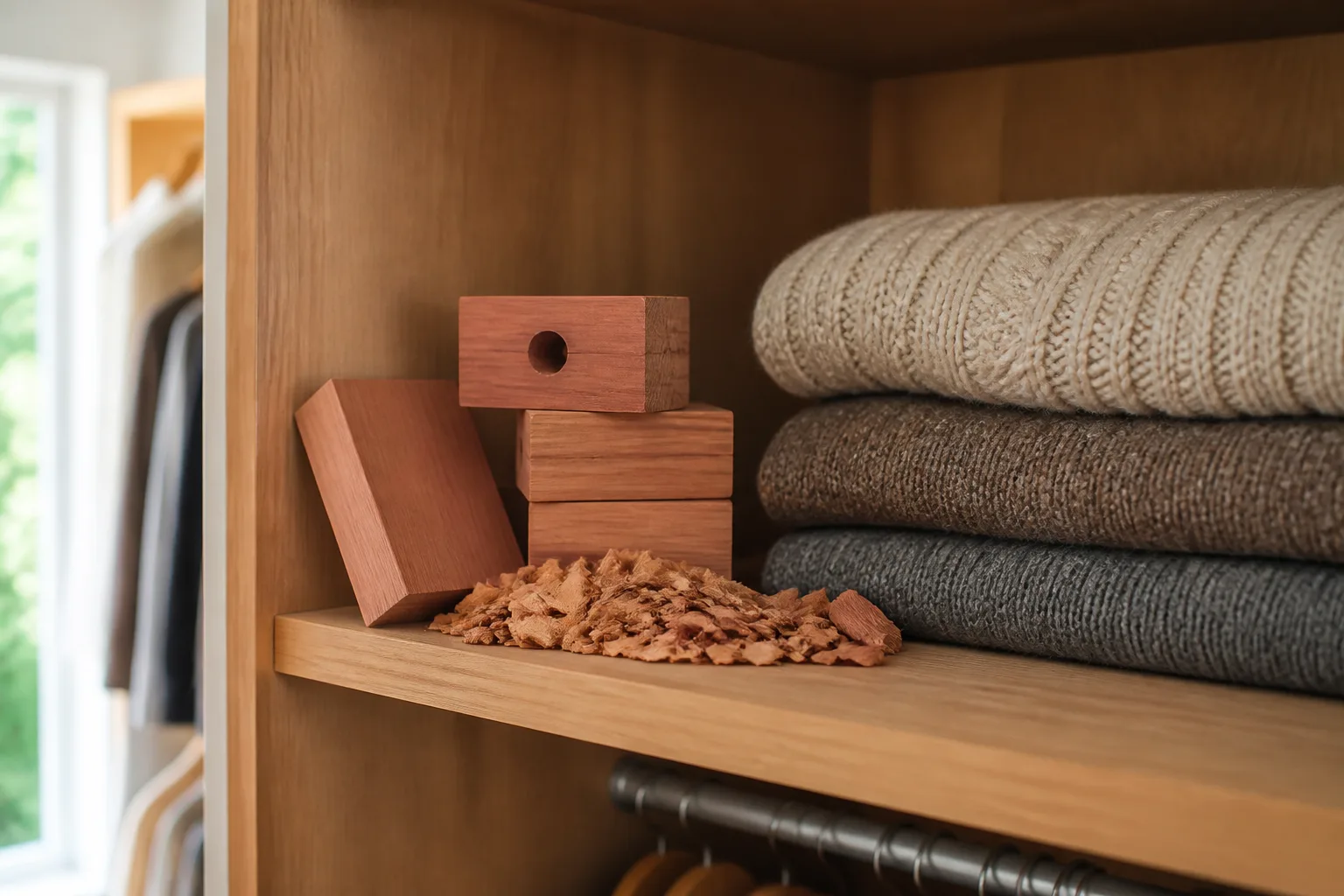
Cedar has the strongest historical reputation among natural moth deterrents. Aromatic eastern red cedar (Juniperus virginiana) contains oils that can kill small clothes-moth larvae in enclosed spaces, but the UC IPM Program emphasizes that cedar loses this quality after several years and that a tightly constructed container matters more than the wood species alone.
Use cedar blocks, chips, or lined chests directly beside wool, cashmere, and fur. Sand lightly every year to expose fresh surface oils, or add a drop of cedar essential oil to the wood—not to clothing—when the aroma weakens. Replace blocks every three to five years, or when rubbing the wood no longer releases a sharp scent.
Cedar closet lining is a long-term investment for a dedicated wool wardrobe, but it is not magic. Gaps around doors, dirty garments, and mixed storage with synthetics can still allow damage. Combine cedar with breathable garment bags, periodic sun-and-brush airing, and pheromone traps if you have had moths before.
Cloves
Cloves bring a warm, spicy eugenol note that moths tend to avoid. Whole dried cloves in a breathable sachet work well for storage boxes, cedar chest corners, and seasonal trunks where you want a sharper smell than lavender. Clove essential oil is potent; use it sparingly on cotton or wood, never poured directly onto fabric.
Because clove aroma is strong, it is better suited to enclosed storage than to an everyday dresser drawer with delicates that might absorb odor. Test a sachet in a small bin first if you are sensitive to spice scents or storing vintage textiles.
Refresh clove sachets every four to six weeks, or when you must sniff the bag closely to detect the spice. Combine cloves with orange peel in the same pouch for a classic winter-storage fragrance that also adds citrus volatiles.
Citrus

Citrus repels through bright limonene-rich oils released from lemon, orange, grapefruit, or mandarin peels. Dried peels curled into a sachet, or a few drops of food-grade citrus oil on a cotton ball placed away from direct fabric contact, can freshen a storage box between seasons.
Fresh peels can mold if trapped in airtight plastic; dry them first or replace weekly. A simple closet spray can be made with water, a small amount of castile soap as emulsifier, and a few drops of citrus essential oil—mist the air and shelving, not the garments themselves, and let surfaces dry before returning clothes.
Citrus is a short-lived scent. Treat it as a refresher you rotate with longer-lasting cedar, not as a once-a-year solution. It pairs well with routine inspection: when the closet stops smelling faintly citrusy, it is also a good reminder to check corners and seams.
Mint and Peppermint

Mint—especially peppermint—has a high-menthol aroma that reads as “clean” and intense to both people and pests. Dried peppermint leaves in sachets suit storage bins, mudroom closets, and guest-room dressers. Peppermint essential oil on cotton balls can be tucked into shoes or boot storage where wool liners are kept, provided the oil cannot touch leather or fabric directly.
Growing mint in a pot near a closet door is easy, but remember that a living plant releases far less oil than a concentrated product. If you grow mint for this purpose, keep it contained; mint spreads aggressively in garden beds. Harvest leaves for dried sachets rather than expecting a hallway pot to protect a distant wardrobe.
Peppermint is among the essential oils that deserve extra caution around pets, especially cats. The ASPCA advises keeping concentrated oils away from animals and being alert to respiratory irritation. In homes with curious pets, prefer dried leaves in closed bins over open oil diffusers near pet bedding.
Rosemary
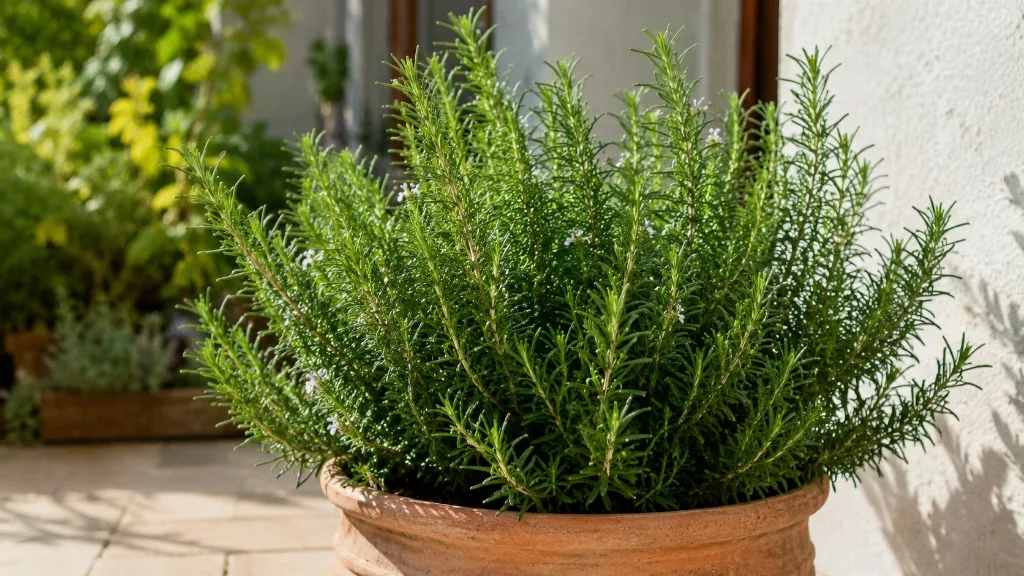
Rosemary offers a resinous, camphor-leaning scent that sits between lavender and cedar in character. Dried sprigs in tissue paper or muslin bags work in drawers, storage ottomans, and coat closets. Rosemary essential oil on cedar blocks can extend a wood sachet’s life without making the whole closet smell like perfume.
A small potted rosemary plant on a bright kitchen or entry windowsill can provide trimmings for sachets year-round. Like other living herbs, it is a supplement—not a standalone repellent—for distant storage areas.
Some people dislike rosemary’s cooking-herb association in bedroom closets. If that is you, reserve rosemary for entryway storage, blanket chests, or off-season outerwear bins rather than intimate apparel drawers.
How to Choose a Scent for Each Storage Zone
Match intensity, longevity, and fabric sensitivity to the location:
| Storage zone | Best scent options | Placement tip | Refresh cadence |
|---|---|---|---|
| Everyday dresser drawers | Lavender, rosemary | Muslin sachet between layers, not touching silk | 4–8 weeks |
| Wool closet / seasonal coats | Cedar + lavender | Blocks on shelf; sachets on hangers | Sand cedar yearly; replace sachets monthly in warm weather |
| Cedar chest / heirloom textiles | Cedar, clove | Blocks along walls; clove sachet in corners | Replace cedar every 3–5 years |
| Shoe / boot storage | Cedar, peppermint | Cotton ball in toe area; cedar shoe trees | When odor fades |
| Pantry dry-goods shelf | Citrus, rosemary (minor) | Away from open food; prioritize sealed containers | Weekly peel check; prioritize cleaning |
| Under-bed bins | Cedar chips + lavender | Layer chips under folded wool; sachet on top | Each time bin opens for rotation |
When fabrics are delicate or vintage, favor dried plant material in breathable bags over liquid oils. When storage is airtight and already clean, a stronger volatile note from cedar or clove is more likely to matter.
DIY Sachets, Sprays, and Refresh Schedules

Basic drawer sachet: Fill a small muslin bag with dried lavender buds and one crushed clove. Add a cedar chip for longevity. Tie tightly and label the date.
Cedar boost: Lightly sand a cedar block, add one drop of cedar or rosemary essential oil to the wood surface, and let it dry before placing near wool.
Citrus refresh spray: Combine one cup of water, one teaspoon of unscented castile soap, and five to ten drops of lemon or sweet orange essential oil in a labeled spray bottle. Mist closet air and bare shelving; allow to dry. Do not soak fabrics.
Rotation rule: When you stop noticing the scent without pressing the sachet to your nose, it is time to refresh. Set a phone reminder every six weeks for active closets and every three months for sealed bins.
Store essential oils in a cool, dark place out of reach of children and pets. Poison Control notes that concentrated oils can cause skin, eye, and respiratory irritation and that “natural” does not mean harmless (Poison Control essential-oil guidance).
Safety Limits for Essential Oils Around People and Pets
Essential oils are highly concentrated plant extracts. A few practical rules keep scent-based moth prevention from creating a new problem:
- Never apply undiluted oil directly to clothing, especially silk, rayon, or stained vintage pieces. Test shelving and cotton carriers first.
- Do not use essential-oil sprays on pet bedding, bird cages, or aquarium rooms. Birds are particularly sensitive to airborne oils.
- Avoid pennyroyal and other toxic herbs sometimes mentioned in old household recipes. NMSU Extension warns that some natural repellent materials can be poisonous (NMSU Guide C-504).
- Ventilate if a closet becomes overpowering. Headache, nausea, or throat irritation means reduce concentration or switch to dried herbs only.
- Store oils locked away like any household chemical. Poison Control reports that children have been harmed by ingesting essential oils mistaken for beverages.
If anyone in the home has asthma, migraine triggers, or chemical sensitivity, prefer cedar blocks and dried lavender with no spray formulations.
Combine Scents With the Fixes That Actually Stop Damage
The most reliable clothes-moth routine looks like this:
- Inspect and clean before storage season. Vacuum closet floors, baseboards, and shelf corners; empty the vacuum bag or canister promptly (UC IPM).
- Launder or dry-clean wool, silk, and fur items before packing them away. Heat and solvent cleaning kill eggs and larvae on treatable textiles.
- Store only clean items in airtight bins or well-sealed garment bags. Scent goes inside the container with the textile, not around the outside of a loose bag.
- Add your chosen repellent—cedar block plus lavender sachet is a strong default—for enclosed wool storage.
- Monitor with a clothes-moth pheromone trap in the closet if you have had damage before. Traps catch male moths and confirm whether your prevention plan is working (UC IPM).
- Air and brush occasionally worn woolens in sunlight. Larvae dislike bright light and will drop from shaken garments.
For pantry zones, discard or freeze suspect food, wash shelves, and move dry goods into glass or thick plastic containers. A rosemary sachet on a shelf edge is optional; sealed food is not.
When Scent Is Not Enough
Call a pest professional or switch from prevention to full remediation when:
- Holes keep appearing after you have cleaned, sealed, and trapped for several weeks
- You find larvae in multiple rooms or inside upholstered furniture stuffing
- Heirloom furs, piano felts, or wall-to-wall wool carpeting are involved
- Pantry moths return in sealed containers, suggesting a widespread source
Scents can still play a role after remediation as a preventive layer on clean, newly stored items. They should not delay laundering, freezing, or discarding infested materials.
Conclusion
Lavender, cedarwood, cloves, citrus, mint, and rosemary are the six smells moths are most likely to avoid when those aromas are fresh, concentrated, and placed directly beside the items you want to protect. Cedar brings the longest closet legacy, lavender the most pleasant everyday drawer note, and cloves, citrus, mint, and rosemary useful variety for bins, entry storage, and seasonal rotation.
Use them honestly: as close-range deterrents inside clean, sealed storage—not as a substitute for washing wool, removing infested food, freezing treasured textiles, or monitoring with traps when moths have already moved in. Refresh fading sachets on a schedule, respect essential-oil safety around children and pets, and treat any new holes as a cleaning problem first and a fragrance problem second. That combination is what actually keeps moths away for good.



