What Bugs Do Mothballs Keep Away? A Pest Pro Guide
Mothballs kill clothes moths in sealed storage, but they do not repel most household pests. Learn which bugs they affect, label rules, and safer alternatives.
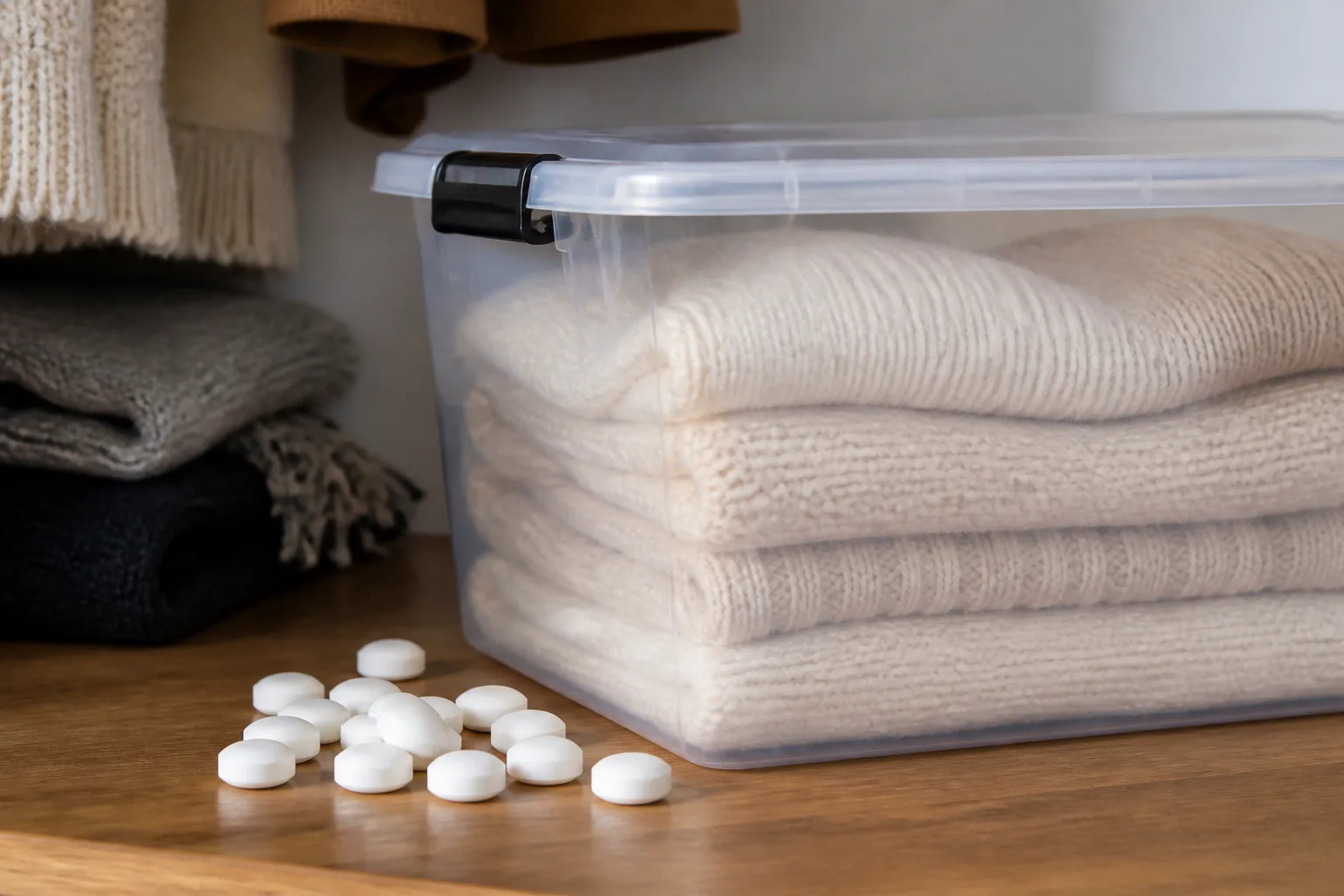
If you grew up with that sharp, camphor-like smell in a grandmother’s cedar chest, you probably assume mothballs repel everything small and creepy. They do not. Mothballs are EPA-registered insecticides formulated to kill clothes moths and related fabric pests inside airtight storage — not to blanket-repel ants, pantry moths, mice, snakes, or spiders around the house. Used off-label, they create toxic indoor air, contaminate soil, and still fail to solve the pest you actually have.
The confusion is understandable. Mothballs sublimate — they slowly turn from solid to gas — so it feels like the fumes should chase any bug away. Pest professionals and extension entomologists agree on a narrower truth: the vapor only works when it builds to a lethal concentration in a sealed space. In an open closet, attic, or garden bed, concentrations stay too low to reliably kill fabric pests and far too weak to repel larger animals. Understanding that chemistry saves money, protects kids and pets, and points you toward tools that match the insect you are fighting.
The Short Answer: Mothballs Target Fabric Pests in Sealed Storage
Mothballs are designed to control clothes moths — specifically the webbing clothes moth (Tineola bisselliella) and the casemaking clothes moth (Tinea pellionella) — when wool, fur, silk, or other animal-fiber textiles are stored in a tightly closed, airtight container. The National Pesticide Information Center states that mothballs release a toxic gas that kills clothes moths when fumes are trapped; they are not wildlife repellents and should not be used around food.
Here is a quick pest-by-pest reality check:
| Pest | Do mothballs work? | Better first move |
|---|---|---|
| Webbing / casemaking clothes moths | Yes — in airtight storage | Clean textiles, seal bin, follow label dose |
| Carpet beetles | Unreliable / not labeled | Vacuum, freeze or heat-treat, monitor larvae |
| Silverfish | Weak at best; not a primary fix | Reduce humidity, declutter, targeted insecticide if needed |
| Pantry moths (Indian meal moth, etc.) | No | Discard infested food, deep-clean shelves, airtight jars |
| Bed bugs, fleas, cockroaches, ants | No | Species-specific IPM or professional treatment |
| Mice, rats, squirrels | No — and illegal off-label | Exclusion, traps, professional rodent control |
| Snakes and garden wildlife | No — illegal outdoors | Habitat modification, licensed wildlife solutions |
| Spiders | No meaningful repellency | Reduce prey insects, seal gaps, remove webs |
If your goal is seasonal wool storage, mothballs can play a role inside a sealed bin after items are cleaned. If your goal is “keep bugs out of my house,” mothballs are almost never the right opening move.
How Mothballs Work as Pesticides
Mothballs, flakes, crystals, and bars are solid fumigant insecticides. They are sold in grocery and hardware aisles, which makes them feel like a household product — but the University of Florida IFAS Extension is explicit: because they make pest-control claims, mothballs are pesticides regulated by the EPA, and the label is the law.
Both common active ingredients work the same way at a high level. The solid slowly sublimates into vapor at room temperature. That vapor is toxic to small insects when concentration is high enough. Kill happens when larvae or adults breathe enough fumigant — not when they simply dislike the smell from across the room.
Naphthalene vs Paradichlorobenzene
Read the package before you buy. U.S. mothballs contain very high concentrations of either naphthalene or paradichlorobenzene (also called 1,4-dichlorobenzene or PDB). They are not interchangeable for safety planning.
Naphthalene is the older, sharper-smelling option. In humans, heavy exposure is linked to headaches, nausea, and — in severe cases — hemolytic anemia, where red blood cells break down faster than the body replaces them. UF/IFAS notes that metabolites are excreted in urine and that kidney and liver damage can occur with significant exposure.
Paradichlorobenzene tends to produce a sweeter, less aggressive odor and is also used in some toilet and trash deodorizer blocks. It can irritate eyes and airways and cause nausea or dizziness at high vapor levels. The WHO has classified it as possibly carcinogenic based on animal studies; EPA human-risk classifications differ by endpoint, which is one more reason to treat both actives as serious chemicals — not closet potpourri.
For pest control performance, both actives rely on the same principle: trapped vapor. Choose based on label directions, tolerance for odor, and household vulnerability (children, pets, respiratory issues). When in doubt, call NPIC at 1-800-858-7378 for product-specific guidance.
Why Vapor Concentration Requires an Airtight Container
This is the detail most misuse stories skip. UC IPM explains that paradichlorobenzene mothballs produce vapors that only reach lethal levels in an airtight container. If the container is not airtight, chemicals may somewhat repel adult moths, but larvae already on clothes can keep feeding.
NPIC’s regulation page adds the safety side of the same coin: labels direct users to place mothballs in tightly closed containers so fumes do not accumulate in living spaces where people and pets breathe them for long periods. A vented garment bag, a loosely closed cardboard box, or a few balls on a closet shelf fails on both counts — weak on pests, risky for occupants.
Picture the difference: a sealed plastic bin with a gasket lid traps gas like a tiny fumigation chamber. A closet with a cracked door lets vapor dilute into the bedroom air all winter. You smell “mothballs working,” but you are mostly perfuming the house.
Bugs Mothballs Are Registered to Control
Webbing Clothes Moths
The webbing clothes moth is the most common fabric pest in U.S. homes. Adults are small — about 1/4 inch long — golden, with a fringe of hairs on the wings. They are weak fliers that flutter near infested textiles rather than bombing your kitchen lights. That behavior matters: if you see large moths at the ceiling, you may have pantry moths instead.
Damage comes from larvae, not adults. Larvae spin silken patches or temporary feeding tubes on wool sweaters, scarves, upholstery, and even piano felt or fish meal in pet food if storage is sloppy. Soiled fabric with sweat, food, or urine stains is more attractive — clean wool is less inviting but not immune.
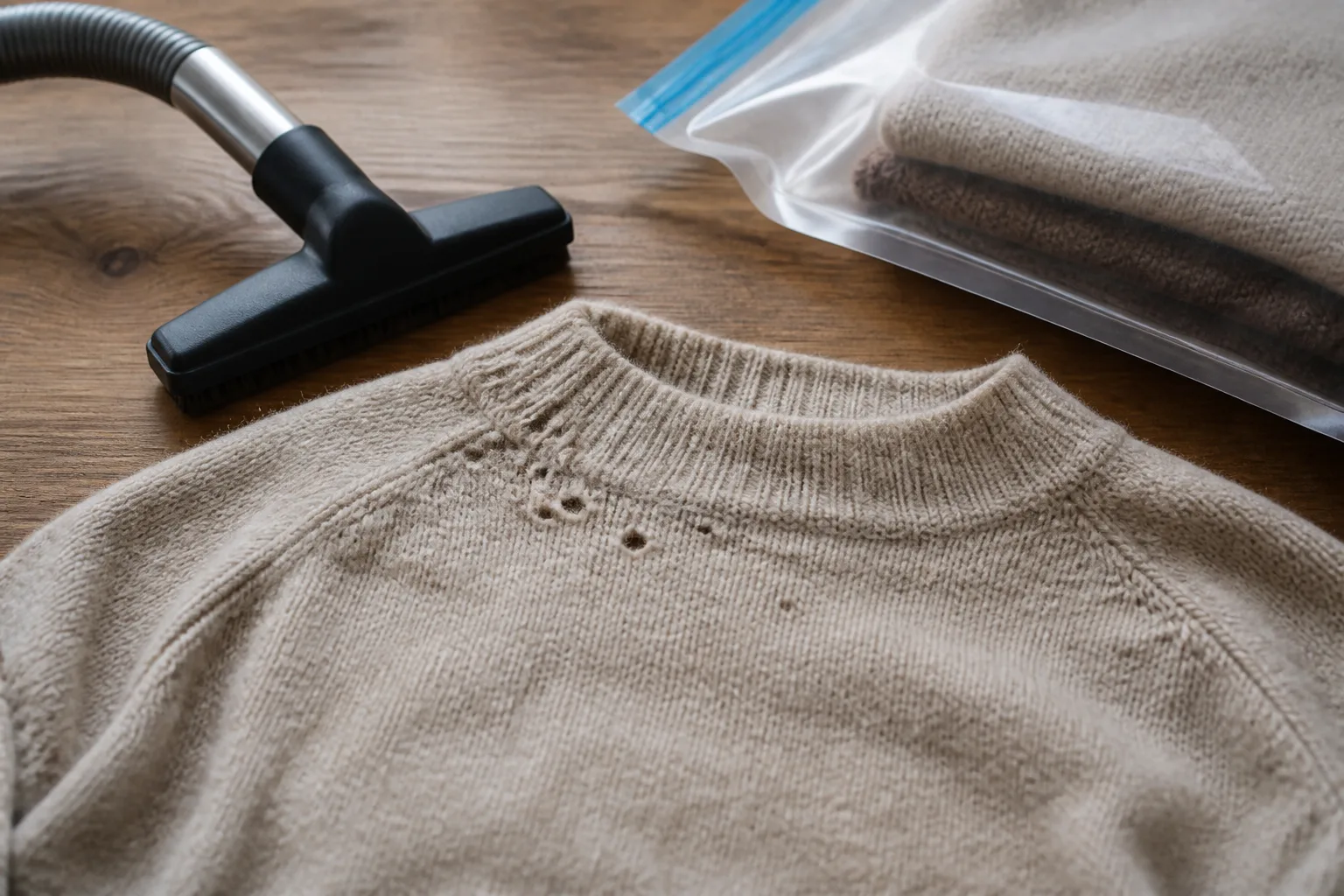
Mothballs can kill larvae in sealed storage if label rates are followed on already cleaned items. They do not fix active closet infestations hiding in carpet edges, baseboards, or furniture stuffing unless those items are isolated in fumigable containers or treated by other methods (freezing, dry ice fumigation, professional vault fumigation).
Casemaking Clothes Moths
Casemaking clothes moths look similar to webbing moths but carry a portable silken case they never abandon. The case often matches the color of the fabric being eaten — a clever camouflage that makes them easy to miss until holes appear.
They target the same animal fibers and hide in the same quiet zones: under collars, along cuffs, beneath furniture, and inside rarely moved storage boxes. NPIC and extension guides list both Tineola bisselliella and Tinea pellionella as the mothball-intended fabric moths.
For either species, think monitor → clean → isolate → fumigate in sealed bins → air out before wear. Pheromone traps help you detect males early; they are not a substitute for killing larvae in fabric.
Related Fabric Pests: Where Mothballs Fall Short
People often lump “anything that eats my textiles” into one bucket. Pest pros do not — and mothball labels do not either.
Carpet Beetles
Carpet beetles are common, adventurous fabric pests that can crawl room to room. New Mexico State University Extension notes that larvae wander more than clothes moth larvae and may show up far from the food source. Adults are small oval beetles, often black with orange or white patterns — sometimes mistaken for lady beetles.
Carpet beetle larvae feed on wool, fur, feathers, silk, and blends, but also on accumulated hair, dead insects, and debris in cracks. Because they move and because mothballs are not labeled for carpet beetles, relying on mothballs in a closet corner is a weak strategy. Prioritize thorough vacuuming along baseboards and under furniture, hot-water laundering where safe (120°F for 20–30 minutes per UC IPM), freezing small items, and direct treatment of infested rugs or upholstery when damage is widespread.
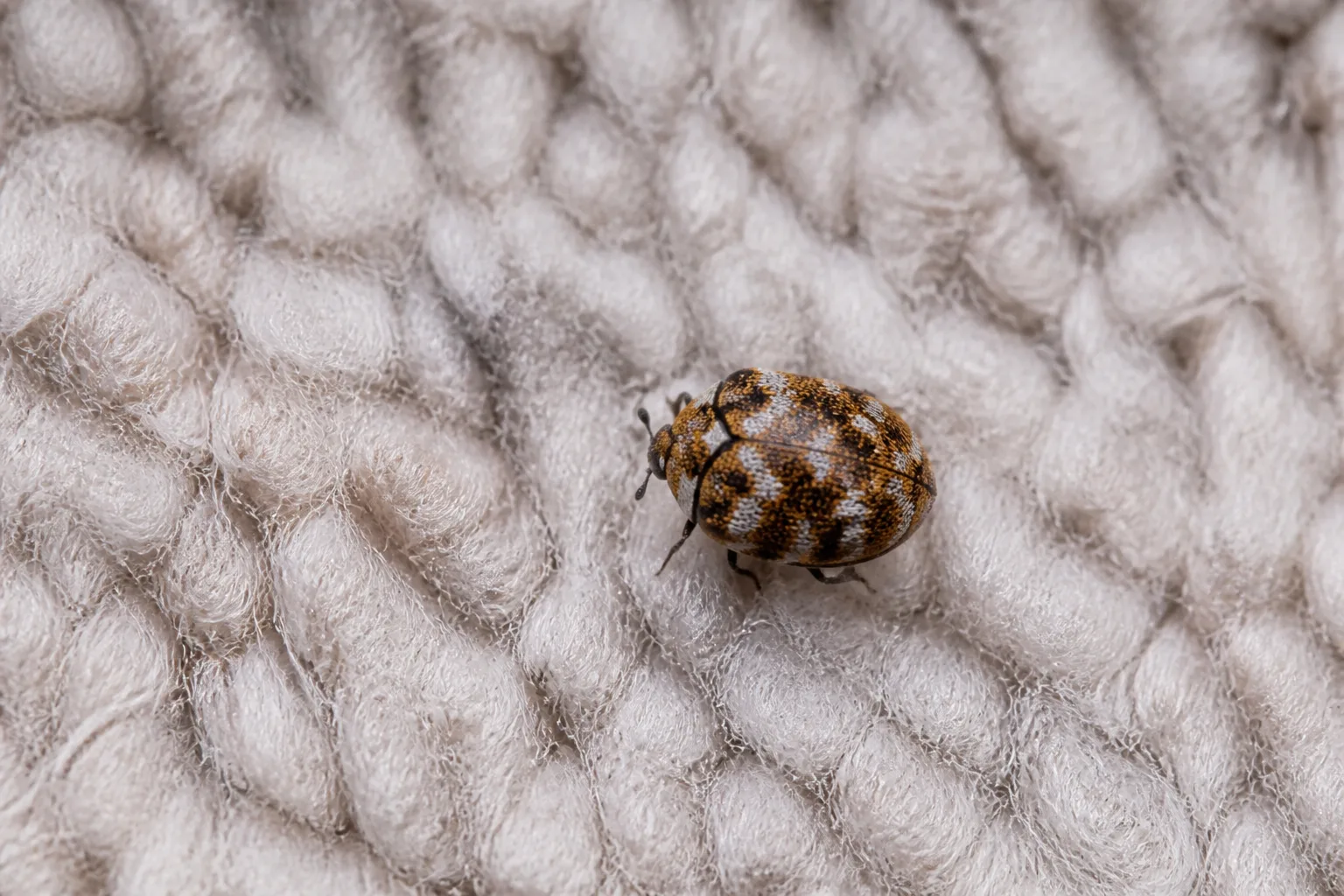
Some homeowners report fewer beetles when sealed bins with mothballs are used for stored woolens. That success is mostly about exclusion and sanitation, not proof that vapor repels beetles roaming your hallway.
Silverfish
Silverfish love starch, paper, glue, and damp cellulose — and they sometimes damage cotton or linen, especially when fabrics are stained with food or perspiration. They are not clothes moths, and mothballs are not a standard silverfish control.
You may see silverfish named in informal pest conversations because both can appear in humid closets. Reducing moisture, sealing paper clutter, and using targeted baits or labeled insecticides in cracks beats scattering mothballs on the floor. If silverfish and clothes moths share a storage room, solve moisture and sanitation first; add sealed textile storage second.
Pests and Animals Mothballs Do Not Repel
Pantry Moths and Kitchen Insects
Pantry moths — especially the Indian meal moth — are not fabric pests. Adults fly in kitchens and pantries, not wool closets. Larvae eat flour, grains, nuts, spices, pet food, and birdseed. Mothballs are not food-safe and must not be placed in cabinets or near preparation surfaces, per NPIC.
If you see webbing in a cereal box, discard or freeze affected food, vacuum shelf cracks, and store dry goods in glass or hard plastic with tight lids. Kitchen moth control is sanitation and containment — not fumigating your pasta with naphthalene.
Rodents, Snakes, Spiders, and Wildlife
This is where myth meets enforcement. NPIC states plainly that mothballs are not wildlife repellents. UF/IFAS adds that outdoor placement to repel snakes or nuisance wildlife is illegal misuse — mothball products are not approved for that purpose even if some retail “snake repellents” contain naphthalene as an ingredient in a different registered formulation.
Why they fail outdoors and in open buildings:
- Vapor disperses in air instead of concentrating.
- Rodents and snakes do not reliably avoid the smell enough to leave a territory.
- Rain, soil, and sunlight break down or wash chemicals into the environment, risking child, pet, and wildlife poisoning.
The same logic applies indoors for mice: a few balls under the sink do not create a rodent-proof barrier, but they do expose everyone in the home to chronic low-level fumes. Spiders, bed bugs, fleas, and cockroaches are likewise outside mothball labels. Use species-appropriate tools — sticky monitors, exclusion, desiccants, targeted sprays, or professional treatment.
How to Use Mothballs Correctly
If you have confirmed clothes moths and plan to store clean wool, fur, or silk for months, mothballs can fit inside a sealed protocol — not as a lazy substitute for laundering.
Container Choice, Dose, and Air-Out Steps
Follow the product label exactly. General principles echoed by NPIC, UC IPM, and UF/IFAS:
- Clean first. Dry-clean or launder items; brush seams and folds. Mothballs protect clean storage; they do not erase an active infestation already in the textile.
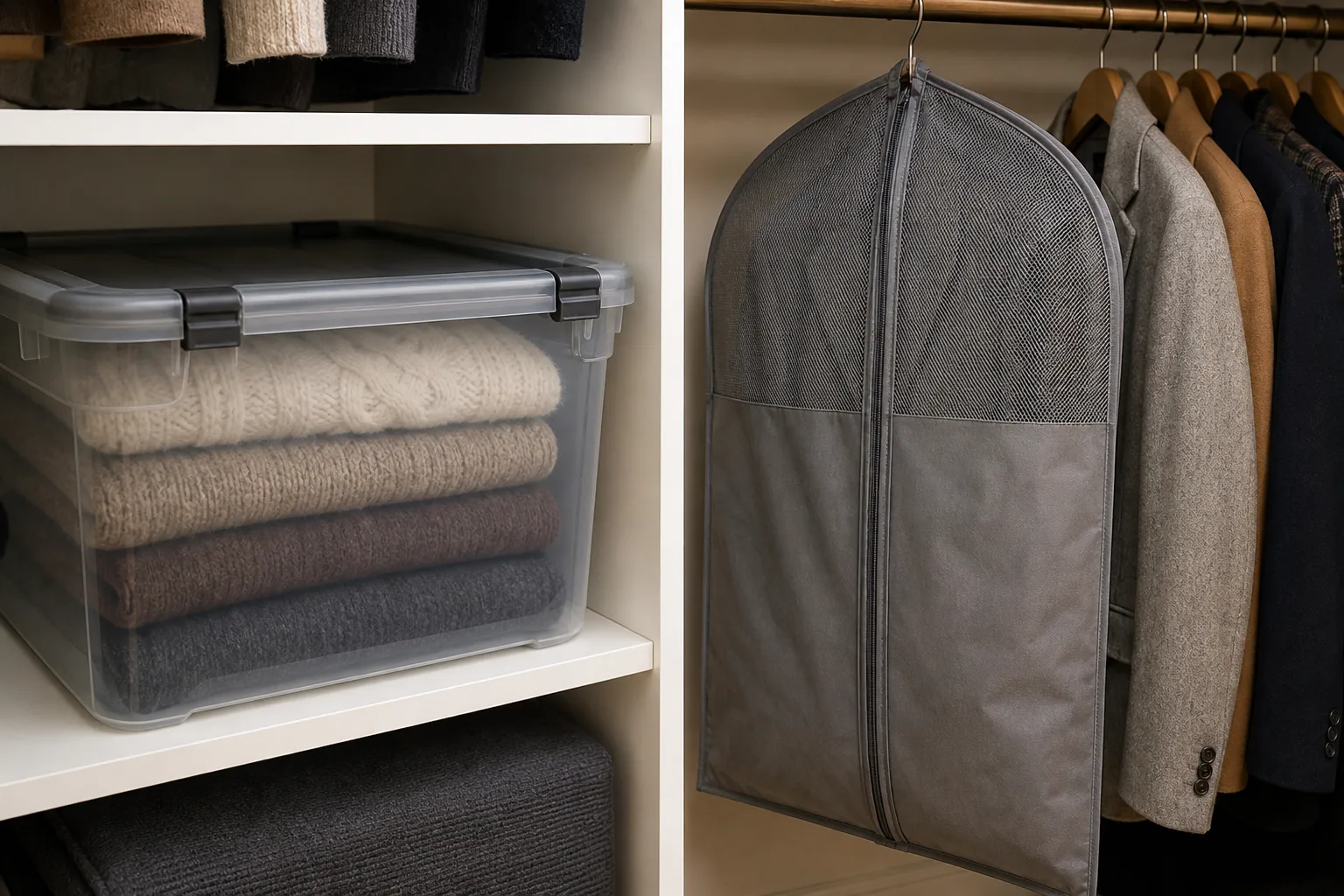
- Choose a true airtight bin — gasket-lidded plastic totes work; vented garment bags do not. UF/IFAS illustrates sealed sweater bins versus inappropriate vented bags.
- Place the labeled number of mothballs for the container volume. More is not better; excess increases odor and exposure without improving kill.
- Seal and store in a cool, dry place away from living areas when possible.
- Open outdoors when retrieving items. Let garments air thoroughly before wearing or bringing back inside. Shake or brush fibers outside so residue does not settle on indoor surfaces.
- Wear gloves when handling mothballs, and wash hands after. Keep products locked away from children and pets — one ball can seriously harm a toddler who mistakes it for candy.
Never put mothballs in plastic garment hangers or bags that can soften and melt into fabric; UC IPM warns that PDB can damage some plastics on contact.
Safety, Legal Use, and Pet Risks
Mothballs are among the most misused household pesticides. NPIC’s regulation page notes that using mothballs in a way not specified on the label is illegal under U.S. pesticide law and can harm people, pets, and the environment. Common illegal uses include gardens, attics, crawl spaces, vehicles, and under porches to repel snakes, squirrels, cats, or deer.
Children are at highest ingestion risk because of the candy-like appearance. Pets — especially cats and dogs — can develop vomiting, tremors, anemia, and liver or kidney injury after eating or chronically inhaling vapors. The Pet Poison Helpline lists mothballs as a serious poisoning hazard for both naphthalene and PDB products.
Human symptoms of vapor overexposure include headache, nausea, dizziness, and eye or airway irritation. If someone swallows a mothball, call Poison Control at 1-800-222-1222 immediately. If a pet ingests one, contact your veterinarian or an animal poison hotline without waiting for symptoms.
Also watch for imported or unregistered mothballs sold online or at discount stores. NPIC warns that illegal products may lack proper labeling, making risks unknown. Buy only EPA-registered products from reputable retailers, and keep the container for reference.
Better Alternatives When Mothballs Are Not the Right Tool
Mothballs are a narrow tool for long-term sealed storage — not the backbone of fabric-pest management. Build your plan from methods extension services rank higher for reliability:
- Heat and cold. UC IPM recommends laundering at 120°F for 20–30 minutes or freezing at 0°F or below for several days in sealed bags for many infested items.
- Dry cleaning for wool and fur that cannot tolerate hot water.
- Vacuuming cracks, baseboards, and furniture edges; dispose of vacuum contents promptly.
- Pheromone traps to monitor male clothes moths in closets — pair traps with cleaning, not instead of it. See our guide on clothes moth traps for how monitoring fits a larger plan.
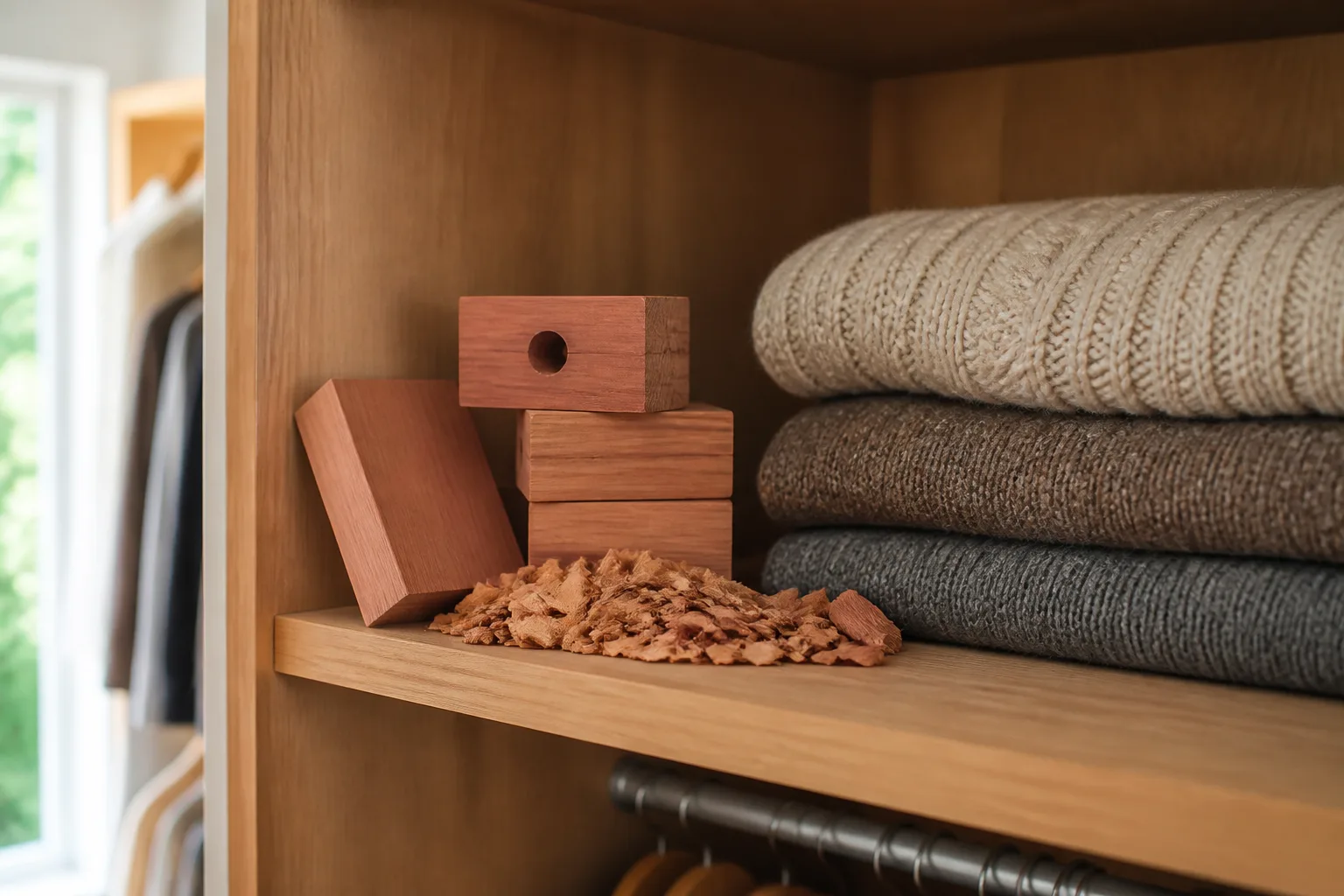
- Cedar chests and herbal sachets for light prevention on clean textiles in tight containers. Effectiveness fades; tight construction matters more than wood species over time. For scent-based prevention without PDB odor, read smells that moths hate.
- Professional fumigation for heavy infestations in furniture, carpets, or pianos where DIY fumigation with dry ice or surface sprays cannot reach larvae.
Integrated pest management beats any single chemical trick: identify the pest, remove food and larvae, block re-entry, then add chemicals only where labels allow.
Conclusion
Mothballs keep away — and kill — clothes moths and their larvae when used as labeled inside airtight storage containers. They are not general bug repellents. They do not reliably control carpet beetles or silverfish, they do not belong in kitchens against pantry moths, and they will not solve rodent, snake, or spider problems — especially outdoors, where such use is illegal and environmentally risky.
Before you buy another box, name the pest you actually have, clean and isolate textiles, and choose tools that match biology: heat, freezing, vacuuming, traps, and sealed bins. If you use mothballs at all, treat them like the registered pesticides they are — gloves, labeled dose, outdoor air-out, and zero exposure for kids and pets. That is how you protect wool without turning your closet into a slow fumigation leak.