10 Vegetables to Plant in October for Winter Crops
Learn which vegetables to plant in October for winter and spring crops, plus the simple frost-date test that tells you whether to sow, transplant, or wait.
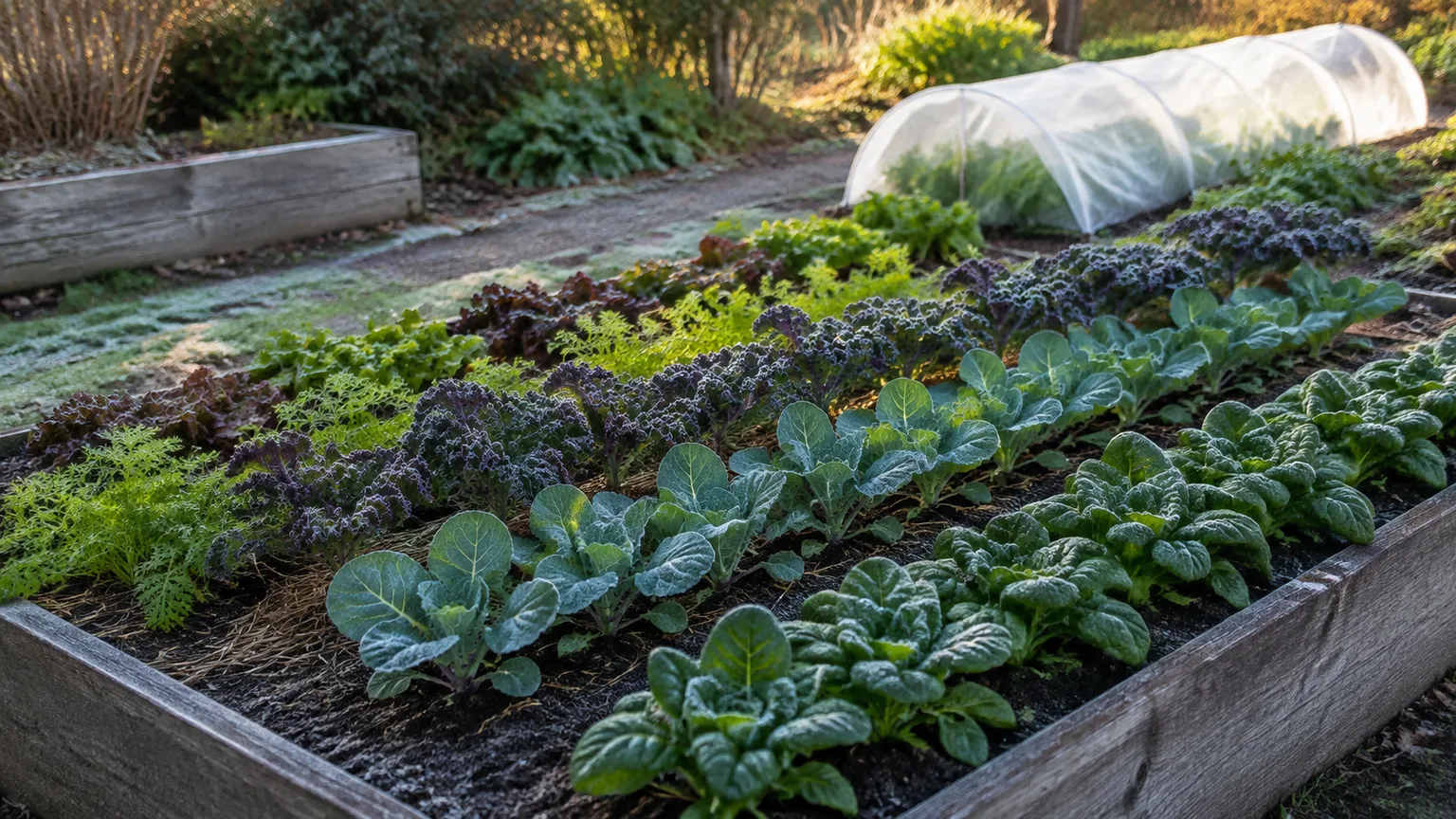
October is a chance to restart the vegetable garden, but it is not a universal planting date. In a mild climate, you may be sowing quick greens for winter salads; in a cold climate, you may be planting garlic for next summer and using sturdy transplants to finish a final harvest. The right crop depends on how many growing days remain, how quickly your soil cools, and whether you can cover the bed.
The ten vegetables below are useful because they fall into three practical groups: quick crops that can be harvested before deep winter, cold-hardy greens that keep producing slowly, and garlic that roots in fall for a larger crop next summer. Use the timing method first, then choose the crops that fit your remaining season rather than planting every item by habit.
Why October can be a productive planting month
Cool-season vegetables prefer the conditions that make summer crops miserable: shorter days, cooler soil, and moderate temperatures. Lettuce, spinach, arugula, radishes, and many Asian greens can germinate and grow quickly while the soil still has some autumn warmth. Kale and collards slow down as days shorten but can hold their quality through light frosts and, in mild areas, much of winter.
The harvest may not look like a summer harvest. A plant that needs 35 days on the seed packet may need longer when daylight is weak and nights are cold. You may harvest baby leaves instead of full heads, take outer leaves rather than pulling the plant, or allow a crop to sit nearly dormant and resume in late winter. That is still productive gardening: October planting can supply fresh leaves now and preserve a living root system for spring.
The University of Georgia’s fall-garden guidance makes the central timing point clearly: many fall vegetables need roughly 50 to 60 days to mature before a hard frost, while young plants also need steady water as they establish. In colder gardens, October may be too late for a seed-to-maturity crop but exactly right for a transplant or a garlic clove.
Use first frost and maturity dates, not the calendar alone
Find your area’s expected first hard frost, then count backward by the crop’s days to maturity. Add a buffer of 7 to 14 days for October’s slower growth, and add more time if you are starting from seed in cold soil. For a radish listed at 25 days, an October sowing may still work close to a first frost because you can harvest small roots. For a kohlrabi listed at 45 to 60 days, a late sowing is more realistic with a transplant and protection.
Hardiness zones help describe winter conditions, but they do not tell you the date your garden will freeze. Elevation, slope, nearby pavement, a foundation wall, and wet soil can move frost timing by days or weeks. Utah State University Extension’s planting-date guidance notes that frost can vary over a short distance and recommends adjusting approximate dates to the garden’s microclimate; keep your own first-frost records instead of treating a zone map as a schedule.
Also separate a light frost from a hard freeze. A light frost can leave kale, spinach, lettuce, and other hardy leaves usable, especially under fabric. A prolonged freeze can damage unprotected leaves, freeze the root zone, or heave newly planted seedlings out of shallow soil. If the forecast shows a brief dip, cover. If the ground is about to freeze solid for the season, prioritize crops that can pause, harvest what is ready, and do not expect tender seedlings to keep growing.
Choose seeds, transplants, or garlic cloves
Seeds are economical and give you more variety, but they need enough warm soil to germinate and enough time to reach a useful size. Direct-sow radishes, arugula, mustard greens, tatsoi, lettuce, and spinach when your first hard freeze is still comfortably ahead. Sow a little more thickly than in spring only if you are prepared to thin; crowded seedlings stay damp, stretch for light, and invite slugs.
Transplants buy time. Choose compact, healthy seedlings with sturdy stems, clean leaves, and roots that hold the potting mix without circling densely. Harden them gradually if they were raised under shelter. Planting a large, stressed transplant into cold wet soil does not guarantee success, but a well-watered, acclimated plant can reach harvest size weeks before a new seedling.
Garlic is different from the leafy crops. You plant individual cloves in fall so they can make roots before winter, then develop bulbs as growth resumes in spring. Use firm, disease-free planting stock rather than grocery-store garlic, which may be treated, poorly adapted, or carrying diseases. October is often a useful garlic month, but the final cue is cool soil and workable ground—not a fixed day.
Prepare the bed for short days and wet weather
Clear spent summer plants and remove diseased foliage, but do not strip every bit of organic matter from the bed. The RHS October gardening calendar recommends adding finished compost as mulch to protect soil and improve it for the following season. If old peas or beans are healthy, cutting the tops at soil level and leaving the roots in place can return organic matter as they break down.
Work only soil that is moist enough to crumble. Digging saturated clay creates dense clods that stay cold and airless; planting into them is a reliable way to lose roots. Use a garden fork or broadfork to open compacted beds, remove large weeds, and mix a modest amount of finished compost into the planting zone. Do not add fresh manure to a bed of leafy greens or roots.
Give the bed its best light. The low autumn sun makes a south-facing, unobstructed row much more valuable than it was in July. Keep rows narrow enough to reach without stepping on wet soil, and install hoops or a simple cover frame before seedlings need it. A practical layout is one quick crop near the path, one longer-lived winter crop behind it, and garlic in a separate row where it will not be disturbed during spring harvest.
Add protection before the first hard freeze
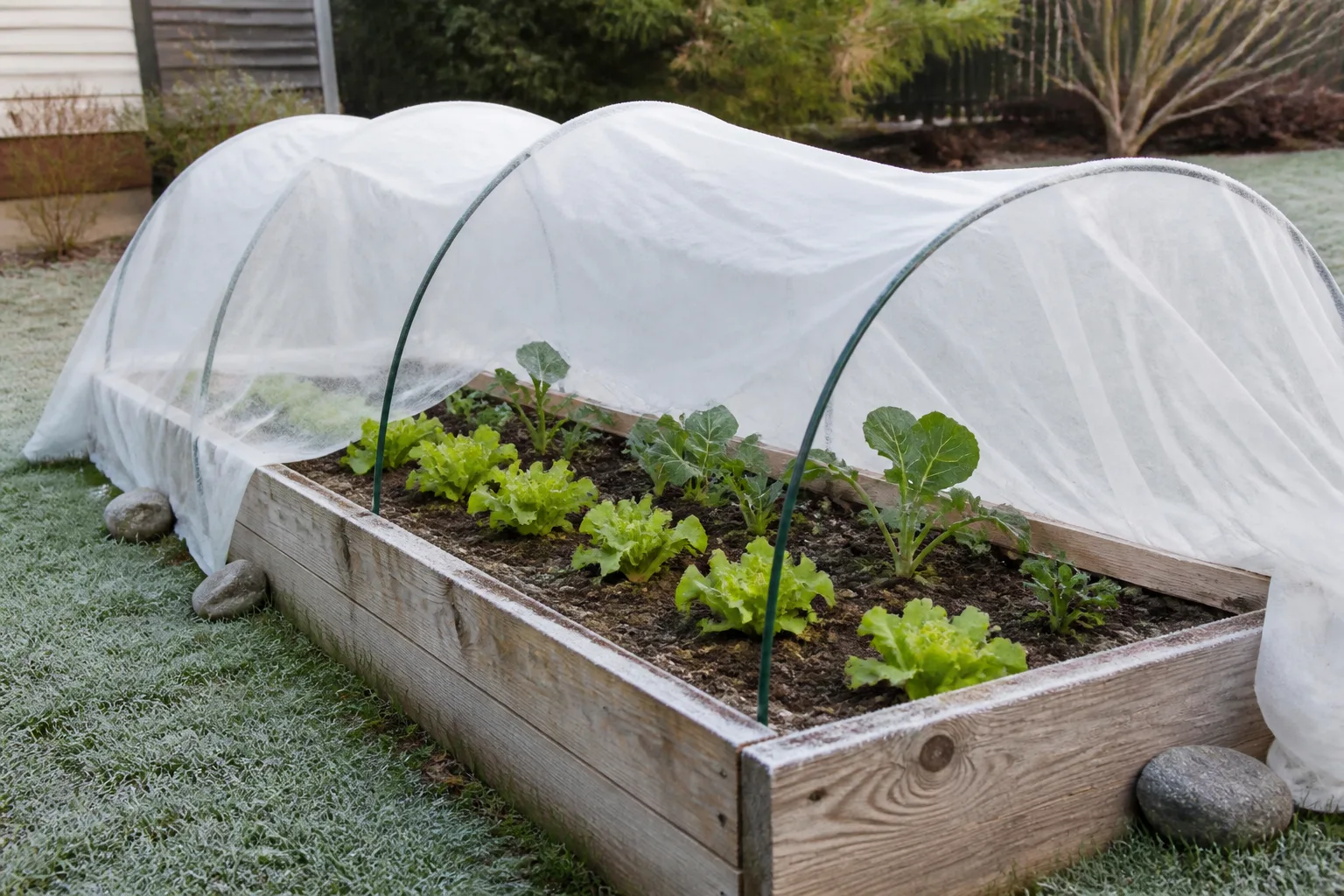
Cover is useful for more than frost. A floating row cover reduces wind, slows overnight heat loss, and can exclude some flea beetles and other pests. A cloche or low tunnel gives more protection but needs ventilation on sunny days. The RHS explains that heavier fleece can provide roughly 2°C of frost protection; treat that as a modest buffer, not a promise that a thin fabric will protect plants in a deep freeze.
Water the bed deeply before a predicted freeze if the soil is dry, then cover it so the stored soil heat is not lost as quickly. Do not lay plastic directly on foliage. Use hoops, secure the edges, and check that wind cannot rub the fabric against tender leaves. Remove or vent covers when the sun warms the tunnel, because trapped heat and condensation can encourage disease even in cool weather.
Mulch after the soil has cooled, not while it is still hot and wet. A 2- to 3-inch layer of clean straw, shredded leaves, or finished compost helps stabilize soil temperature and prevents freeze-thaw heaving. Keep mulch off garlic crowns and leafy-plant centers so air can circulate and stems do not stay soggy.
Arugula
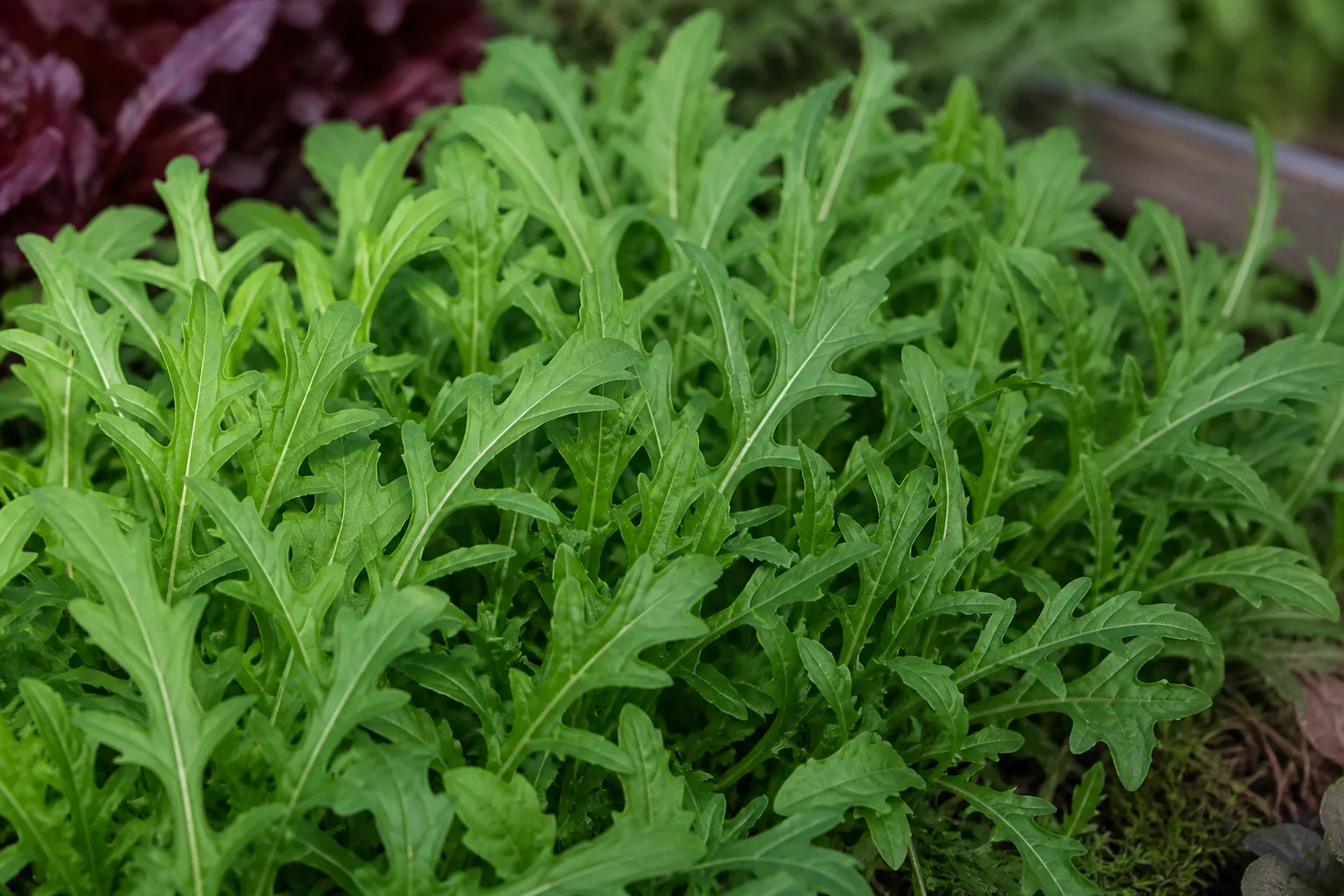
Arugula is one of the best choices when you want an October crop that pays you back quickly. Sow it thinly in a shallow, prepared row, keep the seedbed evenly moist, and begin cutting outer leaves as soon as they are large enough for a salad. Baby leaves are often a better October target than a large mature rosette because short days can slow final size.
Peppery arugula tolerates cool weather but not neglect. Drying out during germination creates a patchy row, while waterlogged soil encourages weak roots. In a mild climate, make two sowings 7 to 10 days apart; the second row may mature more slowly but spreads the harvest. Under row cover, arugula can keep producing after light frosts, though a hard freeze may burn exposed leaves.
Harvest with scissors or a clean knife above the crown, leaving the center growing point intact. If leaves become coarse or the plant sends up a flower stalk during an unusually warm spell, harvest the whole plant and sow another short row rather than waiting for perfect leaves.
Collard greens
Collards are a strong October choice in the South and other regions with mild winters. They need more space and time than arugula, so use transplants when the first hard freeze is approaching. Young plants should be well rooted before cold weather arrives; a small seedling sitting in cold soil is much less dependable than a sturdy transplant with several true leaves.
Plant collards in full sun with compost-enriched, well-drained soil. Water at the base until plants establish, then harvest the lowest mature leaves first. Leaving the central growing point intact turns one plant into a continuing supply rather than a single head.
Collards can survive impressive cold, but winter survival depends on cultivar, wind, moisture, and duration of the freeze. Homes & Gardens reports harvesting collards into winter under hoop-tunnel and frost-cloth protection, while its cited hardiness figure is not a guarantee for every variety or garden. Use that experience as a reason to protect plants, not as permission to skip local weather.
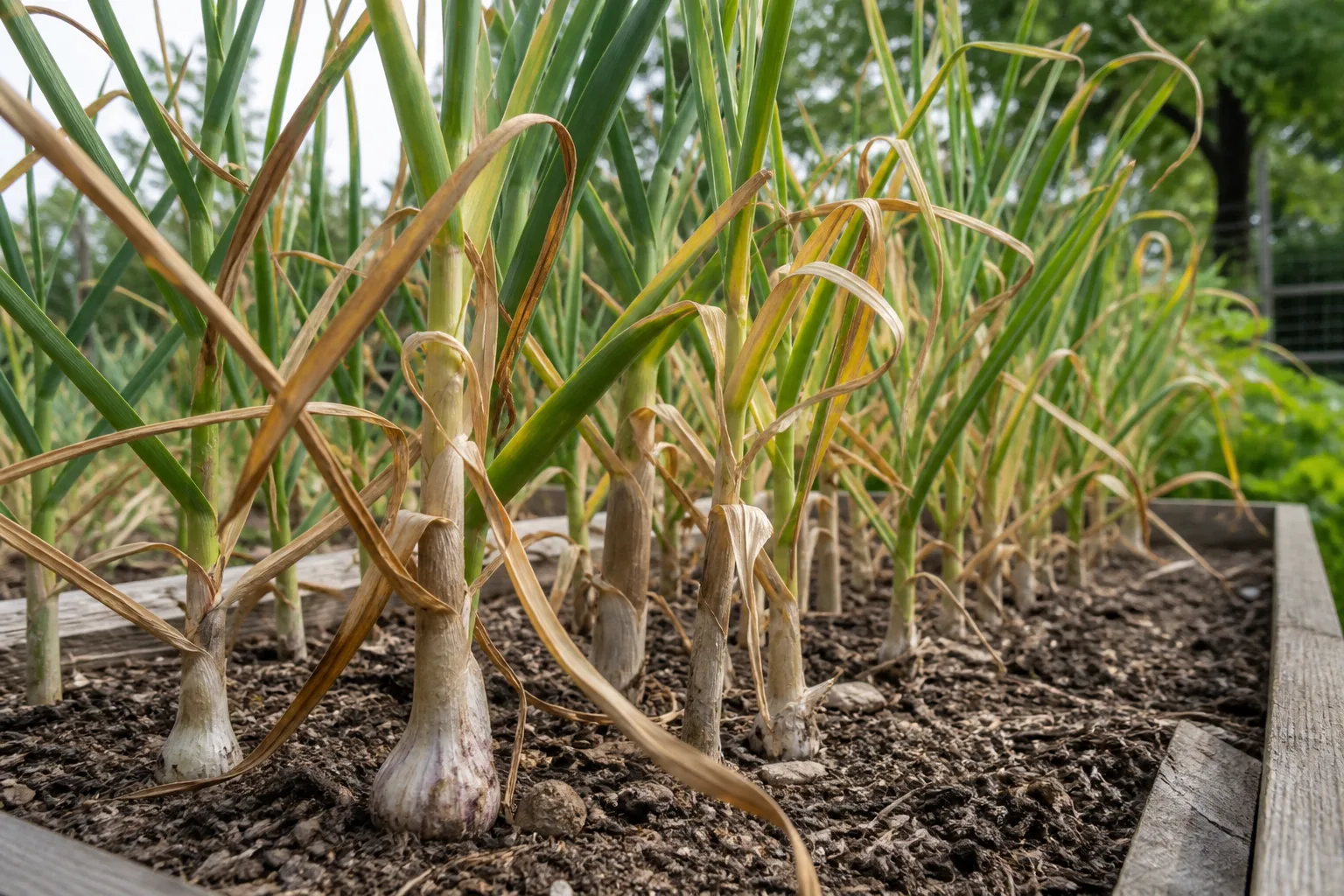
Garlic
Garlic is the October crop that looks least exciting now and can matter most next summer. Separate a firm bulb into cloves just before planting, keep the papery skin on, and set each clove with the pointed end up and the root plate down. Plant deeply enough for your climate and soil, following the supplier’s regional directions; a loose, well-drained bed matters more than forcing cloves into heavy, wet ground.
Choose hardneck garlic where cold winters provide the chilling it needs and where you want scapes in early summer. Softneck types are often chosen for milder climates and long storage. Whichever type you grow, do not water constantly after planting. Water the bed once if it is dry, then let excess moisture drain; the clove should make roots without sitting in saturated soil.
After the ground cools, mulch lightly with clean straw or shredded leaves. The mulch moderates temperature swings and reduces weed competition, but pull it back if it becomes a wet mat. Garlic is a poor choice for a spot you will repeatedly dig this winter, and it will not give you a bulb harvest in a few weeks. Think of it as October planting for a summer harvest.
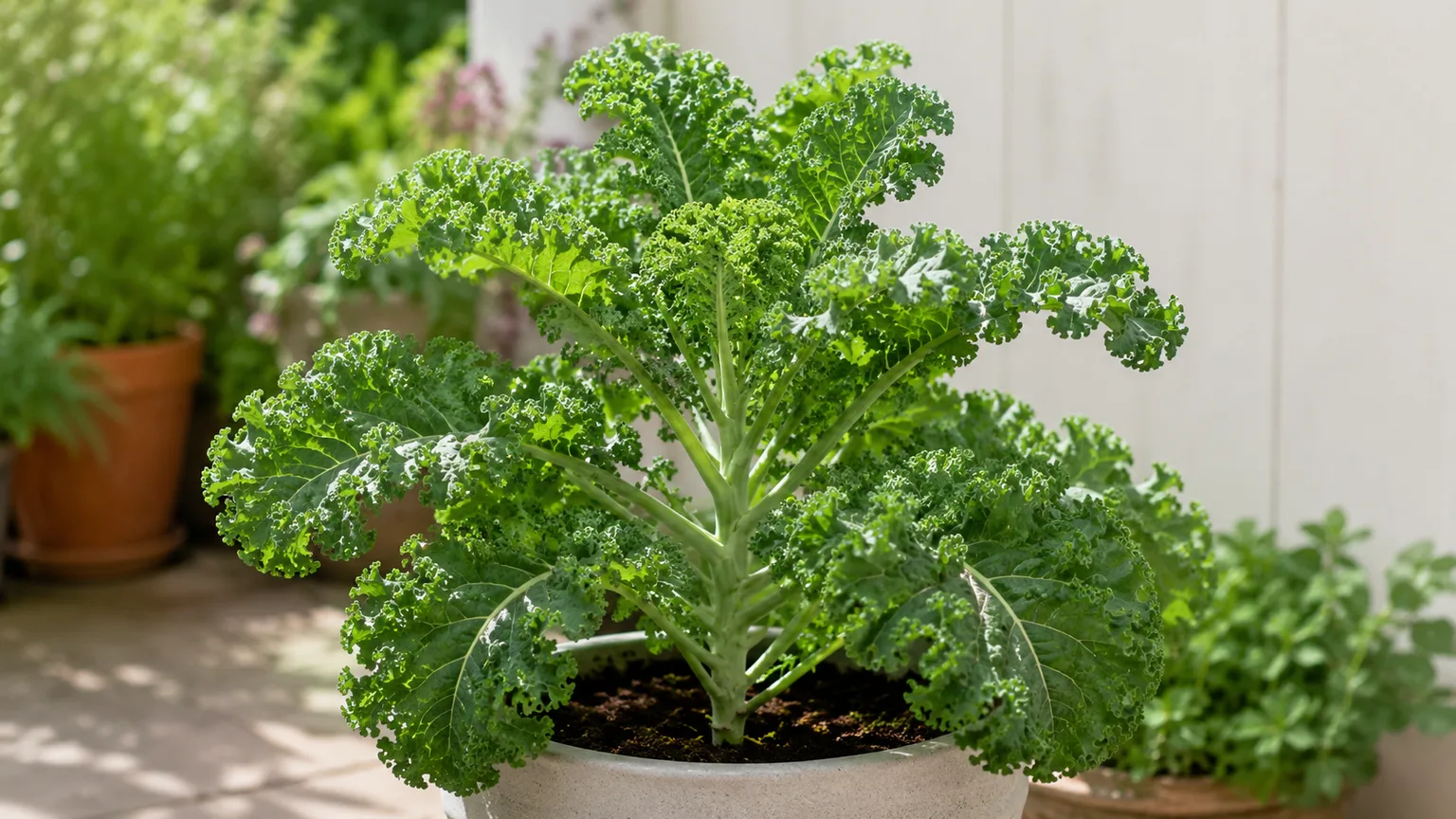
Kale
Kale is forgiving when October arrives later than planned. Buy young plants for the fastest start, or direct-sow in a mild climate while the soil is still workable. Give each plant room for airflow and choose a sunny bed; the leaves can grow in cool weather, but they do not become large quickly in deep shade.
Harvest the lower leaves first and leave the top rosette growing. A light frost often improves the flavor of kale, but it does not make every cultivar invincible. In colder areas, secure row cover before the forecast turns severe. Covers also reduce wind stress and keep pigeon damage down, a problem the RHS lists among common winter-vegetable concerns.
Avoid pushing high-nitrogen fertilizer late in the season. It can produce soft, lush growth that is more vulnerable to cold and pests. If the plants are pale, check drainage, root health, and soil fertility before applying anything; short days alone can make new growth look slower without indicating a nutrient deficiency.
Kohlrabi
Kohlrabi is a useful middle-ground crop: faster than a long-season brassica, but more substantial than a salad green. Sow or transplant it where the soil is loose and consistently moist. The swollen stem forms above ground, so it needs no deep root bed, but drought followed by heavy watering can make the texture tough or encourage splitting.
Harvest when the swollen stem is still small and tender, often around tennis-ball size or smaller depending on the variety. Do not wait only for the maturity date on the packet. Cool weather may slow enlargement, and a small kohlrabi is usually better eating than an oversized, woody one.
Use insect netting or row cover early, before flea beetles and caterpillars find the new leaves. Cover edges must be sealed, and the crop should be rotated away from brassicas when possible. If October is already cold in your area, choose transplants and treat kohlrabi as a quick harvest rather than a guaranteed overwintering crop.
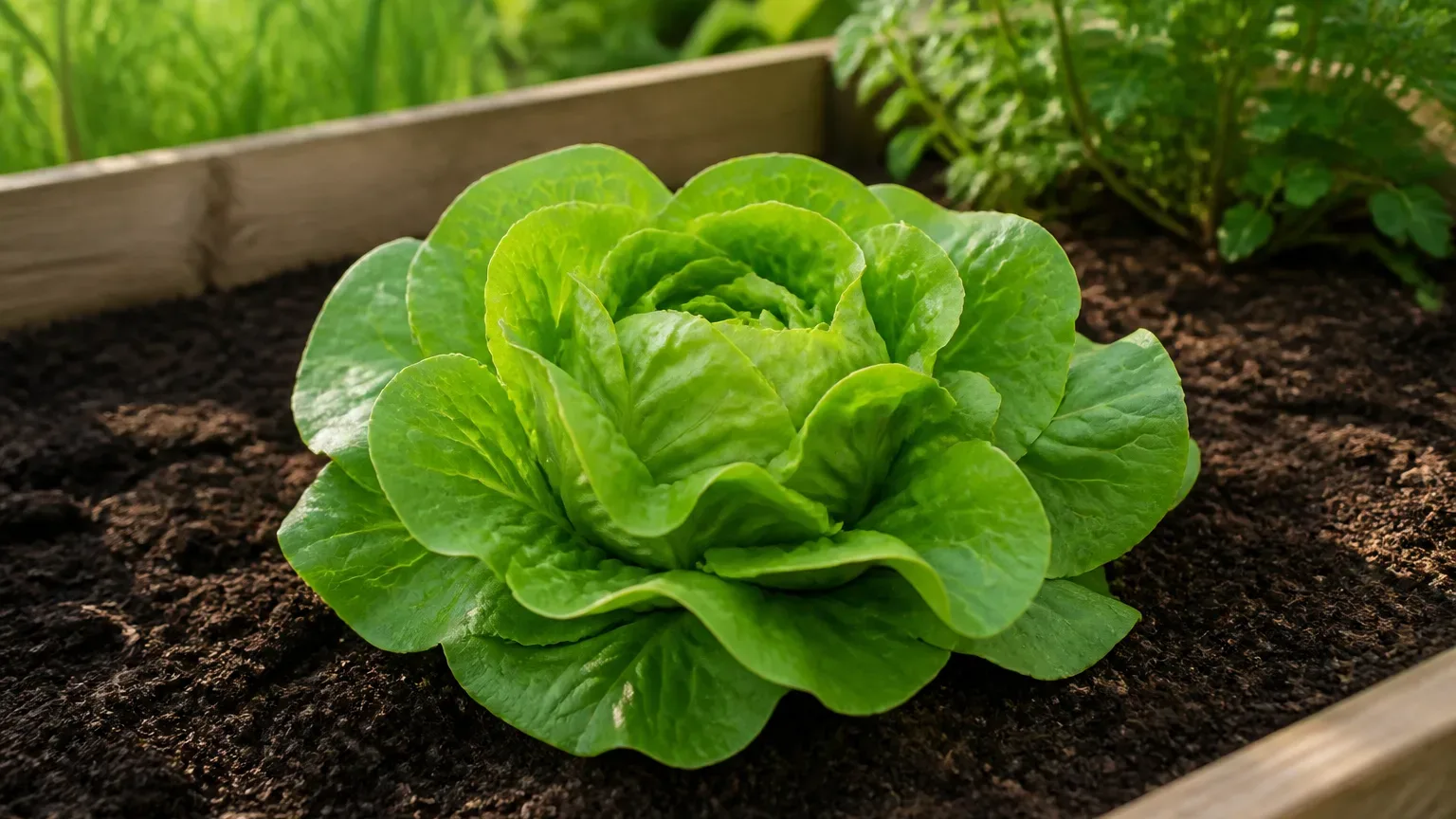
Leaf lettuce
Leaf lettuce is one of the most flexible October vegetables because you can harvest it at several sizes. Sow a mesclun mix for baby leaves, or plant loose-leaf varieties a little farther apart for repeated cuttings. Keep the top layer of soil damp until emergence, then water deeply enough to prevent the shallow roots from drying while avoiding a constantly soggy bed.
In a warmer region, sow a short row every week or two until nights become consistently cold. In a colder region, use transplants or a protected bed if you want more than one cutting. Utah State Extension classifies lettuce as a cool-season crop and notes that approximate planting dates need local adjustment; its fall calendars also show why a crop can handle frost yet still need time to establish first.
Harvest outer leaves in the morning and leave the center intact. If a sudden warm spell causes bolting, cut the plant promptly and use the leaves while they are tender. Lettuce is also a good candidate for a cold frame or low tunnel because it stays close to the soil and does not need much vertical space.
Mustard greens
Mustard greens grow quickly when October soil is still warm, and their sharp flavor works well raw or cooked. Direct-sow in a sunny bed, thin seedlings early, and keep the soil evenly moist. Dry stress can make the leaves tougher and hotter, while crowding traps moisture and makes harvest difficult.
Choose a mild variety if you dislike strong heat, or grow a more pungent mustard for cooking. Harvest young leaves for salads and larger leaves for braising. Successive sowings spaced about 10 to 14 days apart are more useful than one dense planting because the whole bed does not reach maturity at once.
Mustard is less dependable than kale after a prolonged freeze, so cover it when temperatures are forecast to fall below its tolerance. Watch for flea beetles in the first weeks; row cover works best when installed immediately after sowing and removed briefly for watering and thinning. Do not leave cover on through warm, humid days without checking the leaves.
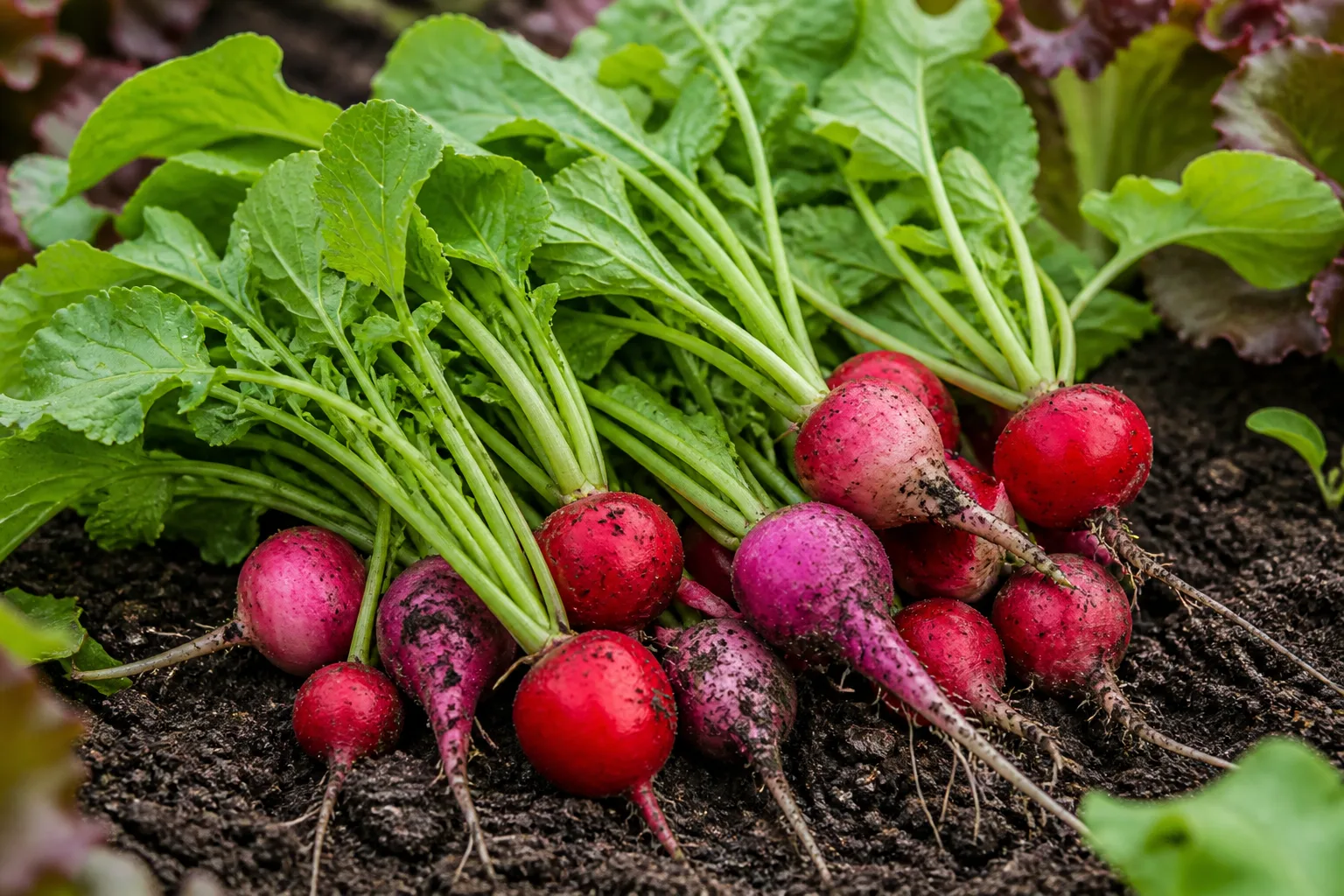
Radishes
Radishes are the best October vegetable for a fast, low-commitment test. Sow seed directly into fine soil, keep the row moist, and thin seedlings so roots can swell. The exact harvest time depends on variety and temperature; check a root by pulling one rather than waiting until every radish is large.
Plant short rows every week in a mild climate, but stop succession sowing when the remaining daylight and frost window are too short. Winter radishes such as daikon and Black Spanish types take longer than small red salad radishes and can hold in the ground later, but they still need enough growing time to size up.
Uneven moisture is the main quality problem. Drought followed by heavy rain can split roots, and compacted soil makes them fork. The RHS winter-vegetable guide specifically flags splitting after heavy rain follows drought as a root-vegetable problem. A loose bed, steady watering, and prompt harvest will do more for quality than extra fertilizer.
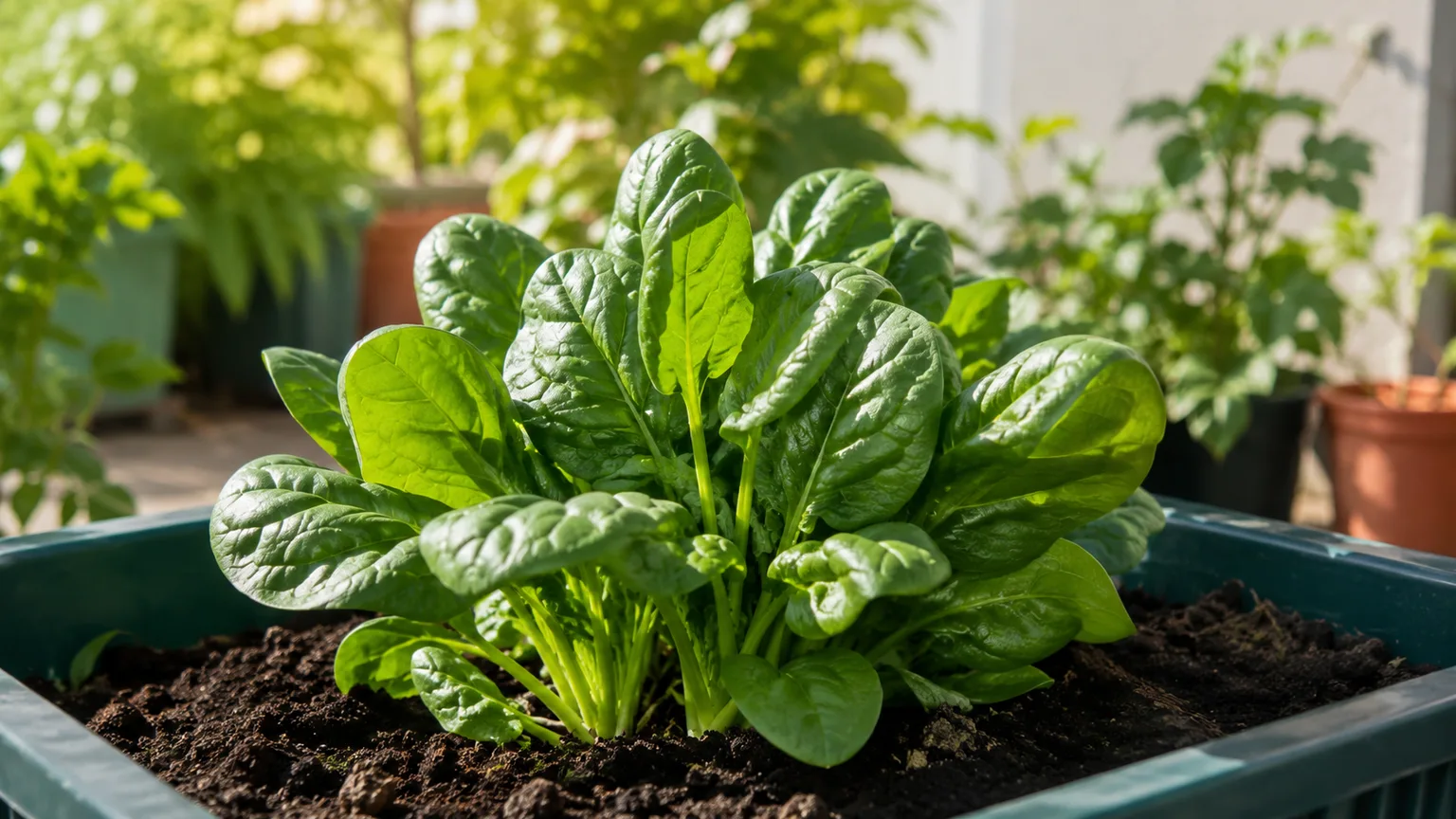
Spinach
Spinach likes cool weather but can be slow to emerge as October progresses. Sow seed about a half-inch deep in a fine, moist seedbed, or use young plants when the first hard frost is close. Baby leaves can be ready well before full-size plants, so plan to harvest by size rather than waiting for a mature rosette.
Keep spinach evenly watered while it establishes, then harvest the outside leaves and protect the growing center. A cold spell usually slows growth rather than ending the crop. In milder areas, row cover can keep leaves usable through winter and encourage an early spring restart.
Warm weather is the bigger problem in early fall. Heat and long, bright days can trigger bolting, especially in stressed plants. If a plant begins forming a central flower stalk, harvest the remaining leaves and re-sow once conditions cool. Homes & Gardens recommends buying young plants or sowing directly and describes baby-leaf harvests in roughly 30 to 40 days under suitable conditions; October temperatures and daylight may stretch that estimate.
Tatsoi
Tatsoi forms a low rosette of spoon-shaped leaves and is well suited to containers, raised beds, and the edges of a fall garden. Direct-sow it in a sunny to partly shaded spot, then thin plants so air can move between rosettes. Pick the outer leaves for a cut-and-come-again harvest or cut the whole plant when it reaches a useful size.
The crop is cold tolerant, but its shallow leaves sit close to wet soil. Water at the soil line, remove damaged leaves, and use a clean mulch to keep mud from splashing onto the rosette. Cover young plants against flea beetles and slugs, both of which are more damaging when seedlings are small than when the rosettes are established.
Tatsoi is also a smart choice when you want variety without using much space. Mix it with mustard, mizuna, or arugula in a dedicated salad row, but label the sections so you know which plants are ready first. Asian greens can mature in four to six weeks in good conditions, according to Homes & Gardens; allow extra time as temperatures drop and harvest outer leaves rather than demanding full heads.
Plan harvests from late fall through spring
Think in harvest windows rather than one final date. Pick radishes, arugula, mustard, tatsoi, and baby lettuce before the first serious freeze. Leave kale, collards, and spinach to make larger plants if the forecast allows, then cover them before the coldest nights. Garlic should be left alone except for weed control and moisture checks until spring growth begins.
Make a simple three-row plan: one row for quick crops, one row for overwintering greens, and one row for garlic or another crop intended for spring or summer. If you have extra seed, sow a small backup row seven to ten days later instead of doubling the first row. That spreads risk from one washout, pest attack, or sudden freeze.
Harvest during a thaw or in the morning after leaves have dried. Avoid handling frozen leaves because ice crystals can tear tissue. For storage, remove damaged material promptly and keep clean, unwashed greens cool; the goal is to bring only sound produce indoors, not to preserve leaves that were already collapsing in the bed.
Fix the most common October planting failures
Nothing germinates. Check seed age, planting depth, and moisture first. Cold soil slows germination, while a crusted surface or drying seedbed can stop it entirely. Re-sow a short row at the correct depth, cover it with light fabric, and do not keep flooding the bed.
Seedlings stretch or flop. They may be too crowded, shaded by a fence or summer crop, or staying wet at the crown. Thin promptly, improve light, and water at the base. A row cover protects from cold but cannot replace light and airflow.
Leaves are full of holes. Flea beetles, caterpillars, slugs, and birds all leave different clues, but the first response can be the same: inspect the undersides, remove badly damaged leaves, and install a properly secured cover. The RHS lists flea beetles, slugs, snails, caterpillars, and pigeons among common winter-crop problems. Avoid spraying a product without identifying the pest and reading its label for edible crops.
Plants wilt after rain. That is often a drainage or root problem, not a need for more water. Move future plantings to a raised or better-drained section, open compacted soil before planting, and avoid walking on the bed when wet. A little mulch helps moisture consistency; a thick wet blanket against the crown makes it worse.
A freeze is coming sooner than expected. Harvest what is ready, water dry soil, cover plants with hoops and fabric, and secure the edges. If a seedling is tiny and the ground is about to freeze hard, do not spend the last warm day trying to force it to maturity. Put your effort into the established crops and garlic, then record the date for next year’s planning.
Conclusion
The best vegetables to plant in October are the ones that match the time left in your local season. Radishes, arugula, mustard, tatsoi, lettuce, and spinach can provide quick leaves or roots; kale, collards, and kohlrabi offer more substantial harvests when they are established early; garlic uses October to prepare for a summer crop.
Start by checking the expected hard frost, count backward from the crop’s maturity range, and add time for short days. Use seeds for quick crops when the soil is still workable, choose transplants when the window is narrow, and protect every young planting before the forecast makes the decision for you. That small amount of planning turns an October garden from a last-minute gamble into a reliable bridge between summer harvests and spring growth.



