5 Best Raised Garden Beds for Vegetables
Find the best raised garden bed for tomatoes, herbs, and patio growing with depth rules, material trade-offs, fill-cost reality, and five top picks ranked by use case.
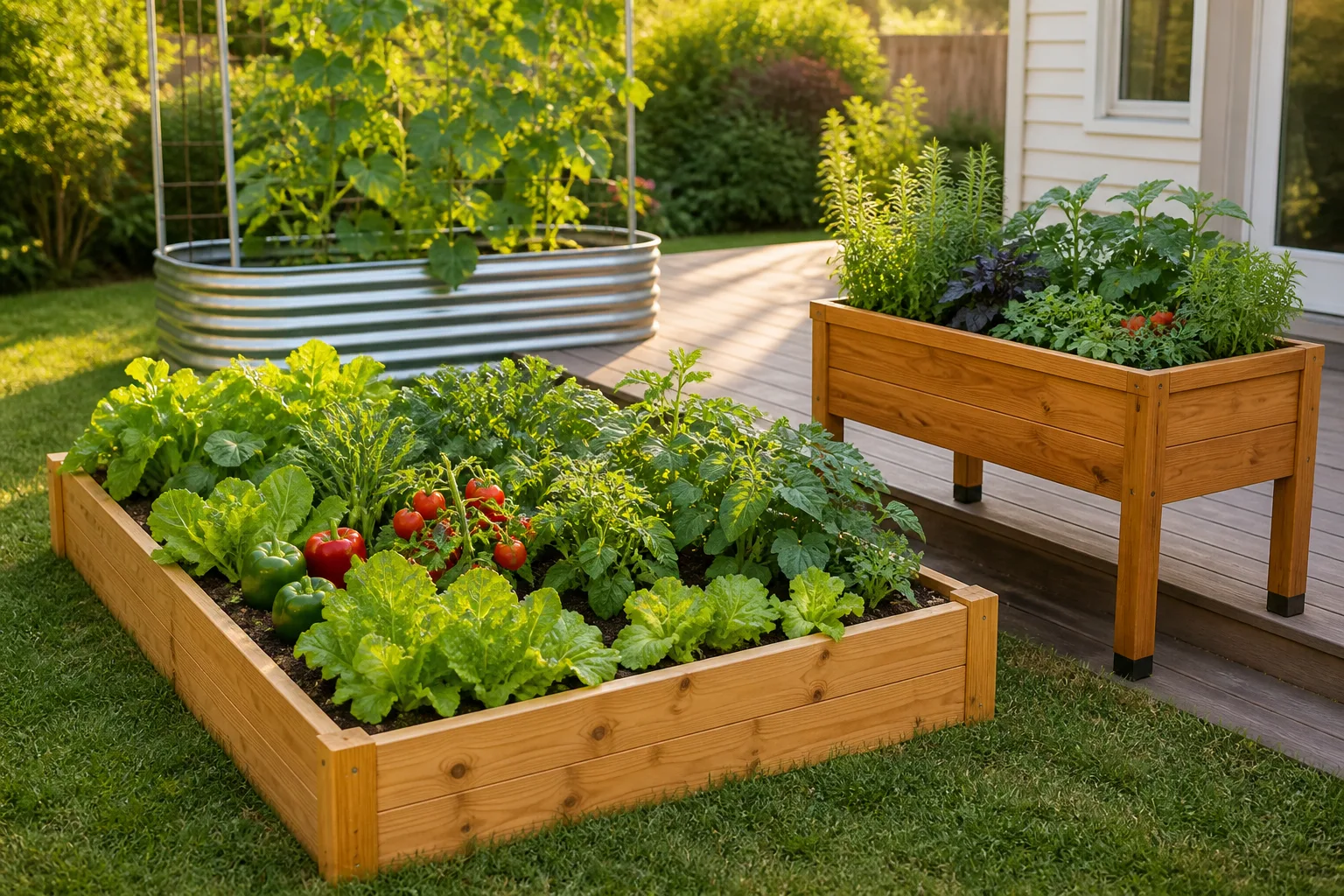
The phrase raised garden bed hides two very different products. A ground-level galvanized or wood kit that sits on soil is not the same tool as a leg-mounted patio planter with a water reservoir—and treating them as interchangeable is how gardeners end up with too little root room, a bed they cannot reach comfortably, or a filled planter they cannot move. The five picks below cover real-world use cases from townhouse patios to standing-height herb gardens, but the first decision is category, not brand.
Quick Picks: Match the Bed to Your Space
Use this table to narrow the field before you read the full breakdowns. Prices shift with sales; the ranges below reflect typical 2025–2026 street pricing.
| Best for | Pick | Why it wins | Main compromise |
|---|---|---|---|
| Balanced overall value | Keter Splendor | Standing height, sub-irrigation reservoir, dividers, five-year owner track record | Small footprint (~6 sq ft); immobile once filled |
| Lowest entry cost (elevated) | Keter Signature 29-Gallon | Simple assembly, farmhouse look, water-level gauge | Less planting area than Splendor; no wheels |
| Large self-watering plot | Vego Garden Self-Watering | Deep steel bed, wicking cells, multiple sizes | Complex assembly; heavy when filled |
| Showpiece patio planter | Grandin Road Devon | Furniture-grade frame, built-in reservoir | Premium price; white plastic shows soil splash |
| Dedicated herb station | VegTrug Herb Garden | Eight pockets, storage shelf, compact footprint | Cedar weathers; not for large tomatoes |
If you need a large in-ground-style plot for sprawling squash, skip this list and look at ground-level wood or metal kits sized 4×8 feet or larger. These five excel where access, drainage control, and patio ergonomics matter more than maximum soil volume per dollar.
Ground Beds vs Elevated Planters: Choose the Right Category First
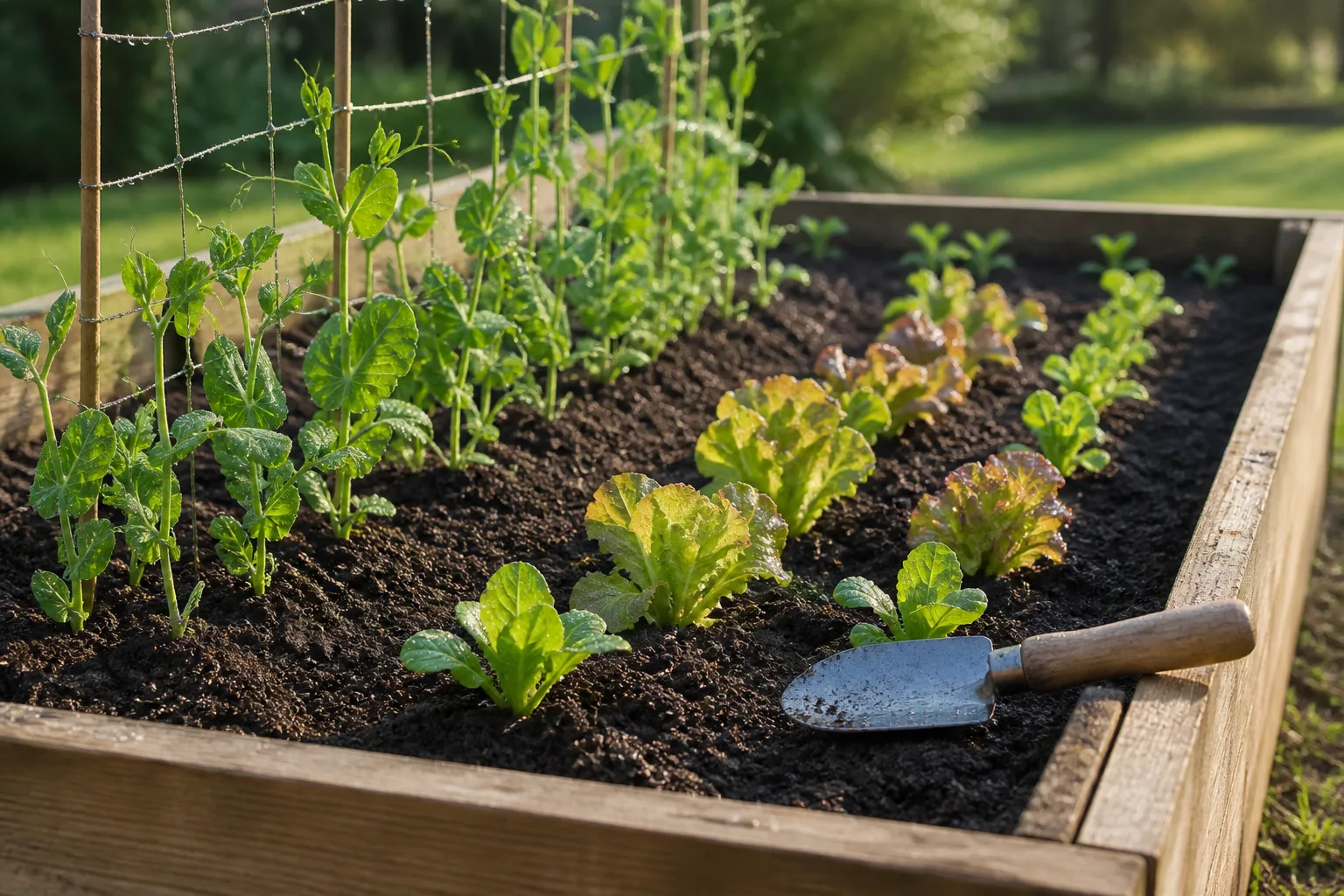
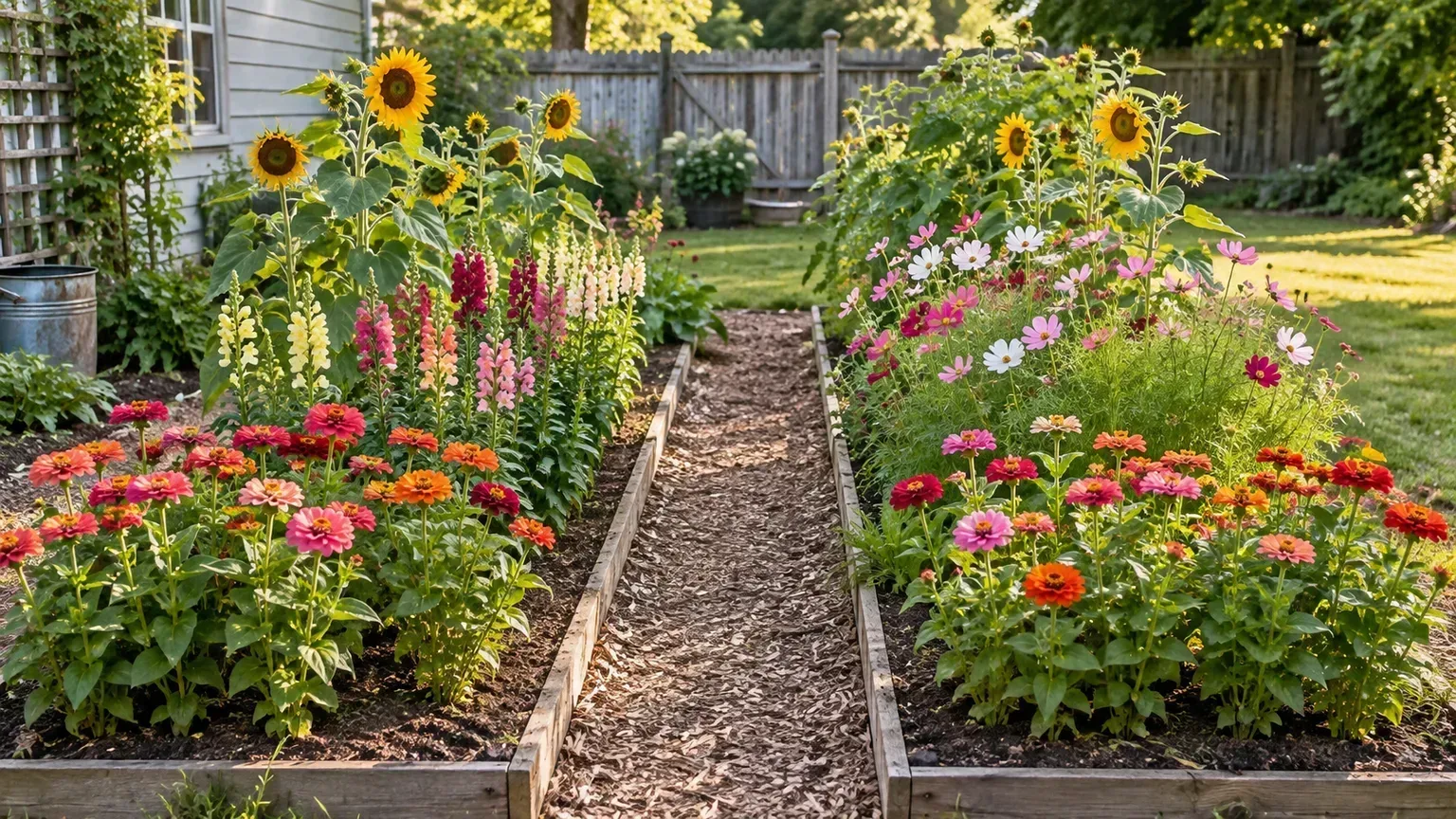
Ground-level raised beds are open-bottom frames—wood, metal, or composite—that sit directly on native soil. They give the most cubic feet of growing medium for the money and suit backyards where bending is acceptable and the native soil is merely mediocre, not toxic or waterlogged.
Elevated raised beds are essentially large containers on legs. They cost more per square foot of planting surface but solve different problems: poor native soil you cannot fix, hardscape-only sites (deck, driveway, patio), mobility limitations, and pest pressure from ground-dwelling critters. University of Minnesota Extension emphasizes that raised beds succeed when soil quality, drainage, and site preparation match the crops—not when the frame is simply taller.
When a Ground-Level Kit Makes More Sense
Choose a ground bed when you have lawn or bare soil, want carrots or potatoes with deep roots, plan multiple beds in rotation, or need the lowest cost per cubic foot of soil. Ground kits also handle wind better than tall legged planters because their weight sits low. The trade-off is ergonomics: even a 12-inch-tall frame still requires bending unless you garden from a kneeler or border seat.
When an Elevated Bed Is Worth the Premium
Elevated beds earn their price on patios, townhome pads, and anywhere native soil is sand, salt-exposed, contaminated, or compacted clay you do not want to amend. NC State Extension notes that container and raised growing on hard surfaces is viable when sunlight and water are managed—exactly the townhouse scenario elevated kits target. Standing-height beds also reduce back strain for many adults and make gardening accessible from a chair beside the planter. The non-negotiable trade-off: once filled, they are furniture, not movable pots.
What to Look for Before You Buy
Depth, Soil Volume, and Crop Matching
Depth matters more than brand. Shallow greens, radishes, and most herbs tolerate 6–8 inches of quality mix. Most fruiting vegetables and root crops want 12–18 inches. Deep-rooted perennials and large spreaders need 18 inches or more—often more than a compact elevated planter provides above its false bottom.
University of Wisconsin Extension groups raised beds with intensive small-space techniques where soil depth and accessibility are planned together, including wheelchair-friendly heights when beds are built as fixed structures. Before you click buy, list the deepest-rooted crop you will grow this season and confirm the effective soil depth above any reservoir or false bottom, not just the exterior height.
Soil volume drives both plant performance and hidden cost. A 2×4-foot ground bed 12 inches deep holds 8 cubic feet of mix—roughly 0.3 cubic yards. A 45×19-inch elevated bed with a reservoir may offer only half that usable root zone. Calculate length × width × depth in feet, divide by 27 for cubic yards, then price local bulk compost and raised-bed mix before you celebrate a “$128 bed.”
Materials, Drainage, and Self-Watering Trade-Offs
Cedar and fir look traditional and insulate roots modestly, but untreated wood weathers, fades, and can warp unless maintained or covered in winter. Resin and polyethylene resist rot and splinters, survive freeze-thaw better than thin wood, and clean easily—at the cost of less soil volume in legged models and potential UV brittleness after many seasons. Galvanized steel (as in Vego’s VZ 2.0 panels) handles harsh weather and gives clean lines; dark metal can warm soil on south-facing concrete, so mulch and attentive watering matter in hot climates.
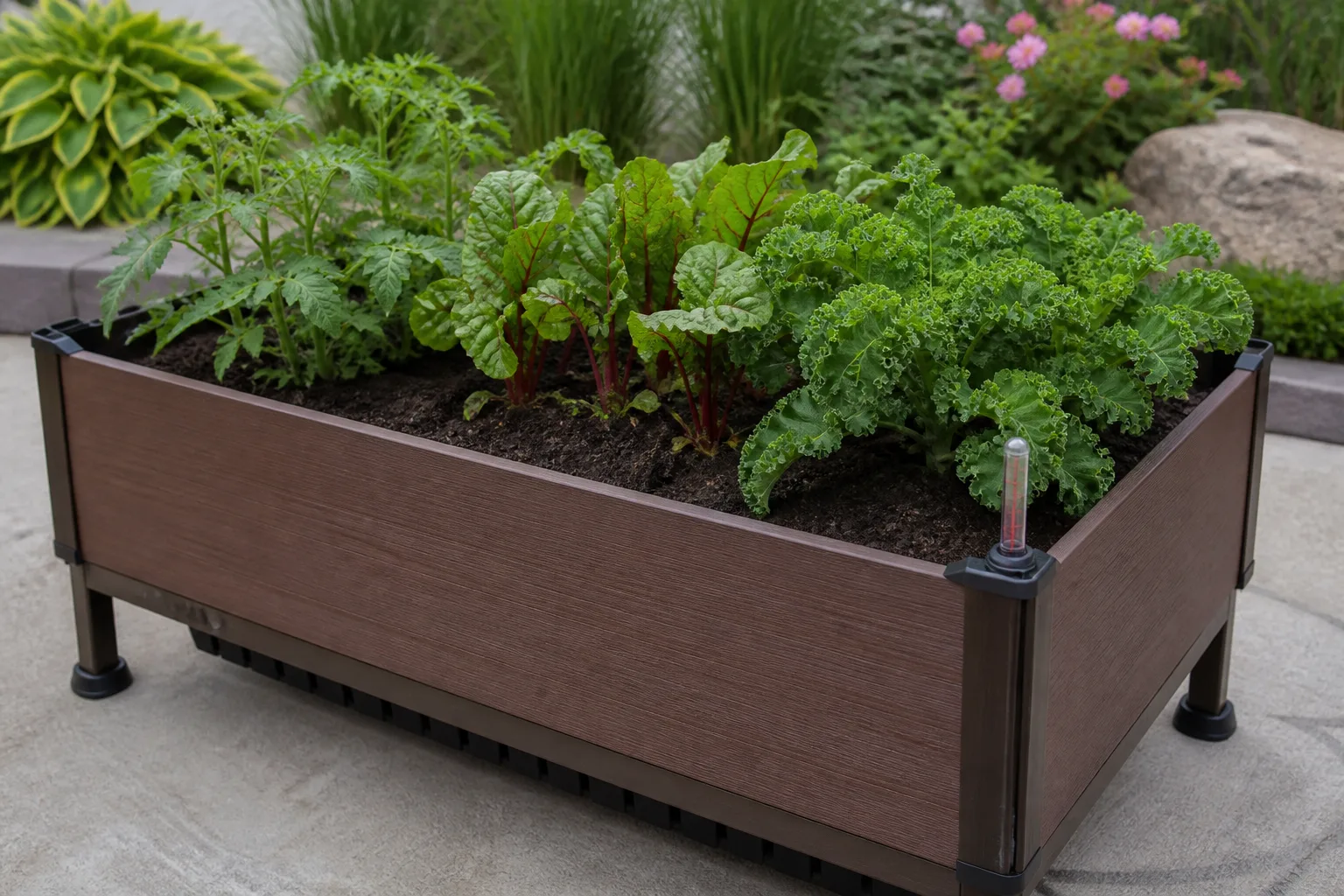
Self-watering in raised beds usually means a sub-irrigation reservoir beneath a perforated false bottom. Water wicks upward as the soil dries; an indicator shows reservoir level; a drain plug releases excess after heavy rain. This is genuinely useful on patios where beds dry faster than in-ground plots—but it is not autopilot. Seedlings still need surface moisture, reservoirs can be overfilled in wet weeks, and you must open drains during prolonged rain. Think of sub-irrigation as a buffer, not a vacation substitute.
Every bed needs a clear exit for water. Solid-bottom planters on decks require deliberate drainage holes and a plan for runoff so neighbors and joists stay dry.
How We Evaluate Raised Garden Beds
We rank these five models using criteria that predict real-world satisfaction more reliably than aesthetics alone:
Effective planting area and depth — usable square footage above reservoirs, dividers, or tapered walls, matched to realistic crops.
Assembly and stability — time, tool requirements, hardware quality, and whether the filled bed wobbles on legs.
Weather durability — UV exposure, wind, rain, and freeze-thaw based on material and owner reports.
Water management — drainage, reservoir design, and whether dry-out risk drops meaningfully on hardscape.
Ergonomics and site fit — standing height, shelf storage, pocket layout, and deck weight.
Value — price relative to soil volume and features, including seasonal sale windows.
Product specs and long-term owner feedback inform these assessments; confirm current dimensions and included hardware on the retailer page before ordering.
Best Overall: Keter Splendor Raised Garden Bed
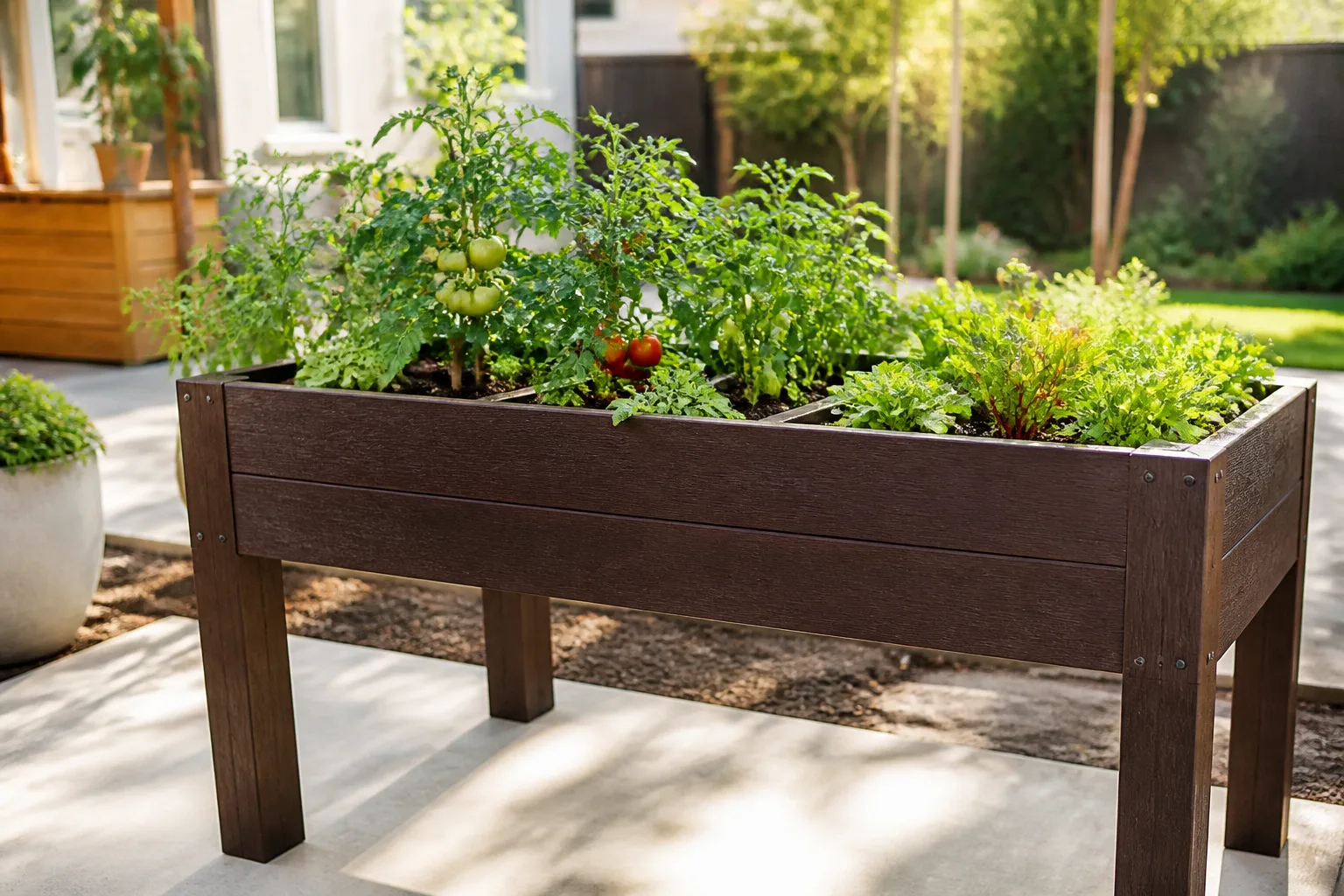
The Keter Splendor is the strongest all-around elevated planter for most patio and small-yard gardeners because it balances standing height, a genuine sub-irrigation reservoir, segmented planting zones, and a price that stays reasonable against soil and mix costs. Retail listings describe a 31.7-gallon capacity with exterior dimensions near 45×19×30 inches, molded resin in grey or brown wood-grain finish, snap-on legs, internal dividers, a floating water-level indicator, and bottom drain plug.
What we like: Assembly is tool-free and typically under 30 minutes. The false-bottom reservoir addresses the number-one patio complaint—rapid dry-out between waterings—while dividers keep salad rows from overtaking pepper plants. Independent long-term owners report multi-year durability through hurricanes and humid summers when drains are used correctly. For a deeper look at specs, crops, and limitations, see our Keter Splendor raised garden bed review.
What to know: You get about six square feet of surface, not a backyard plot. Effective root depth sits above the reservoir, so treat large carrots and potatoes as poor fits. A filled Splendor is immobile—position for sun and hose access before adding mix. Street pricing commonly lands $128–$150, with sharper discounts on major sale weekends.
Best for: Townhouse patios, standing-height ergonomics, self-watering convenience, mixed vegetables and herbs in one compact unit.
Skip if: You need more than ~6 sq ft, plan to relocate the bed seasonally, or want a ground-level 4×8 steel kit for large tomatoes and squash.
Best Budget: Keter Signature 29-Gallon Elevated Garden Bed
The Keter Signature 29-Gallon Elevated Garden Bed trims cost while keeping the elevated format and farmhouse styling. Expect exterior dimensions near 44×19×31 inches, plastic composite construction, a water-level gauge, drain plug, and straightforward snap assembly—often under an hour without power tools.
What we like: Sale pricing near $85–$95 at warehouse clubs makes this one of the least expensive standing-height options that still feels like real garden furniture, not a temporary grow bag. Weather resistance is solid for resin: no rot, no rust, and easy hose-down cleaning. Basil, determinate tomatoes, marigolds, and patio flowers are realistic fits.
What to know: The “self-watering” label is softer here than on the Splendor—think reservoir assist rather than deep sub-irrigation. There are no wheels, and a soil-filled bed is awkward to move. Slightly less internal volume than the Splendor means tighter spacing for aggressive growers.
Best for: First elevated bed on a budget, decorative patio corners, renters who want a removable setup while empty.
Skip if: You want maximum soil volume or a large self-watering ground bed—step up to the Splendor or Vego instead.
Best Self-Watering: Vego Garden Self-Watering Garden Bed
Vego Garden’s Self-Watering Garden Bed targets gardeners who want ground-level soil depth with engineered sub-irrigation. Modular VZ 2.0 galvanized steel panels assemble into 2×4, 2×6, or 2×8-foot footprints roughly 17 inches tall, with proprietary wicking cells that store and redistribute water from below.
What we like: Soil volume dwarfs legged planters—enough room for multiple tomatoes, peppers, and trellised cucumbers in one season. The aesthetic is clean modern metal without rustic wood maintenance. Wicking cells meaningfully extend the time between soakings on patios and driveways. Color options integrate into contemporary yards better than utilitarian box-store kits.
What to know: Assembly is not a ten-minute job despite marketing copy; budget an hour or more with two people managing panels and hardware. Many owners use two to three bags each of mulch, topsoil, and potting mix per smaller footprint—factor that into total cost. The filled bed is heavy and permanent.
Best for: Townhouse side yards, renters with hardscape-only space, gardeners who want Vego’s modular ecosystem and maximum self-watering soil volume.
Skip if: You cannot commit to assembly, need standing height without bending at all, or want a budget under ~$170 on sale.
Best Design: Grandin Road Devon Easy-Care Raised Garden Planter
The Grandin Road Devon Easy-Care Raised Garden Planter is the patio showpiece: a 48×18×30-inch polyethylene growing basin dropped into a wooden leg frame, with integrated water reservoir, timeless furniture styling, and finishes that read as outdoor décor rather than farm equipment. Expect street pricing near $599.
What we like: Assembly focuses on the leg frame; the basin drops in afterward. Rainy-climate owners appreciate the reservoir capturing and reusing water instead of letting roots sit in puddles. Herbs, strawberries, parsley, and compact peppers look at home in a design-forward setting.
What to know: You pay heavily for aesthetics versus soil volume. White plastic shows splash and algae; darker finishes hide wear better. Frame assembly requires a cordless drill for some hardware—plan tools before you start. This is a premium single planter, not a vegetable farm.
Best for: Design-conscious patios, front-entry herb displays, gift-worthy garden furniture.
Skip if: You are cost-sensitive, need large tomato rows, or want metal/modern rather than classic wood-and-planter styling.
Best for Herbs: VegTrug Herb Garden
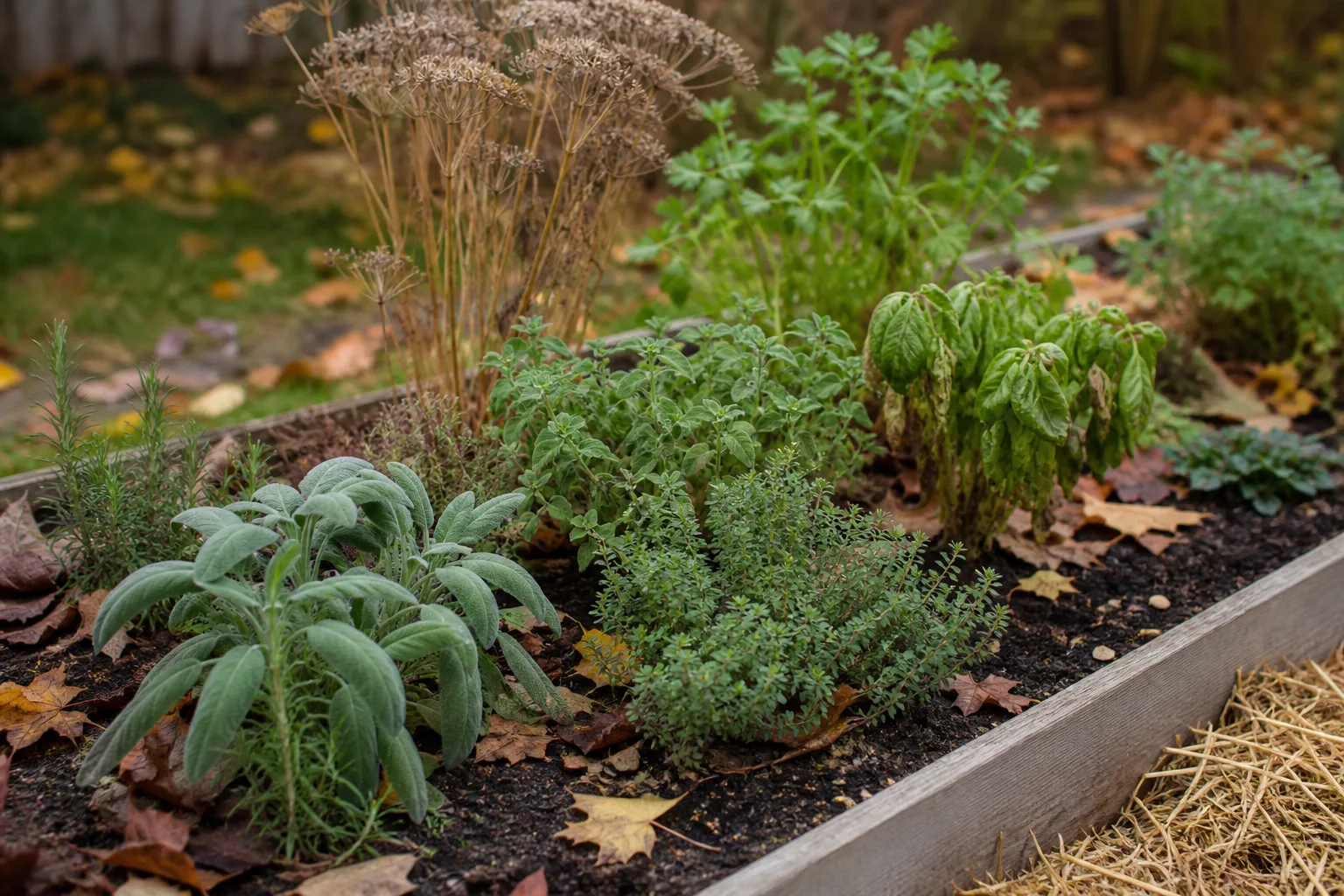
The VegTrug Herb Garden (often sold as an eight-pocket cedar elevated planter) measures roughly 31×31×23 inches tall, with compartmentalized planting pockets, a lower storage shelf, and a footprint small enough for tight patios.
What we like: Separated pockets keep aggressive mint and oregano from swallowing delicate thyme. Standing height suits frequent harvesting—snip, rinse, cook. The shelf holds pots, hand tools, and bagged mix within reach. Four-year owner reports confirm it as a durable dedicated herb station when protected from harsh winters.
What to know: Cedar weathers without annual sealing; cover or store in cold climates to slow graying. Cherry tomatoes may struggle; large fruiting crops belong in deeper beds. Wood does not match metal longevity in saturated climates.
Best for: Culinary herb collections, small balconies, cooks who want organized pockets rather than one mixed soil mass.
Skip if: You want tomatoes, squash, or deep-root crops—or prefer zero-maintenance resin.
Filling and Soil: The Cost Nobody Mentions Up Front
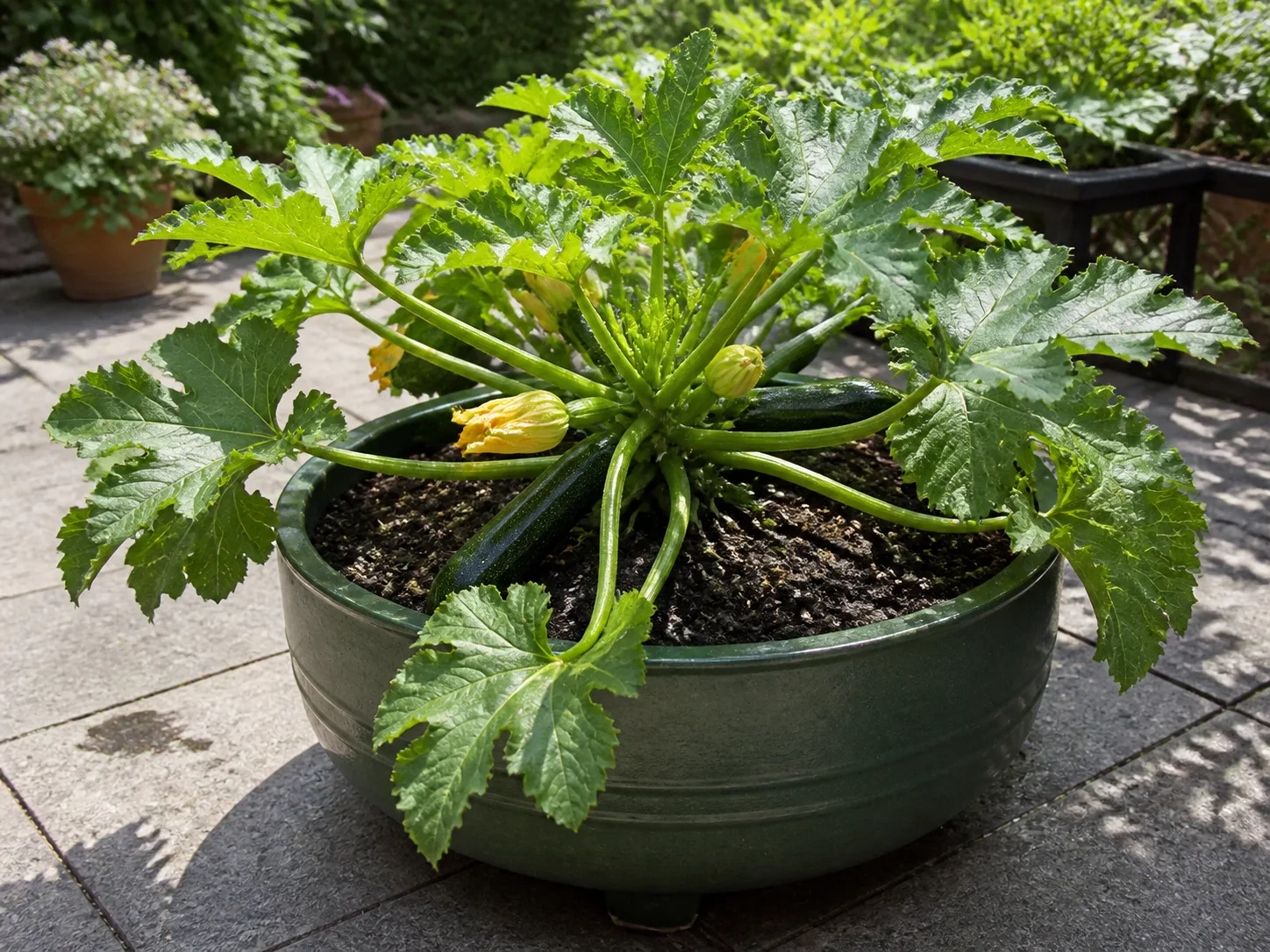
The bed is the cheap part. Filling it is not.
Use a quality raised-bed or container mix enriched with compost—not heavy garden soil alone, which compacts in frames and drains poorly. RHS guidance on growing vegetables in containers stresses matching medium and container size to crop needs; the same logic applies to elevated planters with limited depth.
For a tall ground-level bed, a layered fill can save money: woody base material below the root zone, then a deep cap of stable mix—as outlined in our guide to what to fill a raised garden bed with. Do not dump logs into a shallow elevated planter; those products need consistent mix from divider to surface.
Rough math: a 2×4-foot bed 12 inches deep needs 8 cubic feet (~0.3 cubic yards). Bagged mix at $8–$12 per cubic foot adds $64–$96 on top of the kit. Bulk delivery wins on large ground beds; patio planters often end up bag-only because volume is small.
Leave 1–2 inches below the rim for mulch and watering. Water until the reservoir indicator moves (on self-watering models), then confirm moisture with a finger in the root zone during the first hot week.
Placement, Sun, and Drainage Mistakes to Avoid
Sun: Most vegetables want 6–8+ hours of direct sun. Herbs vary—basil loves sun; cilantro tolerates partial shade. Track your patio across a full day before you commit; moving a filled elevated bed is not realistic.
Deck and patio loads: A few cubic feet of wet soil plus water weighs hundreds of pounds. Confirm deck ratings, use saucers or drainage mats where needed, and angle drains away from joists and doorways.
Wind: Tall legged planters catch wind. Place heavy beds against a wall or rail when possible; avoid narrow balconies in exposed high-rises unless the manufacturer approves that use.
Drainage in rain: Open drains during week-long rain on self-watering models. A saturated reservoir plus waterlogged surface soil is how roots suffocate.
Heat islands: South-facing concrete radiates heat. Mulch soil, water morning or evening, and choose lighter-colored containers when options exist.
Alternatives When a Kit Is the Wrong Answer
Sometimes the best raised bed is one you build from cedar boards and deck screws to exact depth and width—or a stock tank converted with drainage for deep roots on a budget. Ground-level corrugated metal kits beat elevated planters on soil volume per dollar. If you only grow three herbs, individual pots may outperform a compartmentalized bed after you account for fill cost.
Buy a kit when assembly time, consistent dimensions, and integrated reservoirs matter. Build when you want custom depth, wheelchair-specific height, or a 4×12-foot production plot.
Conclusion
The best raised garden bed is the one that matches your site, body, and crops—not the one with the prettiest product photo. For most patio and townhouse gardeners who want standing height and sub-irrigation without a carpentry project, the Keter Splendor remains the most balanced pick. Push soil volume and serious self-watering into the Vego if you will assemble steel panels. Trim budget with the Keter Signature, elevate patio design with the Grandin Road Devon, and dedicate a corner to culinary herbs with the VegTrug.
Before checkout, calculate cubic feet of mix, confirm effective root depth for your tomatoes or carrots, and place the empty bed in its forever spot. Do those three steps and any of these five frames becomes a productive garden instead of an expensive ornament.