Keter Splendor Raised Garden Bed Review: 2026
Honest 2026 Keter Splendor review: specs, self-watering reservoir, assembly time, what grows well, durability, and who should skip this elevated bed.
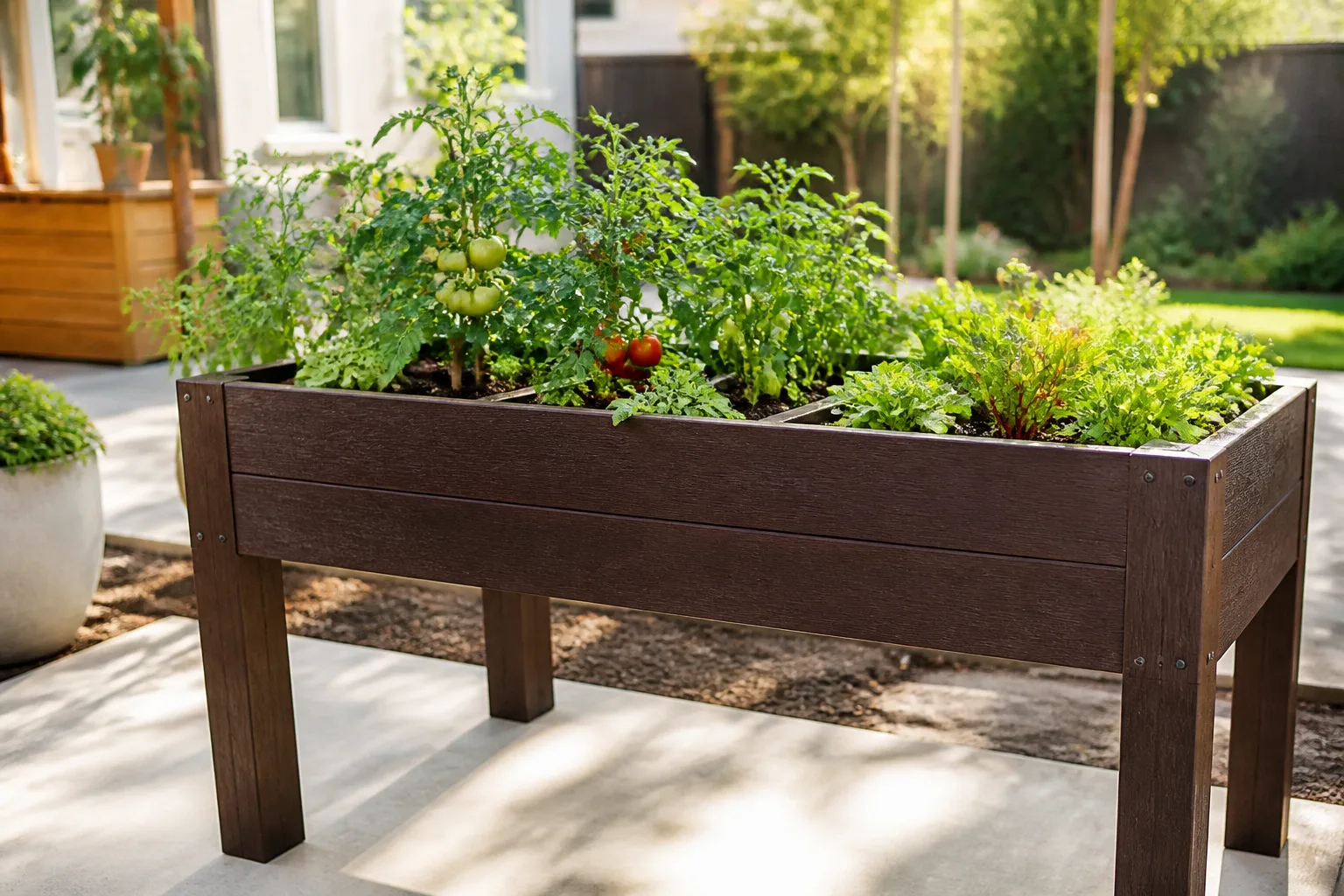
The Keter Splendor is a 31.7-gallon, leg-mounted raised planter with an integrated sub-irrigation reservoir—not a ground-level cedar box and not a simple window box. That distinction matters because most “raised bed” reviews mix incomparable products. If you want a standing-height patio planter that can water itself between your visits, the Splendor is one of the few widely available options that combines elevation, a false-bottom reservoir, and a visible water gauge in a single kit. If you need a large in-ground plot for sprawling squash, this is the wrong category entirely.
Quick Verdict: Who Should Buy the Keter Splendor?
Buy it if you garden on a patio, deck, or driveway; you want to minimize bending; your native soil is poor (sand, compaction, or salt exposure); or you travel during summer and need a reservoir to buffer dry spells. The Splendor earns its price when the self-watering feature actually changes your routine—not when you treat it like a decorative pot.
Skip it if you need more than about 4–6 square feet of planting surface, you plan to grow aggressive spreaders without a trellis plan, or you expect to rearrange the bed after it is filled. A loaded Splendor is immobile. Wood or galvanized ground-level kits give more soil volume per dollar if ergonomics are not your bottleneck.
At typical street pricing of roughly $128–$150 (often lower during Prime Day, Black Friday, or Cyber Monday), the Splendor sits in the “serious container” tier—not impulse décor, but still far less than custom carpentry plus soil for a large bed.
Keter Splendor Specs and What You Get in the Box
Retail listings describe the Splendor as the Keter Splendor 31.7 Gallon Raised Garden Bed with self-watering planter box and drainage plug. Independent roundup testing consistently lists the exterior footprint at 44.8 inches long × 19.4 inches wide × 29.8 inches tall, with a stated 31.7-gallon total capacity and plastic composite construction in brown or grey wood-grain finish.
The kit includes the main tub, snap-on legs, the perforated false bottom that creates the reservoir, internal dividers to segment the planting area, a floating water-level indicator (the small “sprout leaf” gauge), and drain plug(s) to release excess reservoir water. No tools are required for assembly; everything snaps together.
Dimensions, Capacity, and Real-World Footprint
On paper, ~45 by 20 inches is modest—about 6.3 square feet of top surface if you use the full rectangle. In practice, dividers and edge margins shave usable space. Think four to six discrete planting zones, not a backyard row crop.
Soil depth above the false bottom is the limiting factor for roots. University guides on raised beds emphasize matching bed depth to crop type: shallow greens and herbs tolerate less depth; fruiting vegetables and larger roots want more. University of Minnesota Extension groups raised-bed success around soil quality and adequate root room rather than sheer footprint. In the Splendor, you are trading horizontal acres for a controlled, elevated root zone—excellent for patio production, tight for full-size carrot or potato ambitions.
The 29.8-inch standing height puts the soil surface near waist level for many adults, which is the product’s ergonomic selling point. It is tall enough to garden seated on a low stool beside the bed, a real advantage during back flare-ups.
Materials, Colors, and UV Durability
Keter builds the Splendor from molded resin/composite meant to mimic wood grain. The practical wins are familiar for plastic outdoor products: no rot, no rust, no splinters, and no annual sealing. Long-term owner feedback in independent reviews notes realistic wood texture but also reports occasional cracks after years of UV exposure, especially if the bed is dragged, dropped during assembly, or left with a waterlogged reservoir through freeze-thaw cycles.
Brown and grey finishes both hide soil splash reasonably well. Dark composite can absorb heat on south-facing concrete; monitor moisture more often in mid-summer and favor mulch on the soil surface to reduce evaporation. NC State Extension stresses that raised beds succeed when drainage and soil structure match the crop—material choice matters less than water management, which is where this product’s reservoir either helps or hurts.
Assembly: How Long Setup Actually Takes
Assembly is genuinely simple: unbox, attach legs, drop in the false bottom and dividers, confirm the indicator and drain hardware. Most owners report under 30 minutes for a first bed without tools. Weight before filling is manageable enough to build indoors and carry to the patio—an underrated convenience on rainy setup days.
The dividers are useful for keeping salad rows separate from a pepper plant, but they are not structural lumber. Snap them in gently; forced alignment is a common source of broken tabs in user reviews.
Placement Mistakes to Avoid Before You Fill It
The expensive mistake is filling before you commit to position. Once loaded with moist soil, a Splendor is too heavy to slide safely; the legs are for static support, not shoving across pavers. Choose a spot with:
- Six or more hours of sun for fruiting vegetables (partial shade works for lettuce and herbs).
- Level footing so weight distributes evenly on all legs.
- Access to a hose or rain-barrel refill path for the reservoir.
- Drainage path for plug releases—don’t park it where overflow will pool against house siding.
If you might relocate later, empty the bed first. Treat a filled Splendor like a piece of furniture, not a wheelbarrow.
Ergonomic Height for Knees, Back, and Patio Gardening
Ground-level raised beds still require kneeling or deep bending. The Splendor’s ~30-inch working height targets standing or seated edge work—loosening soil, transplanting starts, harvesting cherry tomatoes, pinching basil—without the spinal tax of in-ground gardening. For gardeners with arthritis, prior back injury, or simply less tolerance for kneeling on hardscape, that height difference is the product’s core value, not the wood-grain cosmetic.
University of Wisconsin Extension frames raised beds broadly as a way to improve soil control and accessibility. An elevated planter pushes accessibility further: it is essentially raised-bed principles in a movable (empty) container form. The trade-off is soil volume per plant, not comfort.
Growing Space: What Fits and What Does Not
A 45-inch bed rewards vertical and compact habits over sprawlers. You can produce a surprising amount of food—multiple pepper plants, a determinate tomato, steady salad cuts—but you will not replicate a 4×8 cedar plot.
Best Crops for a Compact Elevated Bed
Strong fits
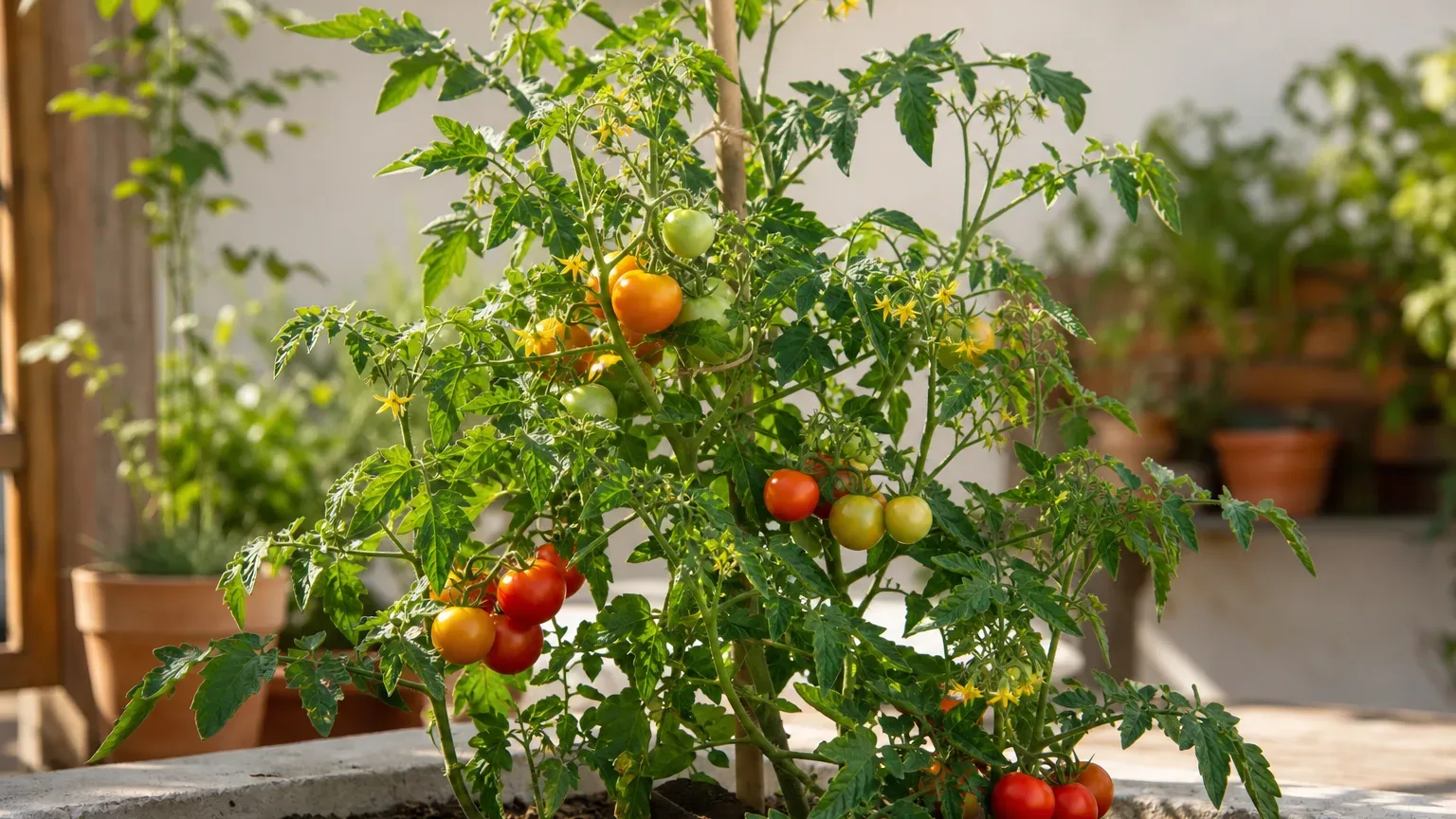
- Determinate or patio tomatoes (one per bed section with a cage).
- Peppers (bell, jalapeño, shishito)—compact and high value.
- Okra, bush beans, radishes, green onions.
- Lettuce mixes, spinach, kale, and herbs (basil, parsley, cilantro).
- Cucumbers with a trellis behind the bed; vines can run along a patio rail.
- Strawberries as an edge crop if you refresh soil annually.
Workable with planning
- Watermelon or other melons if vines are trained off the bed onto pavement.
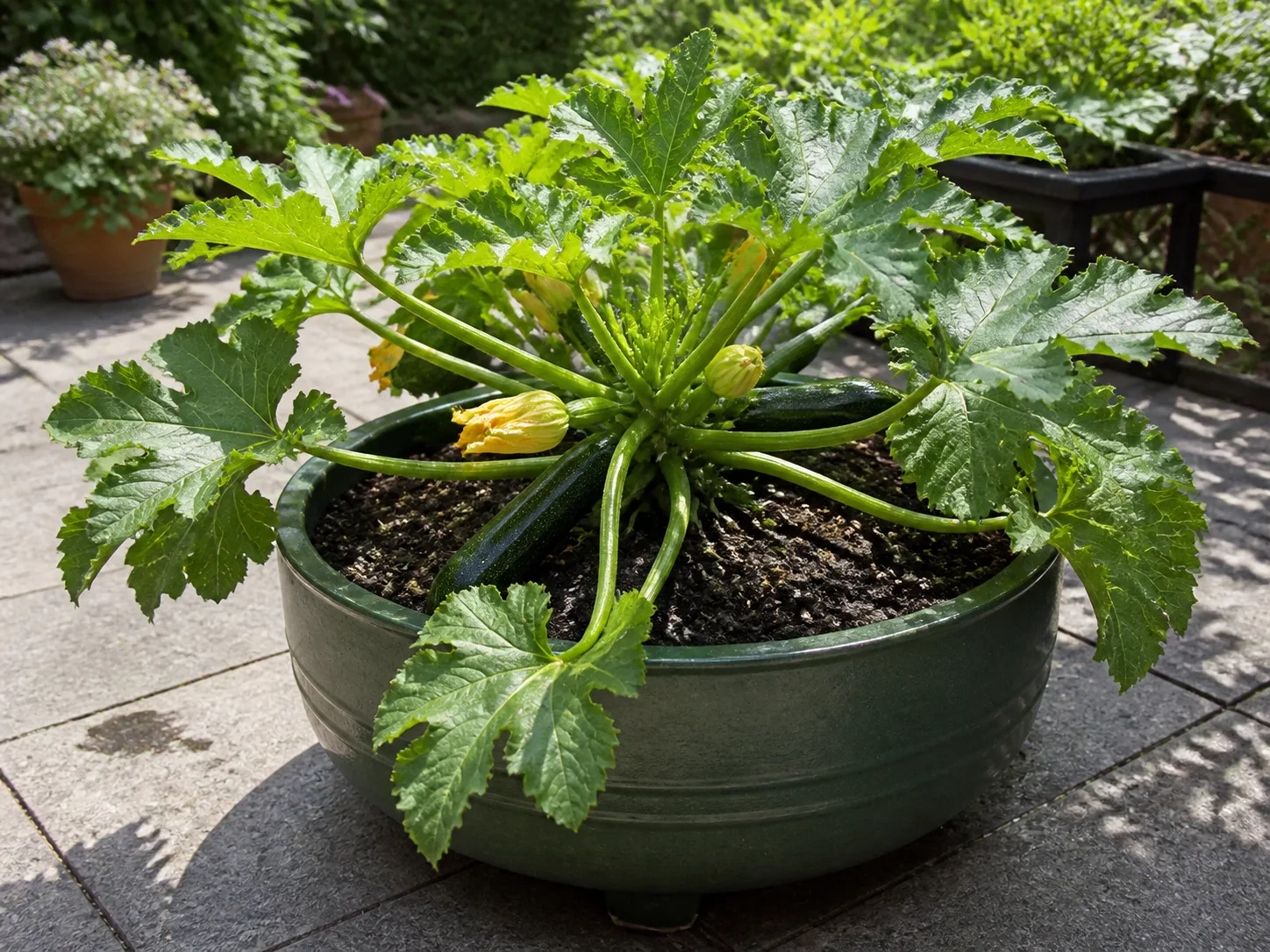
- Zucchini only with aggressive trellising and realistic yield expectations—see our zucchini container guidance for spacing discipline.
Poor fits
- Asparagus, artichokes, full-size carrots, potatoes, and other deep or perennial crops that want more root zone than this planter provides.
- Large winter squash without external vine room—better in ground-level beds.
RHS guidance on growing vegetables in containers applies directly: choose compact varieties, fertilize regularly because soil volume is limited, and water consistently—here, the reservoir helps but does not replace judgment.
Spacing, Dividers, and Intensity Trade-offs
Dividers are organizational, not root barriers. Roots will mingle beneath the surface. Use them to prevent a tomato from shading out lettuce, not to enforce botanical isolation.
A practical spacing template for one Splendor:
- One fruiting anchor (tomato or pepper) in a third of the bed.
- Cut-and-come-again greens in another third.
- Herbs or radishes in the remaining third.
Intensive planting works because you control soil quality from day one—but nutrient draw is faster than in a large in-ground bed. Plan for mid-season compost top-dressing or a slow-release organic fertilizer aligned with your crops.
How the Self-Watering Reservoir Works
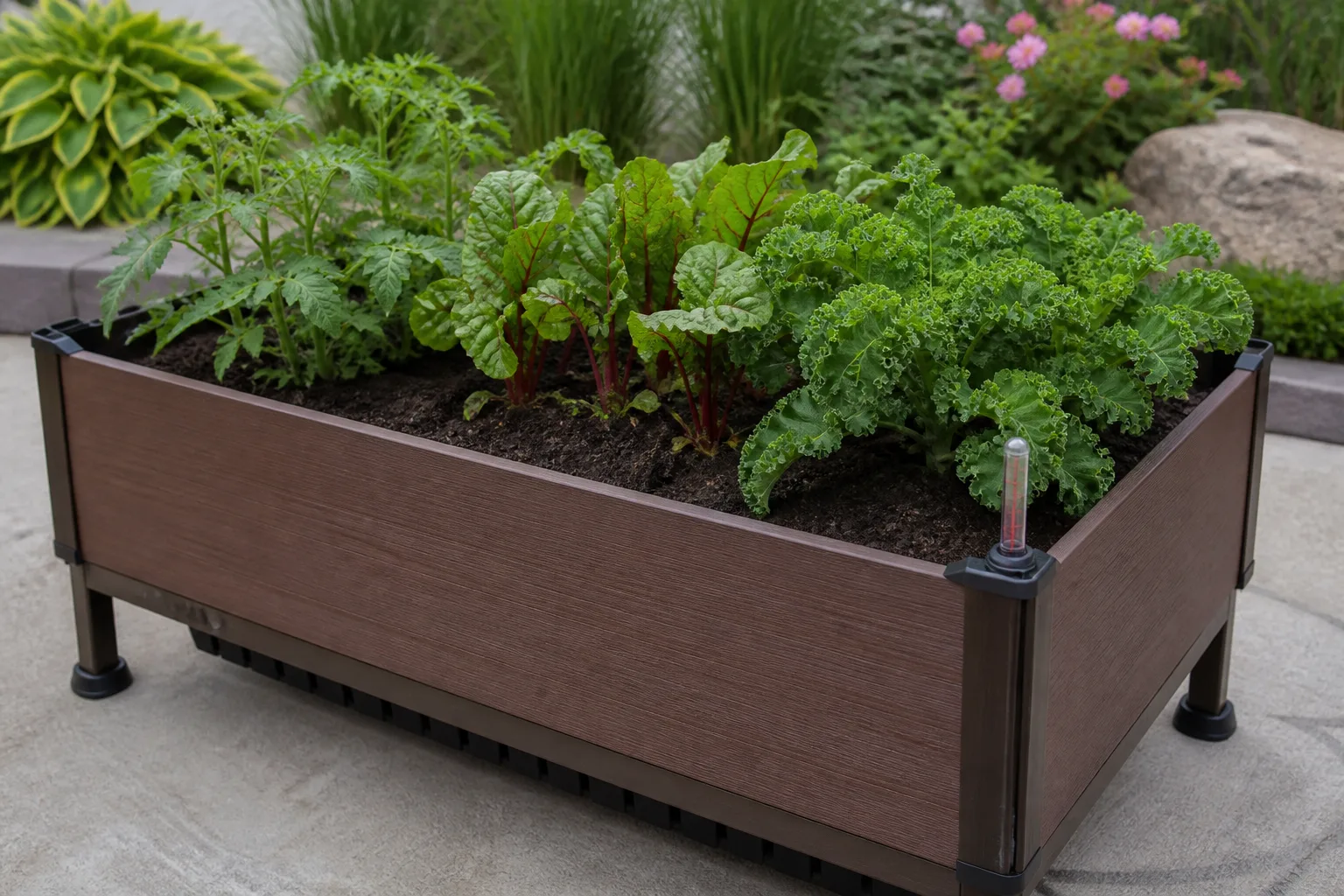
The Splendor’s false bottom creates a sub-irrigation reservoir beneath the soil chamber. Water enters the reservoir when you water from above (or when rain percolates through) and moves upward into the root zone through wicking as the soil dries. You do not have to use the reservoir—you can treat the bed like a standard drained planter—but the feature is the main reason to choose this model over a basic elevated box.
The design solves a real container problem: uneven watering on hot patios, where surface soil dries while deeper roots still have moisture—or the opposite, where blind reservoirs flood after storms.
Reading the Water Indicator and Using the Drain Plugs
The floating gauge is both functional and easy to read at a glance: as the reservoir fills, the indicator rises. When the red portion of the meter shows, the reservoir is too full relative to the design’s safe range. That is your signal to open the drain plug and release excess, capturing runoff in a watering can if you want to recycle it.
This matters because many vegetables dislike saturated root zones for long periods. Persistent wet feet invite fungal issues and root rot—the same failure mode overwatered houseplants show, scaled up to a patio tomato. The Splendor gives you tools to prevent that (gauge + plug), but only if you use them.
During initial fill with expandable planting mixes, some water will wash through into the reservoir immediately. That is normal. Drain once, then monitor the gauge as the soil structure settles over the first week.
Rainy-Season and Vacation Watering Strategy
In thunderstorm climates, reservoirs can fill faster than plants consume water—even without a tropical deluge. Owner reports from humid, high-rain regions describe weekly plug checks during the wet season as mandatory maintenance, not optional fussiness.
For vacations, a partially filled reservoir can buy roughly three to five days of buffer in summer heat, depending on plant size and sun exposure—useful, not magical. Pair it with mulch and shade cloth for young seedlings if you leave during a heat wave.
Before a long rainy forecast, pre-opening the drain plug can prevent chronic saturation better than hoping plants drink fast enough. Think of the reservoir like a rain barrel under your soil: valuable when managed, hazardous when ignored.
Soil, Fill Strategy, and Drainage in an Elevated Planter
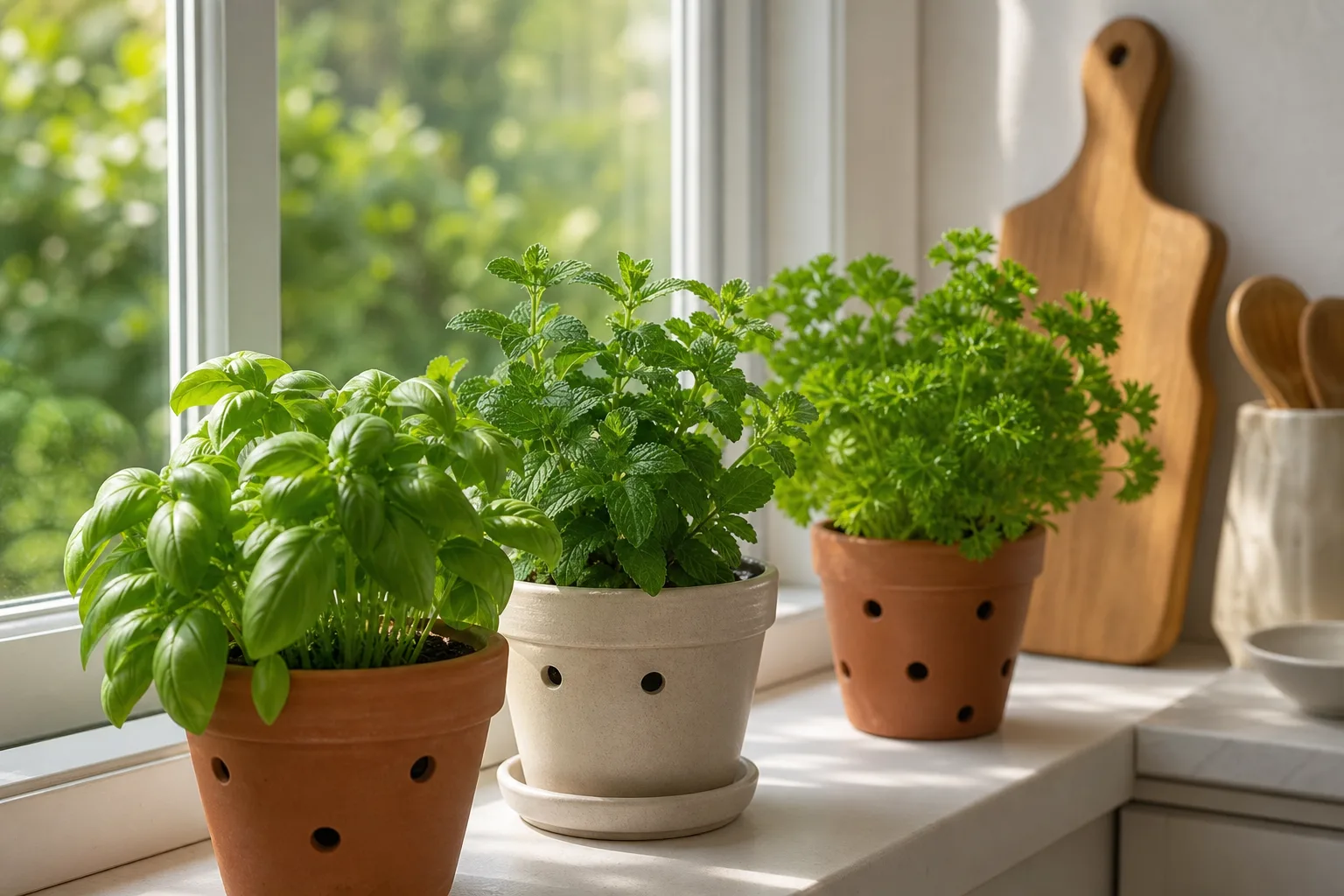
Do not fill a Splendor with native yard dirt. Use a high-quality potting or raised-bed mix with good aeration and organic matter. Expandable mixes (such as compressed coir/peat products) are popular because they ship light and hydrate in place—just expect initial runoff into the reservoir and drain accordingly.
Because total soil volume is modest, avoid aggressive “filler” strategies meant for deep ground-level hugel beds. Our guide on what to put in a raised garden bed explains when logs and bulk organics make sense; in a shallow elevated planter, stable planting mix is usually the whole story. If you amend, do it with compost and perlite in the root zone, not with a thick layer of fresh wood chips that temporarily tie up nitrogen.
Match product to job: garden soil vs potting soil is not pedantry here—it is the difference between a bed that drains and one that cementifies. Elevated planters dry from all sides; they punish heavy mixes.
Watering rhythm still matters. The reservoir reduces hand-watering frequency but does not replace observing plants. Learn the cues in our vegetable garden watering guide and adjust for reflected heat off concrete.
Durability After Heat, Storms, and Years Outdoors
Composite planters age differently than cedar. You will not see rot, but you may see fading, chalking, and stress cracks near corners or leg joints if the bed is mishandled. Long-term Florida gardeners report survival through hurricanes when the bed was stationary, drained, and not used as a sail—sensible placement beats hardware bragging rights.
Weak points echoed across independent reviews:
- Shipping damage to thin panels—inspect on delivery and exchange promptly.
- Divider tabs breaking if forced.
- Gauge sticking if grit enters the track—rinse during annual cleanup.
- Leg stability on uneven pavers—shim before fill.
Annual maintenance is light: empty and rinse the reservoir in late winter, refresh the top inch or two of soil, check drain plugs for debris, and replace any cracked divider instead of ignoring it.
Price, Value, and Alternatives Worth Comparing
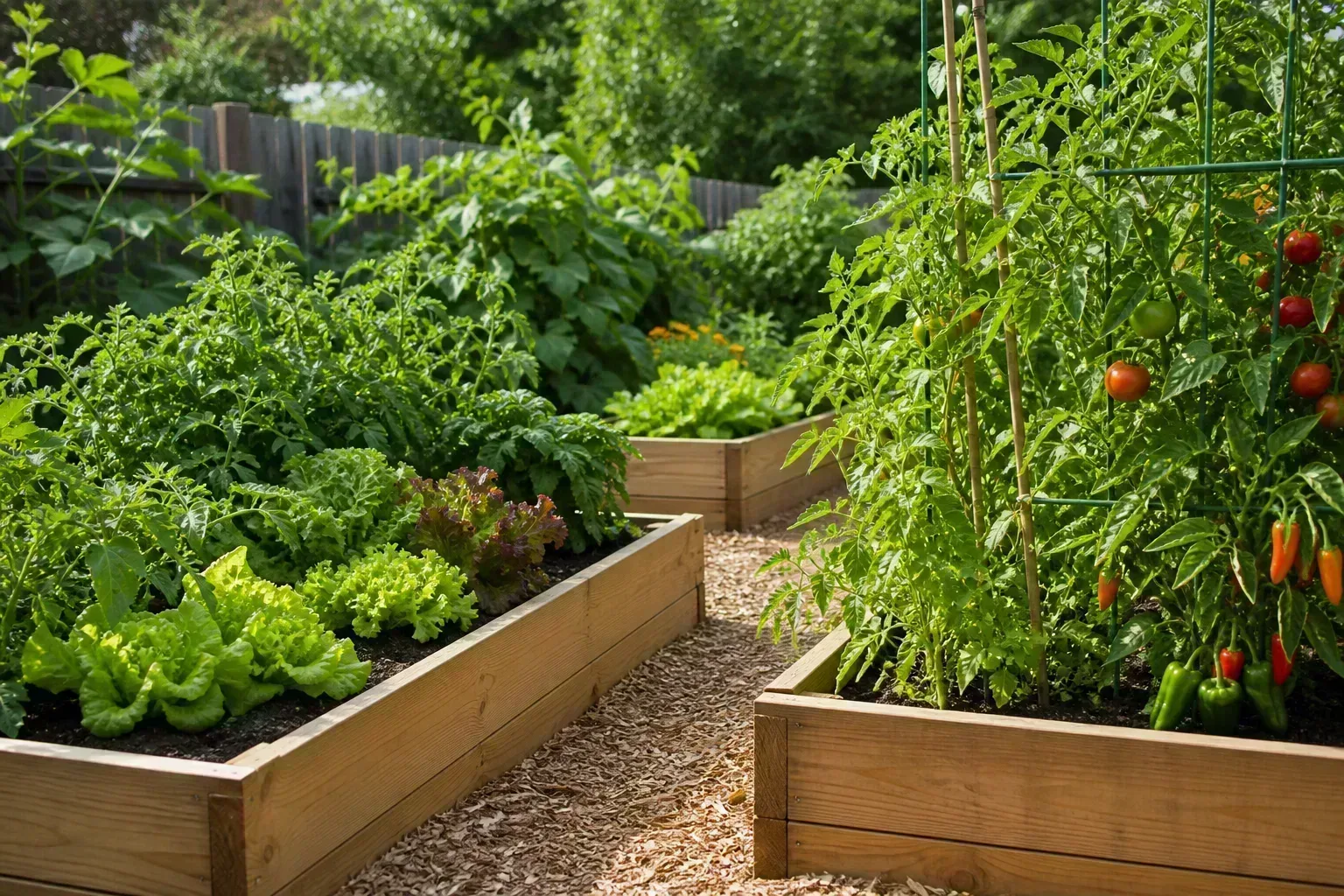
At full price near $150, the Splendor costs more than DIY lumber on paper—but lumber does not include legs, a reservoir, gauge, or an afternoon of carpentry. It also does not walk upstairs in a single box.
Value strengths
- Fastest path to a standing, self-watering vegetable patch on hardscape.
- Excellent for renters and patio-only sun.
- Durable against rot in humid/coastal climates where wood demands maintenance.
Value weaknesses
- Soil volume per dollar lags galvanized or wooden ground beds.
- Plastic fatigue over many seasons vs cedar’s repairability.
- Not modular into larger footprints the way panelized metal kits are.
Alternatives by goal:
- More soil, lower cost, okay with bending: galvanized or wooden ground-level raised bed kits.
- Ergonomic but no reservoir: elevated planters without sub-irrigation—cheaper upfront, more daily watering.
- Maximum production: custom 4×8 beds; pair with planter vs pot thinking for mixed container layouts.
Sale shoppers should track Prime Day, Black Friday, and spring garden events; the Splendor routinely dips meaningfully below MSRP. Paying full price is reasonable if your growing season starts now; waiting makes sense if you are stacking multiple beds.
Conclusion
The Keter Splendor is a specialized tool: a standing, self-watering patio bed for gardeners who prioritize access, controlled soil, and small-footprint production over raw acreage. Assembly is genuinely easy, the reservoir and drain plug solve real container-watering failures, and the height is a meaningful upgrade for anyone tired of kneeling on pavers.
It is not the bed for large families feeding themselves solely from the garden, nor for deep-root perennials. Within its limits—compact fruiting crops, herbs, salads, trellised vines—it performs well enough that many owners buy a second unit after the first season.
If your site matches the strengths (patio sun, poor native soil, ergonomic needs) and you commit to reservoir management in rain, the Splendor is one of the better turnkey options at this price. If you need volume more than elevation, put your budget into ground-level beds and better soil instead.



