When to Fertilize Japanese Maple Trees
Winter fertilizer can wake Japanese maples too early and trigger frost-sensitive growth. Learn the safe feeding window, NPK rules, and signs your tree actually needs food.
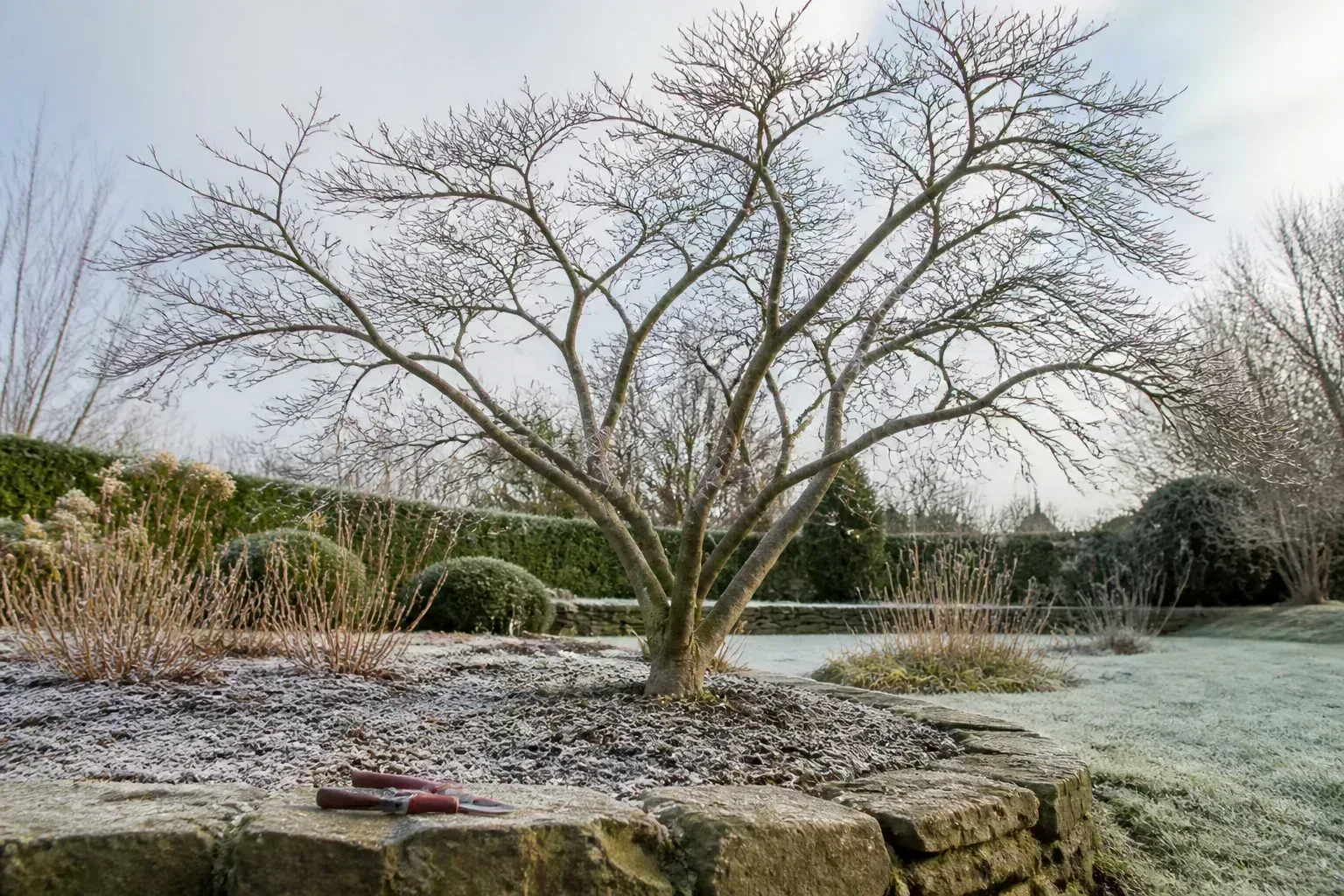
A bag of fertilizer feels like kindness. For Japanese maples (Acer palmatum and its many cultivars), the wrong feeding schedule does more harm than skipping food altogether. These slow-growing ornamentals want a long, uninterrupted rest, a brief spring boost when they are ready to grow, and then peace for the rest of the year. Feed them in winter—or push high-nitrogen products when buds are still asleep—and you can trigger soft new shoots that freeze, burn shallow feeder roots, or produce leggy growth that ruins the layered form you bought the tree for in the first place.
The Short Answer: Skip Winter Feeding
Yes, fertilizing a Japanese maple in winter is usually a bad idea. Once leaves drop in fall, the tree is entering dormancy. Soluble nutrients—especially nitrogen—can stimulate growth before the tree has finished resting or before weather is stable enough for that growth to harden off. The safe window opens when buds begin to swell in early spring, not when you are bored on a mild January afternoon.
There is one narrow exception some growers use: a single light application of slow-release granules in very late winter while the soil is still cold and frozen, applied before any visible bud movement. Even then, the product must be low in nitrogen and placed at the drip line, not against the trunk. If your tree already looks healthy, skip it. For most gardeners, waiting until you see the first signs of spring wake-up is simpler and safer.
Why Timing Matters More Than Brand
Japanese maples are not hungry trees. They are light feeders with shallow, fibrous roots concentrated in the top 12 inches of soil. What they need from you is not a monthly feeding calendar—it is respect for dormancy and restraint with nitrogen.
Dormancy Is Non-Negotiable for Japanese Maples
Deciduous maples require a true rest period after leaf fall. Missouri Botanical Garden notes that Japanese maples grow best in moist, organically rich, slightly acidic, well-drained soils and that new foliage can scorch when soils dry out in hot sun. That sensitivity extends to how they use nutrients: during dormancy, metabolic activity in roots and buds is minimal. Pushing nitrogen into a sleeping tree does not “store up energy” for spring—it can break dormancy prematurely when a warm spell follows a cold one.
Mark the week your maple drops its last leaves. From that point, think in terms of months of rest, not weeks of garden activity. Swollen buds—not the calendar on your phone—are the reliable signal that the tree is ready to accept food. This is the same dormancy logic that makes winter pruning effective for structure but dangerous once sap starts moving in late winter.
What Happens When You Feed Too Early or Too Late
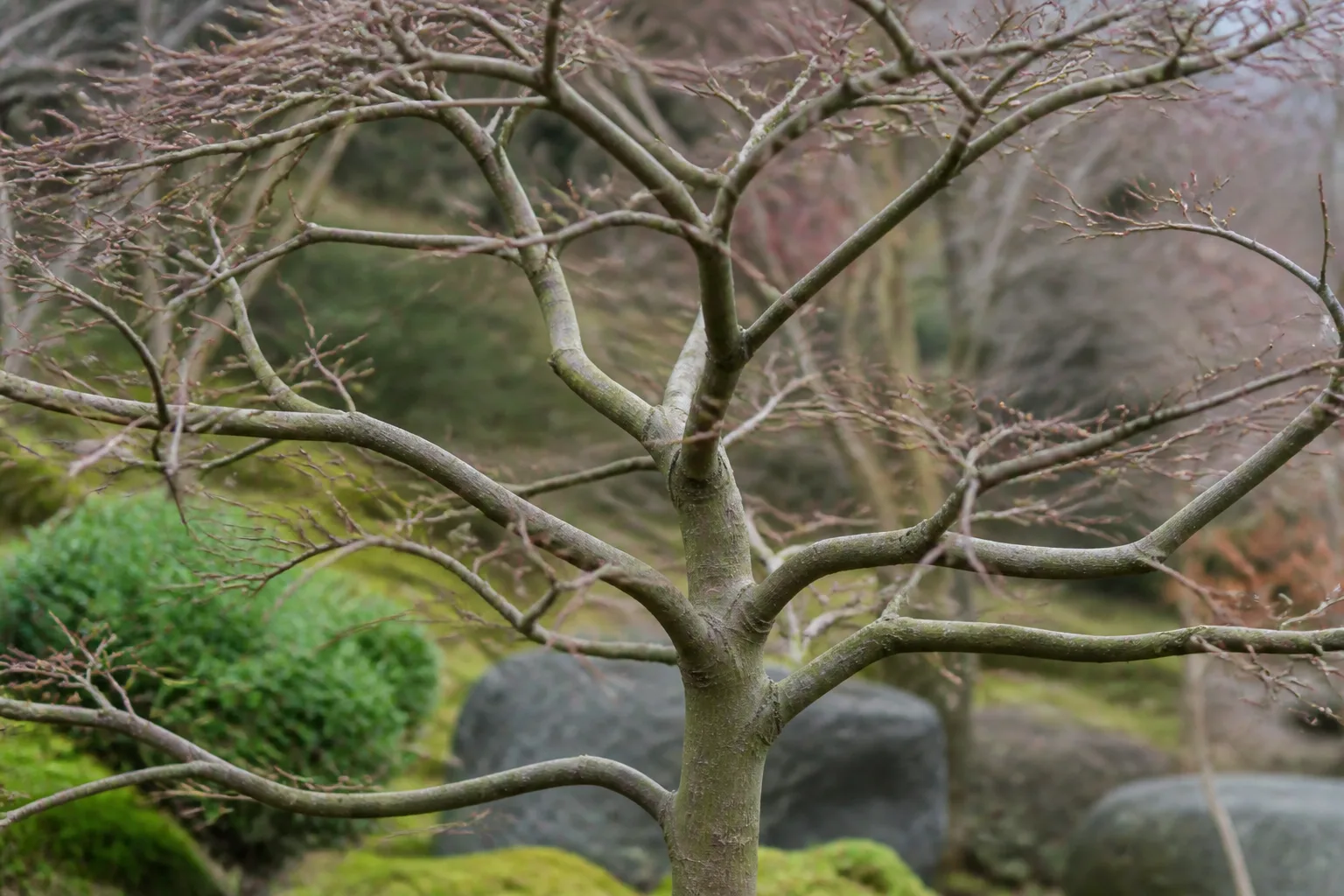
Too early (mid- to late winter with quick-release or high nitrogen): Roots absorb soluble salts, buds receive a growth signal, and tender shoots emerge during the next warm stretch. A hard freeze or late frost then kills that soft tissue, leaving blackened tips and a tree that wasted stored reserves. Feeder roots in the top soil layer are also vulnerable to fertilizer burn—marginal browning, wilting, and dieback on branches that looked fine the season before.
Too late (late summer through fall): Nitrogen encourages a flush of growth that cannot lignify before cold weather. That wood is structurally weak and prone to winter dieback. The RHS is clear that trees in the ground often need no feeding at all when soil is healthy; late-season pushes are especially pointless on established specimens.
The sweet spot: Early spring, as buds swell and before leaves fully expand—once frost risk for your area has mostly passed for new tender growth.
The Best Windows to Fertilize (By Climate)
Timing should follow your microclimate and the tree’s signals, but these ranges give you a starting frame by USDA zone:
| Situation | Typical feeding window | Key cue |
|---|---|---|
| Zones 5–7, in-ground | March through May | Bud swell, soil workable |
| Zones 8–9, in-ground | February through April | Earlier bud break; watch late frosts |
| Containers | After last frost, then optional light June feed | Pale leaves or slow push in pot |
| Newly planted (year 1) | No fertilizer | Wait until second growing season |
In cool zones, a warm January or February can fool maples into breaking dormancy early. If buds swell during a false spring, withhold fertilizer and protect exposed wood with burlap or frost cloth if a freeze returns—feeding would only amplify the damage. In mild zones, the window opens sooner, but late frosts still punish soft growth; lean toward the early side of the window only with slow-release products, not liquid feeds.
In-Ground Trees in Cool and Mild Zones
For landscape maples with mulch and decent soil organic matter, one annual feeding is often enough—and many years, none at all. NC State Extension recommends addressing deficiencies identified by soil or foliar tests, not habit. When a test or clear symptoms justify feeding, apply once as buds swell.
Gardening Know How suggests either very late winter on frozen ground or after the last spring freeze for the first feeding of the season—both approaches aim at the same goal: nutrients in place just before growth, not during active winter warm spells. If you are unsure which camp you are in, wait for bud swell. It is the most foolproof trigger.
Container Maples and Warm-Winter Regions
Potted Japanese maples lose nutrients faster because you leach them every time you water. The RHS advises a general-purpose granular feed in spring for container plants that have been in the same pot more than one year. That usually means one application after frost danger, with an optional half-strength second feed in early summer only if leaves look pale or growth stalls—not a automatic June ritual.
Move containers to a sheltered spot in winter; roots in pots freeze sooner than roots in the ground. Do not fertilize frozen pots or trees brought indoors for winter display. Resume feeding when you move them outside and growth resumes.
Do Your Maples Actually Need Fertilizer?
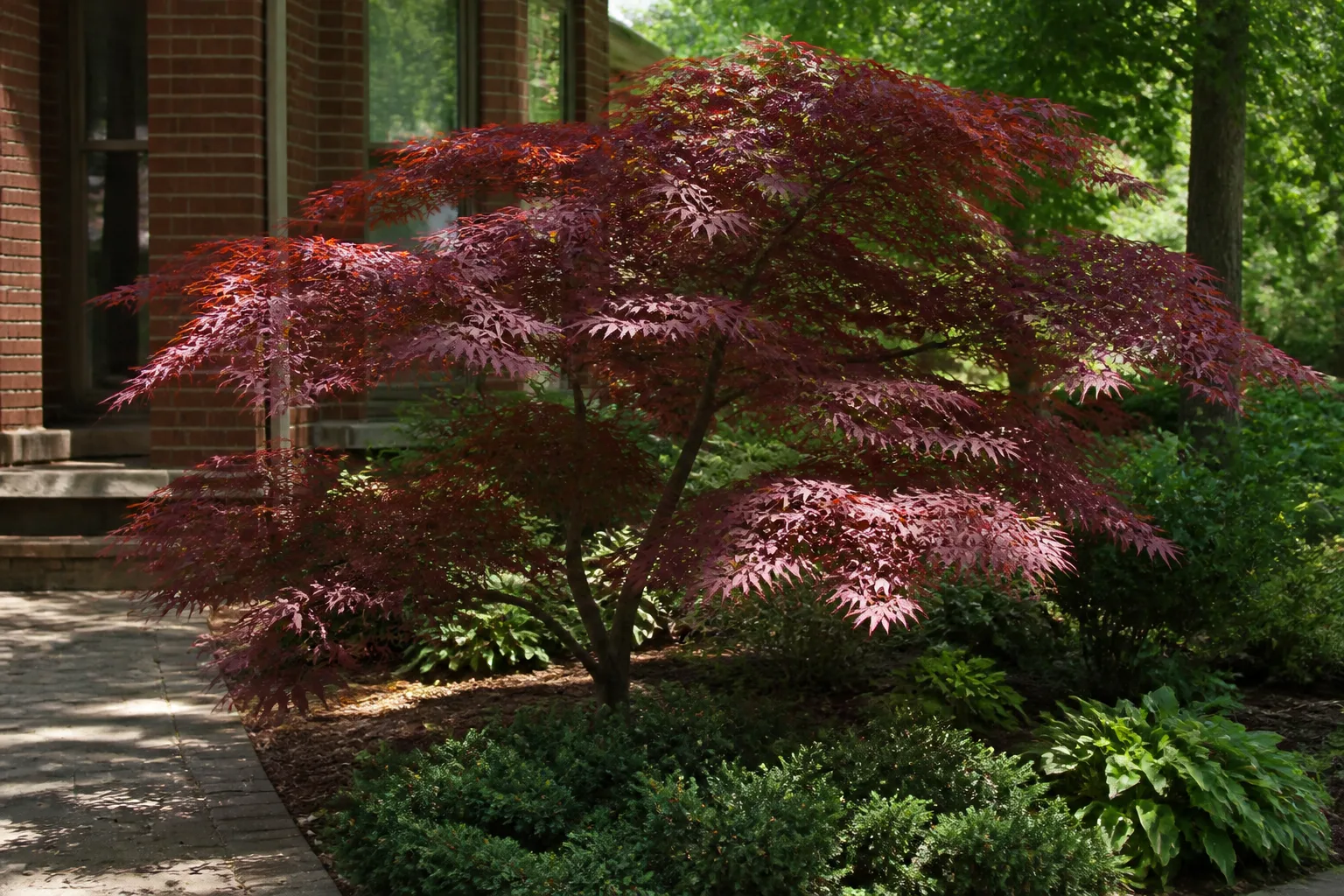
The most common Japanese maple problem is over-love, not neglect. Mature trees in mulched beds often get everything they need from decomposing leaves and compost top-dressing. NC State Extension describes Acer palmatum as slow-growing with moderate needs—exactly the profile of a tree that punishes heavy feeding.
Signs of Genuine Nutrient Shortage
Feed only when you see persistent issues that match hunger, not one rough season from drought or transplant shock:
- Chlorosis (yellowing) of older leaves while the variety’s normal color is known to be green or red—not autumn change
- Smaller-than-typical leaves for that cultivar two years in a row
- Weak, thin new shoots on an established tree in full sun with adequate water
- Soil test showing low nitrogen or low organic matter in the root zone
Pale red cultivars can look “off” in too much sun without being underfed. Scorched margins from wind and drought mimic deficiency. Fix site problems first—shade, irrigation, mulch—before you open a fertilizer bag.
When Healthy Soil and Mulch Are Enough
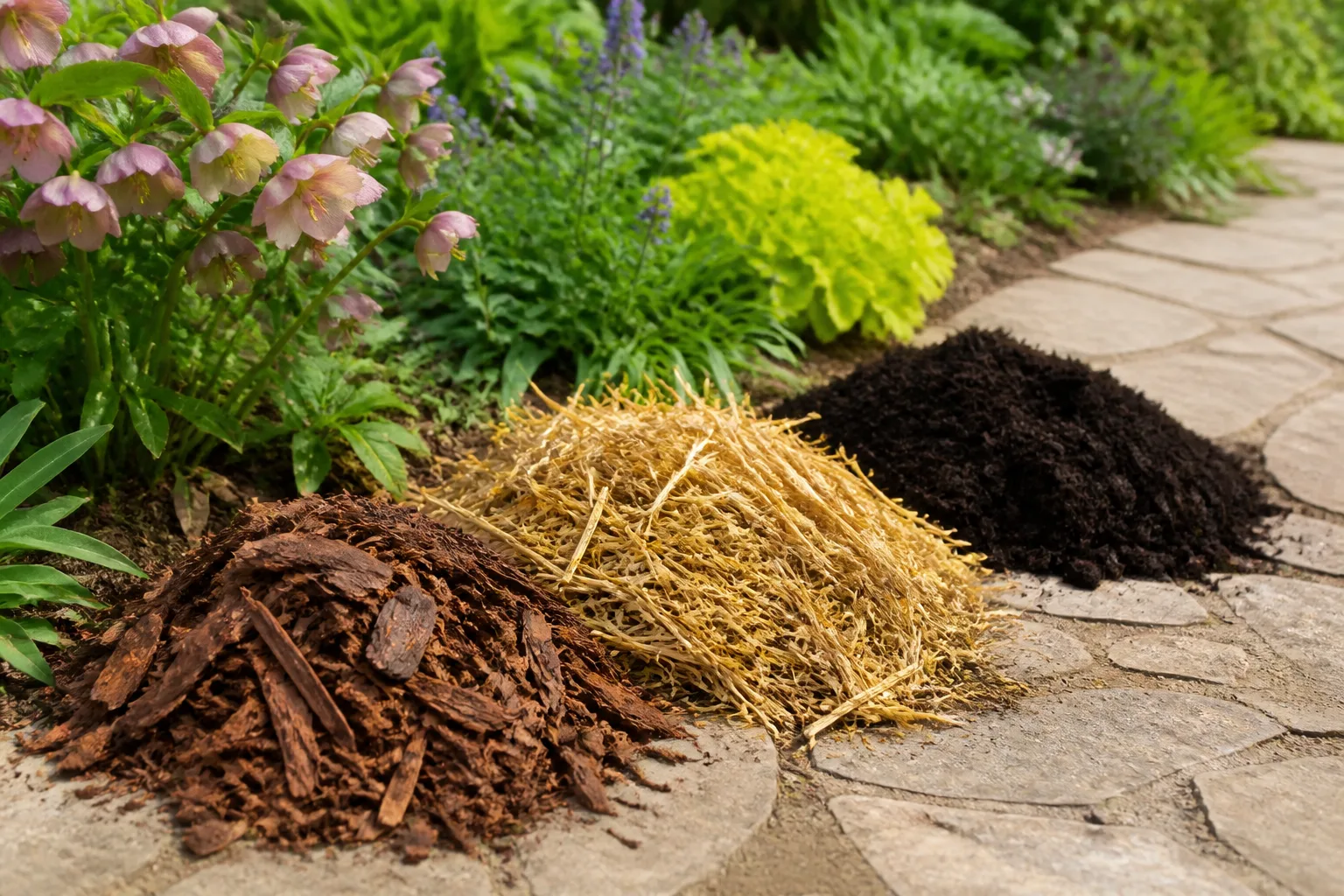
A 2–3 inch layer of compost or shredded bark mulch over the root zone (pulled back from the trunk) feeds soil biology, moderates temperature, and retains moisture. NC State’s tree fertilization guide notes that retaining leaves on site instead of bagging them returns nitrogen to the soil naturally. For many established maples, that organic cycle replaces synthetic feed entirely.
If your tree has good leaf color, steady but slow growth, and no soil test red flags, leave the fertilizer in the shed. You will do more for the plant by matching it to the right light and shade conditions than by annual N-P-K applications.
Choosing the Right Fertilizer
When a test or symptoms confirm a need, product choice matters as much as timing.
Keep Nitrogen Low
Japanese maples look best with slow, dense growth. High nitrogen produces long, soft shoots that flop, burn in summer sun, and attract aphids and scale. NC State Extension warns that overfertilizing with nitrogen reduces flowering, creates excessively succulent growth, and can increase pest populations.
Practical rule: choose a product with no more than about 15% nitrogen by weight on the label. Balanced or slightly phosphorus-heavy formulas—examples include 10-6-4, 10-10-10 used sparingly, or acid-loving plant blends—work when applied lightly. Never use lawn fertilizer on a maple; it is almost always quick-release and nitrogen-heavy.
Slow-Release vs Liquid: What to Use When
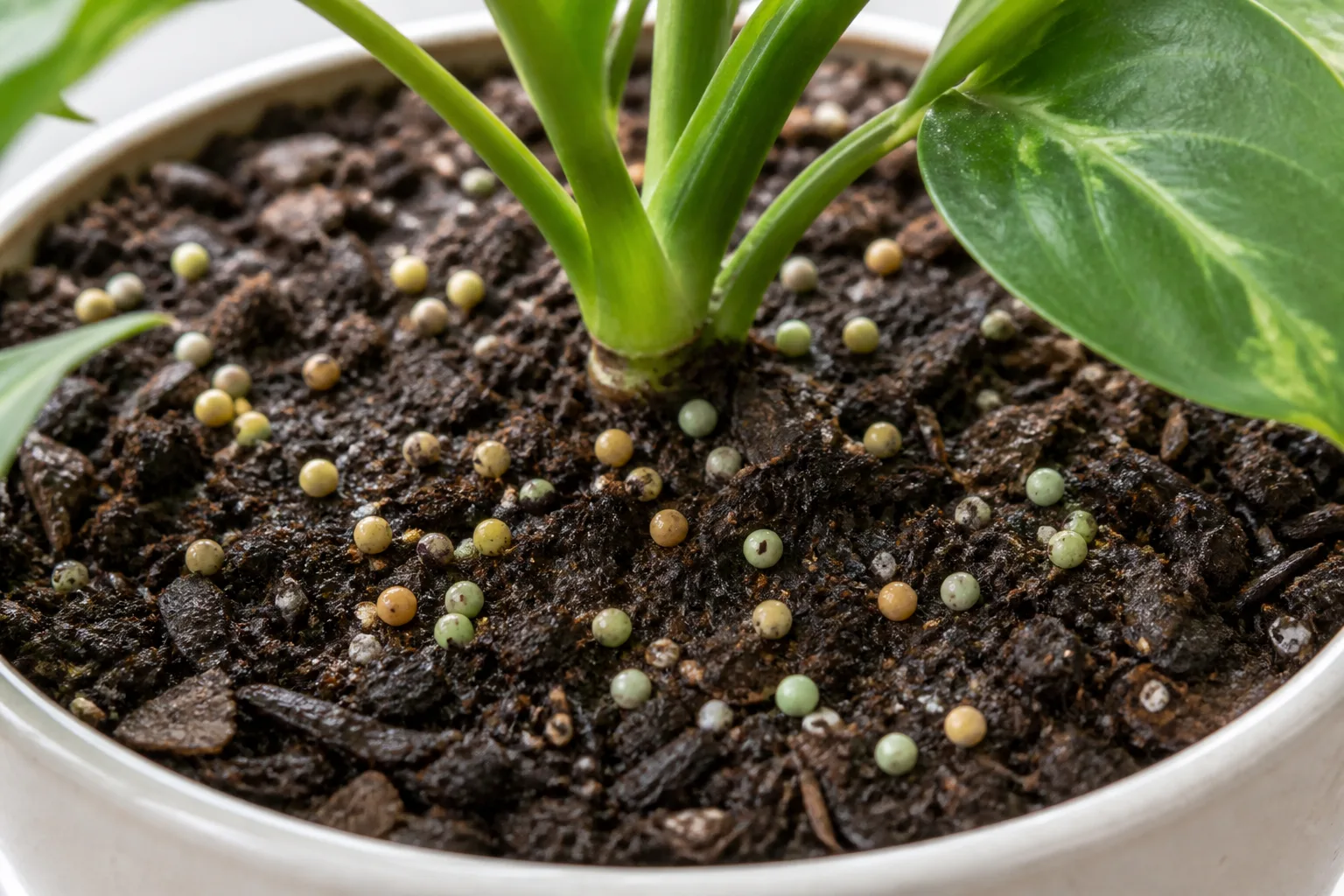
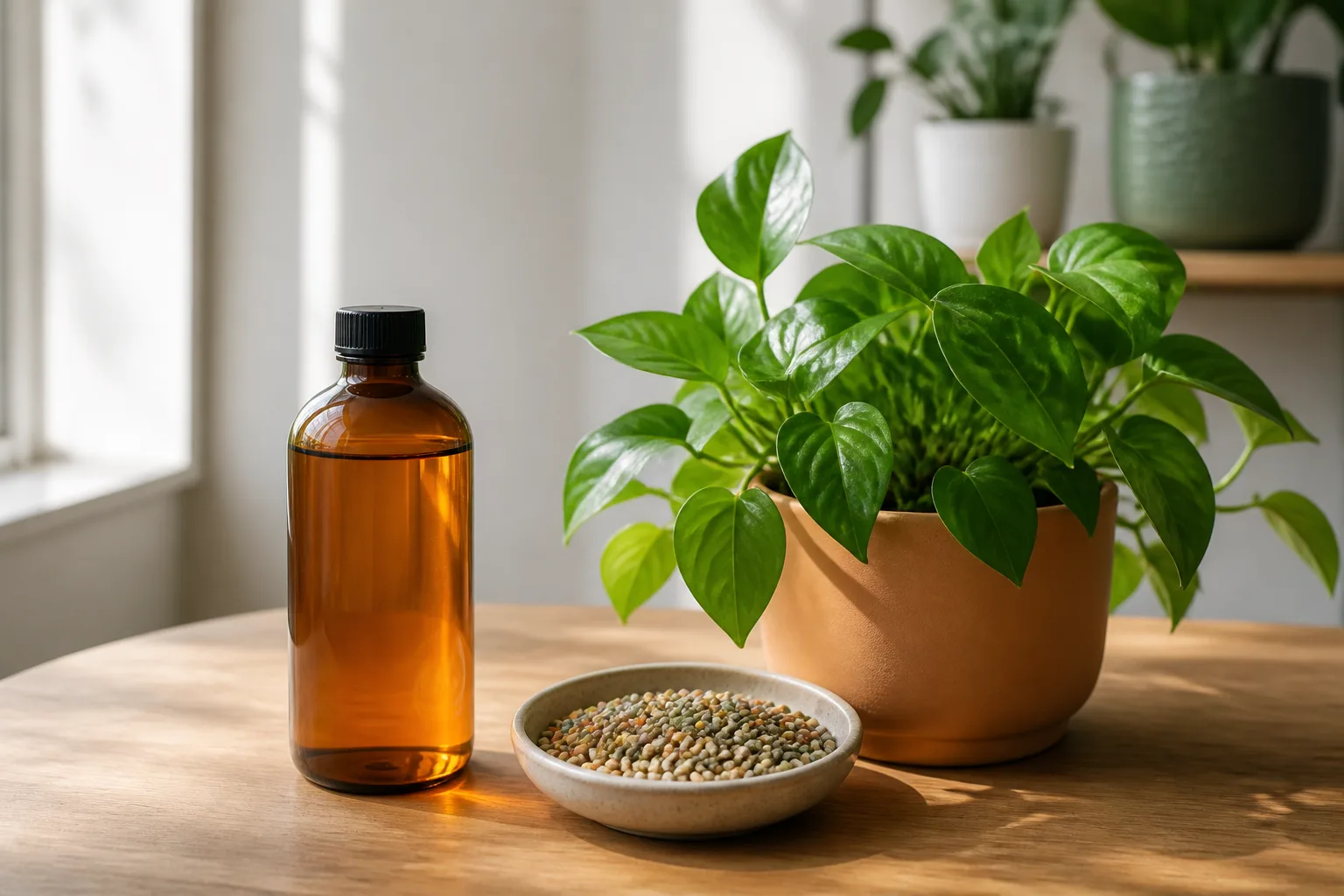
Slow-release granules are the default for in-ground maples. They meter nutrients over weeks or months and are far less likely to burn roots than soluble feeds. Organic options—composted manure, cottonseed meal, or labeled organic tree food—release even more gradually and improve soil structure, though nutrient percentages are lower.
Liquid or quick-release fertilizer has a place only for young trees establishing in poor soil or recovery after verified winter injury—and then once, at half label strength, in early spring on moist soil. Do not make liquid feed a monthly habit; it is the fastest route to salt buildup and leaf scorch on shallow roots.
How to Apply Fertilizer Without Burning Roots
Application technique matters because feeder roots sit shallow and wide, not deep against the trunk.
The Drip-Line Hole Method
Gardening Know How and experienced growers recommend placing granules where roots actively absorb—not on the surface in a random scatter:
- Water the root zone a day before if soil is dry.
- Mark the drip line (under the outer edge of the branch spread). Stay several inches away from the trunk.
- Dig 4–6 inch deep holes in a ring halfway between trunk and drip line, spaced 2–3 feet apart around the canopy.
- Place a small amount of slow-release granules in each hole (roughly ⅛–¼ cup per hole for a young tree; less for mature specimens—always under-label for maples).
- Backfill with soil and water thoroughly to settle nutrients into the root zone.
Avoid dumping fertilizer in the planting hole at transplant; concentrated salts against new roots cause the same burn as winter feeding.
Rates for Young, Mature, and Recovering Trees
- Newly planted (first year): No supplemental fertilizer. Let roots colonize native soil.
- Second year and young trees (under 6 feet): At most half the label rate once in early spring if growth is weak.
- Mature, healthy landscape trees: Often zero synthetic feed; refresh mulch instead.
- Containers: Half-strength granular or diluted liquid once in spring; second light feed in June only if needed.
- Recovery from frost or mechanical damage: One cautious spring feed with slow-release product—do not try to “push” the tree with repeated doses.
Common Mistakes That Turn Feeding into Damage
These errors show up repeatedly in extension diagnostics and garden clinic visits:
- Feeding in winter (especially with quick-release products) during or right before warm spells
- Using lawn fertilizer or any product above ~15% nitrogen
- Granules piled against the trunk instead of at the drip line
- Feeding newly planted trees in year one
- Late-summer or fall applications that force tender growth before dormancy
- Feeding without a soil test when the real problem is pH, compaction, drought, or too much sun
- Double feeding—spring granular plus summer lawn run-off from adjacent turf
- Ignoring mulch while adding synthetic N annually
If your maple sits in a lawn that gets heavy nitrogen every spring, it may already be overfed. Edge the tree’s root zone and keep high-N lawn products away from the canopy spread.
What to Do If You Over-Fertilized
Signs include crispy leaf margins, sudden wilting after feeding, blackened new shoots after a warm spell, or dieback on branch tips. Act quickly:
- Stop feeding for at least one full growing season.
- Flush the root zone with slow, deep water several times over two weeks if soil drainage is good—do not drown a clay site.
- Remove dead wood only after you are sure it is dead (scratch test on bark); see winter pruning timing for when to make living cuts.
- Refresh mulch with compost or shredded bark—no fresh fertilizer mixed in.
- Soil test before any future feeding to see what actually remains in the profile.
Most maples recover from a single timing mistake if you stop the inputs and fix water and mulch. Repeated overfeeding can permanently distort form and invite chronic pest problems on soft growth.
Conclusion
Japanese maples reward patience, not power feeding. Winter is the wrong season for nearly every fertilizer type you are likely to have on the shelf; the right moment is early spring, when buds swell and your climate can support new growth without a killing frost right behind it. Use low-nitrogen, slow-release products at the drip line, skip year-one transplants, and let healthy soil plus mulch do the heavy lifting on mature trees. When in doubt, test the soil and watch the tree—if color and growth look right for your cultivar, the kindest feed is often none at all.



