6 Old Gardening Rules You Can Stop Following
Six outdated gardening habits—from fall leaf raking to hole fertilizer—waste time and stress plants. Learn what pros do instead and when the old rule still applies.
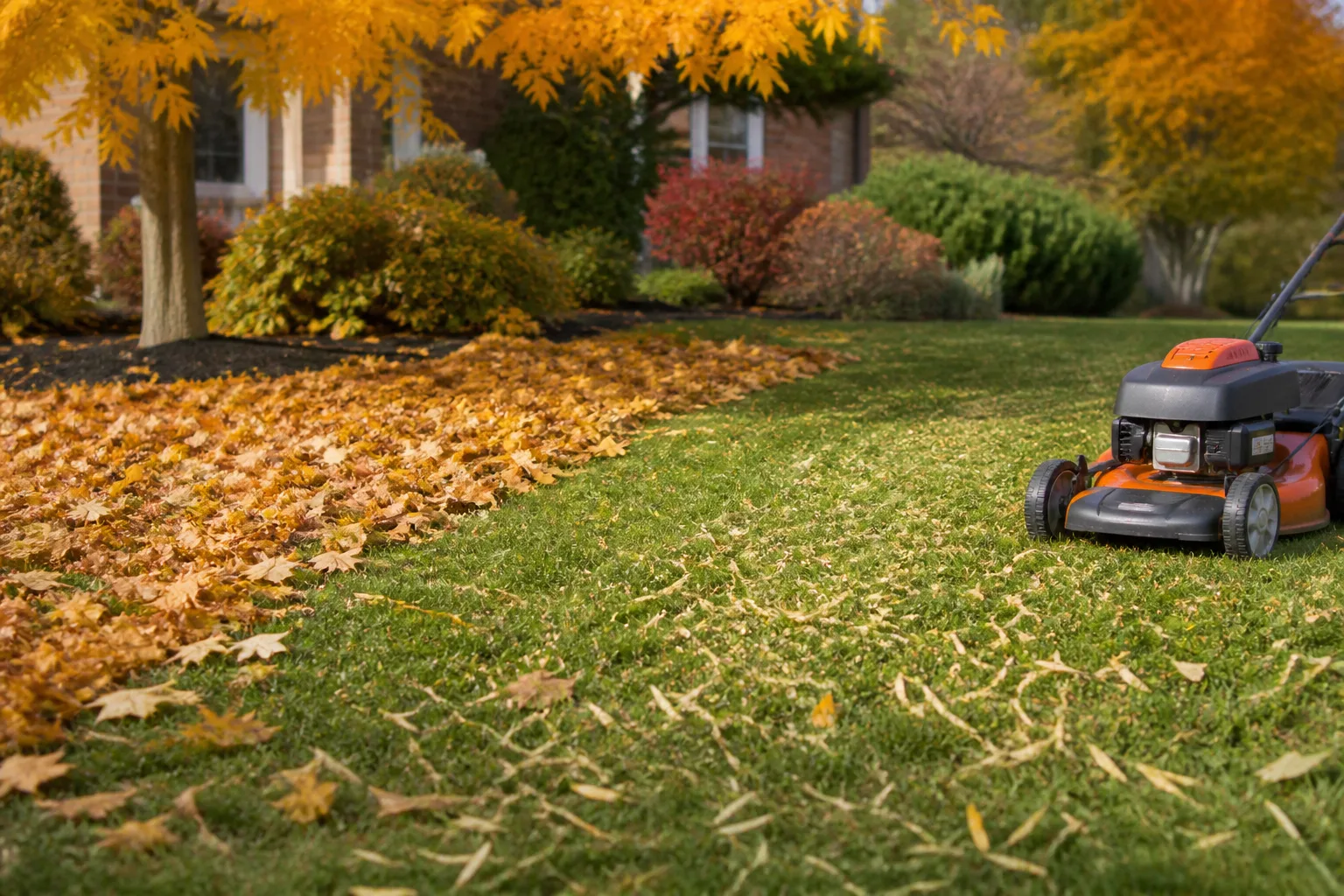
Your grandmother’s yard looked immaculate because she raked every leaf, sprayed every weed, and fed every new shrub with a handful of fertilizer in the hole. Some of that advice still works. A surprising amount of it now works against soil health, pollinators, and the roots you are trying to establish. The goal is not a messy, neglected garden. It is a lower-input yard that functions better with less guilt and less busywork.
Why old gardening habits are hard to shake
Garden rules stick because they once solved real problems. Bagged leaves kept turf neat. Blanket herbicide saved hours on hands and knees. Hole fertilizer felt generous. Irrigation rescued thirsty exotics in dry climates. Those solutions made sense when lawns were the default and “clean” meant bare soil.
Modern horticulture has shifted toward soil biology, native plant communities, and targeted intervention. Extension specialists now stress soil tests before feeding, backfilling with native soil instead of pampered planting pockets, and leaving habitat in place through winter. The habits below are not moral failures—they are maintenance scripts worth updating once you know the trade-offs.
Quick answer: six rules worth retiring this season
If you only remember six changes, make them these:
- Stop treating every fall leaf like trash — mulch, compost, or leave strategic cover instead of bagging everything.
- Stop building container displays that need daily rescue — match pots to climate and choose plants that thrive locally.
- Stop dumping fertilizer in the planting hole — backfill with native soil; feed on the surface after establishment if a soil test warrants it.
- Stop declaring war on every weed — triage: remove invasives and seeding troublemakers; tolerate useful volunteers where they help soil.
- Stop installing irrigation to save the wrong plants — choose climate-appropriate species first; irrigate for establishment, not perpetual life support.
- Stop reaching for synthetic chemicals by default — use them selectively when non-chemical methods fail, not as a weekly habit.
Each rule has exceptions. The sections below explain what to do instead and when the old habit still earns its place.
Rule 1 — Stop bagging and dumping every fall leaf
The clean-lawn reflex is powerful. Leaves look untidy, clog storm drains on streets, and smother turf if left in a thick, wet mat. But treating all leaves as garbage throws away free organic matter and destroys overwintering habitat for native bees, butterflies, and beneficial insects that nest in leaf litter and hollow stems.
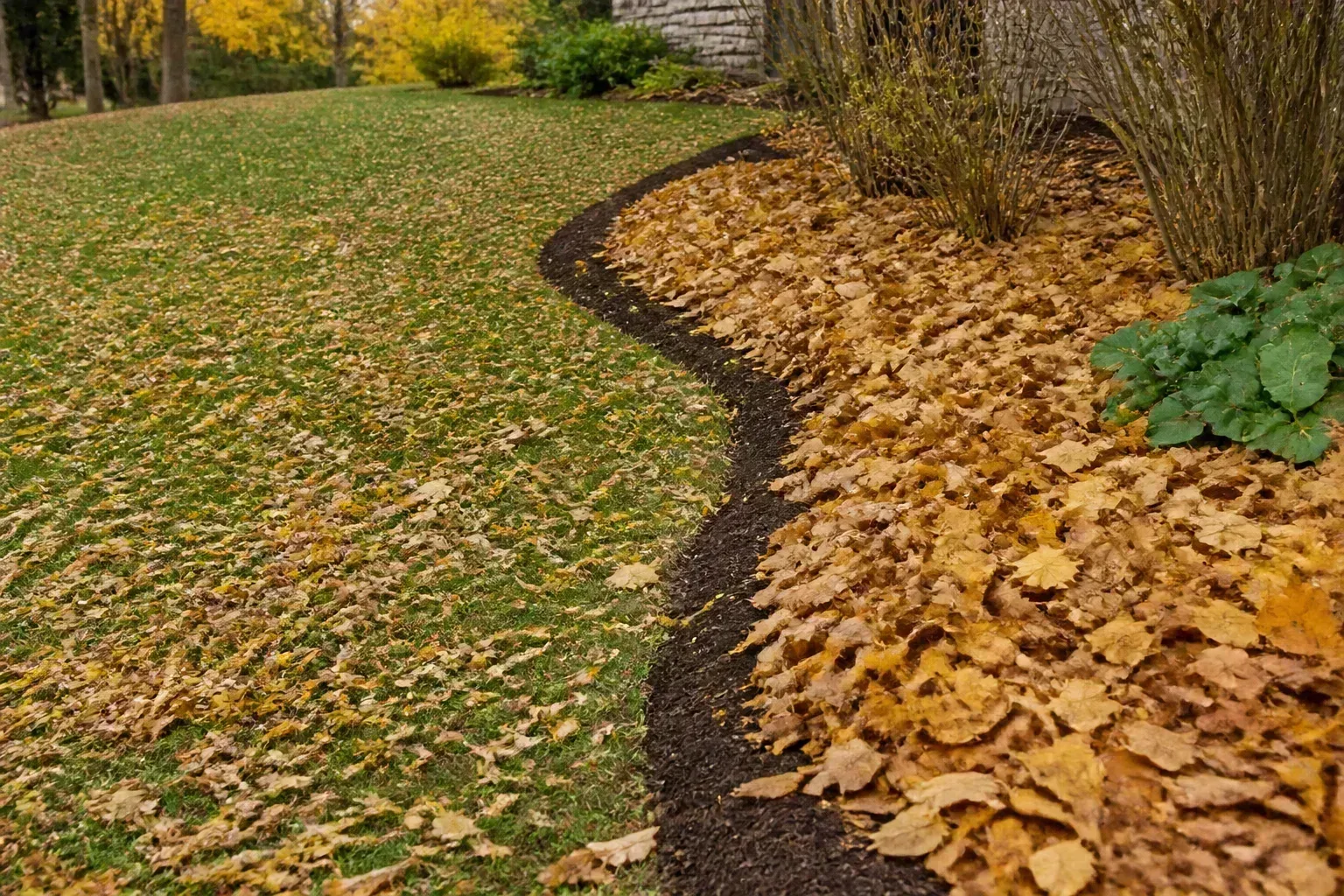
Regenerative fall guides describe leaves as soil cover, not waste: they insulate roots, slow erosion, feed decomposers, and return nutrients as they break down (Let’s Go Compost fall checklist). Michigan’s environmental agency notes that leaving appropriate leaf cover supports wildlife and reduces landfill pressure while building healthier soil (Michigan EGLE on leaving leaves). The RHS treats fallen leaves as raw material for leaf mould—a slow soil conditioner—not something to erase from the landscape (RHS leaf mould guidance).
What leaves do for soil, pollinators, and winter cover
A thin layer of leaves in beds mimics forest floor conditions: cooler soil, steadier moisture, and food for fungi and worms. Oregon’s Department of Environmental Quality notes that organic-matter amendments and compost improve soil structure while reducing evaporation, erosion, weeds, and temperature swings (Oregon DEQ composting guidance)—benefits leaves deliver slowly as they decay.
Standing seed heads and stems shelter insects until temperatures stay above roughly 50°F (10°C) in spring—the window many pollinator-friendly cleanup guides recommend before major cutback. Hollow or pithy stems from plants like bee balm, coneflower, and ornamental grasses often hold native bee larvae through winter; cutting them flush in October removes next year’s pollinators before they emerge. Our guide to using old leaves in the garden walks through mulch thickness, shredding, and leaf-mold timing in detail, and our pollinator yard guide explains how delayed cleanup fits a habitat plan.
When you should still rake, shred, or remove leaves
You are not wrong to move leaves when:
- A thick, wet layer will kill grass, bury crowns, or block air to seedlings.
- Leaves come from diseased trees (apple scab, anthracnose-heavy maples) and you cannot hot-compost them.
- Fire risk or HOA rules require a tidy front lawn.
- Leaves pile on hardscape where they become a slip hazard.
The modern default is match strategy to surface: shred for lawns and thin mulch; leave loose cover in beds and under shrubs; compost excess; delay bed cleanup until spring where practical. Our spring garden chores guide covers that delayed cleanup timing.
Rule 2 — Quit high-maintenance container gardens
Elaborate porch pots—tropicals outside their hardiness zone, thirsty annual mixes, and daily deadheading marathons—create Instagram moments and August burnout. The smarter move is right plant, right pot, right exposure with materials that forgive a missed watering.
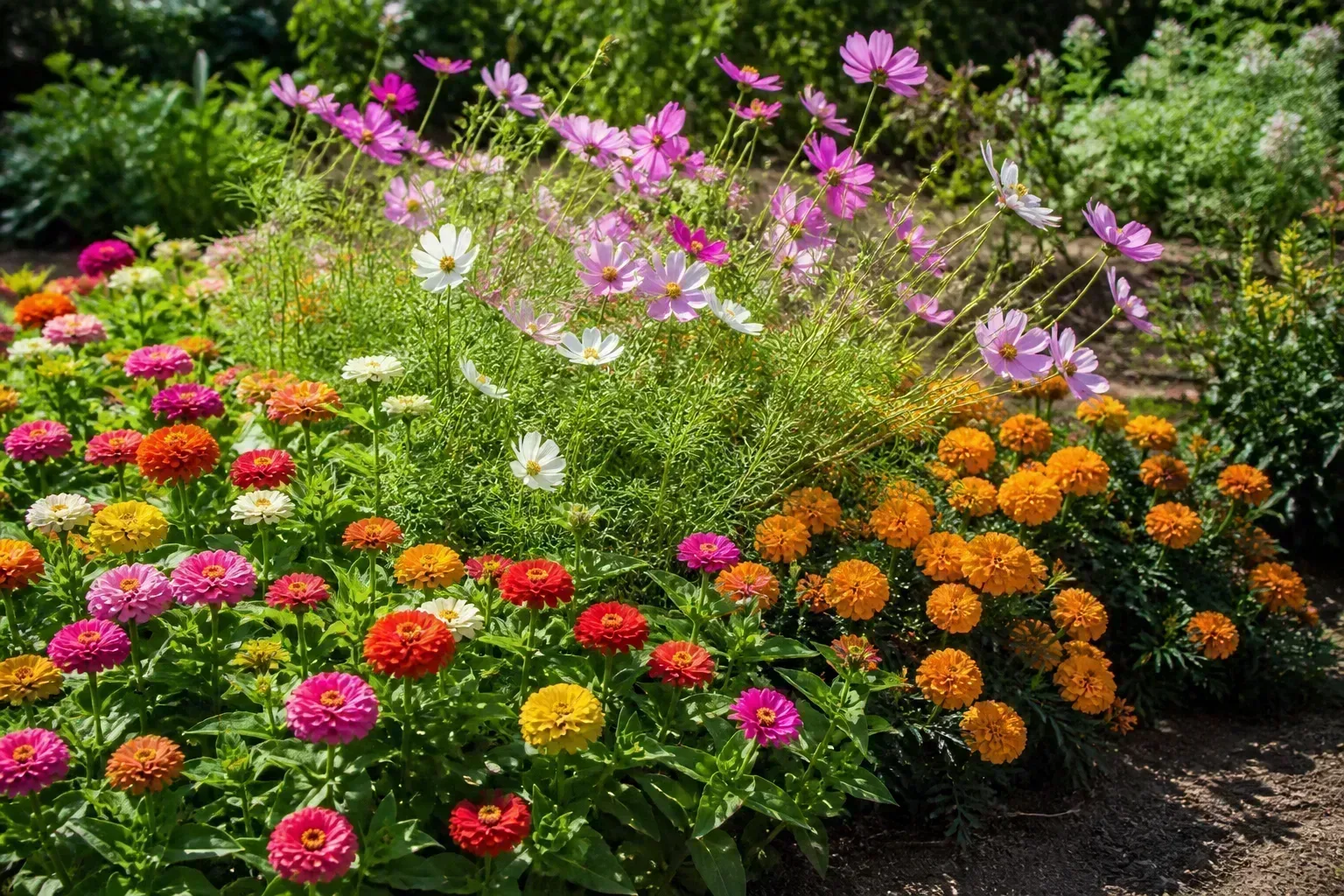
Low-input containers start with drainage and soil volume: one large pot beats three tiny ones that dry out by noon. Use quality potting mix—not garden soil—and refresh or amend spent mix instead of repeating the same exhausted medium every year (our potting soil reuse guide). Choose plants rated for your sun and wind exposure; in hot climates that often means drought-tolerant succulents, herbs, or native grasses instead of moisture-hungry tropical foliage.
How to design containers that survive without daily fuss
Build around one thriller, one filler, one spiller only if all three share the same water needs. Group succulents separately from ferns. In shade, lean on foliage texture; in sun, use proven performers from our spring container plant list. Self-watering reservoirs help on vacation weeks but do not replace plant choice— they only extend the interval between drinks.
If your containers need irrigation lines, drip emitters, and soluble feed every week to look presentable, that is a signal the plant palette is fighting your climate, not that you lack dedication.
Rule 3 — Do not pour fertilizer into the planting hole
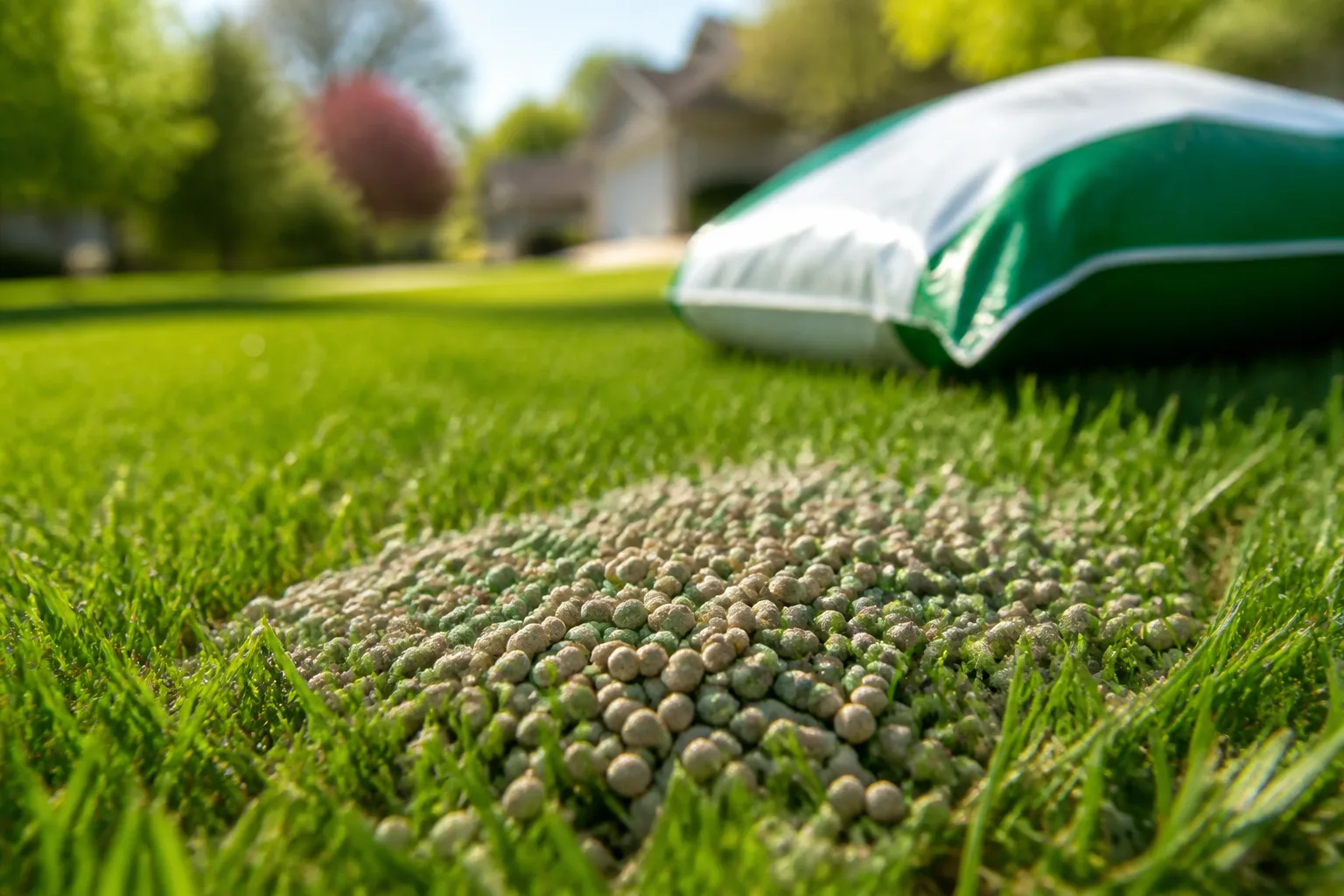
The “extra food at the roots” instinct is understandable and often harmful. Concentrated fertilizer in the planting hole puts high-salt chemistry against young roots before they have spread. NC State Extension notes that quick-release synthetic fertilizers are highly soluble salts; excessive applications can burn or kill young roots (NC State tree and shrub fertilization guide).
Hole amendments also create a “bathtub” root zone: roots circle in the enriched pocket instead of exploring native soil. WSU’s Linda Chalker-Scott, cited by the University of Washington Miller Library, advises backfilling with native soil only—no compost or fertilizer in the hole—so roots grow outward into the surrounding profile (UW planting hole procedures). Bone meal in the hole is similarly discouraged for most plantings; phosphorus moves slowly and excess can lock up micronutrients when soil already tests high.
Better feeding after you backfill
At planting: focus on correct depth, wide hole, and water—not a nutrient bomb. The hole should be only as deep as the root ball but two to three times wider, encouraging lateral root spread into undisturbed soil. Water deeply at planting and through the first dry spells; drought stress masquerades as fertilizer deficiency more often than new gardeners expect.
After establishment: soil-test first. NC State Extension warns that indiscriminate feeding can worsen problems when fertility is not the limiting factor—yellow leaves may signal compaction, poor drainage, wrong pH, or root damage instead of hunger. If tests show a need, broadcast or top-dress slow-release fertilizer over the root zone and water in lightly, or use compost as a surface feeding mulch that soil life incorporates over time. Spread from just inside the dripline to a few feet beyond the canopy edge on trees, not in a tight ring against the trunk.
For trees and shrubs, think years, not weekends: slow-release products match long-lived woody roots better than quick hits in a single hole. Yellow leaves and stunted growth may mean compaction, drought, or pH—not hunger. Fix the real bottleneck before you feed.
Rule 4 — Stop treating every weed like a crisis
A weed is simply a plant out of place. Some out-of-place plants are invasives that deserve zero tolerance. Others are soil healers—dandelions with deep taproots, clover fixing nitrogen, chickweed protecting bare ground until you plant something else.
Blanket herbicide saves time until it does not: it kills the clover bees were using, leaves dead thatch, and pushes you into a repeat spray cycle on hardscape cracks and bed edges. Regenerative practitioners increasingly use chemicals selectively on aggressive invasives while hand-pulling or smothering manageable volunteers.
A weed triage framework gardeners actually use
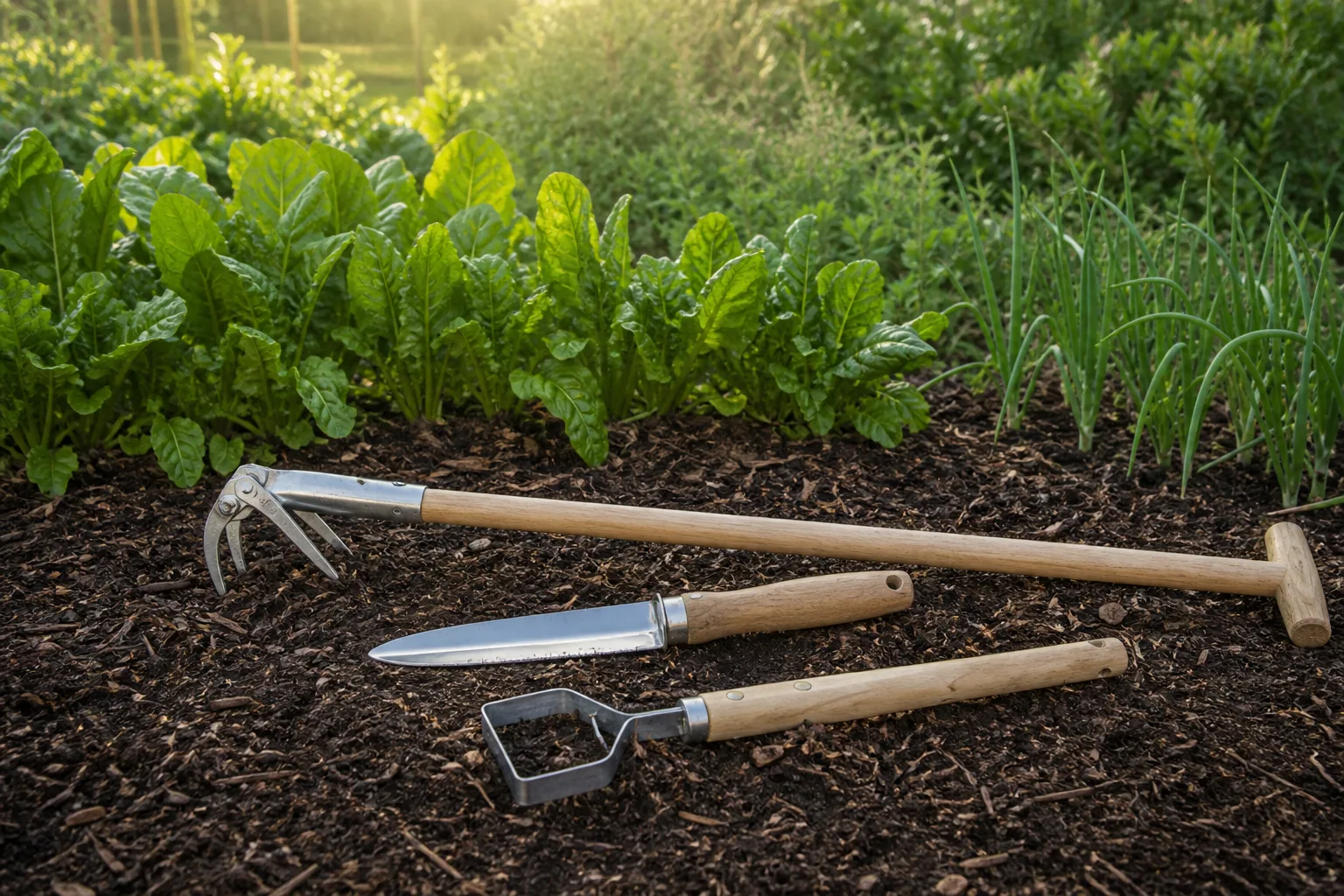
Sort what you see into three buckets:
Tier 1 — Remove immediately: bindweed, mugwort, nutsedge, invasive honeysuckle seedlings, poison ivy, and anything going to seed that you cannot tolerate. Cut, dig, or spot-treat; do not compost seedheads.
Tier 2 — Manage, do not panic: lawn weeds in turf you actively use; volunteers in empty beds you plan to plant soon. Mow, hoe, or solarize before they set seed.
Tier 3 — Tolerate strategically: low growers in orchard rows, clover in lawns you are de-emphasizing, and pioneers on disturbed soil while perennials establish.
Mulch, dense planting, and correct spacing prevent more weeds than any bottle. When you must spray, read the label, protect desirable plants, and treat on calm days—chemicals are tools for Tier 1, not a default lawn perfume.
Rule 5 — Irrigation is not the fix for the wrong plants
Automatic sprinklers are not evil. They save food gardens and new lawns during establishment. The outdated idea is installing irrigation to rescue a landscape full of plants that never belonged in your rainfall budget.
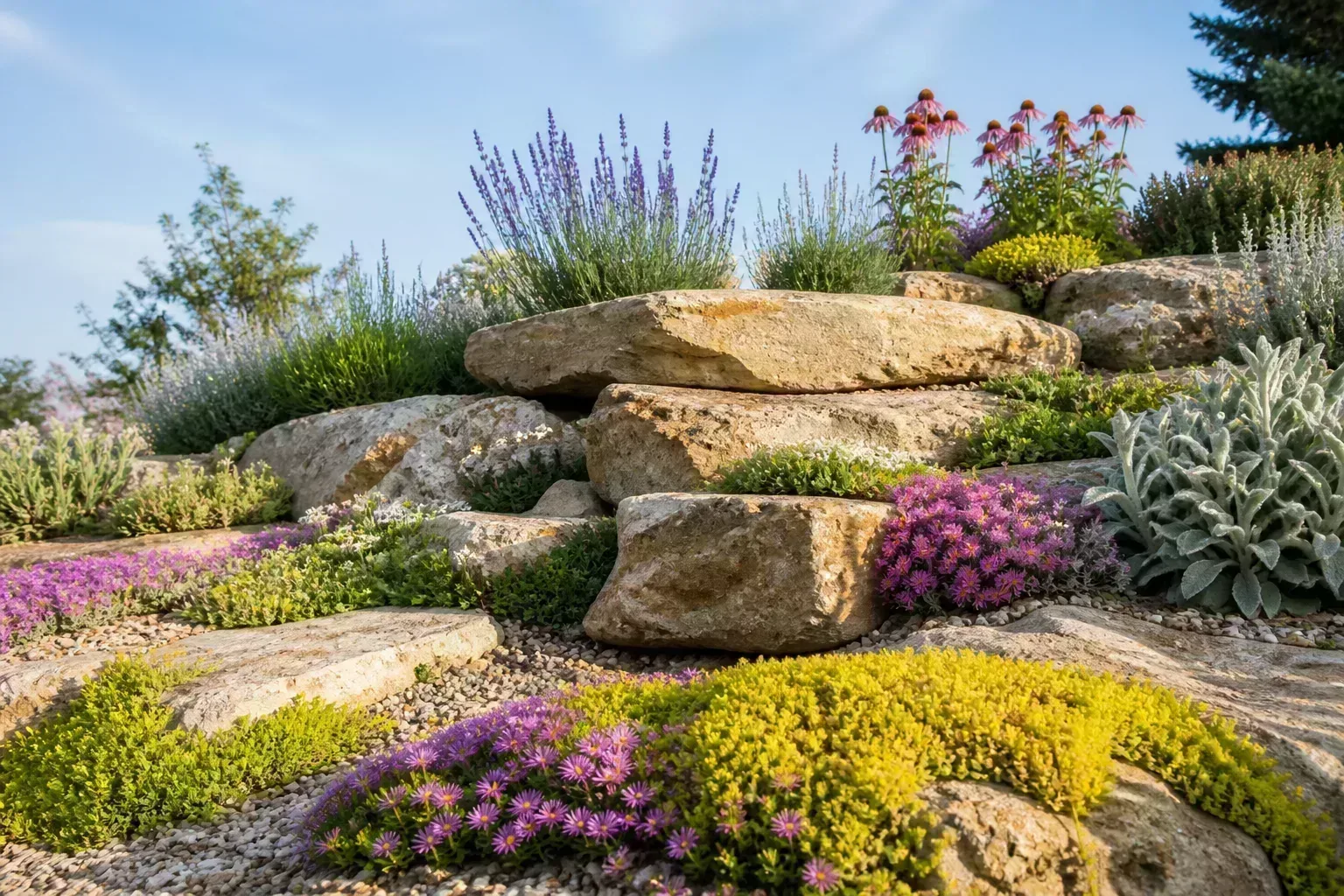
If every bed needs daily spray to survive summer, the design is telling you something: swap species before you swap pipe. Native and regionally adapted plants, once established, often need far less supplemental water than imported ornamentals or cool-season turf in hot-summer climates. Our low-maintenance front yard landscaping guide shows how native hedges, grasses, and groundcovers reduce that dependency.
Water-smart planting beats endless sprinklers
Use this sequence:
- Group plants by water need—hydrozones—so you are not drowning succulents to keep thirsty impatiens alive. Put high-water vegetables and containers on one valve or hose circuit; place established natives, ornamental grasses, and Mediterranean herbs on another that you run less often.
- Irrigate for establishment the first one to two seasons, then taper as roots deepen. New trees and shrubs often need weekly deep soaking their first summer even when the species is drought-tolerant at maturity—plan for that window instead of assuming “native” means “never water.”
- Prefer drip or soaker lines where overhead spray encourages foliar disease and runoff. Overhead sprinklers that hit foliage every evening leave roses, tomatoes, and dense hedges vulnerable to mildew and blight.
- Harvest rain where legal: barrels for containers, swales for trees, mulch to hold what falls. Even a downspout diverter into a bed reduces municipal water use during dry stretches.
EPA notes that agricultural and landscape nutrient runoff is a major water-quality issue when fertilizers and irrigation move chemicals off-site (EPA nutrient pollution sources). Matching plants to climate reduces both water bills and downstream pollution. Keep irrigation for vegetable gardens, new plantings, and containers—not as permanent life support for mismatched exotics. If you are redesigning a bed, our low-maintenance front yard landscaping guide shows how native hedges and groundcovers shrink the watered footprint without sacrificing curb appeal.
Rule 6 — Cut the reflex reach for synthetic chemicals
Convenience bred habit: blue crystals for green lawns, blanket pre-emergent every spring, foliar feeds whenever growth looks off. NC State Extension is blunt that overfertilizing nitrogen can reduce flowering, produce weak succulent growth, and attract sap-sucking pests (NC State fertilization guide). Unused nitrogen and phosphorus can leach or run off, contributing to nutrient pollution in waterways.
Herbicides and pesticides have their place—poison ivy, aggressive invasives, and certain crop pests are legitimate targets. The outdated part is using them as the first and only move.
Practical organic replacements that scale
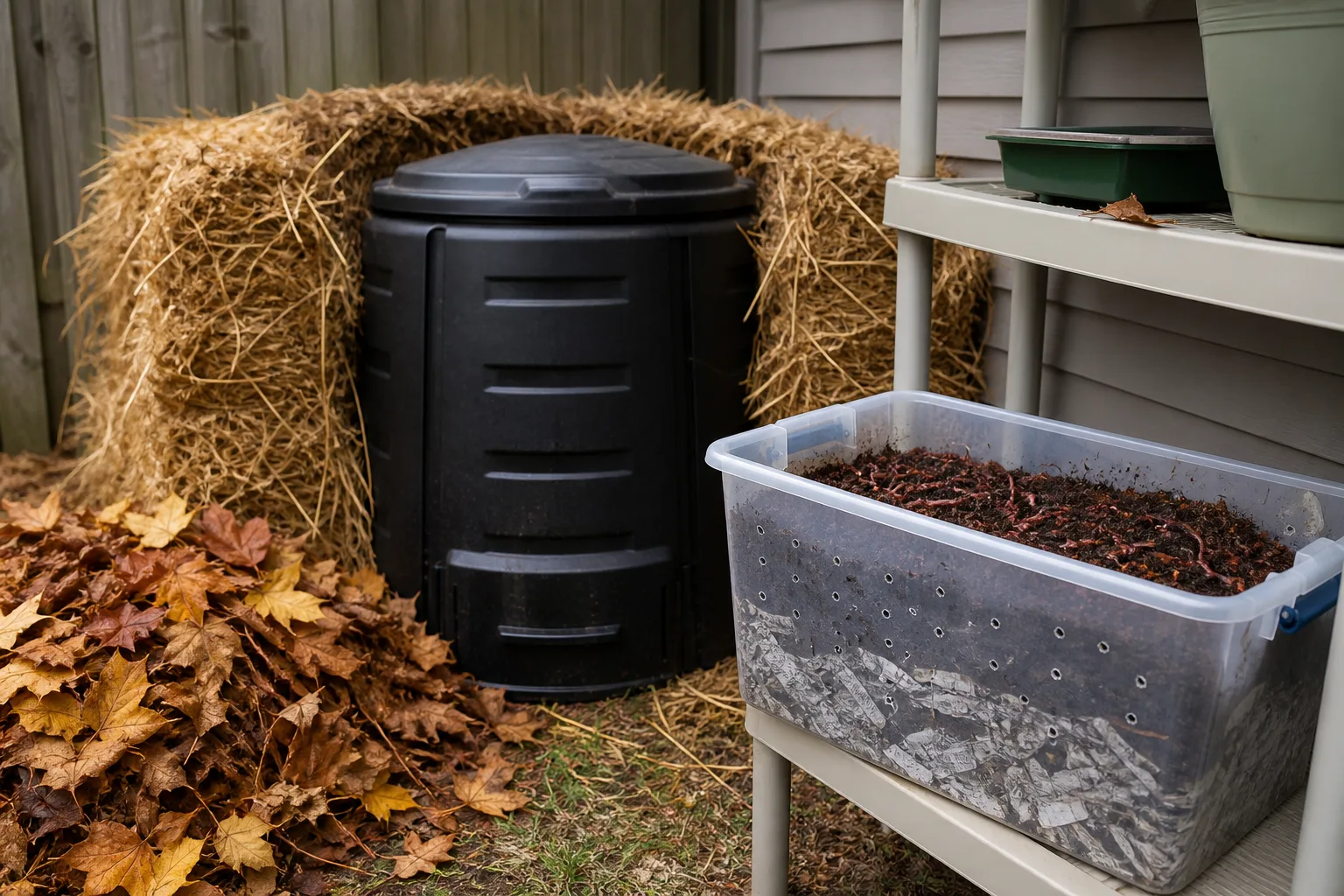
Feed the soil, not just the plant: compost, shredded leaves, and aged manure build structure and slow fertility. Oregon DEQ notes organic amendments improve drainage, water retention, and weed suppression when used as surface mulch (Oregon DEQ composting guidance).
Grow a living mulch: cover crops, clover pathways, and dense perennial plantings shade weed seeds.
Accept some imperfection: a few aphids often bring lady beetles; sterile perfection is expensive.
Spot-treat when needed: vinegar on patio weeds, horticultural oil on scale, iron-based products only where labels allow—instead of broadcast applications “just in case.”
Support pollinators while you transition: our pollinator yard guide helps you keep flowers and habitat online while you reduce sprays that hit blooming weeds and nectar plants.
If hydrophobic potting mix or bare soil is part of the problem, fix water penetration before you pile on more soluble feed (hydrophobic soil fixes).
How to phase out old habits without wrecking your yard
Big reversals fail. Incremental change sticks—and neighbors, HOAs, and turf areas may need a slower transition than a full meadow overnight.
This fall: leave one bed’s leaves in place; shred lawn leaves or mow-in-place once; identify one invasive to remove by hand instead of spraying the whole border. If your front lawn must stay tidy, concentrate “leave the leaves” energy on side yards, tree rings, and vegetable beds where mats will not smother turf.
Next spring: delay perennial cutback until consistent warm days; top-dress one hungry shrub with compost instead of hole fertilizer on the next planting; replace one high-water container with a drought-tolerant mix from our spring container plant list. Note which spots stayed wet or dry through winter—those observations guide next year’s plant swaps better than any generic zone chart.
This year: soil-test before buying fertilizer; map one hydrozone and adjust watering; keep herbicide for Tier 1 weeds only. Photograph a “before” bed in October and the same view in May after lighter cleanup—you may see more pollinator activity without extra work.
Ongoing: plant one native or adapted species where you previously fought the climate; compost kitchen and garden waste to close the nutrient loop. Share extra shredded leaves with neighbors who still bag them—you get mulch, they save landfill trips.
You do not need a wild mess to be modern. You need rules that match how plants, soil, and wildlife actually work in your yard—not how a perfect catalog photo looked in another zone.
Conclusion
The six old rules—bag every leaf, max out containers, fertilize the hole, kill every weed, irrigate the wrong plants forever, and chemical everything—made sense in a different gardening era. Retiring them does not mean abandoning standards. It means spending effort where it pays off: habitat and soil in fall, smart plant choice in containers and beds, soil-tested feeding after planting, weed triage, climate-matched watering, and chemicals only when precision demands it.
Pick one rule to break this season. Measure what improves—less water, fewer bags, more bees in spring—and build from there. The best yard on the block is not the cleanest; it is the one that stays healthy with less panic.



