28 Best Spiller Plants for Container Gardens
Compare 28 trailing spiller plants for containers by sun, water, and growth habit—plus placement rules and ready-made thriller-filler-spiller combos.
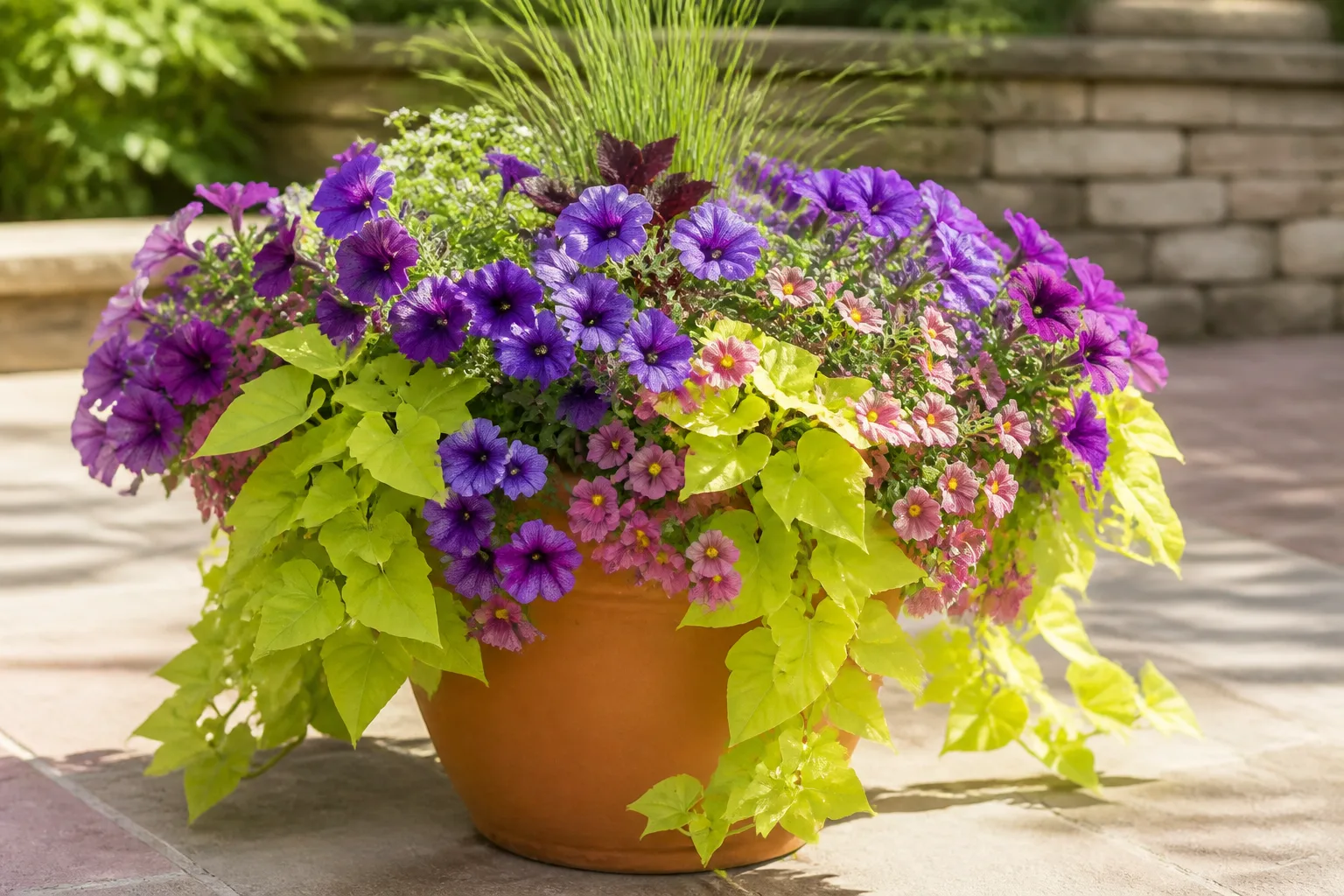
A container looks unfinished when every plant stops at the rim. Spiller plants solve that by trailing over the edge, softening the pot lip, and drawing the eye downward so the arrangement feels deliberate instead of stacked. The best spillers are not simply “plants that hang”—they are trailers matched to your light, your pot volume, and how much deadheading or renewal pruning you will realistically do in July.
This guide covers 28 proven spiller plants for containers and hanging baskets, grouped by how they perform rather than alphabetically. You will also get placement rules, ready-made combinations, and honest notes on which trailers bully their pot mates or quit blooming in heat. For summer maintenance once plants are in place, pair this list with our spiller plant care guide.
What a Spiller Plant Does in a Container Design
In professional container design, spillers are the third leg of the thriller-filler-spiller formula: a tall focal plant (thriller), mid-height plants that bulk out the center (fillers), and trailing plants placed at the rim (spillers) (Proven Winners container design guidance). Spillers create movement. They hide plastic pot edges, balance a vertical thriller, and make small patios feel layered instead of flat.
A spiller can be a heavy bloomer like calibrachoa, a foliage cascade like sweet potato vine, or a fine-textured mat like creeping zinnia. What matters is habit: stems that lengthen downward or outward past the container wall without needing a trellis as their primary job—though a few vines listed here will happily weave through neighbors if you let them.
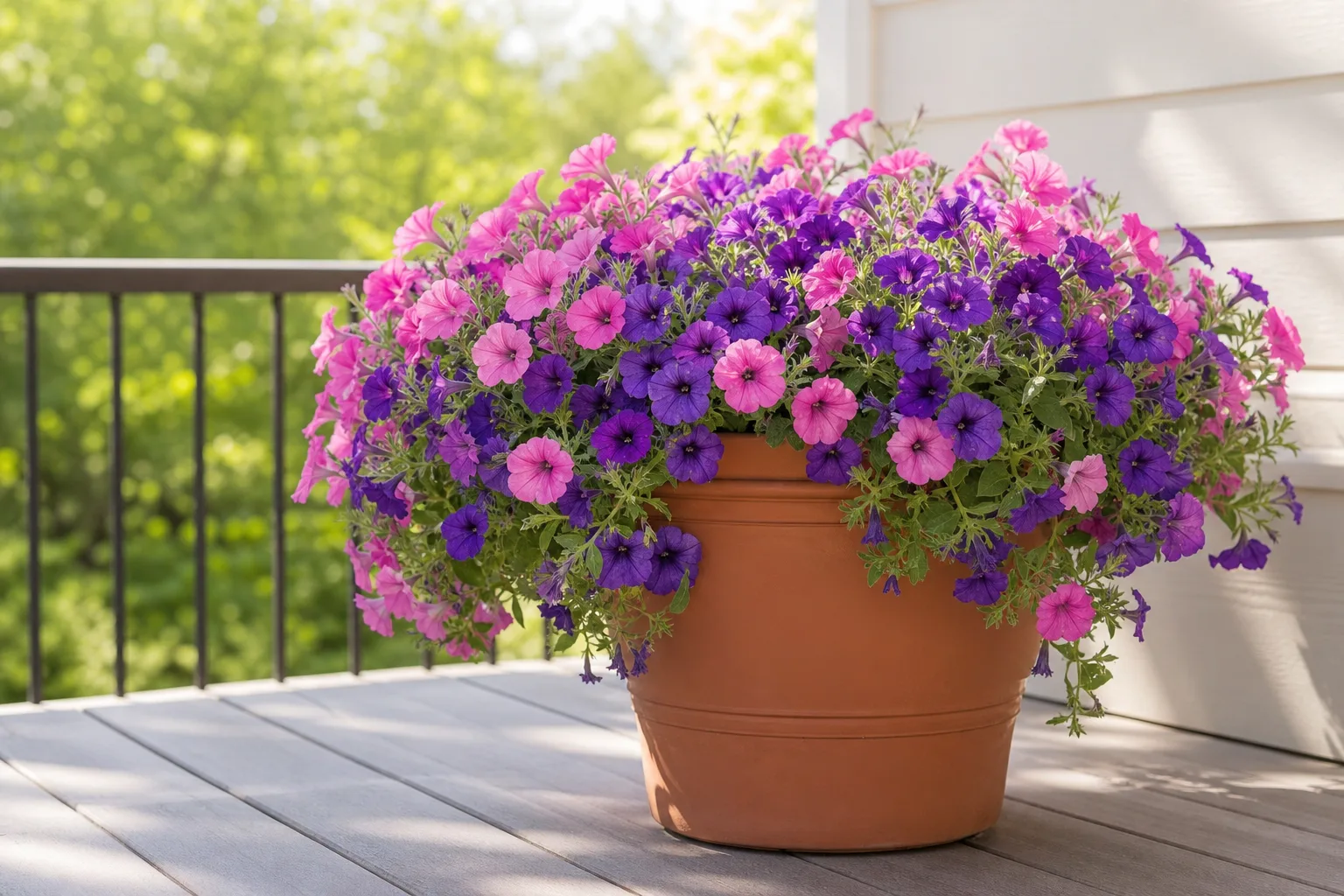
How Spillers Differ From Fillers and Thrillers
Thrillers add height and drama—grasses, dracaena spikes, tall coleus, or an upright geranium in the center or back of the pot. Fillers are mounded or bushy plants that occupy the middle zone between thriller and rim—euphorbia, osteospermum, or compact begonias. Spillers sit at the edge, roots tucked just inside the wall, stems aimed over the side.
If you plant a mounded verbena in the middle, it is acting as a filler. Tuck the same verbena with stems pointing outward at the rim and it becomes a spiller. Viewing angle matters too: spillers go on all sides of a pot seen from every direction, and along the front of a pot against a wall (Proven Winners container design guidance).
How to Choose the Right Spiller Before You Shop
Match Sun, Heat, and Moisture to the Site
Most flowering spillers—petunias, calibrachoa, bidens, scaevola—want at least six hours of direct sun and a large soil reservoir. Shade-tolerant trailers like fuchsia, wax begonia, and lobelia prefer bright indirect light or morning sun with relief from hot afternoon walls. Foliage spillers split the difference: chartreuse sweet potato vine colors up with sun but tolerates partial shade; silver licorice plant and plectranthus often prefer sun with consistent moisture.
Heat changes the list fast. Lobelia commonly pauses bloom when nights stay warm; alyssum stretches and thins in midsummer heat. Bidens, vinca, and narrowleaf zinnia are safer bets on blazing patios. Wind dries hanging baskets before floor pots—match aggressive trailers only when you can check water every one to two days in summer.
Count Plants and Leave Room at the Rim
University of Georgia Extension notes that small pots restrict roots and force constant watering, while containers holding several gallons of mix produce fuller top growth and more flowers (UGA Extension Circular 787). For a mixed thriller-filler-spiller combo in a 12- to 14-inch pot, plan one to three spillers depending on vigor—one sweet potato vine can dominate, while three calibrachoa plugs may be right for a basket.
Plant spillers last, after thriller and fillers, with the root ball just inside the rim so stems can drape immediately. Leave about two inches of headspace below the rim for water to soak in without washing soil over the edge (UGA Extension Circular 787). Wet each root ball before planting and firm mix gently—never pack it tight.
Full-Sun Flowering Spillers That Bloom All Season
These are the workhorses for south-facing patios, mailbox planters, and hanging baskets in full sun. They reward regular feeding and deep watering; shallow daily sprinkles usually mean the pot is too small, not that the plant is inherently thirsty.
Wave Petunias, Calibrachoa, and Ivy Geranium
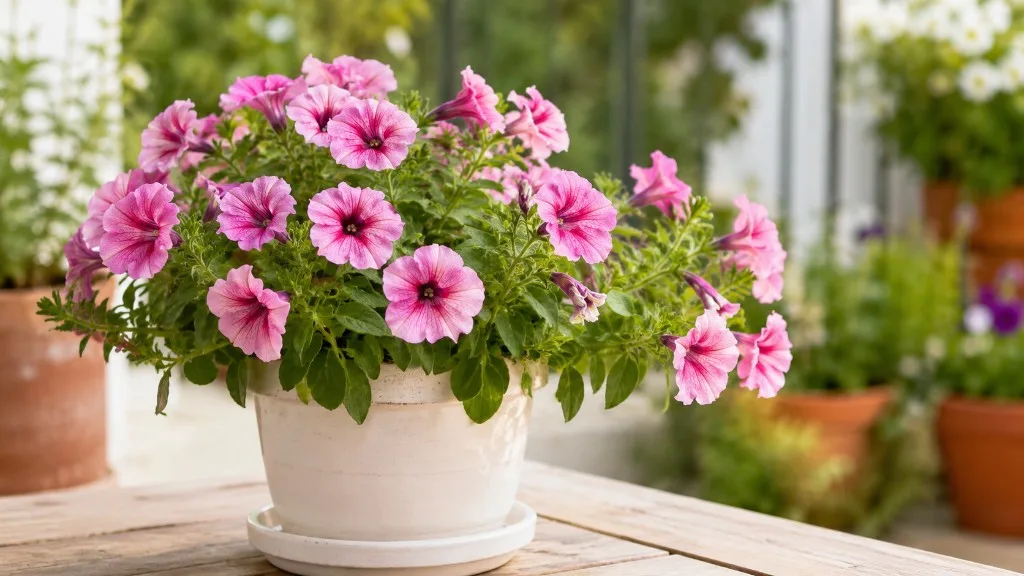
Wave petunias (Petunia × hybrida) spread down and out with minimal deadheading compared with old grandiflora types. They handle heat well when given volume and air movement. For feeding and renewal cuts when stems go stringy, see our petunia care guide.
Calibrachoa (Million Bells) offers smaller flowers in heavy quantity on fine trailing stems. It is self-cleaning on many modern series and excels in baskets. Watch for iron chlorosis in alkaline water—yellowing leaves with green veins often signals pH or micronutrient issues rather than simple thirst.
Ivy geranium (Pelargonium peltatum) trails with smaller blooms than zonal types but tolerates heat and short dry spells better than many true geraniums. Place it where air circulates; crowded wet foliage invites disease on humid nights.
Bidens, Verbena, Fan Flower, and Madagascar Periwinkle
Bidens (Bidens ferulifolia) produces small daisy flowers in yellow, white, and newer orange or pink tones. It is genuinely heat- and drought-tolerant once established—an easy spiller for beginners who forget a watering now and then.
Verbena (Verbena peruviana and trailing hybrids) blooms profusely in the first season but can be short-lived because it spends so much energy flowering. Treat it as a seasonal star, not a multi-year investment in a pot.
Fan flower (Scaevola) carries unusual half-circle blooms in lavender-blue or white and blends with almost any filler color. It forgives intermittent drying better than lobelia.
Madagascar periwinkle (Catharanthus roseus, often labeled annual vinca) is not the ground-hugging Vinca minor of shade gardens. This sun-loving annual trails from elevated containers and blooms steadily in heat—ideal for railing boxes in hot climates.
Cool-Season and Shade-Tolerant Spillers
Lobelia, Fuchsia, Begonia, and Sweet Alyssum
Lobelia (Lobelia erinus trailing types) delivers one of the truest blues in containers. It prefers cool weather and even moisture; expect bloom to slow in midsummer heat unless you provide afternoon shade and never let it go bone-dry. A hard trim and light feed often restart flowering when nights cool.
Fuchsia wants bright shade or morning sun and humid air without soggy roots—perfect for covered porches. Its pendant flowers are built for spiller placement where you look slightly up into the blooms.
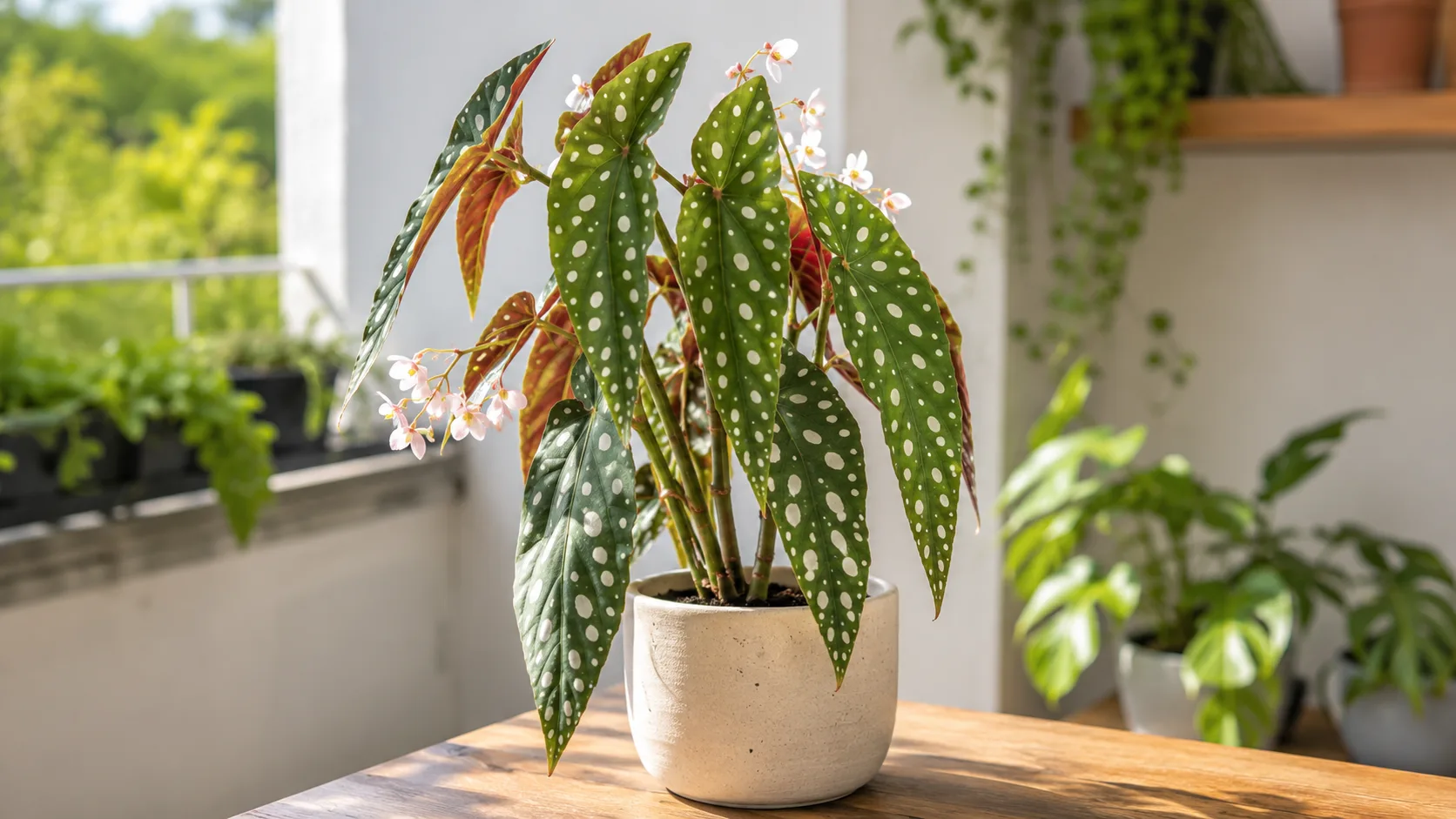
Wax and dragon-wing begonias trail gently from shade containers and deliver steady color with little deadheading. They are among the best spillers for north-facing entries and tree-canopied patios.
Sweet alyssum (Lobularia maritima) flows over rims in a tidy froth with honey scent. It shines in spring and fall; in hot summers it may stretch—shear lightly to refresh. It is more a soft edger than a long dramatic cascade.
For a shorter list focused purely on hanging-basket flowers, see our cascading flowers for container gardens guide.
Foliage-First Spillers for Texture and Contrast
Flowers are not required for a finished pot. Foliage spillers carry color when bloomers pause and add contrast against bold fillers.
Sweet Potato Vine, Licorice Plant, and Silver Spurflower
Sweet potato vine (Ipomoea batatas) is the fastest common spiller—chartreuse, bronze, or near-black leaves on stems that can engulf a combo if you do not edit. It grows an edible tuber by fall, though ornamental strains are bred for leaf color, not flavor. One plant is often enough per 14-inch pot.
Licorice plant (Helichrysum petiolare) offers felted gray or variegated leaves on stems that rise then tumble. It is drought-tolerant once rooted and pairs beautifully with hot pink or magenta flowers.
Silver spurflower (Plectranthus argentatus) brings satin gray foliage that lights up shade combos. It grows upright until weight pulls it over the rim—pinch early if you want denser branching.
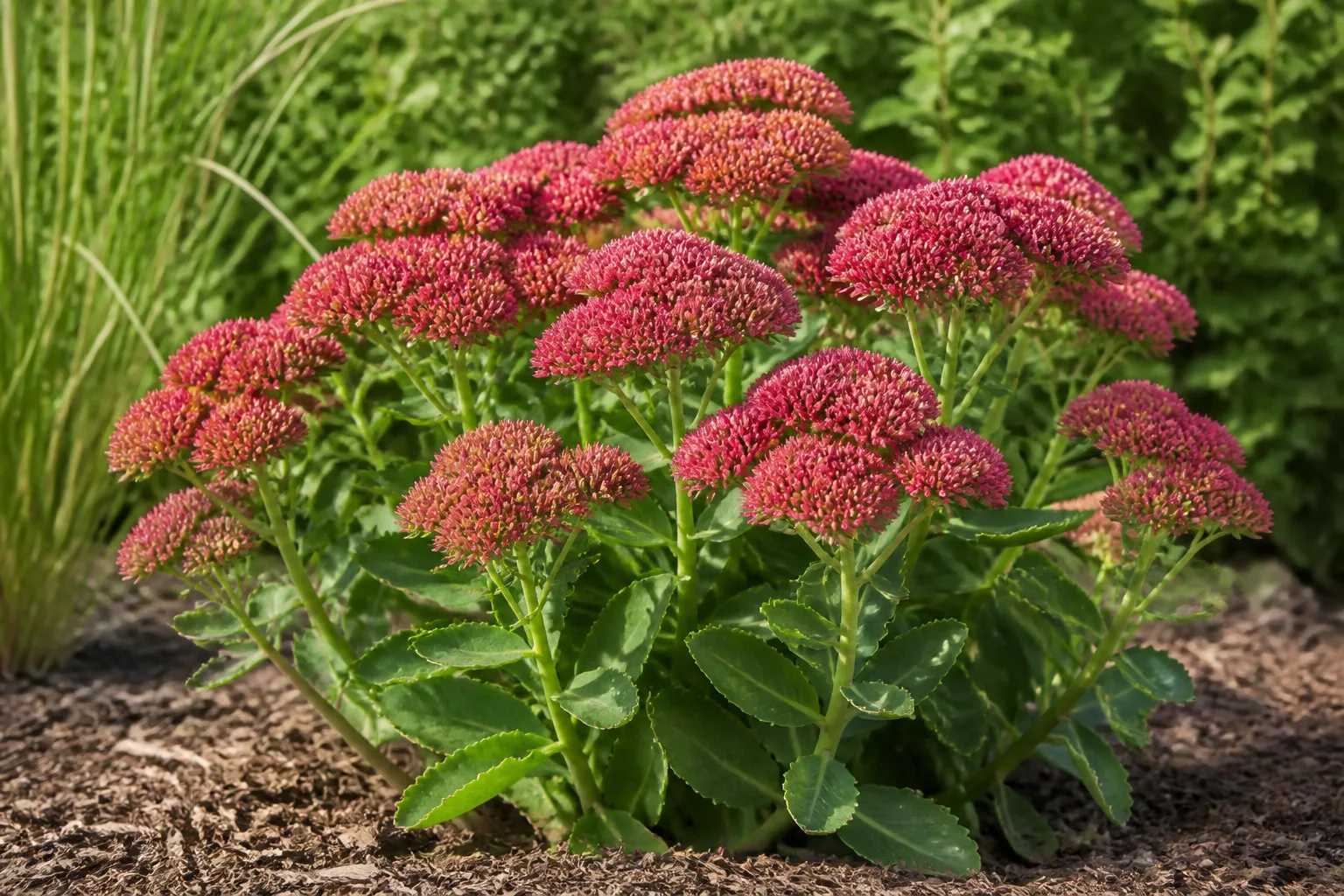
Also consider Joseph’s coat (Alternanthera) for burgundy or chartreuse leaves, creeping Jenny (Lysimachia nummularia) for neon chartreuse mats, and stonecrop (Sedum trailing types) for sun-loving succulent texture. Creeping Jenny is gorgeous in pots but can escape into lawns where it is invasive—trim runners and avoid placing pots directly on soil if spread is a concern.
Fast Vines, Mat Formers, and Aggressive Trailers
Some spillers behave like weaving vines rather than passive drapers. Black-eyed Susan vine (Thunbergia alata), cup and saucer vine (Cobaea scandens), trailing snapdragon (Asarina), and glory flower (Eccremocarpus scaber) will thread through fillers and climb neighboring stems. Use them when you want a relaxed, intertwined look—or prune weekly for neat edges.
Creeping zinnia (Sanvitalia procumbens) and narrowleaf zinnia (Zinnia angustifolia) form dense mats that spill as they spread—excellent for rim coverage with yellow or orange daisy flowers and good heat tolerance on the narrowleaf types.
Blue star creeper (Isotoma fluviatilis, sometimes sold under older Laurentia names) creates a fine green mat with tiny star flowers—lovely between stepping stones and equally effective softening a pot lip in cool-summer climates.
Swan River daisy (Brachyscome) adds lacy foliage with small daisy blooms; it can go slightly leggy but recovers with light shearing.
Edible and Dual-Purpose Spillers
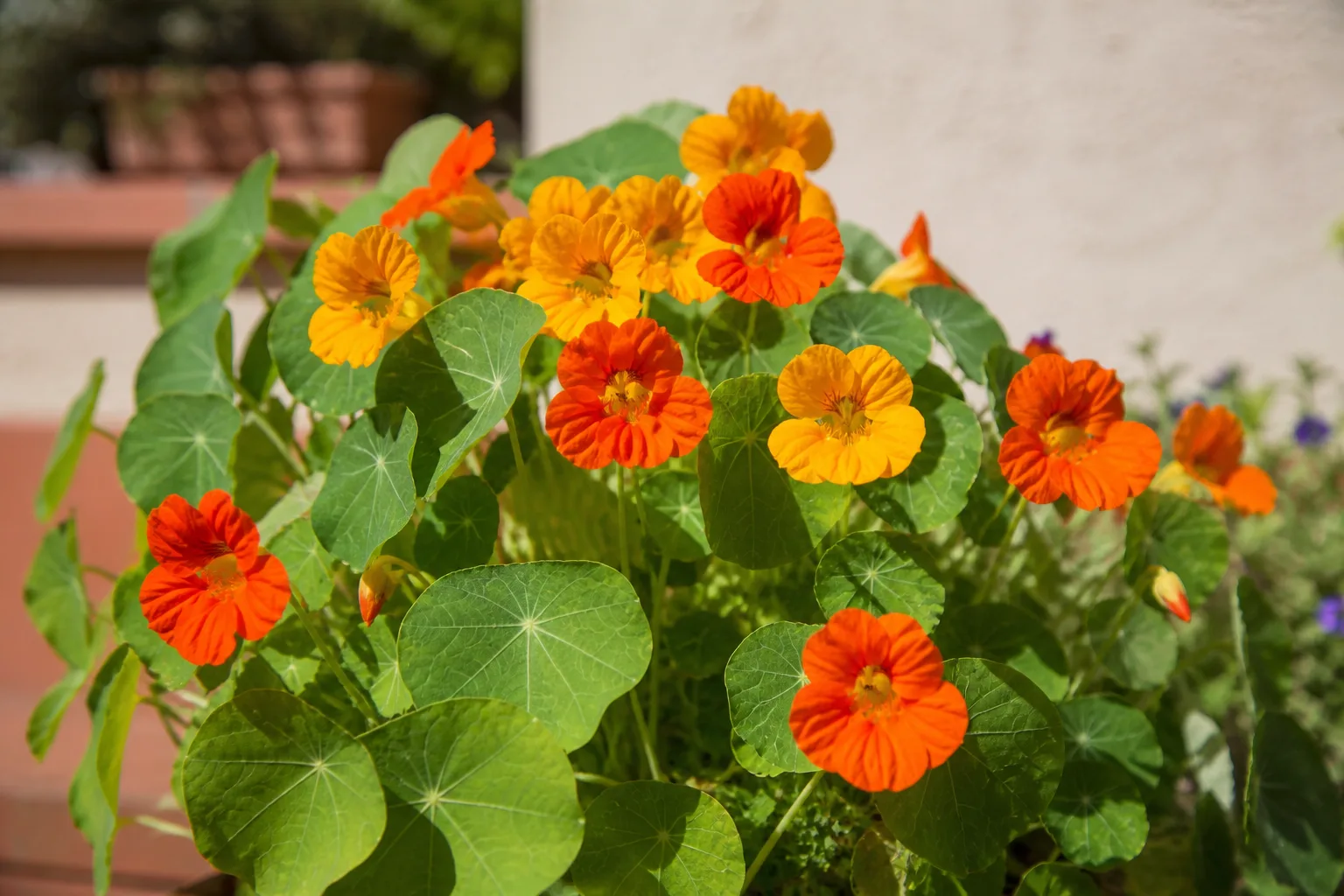
Nasturtium (Tropaeolum) trails enthusiastically with lily-pad leaves and peppery edible flowers. It prefers cooler shoulder seasons; in hot summers keep soil evenly moist and accept some pause in bloom. Leaves and seeds are edible too—stunning on a patio salad.
Sweet potato vine already mentioned produces tubers you can eat, though taste is bland compared with culinary varieties. Nasturtium and herbal spillers like trailing thyme (not in the core 28 but a common substitute) make kitchen-door containers do double duty.
Complete Spiller Plant Reference: All 28 Picks
Use this table-style reference when you know your site conditions and need a fast yes/no. All are treated as annuals in cold climates unless noted.
| Plant | Best light | Water habit | USDA zones (typical) | Spiller notes |
|---|---|---|---|---|
| Licorice plant (Helichrysum petiolare) | Full sun | Moderate; drought-tolerant when established | 9–11 | Felted gray foliage; heat and dry air tolerant |
| Joseph’s coat (Alternanthera) | Full sun | Even moisture | 10–11 | Colorful leaves; low fuss |
| Sweet alyssum (Lobularia maritima) | Sun to part sun | Steady moisture | 5–9 | Honey scent; cool-season star |
| Trailing snapdragon (Asarina) | Sun to part shade | Regular water | 9–10 | Climbing habit; weave or prune |
| Bidens (Bidens ferulifolia) | Full sun | Drought-tolerant once rooted | 8–11 | Heat hero; daisy blooms |
| Blue star creeper (Isotoma fluviatilis) | Sun to part sun | Regular moisture | 6–8 | Fine mat; starry blue flowers |
| Swan River daisy (Brachyscome) | Full sun | Weekly water | 9–11 | Lacy foliage; shear if leggy |
| Calibrachoa (Million Bells) | Full sun | Regular; avoid prolonged dry | 9–11 | Self-cleaning; basket classic |
| Cup and saucer vine (Cobaea) | Full sun | Even moisture | 9–11 | Vigorous vine; plan space |
| Creeping zinnia (Sanvitalia) | Sun to part sun | Medium moisture | 2–11 | Dense yellow mat |
| Glory flower (Eccremocarpus) | Sun to part shade | Moderate | 8–10 | Tubular tri-color blooms |
| Annual candytuft (Iberis) | Sun to part sun | Moderate | 3–9 | White cushion blooms; can overwinter mild zones |
| Sweet potato vine (Ipomoea batatas) | Full sun to part shade | Consistent moisture | 9–11 | Fast; one plant goes far |
| Ivy geranium (Pelargonium peltatum) | Full sun; light shade OK | Let dry slightly between | 9–11 | Heat-tolerant trailer |
| Lobelia (Lobelia erinus) | Sun to part shade | Even moisture | 10–11 | True blue; pauses in heat |
| Parrot’s beak (Lotus berthelotii) | Sun to part shade | Regular water | 10–11 | Silvery foliage; unusual flowers |
| Nasturtium (Tropaeolum) | Full sun | Weekly+; cooler seasons | 9–11 | Edible; mounding tumble |
| Silver spurflower (Plectranthus argentatus) | Sun to part shade | Weekly water | 8–11 | Shade brightener |
| Fan flower (Scaevola) | Sun to part shade | Occasional deep water | 10–11 | Heat-tolerant; fan blooms |
| Black-eyed Susan vine (Thunbergia) | Sun to part shade | Regular water | 10–11 | Twining; fills gaps fast |
| Verbena (Verbena peruviana) | Sun to part shade | Moderate | 8–11 | Heavy bloom; short-lived |
| Madagascar periwinkle (Catharanthus) | Full sun to part shade | Dry slightly between | 9–11 | Heat annual; not Vinca minor |
| Wave petunias (Petunia × hybrida) | Full sun | Regular deep water | 10–11 | Proven cascade; many colors |
| Narrowleaf zinnia (Zinnia angustifolia) | Full sun | Drought-tolerant | 3–10 | Mildew-resistant spreader |
| Creeping Jenny (Lysimachia nummularia) | Sun to part shade | Keep moist | 4–9 | Invasive in some regions; vivid chartreuse |
| Begonia (wax / dragon-wing) | Part shade | Moderate | 9–10 | Shade workhorse |
| Fuchsia | Bright shade | Moist, not soggy | 10–11 | Pendant blooms; porch favorite |
| Stonecrop (Sedum trailers) | Full sun | Drought-tolerant | 4–9 | Succulent spill; low water |
Ready-Made Thriller-Filler-Spiller Combinations
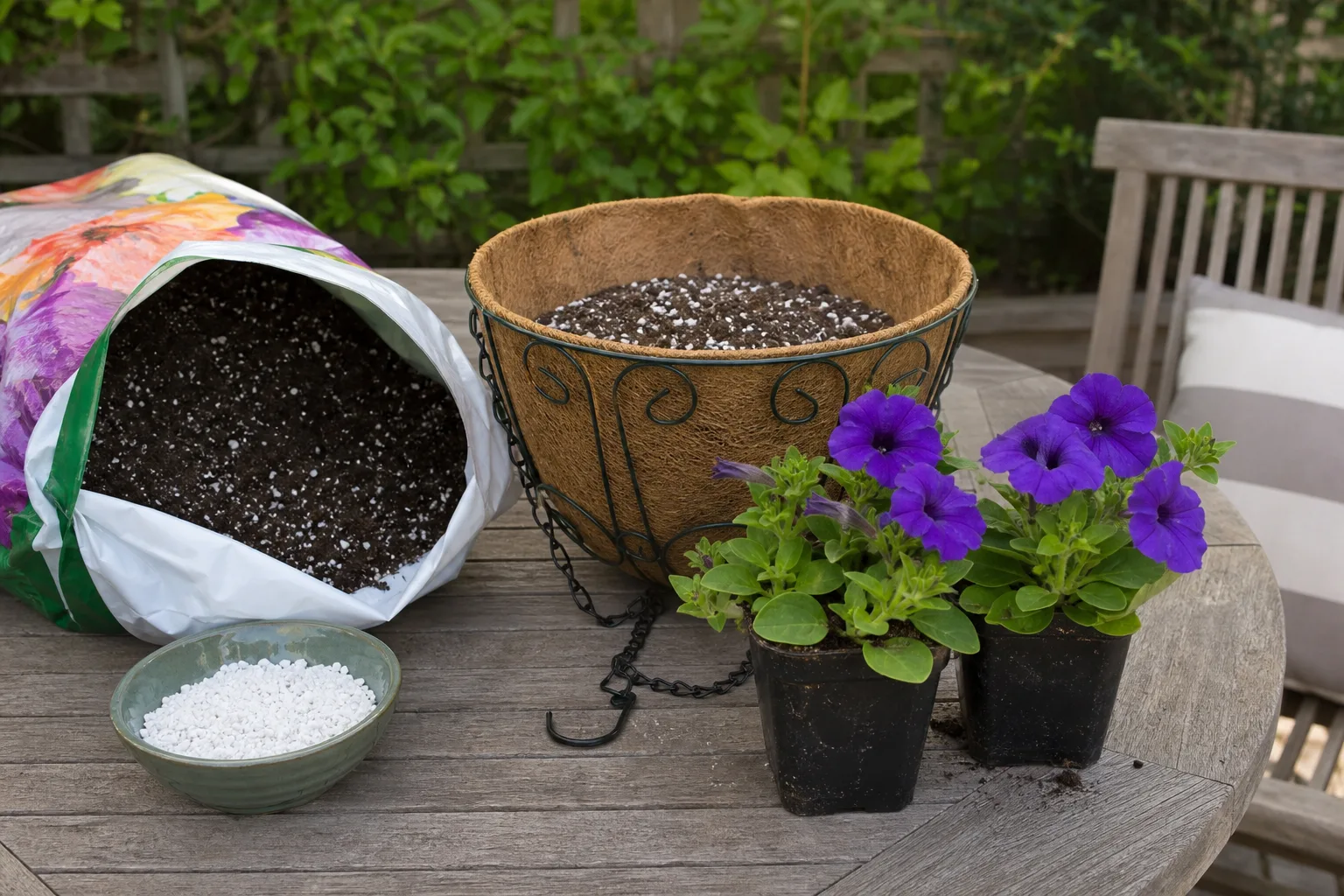
Proportions matter as much as plant names. In a 14-inch pot viewed from all sides, try these formulas (Epic Gardening thriller-filler-spiller guide):
Sunny front porch basket: One grass or purple fountain grass thriller in center; two fillers of lime nemesia or compact marigold; three calibrachoa spillers evenly spaced at the rim.
Hot patio floor pot: Dracaena spike or tall coleus thriller; lantana filler; single sweet potato vine spiller on the front side only if the pot sits against a wall—otherwise one on each facing side.
Shaded entry: Fuchsia or coleus thriller; wax begonia fillers; lobelia and silver plectranthus spillers on opposite sides for contrast.
Edible edge: Dwarf pepper thriller; basil and parsley fillers; nasturtium spiller trailing over the rim.
Rotate pots weekly if one side leans toward a wall so spillers stay even. Feed with diluted liquid fertilizer every two to three weeks after the first month, or use slow-release granules at planting (UGA Extension Circular 787).
Common Spiller Mistakes and Quick Fixes
Choosing bloomers for deep shade is the most common error—petunias and bidens will stretch and flower poorly. Swap in fuchsia, begonia, or plectranthus.
Overloading vigorous vines leaves no room for fillers. One sweet potato vine or black-eyed Susan vine per pot is often enough.
Planting spillers in the center prevents the cascade effect. Move trailers to the rim with stems oriented outward.
Ignoring pot volume causes daily wilt. Step up to a larger container or accept that small coco baskets need daily checks—see tricks for keeping container gardens blooming for mid-season renewal cuts.
Letting aggressive spillers touch open soil invites creeping Jenny or nasturtium to escape. Elevate pots on feet and trim runners before they root in the ground.
Conclusion
The best spiller plant for your container is the one that matches light, pot size, and your summer attention span—not necessarily the longest trailer at the garden center. Start with the rim: tuck one to three spillers at the edge after your thriller and fillers are in place, choose sun or shade lists accordingly, and edit fast growers before they smother the combo. With the 28 options above, you can build anything from a heat-proof patio basket to a shaded porch cascade that looks intentional on planting day and still drapes beautifully twelve weeks later.