Is Growing Your Own Vegetables Cheaper? A Cost Guide
Is growing your own vegetables cheaper? Use a simple cost-per-harvest test to compare seeds, soil, water, space, time, yield, and store prices.
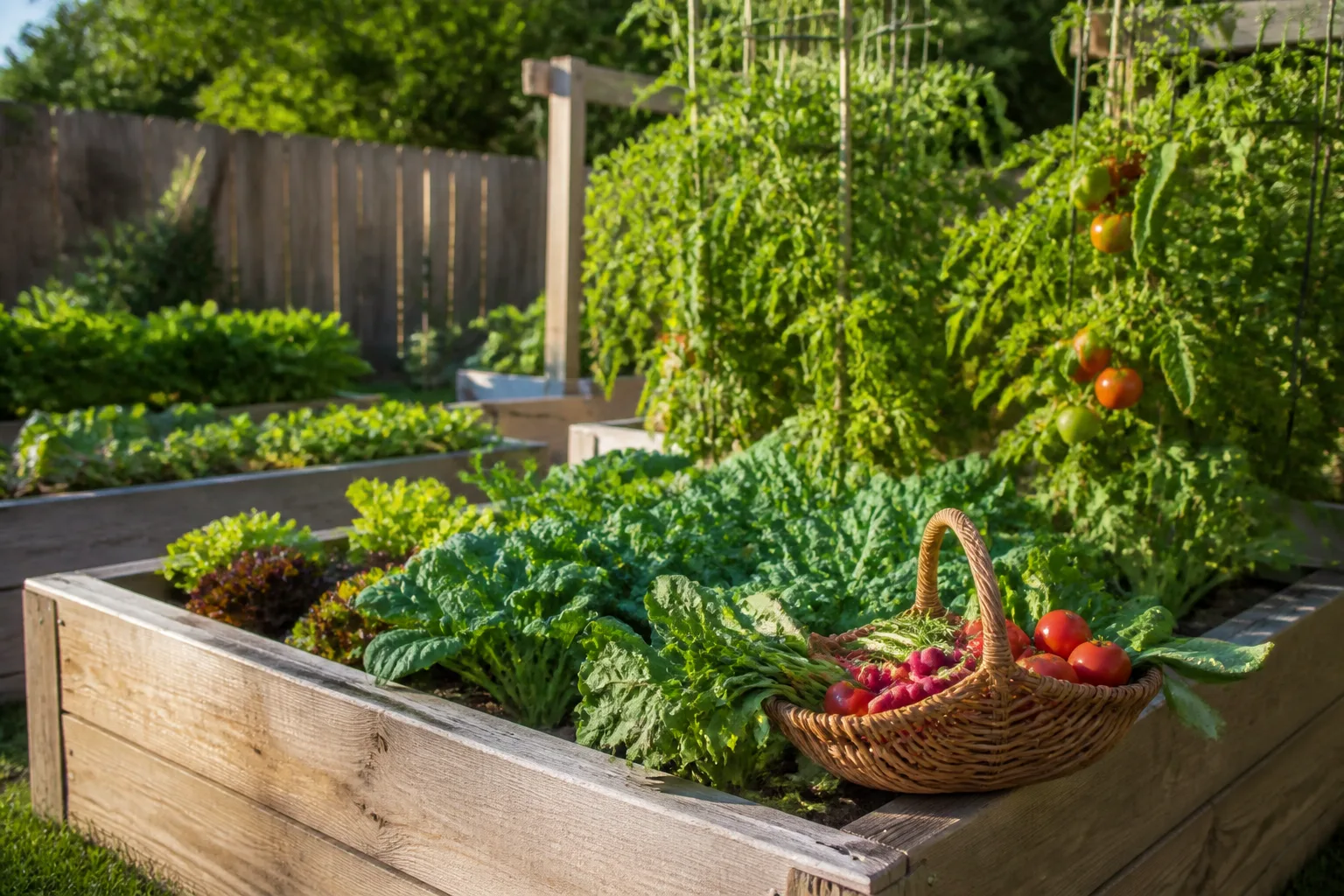
Growing your own vegetables can be cheaper than buying them, but the answer changes dramatically depending on whether you already have a sunny bed, what you grow, and how much of the harvest you actually use. A packet of seeds is only one line in the budget. Soil, containers, support, water, pest protection, failed starts, and the time between planting and a usable harvest all shape the real cost.
The fairest comparison is not “one seed versus one store vegetable.” It is the total cost of producing a usable amount of a specific crop compared with the price of buying that same amount. That approach also leaves room for the reasons people garden even when the arithmetic is close: better flavor, unusual varieties, freshness, and the satisfaction of producing food at home.
The Short Answer: It Depends on Your Starting Point
If you already have a productive bed, containers, tools, and compost, adding a few vegetables can be inexpensive. Your new cash cost may be limited to seeds, a little fertilizer or compost, and water. In that situation, leafy greens, radishes, and prolific or expensive specialty varieties have a good chance of beating the store price.
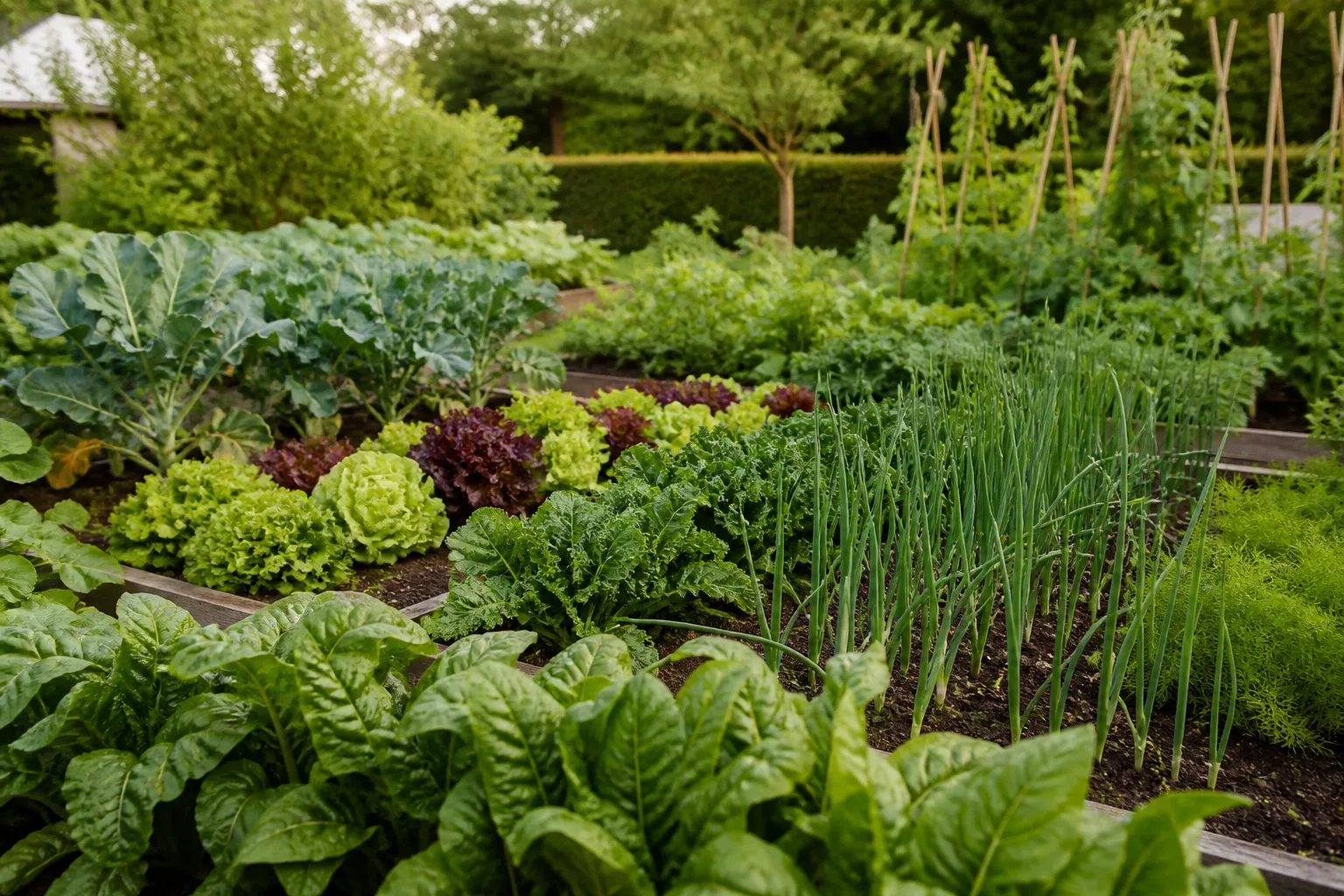
A first garden is different. A raised bed, quality soil, trellis, mulch, irrigation equipment, and fencing can cost much more than a single season of produce. In the local source interview, master gardener Adam Weiss estimated that a tomato could carry an effective first-season cost of roughly $45–$60 after adding a new raised bed, organic soil, trellising, and mulch. That is a useful warning about startup math—not a universal price for every tomato or garden. (Adam Weiss of Pike Lane Gardens)
There is a third answer: gardening may be financially neutral but still worthwhile. Homegrown vegetables can give you a variety that the grocery store does not stock, let you harvest only what you need, and turn a small space into a source of food and routine. Decide whether your goal is lowest grocery cost, better produce, or a rewarding growing project before you decide whether the garden “paid for itself.”
Use a Break-Even Test for Any Vegetable
For a crop-by-crop comparison, use this simple formula:
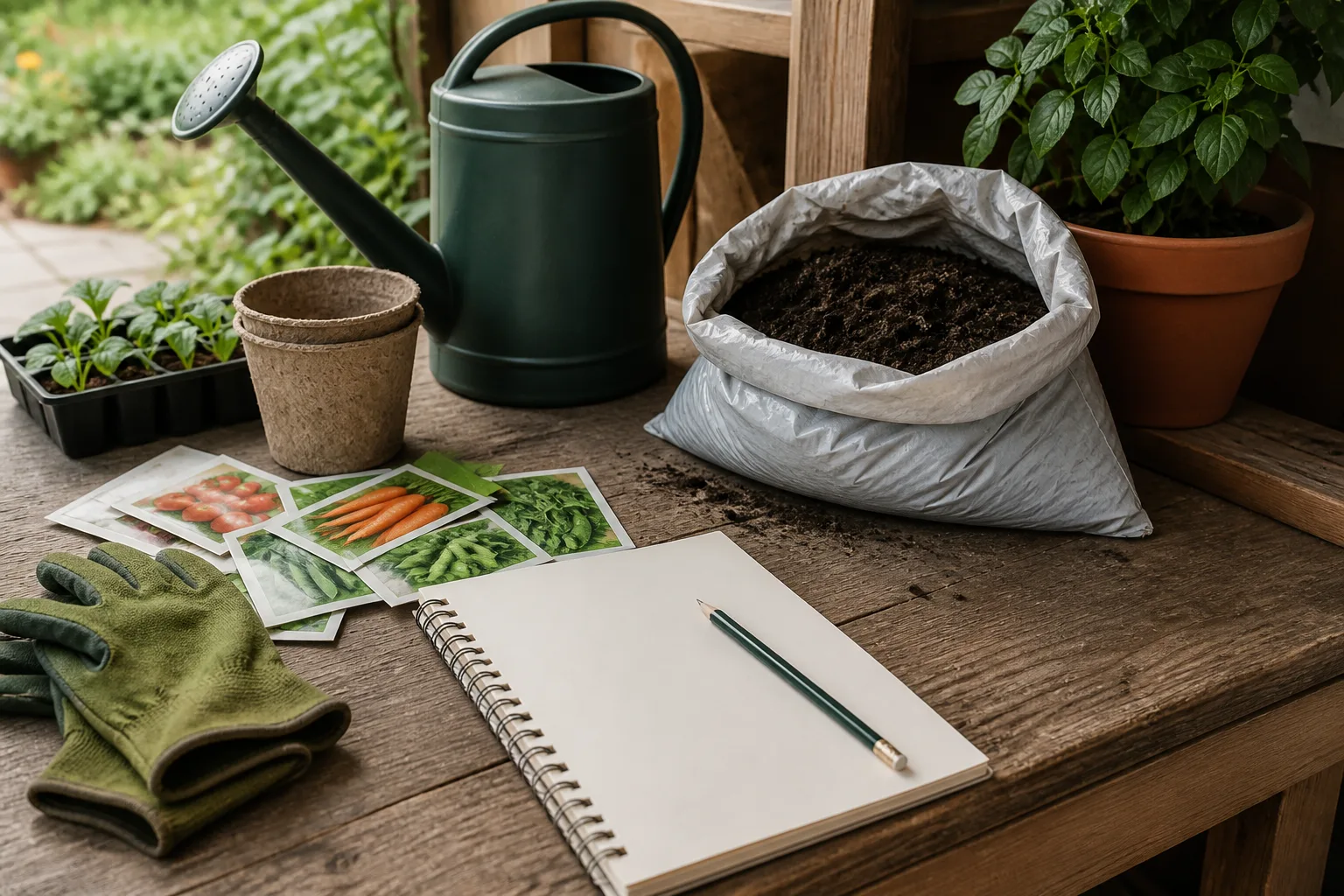
Cost per usable harvest = (recurring supplies + share of infrastructure + water + protection + optional labor) ÷ usable amount harvested.
Then compare that result with the price of buying the same amount locally. “Usable amount” matters because a basket of cracked tomatoes, bolted greens, or vegetables you never cook is not the same as a basket you would have purchased. If you harvest more than your household can eat, the extra produce has value only if you preserve it, share it, or genuinely enjoy giving it away.
Count More Than Seeds
Separate the budget into first-season costs and repeat costs. First-season costs include a bed, large container, soil or compost, trellis, hose, watering can, and basic tools. Repeat costs include seeds, transplants, potting mix refreshes, fertilizer, mulch, replacement supports, water, pest barriers, and anything you buy because a crop failed.
You do not have to charge the entire price of a raised bed to every crop grown in it. A useful method is to spread a durable item over the number of seasons you expect to use it. If a container costs $30 and you use it for five seasons, its simple annual share is $6 before you add soil and water. That is still an estimate, but it gives you a more honest comparison than calling the container free after the first harvest.
Time is optional to count, but be consistent. If you are comparing gardening with a paid job, use an hourly value for planning. If you garden for exercise, relaxation, or learning and would spend that time anyway, record the hours separately as effort rather than forcing them into a grocery-dollar calculation. Either choice is legitimate; mixing “free labor” for the garden with fully allocated infrastructure for store produce is not.
Compare Like With Like
Compare the same variety, quality, and usable portion whenever possible. A handful of baby salad leaves harvested minutes before dinner is not a direct substitute for a bag of washed greens, but it may be more valuable to you. An unusual purple pepper may cost more to grow than a standard green pepper while still being a good purchase if the store does not carry it.
Track quantities in a way that matches your shopping habits: number of heads, pounds, bunches, or meal-sized portions. If your garden produces ten small salads from $12 in recurring inputs, the harvest cost is $1.20 per salad before infrastructure and labor. You can then decide whether that is a saving, a fair price for freshness, or more than you would pay at the store.
Your First Garden Is an Investment
Starting from bare ground is the least favorable situation for first-season savings because the garden is doing two jobs at once: producing food and building an infrastructure you can reuse. A bed filled with soil and compost may serve for years, but the first harvest bears the emotional weight of that purchase even when the materials remain useful later.
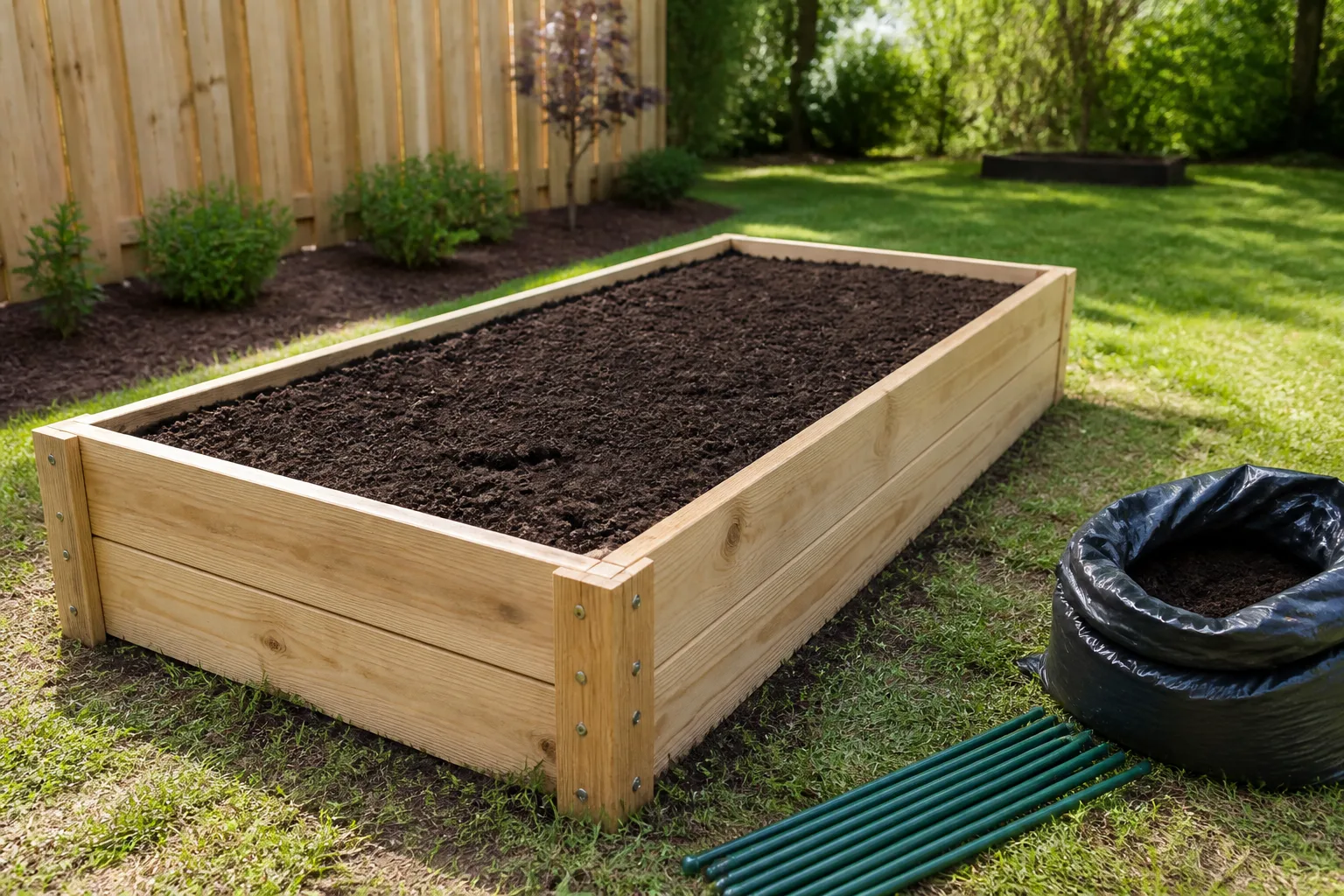
Before building, ask what you already own. A sunny patch of workable soil, a few food-safe containers with drainage, saved stakes, and a way to carry water can turn the first experiment into a small recurring-cost project. If you need a bed, use the smallest size that gives you enough sun and reach; a neglected large bed is more expensive than a productive small one.
You can also treat the first year as a setup year and judge savings over two or three seasons. The first year teaches you how quickly the space dries, which crops survive your weather, and how much your household eats. The second season is where repeat crops and existing equipment make the calculation more favorable.
The Crops Most Likely to Save Money
The best financial crops share at least one of four traits: they are expensive to buy in the quality you want, they produce repeatedly, they mature quickly, or they use little space. A crop does not need to be effortless to be a good value, but it should produce enough usable food for the care and equipment it requires.
Salad Greens and Cut-and-Come-Again Crops
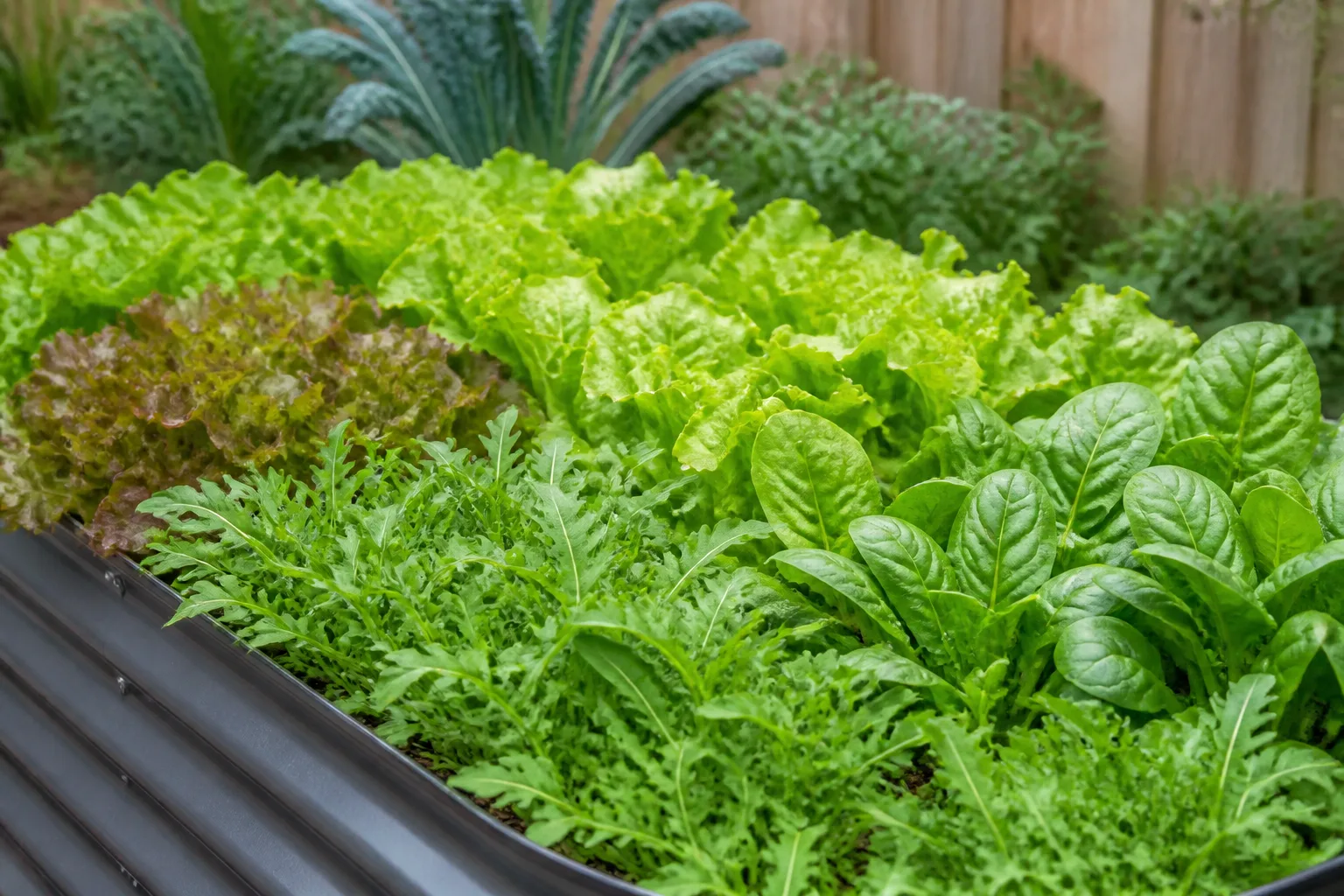
Lettuce, arugula, and spinach are strong starter choices because they can be grown from seed, fit containers or narrow beds, and can be harvested in stages. The gardeners quoted in the local scrape put many greens in the roughly 35–55 day range from sowing to harvest under suitable conditions. Some can be cut above the crown for more than one harvest while the weather stays favorable, although heat, bolting, pests, and short day length can end the cycle early.
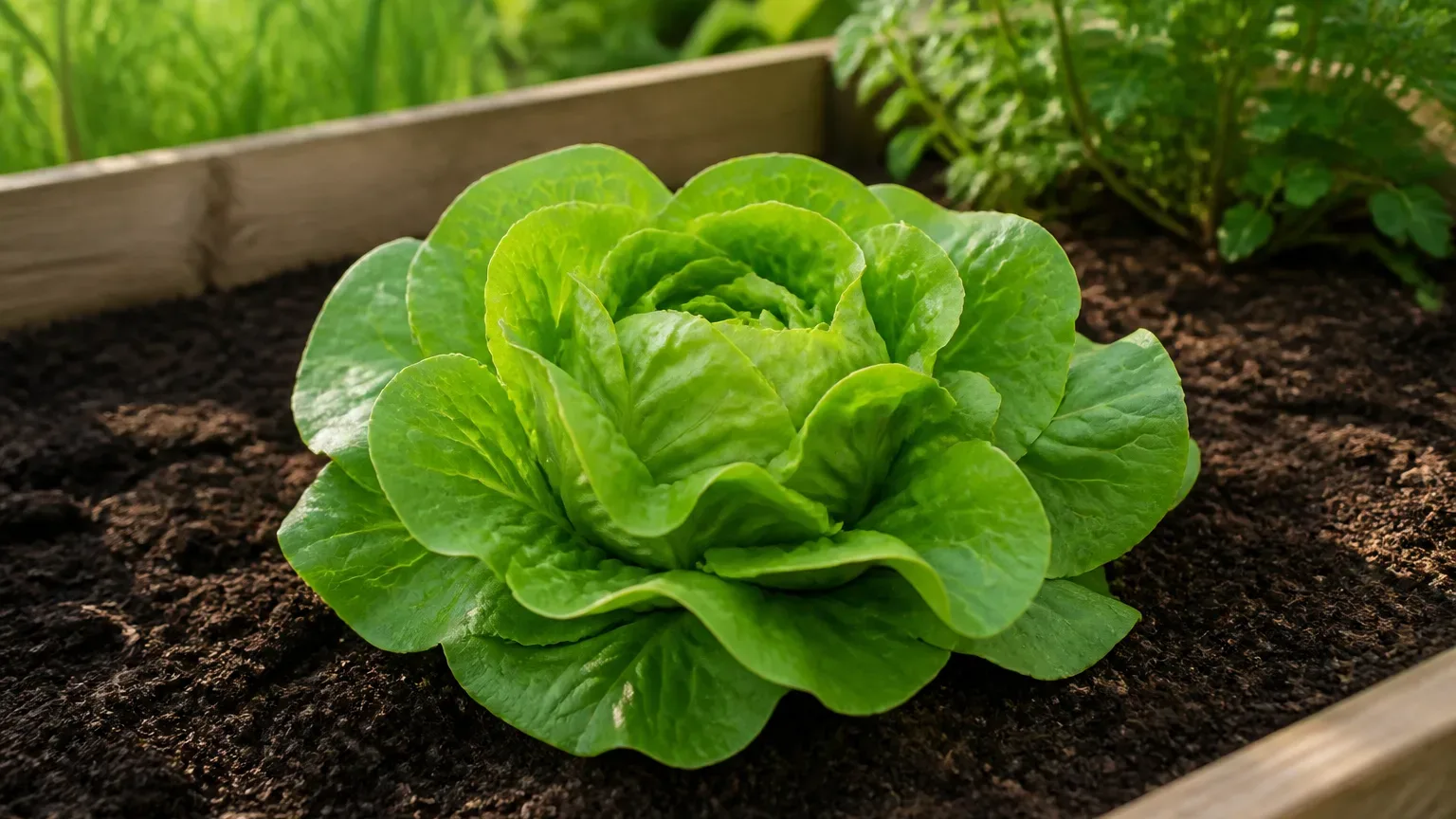
The savings improve when you sow small amounts every week or two instead of planting one large row at once. Succession sowing reduces the waste that happens when every head matures on the same weekend. It also lets you stop planting when you have learned that your household uses only one bowl of greens per week.
Greens are not automatically cheap in every climate. In a hot summer, shade cloth, extra water, or repeated failed sowings can erase the advantage. Grow cool-season greens during the window when they naturally perform, and compare the actual usable leaves—not the number of seedlings that emerged.
Radishes and Other Fast Roots
Radishes can be a good value because they mature quickly and make efficient use of a small strip of soil. The local gardener perspective describes radishes as taking about 30 days from seed to harvest in a suitable growing window. That short cycle gives you more chances to learn, replant, and harvest before the season changes.
The catch is that speed does not guarantee savings. Radishes can become hot, woody, or split when they stay in the ground too long, and a crowded row produces small roots. Sow a short row, thin seedlings, keep moisture reasonably even, and harvest at the size you will actually eat. If you dislike radishes, a fast crop you abandon is not a cost-effective crop for you.
Green onions, baby turnips, and some quick herbs can follow the same logic. Their value rises when you use the tops as well as the roots or can make repeated sowings. Their value falls when a small packet produces far more than your kitchen can use before the leaves fade.
Tomatoes, Peppers, and Specialty Varieties
Tomatoes and peppers make financial sense less because every plant is cheap and more because home growers can choose varieties that are expensive, seasonal, or unavailable in ordinary produce aisles. Heirloom tomatoes, unusual colors, small specialty peppers, and exceptionally fresh fruit offer a quality and variety difference that a basic price comparison can miss. Farmer Anna Hackman made this point in the local source material, arguing that growing from seed gives gardeners access to heirloom vegetables they may not find at the store. (Anna Hackman of The Naked Botanical)
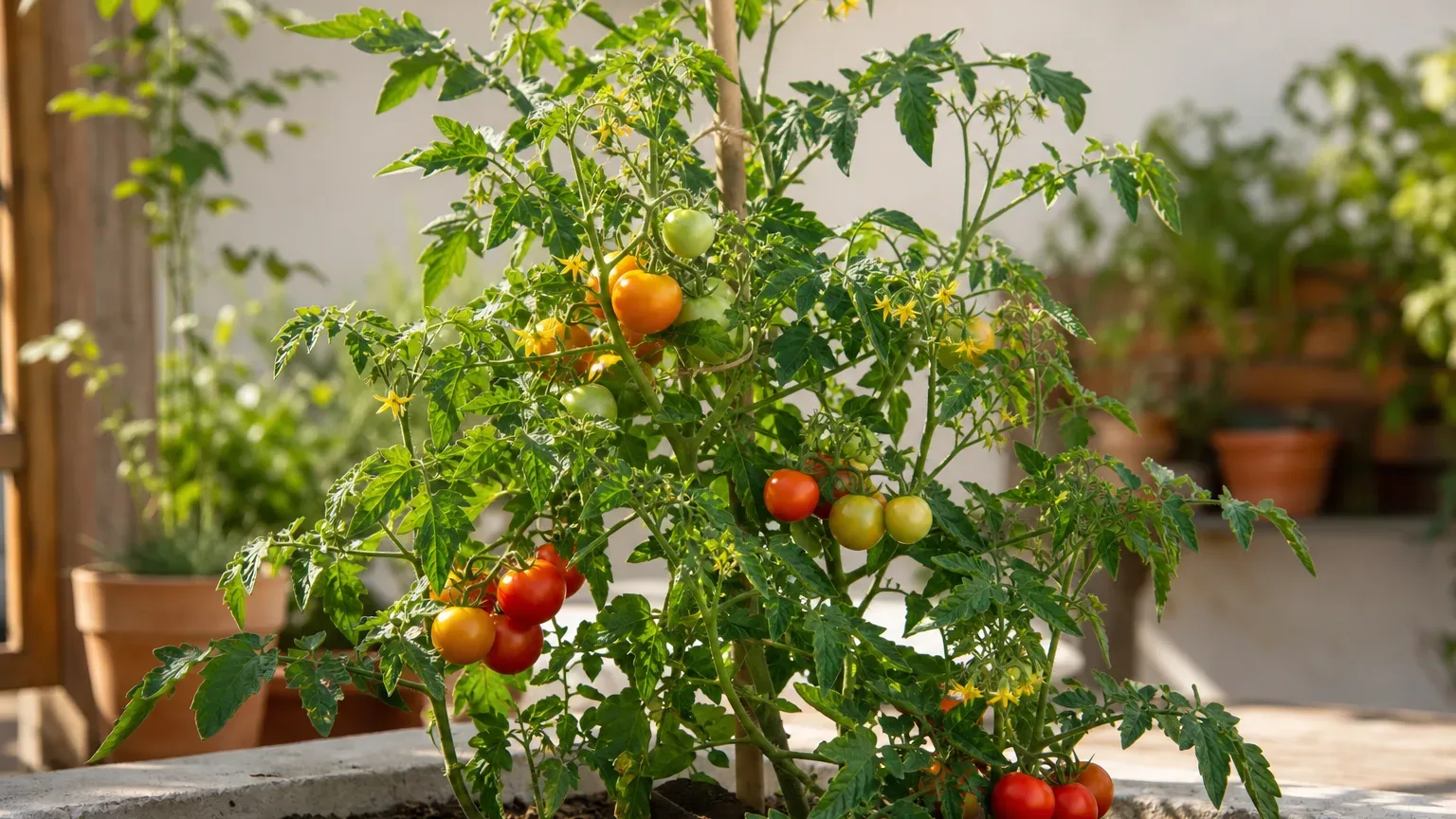
Tomatoes can also yield over a long season, but the plant needs sunlight, support, watering, and regular picking. A plant that succumbs to disease or heat after producing a few fruit may not beat the store price. Peppers can be similarly slow to start, and their value depends on a long enough warm season or a protected growing setup.
Use a variety matched to your climate and the space you have. One productive cherry tomato in a container may suit a balcony better than several full-size indeterminate plants that need a large trellis. The cheapest seed packet is not necessarily the best value if the variety never ripens in your growing season.
Crops That Are Often Better to Buy
“Better to buy” does not mean “impossible to grow.” It means the crop may use too much space, time, water, or attention for the amount of food it gives your household. The same vegetable can move from the buy list to the grow list when you have a large garden, a long season, a favorite variety, or a reason to preserve a large harvest.
Space-Hungry Vegetables
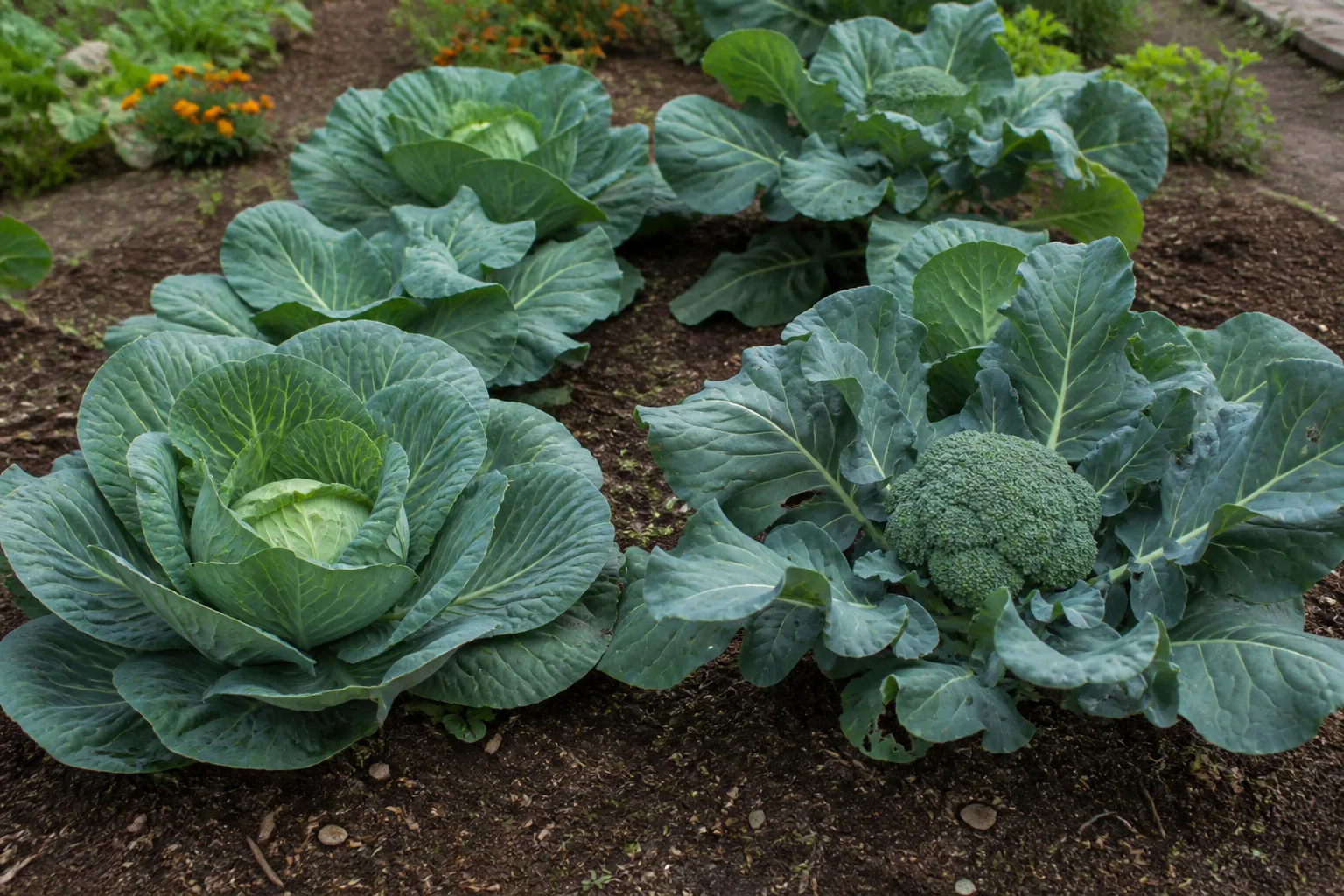
Broccoli, cauliflower, and cabbage can occupy a surprisingly large footprint for a harvest that may amount to one main head per plant. The local gardener estimate puts some of these plants around a 10-by-10-inch space while producing a single crown or head. That can still be a worthwhile use of a cool-season bed, but it is less efficient in a tiny container or an expensive raised bed.
Winter squash and melons are the clearest space trade-off. Their vines may travel well beyond the place where you planted them, and a single fruit can occupy ground that might have held several successive crops. Grow them when you have room for vines to run, can trellis an appropriate variety safely, or value the flavor and storage enough to justify the space.
Tall crops can also carry an invisible shade cost. A row of corn or a vigorous squash may reduce the yield of a neighboring crop, so judge the whole bed rather than the seed packet. A crop is not a bargain if it forces you to buy the vegetables that failed in its shadow.
Slow, Fussy, or Low-Yield Vegetables
Carrots, celery, and onions are examples where the grocery store may be the sensible default for some households. The source gardeners point out that carrots are difficult to grow from seed to a uniform bag-sized quantity, celery needs the right variety to avoid disappointing flavor, and some onions do not store well after harvest. These are practical observations, not a universal ban: a gardener with loose soil and a favorite onion variety may get excellent value.
Celery is a particularly good example of the difference between “can grow” and “should grow for savings.” A base from a store bunch may produce new leaves, and it can be a fun experiment, but regrowth does not necessarily produce the crisp, full stalks you would use to replace a grocery purchase. Buy it when you need reliable volume unless you have the space and interest to test a variety suited to your conditions.
Root crops also have a learning cost. Heavy soil, inconsistent moisture, shallow beds, or poor thinning can turn a whole row into small, forked, or bitter roots. If your goal is a dependable ingredient rather than the experience of learning the crop, buying may be cheaper in money and frustration.
Build a Low-Cost Starter Garden
The most reliable budget garden begins with one small growing area and three or four crops, not a full catalog of vegetables. Choose a place with enough direct sun for the crops you want, a convenient water source, and a location you will pass often. Visibility is a cost-control tool: plants that you notice are more likely to be watered, harvested, and rescued before they are wasted.
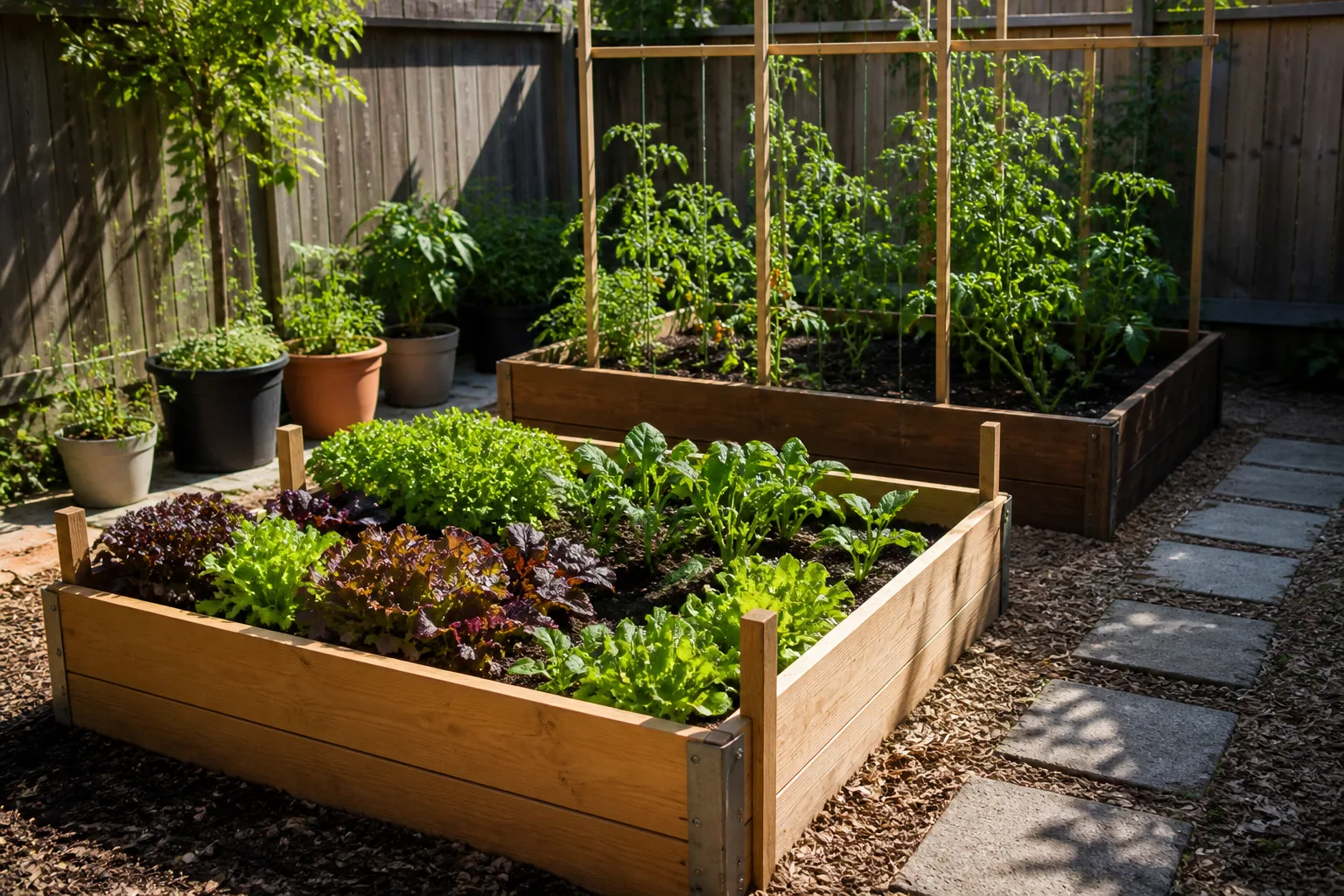
Use containers when you do not have a suitable bed or want to limit the first purchase. Containers can reduce the scale of soil and amendments, make it easier to place crops in the best light, and let a beginner stop after one season without leaving a large structure unused. They dry faster than garden soil, though, so a container is only a saving if you can keep up with watering.
Buy seeds for crops you will sow more than once, and buy a transplant when a long-season crop would otherwise require lights, trays, heat, or weeks of indoor care. There is no prize for growing every plant from seed. The cheaper option is the one that produces a healthy, timely plant with the least extra equipment.
Keep the layout simple. Put quick greens and radishes where you can clear them and sow again, give tomatoes or peppers the sunniest supportable spot, and leave room to reach the soil without stepping in it. Share or swap excess seed, save seed only when the variety and pollination conditions make that practical, and reuse clean stakes or containers when you know what they previously held.
Grocery-Store Regrowing: What Actually Helps
Regrowing from grocery produce can lower the entry cost, but it usually gives you a plant experiment rather than a guaranteed replacement for a full grocery supply. Spring onion ends can make roots and new green growth in water or soil. A celery base can regrow leaves, and potatoes, sweet potatoes, ginger, and garlic may sprout when the produce was not treated to suppress growth and when the piece is healthy.
Start with scraps you already have; do not buy extra produce solely because a regrowth video promises a harvest. Give the cutting clean water at first, move it to a suitable medium when roots or shoots appear, and use a container with drainage. Discard soft, moldy, or rotting material rather than trying to turn a failing scrap into a crop.
Regrowth is most useful for kitchen herbs and green tops you use often. It is less useful when you need a large, uniform root harvest or a known variety. Store produce may be a hybrid, may have been held too long, or may carry no guarantee that the new plant will perform like the original. Measure the result by what you eat, not by how impressively the first leaves appear in a jar.
Hidden Costs That Can Erase the Savings
The easiest way to overestimate garden savings is to count the seed packet and forget everything that keeps the plant productive. Use this table as a pre-season check:
| Cost category | What it can include | A practical way to control it |
|---|---|---|
| Growing medium | Soil, compost, potting mix, amendments | Start with a small container or bed and test what you already have before buying more. |
| Water | Hose use, watering cans, extra irrigation | Grow crops suited to your weather, mulch the root zone, and place the garden near a water source. |
| Support | Stakes, cages, trellises, ties | Choose compact varieties first and reuse sound supports across seasons. |
| Protection | Row cover, netting, fencing, slug or pest control | Scout early and protect the crop with a targeted barrier instead of treating the entire garden. |
| Failure | Dead seedlings, disease, heat damage, bolting | Sow small batches, keep a backup sowing date, and grow more than one dependable crop. |
| Waste | Overripe produce, excess harvest, spoiled storage | Plant in succession and harvest frequently; preserve or share only what you will actually handle. |
| Time | Watering, weeding, harvesting, cleaning, preserving | Use a smaller garden, place it where you pass, and grow crops with a realistic care rhythm. |
Water is easy to dismiss because one watering session feels free. In a hot, dry climate, however, a thirsty crop can take more attention and water than a compact green. Mulch can slow evaporation, but it is not free if you must buy and replace it every season.
Pest protection has a similar curve. A short length of row cover may save a crop, while repeated blind sprays can add cost and harm beneficial insects without fixing the actual problem. The most economical intervention is often noticing the issue while the plant is still recoverable.
Harvest waste deserves an honest line in the budget. If you plant six lettuce heads because the packet contains enough seed but eat only two before they bolt, the four unused heads are not savings. Grow to the pace of your kitchen, not the maximum capacity of your bed.
A Practical Crop-Value Scorecard
Before planting, score each crop from 1 to 5 in six categories: retail value, repeat harvest, space efficiency, speed, failure risk, and household use. Give five points to a crop that is expensive or hard to buy in the quality you want, harvests repeatedly, fits a small space, matures quickly, is dependable for you, and gets eaten. Give one point when the opposite is true.
This is not a scientific price index. It is a way to expose a mismatch between a crop’s reputation and your actual garden. A crop can score high on retail value but low on household use; it will not save money if it becomes compost. Another can score only moderately on store price but score high on speed, repeat harvest, and reliability, making it a better beginner crop.
As a starting comparison, salad greens often score well for small spaces and repeat harvesting, while radishes score well for speed. Tomatoes and peppers may score high for specialty value but lower for failure risk if your season is short. Winter squash may score high for storage or household use but low for space efficiency. Carrots and celery may score differently depending on your soil, variety, and how often you buy them.
Plant your top two or three crops first. Keep the scorecard beside a simple record of sowing date, number of plants, harvest quantity, unusable quantity, and purchases made during the same period. The next season’s score should come from your garden, not from a generic list.
When Buying Is the Better Deal
Buy the vegetable when you lack enough sun, cannot water consistently, have no room for the mature plant, or would need substantial new equipment for one small harvest. Buying is also sensible when your local store price is low, you need a large amount immediately, or the crop takes a long time and frequently fails in your conditions.
Buying does not mean you failed at gardening. It means you are using the garden for the crops it can produce well and using the grocery store for the rest. A mixed strategy is often the cheapest: grow the greens, radishes, herbs, tomatoes, or peppers you use constantly, and buy celery, onions, carrots, brassicas, or sprawling vines when your space and patience make those a poor fit.
The same rule applies within one crop. Grow a few heirloom tomatoes for flavor and buy standard tomatoes for a large sauce batch if your plants cannot produce enough at the right time. Grow a small row of radishes for fresh meals and buy a larger quantity when a recipe demands it. Value comes from matching production to use.
How to Track the Math Next Season
Start with a short baseline: write down how much of each vegetable your household buys in a normal month and what form you buy—fresh, bagged, canned, frozen, or specialty. Pick one or two crops that you already use often. This prevents the classic mistake of growing an impressive amount of food that does not replace anything you would have purchased.
Record only a few numbers during the season: seed or transplant cost, extra soil and supplies, approximate water or irrigation additions, harvest quantity, unusable quantity, and any produce you still bought. A kitchen scale helps, but counting heads, bunches, or portions works if you use the same unit for store and garden comparisons.
At the end, calculate three totals: cash cost, full cost including shared infrastructure, and cost excluding labor. The first answers “how much extra did I spend this season?” The second answers “what did this crop really cost after I account for the setup?” The third lets you compare the garden with your own time without pretending that a hobby hour has the same value for every gardener.
Review the result with the nonfinancial benefits beside it. If a crop cost slightly more but gave you a variety you could not buy, tasted better, or made you more likely to eat fresh vegetables, that is useful information. If it cost more, took constant rescue work, and produced food you did not use, replace it next season.
Conclusion
Growing your own vegetables is most likely to save money when you already have the growing space, choose crops with repeated or quick harvests, and plant what your household actually eats. Lettuce, arugula, spinach, radishes, tomatoes, peppers, and unusual varieties are good places to test the idea, while space-hungry, slow, or unreliable crops may be better purchases for a small garden.
Treat the first raised bed or container as an investment, not as a grocery receipt. Start small, count usable harvest instead of optimistic yield, keep infrastructure separate from recurring costs, and use grocery-store regrowth only where it genuinely helps. The result may be a lower food bill, better produce for the same money, or a garden whose value is partly financial and partly the pleasure of growing something you can eat.