5 Salad Greens That Cost Less to Grow Than Buy
Grow romaine, mesclun, butterhead, oakleaf, and wild arugula for less than store-bought greens. Learn the break-even math and harvest plan.
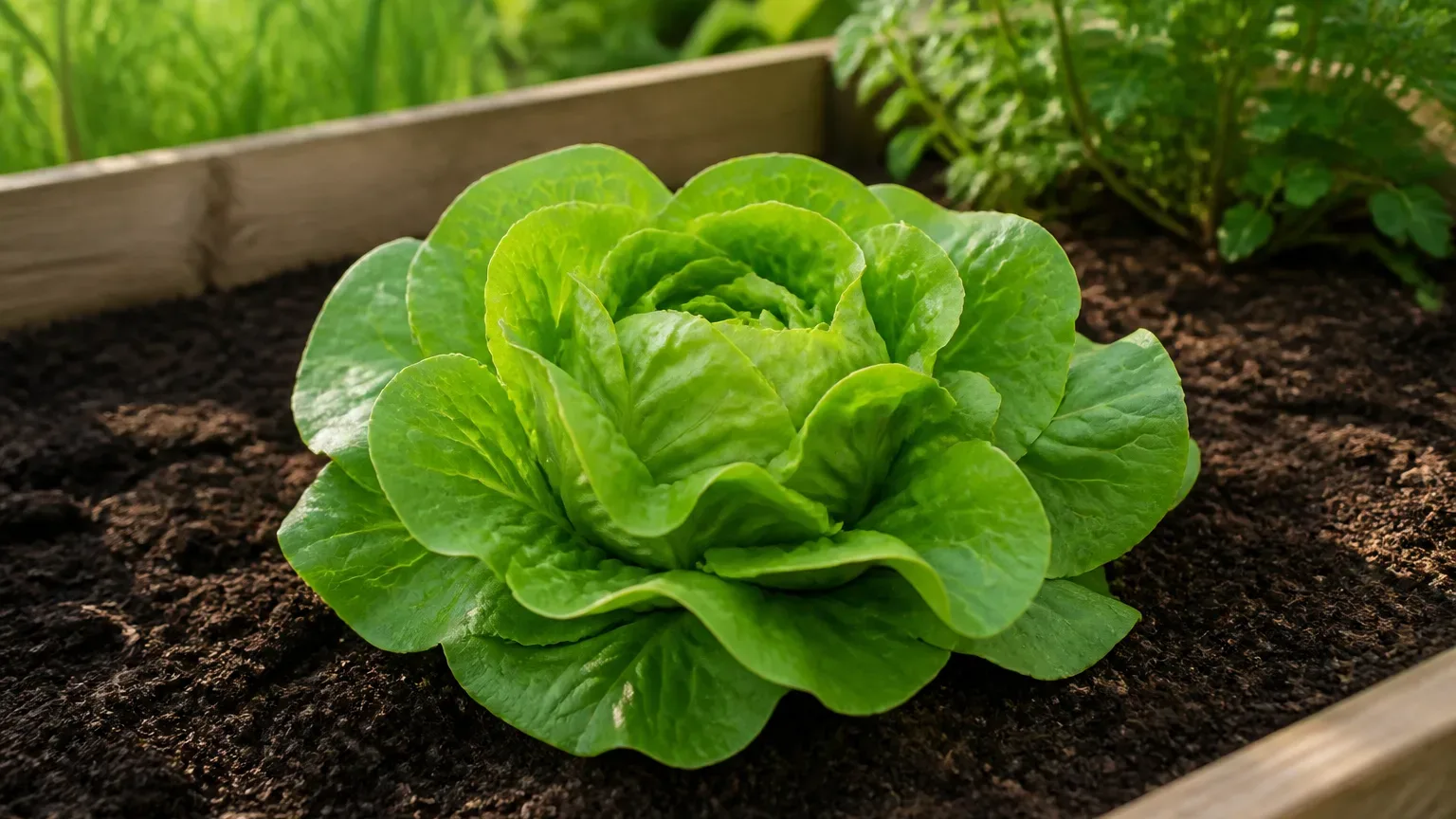
The honest answer is yes, but only when you compare the right costs. A packet of seed can produce far more salad than one grocery bag, yet a new raised bed, imported potting mix, grow light, or repeated pest-control purchase can erase that advantage before the first harvest.
The five best candidates are mesclun, romaine, butterhead, oakleaf, and wild arugula. They germinate from seed, mature quickly enough to harvest young, and can often be picked more than once. That combination gives them a better chance of beating store prices than a slow crop that occupies a bed for months.
The cheapest part is the seed; the real question is break-even
Start with a simple comparison instead of assuming every homegrown leaf is free. Add the price of the seed you will actually sow, the portion of new soil or compost used for the crop, water, and any crop-specific protection. Then compare that total with the number of grocery bags, clamshells, or heads you would realistically buy at the same quality.
If you already have a sunny bed, a usable container, compost, and a watering can, count only the share consumed by this planting. Do not pretend your time has no value, but keep it separate from the cash comparison: the question “Will this lower my grocery bill?” is different from “Is this the cheapest possible way to obtain calories?” Salad greens are a good cash-saving crop because they are perishable, relatively expensive by weight, and easy to harvest close to the meal.
The break-even test is total new cash outlay divided by the price of one comparable purchase. If a new bag of salad costs $4 in your area and your new seed, soil, and protection total $12, you need to harvest the equivalent of three bags before the garden is ahead. A mature raised bed or container may pay off across several seasons; do not load its entire purchase price onto one short row of lettuce.
Why salad greens beat slower crops on a grocery budget
Leafy greens have three financial advantages. The seed is small and can be sown densely, baby leaves are ready in weeks rather than months, and many varieties can be harvested as outer leaves or cut-and-come-again crops instead of being pulled after a single use.
They also let you match production to demand. The Royal Horticultural Society’s guidance on successional sowing recommends small, repeated batches for quick-maturing crops such as salads and spinach, because that avoids the expensive kind of waste: a whole bed ready on the same weekend and limp before you can eat it.
Direct sowing is another quiet source of savings. New Mexico State University Extension describes direct seeding as the easiest and least costly way to establish many vegetables, while purchased transplants trade money for convenience. For greens, where the seed can go directly into a prepared row or container, buying starts usually makes the comparison worse unless you need a head start in a short season.
1. Mesclun: the best variety per packet
Mesclun is a blend rather than one botanical species. A packet may combine leaf lettuce with arugula, mustard, mizuna, spinach, or other baby greens, giving you several flavors and textures without buying five separate packets or five grocery products.
It is especially good value when you prefer mixed salads and do not need uniform full-size heads. Savvy Gardening’s mesclun guide describes both pre-blended seed and bands of individual greens; that distinction matters. A mix is convenient, but separate bands let you harvest mild lettuce and spicy greens in the proportions your household actually eats.
Make mesclun a repeat harvest, not a one-off crop
Prepare a shallow, well-drained bed or container and sow the tiny seeds lightly, roughly a quarter-inch deep or less depending on the packet. Keep the surface evenly damp until germination, because a heavy hose stream can move the seeds into clumps and create thin, disappointing patches elsewhere.
Begin cutting when the leaves are young and tender, taking only part of the stand rather than scalping the entire row. Gardener’s Supply’s mesclun instructions recommend cutting above the soil line so the plants can regrow, with new sowings about every two weeks for a continuous crop. If the mix contains very different growth rates, harvest the tallest leaves first and let slower greens catch up.
Mesclun is the best first choice for a small budget when you want variety, quick results, and flexible harvests. It is a weaker choice if one ingredient always bolts or tastes too strong for your family; in that case, separate rows give you better control and less unused seed.
2. Romaine: grow baby leaves or full heads
Romaine earns its place because one planting can serve two purposes. Pick outer leaves while the plant is still forming, or let it develop into a more substantial head for salads that need crunch and structure. That flexibility makes it less likely that a failed timing decision turns the whole packet into waste.
Romaine is also a useful bridge between delicate baby mixes and the hottest part of the season. It is still a cool-season lettuce, so summer heat can make it bitter or push it toward flowering, but upright romaine types often hold their quality longer than tender butterhead when conditions are not perfect. Choose a variety described as slow-bolting or heat-tolerant for the shoulder of summer, and treat the label’s days-to-maturity as a planning estimate rather than a promise.
Use romaine as your warm-weather bridge
Sow a small row in early spring, another as the first row reaches a usable size, and a final succession where your local fall weather allows. During hot spells, give the plants morning sun and afternoon protection if possible, keep moisture even, and harvest before the leaves become coarse. A little shade that prevents stress is cheaper than resowing a bed that bolted all at once.
Use baby romaine leaves to stretch a planting. Removing a few outer leaves every few days gives you salad while the center continues to grow; pulling every plant for one meal may be worthwhile when a heat wave is approaching, but it turns a repeat-harvest crop into a single purchase replacement.
3. Butterhead: expensive in a clamshell, simple in cool soil
Butterhead and Bibb types are often sold as tender specialty lettuce, which is why they can be an easy grocery expense to replace. Their soft leaves are not difficult to grow from seed, but they reward good timing more than brute-force summer care.
Think of butterhead as a spring-and-fall crop in most climates. Start it when daytime conditions are mild, or plan a fall succession by counting backward from the first hard frost. In warm regions, a little afternoon shade and a fall planting may give better quality than trying to hold it through midsummer.
Keep butterhead in its comfort zone
The goal is steady, moderate growth. Prepare soil that drains but does not dry into a crust, sow shallowly, and keep the seedbed moist until seedlings establish. Once plants are growing, water deeply enough to wet the root zone and check them more often in containers, which lose moisture faster than beds.
Harvest a few outer leaves when you need them, or wait for a small head if that is how your household uses butterhead. Do not fertilize automatically just because the leaves look delicate. If the soil is already fertile, excess fertilizer is a new cost that can produce soft, pest-prone growth without improving the salad.
4. Oakleaf: a loose-leaf bargain with a premium price tag
Oakleaf lettuce is a strong money-saving candidate because loose-leaf types give you useful leaves without requiring a perfect, tightly formed head. The deeply lobed leaves also add texture to a salad that would otherwise need several purchased greens to feel varied.
Sow oakleaf in short rows or a container, then thin only as much as needed for the size you want to harvest. Dense baby-leaf plantings are efficient when you plan to cut the stand young; wider spacing is better when you want individual outer leaves to regrow for longer.
Harvest oakleaf without stopping the plant
Cut or pinch the outside leaves first and leave the central growing point intact. Harvest in the cool part of the day, remove damaged leaves immediately, and sow a replacement strip before the first planting is exhausted. That overlap is what turns one packet into a season-long supply instead of a single flush.
If oakleaf starts stretching upward or the flavor changes sharply, it is probably responding to heat, long days, drought, or age. Harvest what is still good, remove the spent plants, and use the space for the next cool-season succession. Saving a few seeds is not a saving if the crop has already become unpleasant to eat.
5. Wild arugula: small seed cost, big flavor
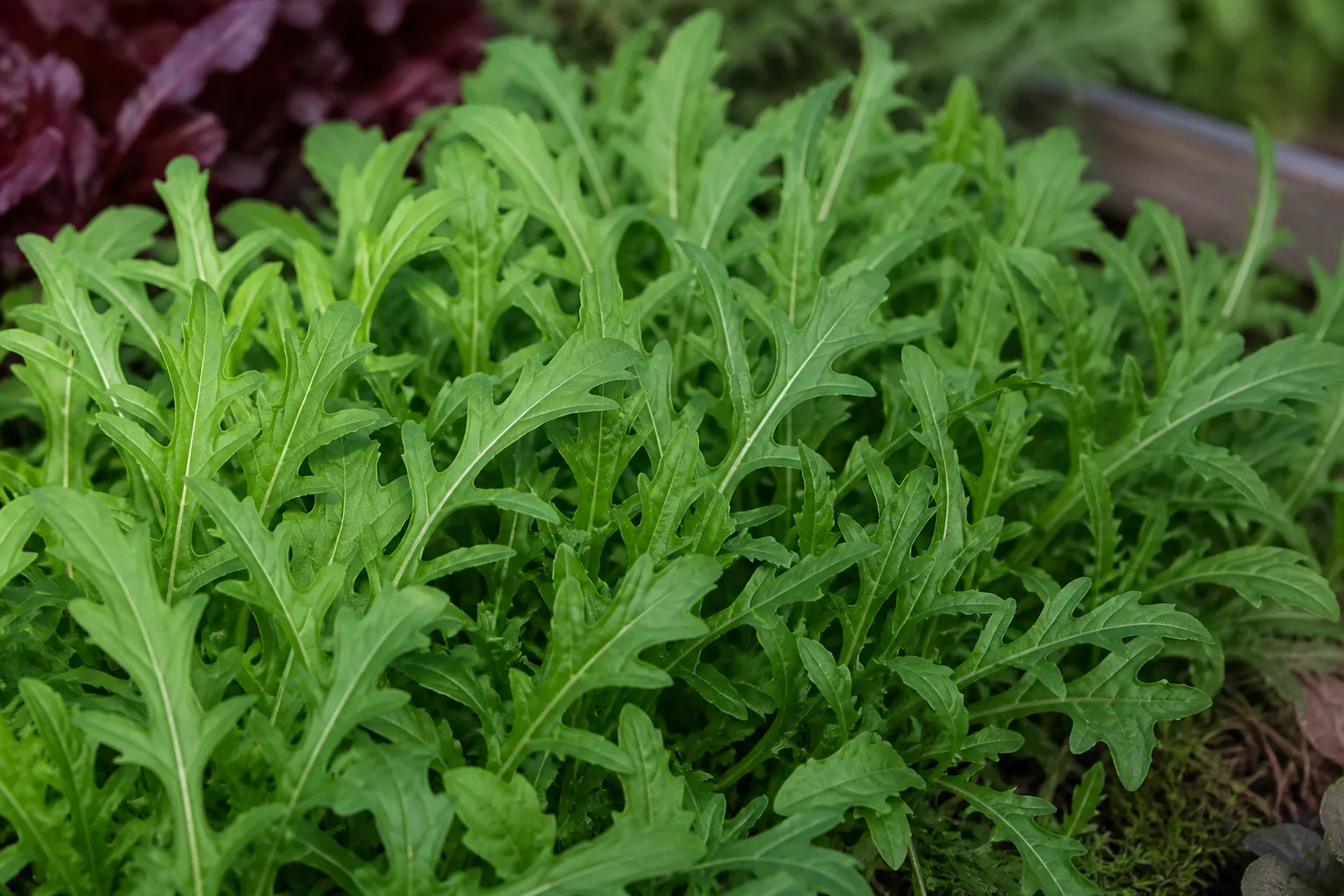
Wild arugula, often sold as Sylvetta, is slower and more pungent than standard garden arugula, but a small amount goes a long way in a salad. It can be difficult to find in a grocery store, so growing it has two kinds of value: it can cost less, and it gives you a flavor that is not always available at a convenient price.
University sources agree that arugula is a fast, cool-season crop. Cornell Garden-Based Learning notes that it may be ready as early as four weeks after seeding, recommends new plantings every two to three weeks, and identifies heat and moisture stress as bolting triggers. University of Wisconsin Extension’s arugula guide adds that young leaves can be cut in about three to four weeks and that regular harvest keeps older leaves from becoming overwhelmingly strong.
Prevent the bolt-and-bitter cycle
Sow wild arugula in the cool part of the season and keep the soil from swinging between dust-dry and saturated. When weather turns hot, afternoon shade can buy time, but it cannot make a cool-season plant behave like a summer crop. Harvest young leaves frequently; waiting for a large harvest often means waiting until the plant is at its most bitter.
Flea beetles are another reason the crop can lose its economic advantage. University of Delaware Cooperative Extension lists flea beetles, downy mildew, root rot, aphids, and bacterial leaf spot among arugula concerns. Lightweight row cover over a new planting can be a better value than repeatedly replacing chewed seedlings, as long as the cover is secured and removed or vented when temperatures rise.
Build a low-cost salad bed before buying anything
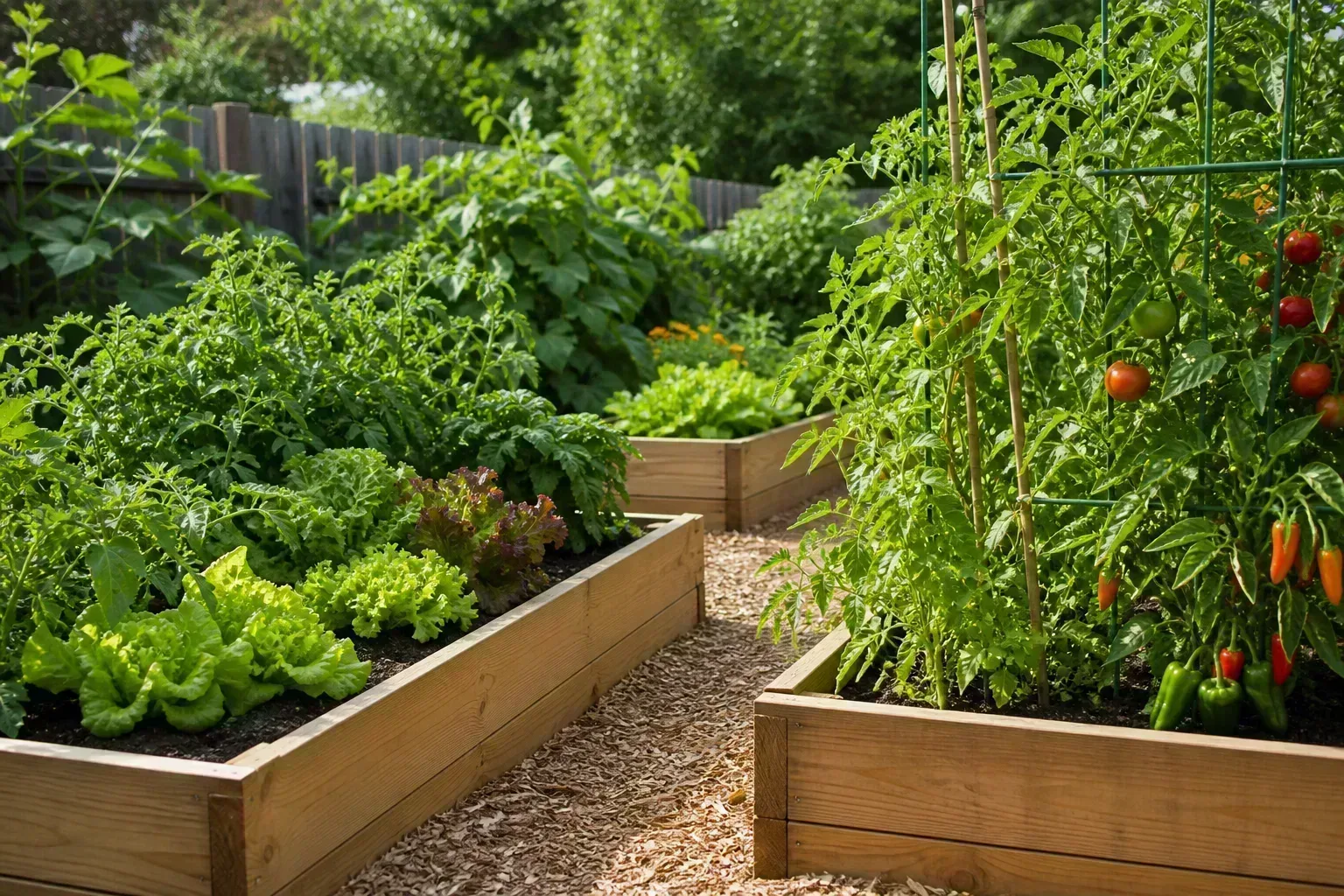
Use the space you already have. A narrow strip along a path, the edge of a vegetable bed, a window box, or a container with drainage can all grow baby greens; a deep raised bed is not required. If you are buying a container and a large volume of potting mix only for one small crop, include those costs in the break-even test.
Choose the brightest practical location for spring and fall, with some afternoon relief in hot weather. A bed that is easy to reach will save more than a theoretically perfect bed you forget to water. The Epic Gardening salad-garden guide recommends direct sowing for baby greens, shallow seed placement, and regular succession planting; those choices reduce both equipment and transplant shock.
Prepare a fine, level seedbed and add only the compost or fertilizer your soil needs. Sow tiny seeds shallowly, press them into contact with the soil, label each row, and water with a gentle spray. Once seedlings have true leaves, thin crowded spots with scissors or use the thinnings as the first salad rather than disturbing the plants you are keeping.
Use a two-week succession schedule
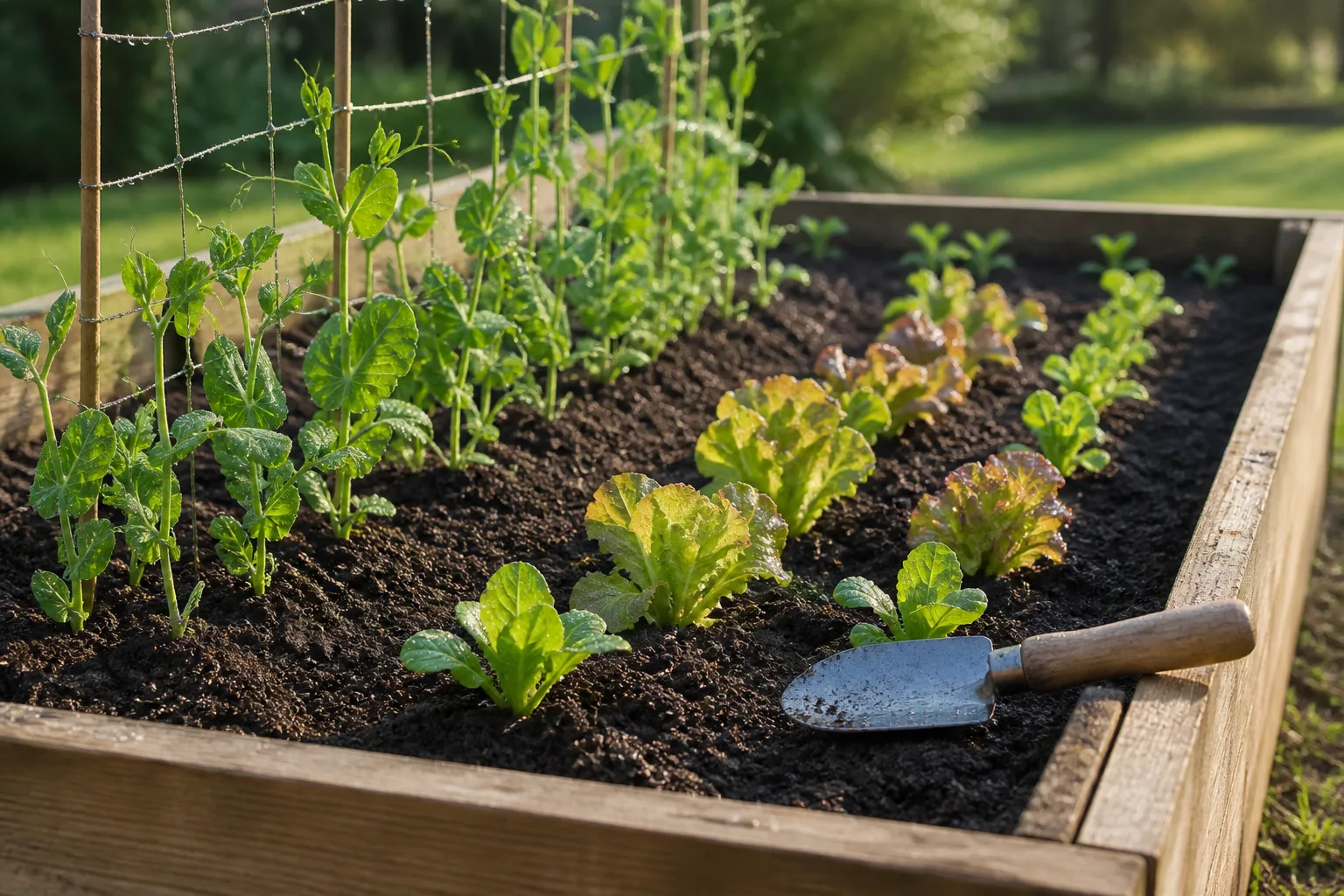
Start with three short strips instead of one large bed. Sow strip A today, strip B about two weeks later, and strip C two weeks after that. As strip A begins producing, sow a new strip; if the weather is slow, wait until the current planting has several true leaves, and if warm, moist weather speeds growth, shorten the gap.
The RHS succession-sowing guidance gives a useful range of one to four weeks outdoors and notes that lettuce may need a longer interval in cool spring weather but a shorter one when growth accelerates. That is more useful than following a calendar blindly. The plants themselves are the schedule.
Match the crop to the season instead of forcing all five at once. Use mesclun, butterhead, and oakleaf for the coolest windows; use romaine as the sturdier bridge; and bring wild arugula back whenever your temperatures return to its preferred cool range. In a mild climate, a fall-to-winter sequence may be more productive than a summer one.
Harvest and store in a way that protects the savings
Harvest only what you can use in a few days. For baby greens, cut above the crown with clean scissors. For heading lettuce, remove outer leaves first unless the weather or plant condition tells you to take the whole head. Pick in the morning when the leaves are crisp, then remove damaged or wet foliage before storing.
Rinse only what you plan to eat soon, or dry washed leaves thoroughly before refrigerating them. A clean container lined with a towel can reduce bruising and surface moisture, but no storage method turns a mature salad crop into a long-term vegetable. The financial advantage comes from picking a small amount when you need it, not from growing a mountain of leaves that becomes compost.
Keep a one-line harvest note for each succession: sowing date, first harvest, number of cuts, and the reason it ended. After one season, you will know which packet actually replaced purchases in your climate. That record is more valuable than a generic claim about how many seeds a packet contains.
What can erase your savings
The most common problem is not seed price; it is a mismatch between crop and season. Heat, drought, and long days can make lettuce and arugula bolt, while wet soil can encourage root problems. A cheap packet sown at the wrong time is still wasted money.
Pests can change the calculation quickly. Slugs may turn a dense lettuce row into holes, flea beetles can riddle arugula leaves, and aphids can make a harvest unpleasant to clean. Start with barriers, moisture management, and quick removal of failed plants. If a crop is repeatedly damaged, change the sowing date or location before buying a shelf of treatments.
Startup purchases deserve an honest line item. New raised beds, grow lights, specialty seed mixes, irrigation systems, protective fabric, and bags of premium soil can all be worthwhile, but they are infrastructure costs. Spread a durable purchase across the seasons you expect to use it rather than claiming one packet paid for the entire garden.
Finally, count the harvest you actually eat. If your household prefers whole romaine hearts but you grow a spicy mesclun mix, the crop may be productive yet fail the grocery test. Flavor, texture, harvest size, and convenience are part of value.
Which greens should you actually grow?
Choose mesclun if you want variety and the fastest route to mixed baby leaves. Choose romaine if you want the option of crisp baby leaves or a larger head. Choose butterhead if tender specialty lettuce is the item you buy most often and your cool-season timing is reliable.
Choose oakleaf for repeated loose-leaf harvests and a textured salad. Choose wild arugula if a small amount of peppery flavor replaces a premium purchase in your kitchen. You do not need all five: two well-timed successions that get eaten can save more than five neglected packets.
The most economical starting plan is one mixed mesclun strip, one loose-leaf lettuce strip—oakleaf or romaine—and one short row of arugula. Add butterhead after you know when your weather is cool enough to keep it tender. That sequence lets you test your soil, watering routine, and appetite before spending on more varieties.
Conclusion
Salad greens can be cheaper to grow than buy because they are quick, seed-propagated, space-efficient, and often harvestable more than once. The savings become real when you use existing space, direct-sow instead of buying starts, sow small batches every two weeks, and grow varieties your household will actually eat.
Mesclun gives you diversity, romaine gives you flexibility, butterhead replaces a specialty purchase, oakleaf stretches loose-leaf harvests, and wild arugula delivers a high-value flavor from a small planting. Start with one or two crops, track what you harvest, and let your own grocery prices and growing conditions—not a seed-packet promise—decide which greens earn another row.



