Bird of Paradise vs Peace Lily: Tropical Drama vs Low-Light Blooms
Bird of paradise vs peace lily compared by light, space, bloom habits, watering, and indoor realism — pick the right tropical statement plant.
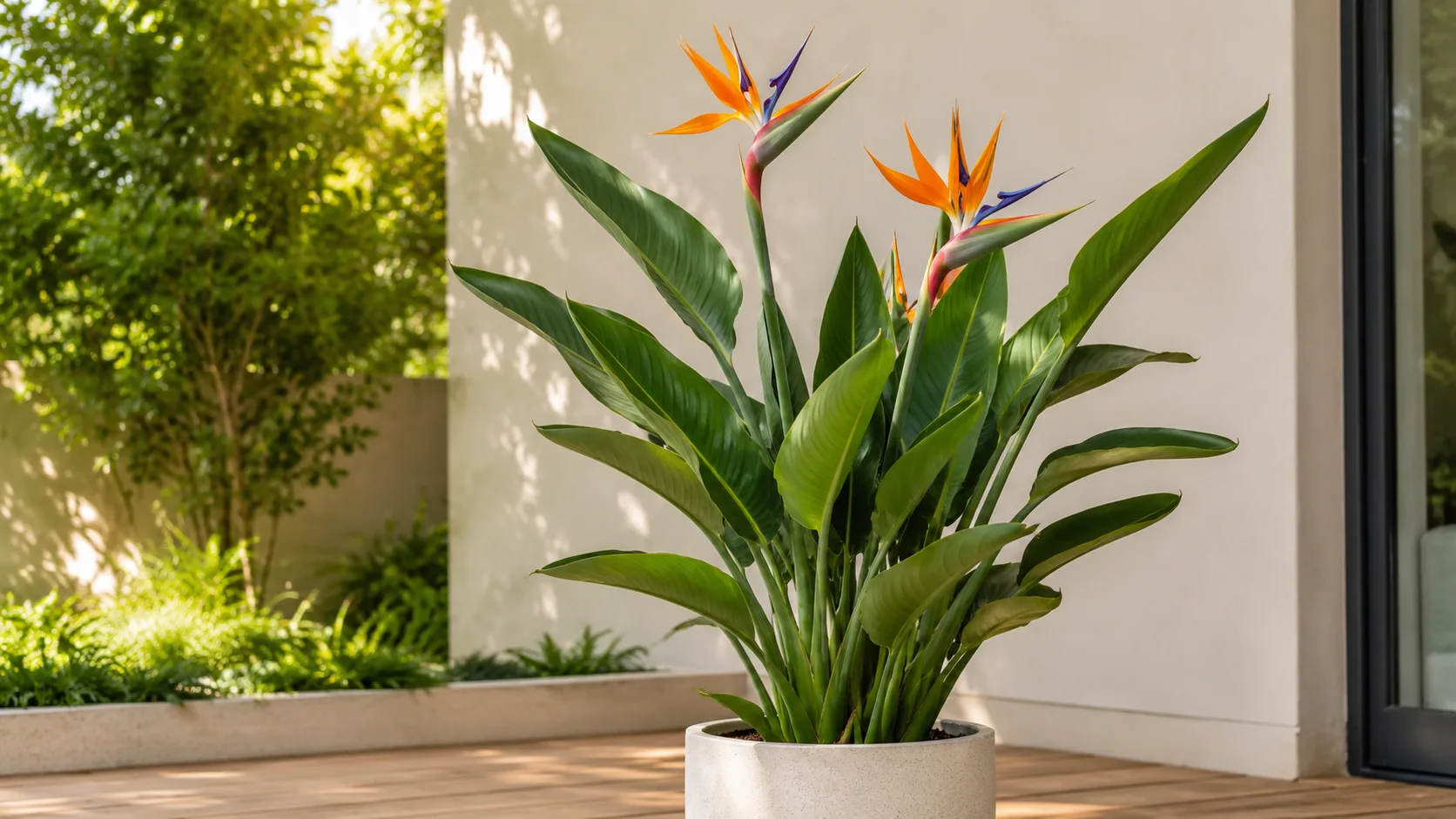
Bird of paradise (Strelitzia reginae) and peace lily (Spathiphyllum) both sell tropical drama — but they solve opposite indoor problems. Bird of paradise is banana-leaf architecture that wants sun and space and rarely flowers inside. Peace lily is the white-flag bloomer that survives office dim and tells you when it is thirsty.
We have kept peace lilies flowering in north-facing offices where a bird of paradise would stretch weak, split leaves toward the only photons available. We have also grown bird of paradise in a bright sunroom where the paddle leaves looked magnificent — and produced zero orange crane flowers in three years. Indoor Strelitzia success is measured in foliage, not blooms. That expectation reset is the comparison.
Compare routines on the bird of paradise hub and peace lily hub. For spathe lookalikes, see peace lily vs anthurium.
Different families, opposite indoor promises
NC State on Strelitzia reginae describes large banana-like leaves, need for bright light, and slow or unlikely indoor bloom.
NC State on Spathiphyllum highlights white spathes, very low light tolerance, and evenly moist soil.
Missouri Botanical Garden on S. reginae shows orange-blue crane flowers — realistic outdoors in warm climates, rare indoors.
MOBOT on Spathiphyllum frames peace lily as a reliable indoor flowering plant.
Bench ID: paddle leaves vs white sail
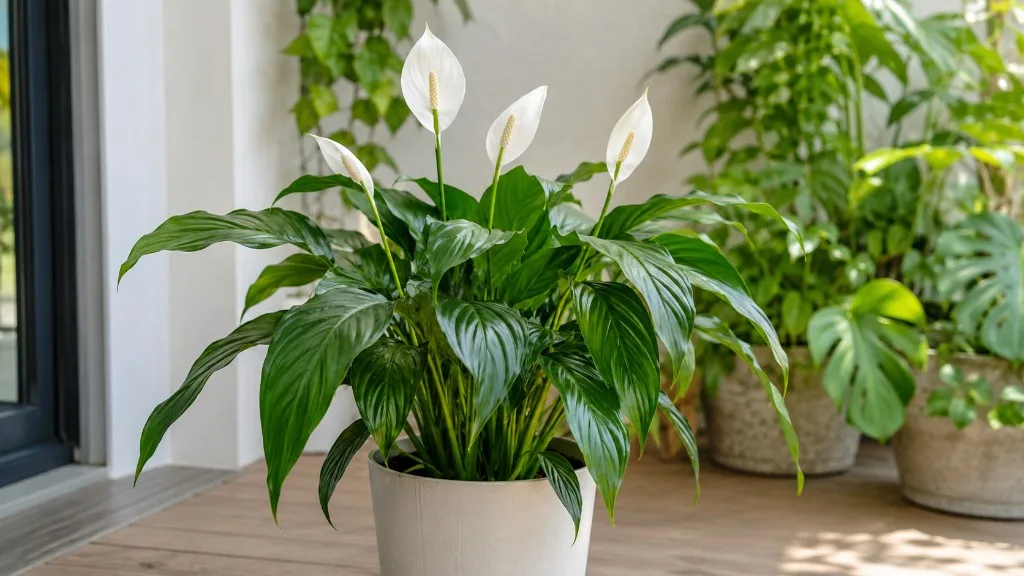
Bird of paradise: large paddle-shaped leaves on thick petioles — banana-plant silhouette. No spathe bloom indoors in most homes. Grows tall and wide fast.
Peace lily: dark green lance-shaped leaves, white curved spathe (flag) above foliage. Stays apartment-scale — tabletop to medium floor pot.
If leaves look like banana paddles, it is Strelitzia. If a white sail rises above dark green foliage, it is Spathiphyllum.
Light and realistic bloom expectations
Do not buy bird of paradise expecting indoor orange flowers — RHS on Strelitzia reginae treats it as a warm bright conservatory plant. Indoors, success = healthy giant leaves, not crane blooms.
Peace lily blooms in dimmer rooms — Clemson HGIC on peace lily highlights office performance. White spathes in moderate light without a south window.
Compare bird of paradise light with peace lily light.
Instagram crane flower indoors: reset expectations — choose bird of paradise for leaves, not blooms. Choose peace lily if flowers in a dim room matter.
Watering and stress signals
Peace lily: dramatic wilt as feedback
Peace lily wilts flat when dry, then perks after watering if not left desiccated for weeks. Clear visual cue for forgetful waterers.
Keep mix evenly moist, not swampy. See peace lily watering.
Bird of paradise: splits and browns, less wilt drama
Bird of paradise leaves split and brown at edges when underwatered or when humidity and light are wrong — less dramatic wilt feedback than peace lily. Large leaves show stress slowly.
Both hate standing saucer water. See bird of paradise watering.
Space planning: floor tree vs apartment pot
Bird of paradise outgrows a 6-inch pot into a floor tree with leaf span measured in feet. Plan for a large pot, bright window, and clearance for spreading paddles.
Peace lily stays apartment-scale for years — better default for small rooms.
Small apartment, no south window: peace lily.
Bright sunroom foliage wall: bird of paradise.
Pet safety: both toxic
ASPCA lists peace lily as toxic to cats and dogs via insoluble calcium oxalates.
ASPCA lists bird of paradise as toxic with oral irritation and nausea possible.
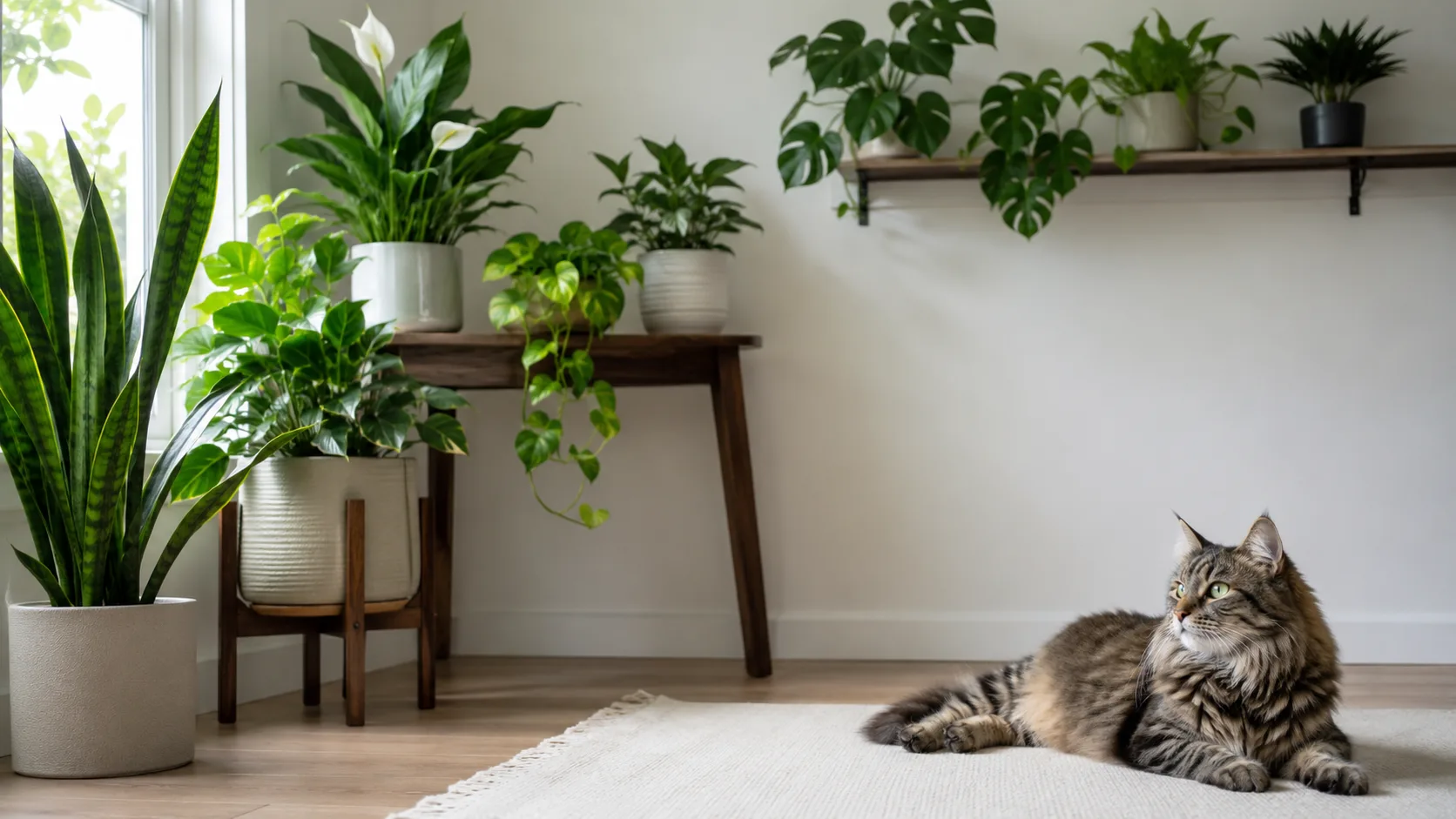
Neither belongs within chew range. Large bird of paradise leaves are within dog reach on the floor. Browse pet-safe houseplants if toxicity is non-negotiable.
Side-by-side comparison
| Factor | Bird of paradise (S. reginae) | Peace lily (Spathiphyllum) |
|---|---|---|
| Leaf type | Large paddle / banana-like | Dark green oval lance |
| Indoor bloom | Rare; needs sun + maturity | Regular white spathes |
| Light | Bright to direct sun | Low to medium |
| Space | Large floor specimen | Medium pot |
| Water | Evenly moist when growing | Evenly moist; wilts when dry |
| Humidity | Prefers moderate+ | Average room OK |
| Toxicity | Toxic | Toxic (calcium oxalate) |
Which plant to choose
White flowers in a dim office: peace lily.
Bright sunroom foliage wall: bird of paradise.
Small apartment, no south window: peace lily.
Instagram crane flower indoors: reset expectations — choose bird of paradise for leaves, not blooms.
Pet household: neither.
Already grow peace lily well: bird of paradise is not “more peace lily” — it is a full light and space upgrade.
Spathe confusion with red blooms: see peace lily vs anthurium.
Repotting and long-term size reality
Peace lily stays manageable — repot every 1–2 years when roots circle the pot. A 10-inch peace lily fits most apartments indefinitely. Division at repot multiplies plants easily.
Bird of paradise doubles in leaf span within a season in bright light. Plan for 14-inch+ floor pots within two years. Thick rhizomes need room — root-bound Strelitzia pushes new leaves slowly and splits existing paddles.
Ceiling clearance: mature bird of paradise leaves arch 6–8 feet indoors. Peace lily rarely exceeds 3 feet total height. Measure your room before buying Strelitzia for a corner that already holds a bookshelf.
Fertilizer and bloom expectations
Peace lily blooms on moderate feed in spring and summer — light liquid fertilizer monthly during active growth. Over-fertilizing burns leaf tips; under-fertilizing reduces bloom count but does not kill the plant.
Bird of paradise wants regular feed when growing in bright light — but fertilizer does not replace photons for indoor bloom. Most indoor Strelitzia stay foliage plants regardless of feed schedule. Buy for leaves.
Brown peace lily blooms: snip spent spathes at the base — the plant redirects energy to new flags. Bird of paradise has no indoor bloom cycle to manage in most homes.
Common mistakes we see in real homes
Buying bird of paradise for a dim living room because the nursery photo showed orange flowers — indoor Strelitzia is a foliage plant without bright light.
Letting peace lily wilt repeatedly to “know when to water” — chronic drought stress reduces bloom and browns leaf tips. Wilt once as a lesson, then water before collapse.
Grouping both as “tropical” with identical watering — peace lily wants steady moisture; bird of paradise in low light holds water longer and rots if overwatered on a peace lily schedule.
Ignoring pet toxicity because leaves look tough — both carry ASPCA toxic listings. Large bird of paradise paddles are dog-height.
Related: best low light indoor plants, bird of paradise hub, peace lily hub.
Conclusion
ID: banana paddle leaves → bird of paradise. White sail spathe → peace lily.
Choose: low-light blooms → peace lily. Bright floor foliage → bird of paradise.
Care: peace lily wilts when dry; bird of paradise needs sun and space — indoor flowers are a bonus, not the default.
Follow the bird of paradise hub or peace lily hub — not a generic tropical plant schedule.