12 Fast-Growing Fruit Trees for Home Gardens
Compare 12 fast fruit trees by years to harvest, USDA zones, pollination rules, and space needs so you pick a tree that actually fruits in your yard.
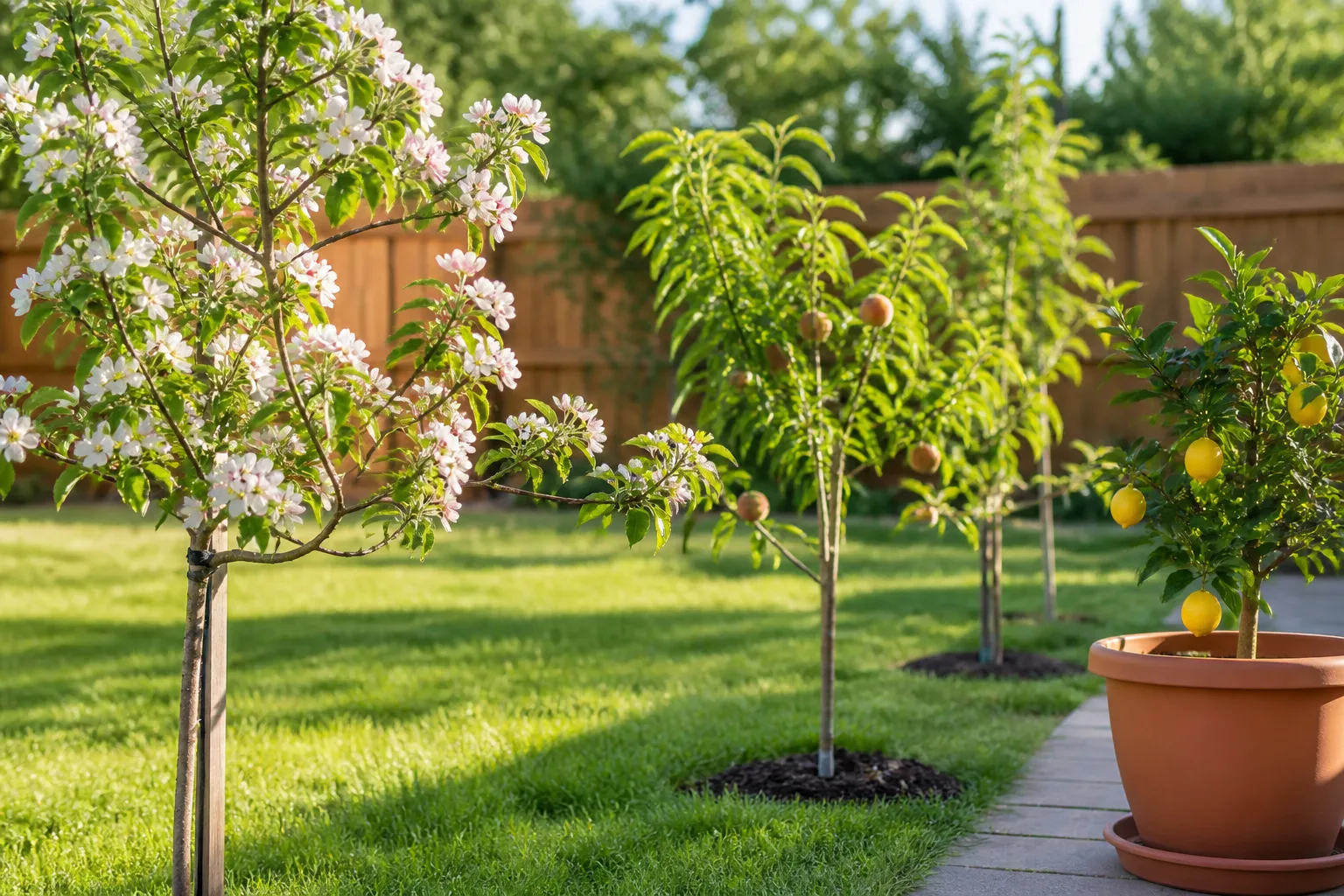
A fruit tree labeled “fast-growing” can still leave you waiting eight years if you plant the wrong form in the wrong climate. Speed to harvest depends less on marketing copy than on whether the tree is grafted, how many chill hours your winter provides, and whether you have the pollination partner the species requires. The twelve trees below can produce usable fruit sooner than many standard orchard specimens—but only when you match species to site.
If you are working with a small yard, pair this list with our guide to dwarf fruit trees for rootstock and container notes. If apples are on your short list, our apple fruiting guide walks through pollination and thinning in more detail.
What “Fast-Growing” Really Means for Fruit Trees
In nursery listings, “fast-growing” usually describes years until first harvest, not how many inches the trunk adds per season. A vigorous standard pear may grow tall quickly yet take a decade to carry a meaningful crop, while a modest dwarf apple on dwarfing rootstock can flower within two or three years because the scion was already physiologically mature when it was grafted.
That distinction matters at the garden center. A one-gallon citrus in a warm greenhouse may flower the season you buy it; a bare-root peach whip in a cold-winter state may need three summers just to build framework wood before it holds fruit. Judge progress by flower buds and fruit set, not by height alone.
Grafted Trees vs. Seed-Grown Stock
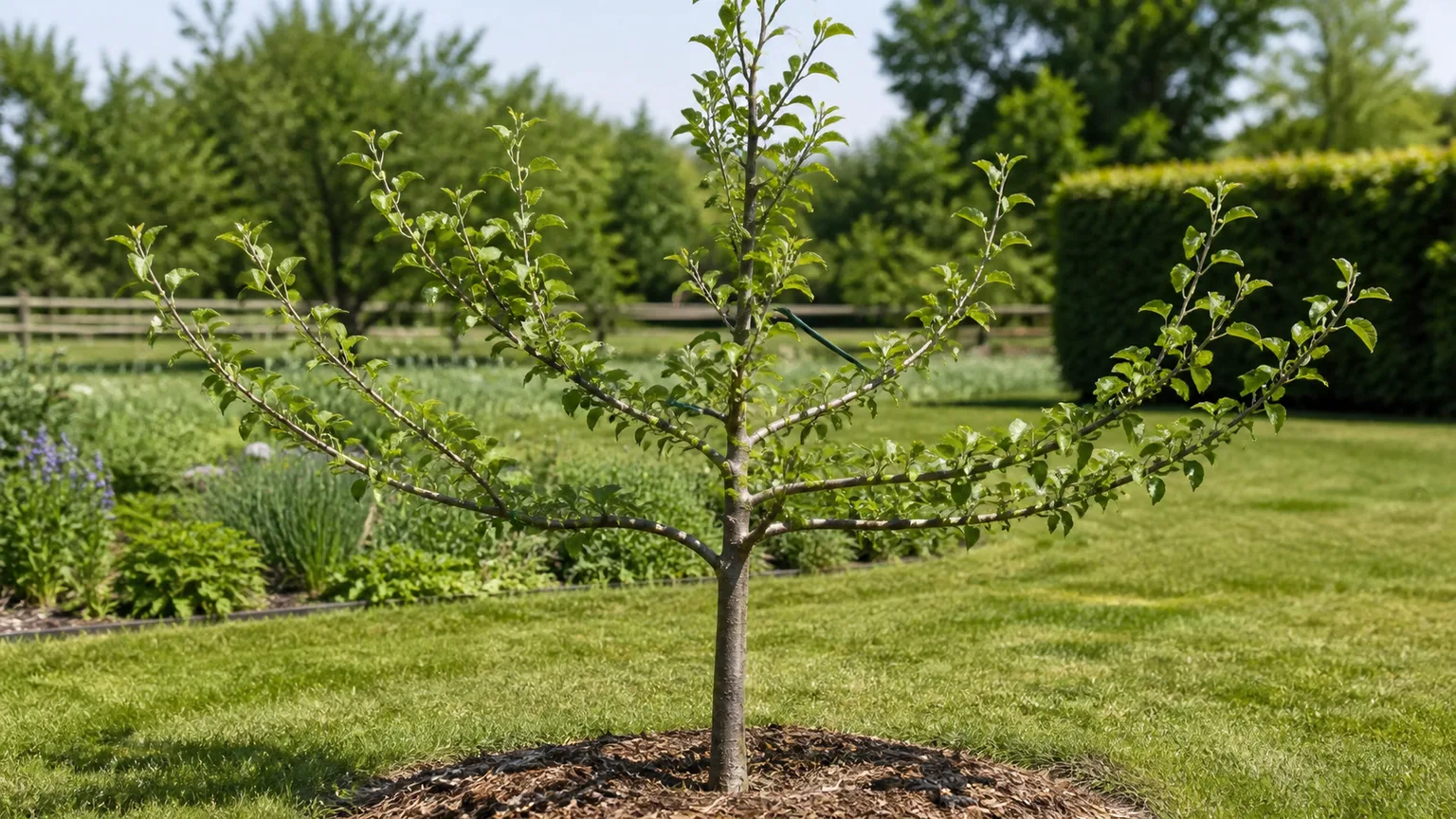
Grafting joins a named fruit variety (the scion) onto established roots (the rootstock). The scion carries the variety’s genetics and, critically, its maturity. A grafted tree skips much of the juvenile phase that keeps seed-grown plants in leaf mode for years.
UF/IFAS notes that loquat seedlings often need six to eight years before flowering, while vegetatively propagated loquat trees commonly begin bearing one to two years after planting. Meyer lemon from seed can take four years or more; grafted dwarfs frequently flower within one to two years in favorable conditions. For any species on this list, buy named, grafted cultivars unless you are deliberately growing rootstock or experimenting with seedlings.
Dwarf Rootstock Changes the Calendar
Dwarf and semi-dwarf rootstocks limit tree size and often shorten the wait to first crop. University of Minnesota Extension reports that dwarf apple trees may begin fruiting two to three years after planting, while standard trees can take five to eight years. The trade-off is longevity, anchorage, and sometimes total yield per tree—dwarfs need staking on windy sites and more careful watering because their root volume is smaller.
Read the nursery tag for rootstock name (for example, M.9 or G.41 on apples, quince on some pears). “Dwarf” without a rootstock label is marketing, not a plan.
Four Decisions Before You Buy Any “Fast” Tree
Match Chill Hours to Your Winter
Stone fruits such as apricot, peach, apple, and many pears need a winter accumulation of chill hours—time spent roughly between 32°F and 45°F (0–7°C)—to break dormancy and flower normally. UC Marin Master Gardeners explain that apricots generally need substantial winter chilling; in warm-winter regions, low-chill cultivars such as ‘Katy’ are the practical choice.
If your winters are mild, a “fast” peach on paper may never flower. Look up chill-hour maps from your state extension office and choose cultivars bred for your range before worrying about harvest month.
Self-Fertile vs. Needs a Pollinizer
Some trees set fruit alone; others need cross-pollination from a different cultivar (or compatible wild relative) blooming at the same time.
| Tree type | Typical pollination need | Fast-harvest note |
|---|---|---|
| Calamondin, Meyer lemon | Self-fertile | One tree is enough in a warm site |
| Loquat | Self-compatible; cross improves set | Second cultivar boosts size and yield |
| Apricot, peach (many) | Often self-fertile; varies by cultivar | Confirm on the label |
| Fig (common types) | Self-fruitful | No partner required |
| Apple, pear | Usually needs second cultivar | No apples without a partner—see our apple guide |
| Pawpaw | Self-incompatible | Two genetically different trees required |
| Asian persimmon (many) | Often self-fruitful | Check cultivar—some need pollination variant |
| Quince | Largely self-fertile | One tree usually suffices |
Buying one apple tree and wondering why it never fruits is the most common “slow tree” mistake. Plan pollination before you dig the first hole.
Citrus and Subtropical Trees (Often 1–2 Years to First Fruit)
In USDA zones 8–11 (and zone 7 with protection), grafted citrus and loquat are the closest most home growers get to a first harvest within one to two years of planting a healthy nursery tree.
Calamansi and Dwarf Meyer Lemon
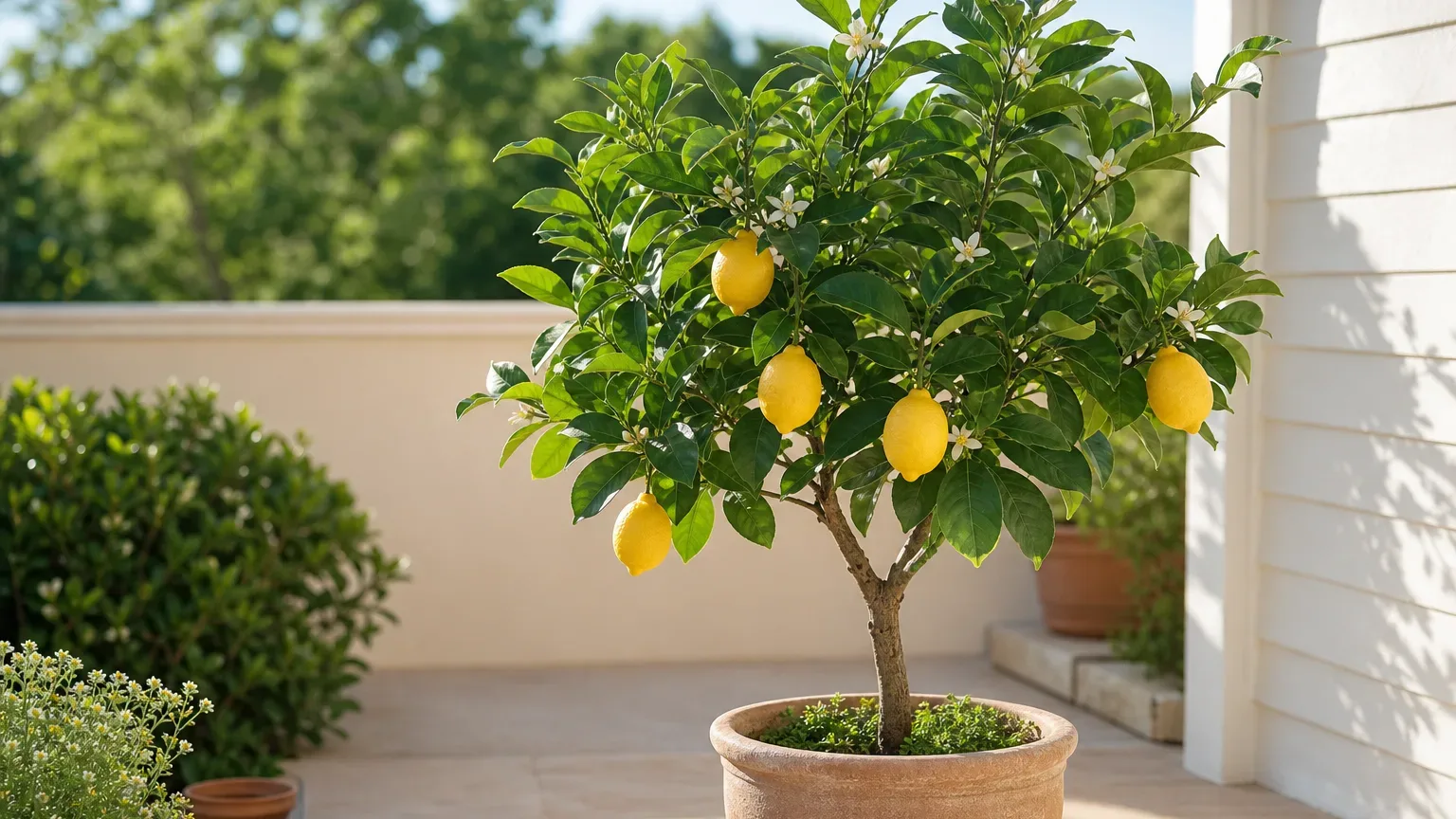
Calamondin (Citrus × microcarpa), also sold as calamansi, is a compact, self-fertile citrus with tart, tangerine-sized fruit. UF/IFAS describes it as productive in subtropical landscapes, with year-round fruiting on established plants in frost-free areas. Expect 12–14 ft mature height unless you choose a labeled dwarf form and prune for size. Zones: 8a–10b with frost protection at the cold end. Light: Full sun to light afternoon shade in hottest deserts. Harvest: Rolling, heaviest in cool months. Best for: Cooks who want acidic juice and marmalade, patio growers in frost-free climates.
Meyer lemon is a sweeter, thin-skinned lemon hybrid prized for containers and small yards. Grafted dwarfs on flying dragon or similar rootstock often flower within one to two years; seed-grown plants may take four years or more. Mature dwarfs commonly reach 5–10 ft tall and wide with pruning. Zones: 8–11 outdoors; colder regions grow in pots and overwinter indoors. Light: At least six hours of direct sun. Harvest: Deep yellow fruit, often late winter to spring. Tip: Indoor trees need bright light and careful watering—dry air and soggy soil both drop fruit.
Loquat
Loquat (Eriobotrya japonica) blooms in fall and ripens in spring, which feels backwards if you are used to summer stone fruit. UF/IFAS reports that grafted trees often bear one to two years after planting, while seedlings need six to eight years. Trees reach 20–35 ft unpruned; dwarf selections such as ‘Advance’ stay near 5 ft with management.
Zones: 7–11; flowers and young fruit are killed below about 27°F. Varieties: ‘Champagne’, ‘Big Jim’, and ‘Advance’ are widely recommended in the Southeast. Plant in full sun, give drainage, and thin clusters if you want larger fruit.
Stone Fruits That Can Bear in Two to Five Years
Apricot and peach can reward patient pruning with harvests two to five years after planting grafted trees—faster in long, warm growing seasons, slower after hard winters or deer damage.
Apricot and Peach
Apricot (Prunus armeniaca) needs adequate chill and a sunny site with sharp drainage. UC Marin Master Gardeners note flowering in early spring and harvest from early to midsummer depending on cultivar. Grafted trees often fruit between years two and five; low-chill ‘Katy’ suits mild-winter gardens, while ‘Royal Blenheim’ and ‘Pixie-Cot’ (dwarf) are classic home choices. Size: 15–25 ft standard; dwarf forms much smaller. Zones: 4–9 with cultivar-specific limits. Watch for: late frost on open blossoms—site on a slope or near a building radiating heat if spring frost is common.
Peach (Prunus persica) on standard rootstock may take four years from seed, but grafted trees frequently bear in two to three years. Many cultivars are self-fertile, which speeds the timeline for small yards. Mature size ranges from 4–25 ft depending on rootstock and pruning. Zones: 5–9. Harvest: June–August in most regions. Varieties: ‘Halehaven’, ‘Saturn’ (donut), and container-friendly ‘Bonanza’. Peaches need aggressive thinning—leave six to eight inches between developing fruits—or the tree may crop heavily one year and rest the next.
Figs and Pomes With Reliable Home-Harvest Timelines
Fig
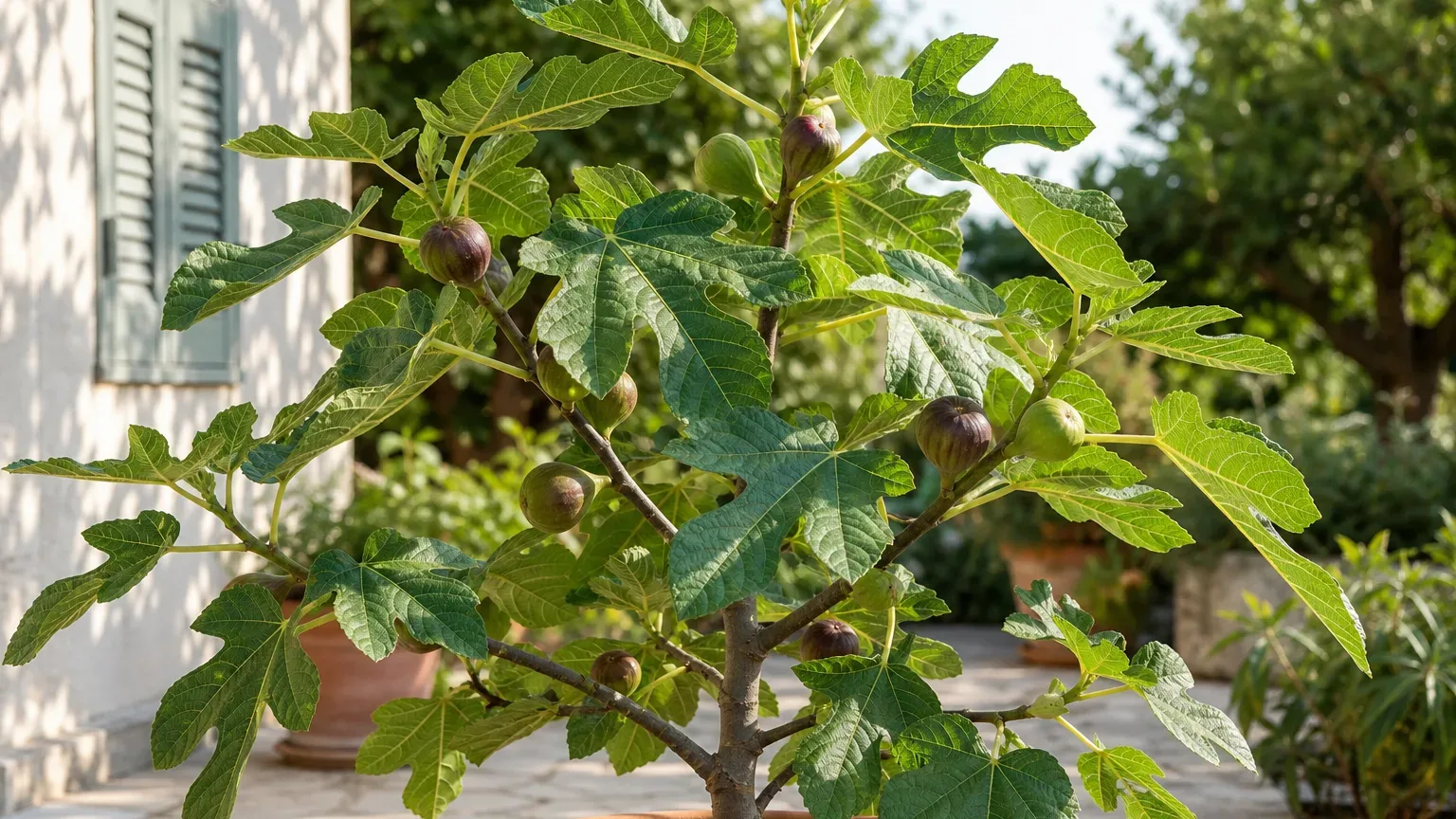
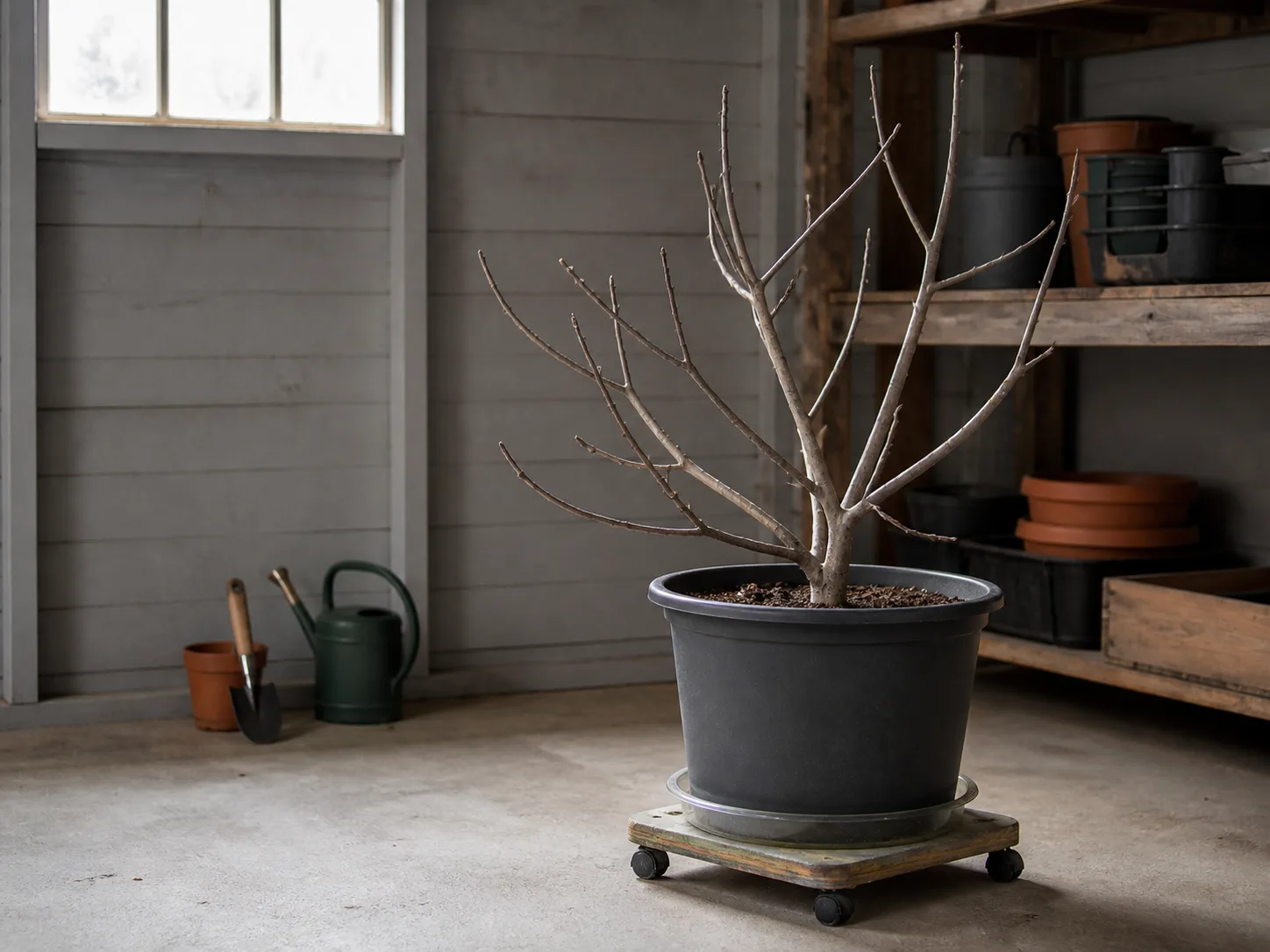
Fig (Ficus carica) is the forgiving choice for growers who want dessert fruit without a pollination puzzle. University of Maryland Extension notes figs can begin bearing in two to three years, with dwarf cultivars such as ‘Little Miss Figgy’ and ‘Brown Turkey’ suited to containers or tight yards. Mature trees reach 10–30 ft unless pruned to a bush form.
Zones: 7–11; colder areas use protected microclimates or pots. Harvest: Late summer main crop on new wood for common types. Caveat: Unripe figs do not ripen off the tree—pick when soft and drooping.
Dwarf Apple
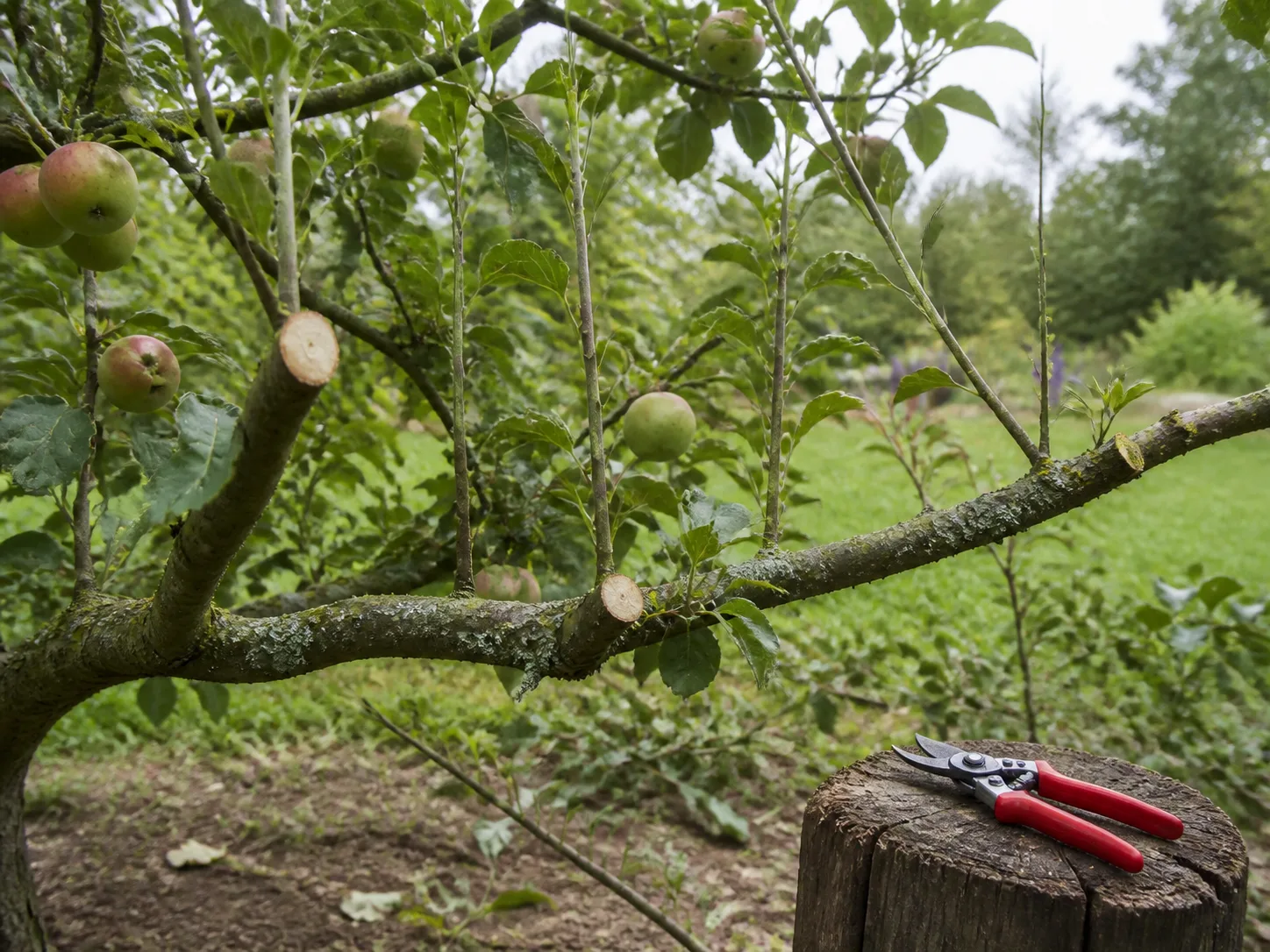
For speed, choose dwarf or semi-dwarf apples on known rootstock. University of Minnesota Extension indicates dwarfs may fruit in two to three years versus five to eight for standards—but you still need a compatible pollinizer unless you buy a multi-grafted tree or a partially self-fertile cultivar with a documented track record in your area.
Size: 15–30 ft for untrained dwarfs; much smaller with summer pruning. Zones: 3–8 by cultivar. Harvest: August–October. Varieties: ‘Honeycrisp’, ‘Stayman Winesap’, and ‘Pink Lady’ need partners; check bloom groups on the label.
Pear
Pear (Pyrus spp.) on dwarf rootstock often fruits in three to five years, though some vigorous standards take up to ten. University of Minnesota Extension recommends planting at least two compatible cultivars for reliable crops. ‘Bartlett’, ‘Seckel’, and ‘Comice’ remain dependable home choices.
Zones: 4–8. Harvest: Late summer to early fall; European pears ripen off the tree after picking at mature firmness. Fire blight is a serious risk on susceptible cultivars in humid regions—choose resistant varieties where extension lists them.
Native and Specialty Trees Worth Planning For
These species belong on a “fast enough” list with caveats: pawpaw needs partners and patience to year four; persimmon and quince are slower than citrus; black cherry is ecologically valuable but not a typical grocery-fruit tree.
Pawpaw
Pawpaw (Asimina triloba) produces tropical-flavored fruit on a cold-hardy native tree. NC State Extension clarifies that flowers have both male and female parts but are self-incompatible—you need two genetically different trees (not “male and female” pairs). Grafted cultivars such as ‘Sunflower’, ‘Mango’, and ‘Allegheny’ often bear in four to five years, sometimes sooner on large nursery stock.
Size: 15–25 ft. Zones: 5–9. Harvest: Late summer to fall. Tips: Partial shade is tolerated; full sun improves fruiting once established. Protect ripening fruit from raccoons and squirrels, or harvest when slightly soft and aromatic.
Persimmon, Quince, and Black Cherry
Asian persimmon (Diospyros kaki) grafted trees commonly need five to seven years—honestly slower than citrus or fig, but worthwhile for fall color and storage fruit. Non-astringent types such as ‘Fuyugaki’ and ‘Jiro’ can be eaten firm; astringent types must soften completely. Zones: 7–10.
Quince (Cydonia oblonga) is fragrant and excellent cooked, but raw fruit is hard and astringent in cool climates. Expect five to six years to meaningful harvest. ‘Rich’s Dwarf’ suits smaller spaces. Zones: 5–9.
Black cherry (Prunus serotina) is a native woodland tree that can bear within about five years. Iowa State University Extension and USDA NRCS describe it as a large forest species valued for wildlife, not as a sweet cherry substitute. Fruit is small, often bitter fresh, and better for jelly or birds than pie. Size: 20–30 ft or more. Zones: 3–10 across its native range. Include it here only if you want a native food-for-wildlife tree—not if you want Bing-style cherries.
Conclusion
The fastest path to backyard fruit is usually a grafted calamondin, Meyer lemon, or loquat in a warm climate, or a dwarf fig or peach where winters cooperate. Apples and pears can fruit relatively soon on dwarf rootstock, but only if you solve pollination first. Pawpaw, persimmon, and quince reward planners who accept a longer runway.
Before you order, write down your USDA zone, estimated chill hours, available space, and whether you can plant a second cultivar. Buy from a nursery that lists rootstock and cultivar on the tag, plant in full sun with drainage, and measure success by flower buds—not by how tall the whip grew in year one. The right tree, correctly matched, beats any generic “fast-growing” label.



